HTTP 200 OK
Allow: GET, HEAD, OPTIONS
Content-Type: application/json
Vary: Accept
{
"count": 17752,
"next": "http://admin.kavishala.in/sootradhar/authors/?format=api&page=2",
"previous": null,
"results": [
{
"id": 16,
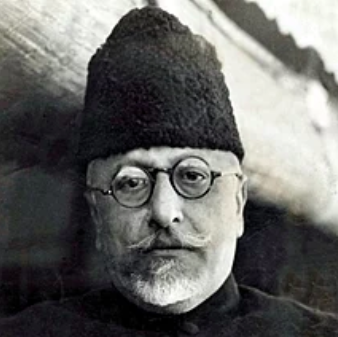
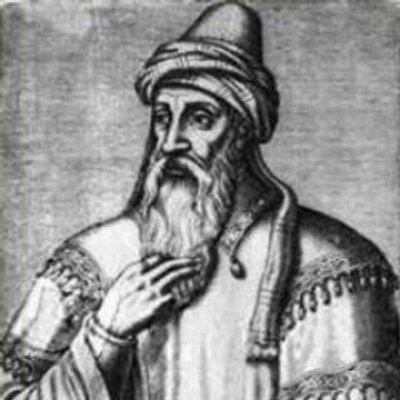
"image": "https://kavishalalab.s3.ap-south-1.amazonaws.com/sootradhar_author/ABUL_KALAM_AZAD.png",
"name": "ABUL KALAM AZAD",
"bio": "Maulana Sayyid Abul Kalam Ghulam Muhiyuddin Ahmed bin Khairuddin Al-Hussaini Azad About this soundpronunciation (help·info) (11 November 1888 – 22 February 1958) was an Indian scholar, Islamic theologian, independence activist, and a senior leader of the Indian National Congress during the Indian independence movement. Following India's independence, he became the First Minister of Education in the Indian government Minister of Human Resource Development (until 25 September 1958, Ministry of Education) . He is commonly remembered as Maulana Azad; the word Maulana is an honorific meaning 'Our Master' and he had adopted Azad (Free) as his pen name. His contribution to establishing the education foundation in India is recognised by celebrating his birthday as National Education Day across India.\r\n\r\nAs a young man, Azad composed poetry in Urdu, as well as treatises on religion and philosophy. He rose to prominence through his work as a journalist, publishing works critical of the British Raj and espousing the causes of Indian nationalism. Azad became the leader of the Khilafat Movement, during which he came into close contact with the Indian leader Mahatma Gandhi. Azad became an enthusiastic supporter of Gandhi's ideas of non-violent civil disobedience, and worked to organise the non-co-operation movement in protest of the 1919 Rowlatt Acts. Azad committed himself to Gandhi's ideals, including promoting Swadeshi (indigenous) products and the cause of Swaraj (Self-rule) for India. In 1923, at an age of 35, he became the youngest person to serve as the President of the Indian National Congress.\r\n\r\nIn October 1920, Maulana Abul Kalam Azad was elected as a member of foundation committee to establish Jamia Millia Islamia at Aligarh in U. P. without taking help from British colonial government. He assisted in shifting the campus of the university from Aligarh to New Delhi in 1934. The main gate (Gate No. 7) to the main campus of the university is named after him.\r\n\r\nAzad was one of the main organizers of the Dharasana Satyagraha in 1931, and emerged as one of the most important national leaders of the time, prominently leading the causes of Hindu-Muslim unity as well as espousing secularism and socialism. He served as Congress president from 1940 to 1945, during which the Quit India rebellion was launched. Azad was imprisoned, together with the entire Congress leadership. He also worked for Hindu-Muslim unity through the Al-Hilal newspaper.",
"raw_bio": "Maulana Sayyid Abul Kalam Ghulam Muhiyuddin Ahmed bin Khairuddin Al-Hussaini Azad About this soundpronunciation (help·info) (11 November 1888 – 22 February 1958) was an Indian scholar, Islamic theologian, independence activist, and a senior leader of the Indian National Congress during the Indian independence movement. Following India's independence, he became the First Minister of Education in the Indian government Minister of Human Resource Development (until 25 September 1958, Ministry of Education) . He is commonly remembered as Maulana Azad; the word Maulana is an honorific meaning 'Our Master' and he had adopted Azad (Free) as his pen name. His contribution to establishing the education foundation in India is recognised by celebrating his birthday as National Education Day across India.\r \r As a young man, Azad composed poetry in Urdu, as well as treatises on religion and philosophy. He rose to prominence through his work as a journalist, publishing works critical of the British Raj and espousing the causes of Indian nationalism. Azad became the leader of the Khilafat Movement, during which he came into close contact with the Indian leader Mahatma Gandhi. Azad became an enthusiastic supporter of Gandhi's ideas of non-violent civil disobedience, and worked to organise the non-co-operation movement in protest of the 1919 Rowlatt Acts. Azad committed himself to Gandhi's ideals, including promoting Swadeshi (indigenous) products and the cause of Swaraj (Self-rule) for India. In 1923, at an age of 35, he became the youngest person to serve as the President of the Indian National Congress.\r \r In October 1920, Maulana Abul Kalam Azad was elected as a member of foundation committee to establish Jamia Millia Islamia at Aligarh in U. P. without taking help from British colonial government. He assisted in shifting the campus of the university from Aligarh to New Delhi in 1934. The main gate (Gate No. 7) to the main campus of the university is named after him.\r \r Azad was one of the main organizers of the Dharasana Satyagraha in 1931, and emerged as one of the most important national leaders of the time, prominently leading the causes of Hindu-Muslim unity as well as espousing secularism and socialism. He served as Congress president from 1940 to 1945, during which the Quit India rebellion was launched. Azad was imprisoned, together with the entire Congress leadership. He also worked for Hindu-Muslim unity through the Al-Hilal newspaper.",
"slug": "abul-kalam-azad",
"DOB": "1988-11-11",
"DateOfDemise": null,
"location": "Makkah, Hejaz Vilayet, Ottoman Empire",
"url": "/sootradhar/abul-kalam-azad",
"tags": null,
"created": "2023-09-22T12:17:03.266603",
"is_has_special_post": false,
"is_special_author": false,
"language": null
},
{
"id": 17,
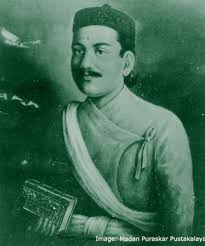
"image": "https://kavishalalab.s3.ap-south-1.amazonaws.com/sootradhar_author/bhanubhakta-acharya.jpg",
"name": "Bhanubhakta Acharya | Nepal",
"bio": "<p>People are born into this world. Many of whom live their lives, die and two generations later, they are forgotten forever. However, there are few people immortalize their names because of their great deeds. Some of them are immortalized for their outstanding contributions to society, while some are immortalized for their insane talents. Among the few names, Nepali poet Adikavi Bhanubhakta Acharya shines brightly because of his evergreen poems.</p>\r\n<p>\r\nThey say the greatest of the greatest people are born one in a million, and Bhanubhakta Acharya was definitely one of them. The greatest treasure Nepal could have. His contributions to Nepali literature was a huge milestone. And even today, in his memory, we celebrate and honor his work by celebrating Bhanu Jayanti on his birthday. During this day, many seminars, events, and conferences are held in order to encourage other rising and hidden talents, to come out and contribute to Nepali literature.\r\n</p>\r\n<p><b>About Bhanubhakta Acharya</b><br>\r\nBhanubhakta was born in 1814 AD (1874 BS) on July 13. He was born in a village called Chundi Ramgh of Tanahun district in Nepal. He was born into a high-class brahmin family. Acharya was educated by his grandfather, Shri Krishna Acharya. His father Dhananjaya Acharya was a government official who worked for General Amar Singh Thapa as Governor of Palpa, in western Nepal.\r\n<br><br>\r\nNot much too given said and known about his early life, but there’s a story that he got inspiration to be a poet from a grass cutter, who was working in scorching heat to build a well just so that he could give something back to the society. He was moved from the determination of the grass cutter.\r\n</p>\r\n<p><b>Bhanubhakta Acharya’s career</b><br>\r\n\r\n\r\n\r\nBack in those days, every piece of literature was written in Sanskrit and common people couldn’t understand the Sanskrit language. So the works were only limited to well-educated brahmin people, who had learned Sanskrit. But, Bhanubhakta Acharya changed the meta and started writing in the Nepali language.\r\n<br><br>\r\nBecause of this, he popularized the Nepali language and Nepali literature as a whole. He also gained the favor of the then Rana family. Acharya also translated the epic Ramayana into Nepali, as he wanted Ramayana to be read by common people who didn’t get the opportunity to learn Sanskrit. Not only that he was also a huge devotee of Lord Ram.\r\n<br><br>\r\nBhanubhakta Acharya is referred to as Adikavi not because he was the very first Nepali poem to every exist in Nepal but because he was the first poet to write in Nepali. He made Nepali a language that can be used in literature writing. He is also given that title as he was the first poet to understand the marma (or inner essence) of poetry.\r\n<br><br>\r\nBhanubhakta Acharya died in 1868 AD (1925 BS). But he has never been forgotten. While he was alive, his works were still being overshadowed by other great writers and poets like Laxmi Prasad Devkota. Acharya died without getting any credits for his works. He got famous and the due recognition after Moti Ram Bhatta found his manuscripts and published them.\r\n<br></p>\r\n<p><b>Bhanubhakta Acharya’s famous poems is titled Ghasi:</b><br>\r\nभर् जन्म घाँस तिर मन् दिई धन कमायो<br>\r\nनाम क्यै रहोस् पछि भनेर कुवा खनायो<br>\r\nघाँसी दरिद्र घरको तर बुद्धि कस्तो<br>\r\nम भानुभक्त धनी भैकन किन यस्तो<br>\r\n<br>\r\nमेरा ईनार न त सत्तल पाटिकै छन्<br>\r\nजे धन चीजहरु छन् घर भित्रनै छन्<br>\r\nत्यस घाँसीले कसरी आज दिए छ अर्ति<br>\r\nधिक्कार हो म कन बस्नु न राखि किर्ति<br>\r\n</p>",
"raw_bio": "People are born into this world. Many of whom live their lives, die and two generations later, they are forgotten forever. However, there are few people immortalize their names because of their great deeds. Some of them are immortalized for their outstanding contributions to society, while some are immortalized for their insane talents. Among the few names, Nepali poet Adikavi Bhanubhakta Acharya shines brightly because of his evergreen poems. \r They say the greatest of the greatest people are born one in a million, and Bhanubhakta Acharya was definitely one of them. The greatest treasure Nepal could have. His contributions to Nepali literature was a huge milestone. And even today, in his memory, we celebrate and honor his work by celebrating Bhanu Jayanti on his birthday. During this day, many seminars, events, and conferences are held in order to encourage other rising and hidden talents, to come out and contribute to Nepali literature.\r About Bhanubhakta Acharya \r Bhanubhakta was born in 1814 AD (1874 BS) on July 13. He was born in a village called Chundi Ramgh of Tanahun district in Nepal. He was born into a high-class brahmin family. Acharya was educated by his grandfather, Shri Krishna Acharya. His father Dhananjaya Acharya was a government official who worked for General Amar Singh Thapa as Governor of Palpa, in western Nepal.\r \r Not much too given said and known about his early life, but there’s a story that he got inspiration to be a poet from a grass cutter, who was working in scorching heat to build a well just so that he could give something back to the society. He was moved from the determination of the grass cutter.\r Bhanubhakta Acharya’s career \r \r \r \r Back in those days, every piece of literature was written in Sanskrit and common people couldn’t understand the Sanskrit language. So the works were only limited to well-educated brahmin people, who had learned Sanskrit. But, Bhanubhakta Acharya changed the meta and started writing in the Nepali language.\r \r Because of this, he popularized the Nepali language and Nepali literature as a whole. He also gained the favor of the then Rana family. Acharya also translated the epic Ramayana into Nepali, as he wanted Ramayana to be read by common people who didn’t get the opportunity to learn Sanskrit. Not only that he was also a huge devotee of Lord Ram.\r \r Bhanubhakta Acharya is referred to as Adikavi not because he was the very first Nepali poem to every exist in Nepal but because he was the first poet to write in Nepali. He made Nepali a language that can be used in literature writing. He is also given that title as he was the first poet to understand the marma (or inner essence) of poetry.\r \r Bhanubhakta Acharya died in 1868 AD (1925 BS). But he has never been forgotten. While he was alive, his works were still being overshadowed by other great writers and poets like Laxmi Prasad Devkota. Acharya died without getting any credits for his works. He got famous and the due recognition after Moti Ram Bhatta found his manuscripts and published them.\r Bhanubhakta Acharya’s famous poems is titled Ghasi: \r भर् जन्म घाँस तिर मन् दिई धन कमायो \r नाम क्यै रहोस् पछि भनेर कुवा खनायो \r घाँसी दरिद्र घरको तर बुद्धि कस्तो \r म भानुभक्त धनी भैकन किन यस्तो \r मेरा ईनार न त सत्तल पाटिकै छन् \r जे धन चीजहरु छन् घर भित्रनै छन् \r त्यस घाँसीले कसरी आज दिए छ अर्ति \r धिक्कार हो म कन बस्नु न राखि किर्ति ",
"slug": "bhanubhakta-acharya-nepal",
"DOB": "1814-07-13",
"DateOfDemise": null,
"location": "Chundi Ramgha, Nepal",
"url": "/sootradhar/bhanubhakta-acharya-nepal",
"tags": null,
"created": "2023-09-22T12:17:03.293031",
"is_has_special_post": false,
"is_special_author": false,
"language": null
},
{
"id": 18,
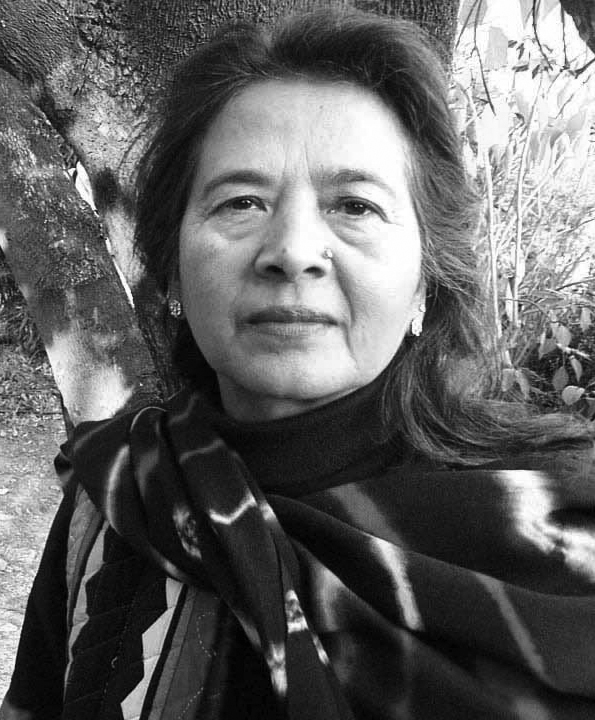
"image": "https://kavishalalab.s3.ap-south-1.amazonaws.com/sootradhar_author/final-banira-giri_768x768.jpg",
"name": "Banira Giri | Nepal",
"bio": "<br><br>Banira Giri was born in Kurseong near Darjeeling in West Bengal. She became the first Nepali woman to be awarded a PhD from Tribhuvan University, for her work on the revolutionary Nepali poet, Gopalprasad Rimal. The force and intention of his anti-establishment voice animates much of her own writing. Giri is one of the very few Nepali women writers to have established a reputation outside Nepal.\r\n<br><br>\r\n\r\n\"Poetry is my first love; it is my most personal urge,\" writes Giri. \"If someone wanted to punish me, forbidding me to write would be a far greater punishment than sending me to jail. The spirit that drives my poetry emerged from hearing my mother recite Sanskrit and Nepali shlokas in her morning puja. Directly or indirectly she prepared the ground for my poetic consciousness – whatever creative powers I have first sprouted in my earliest childhood.\r\n <br><br>\r\n\"My father played his part as well. During the cruel period of Rana rule, he traveled from east Nepal on a tiresome journey to settle in the small Indian town of Kurseong. There he started a small roadside business selling cloth – more a kind of meditation than business. He'd ask whoever came from Nepal about the political unrest there. His queries and stories about the revolutionaries, the martyrs, became the foundation of my political consciousness. And I was brought up on the Nepali books and journals he brought into the house – Bal Krishna Sama, Devkota and Rimal. Whatever he earned he sent back to the village, but though he wanted to, he never returned. I can also say that the earthly and spiritual beauty of Nepal – its wide and varied landscape and views, its heights and depths, shaped my poetry. Most of my poems express love for this country, my life and its surroundings.\r\n<br><br>\r\n\"Without spontaneity what is the point of writing poetry? In 'The Chant Freedom!' the lines came spontaneously, quickly and honestly. This stream of language has meaning, sound and depth and overall expresses the very sympathy of my heart. Many of my poems came to me in this way. But my poems are not just personal expression; they are forged in the workshop of political and social sensitivity. If one thinks the poem 'Wound' is about a part of the human body or is bound to a particular incident, this is absolutely wrong. The poem is rather concerned with willful violations of the innocent and powerless by the powerful. All my poems have ideas in play and it is up to the reader to recognize them. In whatever way the poem is read or interpreted, the language, the way of writing and the honest intent of the poet is what makes the writing poetry.\r\n<br><br>\r\n\"In 'Pashugayatri' I emphasize the eternal relationship of humans with nature, the environment and the universe. The sacred verses of the Rig Veda read for a dying person reverberate here, as do the intonations of my mother's voice. If the poem is read well, the concern for the death of the Bagmati River is also concern for the environment at large, the fate of the earth in this age of environmental degradation. We are all connected to life and nature. Poetry celebrates this connection. It also raises a warning voice to those who would ignore and violate all that is human and natural. To ignore the call of the earth, to violate our human connection to ourselves and to our surroundings – is that not also to strike a blow against poetry, against inspiration? The poet will always raise his voice against this desecration.\"<br><br>",
"raw_bio": "Banira Giri was born in Kurseong near Darjeeling in West Bengal. She became the first Nepali woman to be awarded a PhD from Tribhuvan University, for her work on the revolutionary Nepali poet, Gopalprasad Rimal. The force and intention of his anti-establishment voice animates much of her own writing. Giri is one of the very few Nepali women writers to have established a reputation outside Nepal.\r \r \r \"Poetry is my first love; it is my most personal urge,\" writes Giri. \"If someone wanted to punish me, forbidding me to write would be a far greater punishment than sending me to jail. The spirit that drives my poetry emerged from hearing my mother recite Sanskrit and Nepali shlokas in her morning puja. Directly or indirectly she prepared the ground for my poetic consciousness – whatever creative powers I have first sprouted in my earliest childhood.\r \r \"My father played his part as well. During the cruel period of Rana rule, he traveled from east Nepal on a tiresome journey to settle in the small Indian town of Kurseong. There he started a small roadside business selling cloth – more a kind of meditation than business. He'd ask whoever came from Nepal about the political unrest there. His queries and stories about the revolutionaries, the martyrs, became the foundation of my political consciousness. And I was brought up on the Nepali books and journals he brought into the house – Bal Krishna Sama, Devkota and Rimal. Whatever he earned he sent back to the village, but though he wanted to, he never returned. I can also say that the earthly and spiritual beauty of Nepal – its wide and varied landscape and views, its heights and depths, shaped my poetry. Most of my poems express love for this country, my life and its surroundings.\r \r \"Without spontaneity what is the point of writing poetry? In 'The Chant Freedom!' the lines came spontaneously, quickly and honestly. This stream of language has meaning, sound and depth and overall expresses the very sympathy of my heart. Many of my poems came to me in this way. But my poems are not just personal expression; they are forged in the workshop of political and social sensitivity. If one thinks the poem 'Wound' is about a part of the human body or is bound to a particular incident, this is absolutely wrong. The poem is rather concerned with willful violations of the innocent and powerless by the powerful. All my poems have ideas in play and it is up to the reader to recognize them. In whatever way the poem is read or interpreted, the language, the way of writing and the honest intent of the poet is what makes the writing poetry.\r \r \"In 'Pashugayatri' I emphasize the eternal relationship of humans with nature, the environment and the universe. The sacred verses of the Rig Veda read for a dying person reverberate here, as do the intonations of my mother's voice. If the poem is read well, the concern for the death of the Bagmati River is also concern for the environment at large, the fate of the earth in this age of environmental degradation. We are all connected to life and nature. Poetry celebrates this connection. It also raises a warning voice to those who would ignore and violate all that is human and natural. To ignore the call of the earth, to violate our human connection to ourselves and to our surroundings – is that not also to strike a blow against poetry, against inspiration? The poet will always raise his voice against this desecration.\"",
"slug": "banira-giri-nepal",
"DOB": "1946-04-11",
"DateOfDemise": null,
"location": "Darjeeling, India",
"url": "/sootradhar/banira-giri-nepal",
"tags": null,
"created": "2023-09-22T12:17:03.320789",
"is_has_special_post": false,
"is_special_author": false,
"language": null
},
{
"id": 19,
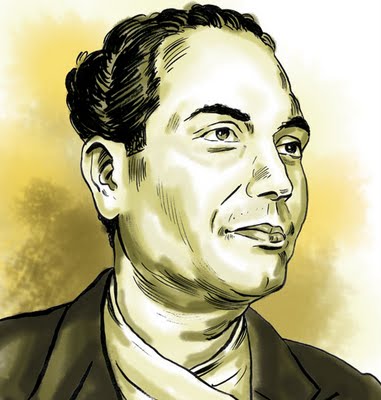
"image": "https://kavishalalab.s3.ap-south-1.amazonaws.com/sootradhar_author/author_laxmi-prasad-devkota.jpg",
"name": "Laxmi Prasad Devkota | Nepal",
"bio": "Laxmi Prasad Devkota (Nepali: लक्ष्मीप्रसाद देवकोटा, (12 November 1909 – 14 September 1959) was a Nepali poet, playwright, and novelist. Honored with the title of Mahakavi (literal translation: The Great Poet or Poet the Great) in Nepali literature, and known as the poet with the golden heart. Devkota is by and large regarded as the great poet (महाकवि) of Nepali language. He is considered as the greatest and the most famous versatile literary figure of Nepal. Some of his popular works include the best selling Muna Madan, along with Sulochana, Kunjini, \"Bhikhari\", and Shakuntala.",
"raw_bio": "Laxmi Prasad Devkota (Nepali: लक्ष्मीप्रसाद देवकोटा, (12 November 1909 – 14 September 1959) was a Nepali poet, playwright, and novelist. Honored with the title of Mahakavi (literal translation: The Great Poet or Poet the Great) in Nepali literature, and known as the poet with the golden heart. Devkota is by and large regarded as the great poet (महाकवि) of Nepali language. He is considered as the greatest and the most famous versatile literary figure of Nepal. Some of his popular works include the best selling Muna Madan, along with Sulochana, Kunjini, \"Bhikhari\", and Shakuntala.",
"slug": "laxmi-prasad-devkota-nepal",
"DOB": "1909-11-12",
"DateOfDemise": null,
"location": "Kathmandu, Nepal",
"url": "/sootradhar/laxmi-prasad-devkota-nepal",
"tags": null,
"created": "2023-09-22T12:17:03.381826",
"is_has_special_post": false,
"is_special_author": false,
"language": null
},
{
"id": 258,
"image": "https://kavishala.blob.core.windows.net/kavishalalabs/kavishala_logo.png",
"name": "Magtymguly Pyragy",
"bio": "Magtymguly Pyragy (Persian: مختومقلی فراغی Makhtumqoli Faraghi; Turkmen: Magtymguly Pyragy; 1724 – c. 1807) was an Iranian-Turkmen spiritual leader and philosophical poet who made great efforts to secure independence and autonomy for his people in the 18th century.<br>\r\nMagtymguly was one of the first Turkmen poets to introduce the use of the classical Chagatai, the court language of the Khans of Central Asia, as a literary language, incorporating many Turkmen linguistic features.[9] As such, his poetry exemplifies a trend towards increased usage of Turkic languages (as opposed to Persian), and Magtymguly is revered as the founder of Turkmen poetry, literature, and language.[10] Magtymguly is widely revered as holy among Turkmen communities, and his poems are often quoted as proverbs in Turkmen society.<br>\r\nMagtymguly made wide use of the qoshuk form of poetry, which features prominently in Turkmen folk songs and is easily adapted to Turkmen musical forms. The qoshuk form consists of quatrains with lines consisting of eight or eleven syllables, and follows a rhyming scheme of ABCB for the first stanza and CCCB, DDDB, etc. for the following stanzas. The compatibility of Magtymguly's poems with traditional musical forms allowed them to be easily adopted by bakhshis, traditional singers.<br>\r\nMagtymguly's first poem, “By night when I was asleep... Revelation”, was composed following an incident when Magtymguly was a young boy. His parents were attending a wedding, but Magtymguly was sleeping, and they left him behind. As he slept, he began to foam at the mouth, and his parents were called back to the house. When his father awoke him, Magtymguly recited his first poem.[13] Additionally, one of Magtymguly's poems recounts a dream in which Omar Khayyam bestowed upon him the gift of poetic invention.<br>\r\nHis poetry is often highly personal, but also takes up universal themes. His work includes elegies on the deaths of his father and children and the disappearance of his brothers, incitements to Turkmen unity, tirades against unjust mullahs and khans, praises of religious figures (such as the Twelve Imams), and laments at losing his beloved to another.<br>\r\nOn one occasion, Magtymguly's village was raided, and his possessions, including manuscripts of his poetry, were carried away on a camel. The camel slipped, spilling the manuscript into the Etrek River. Upon seeing this, Magtymguly composed the following lines: “Flood took my manuscript, thus leaving me behind with tears in my eyes.” The poem also contains the lines “Making my dear life lost to all that's good, / An evil fate wrought awesome sacrilege / Hurling the books I'd written to the flood, / To leave me bookless with my grief and rage.”<br>\r\nThough Magtymguly apparently recorded much of his poetry, none of the original texts are currently known. A handful of manuscripts' existence is chronicled by scholars working under the Russian Empire. However, following the Bolshevik Revolution in 1917, Soviet policy regarding anything written in the Arabic script as religious led to the destruction of many of these manuscripts. Many Turkmen who possessed manuscripts buried them while fleeing the Soviet Union to Iran.",
"raw_bio": "Magtymguly Pyragy (Persian: مختومقلی فراغی Makhtumqoli Faraghi; Turkmen: Magtymguly Pyragy; 1724 – c. 1807) was an Iranian-Turkmen spiritual leader and philosophical poet who made great efforts to secure independence and autonomy for his people in the 18th century. \r Magtymguly was one of the first Turkmen poets to introduce the use of the classical Chagatai, the court language of the Khans of Central Asia, as a literary language, incorporating many Turkmen linguistic features.[9] As such, his poetry exemplifies a trend towards increased usage of Turkic languages (as opposed to Persian), and Magtymguly is revered as the founder of Turkmen poetry, literature, and language.[10] Magtymguly is widely revered as holy among Turkmen communities, and his poems are often quoted as proverbs in Turkmen society. \r Magtymguly made wide use of the qoshuk form of poetry, which features prominently in Turkmen folk songs and is easily adapted to Turkmen musical forms. The qoshuk form consists of quatrains with lines consisting of eight or eleven syllables, and follows a rhyming scheme of ABCB for the first stanza and CCCB, DDDB, etc. for the following stanzas. The compatibility of Magtymguly's poems with traditional musical forms allowed them to be easily adopted by bakhshis, traditional singers. \r Magtymguly's first poem, “By night when I was asleep... Revelation”, was composed following an incident when Magtymguly was a young boy. His parents were attending a wedding, but Magtymguly was sleeping, and they left him behind. As he slept, he began to foam at the mouth, and his parents were called back to the house. When his father awoke him, Magtymguly recited his first poem.[13] Additionally, one of Magtymguly's poems recounts a dream in which Omar Khayyam bestowed upon him the gift of poetic invention. \r His poetry is often highly personal, but also takes up universal themes. His work includes elegies on the deaths of his father and children and the disappearance of his brothers, incitements to Turkmen unity, tirades against unjust mullahs and khans, praises of religious figures (such as the Twelve Imams), and laments at losing his beloved to another. \r On one occasion, Magtymguly's village was raided, and his possessions, including manuscripts of his poetry, were carried away on a camel. The camel slipped, spilling the manuscript into the Etrek River. Upon seeing this, Magtymguly composed the following lines: “Flood took my manuscript, thus leaving me behind with tears in my eyes.” The poem also contains the lines “Making my dear life lost to all that's good, / An evil fate wrought awesome sacrilege / Hurling the books I'd written to the flood, / To leave me bookless with my grief and rage.” \r Though Magtymguly apparently recorded much of his poetry, none of the original texts are currently known. A handful of manuscripts' existence is chronicled by scholars working under the Russian Empire. However, following the Bolshevik Revolution in 1917, Soviet policy regarding anything written in the Arabic script as religious led to the destruction of many of these manuscripts. Many Turkmen who possessed manuscripts buried them while fleeing the Soviet Union to Iran.",
"slug": "magtymguly-pyragy",
"DOB": "1733-05-18",
"DateOfDemise": "1807-01-01",
"location": "Haji Qushan, Gonbad-e Qabus",
"url": "/sootradhar/magtymguly-pyragy",
"tags": null,
"created": "2023-09-22T12:17:03.417273",
"is_has_special_post": false,
"is_special_author": false,
"language": null
},
{
"id": 327,
"image": "https://kavishalalab.s3.ap-south-1.amazonaws.com/sootradhar_author/Screenshot_2020-06-17_at_12.55.15_AM.png",
"name": "Jyoti Prasad Agarwala",
"bio": "Jyoti Prasad Agarwala(Assamese: জ্যোতিপ্ৰসাদ আগৰৱালা) (17 June 1903 – 17 January 1951) was a noted Assamese playwright, songwriter, poet, writer and filmmaker from Assam. He was considered as Assamese cultural icon, deeply revered for his creative vision and output and is popularly called the Rupkonwar of Assamese culture. In fact, he is regarded as the founder of Assamese cinema for Joymoti (1935). His death anniversary (17 January) is observed as Silpi divas (Artists' Day) in his honor. <br>\r\nJyoti Prasad Agarwala had written around 300+ songs, many of which he had set to music himself. Collectively, these songs are called Jyoti xongit.<br>\r\n<b>Poems</b><ul><li>\r\nJyoti Raamaayon – Poetry Collection</li><li>\r\nLuitor Paaror Agnixur – Poetry Collection, 1971</li></ul>\r\n<b>Plays</b><ul><li>\r\nKarengar Ligiri</li><li>\r\nRupalim</li><li>\r\nNimati Konya or Rupkonwar</li><li>\r\nSonpakhilee</li><li>\r\nKhanikar</li><li>\r\nKanaklata</li><li>\r\nSundarknowar</li><li>\r\nLobhita</li><li>\r\nPerfection of me</li><li>\r\nSonit Kunwori</li></ul>",
"raw_bio": "Jyoti Prasad Agarwala(Assamese: জ্যোতিপ্ৰসাদ আগৰৱালা) (17 June 1903 – 17 January 1951) was a noted Assamese playwright, songwriter, poet, writer and filmmaker from Assam. He was considered as Assamese cultural icon, deeply revered for his creative vision and output and is popularly called the Rupkonwar of Assamese culture. In fact, he is regarded as the founder of Assamese cinema for Joymoti (1935). His death anniversary (17 January) is observed as Silpi divas (Artists' Day) in his honor. \r Jyoti Prasad Agarwala had written around 300+ songs, many of which he had set to music himself. Collectively, these songs are called Jyoti xongit. Poems \r Jyoti Raamaayon – Poetry Collection \r Luitor Paaror Agnixur – Poetry Collection, 1971 Plays \r Karengar Ligiri \r Rupalim \r Nimati Konya or Rupkonwar \r Sonpakhilee \r Khanikar \r Kanaklata \r Sundarknowar \r Lobhita \r Perfection of me \r Sonit Kunwori",
"slug": "jyoti-prasad-agarwala",
"DOB": "1903-06-17",
"DateOfDemise": "1951-01-17",
"location": null,
"url": "/sootradhar/jyoti-prasad-agarwala",
"tags": null,
"created": "2023-09-22T12:17:03.426715",
"is_has_special_post": false,
"is_special_author": false,
"language": null
},
{
"id": 331,
"image": "https://kavishalalab.s3.ap-south-1.amazonaws.com/sootradhar_author/Rudra_Muhammad_Shahidullah.jpeg",
"name": "Rudra Mohammad Shahidullah",
"bio": "Rudra Mohammad Shahidullah Bengali: রুদ্র মোহাম্মদ শহীদুল্লাহ্) (16 October 1956 – 21 June 1991) was a Bangladeshi poet noted for his revolutionary and romantic poetry. He is considered as one of the leading Bengali poets of the 1970s. He received Munir Chaudhury Memorial Award in 1980.<br>\r\n\r\nis most notable for the songs. Amar Bhitor Bahire Ontore Ontore Ontore and Bhalo Achi Bhalo Theko. The song was later used in various Bengali movies and television dramas.",
"raw_bio": "Rudra Mohammad Shahidullah Bengali: রুদ্র মোহাম্মদ শহীদুল্লাহ্) (16 October 1956 – 21 June 1991) was a Bangladeshi poet noted for his revolutionary and romantic poetry. He is considered as one of the leading Bengali poets of the 1970s. He received Munir Chaudhury Memorial Award in 1980. \r \r is most notable for the songs. Amar Bhitor Bahire Ontore Ontore Ontore and Bhalo Achi Bhalo Theko. The song was later used in various Bengali movies and television dramas.",
"slug": "rudra-mohammad-shahidullah",
"DOB": "1956-10-16",
"DateOfDemise": "1991-06-21",
"location": "Bangladesh",
"url": "/sootradhar/rudra-mohammad-shahidullah",
"tags": null,
"created": "2023-09-22T12:17:03.454939",
"is_has_special_post": false,
"is_special_author": false,
"language": null
},
{
"id": 342,
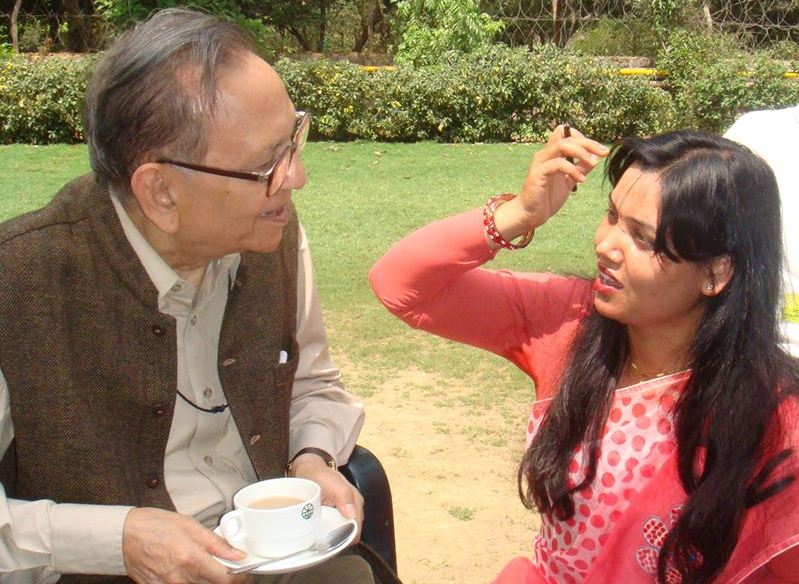
"image": "https://kavishalalab.s3.ap-south-1.amazonaws.com/sootradhar_author/Kunwar_Narayan_and_Geeta_Tripathi.jpg",
"name": "Geeta Tripathee",
"bio": "Geeta Tripathee (Nepali: गीता त्रिपाठी; born, June 28, 1972) is a Nepali poet, lyricist, essayist, literary critic and scholar. An eminent writer in Nepali, Geeta Tripathee has two volumes of poetry collection, one of lyrical poems and seven books in other literary genre to her credit. She also writes for newspapers on issues concerning women, environment and societal injustice.\r\n<br>\r\nGeeta Tripathee is the recipient of 'Padmakanya Gold Medal - 2000', conferred by the Government of Nepal. She received 'Best Lyricist Award' in 2008 from 'Sanskritik Sansthan', the major cultural adjunct of Nepal Government.",
"raw_bio": "Geeta Tripathee (Nepali: गीता त्रिपाठी; born, June 28, 1972) is a Nepali poet, lyricist, essayist, literary critic and scholar. An eminent writer in Nepali, Geeta Tripathee has two volumes of poetry collection, one of lyrical poems and seven books in other literary genre to her credit. She also writes for newspapers on issues concerning women, environment and societal injustice.\r \r Geeta Tripathee is the recipient of 'Padmakanya Gold Medal - 2000', conferred by the Government of Nepal. She received 'Best Lyricist Award' in 2008 from 'Sanskritik Sansthan', the major cultural adjunct of Nepal Government.",
"slug": "geeta-tripathee",
"DOB": "1972-06-28",
"DateOfDemise": null,
"location": "Nepal",
"url": "/sootradhar/geeta-tripathee",
"tags": null,
"created": "2023-09-22T12:17:03.484804",
"is_has_special_post": false,
"is_special_author": false,
"language": null
},
{
"id": 350,
"image": "https://kavishalalab.s3.ap-south-1.amazonaws.com/sootradhar_author/Hiren_Bhattacharyya.jpg",
"name": "Hiren Bhattacharyya",
"bio": "Hiren Bhattacharyya (28 July 1932 – 4 July 2012), popularly known as Hiruda, was an Indian poet and lyricist best for his works in the Assamese literature. He had innumerable works published in Assamese and achieved many prizes and accolades for his poetry.\r\n\r\nBhattacharyya mainly worked in the field of Assamese poetry. He was the editor of several Assamese magazines and newspapers. Some of the newspapers he worked on are Chitrabon, Monon and Antorik. He was the poetry editor of the Assamese magazine Prantik for over three decades.\r\n\r\nBooks\r\nHis published anthologies of poetry include:\r\n\r\nৰৌদ্ৰ কামনা (Roudro Kamona),(1968)\r\nকবিতাৰ ৰ'দ (Kobitar Rod ), (1976)\r\nতোমাৰ বাঁহী (Tomar Bahi)\r\nসুগন্ধি পখিলা (Xugondhi Pokhilaa), (1981)\r\nমোৰ দেশ আৰু প্ৰেমৰ কবিতা (Mor Desh aru Mor Premor Kobita), (1972)\r\nবিভিন্ন দিনৰ কবিতা (Bibhinno Dinor Kobita)\r\nশইচৰ পথাৰ মানুহ (Shoichor Pothar Manuh ), (1991)\r\nমোৰ প্ৰিয় বৰ্ণমালা (Mur Prio Bornomala), (1995)\r\nভালপোৱাৰ বুকু মাটি (Bhalpuwar Buka Mati), (1995)\r\nভালপোৱাৰ দিকচৌ বাটেৰে (Bhalpuwar Dikchou Batere), (2000)\r\nCollections of nursery rhymes\r\nল'ৰা ধেমালি (Lora Dhemali ) (1991)\r\nঅকন ধেমালি (Akon Dhemali )(1991)\r\nOthers-\r\nAncient Gongs, (English Translation)\r\nজোনাকী মন ও অন্যান্য (Jonaki Mon O Onyano) etc. (Bengali Translation)\r\nFew sample stanzas from his famous Assamese poems are:\r\n\r\nতুমিটো জানাই\r\n\r\nএই কবিৰ আৰু একো নাই।\r\n\r\nএটাই মাথোঁ কামিজ\r\n\r\nতাৰো ছিগো-ছিগো চিলাই।\r\n\r\nপ্ৰেম নিশ্চয় এনেকুৱাই\r\n\r\nআৱৰণ খুলি হৃদয় জুৰায়।\r\n\r\n\r\n— Hiren Bhattacharya, Bhogali (1971)\r\nমৃত্যুওটো এটা শিল্প, জীৱনৰ কঠিন শিলত কটা এটি নিৰ্লোভ ভাষ্কৰ্য!\r\n\r\nAwards\r\nBharatiya Bhasha Parishad Award in 1993.\r\nBishnu Rabha Award, 1985\r\nRajaji Puroskar, 1984-85 awarded by Bharatiya Bidya Bhawan\r\nSoviet Desh Neheru Award, 1987\r\nSahitya Akademi Award in 1992 for his anthology of poems 'Saichor Pathar Manuh'.\r\nAssam Valley Literary Award, (Asom Upotyoka Sahitya Bota) 2000 awarded by Megor Sikhya Nyash",
"raw_bio": "Hiren Bhattacharyya (28 July 1932 – 4 July 2012), popularly known as Hiruda, was an Indian poet and lyricist best for his works in the Assamese literature. He had innumerable works published in Assamese and achieved many prizes and accolades for his poetry.\r \r Bhattacharyya mainly worked in the field of Assamese poetry. He was the editor of several Assamese magazines and newspapers. Some of the newspapers he worked on are Chitrabon, Monon and Antorik. He was the poetry editor of the Assamese magazine Prantik for over three decades.\r \r Books\r His published anthologies of poetry include:\r \r ৰৌদ্ৰ কামনা (Roudro Kamona),(1968)\r কবিতাৰ ৰ'দ (Kobitar Rod ), (1976)\r তোমাৰ বাঁহী (Tomar Bahi)\r সুগন্ধি পখিলা (Xugondhi Pokhilaa), (1981)\r মোৰ দেশ আৰু প্ৰেমৰ কবিতা (Mor Desh aru Mor Premor Kobita), (1972)\r বিভিন্ন দিনৰ কবিতা (Bibhinno Dinor Kobita)\r শইচৰ পথাৰ মানুহ (Shoichor Pothar Manuh ), (1991)\r মোৰ প্ৰিয় বৰ্ণমালা (Mur Prio Bornomala), (1995)\r ভালপোৱাৰ বুকু মাটি (Bhalpuwar Buka Mati), (1995)\r ভালপোৱাৰ দিকচৌ বাটেৰে (Bhalpuwar Dikchou Batere), (2000)\r Collections of nursery rhymes\r ল'ৰা ধেমালি (Lora Dhemali ) (1991)\r অকন ধেমালি (Akon Dhemali )(1991)\r Others-\r Ancient Gongs, (English Translation)\r জোনাকী মন ও অন্যান্য (Jonaki Mon O Onyano) etc. (Bengali Translation)\r Few sample stanzas from his famous Assamese poems are:\r \r তুমিটো জানাই\r \r এই কবিৰ আৰু একো নাই।\r \r এটাই মাথোঁ কামিজ\r \r তাৰো ছিগো-ছিগো চিলাই।\r \r প্ৰেম নিশ্চয় এনেকুৱাই\r \r আৱৰণ খুলি হৃদয় জুৰায়।\r \r \r — Hiren Bhattacharya, Bhogali (1971)\r মৃত্যুওটো এটা শিল্প, জীৱনৰ কঠিন শিলত কটা এটি নিৰ্লোভ ভাষ্কৰ্য!\r \r Awards\r Bharatiya Bhasha Parishad Award in 1993.\r Bishnu Rabha Award, 1985\r Rajaji Puroskar, 1984-85 awarded by Bharatiya Bidya Bhawan\r Soviet Desh Neheru Award, 1987\r Sahitya Akademi Award in 1992 for his anthology of poems 'Saichor Pathar Manuh'.\r Assam Valley Literary Award, (Asom Upotyoka Sahitya Bota) 2000 awarded by Megor Sikhya Nyash",
"slug": "hiren-bhattacharyya",
"DOB": "1932-07-28",
"DateOfDemise": "2012-07-04",
"location": null,
"url": "/sootradhar/hiren-bhattacharyya",
"tags": null,
"created": "2023-09-22T12:41:15.700842",
"is_has_special_post": true,
"is_special_author": false,
"language": null
},
{
"id": 351,
"image": "https://kavishalalab.s3.ap-south-1.amazonaws.com/sootradhar_author/Usama_ibn_Munqidh.jpeg",
"name": "Usama ibn Munqidh",
"bio": "Majd ad-Dīn Usāma ibn Murshid ibn ʿAlī ibn Munqidh al-Kināni al-Kalbi (also Usamah, Ousama, etc.; Arabic: أسامة بن منقذ) (July 4, 1095 – November 17, 1188) was a medieval Muslim poet, author, faris (knight), and diplomat from the Banu Munqidh dynasty of Shaizar in northern Syria. His life coincided with the rise of several medieval Muslim dynasties, the arrival of the First Crusade, and the establishment of the crusader states.\r\n\r\nHe was the nephew and potential successor of the emir of Shaizar, but was exiled in 1131 and spent the rest of his life serving other leaders. He was a courtier to the Burids, Zengids, and Ayyubids in Damascus, serving Zengi, Nur ad-Din, and Saladin over a period of almost fifty years. He also served the Fatimid court in Cairo, as well as the Artuqids in Hisn Kayfa. He travelled extensively in Arab lands, visiting Egypt, Syria, Palestine and along the Tigris River, and went on pilgrimage to Mecca. He often meddled in the politics of the courts in which he served, and he was exiled from both Damascus and Cairo.\r\n\r\nDuring and immediately after his life, he was most famous as a poet and adib (a \"man of letters\"). He wrote many poetry anthologies, such as the Kitab al-'Asa (\"Book of the Staff\"), Lubab al-Adab (\"Kernels of Refinement\"), and al-Manazil wa'l-Diyar (\"Dwellings and Abodes\"), and collections of his own original poetry. In modern times, he is remembered more for his Kitab al-I'tibar (\"Book of Learning by Example\" or \"Book of Contemplation\"), which contains lengthy descriptions of the crusaders, whom he interacted with on many occasions, and some of whom he considered friends.\r\n\r\nMost of his family was killed in an earthquake at Shaizar in 1157. He died in Damascus in 1188, at the age of 93.\r\n\r\nWorks\r\nAround 1171 in Hisn Kayfa, Usama wrote the Kitab al-'Asa (\"Book of the Staff\"), a poetry anthology about famous walking sticks and other staffs, and al-Manazil wa'l-Diyar (\"Dwellings and Abodes\"). In Damascus in the early 1180s he wrote another anthology, the Lubab al-Adab (\"Kernels of Refinement\"), instructions on living a properly cultured life. He is most famous for the Kitab al-I'tibar (translated various ways, most recently as the Book of Contemplation), which was written as a gift to Saladin around 1183. It is not exactly a \"memoir\", as Philip Hitti translated the title, although it does include many autobiographical details that are incidental to the main point. It was meant to be \"a book of examples ('ibar) from which to draw lessons.\"\r\n\r\nIn 1880, Hartwig Derenbourg was the first to discover the Kitab al-I'tibar, which survived in only one manuscript, in the possession of the Escorial Monastery near Madrid. Derenbourg was also the first to produce an Arabic edition (1886), a biography of Usama (1889), and a French translation (1895). In 1930, Hitti produced an improved Arabic edition, and an English translation. Qasim as-Samarrai produced another Arabic edition in 1987.Usama wrote in \"Middle Arabic\", a less formal style of classical Arabic.",
"raw_bio": "Majd ad-Dīn Usāma ibn Murshid ibn ʿAlī ibn Munqidh al-Kināni al-Kalbi (also Usamah, Ousama, etc.; Arabic: أسامة بن منقذ) (July 4, 1095 – November 17, 1188) was a medieval Muslim poet, author, faris (knight), and diplomat from the Banu Munqidh dynasty of Shaizar in northern Syria. His life coincided with the rise of several medieval Muslim dynasties, the arrival of the First Crusade, and the establishment of the crusader states.\r \r He was the nephew and potential successor of the emir of Shaizar, but was exiled in 1131 and spent the rest of his life serving other leaders. He was a courtier to the Burids, Zengids, and Ayyubids in Damascus, serving Zengi, Nur ad-Din, and Saladin over a period of almost fifty years. He also served the Fatimid court in Cairo, as well as the Artuqids in Hisn Kayfa. He travelled extensively in Arab lands, visiting Egypt, Syria, Palestine and along the Tigris River, and went on pilgrimage to Mecca. He often meddled in the politics of the courts in which he served, and he was exiled from both Damascus and Cairo.\r \r During and immediately after his life, he was most famous as a poet and adib (a \"man of letters\"). He wrote many poetry anthologies, such as the Kitab al-'Asa (\"Book of the Staff\"), Lubab al-Adab (\"Kernels of Refinement\"), and al-Manazil wa'l-Diyar (\"Dwellings and Abodes\"), and collections of his own original poetry. In modern times, he is remembered more for his Kitab al-I'tibar (\"Book of Learning by Example\" or \"Book of Contemplation\"), which contains lengthy descriptions of the crusaders, whom he interacted with on many occasions, and some of whom he considered friends.\r \r Most of his family was killed in an earthquake at Shaizar in 1157. He died in Damascus in 1188, at the age of 93.\r \r Works\r Around 1171 in Hisn Kayfa, Usama wrote the Kitab al-'Asa (\"Book of the Staff\"), a poetry anthology about famous walking sticks and other staffs, and al-Manazil wa'l-Diyar (\"Dwellings and Abodes\"). In Damascus in the early 1180s he wrote another anthology, the Lubab al-Adab (\"Kernels of Refinement\"), instructions on living a properly cultured life. He is most famous for the Kitab al-I'tibar (translated various ways, most recently as the Book of Contemplation), which was written as a gift to Saladin around 1183. It is not exactly a \"memoir\", as Philip Hitti translated the title, although it does include many autobiographical details that are incidental to the main point. It was meant to be \"a book of examples ('ibar) from which to draw lessons.\"\r \r In 1880, Hartwig Derenbourg was the first to discover the Kitab al-I'tibar, which survived in only one manuscript, in the possession of the Escorial Monastery near Madrid. Derenbourg was also the first to produce an Arabic edition (1886), a biography of Usama (1889), and a French translation (1895). In 1930, Hitti produced an improved Arabic edition, and an English translation. Qasim as-Samarrai produced another Arabic edition in 1987.Usama wrote in \"Middle Arabic\", a less formal style of classical Arabic.",
"slug": "usama-ibn-munqidh",
"DOB": "1095-07-04",
"DateOfDemise": "1188-11-17",
"location": null,
"url": "/sootradhar/usama-ibn-munqidh",
"tags": null,
"created": "2023-09-22T12:17:03.563347",
"is_has_special_post": false,
"is_special_author": false,
"language": null
},
{
"id": 355,
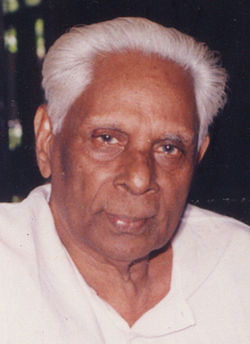
"image": "https://kavishalalab.s3.ap-south-1.amazonaws.com/sootradhar_author/Thirunalloor_Karunakaran.jpg",
"name": "Thirunalloor Karunakaran",
"bio": "Thirunalloor Karunakaran (8 October 1924 – 5 July 2006) was a renowned poet, scholar, teacher and leftist intellectual of Kerala, India. <br>\r\n\r\nThough he lived in the city of Trivandrum for more than three decades he chose to spend the rest of his life in his native village Perinad on the banks of the scenic Ashtamudi lake which had been a constant source of inspiration for his poetry. <br>\r\n\r\nHe died on 5 July 2006 at his residence in Quilon. He was buried without any customary religious rites or ceremonies, as he had wished.During his last years he was engaged in writing a long poem titled 'Seetha' (Sita) reinterpretting the Ramayana legend.\r\n\r\nA three-day-long cultural festival called 'Thirunalloor Kavyolsavam' is held every year from 1 May (International Workers' Day) on the banks of the Ashtamudi lake in Quilon to perpetuate his memory.<br>\r\n<h3><span id=\"Poetry\" class=\"mw-headline\">Poetry</span></h3>\r\n<ul>\r\n<li>Samagamam (Long poem)</li>\r\n<li>Manjuthullikal (Collection of poems)</li>\r\n<li>Premam Madhuramanu Dheeravumanu (Long narrative poem)</li>\r\n<li>Soundaryathinte padayalkal (Collection of poems)</li>\r\n<li>Rani (Long narrative poem)</li>\r\n<li>Rathri (Long narrative poem)</li>\r\n<li>Anthi Mayangumbol (Collection of lyrics)</li>\r\n<li>Tashkent (Long narrative poem)</li>\r\n<li>Thirunalloor Karunakarante Kavithakal (Collection of poems)</li>\r\n<li>Vayalar (Long narrative poem)</li>\r\n<li>Greeshma sandhyakal (Collection of poems)</li>\r\n<li>Puthumazha (Collection of poems for children)</li>\r\n<li>Meghasandesam </li>\r\n<li>Omarghayyaminte Gadhakal (Translation of <em></li>\r\n<li>Gypsikal<em> (Translation of </em>Gypsies<em>by </li>\r\n<li>AbhijnanaShakunthalam(Translation of<em> </li>\r\n</ul>\r\n<h3><span id=\"Prose\" class=\"mw-headline\">Prose</span></h3>\r\n<ul>\r\n<li>Malayalabhashaparinamam Sidhanthangalum Vasthuthakalum (A study on the origin and evolution of </li>\r\n<li>Oru Mahayudhathinte Paryavasanam<em> ( </li>\r\n<li>Praacheena Bharathathile Bhouthikavaadam<em> (Translation of </em>In Defence of Materialism in Ancient India<em> by </li>\r\n<li>Anusmaranangal<em> (Collection of articles)</em></li>\r\n</ul>",
"raw_bio": "Thirunalloor Karunakaran (8 October 1924 – 5 July 2006) was a renowned poet, scholar, teacher and leftist intellectual of Kerala, India. \r \r Though he lived in the city of Trivandrum for more than three decades he chose to spend the rest of his life in his native village Perinad on the banks of the scenic Ashtamudi lake which had been a constant source of inspiration for his poetry. \r \r He died on 5 July 2006 at his residence in Quilon. He was buried without any customary religious rites or ceremonies, as he had wished.During his last years he was engaged in writing a long poem titled 'Seetha' (Sita) reinterpretting the Ramayana legend.\r \r A three-day-long cultural festival called 'Thirunalloor Kavyolsavam' is held every year from 1 May (International Workers' Day) on the banks of the Ashtamudi lake in Quilon to perpetuate his memory. Poetry Samagamam (Long poem) Manjuthullikal (Collection of poems) Premam Madhuramanu Dheeravumanu (Long narrative poem) Soundaryathinte padayalkal (Collection of poems) Rani (Long narrative poem) Rathri (Long narrative poem) Anthi Mayangumbol (Collection of lyrics) Tashkent (Long narrative poem) Thirunalloor Karunakarante Kavithakal (Collection of poems) Vayalar (Long narrative poem) Greeshma sandhyakal (Collection of poems) Puthumazha (Collection of poems for children) Meghasandesam Omarghayyaminte Gadhakal (Translation of Gypsikal (Translation of Gypsies by AbhijnanaShakunthalam(Translation of Prose Malayalabhashaparinamam Sidhanthangalum Vasthuthakalum (A study on the origin and evolution of Oru Mahayudhathinte Paryavasanam ( Praacheena Bharathathile Bhouthikavaadam (Translation of In Defence of Materialism in Ancient India by Anusmaranangal (Collection of articles) ",
"slug": "thirunalloor-karunakaran",
"DOB": "1924-10-08",
"DateOfDemise": "2006-07-05",
"location": null,
"url": "/sootradhar/thirunalloor-karunakaran",
"tags": null,
"created": "2023-09-22T12:17:03.612940",
"is_has_special_post": false,
"is_special_author": false,
"language": null
},
{
"id": 367,
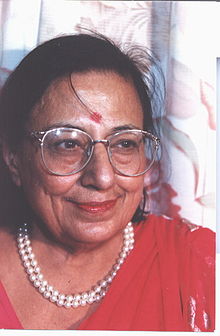
"image": "https://kavishalalab.s3.ap-south-1.amazonaws.com/sootradhar_author/220px-SundriUttamchandani-SindhiWriter.jpg",
"name": "Sundri Uttamchandani",
"bio": "<div>Smt. Sundri Uttamchandani (28 September 1924 – 8 July 2013) was a noted Indian writer. She wrote mostly in Sindhi language. She was married to progressive writer A. J. Uttam.<br>\r\nIn 1986 she was awarded the Sahitya Akademi Award by Sahitya Akademi in Sindhi for her Book Vichhoro, a compilation of nine short stories.<br>\r\n\r\nSundri Uttamchandani was born on 28 September 1924 at Hyderabad Sindh (now in Pakistan). Hydrabad was the capital of Sindh before the conquest of Sindh by the British. Though it lost its position as a capital city but, it continued to be a thriving centre of education literature and culture. All reform movements were rooted in its soil. At the very young age, Sundri was exposed to a vast repertoire of folk and mythological tales which were narrated by her parents to her and other children of the extended joint family. During her youth the freedom movement was sweeping across the country and she could not but be drawn to it. While still in college she translated a story \"Bhadur Maao Ji Bahadur Deeah\" (A brave daughter of a brave mother). This was her initiation in the literary field.<br>\r\n\r\n<div class=\"KonaBody\">\r\n<div class=\"KonaBody\">\r\n<div class=\"KonaBody\">\r\n<div class=\"poet-bar\">\r\n<h2><span id=\"Literary_career\" class=\"mw-headline\">Literary career</span></h2>\r\n<p>Started writing in the year 1946. She has written 200 Short Stories, 2 Novels, 12 one act plays, Approx. 500 essays 200 poems. Has translated many novels, short stories and poems of renowned writers viz. Amrita Pritam, Maxim Gorky, Krishanchandra, Sholokhav etc.</p>\r\n<ul>\r\n<li>Positions Held:Pioneer Member of Sindhi Sahitya Mandal & Akhil Bharat Sindhi Boli and Sahit Sabha</li>\r\n<li>Founder of:<strong> Sindhu Nari Sabha and Sindhu Bal Mandir</strong></li>\r\n</ul>\r\n<h2><span id=\"Awards_received\" class=\"mw-headline\">Awards received</span></h2>\r\n<ul>\r\n<li>Soviet Land Nehru Peace award, comprising cash award and 2 weeks visit to USSR.</li>\r\n<li>Award from Hindi Directorate, Ministry of Education for the Book ‘Bhoori’</li>\r\n<li>Cash Prize of Rs. 10,000/- from Akhil Bharat Sindhi Boli Ain Sahit Sabha – 1985</li>\r\n<li>Sahitya Academy award 1986 on Book ‘Vichhoro’</li>\r\n<li>Cash Prize of Rs. 100,000/- Guarav Purskar from Govt. of Maharashtra.</li>\r\n<li>Cash Prize of Rs. 50,000/- towards Life Time Achievement Award from NCPSL – National Council for Promotion Of Sindhi Language in 2005.</li>\r\n<li>Cash Prize of Rs.150,000 and Citetion from Sindhi Akademi, Delhi in 2012</li>\r\n</ul>\r\n<h2><span id=\"Telefilms_made\" class=\"mw-headline\">Telefilms made</span></h2>\r\n<ul>\r\n<li>Bandhan 1986 – In Hindi</li>\r\n<li>Vilayati Ghot ji Golha – Director – Kamal Nathani</li>\r\n<li>Kitty Party – Director Kailash Advani</li>\r\n<li>Bhoori – 2008 – Director Rajesh Bachchani</li>\r\n<li>Insaaf—2012 – Director Kamal Nathani</li>\r\n</ul>\r\n<p><br />Documentary made on Sundri Uttamchandani along with two leading Sindhi lady writers <a title=\"Popati Hiranandani\" href=\"https://en.wikipedia.org/wiki/Popati_Hiranandani\">Prof. Popati Hiranandani</a> & Kala Prakash (Sindhi Sahit jun te barkh Lekhkaun)</p>\r\n<p>Available all over India through Sindhi Sangat</p>\r\n<h2><span id=\"List_of_books\" class=\"mw-headline\">List of books</span></h2>\r\n<ul>\r\n<li>Kirandar Deewarun – 1953 (5 editions and translated in 3 languages)</li>\r\n<li>Aman Sade Peyo – 1966</li>\r\n<li>Preet Purani Reet Niralee – 1956 (5 editions)</li>\r\n<li>Bharat Russ Ba Bahn Boli</li>\r\n<li>Hugao 1993</li>\r\n<li>To Jin Jee Taat – 1970</li>\r\n<li>Murk Te Manah 1992</li>\r\n<li>Naien Sabhitya jo Darshan – 1975</li>\r\n<li>Bhoori – 1979 (3 editions)</li>\r\n<li>Hik Sassui Sao Soor (Trans) – 1963</li>\r\n<li>Achaa Vaar Gaara Gul – 1965</li>\r\n<li>Atam Vishwas – 1999</li>\r\n<li>Vichooro – 1989 (2 editions)</li>\r\n<li>Sindhu(Dramas) – 2000</li>\r\n<li>Yugaantar – 1989</li>\r\n<li>Nakhreliyun – 2001</li>\r\n<li>Kheryal Dharti – 1992</li>\r\n<li>Daath bani aa laat – 2004</li>\r\n<li>Bandhan – 1985 (3 editions)</li>\r\n<li>Chanchala- Translation of her stories in Hindi – 2011</li>\r\n</ul>\r\n</div>\r\n</div>\r\n</div>\r\n</div>\r\n</div>",
"raw_bio": "Smt. Sundri Uttamchandani (28 September 1924 – 8 July 2013) was a noted Indian writer. She wrote mostly in Sindhi language. She was married to progressive writer A. J. Uttam. \r In 1986 she was awarded the Sahitya Akademi Award by Sahitya Akademi in Sindhi for her Book Vichhoro, a compilation of nine short stories. \r \r Sundri Uttamchandani was born on 28 September 1924 at Hyderabad Sindh (now in Pakistan). Hydrabad was the capital of Sindh before the conquest of Sindh by the British. Though it lost its position as a capital city but, it continued to be a thriving centre of education literature and culture. All reform movements were rooted in its soil. At the very young age, Sundri was exposed to a vast repertoire of folk and mythological tales which were narrated by her parents to her and other children of the extended joint family. During her youth the freedom movement was sweeping across the country and she could not but be drawn to it. While still in college she translated a story \"Bhadur Maao Ji Bahadur Deeah\" (A brave daughter of a brave mother). This was her initiation in the literary field. Literary career Started writing in the year 1946. She has written 200 Short Stories, 2 Novels, 12 one act plays, Approx. 500 essays 200 poems. Has translated many novels, short stories and poems of renowned writers viz. Amrita Pritam, Maxim Gorky, Krishanchandra, Sholokhav etc. Positions Held:Pioneer Member of Sindhi Sahitya Mandal & Akhil Bharat Sindhi Boli and Sahit Sabha Founder of: Sindhu Nari Sabha and Sindhu Bal Mandir Awards received Soviet Land Nehru Peace award, comprising cash award and 2 weeks visit to USSR. Award from Hindi Directorate, Ministry of Education for the Book ‘Bhoori’ Cash Prize of Rs. 10,000/- from Akhil Bharat Sindhi Boli Ain Sahit Sabha – 1985 Sahitya Academy award 1986 on Book ‘Vichhoro’ Cash Prize of Rs. 100,000/- Guarav Purskar from Govt. of Maharashtra. Cash Prize of Rs. 50,000/- towards Life Time Achievement Award from NCPSL – National Council for Promotion Of Sindhi Language in 2005. Cash Prize of Rs.150,000 and Citetion from Sindhi Akademi, Delhi in 2012 Telefilms made Bandhan 1986 – In Hindi Vilayati Ghot ji Golha – Director – Kamal Nathani Kitty Party – Director Kailash Advani Bhoori – 2008 – Director Rajesh Bachchani Insaaf—2012 – Director Kamal Nathani Documentary made on Sundri Uttamchandani along with two leading Sindhi lady writers Prof. Popati Hiranandani & Kala Prakash (Sindhi Sahit jun te barkh Lekhkaun) Available all over India through Sindhi Sangat List of books Kirandar Deewarun – 1953 (5 editions and translated in 3 languages) Aman Sade Peyo – 1966 Preet Purani Reet Niralee – 1956 (5 editions) Bharat Russ Ba Bahn Boli Hugao 1993 To Jin Jee Taat – 1970 Murk Te Manah 1992 Naien Sabhitya jo Darshan – 1975 Bhoori – 1979 (3 editions) Hik Sassui Sao Soor (Trans) – 1963 Achaa Vaar Gaara Gul – 1965 Atam Vishwas – 1999 Vichooro – 1989 (2 editions) Sindhu(Dramas) – 2000 Yugaantar – 1989 Nakhreliyun – 2001 Kheryal Dharti – 1992 Daath bani aa laat – 2004 Bandhan – 1985 (3 editions) Chanchala- Translation of her stories in Hindi – 2011 ",
"slug": "sundri-uttamchandani",
"DOB": "1924-09-28",
"DateOfDemise": "2013-07-08",
"location": "Hydrabad, India",
"url": "/sootradhar/sundri-uttamchandani",
"tags": null,
"created": "2023-09-22T12:17:03.629297",
"is_has_special_post": false,
"is_special_author": false,
"language": null
}
],
"description": "<p style=\"text-align: center; font-size: 24px;\"> The Great Poets and Writers in Indian and World History! </p>",
"image": "https://kavishalalab.s3.ap-south-1.amazonaws.com/sootradhar_description/black.jpg"
}