HTTP 200 OK
Allow: GET, HEAD, OPTIONS
Content-Type: application/json
Vary: Accept
{
"count": 17752,
"next": "http://admin.kavishala.in/sootradhar/authors/?format=api&page=922",
"previous": "http://admin.kavishala.in/sootradhar/authors/?format=api&page=920",
"results": [
{
"id": 397,
"image": "https://kavishalalab.s3.ap-south-1.amazonaws.com/sootradhar_author/download_4.jpeg",
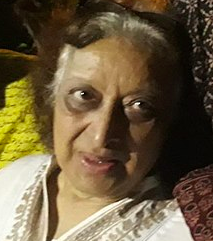
"name": "Mujtaba Hussain",
"bio": "Mujtaba Hussain (15 July 1936 – 27 May 2020) was an Indian satirist and writer of Urdu literature.",
"raw_bio": "Mujtaba Hussain (15 July 1936 – 27 May 2020) was an Indian satirist and writer of Urdu literature.",
"slug": "mujtaba-hussain",
"DOB": "1936-07-15",
"DateOfDemise": "2020-05-27",
"location": "Hyderabad, Hyderabad State, British Raj",
"url": "/sootradhar/mujtaba-hussain",
"tags": null,
"created": "2023-09-22T12:18:15.595243",
"is_has_special_post": false,
"is_special_author": false,
"language": 21
},
{
"id": 399,
"image": "https://kavishalalab.s3.ap-south-1.amazonaws.com/sootradhar_author/HYavvIbH_400x400.jpg",
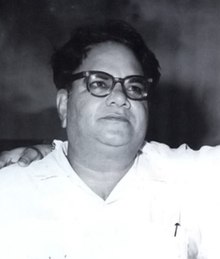
"name": "Nawaz Deobandi",
"bio": "DescriptionMohammad Nawaz Khan Hindi: नवाज देवबंदी Urdu:نواز دیوبندی born 16 Jul 1956 is an Indian Urdu language poet born in Deoband, India. He is also a Gazhals writer some of them are sung by famous Gazhal singer Jagjit Singh.",
"raw_bio": "DescriptionMohammad Nawaz Khan Hindi: नवाज देवबंदी Urdu:نواز دیوبندی born 16 Jul 1956 is an Indian Urdu language poet born in Deoband, India. He is also a Gazhals writer some of them are sung by famous Gazhal singer Jagjit Singh.",
"slug": "nawaz-deobandi",
"DOB": "1956-07-16",
"DateOfDemise": null,
"location": "Saharanpur, India",
"url": "/sootradhar/nawaz-deobandi",
"tags": null,
"created": "2023-09-22T12:42:57.911503",
"is_has_special_post": true,
"is_special_author": false,
"language": 21
},
{
"id": 434,
"image": "https://kavishalalab.s3.ap-south-1.amazonaws.com/sootradhar_author/Ibn-e-Safi.png",
"name": "Ibn-e-Safi",
"bio": "Ibn-e-Safi (also spelled as Ibne Safi) (Urdu: ابنِ صفی) was the pen name of Asrar Ahmad (Urdu: اسرار احمد), a best-selling and prolific fiction writer, novelist and poet of Urdu from Pakistan. The word Ibn-e-Safi is an Arabic expression which literally means Son of Safi, where the word Safi means chaste or righteous. He wrote from the 1940s in India, and later Pakistan after the independence of British India in 1947.\r\n<br>\r\nHis main works were the 125-book series Jasoosi Dunya (The Spy World) and the 120-book Imran Series, with a small canon of satirical works and poetry. His novels were characterised by a blend of mystery, adventure, suspense, violence, romance and comedy, achieving massive popularity across a broad readership in South Asia.<br>\r\n<h2><span id=\"Poetry\" class=\"mw-headline\">Poetry</span></h2>\r\n<p><em>(Note: Most of the English translations of <a title=\"Urdu\" href=\"https://en.wikipedia.org/wiki/Urdu\">Urdu</a> poetry and titles are literal and do not capture the true essence of the language. Some meaning is definitely lost in translation.)</em></p>\r\n<p>Ibn-e-Safi was also a poet. He used to write poems under the pen name of \"Asrar Narvi\". He wrote in various genres of Urdu poetry, such as <a title=\"Hamd\" href=\"https://en.wikipedia.org/wiki/Hamd\">Hamd</a>, <a title=\"Na`at\" href=\"https://en.wikipedia.org/wiki/Na%60at\">Na`at</a>, <a title=\"Manqabat\" href=\"https://en.wikipedia.org/wiki/Manqabat\">Manqabat</a>, <a class=\"mw-redirect\" title=\"Marsia\" href=\"https://en.wikipedia.org/wiki/Marsia\">Marsia</a>, <a title=\"Ghazal\" href=\"https://en.wikipedia.org/wiki/Ghazal\">Ghazal</a>, and <a title=\"Nazm\" href=\"https://en.wikipedia.org/wiki/Nazm\">Nazm</a>. His collection of poetry, <em>Mata-e Qalb-o-Nazar</em> (<a title=\"Urdu\" href=\"https://en.wikipedia.org/wiki/Urdu\">Urdu</a> for The Assets of Heart & Sight), remains unpublished.</p>\r\n<p>Following is the list of his <a title=\"Ghazal\" href=\"https://en.wikipedia.org/wiki/Ghazal\">Ghazals</a>:</p>\r\n<ul>\r\n<li><em>Daulat-e-Gham</em> (<a title=\"Urdu\" href=\"https://en.wikipedia.org/wiki/Urdu\">Urdu</a> for The wealth of sorrow)</li>\r\n<li><em>Zahan se Dil ka Bar Utra Hai</em> (<a title=\"Urdu\" href=\"https://en.wikipedia.org/wiki/Urdu\">Urdu</a> for Heaviness of the heart is unloaded by the mind)</li>\r\n<li><em>Chhalakti aayay</em> (<a title=\"Urdu\" href=\"https://en.wikipedia.org/wiki/Urdu\">Urdu</a> for [The liquor] shows up overflowing)</li>\r\n<li><em>Kuch to ta-alluq ...</em> (<a title=\"Urdu\" href=\"https://en.wikipedia.org/wiki/Urdu\">Urdu</a> for Some affiliation ...)</li>\r\n<li><em>Aaj ki raat</em> (<a title=\"Urdu\" href=\"https://en.wikipedia.org/wiki/Urdu\">Urdu</a> for Tonight)</li>\r\n<li><em>Baday ghazab ka ...</em> (<a title=\"Urdu\" href=\"https://en.wikipedia.org/wiki/Urdu\">Urdu</a> for of much might ...)</li>\r\n<li><em>Yun hi wabastagi</em> (<a title=\"Urdu\" href=\"https://en.wikipedia.org/wiki/Urdu\">Urdu</a> for Casual connection)</li>\r\n<li><em>Lab-o-rukhsar-o-jabeen</em> (<a title=\"Urdu\" href=\"https://en.wikipedia.org/wiki/Urdu\">Urdu</a> for Lips and Cheeks and forehead)</li>\r\n<li><em>Rah-e-talab mein kaun kisi ka</em> (<a title=\"Urdu\" href=\"https://en.wikipedia.org/wiki/Urdu\">Urdu</a> for in the path of demands, no one recognises anyone)</li>\r\n<li><em>Kuch bhi to apne paas nahin ...</em> (<a title=\"Urdu\" href=\"https://en.wikipedia.org/wiki/Urdu\">Urdu</a> for Do not have anything ...)</li>\r\n<li><em>Aay nigaraan-e-khoobroo</em> (<a title=\"Urdu\" href=\"https://en.wikipedia.org/wiki/Urdu\">Urdu</a> for O gorgeous sculptures)</li>\r\n<li><em>Kabhi sawab ki hain ...</em> (<a title=\"Urdu\" href=\"https://en.wikipedia.org/wiki/Urdu\">Urdu</a> for Sometimes, of virtuousness ...)</li>\r\n<li><em>Kabhi qatil ...</em> (<a title=\"Urdu\" href=\"https://en.wikipedia.org/wiki/Urdu\">Urdu</a> for Sometimes killer ...)</li>\r\n<li><em>Qafas ki daastaan hai ...</em> (<a title=\"Urdu\" href=\"https://en.wikipedia.org/wiki/Urdu\">Urdu</a> for It is the tale of imprisonment ...)</li>\r\n<li><em>Maan</em> (<a title=\"Urdu\" href=\"https://en.wikipedia.org/wiki/Urdu\">Urdu</a> for Mother)</li>\r\n<li><em>Shakist-e-talism</em> (<a title=\"Urdu\" href=\"https://en.wikipedia.org/wiki/Urdu\">Urdu</a> for Defeat of the magic)</li>\r\n<li><em>Talism-e-hosh-ruba</em> (<a title=\"Urdu\" href=\"https://en.wikipedia.org/wiki/Urdu\">Urdu</a> for The breath-taking magic)</li>\r\n<li><em>Tanhayee</em> (<a title=\"Urdu\" href=\"https://en.wikipedia.org/wiki/Urdu\">Urdu</a> for Solitude)</li>\r\n<li><em>Bansuri ki awaaz</em> (<a title=\"Urdu\" href=\"https://en.wikipedia.org/wiki/Urdu\">Urdu</a> for The sound of flute)</li>\r\n</ul>\r\n<br>\r\n<p><strong>List of his non-series work</strong></p>\r\n<ul>\r\n<li><em>Aadmi ki Jarain</em> (<a title=\"Urdu\" href=\"https://en.wikipedia.org/wiki/Urdu\">Urdu</a> for The Roots of The Man) – Incomplete</li>\r\n<li><em>baldaraan ki malikaa</em> (<a title=\"Urdu\" href=\"https://en.wikipedia.org/wiki/Urdu\">Urdu</a> for The Queen of Baldaraan)</li>\r\n<li><em>Ab tak thee kahaan</em> (<a title=\"Urdu\" href=\"https://en.wikipedia.org/wiki/Urdu\">Urdu</a> for Where Had You Been?)</li>\r\n<li><em>Diplomat murgh</em> (<a title=\"Urdu\" href=\"https://en.wikipedia.org/wiki/Urdu\">Urdu</a> for The Diplomat Rooster)</li>\r\n<li><em>saarhe paanch baje</em> (<a title=\"Urdu\" href=\"https://en.wikipedia.org/wiki/Urdu\">Urdu</a> for Half Past Five)</li>\r\n<li><em>tuzke do-piazi</em> (<a title=\"Urdu\" href=\"https://en.wikipedia.org/wiki/Urdu\">Urdu</a> for The autobiography of Do-Piaza) – Incomplete</li>\r\n<li><em>shumaal ka fitna</em> (<a title=\"Urdu\" href=\"https://en.wikipedia.org/wiki/Urdu\">Urdu</a> for The Trouble From North)</li>\r\n<li><em>mata-e Qalb-O-Nazar</em> – Collection of Poetry (to be published)</li>\r\n</ul>\r\n<p><strong>Novels</strong></p>\r\n<ul>\r\n<li>Allama Dahshatnak</li>\r\n<li>Alfansey</li>\r\n<li>Khatarnak Lashein</li>\r\n<li>Sanpon Ke Shikari</li>\r\n<li>Khofnak Imarat</li>\r\n<li>Purasrar Chikhen</li>\r\n<li>Larkiyon Ka Jazirah</li>\r\n<li>Neley Parindey</li>\r\n<li>Batil Qiyamat</li>\r\n<li>Jaron Ki Talash</li>\r\n</ul>",
"raw_bio": "Ibn-e-Safi (also spelled as Ibne Safi) (Urdu: ابنِ صفی) was the pen name of Asrar Ahmad (Urdu: اسرار احمد), a best-selling and prolific fiction writer, novelist and poet of Urdu from Pakistan. The word Ibn-e-Safi is an Arabic expression which literally means Son of Safi, where the word Safi means chaste or righteous. He wrote from the 1940s in India, and later Pakistan after the independence of British India in 1947.\r \r His main works were the 125-book series Jasoosi Dunya (The Spy World) and the 120-book Imran Series, with a small canon of satirical works and poetry. His novels were characterised by a blend of mystery, adventure, suspense, violence, romance and comedy, achieving massive popularity across a broad readership in South Asia. Poetry (Note: Most of the English translations of Urdu poetry and titles are literal and do not capture the true essence of the language. Some meaning is definitely lost in translation.) Ibn-e-Safi was also a poet. He used to write poems under the pen name of \"Asrar Narvi\". He wrote in various genres of Urdu poetry, such as Hamd , Na`at , Manqabat , Marsia , Ghazal , and Nazm . His collection of poetry, Mata-e Qalb-o-Nazar ( Urdu for The Assets of Heart & Sight), remains unpublished. Following is the list of his Ghazals : Daulat-e-Gham ( Urdu for The wealth of sorrow) Zahan se Dil ka Bar Utra Hai ( Urdu for Heaviness of the heart is unloaded by the mind) Chhalakti aayay ( Urdu for [The liquor] shows up overflowing) Kuch to ta-alluq ... ( Urdu for Some affiliation ...) Aaj ki raat ( Urdu for Tonight) Baday ghazab ka ... ( Urdu for of much might ...) Yun hi wabastagi ( Urdu for Casual connection) Lab-o-rukhsar-o-jabeen ( Urdu for Lips and Cheeks and forehead) Rah-e-talab mein kaun kisi ka ( Urdu for in the path of demands, no one recognises anyone) Kuch bhi to apne paas nahin ... ( Urdu for Do not have anything ...) Aay nigaraan-e-khoobroo ( Urdu for O gorgeous sculptures) Kabhi sawab ki hain ... ( Urdu for Sometimes, of virtuousness ...) Kabhi qatil ... ( Urdu for Sometimes killer ...) Qafas ki daastaan hai ... ( Urdu for It is the tale of imprisonment ...) Maan ( Urdu for Mother) Shakist-e-talism ( Urdu for Defeat of the magic) Talism-e-hosh-ruba ( Urdu for The breath-taking magic) Tanhayee ( Urdu for Solitude) Bansuri ki awaaz ( Urdu for The sound of flute) List of his non-series work Aadmi ki Jarain ( Urdu for The Roots of The Man) – Incomplete baldaraan ki malikaa ( Urdu for The Queen of Baldaraan) Ab tak thee kahaan ( Urdu for Where Had You Been?) Diplomat murgh ( Urdu for The Diplomat Rooster) saarhe paanch baje ( Urdu for Half Past Five) tuzke do-piazi ( Urdu for The autobiography of Do-Piaza) – Incomplete shumaal ka fitna ( Urdu for The Trouble From North) mata-e Qalb-O-Nazar – Collection of Poetry (to be published) Novels Allama Dahshatnak Alfansey Khatarnak Lashein Sanpon Ke Shikari Khofnak Imarat Purasrar Chikhen Larkiyon Ka Jazirah Neley Parindey Batil Qiyamat Jaron Ki Talash ",
"slug": "ibn-e-safi",
"DOB": "1928-07-26",
"DateOfDemise": "1980-07-26",
"location": "Allahabad, U.P. , India",
"url": "/sootradhar/ibn-e-safi",
"tags": "Indian Pakistan Poet",
"created": "2023-09-22T12:18:15.638777",
"is_has_special_post": false,
"is_special_author": false,
"language": 21
},
{
"id": 435,
"image": "https://kavishalalab.s3.ap-south-1.amazonaws.com/sootradhar_author/200px-Amir_Khusro.jpg",
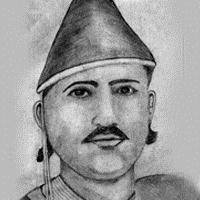
"name": "Amir Khusrau",
"bio": "Abu'l Hasan Yamīn ud-Dīn Khusrau (Urdu: ابو الحسن یمین الدین خسرو) (1253–1325), better known as Amīr Khusrau (अमीर ख़ुसरो) Dehlavī (Also known as 'Amir Khusro امیر خسرو') was a Sufi singer, poet and scholar from India. He was an iconic figure in the cultural history of the Indian subcontinent. He was a mystic and a spiritual disciple of Nizamuddin Auliya of Delhi, India. He wrote poetry primarily in Persian, but also in Hindavi. A vocabulary in verse, the Ḳhāliq Bārī, containing Arabic, Persian, and Hindavi terms is often attributed to him. Khusrau is sometimes referred to as the \"voice of India\" or \"Parrot of India\" (Tuti-e-Hind), and has been called the \"father of Urdu literature.\"<br>\r\n\r\nKhusrau is regarded as the \"father of qawwali\" (a devotional form of singing of the Sufis in the Indian subcontinent), and introduced the ghazal style of song into India, both of which still exist widely in India and Pakistan. Khusrau was an expert in many styles of Persian poetry which were developed in medieval Persia, from Khāqānī's qasidas to Nizami's khamsa. He used 11 metrical schemes with 35 distinct divisions. He wrote in many verse forms including ghazal, masnavi, qata, rubai, do-baiti and tarkib-band. His contribution to the development of the ghazal was significant.<br>",
"raw_bio": "Abu'l Hasan Yamīn ud-Dīn Khusrau (Urdu: ابو الحسن یمین الدین خسرو) (1253–1325), better known as Amīr Khusrau (अमीर ख़ुसरो) Dehlavī (Also known as 'Amir Khusro امیر خسرو') was a Sufi singer, poet and scholar from India. He was an iconic figure in the cultural history of the Indian subcontinent. He was a mystic and a spiritual disciple of Nizamuddin Auliya of Delhi, India. He wrote poetry primarily in Persian, but also in Hindavi. A vocabulary in verse, the Ḳhāliq Bārī, containing Arabic, Persian, and Hindavi terms is often attributed to him. Khusrau is sometimes referred to as the \"voice of India\" or \"Parrot of India\" (Tuti-e-Hind), and has been called the \"father of Urdu literature.\" \r \r Khusrau is regarded as the \"father of qawwali\" (a devotional form of singing of the Sufis in the Indian subcontinent), and introduced the ghazal style of song into India, both of which still exist widely in India and Pakistan. Khusrau was an expert in many styles of Persian poetry which were developed in medieval Persia, from Khāqānī's qasidas to Nizami's khamsa. He used 11 metrical schemes with 35 distinct divisions. He wrote in many verse forms including ghazal, masnavi, qata, rubai, do-baiti and tarkib-band. His contribution to the development of the ghazal was significant.",
"slug": "amir-khusrau",
"DOB": "1253-07-26",
"DateOfDemise": "1325-07-26",
"location": "Patiyali, UP, India",
"url": "/sootradhar/amir-khusrau",
"tags": "",
"created": "2023-09-22T12:44:51.522615",
"is_has_special_post": true,
"is_special_author": false,
"language": 21
},
{
"id": 449,
"image": "https://kavishalalab.s3.ap-south-1.amazonaws.com/sootradhar_author/Screenshot_2020-07-28_at_5.10.50_AM.png",
"name": "Fahmida Riaz",
"bio": "Fahmida Riaz (Urdu: فہمیدہ ریاض) (28 July 1946 – 21 November 2018) was a Progressive Urdu writer, poet, human rights activist and feminist of Pakistan.[1] She authored many books, of which some are Godaavari, Khatt-e Marmuz, and Khana e Aab O Gil the first translation in rhyme of the Masnavi of Jalaluddin Rumi from Persian into Urdu. The author of more than 15 books of fiction and poetry, she remained at the center of controversies. When Badan Dareeda, her second collection of verse, appeared, she was accused of using erotic and sensual expressions. The themes prevalent in her verse were, until then, considered taboo for women writers.[2] She also translated the works of Shah Abdul Latif Bhitai and Shaikh Ayaz from Sindhi to Urdu. Fleeing General Zia-ul Haq's religious tyranny, Riaz sought refuge in India and spent seven years there.<b>\r\n\r\nThe poems from her collection Apna Jurm Sabit Hae reflect her homeland's experience under the dictatorship of General Zia-ul-Haq. By reputation, Riaz stands alongside Nazim Hikmet, Pablo Neruda, Jean-Paul Sartre and Simone de Beauvoir.<br>\r\n<p>Poetry</p>\r\n<table class=\"wikitable sortable jquery-tablesorter\">\r\n<thead>\r\n<tr>\r\n<th class=\"headerSort\" tabindex=\"0\" title=\"Sort ascending\">Year</th>\r\n<th class=\"headerSort\" tabindex=\"0\" title=\"Sort ascending\">Title</th>\r\n</tr>\r\n</thead>\r\n<tbody>\r\n<tr>\r\n<td>1967</td>\r\n<td>Pathar ki Zaban<sup id=\"cite_ref-:2_5-4\" class=\"reference\"><a href=\"https://en.wikipedia.org/wiki/Fahmida_Riaz#cite_note-:2-5\">[5]</a></sup></td>\r\n</tr>\r\n<tr>\r\n<td>1973</td>\r\n<td>Badan Darida<sup id=\"cite_ref-:2_5-5\" class=\"reference\"><a href=\"https://en.wikipedia.org/wiki/Fahmida_Riaz#cite_note-:2-5\">[5]</a></sup></td>\r\n</tr>\r\n<tr>\r\n<td> </td>\r\n<td>Kya Tum Poora Chand Na Dekho Ge</td>\r\n</tr>\r\n<tr>\r\n<td> </td>\r\n<td>Mein Mitti Ki Moorat Hoon</td>\r\n</tr>\r\n<tr>\r\n<td> </td>\r\n<td>Ye Khana-e-Aab-O-Gil<sup id=\"cite_ref-:2_5-6\" class=\"reference\"><a href=\"https://en.wikipedia.org/wiki/Fahmida_Riaz#cite_note-:2-5\">[5]</a></sup></td>\r\n</tr>\r\n<tr>\r\n<td>2011</td>\r\n<td>Sab Laal-o-Guhar</td>\r\n</tr>\r\n</tbody>\r\n<tfoot></tfoot>\r\n</table>\r\n<p>Prose</p>\r\n<table class=\"wikitable sortable jquery-tablesorter\">\r\n<thead>\r\n<tr>\r\n<th class=\"headerSort\" tabindex=\"0\" title=\"Sort ascending\">Year</th>\r\n<th class=\"headerSort\" tabindex=\"0\" title=\"Sort ascending\">Title</th>\r\n</tr>\r\n</thead>\r\n<tbody>\r\n<tr>\r\n<td>2008</td>\r\n<td>Qafile Parindon Ke<sup id=\"cite_ref-:2_5-7\" class=\"reference\"><a href=\"https://en.wikipedia.org/wiki/Fahmida_Riaz#cite_note-:2-5\">[5]</a></sup></td>\r\n</tr>\r\n</tbody>\r\n</table>",
"raw_bio": "Fahmida Riaz (Urdu: فہمیدہ ریاض) (28 July 1946 – 21 November 2018) was a Progressive Urdu writer, poet, human rights activist and feminist of Pakistan.[1] She authored many books, of which some are Godaavari, Khatt-e Marmuz, and Khana e Aab O Gil the first translation in rhyme of the Masnavi of Jalaluddin Rumi from Persian into Urdu. The author of more than 15 books of fiction and poetry, she remained at the center of controversies. When Badan Dareeda, her second collection of verse, appeared, she was accused of using erotic and sensual expressions. The themes prevalent in her verse were, until then, considered taboo for women writers.[2] She also translated the works of Shah Abdul Latif Bhitai and Shaikh Ayaz from Sindhi to Urdu. Fleeing General Zia-ul Haq's religious tyranny, Riaz sought refuge in India and spent seven years there. \r \r The poems from her collection Apna Jurm Sabit Hae reflect her homeland's experience under the dictatorship of General Zia-ul-Haq. By reputation, Riaz stands alongside Nazim Hikmet, Pablo Neruda, Jean-Paul Sartre and Simone de Beauvoir. Poetry Year Title 1967 Pathar ki Zaban [5] 1973 Badan Darida [5] Kya Tum Poora Chand Na Dekho Ge Mein Mitti Ki Moorat Hoon Ye Khana-e-Aab-O-Gil [5] 2011 Sab Laal-o-Guhar Prose Year Title 2008 Qafile Parindon Ke [5] ",
"slug": "fahmida-riaz",
"DOB": "1946-07-28",
"DateOfDemise": "2018-11-21",
"location": "Meerut, UP, India",
"url": "/sootradhar/fahmida-riaz",
"tags": "Pakistan Shayar",
"created": "2023-09-22T12:18:15.676948",
"is_has_special_post": false,
"is_special_author": false,
"language": 21
},
{
"id": 453,
"image": "https://kavishalalab.s3.ap-south-1.amazonaws.com/sootradhar_author/220px-Raja_Mehdi_Ali_Khan.jpeg",
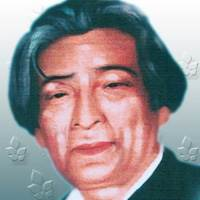
"name": "Raja Mehdi Ali Khan",
"bio": "Raja Mehdi Ali Khan (1928 – 29 July 1966) was an Indian poet, writer and lyricist.<br>\r\n<br>\r\nFilms and popular songs<br>\r\n1. Mera sundar sapna beet gaya (Do Bhai)<br>\r\n\r\n2. Meri yaad me tum na aansoo bahaana (Madhosh)<br>\r\n<br>\r\n3. Raat sard sard hai (Jaali Note)\r\n<br>\r\n4. Poochho na hume (Mitti Me Sona)\r\n<br>\r\n5. Aap yuhin agar hum se milte rahe(Ek Musafir Ek Haseena)\r\n<br>\r\n6. Maye pyar ka raahi hoon (Ek Musafir Ek Haseena)\r\n<br>\r\n7. Aap ki nazron ne samjha (Anpadh)\r\n<br>\r\n8. Hai isi me pyar ki aabroo (Anpadh)\r\n<br>\r\n9. Agar mujhse mohabbat hai (Aap Ki Parchhaiyan)\r\n<br>\r\n10. Main nigaahen tere chehre se (Aap Ki Parchhaiyan)\r\n<br>\r\n11. Jo hum ne dastaan apni sunaai (Woh Kaun Thi)\r\n<br>\r\n12. Lag ja gale ke phir ye (Woh Kaun Thi)\r\n<br>\r\n13. Naina barse rimjhim (Woh Kaun Thi)\r\n<br>\r\n14. Aakhri geet mohabbat ka (Neela Akaash)\r\n<br>\r\n15. Tere paas aa ke mera waqt (Neela Akaash)\r\n<br>\r\n16. Naino me badra chhaye (Mera Saaya)\r\n<br>\r\n17. Tu jahan jahan chalega (Mera Saaya)\r\n<br>\r\n18. Aap ke paheloo me aa kar ro diye (Mera Saaya)\r\n<br>\r\n19. Jhumka gira re (Mera Saaya)\r\n<br>\r\n20. Sapno me agar mere tum aao (Dulhan Ek Raat Ki)\r\n<br>\r\n21. Kayee din se ji hai bekal (Dulhan Ek Raat Ki)\r\n<br>\r\n22. Ek haseen sham ko (Dulhan Ek Raat Ki)\r\n<br>\r\n23. Tere Bin sawaan kaise beeta (Jab Yaad Kisi Ki Aati Hai)\r\n<br>\r\n24. Aari o shokh kaliyion muskuraa dena (Jab Yaad Kisi Ki Aati Hai)\r\n<br>\r\n25. Akela hoon maye humsafar dhoondta hoon (Jaal)\r\n<br>\r\n26. Tum bin jeevan kaise beeta poochho mere dil se (Anita)\r\n<br>",
"raw_bio": "Raja Mehdi Ali Khan (1928 – 29 July 1966) was an Indian poet, writer and lyricist. \r Films and popular songs \r 1. Mera sundar sapna beet gaya (Do Bhai) \r \r 2. Meri yaad me tum na aansoo bahaana (Madhosh) \r 3. Raat sard sard hai (Jaali Note)\r \r 4. Poochho na hume (Mitti Me Sona)\r \r 5. Aap yuhin agar hum se milte rahe(Ek Musafir Ek Haseena)\r \r 6. Maye pyar ka raahi hoon (Ek Musafir Ek Haseena)\r \r 7. Aap ki nazron ne samjha (Anpadh)\r \r 8. Hai isi me pyar ki aabroo (Anpadh)\r \r 9. Agar mujhse mohabbat hai (Aap Ki Parchhaiyan)\r \r 10. Main nigaahen tere chehre se (Aap Ki Parchhaiyan)\r \r 11. Jo hum ne dastaan apni sunaai (Woh Kaun Thi)\r \r 12. Lag ja gale ke phir ye (Woh Kaun Thi)\r \r 13. Naina barse rimjhim (Woh Kaun Thi)\r \r 14. Aakhri geet mohabbat ka (Neela Akaash)\r \r 15. Tere paas aa ke mera waqt (Neela Akaash)\r \r 16. Naino me badra chhaye (Mera Saaya)\r \r 17. Tu jahan jahan chalega (Mera Saaya)\r \r 18. Aap ke paheloo me aa kar ro diye (Mera Saaya)\r \r 19. Jhumka gira re (Mera Saaya)\r \r 20. Sapno me agar mere tum aao (Dulhan Ek Raat Ki)\r \r 21. Kayee din se ji hai bekal (Dulhan Ek Raat Ki)\r \r 22. Ek haseen sham ko (Dulhan Ek Raat Ki)\r \r 23. Tere Bin sawaan kaise beeta (Jab Yaad Kisi Ki Aati Hai)\r \r 24. Aari o shokh kaliyion muskuraa dena (Jab Yaad Kisi Ki Aati Hai)\r \r 25. Akela hoon maye humsafar dhoondta hoon (Jaal)\r \r 26. Tum bin jeevan kaise beeta poochho mere dil se (Anita)\r ",
"slug": "raja-mehdi-ali-khan",
"DOB": "1928-09-01",
"DateOfDemise": "1966-07-29",
"location": "Jhelum, Pakistan)",
"url": "/sootradhar/raja-mehdi-ali-khan",
"tags": "Top Pakishtan Shaya, Raja Mehdi Ali KhanShayari",
"created": "2023-09-22T12:45:13.914049",
"is_has_special_post": true,
"is_special_author": false,
"language": 21
},
{
"id": 486,
"image": "https://kavishalalab.s3.ap-south-1.amazonaws.com/sootradhar_author/nazeer-akbarabadi.png",
"name": "Nazeer Akbarabadi",
"bio": "Nazeer Akbarabadi (born Wali Muhammad; 1740–1830) was an 18th-century Indian poet known as \"Father of Nazm\", who wrote Urdu ghazals and nazms under nom de plume (takhallus) \"Nazeer\", most remembered for his poems like Banjaranama (Chronicle of the Nomad), a satire. His father was Muhammad Farooq and his mother was the daughter of Nawab Sultan Khan who was the governor of Agra Fort. Agra, the Indian city, was known as Akbarabad after Mughal emperor Akbar at that time. He used simple, everyday language in his poems, which made them popular in the masses.",
"raw_bio": "Nazeer Akbarabadi (born Wali Muhammad; 1740–1830) was an 18th-century Indian poet known as \"Father of Nazm\", who wrote Urdu ghazals and nazms under nom de plume (takhallus) \"Nazeer\", most remembered for his poems like Banjaranama (Chronicle of the Nomad), a satire. His father was Muhammad Farooq and his mother was the daughter of Nawab Sultan Khan who was the governor of Agra Fort. Agra, the Indian city, was known as Akbarabad after Mughal emperor Akbar at that time. He used simple, everyday language in his poems, which made them popular in the masses.",
"slug": "nazeer-akbarabadi",
"DOB": "1740-08-16",
"DateOfDemise": "1830-08-16",
"location": "Delhi",
"url": "/sootradhar/nazeer-akbarabadi",
"tags": "Nazeer Akbarabadi Shayari, Nazeer Akbarabadi Ghazal, Nazeer Akbarabadi Poetry",
"created": "2023-09-22T12:45:41.487232",
"is_has_special_post": true,
"is_special_author": false,
"language": 21
},
{
"id": 497,
"image": "https://kavishalalab.s3.ap-south-1.amazonaws.com/sootradhar_author/jaan-nisar-akhtar.png",
"name": "Jan Nisar Akhtar",
"bio": "Jan Nisar Akhtar (18 February 1914 – 19 August 1976) was an Indian poet of Urdu ghazals and nazms, and a part of the Progressive Writers' Movement, who was also a lyricist for Bollywood.<br>\r\nHis career spanned four decades during which he worked with music composers including C. Ramchandra, O.P. Nayyar, N Dutta and Khayyam and wrote 151 songs. Notable among them were songs from his breakthrough film, AR Kardar's Yasmin (1955), Aankhon hi Aankhon Mein in Guru Dutt's CID (1956), Yeh dil aur unki nigahon ke saaye in Prem Parbat (1974) and Aaja re in Noorie (1979) and his last song, Ae Dil-e-naadaan, in Kamal Amrohi's Razia Sultan (1983).<br>\r\nHis poetry works include Nazr-e-Butaan, Salaasil, Javidaan, Pichali Pehar, Ghar Angan and Khaak-e-dil. The latter (\"The Ashes of Heart\") was a poetry collection for which he was awarded the 1976 Sahitya Akademi Award in Urdu by Sahitya Akademi, India's National Academy of Letters.",
"raw_bio": "Jan Nisar Akhtar (18 February 1914 – 19 August 1976) was an Indian poet of Urdu ghazals and nazms, and a part of the Progressive Writers' Movement, who was also a lyricist for Bollywood. \r His career spanned four decades during which he worked with music composers including C. Ramchandra, O.P. Nayyar, N Dutta and Khayyam and wrote 151 songs. Notable among them were songs from his breakthrough film, AR Kardar's Yasmin (1955), Aankhon hi Aankhon Mein in Guru Dutt's CID (1956), Yeh dil aur unki nigahon ke saaye in Prem Parbat (1974) and Aaja re in Noorie (1979) and his last song, Ae Dil-e-naadaan, in Kamal Amrohi's Razia Sultan (1983). \r His poetry works include Nazr-e-Butaan, Salaasil, Javidaan, Pichali Pehar, Ghar Angan and Khaak-e-dil. The latter (\"The Ashes of Heart\") was a poetry collection for which he was awarded the 1976 Sahitya Akademi Award in Urdu by Sahitya Akademi, India's National Academy of Letters.",
"slug": "jan-nisar-akhtar",
"DOB": "1914-02-18",
"DateOfDemise": "1976-08-19",
"location": "Gwalior, Gwalior State, British India",
"url": "/sootradhar/jan-nisar-akhtar",
"tags": "",
"created": "2023-09-22T12:18:15.755301",
"is_has_special_post": false,
"is_special_author": false,
"language": 21
},
{
"id": 543,
"image": "https://kavishalalab.s3.ap-south-1.amazonaws.com/sootradhar_author/Rajinder_Singh_Bedi.jpeg",
"name": "Rajinder Singh Bedi",
"bio": "Rajinder Singh Bedi (1 September 1915 – 1984) was an Indian Urdu writer of the progressive writers' movement and a playwright, who later worked in Hindi cinema as a film director, screenwriter and dialogue writer.<br>\r\nAs a screenwriter and dialogue writer, he is best known for Hrishikesh Mukherjee's films Abhimaan, Anupama and Satyakam; and Bimal Roy's Madhumati. As a director he is known for Dastak (1970), starring Sanjeev Kumar and Rehana Sultan and Phagun (1973), starring Dharmendra, Waheeda Rehman, Jaya Bhaduri and Vijay Arora. He wrote his scripts in Urdu, like a number of other prominent screenwriters at the time.<br>\r\nBedi is considered one of the leading 20th century progressive writers of Urdu fiction, and one of the most prominent Urdu fiction writers. He is most known for 'disturbing' Partition of India tales.",
"raw_bio": "Rajinder Singh Bedi (1 September 1915 – 1984) was an Indian Urdu writer of the progressive writers' movement and a playwright, who later worked in Hindi cinema as a film director, screenwriter and dialogue writer. \r As a screenwriter and dialogue writer, he is best known for Hrishikesh Mukherjee's films Abhimaan, Anupama and Satyakam; and Bimal Roy's Madhumati. As a director he is known for Dastak (1970), starring Sanjeev Kumar and Rehana Sultan and Phagun (1973), starring Dharmendra, Waheeda Rehman, Jaya Bhaduri and Vijay Arora. He wrote his scripts in Urdu, like a number of other prominent screenwriters at the time. \r Bedi is considered one of the leading 20th century progressive writers of Urdu fiction, and one of the most prominent Urdu fiction writers. He is most known for 'disturbing' Partition of India tales.",
"slug": "rajinder-singh-bedi",
"DOB": "1915-09-01",
"DateOfDemise": "1984-01-01",
"location": "Sialkot, Punjab, British India",
"url": "/sootradhar/rajinder-singh-bedi",
"tags": "",
"created": "2023-09-22T12:49:07.438746",
"is_has_special_post": true,
"is_special_author": false,
"language": 21
},
{
"id": 565,
"image": "https://kavishalalab.s3.ap-south-1.amazonaws.com/sootradhar_author/Fikr-Taunsvi-web.jpg",
"name": "Fikr Taunsvi",
"bio": "Fikr Taunsvi real name Ram Lal Bhatia (7 October 1918 – 12 September 1987) was an Urdu poet, born in a village of Taunsa Sharif, then part of India. He was famous for his satires and was a Hindu by religion. He wrote twenty books in Urdu and eight in Hindi. He wrote many books, and the daily column Pyaz ke Chhilke in Urdu Milap for about 27 years. His journal written during the partition of India, Chhata Darya (published in Lahore in 1948), has been translated into English by Dr Maaz Bin Bilal as The Sixth River: A Journal from the Partition of India (published by Speaking Tiger Press in 2019).",
"raw_bio": "Fikr Taunsvi real name Ram Lal Bhatia (7 October 1918 – 12 September 1987) was an Urdu poet, born in a village of Taunsa Sharif, then part of India. He was famous for his satires and was a Hindu by religion. He wrote twenty books in Urdu and eight in Hindi. He wrote many books, and the daily column Pyaz ke Chhilke in Urdu Milap for about 27 years. His journal written during the partition of India, Chhata Darya (published in Lahore in 1948), has been translated into English by Dr Maaz Bin Bilal as The Sixth River: A Journal from the Partition of India (published by Speaking Tiger Press in 2019).",
"slug": "fikr-taunsvi",
"DOB": "1918-10-07",
"DateOfDemise": "1987-09-12",
"location": "Taunsa, Pakistan",
"url": "/sootradhar/fikr-taunsvi",
"tags": "",
"created": "2023-09-22T12:18:15.798311",
"is_has_special_post": false,
"is_special_author": false,
"language": 21
},
{
"id": 589,
"image": "https://kavishalalab.s3.ap-south-1.amazonaws.com/sootradhar_author/220px-Ghulam_Bhik_Nairang.jpg",
"name": "Ghulam Bhik Nairang",
"bio": "Syed Ghulam Bhik Nairang (26 September 1876 – 16 October 1952), also known as Mir Nairang, was a distinguished lawyer, a poet and a prominent Pakistan Movement leader. He held the office of Deputy Leader, from 1938 to 1942, with the All-India Muslim League in the pre-partition India.<br> He was close friends with Allama Muhammad Iqbal, a college hostel-mate and a fellow poet.[1] Nairang had sketched Allama Iqbal's personality as a college student and had described the exact location of his college hostel room in an article that he wrote at that time. Allama Iqbal had resided in that hostel room between 1895 and 1900.<br> In 2016, the evidence mentioned about Iqbal's hostel room in Nairang's article helped the Government College's staff in tracing the exact location of his room.\r\n<br>\r\nBook: Kalaam-e-Nairang - Nairang's compilation of poetry was published in 1982 from Karachi, Pakistan (first edition in 1907, second edition in 1917, third edition with detailed introduction by Moinuddin Aqeel in 1982)",
"raw_bio": "Syed Ghulam Bhik Nairang (26 September 1876 – 16 October 1952), also known as Mir Nairang, was a distinguished lawyer, a poet and a prominent Pakistan Movement leader. He held the office of Deputy Leader, from 1938 to 1942, with the All-India Muslim League in the pre-partition India. He was close friends with Allama Muhammad Iqbal, a college hostel-mate and a fellow poet.[1] Nairang had sketched Allama Iqbal's personality as a college student and had described the exact location of his college hostel room in an article that he wrote at that time. Allama Iqbal had resided in that hostel room between 1895 and 1900. In 2016, the evidence mentioned about Iqbal's hostel room in Nairang's article helped the Government College's staff in tracing the exact location of his room.\r \r Book: Kalaam-e-Nairang - Nairang's compilation of poetry was published in 1982 from Karachi, Pakistan (first edition in 1907, second edition in 1917, third edition with detailed introduction by Moinuddin Aqeel in 1982)",
"slug": "ghulam-bhik-nairang",
"DOB": "1876-09-26",
"DateOfDemise": "1952-10-16",
"location": "Daurana near Ambala, British India",
"url": "/sootradhar/ghulam-bhik-nairang",
"tags": "",
"created": "2023-09-22T12:50:42.773757",
"is_has_special_post": true,
"is_special_author": false,
"language": 21
},
{
"id": 642,
"image": "https://kavishalalab.s3.ap-south-1.amazonaws.com/sootradhar_author/Intizar_Hussain_.jpeg",
"name": "Intizar Hussain",
"bio": "Intizar Hussain was a Pakistani writer of Urdu novels, short stories, poetry and nonfiction. He is widely recognised as a leading literary figure of Pakistan. He was among the finalists of the Man Booker Prize in 2013. He wrote short stories, novels and poetry in Urdu, and also literary columns for Dawn newspaper and Daily Express newspaper. The Seventh Door, Leaves and Basti are among his books that have been translated into English. Among the five novels he wrote – Chaand Gahan (1952), Din Aur Daastaan (1959), Basti (1980), Tazkira (1987), Aage Samandar Hai (1995) – Basti received global praise. His other writings include Hindustan Se Aakhri Khat, Aagay Sumandar Hai, Shehr-e-Afsos, Jataka Tales, Janam Kahanian and Wo Jo Kho Gaye. Aagay Sumandar Hai (Sea is facing you in the front) contrasts the spiraling urban violence of contemporary Karachi with a vision of the lost Islamic realm of al-Andalus in modern Spain. His novel Basti is based on Pakistani history. Among his books, \"Basti\" and \"khali pinjra\" have been translated into Persian by Samira Gilani.",
"raw_bio": "Intizar Hussain was a Pakistani writer of Urdu novels, short stories, poetry and nonfiction. He is widely recognised as a leading literary figure of Pakistan. He was among the finalists of the Man Booker Prize in 2013. He wrote short stories, novels and poetry in Urdu, and also literary columns for Dawn newspaper and Daily Express newspaper. The Seventh Door, Leaves and Basti are among his books that have been translated into English. Among the five novels he wrote – Chaand Gahan (1952), Din Aur Daastaan (1959), Basti (1980), Tazkira (1987), Aage Samandar Hai (1995) – Basti received global praise. His other writings include Hindustan Se Aakhri Khat, Aagay Sumandar Hai, Shehr-e-Afsos, Jataka Tales, Janam Kahanian and Wo Jo Kho Gaye. Aagay Sumandar Hai (Sea is facing you in the front) contrasts the spiraling urban violence of contemporary Karachi with a vision of the lost Islamic realm of al-Andalus in modern Spain. His novel Basti is based on Pakistani history. Among his books, \"Basti\" and \"khali pinjra\" have been translated into Persian by Samira Gilani.",
"slug": "intizar-hussain",
"DOB": "1925-12-07",
"DateOfDemise": "2016-02-02",
"location": "Dibai, Bulandshahr district, British India, now India",
"url": "/sootradhar/intizar-hussain",
"tags": "",
"created": "2023-12-06T11:14:19.165850",
"is_has_special_post": false,
"is_special_author": false,
"language": 21
}
],
"description": "<p style=\"text-align: center; font-size: 24px;\"> The Great Poets and Writers in Indian and World History! </p>",
"image": "https://kavishalalab.s3.ap-south-1.amazonaws.com/sootradhar_description/black.jpg"
}