HTTP 200 OK
Allow: GET, HEAD, OPTIONS
Content-Type: application/json
Vary: Accept
{
"count": 17752,
"next": "http://admin.kavishala.in/sootradhar/authors/?format=api&page=846",
"previous": "http://admin.kavishala.in/sootradhar/authors/?format=api&page=844",
"results": [
{
"id": 14579,
"image": "https://kavishalalab.s3.ap-south-1.amazonaws.com/kavishala_logo.png",
"name": "Tukaram",
"bio": "\nSant Tukaram Maharaj (Marathi pronunciation: ) was a 17th-century Marathi Saint, Hindu sant (saint), popularly known as Tuka, Tukobaraya, Tukoba in Maharashtra. He was a Sant of Varkari sampradaya (Marathi-Vaishnav tradition) - that venerates the God Vitthal - in Maharashtra, India. He was part of the egalitarian, personalized Varkari devotionalism tradition. Sant Tukaram Maharaj is best known for his devotional poetry called Abhanga and community-oriented worship with spiritual songs known as kirtan.\nSant Tukaram was born in modern-day Maharashtra state of India. His complete name was Tukaram Bolhoba Ambile .. He was born in the year 1598 or 1608 in a village named Dehu, near Pune in Maharashtra, India.",
"raw_bio": "Sant Tukaram Maharaj (Marathi pronunciation: ) was a 17th-century Marathi Saint, Hindu sant (saint), popularly known as Tuka, Tukobaraya, Tukoba in Maharashtra. He was a Sant of Varkari sampradaya (Marathi-Vaishnav tradition) - that venerates the God Vitthal - in Maharashtra, India. He was part of the egalitarian, personalized Varkari devotionalism tradition. Sant Tukaram Maharaj is best known for his devotional poetry called Abhanga and community-oriented worship with spiritual songs known as kirtan. Sant Tukaram was born in modern-day Maharashtra state of India. His complete name was Tukaram Bolhoba Ambile .. He was born in the year 1598 or 1608 in a village named Dehu, near Pune in Maharashtra, India.",
"slug": "tukaram",
"DOB": null,
"DateOfDemise": null,
"location": "Unknown",
"url": "/sootradhar/tukaram",
"tags": null,
"created": "2023-09-22T12:19:03.286065",
"is_has_special_post": false,
"is_special_author": false,
"language": 17
},
{
"id": 14580,
"image": "https://kavishalalab.s3.ap-south-1.amazonaws.com/kavishala_logo.png",
"name": "Varjesh Solanki",
"bio": "Varjesh Solanki is a noted Marathi poet born in Agashi (Vasai), Mumbai.\nVarjesh Solanki was born in 1970. He has two collections of poems to his credit: i) Varjesh Solankichya Kavita (2002) and ii) Ta Ta Pa Pa (2009) both published by Abhidhanantar Prakashan, Mumbai., 'Diddamdina' his autobiography (lokvagmay), 'perugan murugan'(lokvagmay) short fiction also in his credit. He translate famous Gujrati Poet Kamal vora poetry collection 'vrudhashatak'(lokvagmay) in marathi.\nHe has won important awards like Vishakha and `Vasant Puraskar’ for his collection given by Vasant Sansthan., Savantwadi, Goa. His mother tongue is Gujarati. His poems have been translated into Hindi and Malayalam.",
"raw_bio": "Varjesh Solanki is a noted Marathi poet born in Agashi (Vasai), Mumbai. Varjesh Solanki was born in 1970. He has two collections of poems to his credit: i) Varjesh Solankichya Kavita (2002) and ii) Ta Ta Pa Pa (2009) both published by Abhidhanantar Prakashan, Mumbai., 'Diddamdina' his autobiography (lokvagmay), 'perugan murugan'(lokvagmay) short fiction also in his credit. He translate famous Gujrati Poet Kamal vora poetry collection 'vrudhashatak'(lokvagmay) in marathi. He has won important awards like Vishakha and `Vasant Puraskar’ for his collection given by Vasant Sansthan., Savantwadi, Goa. His mother tongue is Gujarati. His poems have been translated into Hindi and Malayalam.",
"slug": "varjesh-solanki",
"DOB": null,
"DateOfDemise": null,
"location": "Unknown",
"url": "/sootradhar/varjesh-solanki",
"tags": null,
"created": "2023-09-22T12:19:03.298776",
"is_has_special_post": false,
"is_special_author": false,
"language": 17
},
{
"id": 14585,
"image": "https://kavishalalab.s3.ap-south-1.amazonaws.com/kavishala_logo.png",
"name": "Vinda Karandikar",
"bio": "\nGovind Vinayak Karandikar (23 August 1918 – 14 March 2010), better known as Vindā, was an Indian poet, writer, literary critic, and translator in the Marathi-language.\nKarandikar was born on 23 August 1918, in Dhalavali village in the Devgad taluka present-day Sindhudurg district of Maharashtra.",
"raw_bio": "Govind Vinayak Karandikar (23 August 1918 – 14 March 2010), better known as Vindā, was an Indian poet, writer, literary critic, and translator in the Marathi-language. Karandikar was born on 23 August 1918, in Dhalavali village in the Devgad taluka present-day Sindhudurg district of Maharashtra.",
"slug": "vinda-karandikar",
"DOB": null,
"DateOfDemise": null,
"location": "Unknown",
"url": "/sootradhar/vinda-karandikar",
"tags": null,
"created": "2023-09-22T12:19:03.354442",
"is_has_special_post": false,
"is_special_author": false,
"language": 17
},
{
"id": 14587,
"image": "https://kavishalalab.s3.ap-south-1.amazonaws.com/kavishala_logo.png",
"name": "Vishnu Wagh",
"bio": "Vishnu Surya Naik Wagh (24 July 1964 – 8 February 2019) was a poet, writer, dramatist, journalist, politician and management consultant and trainer from Goa. He had been a Member of the Legislative Assembly in Goa from 2012 to 2017 as a member of the Bharatiya Janata Party. Owing to his fragile health, he had been on a break from his active career since 2016, until his death in 2019. His book, Sudhir Sukta, was a topic of much debate in 2017—2018 for its offensive language and content.\r\nVishnu Wagh was born in the village of Dongri in Tiswadi to Indu and Surya Wagh. He had three siblings – Ramrao, Smita and Jyotsna, and was the second child. Being a smart child, he read all the books that his father had in the house multiple times. He was greatly influenced by writers like Khadilkar, Kanetkar and Gadkari. When a local library was opened, he became a regular visitor. The librarian would advise him on the choice of books to borrow and read. He thus got access to mystery novels and Shringarik literature, which he used to read sitting in the Maalo (transl. attic) of his home. Due to some reason the library was closed, but by that time Wagh had become a Panch at their Village Panchayat. He reopened the Library. He spent a lot of time with his relatives and friends in Ponda. He acted in many dramas as a child artist, under the guidance of his father, Surya Wagh, who was an actor in his Marathi theatre group, Hauns Sangeet Natya Mandal. He used to enact famous mythological characters like Krishna and Rama in Dhalo performances.",
"raw_bio": "Vishnu Surya Naik Wagh (24 July 1964 – 8 February 2019) was a poet, writer, dramatist, journalist, politician and management consultant and trainer from Goa. He had been a Member of the Legislative Assembly in Goa from 2012 to 2017 as a member of the Bharatiya Janata Party. Owing to his fragile health, he had been on a break from his active career since 2016, until his death in 2019. His book, Sudhir Sukta, was a topic of much debate in 2017—2018 for its offensive language and content.\r Vishnu Wagh was born in the village of Dongri in Tiswadi to Indu and Surya Wagh. He had three siblings – Ramrao, Smita and Jyotsna, and was the second child. Being a smart child, he read all the books that his father had in the house multiple times. He was greatly influenced by writers like Khadilkar, Kanetkar and Gadkari. When a local library was opened, he became a regular visitor. The librarian would advise him on the choice of books to borrow and read. He thus got access to mystery novels and Shringarik literature, which he used to read sitting in the Maalo (transl. attic) of his home. Due to some reason the library was closed, but by that time Wagh had become a Panch at their Village Panchayat. He reopened the Library. He spent a lot of time with his relatives and friends in Ponda. He acted in many dramas as a child artist, under the guidance of his father, Surya Wagh, who was an actor in his Marathi theatre group, Hauns Sangeet Natya Mandal. He used to enact famous mythological characters like Krishna and Rama in Dhalo performances.",
"slug": "vishnu-wagh",
"DOB": null,
"DateOfDemise": null,
"location": "Unknown",
"url": "/sootradhar/vishnu-wagh1",
"tags": "",
"created": "2023-12-26T10:46:57.960464",
"is_has_special_post": false,
"is_special_author": false,
"language": 17
},
{
"id": 14588,
"image": "https://kavishalalab.s3.ap-south-1.amazonaws.com/kavishala_logo.png",
"name": "Vitthal Wagh",
"bio": "Vitthal Bhikaji Wagh (born 1 January 1945) is a Marathi poet, writer and artist. He is well known for writing in the Varhadi dialect, which is spoken in the Vidarbha region of Maharashtra. His career spans over five decades of writing work which includes writing poetry collections, dialogues for movies and dramas, songs, novels and one drama 'Andhar Yatra'. He is also famous for his glass craft technique, using which he decorates walls of houses using broken glasses.\nWagh was born in the village of Hingani, Taluka Telhara in Akola district in a Maratha-Patil family. He holds a Master of Arts degree in Marathi, and a doctorate in complete study of traditional Varhadi quotes. His novel 'Debu' depicts the life history of Gadge Maharaj. He is well known for his poem 'Kaya Matit Matit' and the corresponding song from the film Are Sansar Sansar, which depicts the condition of an Indian farmer. He has presided in the past over many literary and poet gatherings and has participated in Kavi sammelans all over the world. \nDr. Wagh is also famous for his craft technique using broken glass. He uses broken glasses of various colours to decorate walls of houses. He has decorated walls of many of his friends and relatives. \nDr. Wagh has carried out poet dindis and other activities in support of farmer rights.\nHe contested the election for president of the 89th Annual Marathi Sahitya Sammelan to be held in Pimpri Chinchwad. However he was defeated by Dr. Shripal Sabnis, about which he criticised on a possible error in the electoral process.",
"raw_bio": "Vitthal Bhikaji Wagh (born 1 January 1945) is a Marathi poet, writer and artist. He is well known for writing in the Varhadi dialect, which is spoken in the Vidarbha region of Maharashtra. His career spans over five decades of writing work which includes writing poetry collections, dialogues for movies and dramas, songs, novels and one drama 'Andhar Yatra'. He is also famous for his glass craft technique, using which he decorates walls of houses using broken glasses. Wagh was born in the village of Hingani, Taluka Telhara in Akola district in a Maratha-Patil family. He holds a Master of Arts degree in Marathi, and a doctorate in complete study of traditional Varhadi quotes. His novel 'Debu' depicts the life history of Gadge Maharaj. He is well known for his poem 'Kaya Matit Matit' and the corresponding song from the film Are Sansar Sansar, which depicts the condition of an Indian farmer. He has presided in the past over many literary and poet gatherings and has participated in Kavi sammelans all over the world. Dr. Wagh is also famous for his craft technique using broken glass. He uses broken glasses of various colours to decorate walls of houses. He has decorated walls of many of his friends and relatives. Dr. Wagh has carried out poet dindis and other activities in support of farmer rights. He contested the election for president of the 89th Annual Marathi Sahitya Sammelan to be held in Pimpri Chinchwad. However he was defeated by Dr. Shripal Sabnis, about which he criticised on a possible error in the electoral process.",
"slug": "vitthal-wagh",
"DOB": null,
"DateOfDemise": null,
"location": "Unknown",
"url": "/sootradhar/vitthal-wagh",
"tags": null,
"created": "2023-09-22T12:19:03.383723",
"is_has_special_post": false,
"is_special_author": false,
"language": 17
},
{
"id": 14589,
"image": "https://kavishalalab.s3.ap-south-1.amazonaws.com/kavishala_logo.png",
"name": "Yashwant Dev",
"bio": "Yashwant Dev (1 November 1926 – 30 October 2018) was a Marathi poet and composer from Maharashtra, India. He has contributed scores for many Marathi and Hindi movies.\nDev was taught music by his father and made his public debut at All India Radio as a sitar player. He worked for Akashwani's Nagpur station in 1960s. He gained wide recognition once he launched the TV program Bhavsaragam, which helped make him popular across the Indian state of Maharashtra. After his first wife's death, he married Karuna Dev (nee Desai), more famous by her name Neelam Prabhu during her marriage to Marathi stage actor Baban Prabhu when she was a major star in AIR's Shrutikaa program. For both of them, it was their second marriage after the death of first spouse.\nYashwant Dev had contributed music for over 40 plays in Marathi.",
"raw_bio": "Yashwant Dev (1 November 1926 – 30 October 2018) was a Marathi poet and composer from Maharashtra, India. He has contributed scores for many Marathi and Hindi movies. Dev was taught music by his father and made his public debut at All India Radio as a sitar player. He worked for Akashwani's Nagpur station in 1960s. He gained wide recognition once he launched the TV program Bhavsaragam, which helped make him popular across the Indian state of Maharashtra. After his first wife's death, he married Karuna Dev (nee Desai), more famous by her name Neelam Prabhu during her marriage to Marathi stage actor Baban Prabhu when she was a major star in AIR's Shrutikaa program. For both of them, it was their second marriage after the death of first spouse. Yashwant Dev had contributed music for over 40 plays in Marathi.",
"slug": "yashwant-dev",
"DOB": null,
"DateOfDemise": null,
"location": "Mumbai, Maharashtra, India",
"url": "/sootradhar/yashwant-dev",
"tags": null,
"created": "2023-09-22T12:19:03.393802",
"is_has_special_post": false,
"is_special_author": false,
"language": 17
},
{
"id": 282,
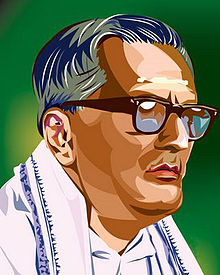
"image": "https://kavishalalab.s3.ap-south-1.amazonaws.com/sootradhar_author/220px-P.kunhiraman_nair.jpg",
"name": "Panayanthitta Kunhiraman Nair",
"bio": "Panayanthitta Kunhiraman Nair (4 October 1905 – 27 May 1978), also known as Mahakavi P, was an Indian writer of Malayalam literature. He was known for his romantic poems which detailed the natural beauty of his home state of Kerala in southern India as well as the realities of his life and times. He received the inaugural Kerala Sahitya Akademi Award for Poetry in 1959. He was also a recipient of the Sahitya Akademi Award.<br>\r\nBooks\r\n<br>\r\n<h3><span id=\"Poetry\" class=\"mw-headline\">Poetry</span><span class=\"mw-editsection\"><span class=\"mw-editsection-bracket\">[</span><a title=\"Edit section: Poetry\" href=\"https://en.wikipedia.org/w/index.php?title=P._Kunhiraman_Nair&action=edit&section=6\">edit</a><span class=\"mw-editsection-bracket\">]</span></span></h3>\r\n<div class=\"div-col columns column-width\">\r\n<ul>\r\n<li><cite id=\"CITEREFP._Kunhiraman_Nair1954\" class=\"citation book\">P. Kunhiraman Nair (1954). <a class=\"external text\" href=\"https://onlinestore.dcbooks.com/books/kaliyachan\" rel=\"nofollow\"><em>Kaliyacchan</em></a>. DC Books. <a class=\"mw-redirect\" title=\"ISBN (identifier)\" href=\"https://en.wikipedia.org/wiki/ISBN_(identifier)\">ISBN</a> <a title=\"Special:BookSources/9788171308200\" href=\"https://en.wikipedia.org/wiki/Special:BookSources/9788171308200\"><bdi>9788171308200</bdi></a>.</cite></li>\r\n<li><cite id=\"CITEREFP._Kunhiraman_Nair1960\" class=\"citation book\">P. Kunhiraman Nair (1960). <a class=\"external text\" href=\"http://www.keralasahityaakademi.org/sp/Writers/PROFILES/PKunhiramanNair/Html/P.KunhiramanNairBooks.htm\" rel=\"nofollow\"><em>Onassadya</em></a>.</cite></li>\r\n<li><cite id=\"CITEREFKunhiraman_Nair1964\" class=\"citation book\">Kunhiraman Nair, P. (1964). <a class=\"external text\" href=\"https://catalog.uoc.ac.in/cgi-bin/koha/opac-detail.pl?biblionumber=326658&query_desc=au%252Cwrdl%253A%2520Kunhiraman%2520Nair\" rel=\"nofollow\"><em>Pookkalam</em></a>. Kottayam: Sahitya Pravarthaka Co-operative Society.</cite></li>\r\n<li><cite id=\"CITEREFKunhiraman_Nair1993\" class=\"citation book\">Kunhiraman Nair, P. (1993). <a class=\"external text\" href=\"https://catalog.uoc.ac.in/cgi-bin/koha/opac-detail.pl?biblionumber=272288&query_desc=au%252Cwrdl%253A%2520Kunhiraman%2520Nair\" rel=\"nofollow\"><em>Thamarathoni</em></a>. Kottayam: Sahitya Pravarthaka Co-operative Society.</cite></li>\r\n<li><cite id=\"CITEREFP._Kunhiraman_Nair1972\" class=\"citation book\">P. Kunhiraman Nair (1972). <a class=\"external text\" href=\"http://www.keralasahityaakademi.org/sp/Writers/PROFILES/PKunhiramanNair/Html/P.KunhiramanNairBooks.htm\" rel=\"nofollow\"><em>Vasantholsavam</em></a>.</cite></li>\r\n<li><cite id=\"CITEREFKunhiraman_Nair1974\" class=\"citation book\">Kunhiraman Nair, P. (1974). <a class=\"external text\" href=\"https://catalog.uoc.ac.in/cgi-bin/koha/opac-detail.pl?biblionumber=305895&query_desc=au%252Cwrdl%253A%2520Kunhiraman%2520Nair\" rel=\"nofollow\"><em>Chilampoli</em></a>. Calicut: Mathrubhumi Books.</cite></li>\r\n<li><cite id=\"CITEREFP._Kunhiraman_Nair1978\" class=\"citation book\">P. Kunhiraman Nair (1978). <a class=\"external text\" href=\"http://www.keralasahityaakademi.org/sp/Writers/PROFILES/PKunhiramanNair/Html/P.KunhiramanNairBooks.htm\" rel=\"nofollow\"><em>Ratholsavam (2 volumes)</em></a>.</cite></li>\r\n<li><cite id=\"CITEREFP._Kunhiraman_Nair1983\" class=\"citation book\">P. Kunhiraman Nair (1983). <a class=\"external text\" href=\"http://www.keralasahityaakademi.org/sp/Writers/PROFILES/PKunhiramanNair/Html/P.KunhiramanNairBooks.htm\" rel=\"nofollow\"><em>Thamarathen</em></a>.</cite></li>\r\n<li><cite id=\"CITEREFP._Kunhiraman_Nair1983\" class=\"citation book\">P. Kunhiraman Nair (1983). <a class=\"external text\" href=\"http://www.keralasahityaakademi.org/sp/Writers/PROFILES/PKunhiramanNair/Html/P.KunhiramanNairBooks.htm\" rel=\"nofollow\"><em>Mekalaeyude Magal</em></a>.</cite></li>\r\n<li><cite id=\"CITEREFKunhiraman_Nair1994\" class=\"citation book\">Kunhiraman Nair, P. (1994). <a class=\"external text\" href=\"https://catalog.uoc.ac.in/cgi-bin/koha/opac-detail.pl?biblionumber=305894&query_desc=au%252Cwrdl%253A%2520Kunhiraman%2520Nair\" rel=\"nofollow\"><em>Karpooramazha</em></a>. Kottayam: D C Books. <a class=\"mw-redirect\" title=\"ISBN (identifier)\" href=\"https://en.wikipedia.org/wiki/ISBN_(identifier)\">ISBN</a> <a title=\"Special:BookSources/9788171303861\" href=\"https://en.wikipedia.org/wiki/Special:BookSources/9788171303861\"><bdi>9788171303861</bdi></a>.</cite></li>\r\n<li><cite id=\"CITEREFP._Kunhiraman_Nair\" class=\"citation book\">P. Kunhiraman Nair. <a class=\"external text\" href=\"http://www.keralasahityaakademi.org/sp/Writers/PROFILES/PKunhiramanNair/Html/P.KunhiramanNairBooks.htm\" rel=\"nofollow\"><em>Koduthumudinja Maavu</em></a>.</cite></li>\r\n<li><cite id=\"CITEREFP._Kunhiraman_Nair\" class=\"citation book\">P. Kunhiraman Nair. <a class=\"external text\" href=\"http://www.keralasahityaakademi.org/sp/Writers/PROFILES/PKunhiramanNair/Html/P.KunhiramanNairBooks.htm\" rel=\"nofollow\"><em>Thirumudimaala</em></a>.</cite></li>\r\n<li><cite id=\"CITEREFKunjiraman_Nair1997\" class=\"citation book\">Kunjiraman Nair, P. (1997). <a class=\"external text\" href=\"https://catalog.uoc.ac.in/cgi-bin/koha/opac-detail.pl?biblionumber=206149&query_desc=au%252Cwrdl%253A%2520Kunhiraman%2520Nair\" rel=\"nofollow\"><em>Prakrithipooja</em></a>. Current Books, Thrissur: Current Books.</cite></li>\r\n<li><cite id=\"CITEREFP._Kunhiraman_Nair\" class=\"citation book\">P. Kunhiraman Nair. <a class=\"external text\" href=\"http://www.keralasahityaakademi.org/sp/Writers/PROFILES/PKunhiramanNair/Html/P.KunhiramanNairBooks.htm\" rel=\"nofollow\"><em>Neeranjanam</em></a>.</cite></li>\r\n<li><cite id=\"CITEREFP._Kunhiraman_Nair\" class=\"citation book\">P. Kunhiraman Nair. <a class=\"external text\" href=\"http://www.keralasahityaakademi.org/sp/Writers/PROFILES/PKunhiramanNair/Html/P.KunhiramanNairBooks.htm\" rel=\"nofollow\"><em>Prapancham</em></a>.</cite></li>\r\n<li><cite id=\"CITEREFP._Kunhiraman_Nair\" class=\"citation book\">P. Kunhiraman Nair. <a class=\"external text\" href=\"http://www.keralasahityaakademi.org/sp/Writers/PROFILES/PKunhiramanNair/Html/P.KunhiramanNairBooks.htm\" rel=\"nofollow\"><em>Soundarya Devatha</em></a>.</cite></li>\r\n<li><cite id=\"CITEREFP._Kunhiraman_Nair\" class=\"citation book\">P. Kunhiraman Nair. <a class=\"external text\" href=\"http://www.keralasahityaakademi.org/sp/Writers/PROFILES/PKunhiramanNair/Html/P.KunhiramanNairBooks.htm\" rel=\"nofollow\"><em>Balamrutham (2 volumes)</em></a>.</cite></li>\r\n<li><cite id=\"CITEREFP._Kunhiraman_Nair\" class=\"citation book\">P. Kunhiraman Nair. <a class=\"external text\" href=\"http://www.keralasahityaakademi.org/sp/Writers/PROFILES/PKunhiramanNair/Html/P.KunhiramanNairBooks.htm\" rel=\"nofollow\"><em>Anthithiri</em></a>.</cite></li>\r\n<li><cite id=\"CITEREFP._Kunhiraman_Nair\" class=\"citation book\">P. Kunhiraman Nair. <a class=\"external text\" href=\"http://www.keralasahityaakademi.org/sp/Writers/PROFILES/PKunhiramanNair/Html/P.KunhiramanNairBooks.htm\" rel=\"nofollow\"><em>Nakshathramaala</em></a>.</cite></li>\r\n<li><cite id=\"CITEREFKunhiraman_Nair1967\" class=\"citation book\">Kunhiraman Nair, P. (1967). <a class=\"external text\" href=\"https://catalog.uoc.ac.in/cgi-bin/koha/opac-detail.pl?biblionumber=328065&query_desc=au%252Cwrdl%253A%2520Kunhiraman%2520Nair\" rel=\"nofollow\"><em>Nirvaannanisha</em></a>. Kozhikode: Poorna.</cite></li>\r\n<li><cite id=\"CITEREFP._Kunhiraman_Nair\" class=\"citation book\">P. Kunhiraman Nair. <a class=\"external text\" href=\"http://www.keralasahityaakademi.org/sp/Writers/PROFILES/PKunhiramanNair/Html/P.KunhiramanNairBooks.htm\" rel=\"nofollow\"><em>Nishaagaanam athava Gaanamaala</em></a>.</cite></li>\r\n<li><cite id=\"CITEREFKunhiraman_Nair1966\" class=\"citation book\">Kunhiraman Nair, P. (1966). <a class=\"external text\" href=\"https://catalog.uoc.ac.in/cgi-bin/koha/opac-detail.pl?biblionumber=326652&query_desc=au%252Cwrdl%253A%2520Kunhiraman%2520Nair\" rel=\"nofollow\"><em>Nirapara</em></a>. Kozhikode: P. K. Brothers.</cite></li>\r\n<li><cite id=\"CITEREFP._Kunhiraman_Nair\" class=\"citation book\">P. Kunhiraman Nair. <a class=\"external text\" href=\"http://www.keralasahityaakademi.org/sp/Writers/PROFILES/PKunhiramanNair/Html/P.KunhiramanNairBooks.htm\" rel=\"nofollow\"><em>Padavaal</em></a>.</cite></li>\r\n<li><cite id=\"CITEREFP._Kunhiraman_Nair\" class=\"citation book\">P. Kunhiraman Nair. <a class=\"external text\" href=\"http://www.keralasahityaakademi.org/sp/Writers/PROFILES/PKunhiramanNair/Html/P.KunhiramanNairBooks.htm\" rel=\"nofollow\"><em>Pirannamannil</em></a>.</cite></li>\r\n<li><cite id=\"CITEREFP._Kunhiraman_Nair\" class=\"citation book\">P. Kunhiraman Nair. <a class=\"external text\" href=\"http://www.keralasahityaakademi.org/sp/Writers/PROFILES/PKunhiramanNair/Html/P.KunhiramanNairBooks.htm\" rel=\"nofollow\"><em>Poothaali</em></a>.</cite></li>\r\n<li><cite id=\"CITEREFP._Kunhiraman_Nair\" class=\"citation book\">P. Kunhiraman Nair. <a class=\"external text\" href=\"http://www.keralasahityaakademi.org/sp/Writers/PROFILES/PKunhiramanNair/Html/P.KunhiramanNairBooks.htm\" rel=\"nofollow\"><em>Poombaattakal</em></a>.</cite></li>\r\n<li><cite id=\"CITEREFP._Kunhiraman_Nair\" class=\"citation book\">P. Kunhiraman Nair. <a class=\"external text\" href=\"http://www.keralasahityaakademi.org/sp/Writers/PROFILES/PKunhiramanNair/Html/P.KunhiramanNairBooks.htm\" rel=\"nofollow\"><em>Prema Pournami</em></a>.</cite></li>\r\n<li><cite id=\"CITEREFP._Kunhiraman_Nair\" class=\"citation book\">P. Kunhiraman Nair. <a class=\"external text\" href=\"http://www.keralasahityaakademi.org/sp/Writers/PROFILES/PKunhiramanNair/Html/P.KunhiramanNairBooks.htm\" rel=\"nofollow\"><em>Bhadradeepam</em></a>.</cite></li>\r\n<li><cite id=\"CITEREFP._Kunhiraman_Nair\" class=\"citation book\">P. Kunhiraman Nair. <a class=\"external text\" href=\"http://www.keralasahityaakademi.org/sp/Writers/PROFILES/PKunhiramanNair/Html/P.KunhiramanNairBooks.htm\" rel=\"nofollow\"><em>Manalthariyude Chiri</em></a>.</cite></li>\r\n<li><cite id=\"CITEREFP._Kunhiraman_Nair\" class=\"citation book\">P. Kunhiraman Nair. <a class=\"external text\" href=\"http://www.keralasahityaakademi.org/sp/Writers/PROFILES/PKunhiramanNair/Html/P.KunhiramanNairBooks.htm\" rel=\"nofollow\"><em>Mankudathinte Vila</em></a>.</cite></li>\r\n<li><cite id=\"CITEREFP._Kunhiraman_Nair\" class=\"citation book\">P. Kunhiraman Nair. <a class=\"external text\" href=\"http://www.keralasahityaakademi.org/sp/Writers/PROFILES/PKunhiramanNair/Html/P.KunhiramanNairBooks.htm\" rel=\"nofollow\"><em>Malanadu</em></a>.</cite></li>\r\n<li><cite id=\"CITEREFP._Kunhiraman_Nair\" class=\"citation book\">P. Kunhiraman Nair. <a class=\"external text\" href=\"http://www.keralasahityaakademi.org/sp/Writers/PROFILES/PKunhiramanNair/Html/P.KunhiramanNairBooks.htm\" rel=\"nofollow\"><em>Malanadinte Mahasandesham</em></a>.</cite></li>\r\n<li><cite id=\"CITEREFP._Kunhiraman_Nair\" class=\"citation book\">P. Kunhiraman Nair. <a class=\"external text\" href=\"http://www.keralasahityaakademi.org/sp/Writers/PROFILES/PKunhiramanNair/Html/P.KunhiramanNairBooks.htm\" rel=\"nofollow\"><em>Yamunathadathile Smarakakshethram</em></a>.</cite></li>\r\n<li><cite id=\"CITEREFKunhiraman_Nair1970\" class=\"citation book\">Kunhiraman Nair, P. (1970). <a class=\"external text\" href=\"https://catalog.uoc.ac.in/cgi-bin/koha/opac-detail.pl?biblionumber=325280&query_desc=au%252Cwrdl%253A%2520Kunhiraman%2520Nair\" rel=\"nofollow\"><em>Vayalkkarayil</em></a>. Kottayam: Sahitya Pravarthaka Co-oprative Society.</cite></li>\r\n<li><cite id=\"CITEREFP._Kunhiraman_Nair\" class=\"citation book\">P. Kunhiraman Nair. <a class=\"external text\" href=\"http://www.keralasahityaakademi.org/sp/Writers/PROFILES/PKunhiramanNair/Html/P.KunhiramanNairBooks.htm\" rel=\"nofollow\"><em>Vasanthippookkal</em></a>.</cite></li>\r\n<li><cite id=\"CITEREFP._Kunhiraman_Nair\" class=\"citation book\">P. Kunhiraman Nair. <a class=\"external text\" href=\"http://www.keralasahityaakademi.org/sp/Writers/PROFILES/PKunhiramanNair/Html/P.KunhiramanNairBooks.htm\" rel=\"nofollow\"><em>Shankhanadam</em></a>.</cite></li>\r\n<li><cite id=\"CITEREFP._Kunhiraman_Nair\" class=\"citation book\">P. Kunhiraman Nair. <a class=\"external text\" href=\"http://www.keralasahityaakademi.org/sp/Writers/PROFILES/PKunhiramanNair/Html/P.KunhiramanNairBooks.htm\" rel=\"nofollow\"><em>Shreeramacharitham</em></a>.</cite></li>\r\n<li><cite id=\"CITEREFP._Kunhiraman_Nair\" class=\"citation book\">P. Kunhiraman Nair. <a class=\"external text\" href=\"http://www.keralasahityaakademi.org/sp/Writers/PROFILES/PKunhiramanNair/Html/P.KunhiramanNairBooks.htm\" rel=\"nofollow\"><em>Seethadevi athava Varabhiksha</em></a>.</cite></li>\r\n<li><cite id=\"CITEREFP._Kunhiraman_Nair\" class=\"citation book\">P. Kunhiraman Nair. <a class=\"external text\" href=\"http://www.keralasahityaakademi.org/sp/Writers/PROFILES/PKunhiramanNair/Html/P.KunhiramanNairBooks.htm\" rel=\"nofollow\"><em>Ananthan Kaattil</em></a>.</cite></li>\r\n<li><cite id=\"CITEREFP._Kunhiraman_Nair\" class=\"citation book\">P. Kunhiraman Nair. <a class=\"external text\" href=\"http://www.keralasahityaakademi.org/sp/Writers/PROFILES/PKunhiramanNair/Html/P.KunhiramanNairBooks.htm\" rel=\"nofollow\"><em>Veeraradhana</em></a>.</cite></li>\r\n<li><cite id=\"CITEREFP._Kunhiraman_Nair2017\" class=\"citation book\">P. Kunhiraman Nair (2017). <a class=\"external text\" href=\"https://onlinestore.dcbooks.com/books/THIRANJEDUTHA-KAVITHAKAL-P-Kunhiraman-Nair\" rel=\"nofollow\"><em>Theranjedutha Kavithakal</em></a>. DC Books. <a class=\"mw-redirect\" title=\"ISBN (identifier)\" href=\"https://en.wikipedia.org/wiki/ISBN_(identifier)\">ISBN</a> <a title=\"Special:BookSources/9788126411665\" href=\"https://en.wikipedia.org/wiki/Special:BookSources/9788126411665\"><bdi>9788126411665</bdi></a>.</cite></li>\r\n</ul>\r\n</div>\r\n<h3><span id=\"Short_stories_and_novels\" class=\"mw-headline\">Short stories and novels</span><span class=\"mw-editsection\"><span class=\"mw-editsection-bracket\">[</span><a title=\"Edit section: Short stories and novels\" href=\"https://en.wikipedia.org/w/index.php?title=P._Kunhiraman_Nair&action=edit&section=7\">edit</a><span class=\"mw-editsection-bracket\">]</span></span></h3>\r\n<div class=\"div-col columns column-width\">\r\n<ul>\r\n<li><cite id=\"CITEREFP._Kunhiraman_Nair\" class=\"citation book\">P. Kunhiraman Nair. <a class=\"external text\" href=\"http://www.keralasahityaakademi.org/sp/Writers/PROFILES/PKunhiramanNair/Html/P.KunhiramanNairBooks.htm\" rel=\"nofollow\"><em>Dharmarajyam</em></a>.</cite></li>\r\n<li><cite id=\"CITEREFP._Kunhiraman_Nair\" class=\"citation book\">P. Kunhiraman Nair. <a class=\"external text\" href=\"http://www.keralasahityaakademi.org/sp/Writers/PROFILES/PKunhiramanNair/Html/P.KunhiramanNairBooks.htm\" rel=\"nofollow\"><em>Naganandam</em></a>.</cite></li>\r\n<li><cite id=\"CITEREFP._Kunhiraman_Nair\" class=\"citation book\">P. Kunhiraman Nair. <a class=\"external text\" href=\"http://www.keralasahityaakademi.org/sp/Writers/PROFILES/PKunhiramanNair/Html/P.KunhiramanNairBooks.htm\" rel=\"nofollow\"><em>Karnan</em></a>.</cite></li>\r\n<li><cite id=\"CITEREFP._Kunhiraman_Nair\" class=\"citation book\">P. Kunhiraman Nair. <a class=\"external text\" href=\"http://www.keralasahityaakademi.org/sp/Writers/PROFILES/PKunhiramanNair/Html/P.KunhiramanNairBooks.htm\" rel=\"nofollow\"><em>Indira</em></a>.</cite></li>\r\n<li><cite id=\"CITEREFP._Kunhiraman_Nair\" class=\"citation book\">P. Kunhiraman Nair. <a class=\"external text\" href=\"http://www.keralasahityaakademi.org/sp/Writers/PROFILES/PKunhiramanNair/Html/P.KunhiramanNairBooks.htm\" rel=\"nofollow\"><em>Chandranathan</em></a>.</cite></li>\r\n<li><cite id=\"CITEREFP._Kunhiraman_Nair\" class=\"citation book\">P. Kunhiraman Nair. <a class=\"external text\" href=\"http://www.keralasahityaakademi.org/sp/Writers/PROFILES/PKunhiramanNair/Html/P.KunhiramanNairBooks.htm\" rel=\"nofollow\"><em>Charithraraksha</em></a>.</cite></li>\r\n<li><cite id=\"CITEREFP._Kunhiraman_Nair\" class=\"citation book\">P. Kunhiraman Nair. <a class=\"external text\" href=\"http://www.keralasahityaakademi.org/sp/Writers/PROFILES/PKunhiramanNair/Html/P.KunhiramanNairBooks.htm\" rel=\"nofollow\"><em>Narendranathan</em></a>.</cite></li>\r\n<li><cite id=\"CITEREFP._Kunhiraman_Nair\" class=\"citation book\">P. Kunhiraman Nair. <a class=\"external text\" href=\"http://www.keralasahityaakademi.org/sp/Writers/PROFILES/PKunhiramanNair/Html/P.KunhiramanNairBooks.htm\" rel=\"nofollow\"><em>Nirmala</em></a>.</cite></li>\r\n<li><cite id=\"CITEREFP._Kunhiraman_Nair\" class=\"citation book\">P. Kunhiraman Nair. <a class=\"external text\" href=\"http://www.keralasahityaakademi.org/sp/Writers/PROFILES/PKunhiramanNair/Html/P.KunhiramanNairBooks.htm\" rel=\"nofollow\"><em>Ramabai</em></a>.</cite></li>\r\n<li><cite id=\"CITEREFP._Kunhiraman_Nair\" class=\"citation book\">P. Kunhiraman Nair. <a class=\"external text\" href=\"http://www.keralasahityaakademi.org/sp/Writers/PROFILES/PKunhiramanNair/Html/P.KunhiramanNairBooks.htm\" rel=\"nofollow\"><em>Veeraprathijna</em></a>.</cite></li>\r\n<li><cite id=\"CITEREFP._Kunhiraman_Nair\" class=\"citation book\">P. Kunhiraman Nair. <a class=\"external text\" href=\"http://www.keralasahityaakademi.org/sp/Writers/PROFILES/PKunhiramanNair/Html/P.KunhiramanNairBooks.htm\" rel=\"nofollow\"><em>Sathyaraksha</em></a>.</cite></li>\r\n</ul>\r\n</div>\r\n<h3><span id=\"Plays\" class=\"mw-headline\">Plays</span><span class=\"mw-editsection\"><span class=\"mw-editsection-bracket\">[</span><a title=\"Edit section: Plays\" href=\"https://en.wikipedia.org/w/index.php?title=P._Kunhiraman_Nair&action=edit&section=8\">edit</a><span class=\"mw-editsection-bracket\">]</span></span></h3>\r\n<div class=\"div-col columns column-width\">\r\n<ul>\r\n<li><cite id=\"CITEREFP._Kunhiraman_Nair\" class=\"citation book\">P. Kunhiraman Nair. <a class=\"external text\" href=\"http://www.keralasahityaakademi.org/sp/Writers/PROFILES/PKunhiramanNair/Html/P.KunhiramanNairBooks.htm\" rel=\"nofollow\"><em>Upasana</em></a>.</cite></li>\r\n<li><cite id=\"CITEREFP._Kunhiraman_Nair\" class=\"citation book\">P. Kunhiraman Nair. <a class=\"external text\" href=\"http://www.keralasahityaakademi.org/sp/Writers/PROFILES/PKunhiramanNair/Html/P.KunhiramanNairBooks.htm\" rel=\"nofollow\"><em>Premachandran</em></a>.</cite></li>\r\n<li><cite id=\"CITEREFP._Kunhiraman_Nair\" class=\"citation book\">P. Kunhiraman Nair. <a class=\"external text\" href=\"http://www.keralasahityaakademi.org/sp/Writers/PROFILES/PKunhiramanNair/Html/P.KunhiramanNairBooks.htm\" rel=\"nofollow\"><em>Rangamandapam</em></a>.</cite></li>\r\n<li><cite id=\"CITEREFP._Kunhiraman_Nair\" class=\"citation book\">P. Kunhiraman Nair. <a class=\"external text\" href=\"http://www.keralasahityaakademi.org/sp/Writers/PROFILES/PKunhiramanNair/Html/P.KunhiramanNairBooks.htm\" rel=\"nofollow\"><em>Randu Ekangangal</em></a>.</cite></li>\r\n<li><cite id=\"CITEREFP._Kunhiraman_Nair\" class=\"citation book\">P. Kunhiraman Nair. <a class=\"external text\" href=\"http://www.keralasahityaakademi.org/sp/Writers/PROFILES/PKunhiramanNair/Html/P.KunhiramanNairBooks.htm\" rel=\"nofollow\"><em>Swapna Sanchari</em></a>.</cite></li>\r\n<li><cite id=\"CITEREFP._Kunhiraman_Nair\" class=\"citation book\">P. Kunhiraman Nair. <a class=\"external text\" href=\"http://www.keralasahityaakademi.org/sp/Writers/PROFILES/PKunhiramanNair/Html/P.KunhiramanNairBooks.htm\" rel=\"nofollow\"><em>Veeraaradhana</em></a>.</cite></li>\r\n<li><cite id=\"CITEREFP._Kunhiraman_Nair\" class=\"citation book\">P. Kunhiraman Nair. <a class=\"external text\" href=\"http://www.keralasahityaakademi.org/sp/Writers/PROFILES/PKunhiramanNair/Html/P.KunhiramanNairBooks.htm\" rel=\"nofollow\"><em>Sashirekha Parinayam</em></a>.</cite></li>\r\n<li><cite id=\"CITEREFP._Kunhiraman_Nair\" class=\"citation book\">P. Kunhiraman Nair. <a class=\"external text\" href=\"http://www.keralasahityaakademi.org/sp/Writers/PROFILES/PKunhiramanNair/Html/P.KunhiramanNairBooks.htm\" rel=\"nofollow\"><em>Poonilavu</em></a>.</cite></li>\r\n<li><cite id=\"CITEREFP._Kunhiraman_Nair\" class=\"citation book\">P. Kunhiraman Nair. <a class=\"external text\" href=\"http://www.keralasahityaakademi.org/sp/Writers/PROFILES/PKunhiramanNair/Html/P.KunhiramanNairBooks.htm\" rel=\"nofollow\"><em>Chandramanadalam</em></a>.</cite></li>\r\n</ul>\r\n</div>\r\n<h3><span id=\"Prose\" class=\"mw-headline\">Prose</span><span class=\"mw-editsection\"><span class=\"mw-editsection-bracket\">[</span><a title=\"Edit section: Prose\" href=\"https://en.wikipedia.org/w/index.php?title=P._Kunhiraman_Nair&action=edit&section=9\">edit</a><span class=\"mw-editsection-bracket\">]</span></span></h3>\r\n<div class=\"div-col columns column-width\">\r\n<ul>\r\n<li><cite id=\"CITEREFP._Kunhiraman_Nair\" class=\"citation book\">P. Kunhiraman Nair. <a class=\"external text\" href=\"http://www.keralasahityaakademi.org/sp/Writers/PROFILES/PKunhiramanNair/Html/P.KunhiramanNairBooks.htm\" rel=\"nofollow\"><em>Keralathile Kedavilakkukal</em></a>.</cite></li>\r\n<li><cite id=\"CITEREFP._Kunhiraman_Nair\" class=\"citation book\">P. Kunhiraman Nair. <a class=\"external text\" href=\"http://www.keralasahityaakademi.org/sp/Writers/PROFILES/PKunhiramanNair/Html/P.KunhiramanNairBooks.htm\" rel=\"nofollow\"><em>Akshayadeepam</em></a>.</cite></li>\r\n<li><cite id=\"CITEREFP._Kunhiraman_Nair\" class=\"citation book\">P. Kunhiraman Nair. <a class=\"external text\" href=\"http://www.keralasahityaakademi.org/sp/Writers/PROFILES/PKunhiramanNair/Html/P.KunhiramanNairBooks.htm\" rel=\"nofollow\"><em>Mekhamala</em></a>.</cite></li>\r\n<li><cite id=\"CITEREFKunhiraman_Nair_P2000\" class=\"citation book\">Kunhiraman Nair P (2000). <a class=\"external text\" href=\"https://catalog.uoc.ac.in/cgi-bin/koha/opac-detail.pl?biblionumber=206625&query_desc=au%252Cwrdl%253A%2520Kunhiraman%2520Nair\" rel=\"nofollow\"><em>Vichara Viharam (2 volumes)</em></a>. D.C Books: D.C Books.</cite></li>\r\n<li><cite id=\"CITEREFP._Kunhiraman_Nair\" class=\"citation book\">P. Kunhiraman Nair. <a class=\"external text\" href=\"http://www.keralasahityaakademi.org/sp/Writers/PROFILES/PKunhiramanNair/Html/P.KunhiramanNairBooks.htm\" rel=\"nofollow\"><em>Sathyaraksha</em></a>.</cite></li>\r\n<li><cite id=\"CITEREFP._Kunhiraman_Nair\" class=\"citation book\">P. Kunhiraman Nair. <a class=\"external text\" href=\"http://www.keralasahityaakademi.org/sp/Writers/PROFILES/PKunhiramanNair/Html/P.KunhiramanNairBooks.htm\" rel=\"nofollow\"><em>Parayipetta Panthirukulam</em></a>.</cite></li>\r\n<li><cite id=\"CITEREFP._Kunhiraman_Nair\" class=\"citation book\">P. Kunhiraman Nair. <a class=\"external text\" href=\"http://www.keralasahityaakademi.org/sp/Writers/PROFILES/PKunhiramanNair/Html/P.KunhiramanNairBooks.htm\" rel=\"nofollow\"><em>Udayaragam</em></a>.</cite></li>\r\n<li><cite id=\"CITEREFP._Kunhiraman_Nair\" class=\"citation book\">P. Kunhiraman Nair. <a class=\"external text\" href=\"http://www.keralasahityaakademi.org/sp/Writers/PROFILES/PKunhiramanNair/Html/P.KunhiramanNairBooks.htm\" rel=\"nofollow\"><em>Prathibankuram</em></a>.</cite></li>\r\n</ul>\r\n</div>\r\n<h3><span id=\"Memoirs_and_biography\" class=\"mw-headline\">Memoirs and biography</span><span class=\"mw-editsection\"><span class=\"mw-editsection-bracket\">[</span><a title=\"Edit section: Memoirs and biography\" href=\"https://en.wikipedia.org/w/index.php?title=P._Kunhiraman_Nair&action=edit&section=10\">edit</a><span class=\"mw-editsection-bracket\">]</span></span></h3>\r\n<div class=\"div-col columns column-width\">\r\n<ul>\r\n<li><cite id=\"CITEREFP._Kunhiraman_Nair\" class=\"citation book\">P. Kunhiraman Nair. <a class=\"external text\" href=\"https://onlinestore.dcbooks.com/books/kaviyute-kalpatukal\" rel=\"nofollow\"><em>Kaviyude Kalpadukal</em></a>. a. <a class=\"mw-redirect\" title=\"ISBN (identifier)\" href=\"https://en.wikipedia.org/wiki/ISBN_(identifier)\">ISBN</a> <a title=\"Special:BookSources/9788126411658\" href=\"https://en.wikipedia.org/wiki/Special:BookSources/9788126411658\"><bdi>9788126411658</bdi></a>.</cite></li>\r\n<li><cite id=\"CITEREFKunhiraman_Nair1977\" class=\"citation book\">Kunhiraman Nair, P. (1977). <a class=\"external text\" href=\"https://catalog.uoc.ac.in/cgi-bin/koha/opac-detail.pl?biblionumber=326654&query_desc=au%252Cwrdl%253A%2520Kunhiraman%2520Nair\" rel=\"nofollow\"><em>Enne thirayunna njaan</em></a>. Kottayam: D. C. Books.</cite></li>\r\n<li><cite id=\"CITEREFKunjiraman_Nair1997\" class=\"citation book\">Kunjiraman Nair, P. (1997). <a class=\"external text\" href=\"https://catalog.uoc.ac.in/cgi-bin/koha/opac-detail.pl?biblionumber=206973&query_desc=au%252Cwrdl%253A%2520Kunhiraman%2520Nair\" rel=\"nofollow\"><em>Nithyakanyakaye Thedi</em></a>. D.C. Books: D.C. Books.</cite></li>\r\n<li><cite id=\"CITEREFKunhiraman_Nair2012\" class=\"citation book\">Kunhiraman Nair, P. (2012). <a class=\"external text\" href=\"https://catalog.uoc.ac.in/cgi-bin/koha/opac-detail.pl?biblionumber=284904&query_desc=au%252Cwrdl%253A%2520Kunhiraman%2520Nair\" rel=\"nofollow\"><em>Rabindranatha Tagore - Oru Cheruchithram</em></a>. Calicut: Lipi. <a class=\"mw-redirect\" title=\"ISBN (identifier)\" href=\"https://en.wikipedia.org/wiki/ISBN_(identifier)\">ISBN</a> <a title=\"Special:BookSources/9788188015054\" href=\"https://en.wikipedia.org/wiki/Special:BookSources/9788188015054\"><bdi>9788188015054</bdi></a>.</cite></li>\r\n</ul>\r\n</div>\r\n<h3><span id=\"Translations\" class=\"mw-headline\">Translations</span><span class=\"mw-editsection\"><span class=\"mw-editsection-bracket\">[</span><a title=\"Edit section: Translations\" href=\"https://en.wikipedia.org/w/index.php?title=P._Kunhiraman_Nair&action=edit&section=11\">edit</a><span class=\"mw-editsection-bracket\">]</span></span></h3>\r\n<ul>\r\n<li><cite id=\"CITEREFP_.Kunhiraman_NairP._K._N._Panicker2017\" class=\"citation book\">P .Kunhiraman Nair; P. K. N. Panicker (2017). <a class=\"external text\" href=\"https://www.amazon.in/Selected-Poems-Mahakavi-Kunhiraman-Nair/dp/9352074726\" rel=\"nofollow\"><em>Selected Poems of Mahakavi P .Kunhiraman Nair: From God’s Own Country</em></a> (1 ed.). Authorspress. p. 142. <a class=\"mw-redirect\" title=\"ISBN (identifier)\" href=\"https://en.wikipedia.org/wiki/ISBN_(identifier)\">ISBN</a> <a title=\"Special:BookSources/978-9352074723\" href=\"https://en.wikipedia.org/wiki/Special:BookSources/978-9352074723\"><bdi>978-9352074723</bdi></a>.</cite></li>\r\n</ul>",
"raw_bio": "Panayanthitta Kunhiraman Nair (4 October 1905 – 27 May 1978), also known as Mahakavi P, was an Indian writer of Malayalam literature. He was known for his romantic poems which detailed the natural beauty of his home state of Kerala in southern India as well as the realities of his life and times. He received the inaugural Kerala Sahitya Akademi Award for Poetry in 1959. He was also a recipient of the Sahitya Akademi Award. \r Books\r Poetry [ edit ] P. Kunhiraman Nair (1954). Kaliyacchan . DC Books. ISBN 9788171308200 . P. Kunhiraman Nair (1960). Onassadya . Kunhiraman Nair, P. (1964). Pookkalam . Kottayam: Sahitya Pravarthaka Co-operative Society. Kunhiraman Nair, P. (1993). Thamarathoni . Kottayam: Sahitya Pravarthaka Co-operative Society. P. Kunhiraman Nair (1972). Vasantholsavam . Kunhiraman Nair, P. (1974). Chilampoli . Calicut: Mathrubhumi Books. P. Kunhiraman Nair (1978). Ratholsavam (2 volumes) . P. Kunhiraman Nair (1983). Thamarathen . P. Kunhiraman Nair (1983). Mekalaeyude Magal . Kunhiraman Nair, P. (1994). Karpooramazha . Kottayam: D C Books. ISBN 9788171303861 . P. Kunhiraman Nair. Koduthumudinja Maavu . P. Kunhiraman Nair. Thirumudimaala . Kunjiraman Nair, P. (1997). Prakrithipooja . Current Books, Thrissur: Current Books. P. Kunhiraman Nair. Neeranjanam . P. Kunhiraman Nair. Prapancham . P. Kunhiraman Nair. Soundarya Devatha . P. Kunhiraman Nair. Balamrutham (2 volumes) . P. Kunhiraman Nair. Anthithiri . P. Kunhiraman Nair. Nakshathramaala . Kunhiraman Nair, P. (1967). Nirvaannanisha . Kozhikode: Poorna. P. Kunhiraman Nair. Nishaagaanam athava Gaanamaala . Kunhiraman Nair, P. (1966). Nirapara . Kozhikode: P. K. Brothers. P. Kunhiraman Nair. Padavaal . P. Kunhiraman Nair. Pirannamannil . P. Kunhiraman Nair. Poothaali . P. Kunhiraman Nair. Poombaattakal . P. Kunhiraman Nair. Prema Pournami . P. Kunhiraman Nair. Bhadradeepam . P. Kunhiraman Nair. Manalthariyude Chiri . P. Kunhiraman Nair. Mankudathinte Vila . P. Kunhiraman Nair. Malanadu . P. Kunhiraman Nair. Malanadinte Mahasandesham . P. Kunhiraman Nair. Yamunathadathile Smarakakshethram . Kunhiraman Nair, P. (1970). Vayalkkarayil . Kottayam: Sahitya Pravarthaka Co-oprative Society. P. Kunhiraman Nair. Vasanthippookkal . P. Kunhiraman Nair. Shankhanadam . P. Kunhiraman Nair. Shreeramacharitham . P. Kunhiraman Nair. Seethadevi athava Varabhiksha . P. Kunhiraman Nair. Ananthan Kaattil . P. Kunhiraman Nair. Veeraradhana . P. Kunhiraman Nair (2017). Theranjedutha Kavithakal . DC Books. ISBN 9788126411665 . Short stories and novels [ edit ] P. Kunhiraman Nair. Dharmarajyam . P. Kunhiraman Nair. Naganandam . P. Kunhiraman Nair. Karnan . P. Kunhiraman Nair. Indira . P. Kunhiraman Nair. Chandranathan . P. Kunhiraman Nair. Charithraraksha . P. Kunhiraman Nair. Narendranathan . P. Kunhiraman Nair. Nirmala . P. Kunhiraman Nair. Ramabai . P. Kunhiraman Nair. Veeraprathijna . P. Kunhiraman Nair. Sathyaraksha . Plays [ edit ] P. Kunhiraman Nair. Upasana . P. Kunhiraman Nair. Premachandran . P. Kunhiraman Nair. Rangamandapam . P. Kunhiraman Nair. Randu Ekangangal . P. Kunhiraman Nair. Swapna Sanchari . P. Kunhiraman Nair. Veeraaradhana . P. Kunhiraman Nair. Sashirekha Parinayam . P. Kunhiraman Nair. Poonilavu . P. Kunhiraman Nair. Chandramanadalam . Prose [ edit ] P. Kunhiraman Nair. Keralathile Kedavilakkukal . P. Kunhiraman Nair. Akshayadeepam . P. Kunhiraman Nair. Mekhamala . Kunhiraman Nair P (2000). Vichara Viharam (2 volumes) . D.C Books: D.C Books. P. Kunhiraman Nair. Sathyaraksha . P. Kunhiraman Nair. Parayipetta Panthirukulam . P. Kunhiraman Nair. Udayaragam . P. Kunhiraman Nair. Prathibankuram . Memoirs and biography [ edit ] P. Kunhiraman Nair. Kaviyude Kalpadukal . a. ISBN 9788126411658 . Kunhiraman Nair, P. (1977). Enne thirayunna njaan . Kottayam: D. C. Books. Kunjiraman Nair, P. (1997). Nithyakanyakaye Thedi . D.C. Books: D.C. Books. Kunhiraman Nair, P. (2012). Rabindranatha Tagore - Oru Cheruchithram . Calicut: Lipi. ISBN 9788188015054 . Translations [ edit ] P .Kunhiraman Nair; P. K. N. Panicker (2017). Selected Poems of Mahakavi P .Kunhiraman Nair: From God’s Own Country (1 ed.). Authorspress. p. 142. ISBN 978-9352074723 . ",
"slug": "panayanthitta-kunhiraman-nair",
"DOB": "1905-10-04",
"DateOfDemise": "1978-05-27",
"location": null,
"url": "/sootradhar/panayanthitta-kunhiraman-nair",
"tags": null,
"created": "2023-09-22T12:19:03.426666",
"is_has_special_post": false,
"is_special_author": false,
"language": 18
},
{
"id": 286,
"image": "https://kavishalalab.s3.ap-south-1.amazonaws.com/sootradhar_author/Screenshot_2020-05-28_at_12.51.12_PM.png",
"name": "K. Satchidanandan",
"bio": "K. Sachidanandan (Malayalam: കെ സച്ചിദാനന്ദൻ) is a noted Indian poet and critic, writing in Malayalam and English. A pioneer of modern poetry in Malayalam, a bilingual literary critic, playwright, editor, columnist and translator, he is the former Editor of Indian Literature journal and the former Secretary of Sahitya Akademi. He is also social advocate for secular anti-caste views, supporting causes like environment, human rights and free software and is a well known speaker on issues concerning contemporary Indian literature. He is the festival director of Kerala Literature Festival.<br>\r\n<h3><span id=\"Poetry\" class=\"mw-headline\">Poetry</span></h3>\r\n<div class=\"div-col columns column-width\">\r\n<ul>\r\n<li><em>Anchu Sooryan</em> (Five Suns, 1971)</li>\r\n<li><em>Aathmagita</em> (The Song of the Self, 1974)</li>\r\n<li><em>Kavita</em> (Poetry, 1977, 82, 84)</li>\r\n<li><em>Indian Sketchukal</em> (Indian Sketches, 1978)</li>\r\n<li><em>Ezhuthachan Ezhutumbol</em> (When the Poet Writes, 1979, 85, 87, 89)</li>\r\n<li><em>Peedana Kalam</em> (Times of Torment, 1981, 89)</li>\r\n<li><em>Venal Mazha</em> (The Summer Rain, 1982)</li>\r\n<li><em>Randu Deergha Kavyangal</em> (Two Long Poems, 1983)</li>\r\n<li><em>Satchidanandante Kavithakal 1962–82</em> (Poems 1962–82, 1983,87)</li>\r\n<li><em>Socrateesum Kozhiyum</em> (Socrates and the Cock, 1984)</li>\r\n<li><em>Ivanekkoodi</em> (Him, too, 1987, 89, 90, 95, 97)</li>\r\n<li><em>Veedumattam</em> (Changing House, 1988)</li>\r\n<li><em>Kayattam</em> (The Ascent, 1990)</li>\r\n<li><em>Kavibuddhan</em> (The Poet as Buddha, 1992)</li>\r\n<li><em>Enta Satchidanandan Kavitakal</em>, Ed. Balachandran Chullikkad (Selected poems 1993)</li>\r\n<li><em>Desatanam</em> (Going Places, 1994, 1995)</li>\r\n<li><em>Malayalam</em> (1996, 1998, 2003))</li>\r\n<li><em>Apoornam</em> (Imperfect, 1998)</li>\r\n<li><em>Theranjedutha Kavitakal</em> (Selected Poems, 1999)</li>\r\n<li><em>Sambhashanathinu Oru Sramam</em> (An Attempt to Converse, 2000)<sup id=\"cite_ref-Sambhashanathinu_Oru_Shramam_31-0\" class=\"reference\"><a href=\"https://en.wikipedia.org/wiki/K._Satchidanandan#cite_note-Sambhashanathinu_Oru_Shramam-31\">[31]</a></sup></li>\r\n<li><em>Vikku</em>, (Stammer, 2002)</li>\r\n<li><em>Sakshyangal</em> (Witness, 2004)</li>\r\n<li><em>Ghazalukal, Geetangal</em> (Ghazals and Geets, 2005)</li>\r\n<li><em>Satchidanandante Kavithakal</em> (Poems 1965–2005, 2006)</li>\r\n<li><em>Anantam</em> (Infinite, 2006)</li>\r\n<li><em>Onnaam Padham</em> (The First Lesson, 2006)</li>\r\n<li><em>Ente Kavita</em> (My Poems, 2008)</li>\r\n<li><em>Marannunacha Vasthukkal</em> (2009)</li>\r\n<li><em>Bahuroopi</em> (2011)</li>\r\n<li><em>Tathagatham</em>(2013)<sup id=\"cite_ref-Thathagatham_32-0\" class=\"reference\"><a href=\"https://en.wikipedia.org/wiki/K._Satchidanandan#cite_note-Thathagatham-32\">[32]</a></sup></li>\r\n<li><em>Nilkkunna Manushyan</em> ( The Standing Man, 2015)<sup id=\"cite_ref-Nilkkunna_Manuṣhyan_33-0\" class=\"reference\"><a href=\"https://en.wikipedia.org/wiki/K._Satchidanandan#cite_note-Nilkkunna_Manu%E1%B9%A3hyan-33\">[33]</a></sup></li>\r\n<li><em>Sachidanandante Kavithakal 1965-2015</em> (Poems, 2016)<sup id=\"cite_ref-Satchidanandante_Kavithakal_1965_-_2015_34-0\" class=\"reference\"><a href=\"https://en.wikipedia.org/wiki/K._Satchidanandan#cite_note-Satchidanandante_Kavithakal_1965_-_2015-34\">[34]</a></sup></li>\r\n<li><em>Samudrangalkku Matramalla</em> (Not only the Oceans, 2017)<sup id=\"cite_ref-Samudrangalkku_Matramalla_35-0\" class=\"reference\"><a href=\"https://en.wikipedia.org/wiki/K._Satchidanandan#cite_note-Samudrangalkku_Matramalla-35\">[35]</a></sup></li>\r\n</ul>\r\n</div>\r\n<h3><span id=\"Plays\" class=\"mw-headline\">Plays</span></h3>\r\n<div class=\"div-col columns column-width\">\r\n<ul>\r\n<li><em>Saktan Thampuran</em> (One-act Plays, 1983)</li>\r\n<li><em>Gandhi</em> (Full-length Play, 1995)<sup id=\"cite_ref-Gandhi_36-0\" class=\"reference\"><a href=\"https://en.wikipedia.org/wiki/K._Satchidanandan#cite_note-Gandhi-36\">[36]</a></sup></li>\r\n</ul>\r\n</div>\r\n<h3><span id=\"Prose\" class=\"mw-headline\">Prose</span></h3>\r\n<div class=\"div-col columns column-width\">\r\n<ul>\r\n<li><em>Kurukshetram</em> (Studies in Modern Poetry, 1970)</li>\r\n<li><em>Janatayum Kavitayum</em> ((Poetry and the People, 1982, 84)</li>\r\n<li><em>Marxian Soundarya Sastram</em> (Marxian Aesthetics, 1983, 90)</li>\r\n<li><em>Thiranjedutha Lekhanangal</em> (Selected Essays, 1985)</li>\r\n<li><em>Pablo Neruda</em> (A Lecture on Pablo Neruda, 1985, 1990, Revised, 2007))</li>\r\n<li><em>Samvadangal</em> (Dialogues: on society, culture, politics, religion education, ecology and literature, 1986)</li>\r\n<li><em>Sameepananangal</em> (Approaches, 1986)</li>\r\n<li><em>Samskarathinte Rashtreeyam</em> (The Politics of Culture, 1989)</li>\r\n<li><em>Sambhashanangal</em> (Conversations: a collection of Interviews given, 1989)</li>\r\n<li><em>Brechtinte Kala</em> (The Art of Bertolt Brecht, 1989, Revised, 2007)</li>\r\n<li><em>Padavukal</em> (Steps: Early articles, 1990)</li>\r\n<li><em>Kazhchakal, Kazhachappadukal</em> (Sights and Visions: Travelogues, 1991)</li>\r\n<li><em>Anveshanangal</em> (Enquiries, 1991)</li>\r\n<li><em>Veenduvicharangal</em> (Rethinkings, 1992)</li>\r\n<li><em>Soundaryavum Adhikaravum</em> (Beauty and Power : on Aesthetics and Politics, 1993)</li>\r\n<li><em>Muhurtangal</em> (Moments, selected Essays on Malayalam Literature, 1996)</li>\r\n<li><em>Pala Lokam, Pala Kalam</em> (Many Times, Many Worlds, Travel Writings, 1998)</li>\r\n<li><em>Kalayum Nishedhavum</em> (Art and Dissent, 1999)</li>\r\n<li><em>Bharateeya Kavitayile Pratirodha Paramparyam</em> (The Tradition of Dissent of Indian Poetry, 2002)</li>\r\n<li><em>Moonnu Yatra</em> (Three Travels, Travelogues, 2004)</li>\r\n<li><em>Kizhakkum Padinjarum</em> (East and West, Travelogues, 2005)</li>\r\n<li><em>Adithattukal</em> (Foundations, Essays, 2006)</li>\r\n<li><em>Mukhamukham</em> (Face to Face, Interviews, 2006)</li>\r\n<li><em>Darshanathinte Ritubhedangal</em> (Seasons of Vision, Articles, 2010)</li>\r\n<li><em>Malayalakavitha Patanangal</em> (Studies in Malayalam Poetry, 2009, 2011)</li>\r\n<li><em>Sahityavum Pratirodhavum</em> (Literature and Resistance, Criticism, 2013)</li>\r\n<li><em>Anubhavam, Orma, Yatra (</em> Experience, Memory, Travel, Autobiographical Essays, 2013)</li>\r\n<li><em>Vithum Vrikshavum</em> (The Seed and the Tree, Selected Essays on Literature, 2013)</li>\r\n<li><em>Varoo, Ee Theruvile Raktham Kaanoo</em> ( Come and See the Blood in the Streets, 2017)</li>\r\n<li><em>Kavithayude Lokangal</em> ( The Many Worlds of Poetry, Essays and Columns on Poetry, 2018)</li>\r\n</ul>\r\n</div>\r\n<h2><span id=\"Poetry_translations_in_other_languages\" class=\"mw-headline\">Poetry translations in other languages</span></h2>\r\n<div class=\"div-col columns column-width\">\r\n<ul>\r\n<li><em>Andha Admi Jisne Soorya Khoja</em> (Selected Poems, <a title=\"Hindi\" href=\"https://en.wikipedia.org/wiki/Hindi\">Hindi</a>, Delhi, 1987)</li>\r\n<li><em>Selected Poems</em> (<a title=\"Gujarati language\" href=\"https://en.wikipedia.org/wiki/Gujarati_language\">Gujarati</a>, Ahmedabad 1989)</li>\r\n<li><em>Irachasakshigal</em> (Selected Poems, <a title=\"Tamil language\" href=\"https://en.wikipedia.org/wiki/Tamil_language\">Tamil</a>, Coimbatore, 1990)</li>\r\n<li><em>Summer Rain: Three Decades of Poetry</em> (English, Delhi, 1995)<sup id=\"cite_ref-Summer_rain_:_three_decades_of_poetry_37-0\" class=\"reference\"><a href=\"https://en.wikipedia.org/wiki/K._Satchidanandan#cite_note-Summer_rain_:_three_decades_of_poetry-37\">[37]</a></sup></li>\r\n<li><em>Voh Jise Sab Yad Tha</em> (Selected Poems, Hindi, Delhi, 1996)</li>\r\n<li><em>Nanna Mai Nagara</em> (Selected Poems, <a title=\"Kannada\" href=\"https://en.wikipedia.org/wiki/Kannada\">Kannada</a>, Bangalore, 1996)</li>\r\n<li><em>How To Go To The Tao Temple</em> (New Poems, English, Delhi, 1998)<sup id=\"cite_ref-How_to_go_to_the_Tao_temple_and_other_poems_38-0\" class=\"reference\"><a href=\"https://en.wikipedia.org/wiki/K._Satchidanandan#cite_note-How_to_go_to_the_Tao_temple_and_other_poems-38\">[38]</a></sup></li>\r\n<li><em>Sachidanandan Kavitaikal</em> (Selected Poems, Tamil, Madras, 1998)</li>\r\n<li><em>Sareeram Oru Nagaram</em> (Selected Poems, Tamil, Madras, 1999)</li>\r\n<li><em>Apoorna Aura Anya Kavitayem</em> (Poems, Hindi, Delhi, 2000)<sup id=\"cite_ref-Apūrṇa_aura_anya_kavitāem̐_39-0\" class=\"reference\"><a href=\"https://en.wikipedia.org/wiki/K._Satchidanandan#cite_note-Ap%C5%ABr%E1%B9%87a_aura_anya_kavit%C4%81em%CC%90-39\">[39]</a></sup></li>\r\n<li><em>Imperfect and Other New Poems</em> (Poems, English, Calicut, 2000)</li>\r\n<li><em>Sagar Teerer Kavita</em> (Poems, <a title=\"Assamese language\" href=\"https://en.wikipedia.org/wiki/Assamese_language\">Assamese</a>, Guwahati, 2001)</li>\r\n<li><em>Matra Ata Sparsatei Barasun Diya Megh</em> (Poems, <a class=\"mw-redirect\" title=\"Assamese Language\" href=\"https://en.wikipedia.org/wiki/Assamese_Language\">Assamese Language</a>, Compiled and translated by <strong>Utpal Datta</strong>,published by Publication Board, Assam, Guwahati, 2013</li>\r\n<li><em>Herai Jowa Bastubor aru ananya kabita</em> (Poems, [[[Assamese Language]], translated by <strong>Utpal Datta</strong>, published by Sahitya akademi, 2019, translation of his akademi award winning book Misplaced Objects and other poems.</li>\r\n<li><em>Sachidanandaner Kavita</em> (Poems, <a title=\"Bengali language\" href=\"https://en.wikipedia.org/wiki/Bengali_language\">Bengali</a>, Calcutta, 2001)</li>\r\n<li><em>So Many Births</em> (Poems, English, Delhi, 2001)<sup id=\"cite_ref-So_many_births_:_three_decades_of_poetry_40-0\" class=\"reference\"><a href=\"https://en.wikipedia.org/wiki/K._Satchidanandan#cite_note-So_many_births_:_three_decades_of_poetry-40\">[40]</a></sup></li>\r\n<li><em>Kavitai Meendum Varum</em> (Poems, Tamil, Madras, 2002)</li>\r\n<li><em>Peele Pathe Da Supna</em> (Poems, <a title=\"Punjabi language\" href=\"https://en.wikipedia.org/wiki/Punjabi_language\">Punjabi</a>, Delhi, 2002)</li>\r\n<li><em>Ghar O Anyanya Kabita</em> (Poems, <a title=\"Odia language\" href=\"https://en.wikipedia.org/wiki/Odia_language\">Odia</a>, Cuttack, 2002)</li>\r\n<li><em>Tant De Vies: L’Incomplet et autres poemes</em> (Poems, <a title=\"French language\" href=\"https://en.wikipedia.org/wiki/French_language\">French</a>, Paris, 2002)</li>\r\n<li><em>Haklahat</em> (Poems, Hindi, Delhi, 2004)</li>\r\n<li><em>Ham Jazeeraun Mein Rahte Hein</em> (Poems, <a title=\"Urdu\" href=\"https://en.wikipedia.org/wiki/Urdu\">Urdu</a>, Hyderabad, 2004)</li>\r\n<li><em>Sareeram Oka Nagaram</em> (Poems, <a title=\"Telugu language\" href=\"https://en.wikipedia.org/wiki/Telugu_language\">Telugu</a>, Hyderabad, 2004)</li>\r\n<li><em>I Riti Della Terra</em> (Poems, <a title=\"Italian language\" href=\"https://en.wikipedia.org/wiki/Italian_language\">Italian</a>, Rome, 2004)</li>\r\n<li><em>Suruatem</em> (Poems, Hindi, 2005)</li>\r\n<li><em>Stammer and Other Poems</em> (Poems, English, 2005)</li>\r\n<li><em>Ich Glaube Nicht An Grenzen</em> (Poems, <a title=\"German language\" href=\"https://en.wikipedia.org/wiki/German_language\">German</a>, 2006)</li>\r\n<li><em>Luknat</em> (Poems, Urdu, 2008)</li>\r\n<li><em>How Did Mayakovsky Commit Suicide</em> (Poems, <a title=\"Arabic\" href=\"https://en.wikipedia.org/wiki/Arabic\">Arabic</a>, 2009)</li>\r\n<li><em>While I Write</em> (Poems, English, 2011)<sup id=\"cite_ref-While_I_Write_:_new_and_selected_poems._41-0\" class=\"reference\"><a href=\"https://en.wikipedia.org/wiki/K._Satchidanandan#cite_note-While_I_Write_:_new_and_selected_poems.-41\">[41]</a></sup></li>\r\n<li><em>Rogha Danta</em> (Selected Poems, <a title=\"Irish language\" href=\"https://en.wikipedia.org/wiki/Irish_language\">Irish</a>, 2012)<sup id=\"cite_ref-42\" class=\"reference\"><a href=\"https://en.wikipedia.org/wiki/K._Satchidanandan#cite_note-42\">[42]</a></sup></li>\r\n<li><em>K Satchidanandanyanchi Kavita</em> (Marathi, 2013)</li>\r\n<li><em>Misplaced Objects and Other Poems</em> (English, 2014)</li>\r\n<li><em>While I Write </em>(Poems, Chinese, 2015)</li>\r\n<li><em>The Missing Rib</em> ( Poems, English, 1965-2015, 2016)<sup id=\"cite_ref-The_missing_rib_:_collected_poems_1973-2015_43-0\" class=\"reference\"><a href=\"https://en.wikipedia.org/wiki/K._Satchidanandan#cite_note-The_missing_rib_:_collected_poems_1973-2015-43\">[43]</a></sup></li>\r\n</ul>\r\n</div>\r\n<h2><span id=\"Prose_translation_in_other_languages\" class=\"mw-headline\">Prose translation in other languages</span></h2>\r\n<div class=\"div-col columns column-width\">\r\n<ul>\r\n<li><em>Marxiya Azagiyar</em> (Marxian Aesthetics, Tamil, 1986)</li>\r\n<li><em>Bharatiya Sahitya: Sthapanayem Aur Prasthavanayem</em> (Indian Literature : Positions and Propositions, 2003)</li>\r\n</ul>\r\n</div>\r\n<h2><span id=\"Original_works_in_English\" class=\"mw-headline\">Original works in English</span></h2>\r\n<div class=\"div-col columns column-width\">\r\n<ul>\r\n<li><em>Indian Literature: Positions and Propositions</em> (Essays in Indian Literature, Delhi, 1999)<sup id=\"cite_ref-Indian_literature_:_positions_and_propositions_44-0\" class=\"reference\"><a href=\"https://en.wikipedia.org/wiki/K._Satchidanandan#cite_note-Indian_literature_:_positions_and_propositions-44\">[44]</a></sup></li>\r\n<li><em>Authors, Texts, Issues</em> (Essays in Indian Literature, Delhi 2002)</li>\r\n<li><em>Indian Literature Paradigms and Perspectives</em> (Essays in Indian Literature, Delhi, 2008)</li>\r\n<li><em>Readings, Indian Literature and Beyond</em> (Essays in Indian Literature, Delhi, 2009)<sup id=\"cite_ref-Readings,_Indian_Literature_and_Beyond_45-0\" class=\"reference\"><a href=\"https://en.wikipedia.org/wiki/K._Satchidanandan#cite_note-Readings,_Indian_Literature_and_Beyond-45\">[45]</a></sup></li>\r\n</ul>\r\n</div>\r\n<h2><span id=\"Translations_into_Malayalam\" class=\"mw-headline\">Translations into Malayalam</span></h2>\r\n<h3><span id=\"Poetry_2\" class=\"mw-headline\">Poetry</span></h3>\r\n<div class=\"div-col columns column-width\">\r\n<ul>\r\n<li><em>Thiranjedutha Kavithakal</em> (Selected Poems of <a title=\"Kazi Nazrul Islam\" href=\"https://en.wikipedia.org/wiki/Kazi_Nazrul_Islam\">Kazi Nazrul Islam</a>), Trichur, 1976</li>\r\n<li><em>Nerudayude Kavithakal</em> (Selected Poems of <a title=\"Pablo Neruda\" href=\"https://en.wikipedia.org/wiki/Pablo_Neruda\">Pablo Neruda</a>, Trivandrum, 1976; Reissued with more poems from Calicut, 1985, 1987, 1998)</li>\r\n<li><em>Jail Diary</em> (<a title=\"Ho Chi Minh\" href=\"https://en.wikipedia.org/wiki/Ho_Chi_Minh\">Ho Chi Minh</a>’s Prison Diary, Trivandrum, 1976, Kottayam 1982, Calicut, 1998)</li>\r\n<li><em>Brechtinte Nooru Kavithakal</em> (100 poems of <a title=\"Bertolt Brecht\" href=\"https://en.wikipedia.org/wiki/Bertolt_Brecht\">Bertolt Brecht</a>, Calicut, 1985)</li>\r\n<li><em>Naleyude Kavitha</em> (Poems by <a title=\"Alexander Blok\" href=\"https://en.wikipedia.org/wiki/Alexander_Blok\">Alexander Blok</a>, <a title=\"Vladimir Mayakovsky\" href=\"https://en.wikipedia.org/wiki/Vladimir_Mayakovsky\">Vladimir Mayakovsky</a> and <a title=\"Yevgeny Yevtushenko\" href=\"https://en.wikipedia.org/wiki/Yevgeny_Yevtushenko\">Yevgeny Yevtushenko</a>. Irinjalakuda, 1982)</li>\r\n<li><em>Karutha Kavitha</em> (Black Poetry from Three Continents, Badagara, 1982, 2012)</li>\r\n<li><em>Latin American Kavithal</em> (Poetry from Latin America, Guruvayur, 1982)</li>\r\n<li><em>Maoyude Kavithakal</em> (<a title=\"Mao Zedong\" href=\"https://en.wikipedia.org/wiki/Mao_Zedong\">Mao Zedong</a>’s Poems, Kottayam, 1984)</li>\r\n<li><em>Kavithaparyadanangal</em> (Poetry from Across the World, Ernakulam, 1986)</li>\r\n<li><em>Pathu Naveena Kavikal</em> (Ten Modern Poets: <a class=\"mw-redirect\" title=\"Cesar Vallejo\" href=\"https://en.wikipedia.org/wiki/Cesar_Vallejo\">Cesar Vallejo</a>, <a title=\"Federico García Lorca\" href=\"https://en.wikipedia.org/wiki/Federico_Garc%C3%ADa_Lorca\">Federico García Lorca</a>, <a title=\"Giuseppe Ungaretti\" href=\"https://en.wikipedia.org/wiki/Giuseppe_Ungaretti\">Giuseppe Ungaretti</a>, <a title=\"Eugenio Montale\" href=\"https://en.wikipedia.org/wiki/Eugenio_Montale\">Eugenio Montale</a>, <a title=\"Yehuda Amichai\" href=\"https://en.wikipedia.org/wiki/Yehuda_Amichai\">Yehuda Amichai</a>, <a title=\"Chairil Anwar\" href=\"https://en.wikipedia.org/wiki/Chairil_Anwar\">Chairil Anwar</a>, <a title=\"Zbigniew Herbert\" href=\"https://en.wikipedia.org/wiki/Zbigniew_Herbert\">Zbigniew Herbert</a>, <a title=\"Attila József\" href=\"https://en.wikipedia.org/wiki/Attila_J%C3%B3zsef\">Attila József</a>, <a class=\"mw-redirect\" title=\"Nazim Hikmet\" href=\"https://en.wikipedia.org/wiki/Nazim_Hikmet\">Nazim Hikmet</a>, <a class=\"mw-redirect\" title=\"Lu Hsun\" href=\"https://en.wikipedia.org/wiki/Lu_Hsun\">Lu Hsun</a> - Payyannur, 1989, Reissued as <em>Oliyum Palunkum</em> with two more poets, <a title=\"Wisława Szymborska\" href=\"https://en.wikipedia.org/wiki/Wis%C5%82awa_Szymborska\">Wisława Szymborska</a> and <a title=\"Mahmoud Darwish\" href=\"https://en.wikipedia.org/wiki/Mahmoud_Darwish\">Mahmoud Darwish</a>, Trivandrum, 2009)</li>\r\n<li><em>Nooru Russian Kavithakal</em> (100 Russian Poems, Calicut, 1989)</li>\r\n<li><em>Samakaleena Hindi Kavitha</em> (Contemporary Hindi Poetry, Calicut, 1989)</li>\r\n<li><em>Magadha</em> (<a title=\"Shrikant Verma\" href=\"https://en.wikipedia.org/wiki/Shrikant_Verma\">Shrikant Verma</a>’s Long Hindi Poem, Magadh, Calicut, 1990)</li>\r\n<li><em>Muppathu Indian Kavayathrikal</em> (30 Indian Women Poets, calicut, 1990)</li>\r\n<li><em>Vakkukalude Akasham</em> (<a title=\"Sitakant Mahapatra\" href=\"https://en.wikipedia.org/wiki/Sitakant_Mahapatra\">Sitakant Mahapatra</a>’s Oriya poems, Sabdara Akash, Delhi,1999)</li>\r\n<li><em>Urangunnavarkkulla Kathukal</em> (Modern Swedish Poetry, Kottayam, 2007)</li>\r\n<li><em>Padinjaran Kavitha</em> (Collected Translations, Vol 1. European Poetry, Calicut, 2008)</li>\r\n<li><em>Kettiyitta Koladu</em> (The Last Poems of <a class=\"mw-redirect\" title=\"Kamala Das\" href=\"https://en.wikipedia.org/wiki/Kamala_Das\">Kamala Das</a> from Closure, Kottayam, 2010)</li>\r\n<li><em>Maram</em> (Translation of Safdar Hashmi’s Tree, Poetry for children, Trivandrum, 2010)</li>\r\n<li><em>Moonnam Loka Kavitha</em> (Collected Translations, Vol. 2. Third World Poetry, Calicut), 2012</li>\r\n<li><em>Indian Kavitha</em> (Collected Poems, Vol.3. Indian Poetry, Calicut, 2014)</li>\r\n<li><em>Palaloka Kavitha</em> (Collected Poems, Vol. 4. Poetry from Around the World, Calicut, 2014)</li>\r\n</ul>\r\n</div>\r\n<h3><span id=\"Plays_2\" class=\"mw-headline\">Plays</span></h3>\r\n<div class=\"div-col columns column-width\">\r\n<ul>\r\n<li><em>Lukkallassinte Vicharana</em> (<a title=\"Bertolt Brecht\" href=\"https://en.wikipedia.org/wiki/Bertolt_Brecht\">Bertolt Brecht</a>’s <a title=\"The Trial of Lucullus\" href=\"https://en.wikipedia.org/wiki/The_Trial_of_Lucullus\">The Trial of Lucullus</a>, in TWO BRECHT PLAYS, Trichur, 1978)</li>\r\n<li><em>Ezhu Laghunadakangal</em> (Seven Short Plays by <a title=\"W. B. Yeats\" href=\"https://en.wikipedia.org/wiki/W._B._Yeats\">W. B. Yeats</a>, Bertolt Brecht and <a title=\"Ben Caldwell (filmmaker)\" href=\"https://en.wikipedia.org/wiki/Ben_Caldwell_(filmmaker)\">Ben Caldwell</a>, Delhi, 2010)</li>\r\n</ul>\r\n</div>\r\n<h2><span id=\"Works_on_K._Satchidanandan\" class=\"mw-headline\">Works on K. Satchidanandan</span></h2>\r\n<h3><span id=\"In_Malayalam\" class=\"mw-headline\">In Malayalam</span></h3>\r\n<div class=\"div-col columns column-width\">\r\n<ul>\r\n<li><em>Satchidanandante Lokangal</em> : (The Worlds of Satchidanandan) : Essays on the poet's works</li>\r\n<li><em>Navasargam</em> <a title=\"M. Leelavathy\" href=\"https://en.wikipedia.org/wiki/M._Leelavathy\">M. Leelavathy</a> (A Chapter on the Poet)</li>\r\n<li><em>Haritha Niroopanam Malayalathil</em> - Ed. G. Madhusudanan (An eco-aesthetic study on the poem, Ezhimala)</li>\r\n<li><em>Bible Adhunika Kavithayil</em> - Fr. Joseph Cheeran (A l00-page Chapter on Bible and Satchidanandan’s Poetry)</li>\r\n<li><em>Sambhashanangal</em> Conversations with Satchidanandan</li>\r\n<li><em>Mukhamukham</em> Collection of Interviews with Satchidanandan</li>\r\n<li><em>Grandhalokam</em> a <a title=\"Festschrift\" href=\"https://en.wikipedia.org/wiki/Festschrift\">festschrift</a> on Satchidanandan</li>\r\n</ul>\r\n</div>\r\n<h3><span id=\"In_English\" class=\"mw-headline\">In English</span></h3>\r\n<div class=\"div-col columns column-width\">\r\n<ul>\r\n<li><em>Malayalam Literary Survey</em> : Kerala Sahitya Akademi, Trichur (Article ‘Under the Bodhi Tree : A Study of the Images of Thathagatha in Satchidanandan's poems’ by A. R. Vijayaraghavan</li>\r\n<li><em>Making it New</em> : IIAS, Shimla 1995 : E.V. Ramakrishnan (Chapter ‘Living on the Faultline : The Poetry of Satchidanandan; with Interview)</li>\r\n<li><em>Indian Review of Books</em>, Chennai, 8 Dec–Jan.1998–99. Review Article, ‘Sensitive Reflections’ by Pramod Menon</li>\r\n<li><em>The Book Review</em>, Delhi, April 2001, Review Article, ‘The Dialectic of Poetry’ by E. V. Ramakrishnan</li>\r\n<li><em>World Literature Today</em>, Minnesota, Spring 2002, Review Article, ‘So Many Births’ by John Oliver Perry</li>\r\n<li><em>Deccan Herald</em>, Bangalore, 4 Oct 2003, Article ‘Reminiscences of a Poet’ by Lakshmee Rajeev</li>\r\n<li><em>GBD’s of Assam Letters</em>, Guwahati, 2004, Article ‘Reflection’s on Life’ by Jaykanta Sharma</li>\r\n<li><em>How To Go To The Tao Temple</em>, Delhi, 1998, ‘Modernism and Beyond’, Interview by Makarand Paranjape</li>\r\n<li><em>The Gulf Today</em>, Dubai, 24 May 2001, ‘Packaging Exotic Life’, Article by Rajeev Poduval</li>\r\n<li><em>The Creative Mind</em>, Delhi, July–Sept. 2004, ‘Master Magician in Literature’, Interview and article by Sujata Chowdhuri</li>\r\n<li><em>About Poetry, About Life</em>, Author's essay on his life and work in <em>While I Write</em> (Harper-Collins, Delhi, 2011)</li>\r\n<li><em>A Conversation with Satchidanandan</em> (Interview with Rizio Raj) in <em>Misplaced Objects and Other Poems</em> (<a title=\"Sahitya Akademi\" href=\"https://en.wikipedia.org/wiki/Sahitya_Akademi\">Sahitya Akademi</a>, Delhi, 2014)<sup id=\"cite_ref-A_Conversation_with_Satchidanandan_46-0\" class=\"reference\"><a href=\"https://en.wikipedia.org/wiki/K._Satchidanandan#cite_note-A_Conversation_with_Satchidanandan-46\">[46]</a></sup></li>\r\n</ul>\r\n</div>\r\n<h3><span id=\"In_German\" class=\"mw-headline\">In German</span></h3>\r\n<div class=\"div-col columns column-width\">\r\n<ul>\r\n<li><em>Literatur Nachrichten</em>, Frankfurt, February 2006 ‘Auch nach Tagore line Mange intelligentes Schariben’, Interview</li>\r\n<li><em>Ich Glaube Nicht An Grenzen</em>, Frankfurt, 2006, Introduction, Interview</li>\r\n</ul>\r\n</div>\r\n<h3><span id=\"In_French\" class=\"mw-headline\">In French</span></h3>\r\n<div class=\"div-col columns column-width\">\r\n<ul>\r\n<li><em>Visions et révisions (Introduction); Genèse; L'homme qui se souvenait de tout</em>; in Digraphe no. 80/81, 1997</li>\r\n<li><em>Les survivants; in Europe</em> vol. 80, no. 883-884, 2002</li>\r\n<li><em>Tant de vies: L’incomplet et autres poèmes</em>, Editions Caractères, Paris, 2002, introd. et trad. Martine Chemana</li>\r\n<li><em>Ragmala - Anthologie, Anne Cestaing</em> (ed.) L'Asiathèque - Langues & Mondes, Paris, 2005: Introd. article and Extract</li>\r\n</ul>\r\n</div>\r\n<h3><span id=\"In_Italian\" class=\"mw-headline\">In Italian</span></h3>\r\n<div class=\"div-col columns column-width\">\r\n<ul>\r\n<li><em>India</em>, Rome, 2002, 2 Article, ‘Poesia di Satchidanandan’ by Antonio Menniti Ippolito</li>\r\n<li><em>I Riti Della Terra</em>, Castelvecchi, Rome, Feb. 2005, Introduction ‘Tradurre Versi’ by Giulia Gatti</li>\r\n</ul>\r\n</div>",
"raw_bio": "K. Sachidanandan (Malayalam: കെ സച്ചിദാനന്ദൻ) is a noted Indian poet and critic, writing in Malayalam and English. A pioneer of modern poetry in Malayalam, a bilingual literary critic, playwright, editor, columnist and translator, he is the former Editor of Indian Literature journal and the former Secretary of Sahitya Akademi. He is also social advocate for secular anti-caste views, supporting causes like environment, human rights and free software and is a well known speaker on issues concerning contemporary Indian literature. He is the festival director of Kerala Literature Festival. Poetry Anchu Sooryan (Five Suns, 1971) Aathmagita (The Song of the Self, 1974) Kavita (Poetry, 1977, 82, 84) Indian Sketchukal (Indian Sketches, 1978) Ezhuthachan Ezhutumbol (When the Poet Writes, 1979, 85, 87, 89) Peedana Kalam (Times of Torment, 1981, 89) Venal Mazha (The Summer Rain, 1982) Randu Deergha Kavyangal (Two Long Poems, 1983) Satchidanandante Kavithakal 1962–82 (Poems 1962–82, 1983,87) Socrateesum Kozhiyum (Socrates and the Cock, 1984) Ivanekkoodi (Him, too, 1987, 89, 90, 95, 97) Veedumattam (Changing House, 1988) Kayattam (The Ascent, 1990) Kavibuddhan (The Poet as Buddha, 1992) Enta Satchidanandan Kavitakal , Ed. Balachandran Chullikkad (Selected poems 1993) Desatanam (Going Places, 1994, 1995) Malayalam (1996, 1998, 2003)) Apoornam (Imperfect, 1998) Theranjedutha Kavitakal (Selected Poems, 1999) Sambhashanathinu Oru Sramam (An Attempt to Converse, 2000) [31] Vikku , (Stammer, 2002) Sakshyangal (Witness, 2004) Ghazalukal, Geetangal (Ghazals and Geets, 2005) Satchidanandante Kavithakal (Poems 1965–2005, 2006) Anantam (Infinite, 2006) Onnaam Padham (The First Lesson, 2006) Ente Kavita (My Poems, 2008) Marannunacha Vasthukkal (2009) Bahuroopi (2011) Tathagatham (2013) [32] Nilkkunna Manushyan ( The Standing Man, 2015) [33] Sachidanandante Kavithakal 1965-2015 (Poems, 2016) [34] Samudrangalkku Matramalla (Not only the Oceans, 2017) [35] Plays Saktan Thampuran (One-act Plays, 1983) Gandhi (Full-length Play, 1995) [36] Prose Kurukshetram (Studies in Modern Poetry, 1970) Janatayum Kavitayum ((Poetry and the People, 1982, 84) Marxian Soundarya Sastram (Marxian Aesthetics, 1983, 90) Thiranjedutha Lekhanangal (Selected Essays, 1985) Pablo Neruda (A Lecture on Pablo Neruda, 1985, 1990, Revised, 2007)) Samvadangal (Dialogues: on society, culture, politics, religion education, ecology and literature, 1986) Sameepananangal (Approaches, 1986) Samskarathinte Rashtreeyam (The Politics of Culture, 1989) Sambhashanangal (Conversations: a collection of Interviews given, 1989) Brechtinte Kala (The Art of Bertolt Brecht, 1989, Revised, 2007) Padavukal (Steps: Early articles, 1990) Kazhchakal, Kazhachappadukal (Sights and Visions: Travelogues, 1991) Anveshanangal (Enquiries, 1991) Veenduvicharangal (Rethinkings, 1992) Soundaryavum Adhikaravum (Beauty and Power : on Aesthetics and Politics, 1993) Muhurtangal (Moments, selected Essays on Malayalam Literature, 1996) Pala Lokam, Pala Kalam (Many Times, Many Worlds, Travel Writings, 1998) Kalayum Nishedhavum (Art and Dissent, 1999) Bharateeya Kavitayile Pratirodha Paramparyam (The Tradition of Dissent of Indian Poetry, 2002) Moonnu Yatra (Three Travels, Travelogues, 2004) Kizhakkum Padinjarum (East and West, Travelogues, 2005) Adithattukal (Foundations, Essays, 2006) Mukhamukham (Face to Face, Interviews, 2006) Darshanathinte Ritubhedangal (Seasons of Vision, Articles, 2010) Malayalakavitha Patanangal (Studies in Malayalam Poetry, 2009, 2011) Sahityavum Pratirodhavum (Literature and Resistance, Criticism, 2013) Anubhavam, Orma, Yatra ( Experience, Memory, Travel, Autobiographical Essays, 2013) Vithum Vrikshavum (The Seed and the Tree, Selected Essays on Literature, 2013) Varoo, Ee Theruvile Raktham Kaanoo ( Come and See the Blood in the Streets, 2017) Kavithayude Lokangal ( The Many Worlds of Poetry, Essays and Columns on Poetry, 2018) Poetry translations in other languages Andha Admi Jisne Soorya Khoja (Selected Poems, Hindi , Delhi, 1987) Selected Poems ( Gujarati , Ahmedabad 1989) Irachasakshigal (Selected Poems, Tamil , Coimbatore, 1990) Summer Rain: Three Decades of Poetry (English, Delhi, 1995) [37] Voh Jise Sab Yad Tha (Selected Poems, Hindi, Delhi, 1996) Nanna Mai Nagara (Selected Poems, Kannada , Bangalore, 1996) How To Go To The Tao Temple (New Poems, English, Delhi, 1998) [38] Sachidanandan Kavitaikal (Selected Poems, Tamil, Madras, 1998) Sareeram Oru Nagaram (Selected Poems, Tamil, Madras, 1999) Apoorna Aura Anya Kavitayem (Poems, Hindi, Delhi, 2000) [39] Imperfect and Other New Poems (Poems, English, Calicut, 2000) Sagar Teerer Kavita (Poems, Assamese , Guwahati, 2001) Matra Ata Sparsatei Barasun Diya Megh (Poems, Assamese Language , Compiled and translated by Utpal Datta ,published by Publication Board, Assam, Guwahati, 2013 Herai Jowa Bastubor aru ananya kabita (Poems, [[[Assamese Language]], translated by Utpal Datta , published by Sahitya akademi, 2019, translation of his akademi award winning book Misplaced Objects and other poems. Sachidanandaner Kavita (Poems, Bengali , Calcutta, 2001) So Many Births (Poems, English, Delhi, 2001) [40] Kavitai Meendum Varum (Poems, Tamil, Madras, 2002) Peele Pathe Da Supna (Poems, Punjabi , Delhi, 2002) Ghar O Anyanya Kabita (Poems, Odia , Cuttack, 2002) Tant De Vies: L’Incomplet et autres poemes (Poems, French , Paris, 2002) Haklahat (Poems, Hindi, Delhi, 2004) Ham Jazeeraun Mein Rahte Hein (Poems, Urdu , Hyderabad, 2004) Sareeram Oka Nagaram (Poems, Telugu , Hyderabad, 2004) I Riti Della Terra (Poems, Italian , Rome, 2004) Suruatem (Poems, Hindi, 2005) Stammer and Other Poems (Poems, English, 2005) Ich Glaube Nicht An Grenzen (Poems, German , 2006) Luknat (Poems, Urdu, 2008) How Did Mayakovsky Commit Suicide (Poems, Arabic , 2009) While I Write (Poems, English, 2011) [41] Rogha Danta (Selected Poems, Irish , 2012) [42] K Satchidanandanyanchi Kavita (Marathi, 2013) Misplaced Objects and Other Poems (English, 2014) While I Write (Poems, Chinese, 2015) The Missing Rib ( Poems, English, 1965-2015, 2016) [43] Prose translation in other languages Marxiya Azagiyar (Marxian Aesthetics, Tamil, 1986) Bharatiya Sahitya: Sthapanayem Aur Prasthavanayem (Indian Literature : Positions and Propositions, 2003) Original works in English Indian Literature: Positions and Propositions (Essays in Indian Literature, Delhi, 1999) [44] Authors, Texts, Issues (Essays in Indian Literature, Delhi 2002) Indian Literature Paradigms and Perspectives (Essays in Indian Literature, Delhi, 2008) Readings, Indian Literature and Beyond (Essays in Indian Literature, Delhi, 2009) [45] Translations into Malayalam Poetry Thiranjedutha Kavithakal (Selected Poems of Kazi Nazrul Islam ), Trichur, 1976 Nerudayude Kavithakal (Selected Poems of Pablo Neruda , Trivandrum, 1976; Reissued with more poems from Calicut, 1985, 1987, 1998) Jail Diary ( Ho Chi Minh ’s Prison Diary, Trivandrum, 1976, Kottayam 1982, Calicut, 1998) Brechtinte Nooru Kavithakal (100 poems of Bertolt Brecht , Calicut, 1985) Naleyude Kavitha (Poems by Alexander Blok , Vladimir Mayakovsky and Yevgeny Yevtushenko . Irinjalakuda, 1982) Karutha Kavitha (Black Poetry from Three Continents, Badagara, 1982, 2012) Latin American Kavithal (Poetry from Latin America, Guruvayur, 1982) Maoyude Kavithakal ( Mao Zedong ’s Poems, Kottayam, 1984) Kavithaparyadanangal (Poetry from Across the World, Ernakulam, 1986) Pathu Naveena Kavikal (Ten Modern Poets: Cesar Vallejo , Federico García Lorca , Giuseppe Ungaretti , Eugenio Montale , Yehuda Amichai , Chairil Anwar , Zbigniew Herbert , Attila József , Nazim Hikmet , Lu Hsun - Payyannur, 1989, Reissued as Oliyum Palunkum with two more poets, Wisława Szymborska and Mahmoud Darwish , Trivandrum, 2009) Nooru Russian Kavithakal (100 Russian Poems, Calicut, 1989) Samakaleena Hindi Kavitha (Contemporary Hindi Poetry, Calicut, 1989) Magadha ( Shrikant Verma ’s Long Hindi Poem, Magadh, Calicut, 1990) Muppathu Indian Kavayathrikal (30 Indian Women Poets, calicut, 1990) Vakkukalude Akasham ( Sitakant Mahapatra ’s Oriya poems, Sabdara Akash, Delhi,1999) Urangunnavarkkulla Kathukal (Modern Swedish Poetry, Kottayam, 2007) Padinjaran Kavitha (Collected Translations, Vol 1. European Poetry, Calicut, 2008) Kettiyitta Koladu (The Last Poems of Kamala Das from Closure, Kottayam, 2010) Maram (Translation of Safdar Hashmi’s Tree, Poetry for children, Trivandrum, 2010) Moonnam Loka Kavitha (Collected Translations, Vol. 2. Third World Poetry, Calicut), 2012 Indian Kavitha (Collected Poems, Vol.3. Indian Poetry, Calicut, 2014) Palaloka Kavitha (Collected Poems, Vol. 4. Poetry from Around the World, Calicut, 2014) Plays Lukkallassinte Vicharana ( Bertolt Brecht ’s The Trial of Lucullus , in TWO BRECHT PLAYS, Trichur, 1978) Ezhu Laghunadakangal (Seven Short Plays by W. B. Yeats , Bertolt Brecht and Ben Caldwell , Delhi, 2010) Works on K. Satchidanandan In Malayalam Satchidanandante Lokangal : (The Worlds of Satchidanandan) : Essays on the poet's works Navasargam M. Leelavathy (A Chapter on the Poet) Haritha Niroopanam Malayalathil - Ed. G. Madhusudanan (An eco-aesthetic study on the poem, Ezhimala) Bible Adhunika Kavithayil - Fr. Joseph Cheeran (A l00-page Chapter on Bible and Satchidanandan’s Poetry) Sambhashanangal Conversations with Satchidanandan Mukhamukham Collection of Interviews with Satchidanandan Grandhalokam a festschrift on Satchidanandan In English Malayalam Literary Survey : Kerala Sahitya Akademi, Trichur (Article ‘Under the Bodhi Tree : A Study of the Images of Thathagatha in Satchidanandan's poems’ by A. R. Vijayaraghavan Making it New : IIAS, Shimla 1995 : E.V. Ramakrishnan (Chapter ‘Living on the Faultline : The Poetry of Satchidanandan; with Interview) Indian Review of Books , Chennai, 8 Dec–Jan.1998–99. Review Article, ‘Sensitive Reflections’ by Pramod Menon The Book Review , Delhi, April 2001, Review Article, ‘The Dialectic of Poetry’ by E. V. Ramakrishnan World Literature Today , Minnesota, Spring 2002, Review Article, ‘So Many Births’ by John Oliver Perry Deccan Herald , Bangalore, 4 Oct 2003, Article ‘Reminiscences of a Poet’ by Lakshmee Rajeev GBD’s of Assam Letters , Guwahati, 2004, Article ‘Reflection’s on Life’ by Jaykanta Sharma How To Go To The Tao Temple , Delhi, 1998, ‘Modernism and Beyond’, Interview by Makarand Paranjape The Gulf Today , Dubai, 24 May 2001, ‘Packaging Exotic Life’, Article by Rajeev Poduval The Creative Mind , Delhi, July–Sept. 2004, ‘Master Magician in Literature’, Interview and article by Sujata Chowdhuri About Poetry, About Life , Author's essay on his life and work in While I Write (Harper-Collins, Delhi, 2011) A Conversation with Satchidanandan (Interview with Rizio Raj) in Misplaced Objects and Other Poems ( Sahitya Akademi , Delhi, 2014) [46] In German Literatur Nachrichten , Frankfurt, February 2006 ‘Auch nach Tagore line Mange intelligentes Schariben’, Interview Ich Glaube Nicht An Grenzen , Frankfurt, 2006, Introduction, Interview In French Visions et révisions (Introduction); Genèse; L'homme qui se souvenait de tout ; in Digraphe no. 80/81, 1997 Les survivants; in Europe vol. 80, no. 883-884, 2002 Tant de vies: L’incomplet et autres poèmes , Editions Caractères, Paris, 2002, introd. et trad. Martine Chemana Ragmala - Anthologie, Anne Cestaing (ed.) L'Asiathèque - Langues & Mondes, Paris, 2005: Introd. article and Extract In Italian India , Rome, 2002, 2 Article, ‘Poesia di Satchidanandan’ by Antonio Menniti Ippolito I Riti Della Terra , Castelvecchi, Rome, Feb. 2005, Introduction ‘Tradurre Versi’ by Giulia Gatti ",
"slug": "k-satchidanandan",
"DOB": "1948-05-28",
"DateOfDemise": null,
"location": "Kodungallur, Thrissur",
"url": "/sootradhar/k-satchidanandan",
"tags": null,
"created": "2023-09-22T12:40:25.282438",
"is_has_special_post": true,
"is_special_author": false,
"language": 18
},
{
"id": 320,
"image": "https://kavishalalab.s3.ap-south-1.amazonaws.com/sootradhar_author/Pazhavila_Rameshan.png",
"name": "Pazhavila Rameshan",
"bio": "Pazhavila Ramesan (30 March 1936 – 13 June 2019) was a Malayalam–language journalist, poet and lyricist from Kerala, India, who received the 2017 Kerala Sahitya Akademi Award for Overall Contributions.<br>Pazhavila Rameshan was born on 30 March 1936 in Quilon district of Kerala as the son of N. K. Velayudhan and K. Bhanukutty Amma. Ramesan was married to Radha Ramesan and was settled in the Nanthancode area of Thiruvananthapuram. The couple has two daughters, Surya Santhosh and Sowmya Subhash.\r\n<br>\r\nFrom 1961 to 1968 he was the co-editor of K. Balakrishnan's Kaumudi Weekly. He worked as the Director of Kerala Bhasha Institute (State Institute of Languages). His literary works include Pazhavila Rameshante Kavithakal, Mazhayude Jalakom and Njan Ente Kadukalilekk (poetry collections); Ormayude Varthamanam, Mayatha Varakal and Nervara (essays). He wrote lyrics for a few Malayalam film songs including those from the films Njattadi (1979), Aashamsakalode (1984), Uncle Bun (1991), Malootty (1992) and Vasudha (1992).\r\n<br>\r\nAs a literary figure, Ramesan was a nonconformist who took poetry to the masses. In between his lines, one could perceive a personality that is reluctant to by cowed down by any means and remained a fighter throughout his life.\r\n<br>Pazhavila Ramesan passed away in Thiruvananthapuram, Kerala on 13 June 2019, following a time of illness.[3] The body was kept at the State Institute of Languages for public homage and was later shifted to Santhikavadam for last rites. He was cremated with full state honors at the Thycaud Santhikavadam crematorium.[citation needed] He is survived by his wife, two daughters and grandchildren.",
"raw_bio": "Pazhavila Ramesan (30 March 1936 – 13 June 2019) was a Malayalam–language journalist, poet and lyricist from Kerala, India, who received the 2017 Kerala Sahitya Akademi Award for Overall Contributions. Pazhavila Rameshan was born on 30 March 1936 in Quilon district of Kerala as the son of N. K. Velayudhan and K. Bhanukutty Amma. Ramesan was married to Radha Ramesan and was settled in the Nanthancode area of Thiruvananthapuram. The couple has two daughters, Surya Santhosh and Sowmya Subhash.\r \r From 1961 to 1968 he was the co-editor of K. Balakrishnan's Kaumudi Weekly. He worked as the Director of Kerala Bhasha Institute (State Institute of Languages). His literary works include Pazhavila Rameshante Kavithakal, Mazhayude Jalakom and Njan Ente Kadukalilekk (poetry collections); Ormayude Varthamanam, Mayatha Varakal and Nervara (essays). He wrote lyrics for a few Malayalam film songs including those from the films Njattadi (1979), Aashamsakalode (1984), Uncle Bun (1991), Malootty (1992) and Vasudha (1992).\r \r As a literary figure, Ramesan was a nonconformist who took poetry to the masses. In between his lines, one could perceive a personality that is reluctant to by cowed down by any means and remained a fighter throughout his life.\r Pazhavila Ramesan passed away in Thiruvananthapuram, Kerala on 13 June 2019, following a time of illness.[3] The body was kept at the State Institute of Languages for public homage and was later shifted to Santhikavadam for last rites. He was cremated with full state honors at the Thycaud Santhikavadam crematorium.[citation needed] He is survived by his wife, two daughters and grandchildren.",
"slug": "pazhavila-rameshan",
"DOB": "1936-03-30",
"DateOfDemise": "2019-06-13",
"location": "Perinad, Kollam",
"url": "/sootradhar/pazhavila-rameshan",
"tags": null,
"created": "2023-09-22T12:19:03.502991",
"is_has_special_post": false,
"is_special_author": false,
"language": 18
},
{
"id": 336,
"image": "https://kavishalalab.s3.ap-south-1.amazonaws.com/sootradhar_author/1_V5P68ZZDmEo0LnvjDD4Aig.png",
"name": "Mary John Thottam",
"bio": "Mary John Thottam (24 June 1901 – 20 May 1985), also identified as Sister Mary Benigna, was an Indian Catholic nun and a poet who wrote in Malayalam. She authored two mahakavyas, Marthoma Vijayam and Gandhi Jayanthi, a poetry anthology, Lokame Yathra, and other works. Pope Paul VI honoured her with the Benemerenti medal in 1971.\r\n<br>\r\n<b>Awards:</b> Pop awarded \"Bene Merenthi' in 1981 as recognition for her literary works.\r\n<br><b>Important Works:</b> Lokame yathra, Gandhijayanthi marthommavijayam, kavitharamam, Vidhivaibhavan, Madhumanjari, kavanamela, amruthadhara,karayunna kavithakal, vanampadi( autobiography)",
"raw_bio": "Mary John Thottam (24 June 1901 – 20 May 1985), also identified as Sister Mary Benigna, was an Indian Catholic nun and a poet who wrote in Malayalam. She authored two mahakavyas, Marthoma Vijayam and Gandhi Jayanthi, a poetry anthology, Lokame Yathra, and other works. Pope Paul VI honoured her with the Benemerenti medal in 1971.\r Awards: Pop awarded \"Bene Merenthi' in 1981 as recognition for her literary works.\r Important Works: Lokame yathra, Gandhijayanthi marthommavijayam, kavitharamam, Vidhivaibhavan, Madhumanjari, kavanamela, amruthadhara,karayunna kavithakal, vanampadi( autobiography)",
"slug": "mary-john-thottam",
"DOB": "1901-06-24",
"DateOfDemise": "1985-05-20",
"location": "Kerala",
"url": "/sootradhar/mary-john-thottam",
"tags": null,
"created": "2023-09-22T12:19:03.511406",
"is_has_special_post": false,
"is_special_author": false,
"language": 18
},
{
"id": 338,
"image": "https://kavishalalab.s3.ap-south-1.amazonaws.com/sootradhar_author/Abhayadevka.png",
"name": "Abhayadev",
"bio": "Abhayadev (25 June 1913 – 26 July 2000) was an Indian poet and lyricist during the 1970s in Malayalam movies. He wrote lyrics for around 500 films and dialogues for 25 Malayalam movies. He was born as Ayyappan Pillai, to Karimalil Kesava Pillai who was also a well-known poet, at Pallam near Kottayam. He made his debut in 1949 as lyricist in the film Vellinakshatram. He was actively involved in the activities of Sahitya Pravarthaka Cooperative Society (SPCS), Hindi Prachar Sabha, and numerous other social and cultural organisations till his death. He was awarded the J. C. Daniel Award in 1995. His grandson Ambilikuttan is a singer.",
"raw_bio": "Abhayadev (25 June 1913 – 26 July 2000) was an Indian poet and lyricist during the 1970s in Malayalam movies. He wrote lyrics for around 500 films and dialogues for 25 Malayalam movies. He was born as Ayyappan Pillai, to Karimalil Kesava Pillai who was also a well-known poet, at Pallam near Kottayam. He made his debut in 1949 as lyricist in the film Vellinakshatram. He was actively involved in the activities of Sahitya Pravarthaka Cooperative Society (SPCS), Hindi Prachar Sabha, and numerous other social and cultural organisations till his death. He was awarded the J. C. Daniel Award in 1995. His grandson Ambilikuttan is a singer.",
"slug": "abhayadev",
"DOB": "1913-06-25",
"DateOfDemise": "2000-07-26",
"location": "Pallam, Kottayam, Kerala",
"url": "/sootradhar/abhayadev",
"tags": null,
"created": "2023-09-22T12:19:03.519751",
"is_has_special_post": false,
"is_special_author": false,
"language": 18
},
{
"id": 349,
"image": "https://kavishalalab.s3.ap-south-1.amazonaws.com/sootradhar_author/Edappally_Raghavan_Pillai.png",
"name": "Edappally Raghavan Pillai",
"bio": "Edappally Raghavan Pillai (30 May 1909 – 4 July 1936) was an Indian poet of Malayalam literature and a close associate of Changampuzha Krishna Pillai. The pair, the front-runners of romanticism in Malayalam, was considered by many as the Shelley and Keats combination of Malayalam poetry. Kesari Balakrishna Pillai compared Pillai to the Italian poet, Giacomo Leopardi.\r\n\r\nRaghavan Pillai was a close friend of Changampuzha Krishna Pillai and the friends were referred to as Edapally poets or as the twins of Edapally. Both the poets were exponents of romantic poetry which earned them the moniker, Shelley and Keats combination of Malayalam poetry. It is believed that the pastoral play, Ramanan, by Changampuzha is an elegy based on the life and death of his friend Raghavan Pillai.\r\n\r\nKesari Balakrishna Pillai likened Pillai to the Italian poet, Giacomo Leopardi. Pillai's body of work comprises Sudha, Chillikkashu, Thushara Haaram (1935), Nava Saurabham (1936), Hridhaya Smitham (1936) and Maninaadham (1944), the last one considered by many as his best work. Ramanan has since been adapted as a feature film, into a Kadhaprasangam by Kedamangalam Sadanandan and into a music album. A memorial has been built for the poet by the public at Mulamkadakam in Kollam, the place where Pillai committed suicide.",
"raw_bio": "Edappally Raghavan Pillai (30 May 1909 – 4 July 1936) was an Indian poet of Malayalam literature and a close associate of Changampuzha Krishna Pillai. The pair, the front-runners of romanticism in Malayalam, was considered by many as the Shelley and Keats combination of Malayalam poetry. Kesari Balakrishna Pillai compared Pillai to the Italian poet, Giacomo Leopardi.\r \r Raghavan Pillai was a close friend of Changampuzha Krishna Pillai and the friends were referred to as Edapally poets or as the twins of Edapally. Both the poets were exponents of romantic poetry which earned them the moniker, Shelley and Keats combination of Malayalam poetry. It is believed that the pastoral play, Ramanan, by Changampuzha is an elegy based on the life and death of his friend Raghavan Pillai.\r \r Kesari Balakrishna Pillai likened Pillai to the Italian poet, Giacomo Leopardi. Pillai's body of work comprises Sudha, Chillikkashu, Thushara Haaram (1935), Nava Saurabham (1936), Hridhaya Smitham (1936) and Maninaadham (1944), the last one considered by many as his best work. Ramanan has since been adapted as a feature film, into a Kadhaprasangam by Kedamangalam Sadanandan and into a music album. A memorial has been built for the poet by the public at Mulamkadakam in Kollam, the place where Pillai committed suicide.",
"slug": "edappally-raghavan-pillai",
"DOB": "1909-05-30",
"DateOfDemise": "1936-07-04",
"location": null,
"url": "/sootradhar/edappally-raghavan-pillai",
"tags": null,
"created": "2023-09-22T12:41:13.809929",
"is_has_special_post": true,
"is_special_author": false,
"language": 18
}
],
"description": "<p style=\"text-align: center; font-size: 24px;\"> The Great Poets and Writers in Indian and World History! </p>",
"image": "https://kavishalalab.s3.ap-south-1.amazonaws.com/sootradhar_description/black.jpg"
}