HTTP 200 OK
Allow: GET, HEAD, OPTIONS
Content-Type: application/json
Vary: Accept
{
"count": 17752,
"next": "http://admin.kavishala.in/sootradhar/authors/?format=api&page=824",
"previous": "http://admin.kavishala.in/sootradhar/authors/?format=api&page=822",
"results": [
{
"id": 371,
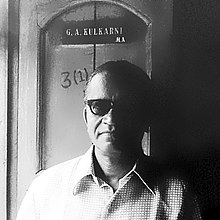
"image": "https://kavishalalab.s3.ap-south-1.amazonaws.com/sootradhar_author/220px-G_A_Kulkarni-2.jpg",
"name": "G. A. Kulkarni",
"bio": "<p>G. A. Kulkarni (Gurunath Abaji Kulkarni) or simply \"GA\" ( 10 July 1923 - 11 December 1987 ) (Marathi: जी. ए. कुलकर्णी, \"जीए\"), was a legendary Sahitya Akademi Award winner Marathi writer of short stories.</p>\r\n<p>Kulkarni grew up in Belgaum. After earning his master's degree, he taught English at JSS College in Dharwad for about 30 years. He had very strong liking for Dharwad and Belgaum. For medical treatment of his eyes, he reluctantly moved to Pune in 1985. A major road in the Kothrud area of Pune, where Kulkarni lived for couple of years before his death, has been named after him.</p>\r\n<p>Kulkarni, who bought new strength and vitality to the Marathi short story, is admittedly the most distinguished exponent of that genre. A contemporary of Gangadhar Gadgil, Arvind Gokhale and Vyankatesh Madgulkar, he did not subscribe to the cause of modernism in literature. He charted his own separate course and cultivated new acuity and taste for a class of faithful readers.</p>\r\n<p>Kulkarni created a world of his own in his short stories where his characters are in pursuit of the unknowable destiny. A dark mode reflects the inscrutable ways in which destiny shadows his characters. His use of symbolism, allegory and irony provides his stories a unique texture and ethos. His world encompasses a wide diversity of locales, situations, characters and experiences; yet, in his earlier stories, it is demarcated by the region bordering Maharashtra and Karnataka. The mythic, allegorical experiences make it difficult to sort out the realities from the dreams, themes, and meditations. Yet, it is possible for the reader to identify with his characters, places, and experiences because of his keen observation of human, animal, and social worlds in their beauty and deformity.</p>\r\n<p>Critics observe that characters in Kulkarni's world are multifaceted, but they are not independent. They lead their lives as if they are puppets guided by an unseen hand and are unable to change the direction. Why they follow that path to their demise or why they cannot change it by their volition is not known. In that sense, his work is a reversal of direction fostered by the modernist short story in Marathi. GA's earlier short stories depicted the tragic and cruel aspects of the human situation. His later works were almost Kafkaesque, without Kafka-like black humour. Some of his later works were allegorical and reminiscent of Borges.</p>\r\n<p>Some of Kulkarni's short stories have been translated into English, Hindi, and Kannada. He was honoured in 1973 with a Sahitya Akademi Award for his collection of short stories Kajalmaya. Critically acclaimed Marathi movie Kairee, which was directed by Amol Palekar, was based on one of his short stories. Based on GA's short story, Director Kranti Kanade made short film Chaitra that went on to win five National Film Awards in 2002.</p>\r\n<p>Kulkarni was a prolific correspondent. Though he had an obsession to keep his life private, he also longed to reach out through letters to his friends who shared his tastes. Four volumes of his letters were published after his death. He had written many of those letters to \"Shri Pu\" Bhagwat, Sunita Deshpande, Madhav Achawal, Jaywant Dalvi, Anantrao Kulkarni, and \"Ma Da\" Hatkanangalekar.</p>\r\n<p>Kulkarni translated five novels by Conrad Richter into Marathi in the 1960s for a project which USIS in India had initiated for getting some prominent American writings translated into Indian languages. He also wrote the book Manase Arbhat Ani Chillar, which contains seemingly autobiographical musings.</p> <br>\r\n\r\n<h2><span id=\"Works\" class=\"mw-headline\">Works</span></h2>\r\n<ul>\r\n<li><em>Nilasavala</em> (निळासावळा) (1959)</li>\r\n<li><em>Hirave Rave</em> (हिरवे रावे) (1960)</li>\r\n<li><em>Parava</em> (पारवा) (1960)</li>\r\n<li><em>RaktaChandan</em> (रक्तचंदन) (1966)</li>\r\n<li><em>Kajalmaya</em> (काजळमाया) (1972)</li>\r\n<li><em>Pingalavel</em> (पिंगळावेळ)</li>\r\n<li><em>Sanjshakun</em> (सांजशकुन ) (1975)</li>\r\n<li><em>Ramalkhuna</em> (रमलखुणा) (1975)</li>\r\n<li><em>Ek Arabi Kahani</em> (एक अरबी कहाणी) (1983) (Translated)</li>\r\n<li><em>Onjaldhara</em> (ओंजळधारा) (1984) (Translated)</li>\r\n<li><em>Bakhar Bimmachi</em> (बखर बिम्मची) (1986) (for children)</li>\r\n<li><em>Mugdhachi Rangit Goshta</em> (मुग्धाची रंगीत गोष्ट) (1986) (for children)</li>\r\n<li><em>Pailpakhare</em> (पैलपाखरे ) (1986) (Translated)</li>\r\n<li><em>Akashphule</em> (आकाशफुले) (Translated)</li>\r\n<li><em>Manase Arbhat Ani Chillar</em> (माणसे -अरभाट आणि चिल्लर) (1988)</li>\r\n<li><em>Kusumgunja</em> (कुसुमगुंजा) (1989; posthumous)</li>\r\n<li><em>Sonpawale</em> (सोनपावले) (1991; posthumous)</li>\r\n<li><em>Dohakalima</em> (डोहकाळिमा) (1987) (Collection of stories from GA's first four books)</li>\r\n<li><em>Niyatidaan</em> (नियतिदान ) (1992; posthumous) (Collection of <a title=\"Hindi\" href=\"https://en.wikipedia.org/wiki/Hindi\">Hindi</a> translation of GA's selected short stories)</li>\r\n<li><em>Raan</em> (रान) (1967) (Translated; Original – The Trees by <a title=\"Conrad Richter\" href=\"https://en.wikipedia.org/wiki/Conrad_Richter\">Conrad Richter</a>)</li>\r\n<li><em>Gaav</em> (गाव) (1967) (Translated; Original – The Town by <a title=\"Conrad Richter\" href=\"https://en.wikipedia.org/wiki/Conrad_Richter\">Conrad Richter</a>)</li>\r\n<li><em>Swatantrya Ale Ghara</em> (स्वातंत्र्य आले घरा) (1968) (Translated; Original – The Free Man by <a title=\"Conrad Richter\" href=\"https://en.wikipedia.org/wiki/Conrad_Richter\">Conrad Richter</a>))</li>\r\n<li><em>Ranatil Prakash</em> (रानातील प्रकाश) (1968) (Translated; Original – The Light in the Forest by <a title=\"Conrad Richter\" href=\"https://en.wikipedia.org/wiki/Conrad_Richter\">Conrad Richter</a>)</li>\r\n<li><em>Shiwaar</em> (शिवार) (1968) (Translated; Original – The Fields by <a title=\"Conrad Richter\" href=\"https://en.wikipedia.org/wiki/Conrad_Richter\">Conrad Richter</a>)</li>\r\n<li><em>Sonyache Madake</em> (सोन्याचे मडके) (1991; posthumous) (Translated, Original – <a title=\"The Crock of Gold (novel)\" href=\"https://en.wikipedia.org/wiki/The_Crock_of_Gold_(novel)\">Crock of Gold</a> by <a title=\"James Stephens (author)\" href=\"https://en.wikipedia.org/wiki/James_Stephens_(author)\">James Stephens</a>)</li>\r\n<li><em>Lord of the Flies</em> (लॉर्ड ऑफ दी फ्लाईज) (1987) (Translated, Original – <a class=\"mw-redirect\" title=\"Lord of the Flies (novel)\" href=\"https://en.wikipedia.org/wiki/Lord_of_the_Flies_(novel)\">Lord of the Flies</a>, By <a title=\"William Golding\" href=\"https://en.wikipedia.org/wiki/William_Golding\">William Golding</a>)</li>\r\n<li><em>Vairyachi Ek Ratra</em> (वैऱ्याची एक रात्र) (1982) (Translated, Original – I Survived Hitler's Ovens by Olga Lengyel)</li>\r\n<li><em>Amrutphale</em> (अमृतफळे) (1983) (Translated, Original – Apples of immortality by Leon Surmelian)</li>\r\n<li><em>G.A. -nchi Nivadak Patre – Khand I,II, III, IV</em> (जी.एं. ची निवडक पत्रे; खंड १,२.३.४) (1995,1998, 2006; posthumous)</li>\r\n<li><em>G.A. -nchi PatraVela</em> (जी.एं.ची पत्रवेळा; Letters to Kavi Grace and his daughter Mithila) (2010; posthumous)</li>\r\n<li><em>Diwas Tudawat Andharakade</em> (दिवस तुडवत अंधाराकडे ) (2015; posthumous) (Translated:1953, Original – <a title=\"Long Day's Journey into Night\" href=\"https://en.wikipedia.org/wiki/Long_Day%27s_Journey_into_Night\">Long Day's Journey into Night</a> by <a title=\"Eugene O'Neill\" href=\"https://en.wikipedia.org/wiki/Eugene_O%27Neill\">Eugene O'Neill</a>)</li>\r\n<li><em>A Journey Forever: Iskilaar and Other Stories</em> (2015; posthumous) (Collection of English translation of GA's selected short stories like Iskilaar. Translator:Vilas Salunke)</li>\r\n<li><em>Shadows in the Desert: Vidooshak and Other Stories</em> (2015; posthumous) (Collection of English translation of GA's selected short stories like Vidooshak. Translator:Vilas Salunke)</li>\r\n</ul>",
"raw_bio": "G. A. Kulkarni (Gurunath Abaji Kulkarni) or simply \"GA\" ( 10 July 1923 - 11 December 1987 ) (Marathi: जी. ए. कुलकर्णी, \"जीए\"), was a legendary Sahitya Akademi Award winner Marathi writer of short stories. Kulkarni grew up in Belgaum. After earning his master's degree, he taught English at JSS College in Dharwad for about 30 years. He had very strong liking for Dharwad and Belgaum. For medical treatment of his eyes, he reluctantly moved to Pune in 1985. A major road in the Kothrud area of Pune, where Kulkarni lived for couple of years before his death, has been named after him. Kulkarni, who bought new strength and vitality to the Marathi short story, is admittedly the most distinguished exponent of that genre. A contemporary of Gangadhar Gadgil, Arvind Gokhale and Vyankatesh Madgulkar, he did not subscribe to the cause of modernism in literature. He charted his own separate course and cultivated new acuity and taste for a class of faithful readers. Kulkarni created a world of his own in his short stories where his characters are in pursuit of the unknowable destiny. A dark mode reflects the inscrutable ways in which destiny shadows his characters. His use of symbolism, allegory and irony provides his stories a unique texture and ethos. His world encompasses a wide diversity of locales, situations, characters and experiences; yet, in his earlier stories, it is demarcated by the region bordering Maharashtra and Karnataka. The mythic, allegorical experiences make it difficult to sort out the realities from the dreams, themes, and meditations. Yet, it is possible for the reader to identify with his characters, places, and experiences because of his keen observation of human, animal, and social worlds in their beauty and deformity. Critics observe that characters in Kulkarni's world are multifaceted, but they are not independent. They lead their lives as if they are puppets guided by an unseen hand and are unable to change the direction. Why they follow that path to their demise or why they cannot change it by their volition is not known. In that sense, his work is a reversal of direction fostered by the modernist short story in Marathi. GA's earlier short stories depicted the tragic and cruel aspects of the human situation. His later works were almost Kafkaesque, without Kafka-like black humour. Some of his later works were allegorical and reminiscent of Borges. Some of Kulkarni's short stories have been translated into English, Hindi, and Kannada. He was honoured in 1973 with a Sahitya Akademi Award for his collection of short stories Kajalmaya. Critically acclaimed Marathi movie Kairee, which was directed by Amol Palekar, was based on one of his short stories. Based on GA's short story, Director Kranti Kanade made short film Chaitra that went on to win five National Film Awards in 2002. Kulkarni was a prolific correspondent. Though he had an obsession to keep his life private, he also longed to reach out through letters to his friends who shared his tastes. Four volumes of his letters were published after his death. He had written many of those letters to \"Shri Pu\" Bhagwat, Sunita Deshpande, Madhav Achawal, Jaywant Dalvi, Anantrao Kulkarni, and \"Ma Da\" Hatkanangalekar. Kulkarni translated five novels by Conrad Richter into Marathi in the 1960s for a project which USIS in India had initiated for getting some prominent American writings translated into Indian languages. He also wrote the book Manase Arbhat Ani Chillar, which contains seemingly autobiographical musings. Works Nilasavala (निळासावळा) (1959) Hirave Rave (हिरवे रावे) (1960) Parava (पारवा) (1960) RaktaChandan (रक्तचंदन) (1966) Kajalmaya (काजळमाया) (1972) Pingalavel (पिंगळावेळ) Sanjshakun (सांजशकुन ) (1975) Ramalkhuna (रमलखुणा) (1975) Ek Arabi Kahani (एक अरबी कहाणी) (1983) (Translated) Onjaldhara (ओंजळधारा) (1984) (Translated) Bakhar Bimmachi (बखर बिम्मची) (1986) (for children) Mugdhachi Rangit Goshta (मुग्धाची रंगीत गोष्ट) (1986) (for children) Pailpakhare (पैलपाखरे ) (1986) (Translated) Akashphule (आकाशफुले) (Translated) Manase Arbhat Ani Chillar (माणसे -अरभाट आणि चिल्लर) (1988) Kusumgunja (कुसुमगुंजा) (1989; posthumous) Sonpawale (सोनपावले) (1991; posthumous) Dohakalima (डोहकाळिमा) (1987) (Collection of stories from GA's first four books) Niyatidaan (नियतिदान ) (1992; posthumous) (Collection of Hindi translation of GA's selected short stories) Raan (रान) (1967) (Translated; Original – The Trees by Conrad Richter ) Gaav (गाव) (1967) (Translated; Original – The Town by Conrad Richter ) Swatantrya Ale Ghara (स्वातंत्र्य आले घरा) (1968) (Translated; Original – The Free Man by Conrad Richter )) Ranatil Prakash (रानातील प्रकाश) (1968) (Translated; Original – The Light in the Forest by Conrad Richter ) Shiwaar (शिवार) (1968) (Translated; Original – The Fields by Conrad Richter ) Sonyache Madake (सोन्याचे मडके) (1991; posthumous) (Translated, Original – Crock of Gold by James Stephens ) Lord of the Flies (लॉर्ड ऑफ दी फ्लाईज) (1987) (Translated, Original – Lord of the Flies , By William Golding ) Vairyachi Ek Ratra (वैऱ्याची एक रात्र) (1982) (Translated, Original – I Survived Hitler's Ovens by Olga Lengyel) Amrutphale (अमृतफळे) (1983) (Translated, Original – Apples of immortality by Leon Surmelian) G.A. -nchi Nivadak Patre – Khand I,II, III, IV (जी.एं. ची निवडक पत्रे; खंड १,२.३.४) (1995,1998, 2006; posthumous) G.A. -nchi PatraVela (जी.एं.ची पत्रवेळा; Letters to Kavi Grace and his daughter Mithila) (2010; posthumous) Diwas Tudawat Andharakade (दिवस तुडवत अंधाराकडे ) (2015; posthumous) (Translated:1953, Original – Long Day's Journey into Night by Eugene O'Neill ) A Journey Forever: Iskilaar and Other Stories (2015; posthumous) (Collection of English translation of GA's selected short stories like Iskilaar. Translator:Vilas Salunke) Shadows in the Desert: Vidooshak and Other Stories (2015; posthumous) (Collection of English translation of GA's selected short stories like Vidooshak. Translator:Vilas Salunke) ",
"slug": "g-a-kulkarni",
"DOB": "1923-07-10",
"DateOfDemise": "1987-12-11",
"location": "Examba, Karnataka",
"url": "/sootradhar/g-a-kulkarni",
"tags": null,
"created": "2023-09-22T12:18:57.951332",
"is_has_special_post": false,
"is_special_author": false,
"language": 17
},
{
"id": 380,
"image": "https://kavishalalab.s3.ap-south-1.amazonaws.com/sootradhar_author/Annabhau_Sathe.jpg",
"name": "Annabhau Sathe",
"bio": "Tukaram Bhaurao Sathe (1 August 1920 – 18 July 1969), popularly known as Annabhau Sathe, was a social reformer, communist folk poet, and writer from Maharashtra, India. Sathe was a Dalit born into the untouchable Mang community, and his upbringing and identity were central to his writing and political activism. Sathe was a Marxist-Ambedkarite mosaic, initially influenced by the communists but he later became an Ambedkarite. He is credited as a founding father of 'Dalit Literature'.\r\n\r\nWritings\r\nSathe wrote 35 novels in the Marathi language. They include Fakira (1959), which is in its 19th edition and received a state government award in 1961. It is an interesting novel which tells the story of the protagonist; the stout young guy, named Fakira, his feat, his crusading for the rights of people of his community in the British regime (India) and his enmity towards the evil forces in the village. However, the cause from where the story progresses is the religious practice or ritual called 'Jogin' which gives a way to further actions. There are 15 collections of Sathe's short stories, of which a large number have been translated into many Indian and as many as 27 non-Indian languages. Besides novels and short stories, Sathe wrote a play, a travelogue on Russia, 12 screenplays, and 10 ballads in the Marathi powada style.\r\n\r\nSathe's use of folkloric narrative styles like powada and lavani helped popularise and make his work accessible to many communities. In Fakira, Sathe portrays Fakira, the protagonist, revolting against the rural orthodox system and British Raj to save his community from utter starvation. The protagonist and his community are subsequently arrested and tortured by British officers, and Fakira is eventually killed by hanging.\r\n\r\nThe urban environment of Bombay significantly influenced his writings, which depict it as a dystopian milieu. Aarti Wani describes two of his songs – \"Mumbai Chi Lavani\" (Song of Bombay) and \"Mumbai cha Girni kamgar\" (Bombay's Mill-hand) – as depicting a city that is \"rapacious, exploitative, unequal and unjust\".",
"raw_bio": "Tukaram Bhaurao Sathe (1 August 1920 – 18 July 1969), popularly known as Annabhau Sathe, was a social reformer, communist folk poet, and writer from Maharashtra, India. Sathe was a Dalit born into the untouchable Mang community, and his upbringing and identity were central to his writing and political activism. Sathe was a Marxist-Ambedkarite mosaic, initially influenced by the communists but he later became an Ambedkarite. He is credited as a founding father of 'Dalit Literature'.\r \r Writings\r Sathe wrote 35 novels in the Marathi language. They include Fakira (1959), which is in its 19th edition and received a state government award in 1961. It is an interesting novel which tells the story of the protagonist; the stout young guy, named Fakira, his feat, his crusading for the rights of people of his community in the British regime (India) and his enmity towards the evil forces in the village. However, the cause from where the story progresses is the religious practice or ritual called 'Jogin' which gives a way to further actions. There are 15 collections of Sathe's short stories, of which a large number have been translated into many Indian and as many as 27 non-Indian languages. Besides novels and short stories, Sathe wrote a play, a travelogue on Russia, 12 screenplays, and 10 ballads in the Marathi powada style.\r \r Sathe's use of folkloric narrative styles like powada and lavani helped popularise and make his work accessible to many communities. In Fakira, Sathe portrays Fakira, the protagonist, revolting against the rural orthodox system and British Raj to save his community from utter starvation. The protagonist and his community are subsequently arrested and tortured by British officers, and Fakira is eventually killed by hanging.\r \r The urban environment of Bombay significantly influenced his writings, which depict it as a dystopian milieu. Aarti Wani describes two of his songs – \"Mumbai Chi Lavani\" (Song of Bombay) and \"Mumbai cha Girni kamgar\" (Bombay's Mill-hand) – as depicting a city that is \"rapacious, exploitative, unequal and unjust\".",
"slug": "annabhau-sathe",
"DOB": "1920-08-01",
"DateOfDemise": "1969-07-18",
"location": null,
"url": "/sootradhar/annabhau-sathe",
"tags": null,
"created": "2023-09-22T12:18:57.959475",
"is_has_special_post": false,
"is_special_author": false,
"language": 17
},
{
"id": 381,
"image": "https://kavishala.blob.core.windows.net/kavishalalabs/kavishala_logo.png",
"name": "Vinayak Janardan Karandikar",
"bio": "Vinayak Janardan Karandikar (Marathi: विनायक जनार्दन करंदीकर; September 15, 1872 – March 30, 1909) was a major poet of the Marathi language of India. He is considered part of the early twentieth century renaissance in literature and poetry of the Marathi Language in the Indian state of Maharashtra due to his contribution to the revival of ancient poetry forms from Yadava Dynasty Maharashtra.",
"raw_bio": "Vinayak Janardan Karandikar (Marathi: विनायक जनार्दन करंदीकर; September 15, 1872 – March 30, 1909) was a major poet of the Marathi language of India. He is considered part of the early twentieth century renaissance in literature and poetry of the Marathi Language in the Indian state of Maharashtra due to his contribution to the revival of ancient poetry forms from Yadava Dynasty Maharashtra.",
"slug": "vinayak-janardan-karandikar",
"DOB": "1872-09-15",
"DateOfDemise": "1909-03-30",
"location": null,
"url": "/sootradhar/vinayak-janardan-karandikar",
"tags": null,
"created": "2023-09-22T12:18:57.967339",
"is_has_special_post": false,
"is_special_author": false,
"language": 17
},
{
"id": 387,
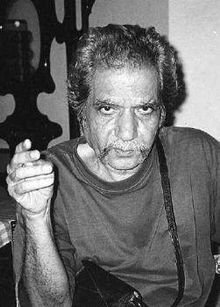
"image": "https://kavishalalab.s3.ap-south-1.amazonaws.com/sootradhar_author/Arun_Kolatkar.jpg",
"name": "Arun Kolatkar",
"bio": "Arun Balkrishna Kolatkar (Marathi: अरुण बालकृष्ण कोलटकर) (1 November 1932 – 25 September 2004) was an Indian poet who wrote in both Marathi and English. His poems found humor in many everyday matters. He exerted profound influence on modern Indian poets including Ranjit Hoskote. His first collection of English poetry, Jejuri won the Commonwealth Writers' Prize in 1977. His Marathi verse collection Bhijki Vahi won a Sahitya Akademi Award in 2005. An anthology of his works, Collected Poems in English, edited by Arvind Krishna Mehrotra, was published in Britain by Bloodaxe Books in 2010. He was awarded the Commonwealth poetry price for his poetry \"Jejuri\" Trained as an artist from the J. J. School of Art, he was also a noted graphics designer.'The Bus' is a fine poem from epic Jejuri.In this poem the poet describes its journey by State Transport Bus in Maharashtra.The poet and other pilgrims are going to Jejuri to visit the temple of God Khandoba.<br>\r\n<p>Marathi Poetry and influence<br />His Marathi poems of the 1950s and 1960s are written \"in the Bombay argot of the migrant working classes and the underworld, part Hindi, part Marathi, which the Hindi film industry would make proper use of only decades later\". For instance, consider the following, which intersperses Hindi dialect into the Marathi:</p>\r\n<p>मै भाभीको बोला main bhAbhiiko bolA<br />क्या भाईसाबके ड्यूटीपे मै आ जाऊ ? kya bhAisAbke dyuTipe main A jAu?<br />भड़क गयी साली bhaRak gayi sAli<br />रहमान बोला गोली चलाऊँगा rahmAn bolA goli chalAungA<br />मै बोला एक रंडीके वास्ते? mai bolA ek raNDike wAste?<br />चलाव गोली गांडू chalao goli gaNDu (quoted in<br />To match this in his English translation, he sometimes adopts \"a cowboy variety\":</p>\r\n<p>allow me beautiful<br />i said to my sister in law<br /> to step in my brother's booties<br /> you had it coming said rehman<br /> a gun in his hand<br /> shoot me punk<br />kill your brother i said<br /> for a bloody cunt (Three cups of Tea)<br />In Marathi, his poetry is the quintessence of the modernist as manifested in the 'little magazine movement' in the 1950s and 1960s. His early Marathi poetry was radically experimental and displayed the influences of European avant-garde trends like surrealism, expressionism and Beat generation poetry. These poems are oblique, whimsical and at the same time dark, sinister, and exceedingly funny. Some of these characteristics can be seen in Jejuri and Kala Ghoda Poems in English, but his early Marathi poems are far more radical, dark and humorous than his English poems. His early Marathi poetry is far more audacious and takes greater liberties with language. However, in his later Marathi poetry, the poetic language is more accessible and less radical compared to earlier works. His later works Chirimiri, Bhijki Vahi and Droan are less introverted and less nightmarish. They show a greater social awareness and his satire becomes more direct. Bilingual poet and anthologist Vilas Sarang assigns great importance to Kolatkar's contribution to Marathi poetry, pointing to Chirimiri in particular as \"a work that must give inspiration and direction to all future Marathi poets\".</p>\r\n<p>He won the Kusumagraj Puraskar given by the Marathwada Sahitya Parishad in 1991 and Bahinabai Puraskar given by Bahinabai Prathistan in 1995. His Marathi poetry collections include:</p>\r\n<p>Arun Kolatkarcha Kavita (1977)<br />Chirimiri (2004)<br />Bhijki Vahi (2004) (Sahitya Akademi award, 2004)<br />Droan (2004)<br />Kolatkar was among a group of post-independence bilingual poets who fused the diction of their mother tongues along with international styles to break new ground in their poetic traditions; others in this group included Gopalakrishna Adiga (Kannada), Raghuvir Sahay (Hindi), Dilip Chitre (also Marathi), Sunil Gangopadhyay, Malay Roy Choudhury (Bengali), etc.</p> <br>\r\n<p>English poetry<br />Kolatkar was hesitant about bringing out his English verse, but his very first book, Jejuri, had a wide impact among fellow poets and littérateurs like Nissim Ezekiel and Salman Rushdie. Brought out from a small press, it was reprinted twice in quick succession, and Pritish Nandy was quick to anthologize him in the cult collection, Strangertime.For some years, some of his poems were also included in school texts.</p>\r\n<p>The poem sequence deals with a visit to Jejuri, a pilgrimage site for the local Maharashtrian deity Khandoba (a local deity, also an incarnation of Shiva). In a conversation with poet Eunice de Souza, Kolatkar says he discovered Jejuri in ‘a book on temples and legends of Maharashtra… there was a chapter on Jejuri in it. It seemed an interesting place’. Along with his brother and a friend, he visited Jejuri in 1963, and appears to have composed some poems shortly thereafter. A version of the poem A low temple[15] was published soon in a little magazine called Dionysius, but both the original manuscript and this magazine were lost. Subsequently, the poems were recreated in the 1970s, and were published in a literary quarterly in 1974, and the book came out in 1976.</p>\r\n<p>The poems evoke a series of images to highlight the ambiguities in modern-day life. Although situated in a religious setting, they are not religious; in 1978, an interviewer asked him if he believed in God, and Kolatkar said: ‘I leave the question alone. I don’t think I have to take a position about God one way or the other.’</p>\r\n<p>Before Jejuri, Kolatkar had also published other poem sequences, including the boatride, which appeared in the little magazine, damn you: a magazine of the arts in 1968, and was anthologized twice. A few of his early poems in English also appeared in Dilip Chitre's Anthology of Marathi poetry 1945-1965 (1967). Although some of these poems claim to be 'English version by poet', \"their Marathi originals were never committed to paper.\" (this is also true of some other bilingual poets like Vilas Sarang.</p>\r\n<p>Later work<br />A reclusive figure all his life, he lived without a telephone, and was hesitant about bringing out his work. It was only after he was diagnosed with cancer that two volumes were brought out by friends – the English poetry volumes Kala Ghoda Poems and Sarpasatra (2004).</p>\r\n<p>Sarpa Satra is an 'English version' of a poem with a similar name in Bhijki Vahi. It is a typical Kolatkar narrative poem like Droan, mixing myth, allegory, and contemporary history. Although Kolatkar was never known as a social commentator, his narrative poems tend to offer a whimsical tilted commentary on social mores. Many poems in Bhijki Vahi refer to contemporary history. However, these are not politicians' comments but a poet's, and he avoids the typical Dalit -Leftist-Feminist rhetoric.</p>",
"raw_bio": "Arun Balkrishna Kolatkar (Marathi: अरुण बालकृष्ण कोलटकर) (1 November 1932 – 25 September 2004) was an Indian poet who wrote in both Marathi and English. His poems found humor in many everyday matters. He exerted profound influence on modern Indian poets including Ranjit Hoskote. His first collection of English poetry, Jejuri won the Commonwealth Writers' Prize in 1977. His Marathi verse collection Bhijki Vahi won a Sahitya Akademi Award in 2005. An anthology of his works, Collected Poems in English, edited by Arvind Krishna Mehrotra, was published in Britain by Bloodaxe Books in 2010. He was awarded the Commonwealth poetry price for his poetry \"Jejuri\" Trained as an artist from the J. J. School of Art, he was also a noted graphics designer.'The Bus' is a fine poem from epic Jejuri.In this poem the poet describes its journey by State Transport Bus in Maharashtra.The poet and other pilgrims are going to Jejuri to visit the temple of God Khandoba. Marathi Poetry and influence His Marathi poems of the 1950s and 1960s are written \"in the Bombay argot of the migrant working classes and the underworld, part Hindi, part Marathi, which the Hindi film industry would make proper use of only decades later\". For instance, consider the following, which intersperses Hindi dialect into the Marathi: मै भाभीको बोला main bhAbhiiko bolA क्या भाईसाबके ड्यूटीपे मै आ जाऊ ? kya bhAisAbke dyuTipe main A jAu? भड़क गयी साली bhaRak gayi sAli रहमान बोला गोली चलाऊँगा rahmAn bolA goli chalAungA मै बोला एक रंडीके वास्ते? mai bolA ek raNDike wAste? चलाव गोली गांडू chalao goli gaNDu (quoted in To match this in his English translation, he sometimes adopts \"a cowboy variety\": allow me beautiful i said to my sister in law to step in my brother's booties you had it coming said rehman a gun in his hand shoot me punk kill your brother i said for a bloody cunt (Three cups of Tea) In Marathi, his poetry is the quintessence of the modernist as manifested in the 'little magazine movement' in the 1950s and 1960s. His early Marathi poetry was radically experimental and displayed the influences of European avant-garde trends like surrealism, expressionism and Beat generation poetry. These poems are oblique, whimsical and at the same time dark, sinister, and exceedingly funny. Some of these characteristics can be seen in Jejuri and Kala Ghoda Poems in English, but his early Marathi poems are far more radical, dark and humorous than his English poems. His early Marathi poetry is far more audacious and takes greater liberties with language. However, in his later Marathi poetry, the poetic language is more accessible and less radical compared to earlier works. His later works Chirimiri, Bhijki Vahi and Droan are less introverted and less nightmarish. They show a greater social awareness and his satire becomes more direct. Bilingual poet and anthologist Vilas Sarang assigns great importance to Kolatkar's contribution to Marathi poetry, pointing to Chirimiri in particular as \"a work that must give inspiration and direction to all future Marathi poets\". He won the Kusumagraj Puraskar given by the Marathwada Sahitya Parishad in 1991 and Bahinabai Puraskar given by Bahinabai Prathistan in 1995. His Marathi poetry collections include: Arun Kolatkarcha Kavita (1977) Chirimiri (2004) Bhijki Vahi (2004) (Sahitya Akademi award, 2004) Droan (2004) Kolatkar was among a group of post-independence bilingual poets who fused the diction of their mother tongues along with international styles to break new ground in their poetic traditions; others in this group included Gopalakrishna Adiga (Kannada), Raghuvir Sahay (Hindi), Dilip Chitre (also Marathi), Sunil Gangopadhyay, Malay Roy Choudhury (Bengali), etc. English poetry Kolatkar was hesitant about bringing out his English verse, but his very first book, Jejuri, had a wide impact among fellow poets and littérateurs like Nissim Ezekiel and Salman Rushdie. Brought out from a small press, it was reprinted twice in quick succession, and Pritish Nandy was quick to anthologize him in the cult collection, Strangertime.For some years, some of his poems were also included in school texts. The poem sequence deals with a visit to Jejuri, a pilgrimage site for the local Maharashtrian deity Khandoba (a local deity, also an incarnation of Shiva). In a conversation with poet Eunice de Souza, Kolatkar says he discovered Jejuri in ‘a book on temples and legends of Maharashtra… there was a chapter on Jejuri in it. It seemed an interesting place’. Along with his brother and a friend, he visited Jejuri in 1963, and appears to have composed some poems shortly thereafter. A version of the poem A low temple[15] was published soon in a little magazine called Dionysius, but both the original manuscript and this magazine were lost. Subsequently, the poems were recreated in the 1970s, and were published in a literary quarterly in 1974, and the book came out in 1976. The poems evoke a series of images to highlight the ambiguities in modern-day life. Although situated in a religious setting, they are not religious; in 1978, an interviewer asked him if he believed in God, and Kolatkar said: ‘I leave the question alone. I don’t think I have to take a position about God one way or the other.’ Before Jejuri, Kolatkar had also published other poem sequences, including the boatride, which appeared in the little magazine, damn you: a magazine of the arts in 1968, and was anthologized twice. A few of his early poems in English also appeared in Dilip Chitre's Anthology of Marathi poetry 1945-1965 (1967). Although some of these poems claim to be 'English version by poet', \"their Marathi originals were never committed to paper.\" (this is also true of some other bilingual poets like Vilas Sarang. Later work A reclusive figure all his life, he lived without a telephone, and was hesitant about bringing out his work. It was only after he was diagnosed with cancer that two volumes were brought out by friends – the English poetry volumes Kala Ghoda Poems and Sarpasatra (2004). Sarpa Satra is an 'English version' of a poem with a similar name in Bhijki Vahi. It is a typical Kolatkar narrative poem like Droan, mixing myth, allegory, and contemporary history. Although Kolatkar was never known as a social commentator, his narrative poems tend to offer a whimsical tilted commentary on social mores. Many poems in Bhijki Vahi refer to contemporary history. However, these are not politicians' comments but a poet's, and he avoids the typical Dalit -Leftist-Feminist rhetoric.",
"slug": "arun-kolatkar",
"DOB": "1932-11-01",
"DateOfDemise": "2004-09-25",
"location": null,
"url": "/sootradhar/arun-kolatkar",
"tags": null,
"created": "2023-09-22T12:18:57.977928",
"is_has_special_post": false,
"is_special_author": false,
"language": 17
},
{
"id": 388,
"image": "https://kavishalalab.s3.ap-south-1.amazonaws.com/sootradhar_author/Atmaram_Ravaji_Deshpande.jpg",
"name": "Atmaram Ravaji Deshpande",
"bio": "<p>Atmaram Raoji Deshpande (Marathi: आत्माराम रावजी देशपांडे) (1901 -8 may 1982) was a Marathi poet from Vidarbha region of Maharashtra, India. He wrote poems under the pen name Anil (अनिल). He was born on 11 September 1901 at Murtijapur in Akola district of Central India. He was married to Kusum Jayawant in 1929; she took the name Kusumavati Deshpande and was also a Marathi writer.</p>\r\n<p>Deshpande introduced free style --Muktachhand (मुक्तछंद)-- poetry to Marathi literature. He also introduced in Marathi Dashapadi (दशपदी), a new genre of sonnets comprising ten lines. His collection of poems with the same name Dashapadi (दशपदी) received a Sahitya Akademi Award in 1977. He was elected for Sahitya Akademi Fellowship in 1979.</p>\r\n<p>He presided over Marathi Sahitya Sammelan (मराठी साहित्य सम्मेलन) at Malvan in 1958.</p>\r\n<p>Deshpande won several international honors. He was a member of the committee of literacy experts of UNESCO. He was leader of Indian delegation of literary experts to USSR. He was awarded UNESCO fellowship for studying social education schemes in various countries.</p>\r\n<p>A collection of letters between Deshpande and his wife was published under the title Kusumanil (कुसुमानिल) in 1976.</p>\r\n<p>Works<br />The following are the titles of collections of Deshpande's poems:</p>\r\n<p>Phulwat (फुलवात) (1932)<br />Bhagnamoorti (भग्नमूर्ति) (1940)<br />Nirwasit Chini Mulas (निर्वासित चिनी मुलास) (1943)<br />Perte Vha (पेर्ते व्हा)(1947)<br />Sangati (सांगाती) (1961)<br />Dashapadi (दशपदी) (1976)</p>",
"raw_bio": "Atmaram Raoji Deshpande (Marathi: आत्माराम रावजी देशपांडे) (1901 -8 may 1982) was a Marathi poet from Vidarbha region of Maharashtra, India. He wrote poems under the pen name Anil (अनिल). He was born on 11 September 1901 at Murtijapur in Akola district of Central India. He was married to Kusum Jayawant in 1929; she took the name Kusumavati Deshpande and was also a Marathi writer. Deshpande introduced free style --Muktachhand (मुक्तछंद)-- poetry to Marathi literature. He also introduced in Marathi Dashapadi (दशपदी), a new genre of sonnets comprising ten lines. His collection of poems with the same name Dashapadi (दशपदी) received a Sahitya Akademi Award in 1977. He was elected for Sahitya Akademi Fellowship in 1979. He presided over Marathi Sahitya Sammelan (मराठी साहित्य सम्मेलन) at Malvan in 1958. Deshpande won several international honors. He was a member of the committee of literacy experts of UNESCO. He was leader of Indian delegation of literary experts to USSR. He was awarded UNESCO fellowship for studying social education schemes in various countries. A collection of letters between Deshpande and his wife was published under the title Kusumanil (कुसुमानिल) in 1976. Works The following are the titles of collections of Deshpande's poems: Phulwat (फुलवात) (1932) Bhagnamoorti (भग्नमूर्ति) (1940) Nirwasit Chini Mulas (निर्वासित चिनी मुलास) (1943) Perte Vha (पेर्ते व्हा)(1947) Sangati (सांगाती) (1961) Dashapadi (दशपदी) (1976)",
"slug": "atmaram-ravaji-deshpande",
"DOB": "1901-01-01",
"DateOfDemise": "1982-05-08",
"location": null,
"url": "/sootradhar/atmaram-ravaji-deshpande",
"tags": null,
"created": "2023-09-22T12:42:48.281622",
"is_has_special_post": true,
"is_special_author": false,
"language": 17
},
{
"id": 389,
"image": "https://kavishalalab.s3.ap-south-1.amazonaws.com/sootradhar_author/B._S._Mardhekar.jpg",
"name": "Bal Sitaram Mardhekar",
"bio": "<p>Bal Sitaram Mardhekar (1 December 1909 – 20 March 1956) was a Marathi writer who brought about a radical shift of sensibility in Marathi poetry. He was born in a town called Faizpur in the Khandesh region of Maharashtra.</p>\r\n<p>He was educated in Pune and London, and worked at All India Radio until his death. His earlier collection of poems, Shishiragam (शिशिरागम), was a product of Ravi Kiran Mandal poetry: sentimental and lyrical. But his later avant-garde poetry brought about a storm in the Marathi literary world. His poem with the title \"पिपात मेले ओल्या उंदिर\" (Mice Died in the Wet Barrel) appeared in Abhiruchi (अभिरुची) magazine in 1946.</p>\r\n<p>Similar to what Baudelaire did in French poetry, Mardhekar brought a decadent urban ethos into Marathi poetry. Marathi bhakti (भक्ति) poetry and the poetry of T. S. Eliot and W. H. Auden had an influence on him.</p>\r\n<p>In 1948, he was charged and tried for obscenity for some of his poems in Kahi Kavita. He was declared innocent of these charges in 1952.</p>\r\n<p>Mardhekar was also an influential critic and an experimental novelist. He attempted to bring in the consciousness technique in Marathi novels.</p>\r\n<p>He received in 1956 Sahitya Akademi Award[1] for his work Saundarya ani Sahitya (A study of aesthetics) (सौंदर्य आणि साहित्य).</p>\r\n\r\n<p>Published works<br />Books<br />Poetry<br />Shishiragam (1939)<br />Kahi Kavita (1947)<br />Aankhin Kahi Kavita (1951)<br />Kiti Tari Divsat<br />Ala Ashadh Shravan<br />Novels<br />Raatricha Divas (1942)<br />Tambdi Maati (1943)<br />Paani (1948)<br />Mardhekaranchya Kadambarya (1962)<br />Aesthetics and Criticism<br />Arts and Man (1937)<br />Vangmaiyeen Mahaatmata (1941)<br />Two Lectures on an Aesthetic of Literature (1944)<br />Saundarya ani Sahitya (1955)<br />Plays<br />Karna (1944)<br />Natashreshta (1944)<br />Sangam (1945)<br />Aukshan (1946)<br />Badakanche Gupit (1947)<br />Short Stories<br />Natashrestha Appasaheb Rele (1944)</p>",
"raw_bio": "Bal Sitaram Mardhekar (1 December 1909 – 20 March 1956) was a Marathi writer who brought about a radical shift of sensibility in Marathi poetry. He was born in a town called Faizpur in the Khandesh region of Maharashtra. He was educated in Pune and London, and worked at All India Radio until his death. His earlier collection of poems, Shishiragam (शिशिरागम), was a product of Ravi Kiran Mandal poetry: sentimental and lyrical. But his later avant-garde poetry brought about a storm in the Marathi literary world. His poem with the title \"पिपात मेले ओल्या उंदिर\" (Mice Died in the Wet Barrel) appeared in Abhiruchi (अभिरुची) magazine in 1946. Similar to what Baudelaire did in French poetry, Mardhekar brought a decadent urban ethos into Marathi poetry. Marathi bhakti (भक्ति) poetry and the poetry of T. S. Eliot and W. H. Auden had an influence on him. In 1948, he was charged and tried for obscenity for some of his poems in Kahi Kavita. He was declared innocent of these charges in 1952. Mardhekar was also an influential critic and an experimental novelist. He attempted to bring in the consciousness technique in Marathi novels. He received in 1956 Sahitya Akademi Award[1] for his work Saundarya ani Sahitya (A study of aesthetics) (सौंदर्य आणि साहित्य). Published works Books Poetry Shishiragam (1939) Kahi Kavita (1947) Aankhin Kahi Kavita (1951) Kiti Tari Divsat Ala Ashadh Shravan Novels Raatricha Divas (1942) Tambdi Maati (1943) Paani (1948) Mardhekaranchya Kadambarya (1962) Aesthetics and Criticism Arts and Man (1937) Vangmaiyeen Mahaatmata (1941) Two Lectures on an Aesthetic of Literature (1944) Saundarya ani Sahitya (1955) Plays Karna (1944) Natashreshta (1944) Sangam (1945) Aukshan (1946) Badakanche Gupit (1947) Short Stories Natashrestha Appasaheb Rele (1944)",
"slug": "bal-sitaram-mardhekar",
"DOB": "1909-12-01",
"DateOfDemise": "1956-03-20",
"location": null,
"url": "/sootradhar/bal-sitaram-mardhekar",
"tags": null,
"created": "2023-09-22T12:18:58.007471",
"is_has_special_post": false,
"is_special_author": false,
"language": 17
},
{
"id": 392,
"image": "https://kavishalalab.s3.ap-south-1.amazonaws.com/sootradhar_author/bbhay.jpg",
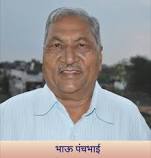
"name": "Bhau Panchabhai",
"bio": "<p>Bhau Panchabhai (1 March 1944 - 21Jan 2016) was a Marathi poet, writer, and Dalit activist. Panchbhai is best known for his first poetry collection Hunkaar Vadaalnche (हुंकार वादळांचे) for which he was awarded by the Government of Maharashtra for the best poetry collection of 1989. His poetry is considered as a prototype of Ambedkarite poetry and is translated in various languages including English. He lived in Nagpur and worked as a lawyer. He was awarded Laxmibai Ingole Kavya Puruskar by the Laxmibai Ingole Foundation Amravati in 2015 for his contribution to Ambedkarite literature.</p>\r\n\r\n<p>WRITINGS -</p>\r\n<dl>\r\n<dd>\r\n<dl>\r\n<dd>(A) KAVYA SANGRAHA</dd>\r\n</dl>\r\n</dd>\r\n<dd>(1) Hunkaar vaadalaanche ( हुंकार वादळांचे )1989.</dd>\r\n<dd>(2) NikhaRyaa.nchyaa RaangoLyaa ( निखाऱ्यांच्या रांगोळ्या )2004.</dd>\r\n<dd>(3) Abhanganchya Thingya ( अभंगांच्या ठिणग्या )2014.</dd>\r\n<dd>(4) Spandanpisara ( स्पंदनपिसारा )2014.</dd>\r\n<dd>(5) Aakantgandha ( आकांतगंधा ) Being Released Shortly...\r\n<dl>\r\n<dd>(B) LALIT LEKH</dd>\r\n</dl>\r\n</dd>\r\n<dd>(1) Jakhamancha Ajintha ( जखमांचा अजिंठा )1992.\r\n<dl>\r\n<dd>(C) VAICHARIK LEKH</dd>\r\n</dl>\r\n</dd>\r\n<dd>(1) Samajkranti ( समाजक्रांती )1992.</dd>\r\n</dl>",
"raw_bio": "Bhau Panchabhai (1 March 1944 - 21Jan 2016) was a Marathi poet, writer, and Dalit activist. Panchbhai is best known for his first poetry collection Hunkaar Vadaalnche (हुंकार वादळांचे) for which he was awarded by the Government of Maharashtra for the best poetry collection of 1989. His poetry is considered as a prototype of Ambedkarite poetry and is translated in various languages including English. He lived in Nagpur and worked as a lawyer. He was awarded Laxmibai Ingole Kavya Puruskar by the Laxmibai Ingole Foundation Amravati in 2015 for his contribution to Ambedkarite literature. WRITINGS - (A) KAVYA SANGRAHA (1) Hunkaar vaadalaanche ( हुंकार वादळांचे )1989. (2) NikhaRyaa.nchyaa RaangoLyaa ( निखाऱ्यांच्या रांगोळ्या )2004. (3) Abhanganchya Thingya ( अभंगांच्या ठिणग्या )2014. (4) Spandanpisara ( स्पंदनपिसारा )2014. (5) Aakantgandha ( आकांतगंधा ) Being Released Shortly...\r (B) LALIT LEKH (1) Jakhamancha Ajintha ( जखमांचा अजिंठा )1992.\r (C) VAICHARIK LEKH (1) Samajkranti ( समाजक्रांती )1992. ",
"slug": "bhau-panchabhai",
"DOB": "1944-03-01",
"DateOfDemise": "2016-01-21",
"location": null,
"url": "/sootradhar/bhau-panchabhai",
"tags": null,
"created": "2023-09-22T12:18:58.015998",
"is_has_special_post": false,
"is_special_author": false,
"language": 17
},
{
"id": 393,
"image": "https://kavishalalab.s3.ap-south-1.amazonaws.com/sootradhar_author/Gadima.gif",
"name": "Gajanan Digambar Madgulkar",
"bio": "<p>Gajānan Digambar Mādguḷkar (1 October 1919 – 14 December 1977) was a Marāthi poet, lyricist, writer and actor from India. He is popularly known in his home state of Mahārāshtra by just his initials as Ga Di Mā (गदिमा). He was awarded Sangeet Natak Akademi Award in 1951 and Padma Shri in 1969. He has written 157 screen plays and over 2000 songs in his career He was called Ādhunik Valmiki (the modern Valmiki) of current era due to his composition of Geet Rāmāyan (lit. Ramayana in Songs) as the most notable work. 2019 is celebrated as his Birth Century year. Government of Maharashtra hosts various events and festivals to grace the occasion.</p>\r\n\r\n<p>Career<br />Madgulkar wrote poetry, short stories, novels, autobiographies and scripts, dialogues and lyrics for Marathi as well as Hindi movies. His poems have been adapted to a wide range of musical forms such as Sugam-Sangeet (light music), Bhāwa-Geet (emotional songs), Bhakti-Geet (devotional songs), and Lāwani (a genre of folk songs in Maharashtra). Madgulkar entered the world of movies in 1938 at Kolhāpur. He contributed to 157 Marathi and 23 Hindi movies. He was also an artist. He loved to draw nature scenes.</p>\r\n<p>He had knowledge of 10 languages including Marathi, Hindi, English, Urdu, Bengali, Gujarati, Punjabi, Kannada, Tamil and Telugu.</p>\r\n<p>He was the elder brother of Marathi writer of poetry and novels Vyankatesh Madgulkar.</p>\r\n<p> </p>\r\n\r\n<p>Collections of poems<br />Sugandhi Veena<br />Jogiya<br />Char sangitika<br />Geet Ramayan<br />Kavykatha<br />Chaitraban<br />Geetgopal<br />Geetsaubhadra<br />Vaishakhi<br />Pooriya<br />Ajun Gagima<br />Naach re mora</p>\r\n<p>Collection of short stories<br />Laplele ogh<br />Bandhavarchya babhali<br />Krushnachi karangali<br />Bolka shankh<br />Veg ani itar katha<br />Thorli pati<br />Tupacha nandadeep<br />Chandani udbatti<br />Bhatache phool<br />Sone ani mati<br />Teen chitrakatha<br />Kalavantanche anand paryatan<br />Teel ani tandul<br />Autobiographies<br />Vatevarlya savlya<br />Mantarlele diwas<br />Novels<br />De tali ga ghe tali<br />Mini<br />Shashank manjiri<br />Naach re mora<br />Tulsi ramayan<br />Shabdranjan<br />Aakashachi phale<br />Ubhe dhage aadve dhage<br />Plays<br />Aakashachi phale<br />Parachakra<br />Monthly magazines<br />Akshar<br />Dharti</p>",
"raw_bio": "Gajānan Digambar Mādguḷkar (1 October 1919 – 14 December 1977) was a Marāthi poet, lyricist, writer and actor from India. He is popularly known in his home state of Mahārāshtra by just his initials as Ga Di Mā (गदिमा). He was awarded Sangeet Natak Akademi Award in 1951 and Padma Shri in 1969. He has written 157 screen plays and over 2000 songs in his career He was called Ādhunik Valmiki (the modern Valmiki) of current era due to his composition of Geet Rāmāyan (lit. Ramayana in Songs) as the most notable work. 2019 is celebrated as his Birth Century year. Government of Maharashtra hosts various events and festivals to grace the occasion. Career Madgulkar wrote poetry, short stories, novels, autobiographies and scripts, dialogues and lyrics for Marathi as well as Hindi movies. His poems have been adapted to a wide range of musical forms such as Sugam-Sangeet (light music), Bhāwa-Geet (emotional songs), Bhakti-Geet (devotional songs), and Lāwani (a genre of folk songs in Maharashtra). Madgulkar entered the world of movies in 1938 at Kolhāpur. He contributed to 157 Marathi and 23 Hindi movies. He was also an artist. He loved to draw nature scenes. He had knowledge of 10 languages including Marathi, Hindi, English, Urdu, Bengali, Gujarati, Punjabi, Kannada, Tamil and Telugu. He was the elder brother of Marathi writer of poetry and novels Vyankatesh Madgulkar. Collections of poems Sugandhi Veena Jogiya Char sangitika Geet Ramayan Kavykatha Chaitraban Geetgopal Geetsaubhadra Vaishakhi Pooriya Ajun Gagima Naach re mora Collection of short stories Laplele ogh Bandhavarchya babhali Krushnachi karangali Bolka shankh Veg ani itar katha Thorli pati Tupacha nandadeep Chandani udbatti Bhatache phool Sone ani mati Teen chitrakatha Kalavantanche anand paryatan Teel ani tandul Autobiographies Vatevarlya savlya Mantarlele diwas Novels De tali ga ghe tali Mini Shashank manjiri Naach re mora Tulsi ramayan Shabdranjan Aakashachi phale Ubhe dhage aadve dhage Plays Aakashachi phale Parachakra Monthly magazines Akshar Dharti",
"slug": "gajanan-digambar-madgulkar",
"DOB": "1919-10-01",
"DateOfDemise": "1977-12-14",
"location": null,
"url": "/sootradhar/gajanan-digambar-madgulkar",
"tags": null,
"created": "2023-09-22T12:42:54.028231",
"is_has_special_post": true,
"is_special_author": false,
"language": 17
},
{
"id": 394,
"image": "https://kavishalalab.s3.ap-south-1.amazonaws.com/sootradhar_author/Keshavasuta.jpg",
"name": "Keshavasuta",
"bio": "<p>Krishnaji Keshav Damleji (Marathi: कृष्णाजी केशव दामले) (October 7, 1866 - November 7, 1905) was a Marathi poet from Malgund , Ratnagiri Maharashtra, India, who wrote poetry under the pen name Keshavasuta or Keshavsut कृष.</p>\r\n<p>Legacy<br />Keshavsut's poem Tutari is seen in the soundtrack of the Oscar-nominated film Harishchandrachi Factory. On 22 May 2017, the Dadar-Sawantwadi Rajya Rani Express was named as \"Tutari Express\" to mark the centenary of Damle's famed poem titled \"Tutari\".</p>",
"raw_bio": "Krishnaji Keshav Damleji (Marathi: कृष्णाजी केशव दामले) (October 7, 1866 - November 7, 1905) was a Marathi poet from Malgund , Ratnagiri Maharashtra, India, who wrote poetry under the pen name Keshavasuta or Keshavsut कृष. Legacy Keshavsut's poem Tutari is seen in the soundtrack of the Oscar-nominated film Harishchandrachi Factory. On 22 May 2017, the Dadar-Sawantwadi Rajya Rani Express was named as \"Tutari Express\" to mark the centenary of Damle's famed poem titled \"Tutari\".",
"slug": "keshavasuta",
"DOB": "1866-10-07",
"DateOfDemise": "1905-11-07",
"location": null,
"url": "/sootradhar/keshavasuta",
"tags": null,
"created": "2023-09-22T12:18:58.034110",
"is_has_special_post": false,
"is_special_author": false,
"language": 17
},
{
"id": 420,
"image": "https://kavishalalab.s3.ap-south-1.amazonaws.com/sootradhar_author/dilip_chitre.jpg",
"name": "Dilip Chitre",
"bio": "Dilip Purushottam Chitre (17 September 1938 – 10 December 2009) was one of the foremost Indian poets and critics to emerge in the post Independence India. Apart from being a very important bilingual writer, writing in Marathi and English, he was also a teacher, a painter and filmmaker and a magazine columnist.\r\n\r\n\r\n<p>Works<br />Poetry<br />He was a bilingual writer and wrote mostly in Marathi. His Ekun Kavita or Collected Poems were published in the 1990s in three volumes. As Is, Where Is selected English poems (1964–2007) and \"Shesha\" English translation of selected Marathi poems, both published by Poetrywala, were published in 2007. He also edited An Anthology of Marathi Poetry (1945–1965). He was an accomplished translator of prose and poetry. His most famous translation was of the celebrated 17th century Marathi bhakti poet Tukaram (published as Says Tuka). He translated Anubhavamrut by twelfth century bhakti poet Dnyaneshwar. He also wrote poetry in English. Travelling in a Cage (1980) was his first and only book of English poems.</p>\r\n<p>Exile, alienation, self-disintegration and death are major themes in Chitre's poetry, which belongs essentially to the Modernist Movement. It reflects cosmopolitan culture, urban sensibilities, uses oblique expressions and ironic tones.</p>\r\n<p>Films<br />He started his professional film career in 1969 and made one feature film, about a dozen documentary films, several short films and about 20 video documentary features. He wrote the scripts of most of his films as well as directed or co-directed them. He also scored the music for some of them.</p>\r\n<p> </p>\r\n\r\n<p>Awards and honors<br />He worked as an honorary editor of the quarterly New Quest, Mumbai.</p>\r\n<p>Among Chitre's honours and awards are several Maharashtra State Awards, the Prix Special du Jury for his film Godam at the Festival des Trois Continents in 1984, the Ministry of Human Resource Development's Emeritua Fellowship, the University of Iowa's International Writing Program Fellowship, the Indira Gandhi Fellowship, and the Villa Waldberta Fellowship for residence given by the city of Munich, Bavaria, Germany. He was a D.A.A.D. ( German Academic Exchange) Fellow and Writer-in-Residence at the Universities of Heidelberg and Bamberg in Germany in 1991–92. He was Director of Vagarth, Bharat Bhavan Bhopal and convenor-director of the Valmiki World Poetry Festival ( New Delhi,1985) and International Symposium of Poets ( Bhopal, 1985), a Keynote Speaker at the World Poetry Congress in Maebashi, Japan (1996) and at the Ninth International Conference on Maharashtra at Saint Paul, Minnesota, USA in 2001 and Member of the International Jury at the Literature festival Berlin, 2001.</p>\r\n<p>He was member of a three-writer delegation ( along with Nirmal Verma and U. R. Ananthamurthy) to the Soviet Union (Russia, Ukraine, and Georgia), Hungary, the Federal Republic of Germany and France in the spring and summer of 1980 and to the Frankfurter Buchmesse in Frankfurt, Germany in 1986; he also gave readings, lectures, talks, participated in seminars and symposia, and conducted workshops in creative writing and literary translation in Iowa City, Chicago, Tempe, Paris, London, Weimar, Saint Petersburg, Berlin, Frankfurt, Konstanz, Heidelberg, Bamberg, Tübingen, Northfield, Saint-Paul/Minneapolis, New Delhi, Bhopal, Mumbai, Kochi, Vadodara, Kolhapur, Aurangabad, Pune, Maebashi, and Dhule.</p>",
"raw_bio": "Dilip Purushottam Chitre (17 September 1938 – 10 December 2009) was one of the foremost Indian poets and critics to emerge in the post Independence India. Apart from being a very important bilingual writer, writing in Marathi and English, he was also a teacher, a painter and filmmaker and a magazine columnist.\r \r \r Works Poetry He was a bilingual writer and wrote mostly in Marathi. His Ekun Kavita or Collected Poems were published in the 1990s in three volumes. As Is, Where Is selected English poems (1964–2007) and \"Shesha\" English translation of selected Marathi poems, both published by Poetrywala, were published in 2007. He also edited An Anthology of Marathi Poetry (1945–1965). He was an accomplished translator of prose and poetry. His most famous translation was of the celebrated 17th century Marathi bhakti poet Tukaram (published as Says Tuka). He translated Anubhavamrut by twelfth century bhakti poet Dnyaneshwar. He also wrote poetry in English. Travelling in a Cage (1980) was his first and only book of English poems. Exile, alienation, self-disintegration and death are major themes in Chitre's poetry, which belongs essentially to the Modernist Movement. It reflects cosmopolitan culture, urban sensibilities, uses oblique expressions and ironic tones. Films He started his professional film career in 1969 and made one feature film, about a dozen documentary films, several short films and about 20 video documentary features. He wrote the scripts of most of his films as well as directed or co-directed them. He also scored the music for some of them. Awards and honors He worked as an honorary editor of the quarterly New Quest, Mumbai. Among Chitre's honours and awards are several Maharashtra State Awards, the Prix Special du Jury for his film Godam at the Festival des Trois Continents in 1984, the Ministry of Human Resource Development's Emeritua Fellowship, the University of Iowa's International Writing Program Fellowship, the Indira Gandhi Fellowship, and the Villa Waldberta Fellowship for residence given by the city of Munich, Bavaria, Germany. He was a D.A.A.D. ( German Academic Exchange) Fellow and Writer-in-Residence at the Universities of Heidelberg and Bamberg in Germany in 1991–92. He was Director of Vagarth, Bharat Bhavan Bhopal and convenor-director of the Valmiki World Poetry Festival ( New Delhi,1985) and International Symposium of Poets ( Bhopal, 1985), a Keynote Speaker at the World Poetry Congress in Maebashi, Japan (1996) and at the Ninth International Conference on Maharashtra at Saint Paul, Minnesota, USA in 2001 and Member of the International Jury at the Literature festival Berlin, 2001. He was member of a three-writer delegation ( along with Nirmal Verma and U. R. Ananthamurthy) to the Soviet Union (Russia, Ukraine, and Georgia), Hungary, the Federal Republic of Germany and France in the spring and summer of 1980 and to the Frankfurter Buchmesse in Frankfurt, Germany in 1986; he also gave readings, lectures, talks, participated in seminars and symposia, and conducted workshops in creative writing and literary translation in Iowa City, Chicago, Tempe, Paris, London, Weimar, Saint Petersburg, Berlin, Frankfurt, Konstanz, Heidelberg, Bamberg, Tübingen, Northfield, Saint-Paul/Minneapolis, New Delhi, Bhopal, Mumbai, Kochi, Vadodara, Kolhapur, Aurangabad, Pune, Maebashi, and Dhule.",
"slug": "dilip-chitre",
"DOB": "1938-09-17",
"DateOfDemise": "2009-12-10",
"location": null,
"url": "/sootradhar/dilip-chitre",
"tags": "Marathi Poem, Marathi Poet, Indian Poet, Indian Poet, Dilip Chitre, Dilip Chitre Poems,",
"created": "2023-09-22T12:44:14.063271",
"is_has_special_post": true,
"is_special_author": false,
"language": 17
},
{
"id": 421,
"image": "https://kavishalalab.s3.ap-south-1.amazonaws.com/sootradhar_author/Mangesh_Padgaonkar.jpg",
"name": "Mangesh Padgaonkar",
"bio": "Mangesh Keshav Padgaonkar (10 March 1929 – 30 December 2015) was a Marathi poet . <p>Padgaonkar was born on 10 March 1929 in Vengurla, Sindhudurg district in Maharashtra. He received a Master of Arts degree in Marathi and Sanskrit from the University of Bombay. He taught Marathi at Matushree Mithibai College in Mumbai for several years, and then during the 1970–1990 period served as an editor at the US Information Service (USIS), both in Mumbai. He also worked as an assistant editor at the Sadhana (weekly) for some time.</p>\r\n\r\n<p>Padgaonkar started writing poems at the age of 14 and has 40 publications to his credit, most published by the publishing house Mouj Prakashan. While his first few books were collections of romantic poetry, he later published books in other genres including poetry for children, poetry reflecting socio-political issues, collection of essays and translations from English and other languages. The US Library of Congress has acquired 31 of his publications. The break from romantic poetry occurred in the collection \"Salaam\", which includes the poem of the book title that skewers the corrupt societal power structure around him. His books written for children include \"Sutti Eke Sutti\" and his collection of essays is called \"Nimbonichya Zaadamage\". Along with Vinda Karandikar and Vasant Bapat, Padgaonkar travelled across Maharashtra in the 1960s and 1970s reciting poetry. He was also a member of a Marathi literary group, “Murgi club”, loosely fashioned after the Algonquin Round Table. In addition to Padgaonkar, it included Vinda Karandikar, Vasant Bapat, Gangadhar Gadgil, Sadanand Rege and Shri Pu Bhagwat. They met every month for several years to eat together, engaging each other in wordplay and literary jokes.</p>\r\n\r\n<h2><span id=\"Awards_and_recognition\" class=\"mw-headline\">Awards and recognition</span></h2>\r\n<ul>\r\n<li><a class=\"mw-redirect\" title=\"Sahitya Academy Award\" href=\"https://en.wikipedia.org/wiki/Sahitya_Academy_Award\">Sahitya Academy Award</a> in 1980 for his collection of poems <em>Salam</em></li>\r\n<li>The M.P. Literary Conference Award in 1956,</li>\r\n<li>The Maharashtra State Award in 1953 and 1955.</li>\r\n<li><a class=\"mw-redirect\" title=\"Maharashtra Bhushan Award\" href=\"https://en.wikipedia.org/wiki/Maharashtra_Bhushan_Award\">Maharashtra Bhushan Award</a> in year 2008.</li>\r\n<li>\"Jeevan Sadhana Gaurav Puraskar\" by <a class=\"mw-redirect\" title=\"University of Pune\" href=\"https://en.wikipedia.org/wiki/University_of_Pune\">University of Pune</a>, 2012</li>\r\n<li><a title=\"Padma Bhushan\" href=\"https://en.wikipedia.org/wiki/Padma_Bhushan\">Padma Bhushan</a> in 2013.</li>\r\n<li>Maharashtra Sahitya Parishad Puraskar in 2013 </li>\r\n</ul>",
"raw_bio": "Mangesh Keshav Padgaonkar (10 March 1929 – 30 December 2015) was a Marathi poet . Padgaonkar was born on 10 March 1929 in Vengurla, Sindhudurg district in Maharashtra. He received a Master of Arts degree in Marathi and Sanskrit from the University of Bombay. He taught Marathi at Matushree Mithibai College in Mumbai for several years, and then during the 1970–1990 period served as an editor at the US Information Service (USIS), both in Mumbai. He also worked as an assistant editor at the Sadhana (weekly) for some time. Padgaonkar started writing poems at the age of 14 and has 40 publications to his credit, most published by the publishing house Mouj Prakashan. While his first few books were collections of romantic poetry, he later published books in other genres including poetry for children, poetry reflecting socio-political issues, collection of essays and translations from English and other languages. The US Library of Congress has acquired 31 of his publications. The break from romantic poetry occurred in the collection \"Salaam\", which includes the poem of the book title that skewers the corrupt societal power structure around him. His books written for children include \"Sutti Eke Sutti\" and his collection of essays is called \"Nimbonichya Zaadamage\". Along with Vinda Karandikar and Vasant Bapat, Padgaonkar travelled across Maharashtra in the 1960s and 1970s reciting poetry. He was also a member of a Marathi literary group, “Murgi club”, loosely fashioned after the Algonquin Round Table. In addition to Padgaonkar, it included Vinda Karandikar, Vasant Bapat, Gangadhar Gadgil, Sadanand Rege and Shri Pu Bhagwat. They met every month for several years to eat together, engaging each other in wordplay and literary jokes. Awards and recognition Sahitya Academy Award in 1980 for his collection of poems Salam The M.P. Literary Conference Award in 1956, The Maharashtra State Award in 1953 and 1955. Maharashtra Bhushan Award in year 2008. \"Jeevan Sadhana Gaurav Puraskar\" by University of Pune , 2012 Padma Bhushan in 2013. Maharashtra Sahitya Parishad Puraskar in 2013 ",
"slug": "mangesh-padgaonkar",
"DOB": "1929-03-10",
"DateOfDemise": "2015-12-30",
"location": null,
"url": "/sootradhar/mangesh-padgaonkar",
"tags": "Mangesh Padgaonkar Poem, Mangesh Padgaonkar Poems, Mangesh Padgaonkar Poet, Marathi Poem,",
"created": "2023-09-22T12:44:15.650056",
"is_has_special_post": true,
"is_special_author": false,
"language": 17
},
{
"id": 422,
"image": "https://kavishalalab.s3.ap-south-1.amazonaws.com/sootradhar_author/26-manik_20180370603.jpg",
"name": "Manik Godghate",
"bio": "Manik Godghate (Marathi: माणिक गोडघाटे), (10 May 1937- \t26 March 2012 )popularly known by his pen name Grace, was a Marathi prose writer and poet. He is most popular as lyricist of the Marathi song \"Bhaya Ithale Sampat Nahi\", which was sung by Lata Mangeshkar as the title track for the TV serial Mahashweta. His book Vaaryane Halte Raan (Marathi: वार्याने हलते रान The forest swings with the wind) was awarded the prestigious Sahitya Akademi Award in 2011.\r\n\r\nHis works include Churchbell and Mitvaa in prose, and Sandhyaakalchya Kavita, Rajputra Aani Darling, Saanjbhayaachayaa Saajani and Chandramadhaviche Pradesh in poetry.\r\n\r\nInfluenced by Ingrid Bergman's acting in the film The Inn of the Sixth Happiness as if she was in grace, Manik Godghate decided to call himself \"Grace\". He revealed this in an interview with Akshaykumar Kale. The long interview (pg. 19 to 98) in published in his book \"Gracevishayi...\". Grace's first book of poetry, Sandhyaakalchya Kavita, is dedicated to Ingrid Bergman.\r\n\r\n<p>Poetic style<br />Godghate's poetic style is known to be abstruse. Defending his style, Godghate, in a speech given in Ralegaon said, \"My poetry is my Soliloquy and by its nature, a soliloquy lacks the awareness of a sense. It does not require and nor does it assume the existence of an audience. It springs boldly forth from its creator. My poetry does not bear the pretensions of a pedant neither does it make a prize of ignorance. I am the sort of poet who coins new words in the language\".</p>\r\n<p>His collection of 77 poems Sandhyakalcya Kavita was published in 1967. Of these, his poem \"Varshav\" was written in 1960 whereas other all were written in 1958. The writer critic Dr. Prabha Ganorkar, wife of poet Vasant Abaji Dahake, has analyzed his this collection of poems. She notes that around 50 of these poems are referred to a woman (\"Tu\", Marathi for \"You\") where the woman has physical or emotional relationship with the First person (\"Me\", Marathi form of I/Me). Despite this, she does not classify the poetry as romantic.</p>\r\n<p>His next collection of poems \"Rajputra Aani Darling\" was published in 1974. His 1977's publication \"Chandramaadhaviche Pradesh\" had the poems \"Bhaya Ithle Sampat Nahi\" and \"Ti Geli Tevha Rimzhim\" which were composed by Hridaynath Mangeshkar. The collection \"Sandhyaparvaatil Vaishanavi\" is divided into two section \"Prarthanaparva\" and \"Sandhyaparva\" with 33 and 63 poems respectively. His last publication \"Baai! Jogiyapurush\" is a compilation of about 112 poems written by him from 1958 to 2011.</p>",
"raw_bio": "Manik Godghate (Marathi: माणिक गोडघाटे), (10 May 1937- \t26 March 2012 )popularly known by his pen name Grace, was a Marathi prose writer and poet. He is most popular as lyricist of the Marathi song \"Bhaya Ithale Sampat Nahi\", which was sung by Lata Mangeshkar as the title track for the TV serial Mahashweta. His book Vaaryane Halte Raan (Marathi: वार्याने हलते रान The forest swings with the wind) was awarded the prestigious Sahitya Akademi Award in 2011.\r \r His works include Churchbell and Mitvaa in prose, and Sandhyaakalchya Kavita, Rajputra Aani Darling, Saanjbhayaachayaa Saajani and Chandramadhaviche Pradesh in poetry.\r \r Influenced by Ingrid Bergman's acting in the film The Inn of the Sixth Happiness as if she was in grace, Manik Godghate decided to call himself \"Grace\". He revealed this in an interview with Akshaykumar Kale. The long interview (pg. 19 to 98) in published in his book \"Gracevishayi...\". Grace's first book of poetry, Sandhyaakalchya Kavita, is dedicated to Ingrid Bergman.\r \r Poetic style Godghate's poetic style is known to be abstruse. Defending his style, Godghate, in a speech given in Ralegaon said, \"My poetry is my Soliloquy and by its nature, a soliloquy lacks the awareness of a sense. It does not require and nor does it assume the existence of an audience. It springs boldly forth from its creator. My poetry does not bear the pretensions of a pedant neither does it make a prize of ignorance. I am the sort of poet who coins new words in the language\". His collection of 77 poems Sandhyakalcya Kavita was published in 1967. Of these, his poem \"Varshav\" was written in 1960 whereas other all were written in 1958. The writer critic Dr. Prabha Ganorkar, wife of poet Vasant Abaji Dahake, has analyzed his this collection of poems. She notes that around 50 of these poems are referred to a woman (\"Tu\", Marathi for \"You\") where the woman has physical or emotional relationship with the First person (\"Me\", Marathi form of I/Me). Despite this, she does not classify the poetry as romantic. His next collection of poems \"Rajputra Aani Darling\" was published in 1974. His 1977's publication \"Chandramaadhaviche Pradesh\" had the poems \"Bhaya Ithle Sampat Nahi\" and \"Ti Geli Tevha Rimzhim\" which were composed by Hridaynath Mangeshkar. The collection \"Sandhyaparvaatil Vaishanavi\" is divided into two section \"Prarthanaparva\" and \"Sandhyaparva\" with 33 and 63 poems respectively. His last publication \"Baai! Jogiyapurush\" is a compilation of about 112 poems written by him from 1958 to 2011.",
"slug": "manik-godghate",
"DOB": "1937-05-10",
"DateOfDemise": "2012-03-26",
"location": null,
"url": "/sootradhar/manik-godghate",
"tags": "",
"created": "2023-09-22T12:44:19.195572",
"is_has_special_post": true,
"is_special_author": false,
"language": 17
}
],
"description": "<p style=\"text-align: center; font-size: 24px;\"> The Great Poets and Writers in Indian and World History! </p>",
"image": "https://kavishalalab.s3.ap-south-1.amazonaws.com/sootradhar_description/black.jpg"
}