HTTP 200 OK
Allow: GET, HEAD, OPTIONS
Content-Type: application/json
Vary: Accept
{
"count": 17752,
"next": "http://admin.kavishala.in/sootradhar/authors/?format=api&page=823",
"previous": "http://admin.kavishala.in/sootradhar/authors/?format=api&page=821",
"results": [
{
"id": 15673,
"image": "https://kavishala.blob.core.windows.net/kavishalalabs/kavishala_logo.png",
"name": "Manushyaputhiran",
"bio": "\nS. Abdul Hameed known by his pen name Manushya Puthiran (in Tamil: மனுஷ்ய புத்திரன்) (born 15 March 1968) is a poet and writer from Tamil Nadu, India.\nManushya Puthiran born as S Abdul Hameed, is the second of four children on 15 March 1968, in Thuvarankurichi, Tiruchirappalli District. He started his schooling at the age of 7 and he describes his early life:\nCompleted his schooling in private, continued his first year degree in Bachelor of Arts through Distance Learning Programs, Annamalai University. Just not to miss the fun and experience of campus, from 2nd year onwards he started attending college. Later he did dual master's degree one in Mass Communication and other in History.",
"raw_bio": "S. Abdul Hameed known by his pen name Manushya Puthiran (in Tamil: மனுஷ்ய புத்திரன்) (born 15 March 1968) is a poet and writer from Tamil Nadu, India. Manushya Puthiran born as S Abdul Hameed, is the second of four children on 15 March 1968, in Thuvarankurichi, Tiruchirappalli District. He started his schooling at the age of 7 and he describes his early life: Completed his schooling in private, continued his first year degree in Bachelor of Arts through Distance Learning Programs, Annamalai University. Just not to miss the fun and experience of campus, from 2nd year onwards he started attending college. Later he did dual master's degree one in Mass Communication and other in History.",
"slug": "manushyaputhiran",
"DOB": null,
"DateOfDemise": null,
"location": "Unknown",
"url": "/sootradhar/manushyaputhiran",
"tags": null,
"created": "2023-09-22T12:18:57.590074",
"is_has_special_post": false,
"is_special_author": false,
"language": 16
},
{
"id": 15674,
"image": "https://kavishala.blob.core.windows.net/kavishalalabs/kavishala_logo.png",
"name": "Mu. Metha",
"bio": "\nMuhammed Metha (born 5 September 1945) is an Indian poet and songwriter. He was born in Theni in 1945. He popularised modern poetry (Pudukavithai) in the 1970s and has written more than 30 books, including novels, short stories and essays. His awards include the Bharathidasan Award from the state government of Tamil Nadu. He is also credited with 400 songs for films. He received M. A. in Tamil literature.\nPoet Mu.Metha participated in the \"vanampaadi\" literary movement. That movement aimed at writing poems in the view of Marxism and world wide vision.\nMetha was a professor of tamil for 35 years at Presidency College, Chennai. He was a Member of legislative assembly in 1967 under C.N. Annadurai leadership from periyakulam constituency. His debut film as lyricist was Agaya Gangai.\n",
"raw_bio": "Muhammed Metha (born 5 September 1945) is an Indian poet and songwriter. He was born in Theni in 1945. He popularised modern poetry (Pudukavithai) in the 1970s and has written more than 30 books, including novels, short stories and essays. His awards include the Bharathidasan Award from the state government of Tamil Nadu. He is also credited with 400 songs for films. He received M. A. in Tamil literature. Poet Mu.Metha participated in the \"vanampaadi\" literary movement. That movement aimed at writing poems in the view of Marxism and world wide vision. Metha was a professor of tamil for 35 years at Presidency College, Chennai. He was a Member of legislative assembly in 1967 under C.N. Annadurai leadership from periyakulam constituency. His debut film as lyricist was Agaya Gangai. ",
"slug": "mu-metha",
"DOB": null,
"DateOfDemise": null,
"location": "Unknown",
"url": "/sootradhar/mu-metha",
"tags": null,
"created": "2023-09-22T12:18:57.599023",
"is_has_special_post": false,
"is_special_author": false,
"language": 16
},
{
"id": 15675,
"image": "https://kavishala.blob.core.windows.net/kavishalalabs/kavishala_logo.png",
"name": "Sathavathani Sheikh Thambi Pavalar",
"bio": "\nSheikh Thambi Pavalar (1874–1950) was a Tamil poet, scholar and an Indian independence activist.\nPavalar was born on 31 July 1874 at Edalakudy in Nagercoil, Kanyakumari District, as the third son of Pakeer Meeran sahib and Ameena. He had his earlier education at Edalakudy.\nSheikh Thambi Pavalar was a good orator. He learned Arabic language in his early age and was a disciple of Sankaranarayana Pattariar, a Tamil scholar who lived at Kottar (near Edalakudy). He was well versed in 'Kamba Ramayana'.",
"raw_bio": "Sheikh Thambi Pavalar (1874–1950) was a Tamil poet, scholar and an Indian independence activist. Pavalar was born on 31 July 1874 at Edalakudy in Nagercoil, Kanyakumari District, as the third son of Pakeer Meeran sahib and Ameena. He had his earlier education at Edalakudy. Sheikh Thambi Pavalar was a good orator. He learned Arabic language in his early age and was a disciple of Sankaranarayana Pattariar, a Tamil scholar who lived at Kottar (near Edalakudy). He was well versed in 'Kamba Ramayana'.",
"slug": "sathavathani-sheikh-thambi-pavalar",
"DOB": null,
"DateOfDemise": null,
"location": "Unknown",
"url": "/sootradhar/sathavathani-sheikh-thambi-pavalar",
"tags": null,
"created": "2023-09-22T12:18:57.606747",
"is_has_special_post": false,
"is_special_author": false,
"language": 16
},
{
"id": 15677,
"image": "https://kavishala.blob.core.windows.net/kavishalalabs/kavishala_logo.png",
"name": "Pulamaipithan",
"bio": "\nPulavar Pulamaipithan (6 October 1935 – 8 September 2021) was an Indian scholar, poet and lyricist who got recognition through the song \"Naan yaar nee yaar\" which was featured in the Tamil film Kudiyirundha Koyil in 1968. He briefly served as the presidium chairman of AIADMK from 2002 to 2003, when he resigned citing ill-health.\nPulamaipithan was born in Irugur, Coimbatore, Tamil Nadu on 6 October 1935. At the early age Pulavar used to work in textile mill known as Combodia mills in Coimbatore and also studied his Tamil literature in Tava Tiru Shanthalinga Adigalar Perur Tamil Kaluri Coimbatore. He came to Chennai in 1964 with the ambition of writing songs for Tamil films. He worked as a Tamil teacher at Santhome high school before he started writing lyrics in Tamil films.\nHe served as Deputy Chairman of the Tamil Nadu Legislative Council, and was appointed \"Arasavai Kavignar\" (poet laureate) by the former Chief Minister of Tamil Nadu, M. G. Ramachandran.",
"raw_bio": "Pulavar Pulamaipithan (6 October 1935 – 8 September 2021) was an Indian scholar, poet and lyricist who got recognition through the song \"Naan yaar nee yaar\" which was featured in the Tamil film Kudiyirundha Koyil in 1968. He briefly served as the presidium chairman of AIADMK from 2002 to 2003, when he resigned citing ill-health. Pulamaipithan was born in Irugur, Coimbatore, Tamil Nadu on 6 October 1935. At the early age Pulavar used to work in textile mill known as Combodia mills in Coimbatore and also studied his Tamil literature in Tava Tiru Shanthalinga Adigalar Perur Tamil Kaluri Coimbatore. He came to Chennai in 1964 with the ambition of writing songs for Tamil films. He worked as a Tamil teacher at Santhome high school before he started writing lyrics in Tamil films. He served as Deputy Chairman of the Tamil Nadu Legislative Council, and was appointed \"Arasavai Kavignar\" (poet laureate) by the former Chief Minister of Tamil Nadu, M. G. Ramachandran.",
"slug": "pulamaipithan",
"DOB": null,
"DateOfDemise": null,
"location": "Unknown",
"url": "/sootradhar/pulamaipithan",
"tags": null,
"created": "2023-09-22T12:18:57.629715",
"is_has_special_post": false,
"is_special_author": false,
"language": 16
},
{
"id": 15678,
"image": "https://kavishala.blob.core.windows.net/kavishalalabs/kavishala_logo.png",
"name": "Ramalinga Swamigal",
"bio": "\nThiruvarutprakasa Vallalār Chidambaram Ramalingam (5 October 1823 – 30 January 1874), commonly known in India and across the world as Vallalār, Ramalinga Swamigal and Ramalinga Adigal, was one of the most famous Tamil Saiva Saints and also one of the greatest Tamil poets of the 19th century and belongs to a line of Tamil saints known as \"gnana siddhars\" (gnana means higher wisdom).\nThe Samarasa Suddha Sanmarga Sathiya Sangam was spread and passed on by him not only in theory but mainly in practice by his own way of living which by itself is an inspiration for his followers. Through the notion of Suddha Sanmarga Sangam, the saint endeavored to eliminate the caste system. According to Suddha Sanmarga, the prime aspects of human life should be love connected with charity and divine practice leading to achievement of pure knowledge.\nRamalinga advocated the concept of worshipping the flame of a lighted lamp as a symbol of the eternal power.",
"raw_bio": "Thiruvarutprakasa Vallalār Chidambaram Ramalingam (5 October 1823 – 30 January 1874), commonly known in India and across the world as Vallalār, Ramalinga Swamigal and Ramalinga Adigal, was one of the most famous Tamil Saiva Saints and also one of the greatest Tamil poets of the 19th century and belongs to a line of Tamil saints known as \"gnana siddhars\" (gnana means higher wisdom). The Samarasa Suddha Sanmarga Sathiya Sangam was spread and passed on by him not only in theory but mainly in practice by his own way of living which by itself is an inspiration for his followers. Through the notion of Suddha Sanmarga Sangam, the saint endeavored to eliminate the caste system. According to Suddha Sanmarga, the prime aspects of human life should be love connected with charity and divine practice leading to achievement of pure knowledge. Ramalinga advocated the concept of worshipping the flame of a lighted lamp as a symbol of the eternal power.",
"slug": "ramalinga-swamigal",
"DOB": null,
"DateOfDemise": null,
"location": "Unknown",
"url": "/sootradhar/ramalinga-swamigal",
"tags": null,
"created": "2023-09-22T12:18:57.637566",
"is_has_special_post": false,
"is_special_author": false,
"language": 16
},
{
"id": 15681,
"image": "https://kavishala.blob.core.windows.net/kavishalalabs/kavishala_logo.png",
"name": "S. D. S. Yogi",
"bio": "\nS. D. Subramania Yogi (Tamil: ச. து. சு. யோகி; 30 November 1904 – 27 July 1963) was a Tamil director, playwright, screenplay writer and poet from Tamil Nadu, India.\nHe was born in a family of poets and published his first collection of poems, while still a student at the Erode Mahajana High School in 1924. He became involved in the Indian Independence Movement and wrote many poems in support of the Indian nationalist cause. He was given the title \"Bhala Bharathi\" in appreciation of his Tamil literary skills. Among his noted works are Bhavani Kuravanji, a translation of Omar Kayyam's works into Tamil and the life stories of Mary Magdalene and Ahalya. After becoming well known in the field of literature, Yogi started writing scripts for Tamil films. His first film as script writer - Iru Sahodarargal (1936) was a success and the literary magazine Manikodi praised him for his dialogues. He went on to write scripts and song lyrics for a number of Tamil films till the 1950s. He also directed two films - Adrishtam (1939) and Krishnakumar (1941).\n Yogi translated many of film related English technical terms into Tamil and published a model screenplay using the terms in the magazine Gundoosi.\nIn 2000, the Government of Tamil Nadu nationalised his works.",
"raw_bio": "S. D. Subramania Yogi (Tamil: ச. து. சு. யோகி; 30 November 1904 – 27 July 1963) was a Tamil director, playwright, screenplay writer and poet from Tamil Nadu, India. He was born in a family of poets and published his first collection of poems, while still a student at the Erode Mahajana High School in 1924. He became involved in the Indian Independence Movement and wrote many poems in support of the Indian nationalist cause. He was given the title \"Bhala Bharathi\" in appreciation of his Tamil literary skills. Among his noted works are Bhavani Kuravanji, a translation of Omar Kayyam's works into Tamil and the life stories of Mary Magdalene and Ahalya. After becoming well known in the field of literature, Yogi started writing scripts for Tamil films. His first film as script writer - Iru Sahodarargal (1936) was a success and the literary magazine Manikodi praised him for his dialogues. He went on to write scripts and song lyrics for a number of Tamil films till the 1950s. He also directed two films - Adrishtam (1939) and Krishnakumar (1941). Yogi translated many of film related English technical terms into Tamil and published a model screenplay using the terms in the magazine Gundoosi. In 2000, the Government of Tamil Nadu nationalised his works.",
"slug": "s-d-s-yogi",
"DOB": null,
"DateOfDemise": null,
"location": "Unknown",
"url": "/sootradhar/s-d-s-yogi",
"tags": null,
"created": "2023-09-22T12:18:57.669241",
"is_has_special_post": false,
"is_special_author": false,
"language": 16
},
{
"id": 15682,
"image": "https://kavishala.blob.core.windows.net/kavishalalabs/kavishala_logo.png",
"name": "Ka. Mu. Sheriff",
"bio": "\nKa. Mu. Sheriff was a writer and poet who wrote mainly in the Tamil language. He was a popular Tamil film lyricist during the 1950s and 60s. His lyrics Chittukuruvi Chittukuruvi Sedhi Theriyuma?, Yerikaraiyin Maele Poravale Penn Mayile are ever-green in the minds of Tamil film song lovers. He has also written screenplays and dialogues to some films.\nBorn on 11 August 1914 at Abhivirutheeswaram in East Thanjavur district as the only son to Kadershah Ravuthar and Pathuma amma, he lived an exemplary life. Though he was a Muslim by birth, he respected other faiths and was a vegetarian throughout his life. He never smoked or drank.\nHe did not have a regular school education but was tutored privately in Tamil language till he was 14 years of age. Encouraged by his father, he learned Tamil grammar and literature. He started writing poetry when he was young.",
"raw_bio": "Ka. Mu. Sheriff was a writer and poet who wrote mainly in the Tamil language. He was a popular Tamil film lyricist during the 1950s and 60s. His lyrics Chittukuruvi Chittukuruvi Sedhi Theriyuma?, Yerikaraiyin Maele Poravale Penn Mayile are ever-green in the minds of Tamil film song lovers. He has also written screenplays and dialogues to some films. Born on 11 August 1914 at Abhivirutheeswaram in East Thanjavur district as the only son to Kadershah Ravuthar and Pathuma amma, he lived an exemplary life. Though he was a Muslim by birth, he respected other faiths and was a vegetarian throughout his life. He never smoked or drank. He did not have a regular school education but was tutored privately in Tamil language till he was 14 years of age. Encouraged by his father, he learned Tamil grammar and literature. He started writing poetry when he was young.",
"slug": "ka-mu-sheriff",
"DOB": null,
"DateOfDemise": null,
"location": "Unknown",
"url": "/sootradhar/ka-mu-sheriff",
"tags": null,
"created": "2023-09-22T12:18:57.677050",
"is_has_special_post": false,
"is_special_author": false,
"language": 16
},
{
"id": 15683,
"image": "https://kavishala.blob.core.windows.net/kavishalalabs/kavishala_logo.png",
"name": "Somasundara Bharathiar",
"bio": "\nSomasundara Bharathiar (27 July 1879 – 14 December 1959) was a Tamil researcher, writer, professor and lawyer. He participated in the Anti-Hindi agitations of Tamil Nadu. He also headed the movement for the abolition of untouchability in Madurai.\nSatyananda Somasundaran is the birth name of Somasundara Bharathiar. Born to Subramaniya Nayakkar (Ettappa Pillai) - Muthammal on 27 July 1879 in Ettayapuram. He was a friend of Subramania Bharati, whose father worked with Somasudara Bharathi's father. Both Somasundaran and Subramaniyam went to a poetry competition. Both their poems were selected as best poems. Both were given the title Bharathi.\n",
"raw_bio": "Somasundara Bharathiar (27 July 1879 – 14 December 1959) was a Tamil researcher, writer, professor and lawyer. He participated in the Anti-Hindi agitations of Tamil Nadu. He also headed the movement for the abolition of untouchability in Madurai. Satyananda Somasundaran is the birth name of Somasundara Bharathiar. Born to Subramaniya Nayakkar (Ettappa Pillai) - Muthammal on 27 July 1879 in Ettayapuram. He was a friend of Subramania Bharati, whose father worked with Somasudara Bharathi's father. Both Somasundaran and Subramaniyam went to a poetry competition. Both their poems were selected as best poems. Both were given the title Bharathi. ",
"slug": "somasundara-bharathiar",
"DOB": null,
"DateOfDemise": null,
"location": "Madurai",
"url": "/sootradhar/somasundara-bharathiar",
"tags": null,
"created": "2023-09-22T12:18:57.685019",
"is_has_special_post": false,
"is_special_author": false,
"language": 16
},
{
"id": 15686,
"image": "https://kavishala.blob.core.windows.net/kavishalalabs/kavishala_logo.png",
"name": "Vaali (poet)",
"bio": "\nTiruchirapalli Srinivasan Rangarajan, professionally credited by his pseudonym Vaali (born 29 October 1931 – 18 July 2013) was an Indian poet who has the record for writing the most number of songs in Tamil cinema. He is also recognised for a five-decade long association in the Tamil film industry and has written over 15,000 songs. He acted in a number of films, including Sathya, Hey Ram, Paarthale Paravasam and Poikkal Kudhirai. He was honoured by the Government of India with the Padma Shri, India's fourth highest civilian honour in 2007.\nVaali was born in a Iyengar brahmin family as T. S. Rangarajan on 29 October 1931 to Srinivasan Iyengar and Ponnammal Iyengar. His native place is Thirupparaithurai, Tiruchirappalli district. Growing up, he studied at Higher Secondary School for Boys, Srirangam, Srirangam till he finished his SSLC. He went to Madras in the 1950 seeking an opportunity in Tamil film industry. In the 1960s and 1970s, he received patronage from actor M. G. Ramachandran and became a successful lyricist, in competition with poet Kannadasan, which he had chronicled in his autobiography Naanum Indha Nootrandum. Vaali has also authored other books such as Avathara Purushan, Pandavar Bhoomi, Ramanuja Kaviyam, Krishna Vijayam, Thamizh Kadavul, Kalaignar Kaviyam, Krishna Bhakthan and Vaaliba vaali. His song \"Amma Endru Azhaikatha Uyir Illaiye\" is carved in the stone in a temple in Trichy. He wrote songs for M. G. Ramachandran in 63 films and also for Sivaji Ganesan in 70 films. He has written more than 15000 songs in Tamil films.\nHe died on 18 July 2013 in Chennai following respiratory illness, at the age of 82.",
"raw_bio": "Tiruchirapalli Srinivasan Rangarajan, professionally credited by his pseudonym Vaali (born 29 October 1931 – 18 July 2013) was an Indian poet who has the record for writing the most number of songs in Tamil cinema. He is also recognised for a five-decade long association in the Tamil film industry and has written over 15,000 songs. He acted in a number of films, including Sathya, Hey Ram, Paarthale Paravasam and Poikkal Kudhirai. He was honoured by the Government of India with the Padma Shri, India's fourth highest civilian honour in 2007. Vaali was born in a Iyengar brahmin family as T. S. Rangarajan on 29 October 1931 to Srinivasan Iyengar and Ponnammal Iyengar. His native place is Thirupparaithurai, Tiruchirappalli district. Growing up, he studied at Higher Secondary School for Boys, Srirangam, Srirangam till he finished his SSLC. He went to Madras in the 1950 seeking an opportunity in Tamil film industry. In the 1960s and 1970s, he received patronage from actor M. G. Ramachandran and became a successful lyricist, in competition with poet Kannadasan, which he had chronicled in his autobiography Naanum Indha Nootrandum. Vaali has also authored other books such as Avathara Purushan, Pandavar Bhoomi, Ramanuja Kaviyam, Krishna Vijayam, Thamizh Kadavul, Kalaignar Kaviyam, Krishna Bhakthan and Vaaliba vaali. His song \"Amma Endru Azhaikatha Uyir Illaiye\" is carved in the stone in a temple in Trichy. He wrote songs for M. G. Ramachandran in 63 films and also for Sivaji Ganesan in 70 films. He has written more than 15000 songs in Tamil films. He died on 18 July 2013 in Chennai following respiratory illness, at the age of 82.",
"slug": "vaali-poet",
"DOB": null,
"DateOfDemise": null,
"location": "Unknown",
"url": "/sootradhar/vaali-poet",
"tags": null,
"created": "2023-09-22T12:18:57.709060",
"is_has_special_post": false,
"is_special_author": false,
"language": 16
},
{
"id": 15688,
"image": "https://kavishala.blob.core.windows.net/kavishalalabs/kavishala_logo.png",
"name": "Vedanayagam Sastriar",
"bio": "\nVedanayagam Sastriar of Thanjavur, poet-lyricist, court poet in the palace of Serfoji II. He was a poet and writer with 133 books and over 500 lyrics to his credit.\nThis Vedanayagam must be distinguished from the other and later Mayavaram Vedanayagam Pillai.\n",
"raw_bio": "Vedanayagam Sastriar of Thanjavur, poet-lyricist, court poet in the palace of Serfoji II. He was a poet and writer with 133 books and over 500 lyrics to his credit. This Vedanayagam must be distinguished from the other and later Mayavaram Vedanayagam Pillai. ",
"slug": "vedanayagam-sastriar",
"DOB": null,
"DateOfDemise": null,
"location": "Unknown",
"url": "/sootradhar/vedanayagam-sastriar",
"tags": null,
"created": "2023-09-22T12:18:57.727381",
"is_has_special_post": false,
"is_special_author": false,
"language": 16
},
{
"id": 287,
"image": "https://kavishalalab.s3.ap-south-1.amazonaws.com/sootradhar_author/28_05_2020-veer_savarkar_20319455.jpg",
"name": "Vinayak Damodar Savarkar",
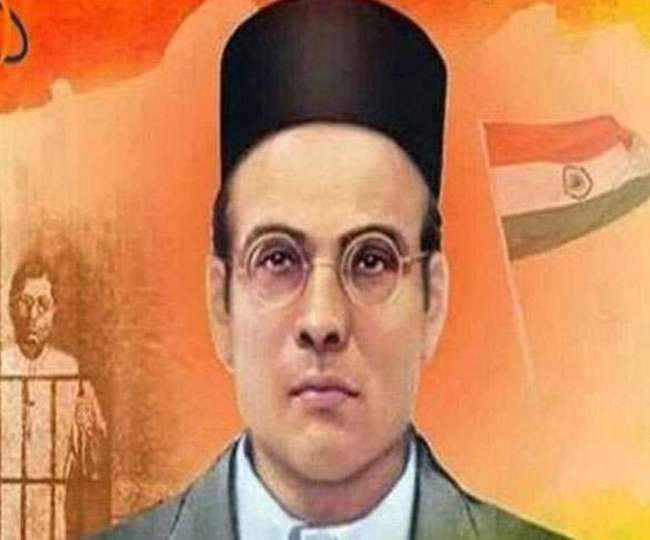
"bio": "<p>Vinayak Damodar Savarkar commonly known as 'Swatantryaveer Savarkar' in Marathi language, was an Indian independence activist and politician who formulated the Hindu nationalist philosophy of Hindutva. He was a leading figure in the Hindu Mahasabha.</p>\r\n<p>As a response to the Muslim League, Savarkar joined the Hindu Mahasabha and popularized the term Hindutva (Hinduness), previously coined by Chandranath Basu, to create a collective \"Hindu\" identity as an essence of Bharat (India). Savarkar was an atheist and also a pragmatic practitioner of Hindu philosophy.</p>\r\n<p>Savarkar began his political activities as a high school student and continued to do so at Fergusson College in Pune. He and his brother founded a secret society called Abhinav Bharat Society. When he went to the United Kingdom for his law studies, he involved himself with organizations such as India House and the Free India Society. He also published books advocating complete Indian independence by revolutionary means. One of the books he published called The Indian War of Independence about the Indian rebellion of 1857 was banned by the British authorities. In 1910, Savarkar was arrested and ordered to be extradited to India for his connections with the revolutionary group India House.</p>\r\n<p>On the voyage back to India, Savarkar staged an attempt to escape and seek asylum in France while the ship was docked in the port of Marseilles. The French port officials however handed him back to the British in contravention of international law. On return to India, Savarkar was sentenced to two life terms of imprisonment totalling fifty years and was moved to the Cellular Jail in the Andaman and Nicobar Islands.</p>\r\n<p>After 1937, he started travelling widely, becoming a forceful orator and writer, advocating Hindu political and social unity. Serving as the president of the Hindu Mahasabha political party, Savarkar endorsed the idea of India as a Hindu Rashtra (Hindu Nation). Savarkar was critical of the decision taken by the Congress working committee in its wardha session of 1942, passed a resolution which said to British: \"Quit India but keep your armies here\" which was reinstallation of British military rule over India, that he felt would be much worse. In July 1942, as he felt extremely stressed carrying out his duties as the president of Hindu Mahasabha, and as he needed some rest; he resigned from the post of the president of the Hindu Mahasabha. The timing of which, unfortunately coincided with Gandhi’s Quit India Movement.</p>\r\n<p>In 1948, Savarkar was charged as a co-conspirator in the assassination of Mahatma Gandhi; however, he was acquitted by the court for lack of evidence. Savarkar resurfaced in the popular discourse after the coming of the BJP into power in 1998 and again in 2014 with the Modi led BJP government at the center.</p>\r\n<p> </p>",
"raw_bio": "Vinayak Damodar Savarkar commonly known as 'Swatantryaveer Savarkar' in Marathi language, was an Indian independence activist and politician who formulated the Hindu nationalist philosophy of Hindutva. He was a leading figure in the Hindu Mahasabha. As a response to the Muslim League, Savarkar joined the Hindu Mahasabha and popularized the term Hindutva (Hinduness), previously coined by Chandranath Basu, to create a collective \"Hindu\" identity as an essence of Bharat (India). Savarkar was an atheist and also a pragmatic practitioner of Hindu philosophy. Savarkar began his political activities as a high school student and continued to do so at Fergusson College in Pune. He and his brother founded a secret society called Abhinav Bharat Society. When he went to the United Kingdom for his law studies, he involved himself with organizations such as India House and the Free India Society. He also published books advocating complete Indian independence by revolutionary means. One of the books he published called The Indian War of Independence about the Indian rebellion of 1857 was banned by the British authorities. In 1910, Savarkar was arrested and ordered to be extradited to India for his connections with the revolutionary group India House. On the voyage back to India, Savarkar staged an attempt to escape and seek asylum in France while the ship was docked in the port of Marseilles. The French port officials however handed him back to the British in contravention of international law. On return to India, Savarkar was sentenced to two life terms of imprisonment totalling fifty years and was moved to the Cellular Jail in the Andaman and Nicobar Islands. After 1937, he started travelling widely, becoming a forceful orator and writer, advocating Hindu political and social unity. Serving as the president of the Hindu Mahasabha political party, Savarkar endorsed the idea of India as a Hindu Rashtra (Hindu Nation). Savarkar was critical of the decision taken by the Congress working committee in its wardha session of 1942, passed a resolution which said to British: \"Quit India but keep your armies here\" which was reinstallation of British military rule over India, that he felt would be much worse. In July 1942, as he felt extremely stressed carrying out his duties as the president of Hindu Mahasabha, and as he needed some rest; he resigned from the post of the president of the Hindu Mahasabha. The timing of which, unfortunately coincided with Gandhi’s Quit India Movement. In 1948, Savarkar was charged as a co-conspirator in the assassination of Mahatma Gandhi; however, he was acquitted by the court for lack of evidence. Savarkar resurfaced in the popular discourse after the coming of the BJP into power in 1998 and again in 2014 with the Modi led BJP government at the center. ",
"slug": "vinayak-damodar-savarkar",
"DOB": "1883-05-28",
"DateOfDemise": "1966-02-26",
"location": "Bhagur",
"url": "/sootradhar/vinayak-damodar-savarkar",
"tags": null,
"created": "2023-09-22T12:40:26.060441",
"is_has_special_post": true,
"is_special_author": false,
"language": 17
},
{
"id": 322,
"image": "https://kavishalalab.s3.ap-south-1.amazonaws.com/sootradhar_author/Pralhad_Keshav_Atre.png",
"name": "Pralhad Keshav Atre",
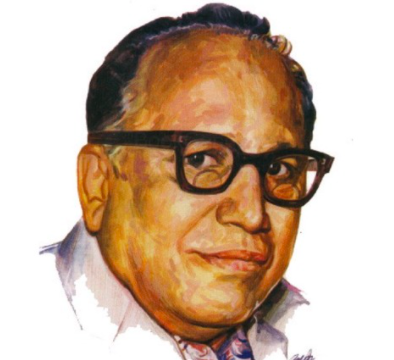
"bio": "Prahlad Keshav Atre (About this soundpronunciation (help·info)) (13 August 1898 – 13 June 1969), popularly known as Āchārya Atre, was a prominent Marathi writer, poet, educationist, founder–editor of Maratha (a Marathi language newspaper), and above all, a noted orator.\r\n<br>\r\n<p>Important works<br />Plays<br />Sāshtāng Namaskār (1935)<br />Gharābāher (1934)<br />Bhramāchā Bhopalā (1935)<br />Udyāchā Sansār (1936)<br />Lagnāchi Bedi (1936)<br />Moruchi Māwashi (1947) a Marathi comedy play<br />To Mi Navhech (1962)<br />Novels, Biographies, and Essays<br />Chāngunā (1954)<br />Battāshi Wa Itar Kathā (1954)<br />Mahātmā Jyotibā Phule (1958)<br />Suryāsta (1964) (On the life of Jawaharlal Nehru)<br />Samādhiwaril Ashru (1956)<br />Kelyāne Deshātan (1961)<br />Atre Uwāch (1937)<br />Lalit Wāngmaya (1944)<br />Hashā Āni Tālyā (1958)</p>\r\n<p>Mi Kasā Jhālo (1953)<br />Movies<br />Brahmachari (1938)<br />Shyāmchi Aai (1953)<br />Premveer (Script writer)<br />Dharmveer (Script writer)<br />Brandichi Bātali (Script writer)<br />Paayaachi Daasi (Hindi: Charanon Ki Daasi). Producer.<br />Mahātmā Phule<br />Parinde (Hindi, Director under name of Principal Atre) (1945)<br />Journalism<br />Founder/Editor of (weekly) Sāptāhik Navyug (1940–1962) and Tukārām (1954)<br />Evening newspaper Jai Hind (1948)<br />Daily Marāthā (1956 – Till the end)</p>",
"raw_bio": "Prahlad Keshav Atre (About this soundpronunciation (help·info)) (13 August 1898 – 13 June 1969), popularly known as Āchārya Atre, was a prominent Marathi writer, poet, educationist, founder–editor of Maratha (a Marathi language newspaper), and above all, a noted orator.\r Important works Plays Sāshtāng Namaskār (1935) Gharābāher (1934) Bhramāchā Bhopalā (1935) Udyāchā Sansār (1936) Lagnāchi Bedi (1936) Moruchi Māwashi (1947) a Marathi comedy play To Mi Navhech (1962) Novels, Biographies, and Essays Chāngunā (1954) Battāshi Wa Itar Kathā (1954) Mahātmā Jyotibā Phule (1958) Suryāsta (1964) (On the life of Jawaharlal Nehru) Samādhiwaril Ashru (1956) Kelyāne Deshātan (1961) Atre Uwāch (1937) Lalit Wāngmaya (1944) Hashā Āni Tālyā (1958) Mi Kasā Jhālo (1953) Movies Brahmachari (1938) Shyāmchi Aai (1953) Premveer (Script writer) Dharmveer (Script writer) Brandichi Bātali (Script writer) Paayaachi Daasi (Hindi: Charanon Ki Daasi). Producer. Mahātmā Phule Parinde (Hindi, Director under name of Principal Atre) (1945) Journalism Founder/Editor of (weekly) Sāptāhik Navyug (1940–1962) and Tukārām (1954) Evening newspaper Jai Hind (1948) Daily Marāthā (1956 – Till the end)",
"slug": "pralhad-keshav-atre",
"DOB": "1898-08-13",
"DateOfDemise": "1969-06-13",
"location": "Kodit Khurd, Saswad, Pune district, Maharashtra",
"url": "/sootradhar/pralhad-keshav-atre",
"tags": null,
"created": "2023-09-22T12:18:57.940666",
"is_has_special_post": false,
"is_special_author": false,
"language": 17
}
],
"description": "<p style=\"text-align: center; font-size: 24px;\"> The Great Poets and Writers in Indian and World History! </p>",
"image": "https://kavishalalab.s3.ap-south-1.amazonaws.com/sootradhar_description/black.jpg"
}