HTTP 200 OK
Allow: GET, HEAD, OPTIONS
Content-Type: application/json
Vary: Accept
{
"count": 17752,
"next": "http://admin.kavishala.in/sootradhar/authors/?format=api&page=803",
"previous": "http://admin.kavishala.in/sootradhar/authors/?format=api&page=801",
"results": [
{
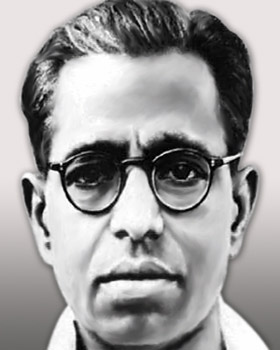
"id": 558,
"image": "https://kavishalalab.s3.ap-south-1.amazonaws.com/sootradhar_author/Kalki_Krishnamurthy_Tamil_Writer.jpg",
"name": "Kalki Krishnamurthy",
"bio": "<p>Ramaswamy Krishnamurthy (9 September 1899 – 5 December 1954), better known by his pen name Kalki, was an Indian writer, journalist, poet, critic and Indian independence activist. He was named after \"Kalki\", the tenth and last avatar of the Hindu God Vishnu. His writings include over 120 short stories, 10 novellas, 5 novels, 3 historical romances, editorial and political writings and hundreds of film and music reviews.</p>\r\n<p>Social novels (Tamil)<br />Kalvaninn Kaadhali (1937)<br />Thiyaga Bhoomi (1938–1939)<br />Magudapathi (1942)<br />Abalayin kaneer (1947)<br />Alai Osai (1948)<br />Devagiyin Kanavan (1950)<br />Mohini Theevu (1950)<br />Poiman Karadu (1951)<br />Punnaivanathu Puli (1952)<br />Amara Thara (1954)<br />Short stories</p>\r\n<p><br />Critical work<br />Kalki was also a film and music critic who wrote under the pseudonym Karnatakam. He also penned many lyrics for many songs, most of which were adapted into Carnatic Music.</p>\r\n<p>Honours<br />The release of a postage stamp in honour of Kalki was among the highlights of the centenary celebrations. Government of Tamil Nadu announced the nationalisation of Kalki's works, this will enable publishers to come out with reprints of his works.<br />Kalki Krishnamuthy received the Sangeetha Kalasikhamani award conferred on him by The Indian Fine Arts Society in 1953.<br />Death<br />Kalki died in Chennai on 5 December 1954 aged 55 years from tuberculosis. Kalki magazine's special issue dated 5 December 1954 (The day he died) for Annai Sarada Devi was his last editorial work. That magazine shared the information that his health was improving prior to his demise.</p>\r\n<p>Biographies of Kalki<br />Ponniyin Puthalvar by Sunda<br />Amarar Kalki<br />Oray Roja</p>",
"raw_bio": "Ramaswamy Krishnamurthy (9 September 1899 – 5 December 1954), better known by his pen name Kalki, was an Indian writer, journalist, poet, critic and Indian independence activist. He was named after \"Kalki\", the tenth and last avatar of the Hindu God Vishnu. His writings include over 120 short stories, 10 novellas, 5 novels, 3 historical romances, editorial and political writings and hundreds of film and music reviews. Social novels (Tamil) Kalvaninn Kaadhali (1937) Thiyaga Bhoomi (1938–1939) Magudapathi (1942) Abalayin kaneer (1947) Alai Osai (1948) Devagiyin Kanavan (1950) Mohini Theevu (1950) Poiman Karadu (1951) Punnaivanathu Puli (1952) Amara Thara (1954) Short stories Critical work Kalki was also a film and music critic who wrote under the pseudonym Karnatakam. He also penned many lyrics for many songs, most of which were adapted into Carnatic Music. Honours The release of a postage stamp in honour of Kalki was among the highlights of the centenary celebrations. Government of Tamil Nadu announced the nationalisation of Kalki's works, this will enable publishers to come out with reprints of his works. Kalki Krishnamuthy received the Sangeetha Kalasikhamani award conferred on him by The Indian Fine Arts Society in 1953. Death Kalki died in Chennai on 5 December 1954 aged 55 years from tuberculosis. Kalki magazine's special issue dated 5 December 1954 (The day he died) for Annai Sarada Devi was his last editorial work. That magazine shared the information that his health was improving prior to his demise. Biographies of Kalki Ponniyin Puthalvar by Sunda Amarar Kalki Oray Roja",
"slug": "kalki-krishnamurthy",
"DOB": "1899-09-09",
"DateOfDemise": "1954-12-05",
"location": null,
"url": "/sootradhar/kalki-krishnamurthy",
"tags": "",
"created": "2023-09-22T12:18:54.537078",
"is_has_special_post": false,
"is_special_author": false,
"language": 16
},
{
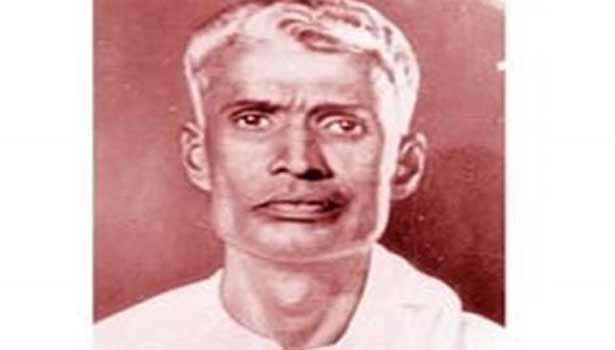
"id": 586,
"image": "https://kavishalalab.s3.ap-south-1.amazonaws.com/sootradhar_author/201609250551142428_Tamil-film-songwriter-Udumalai-Narayana-Kavi-birth-date_SEC.gif",
"name": "Udumalai Narayana Kavi",
"bio": "Udumalai Narayana Kavi (25 September 1899 – 23 May 1981) was a tamil poet. <br>\r\nUdumalai Narayana was born on 25 September 1899 in Poolavadi, a small village in Udumalaipettai taluk, Tiruppur district, Tamil Nadu, India. His parents died at a very young age and poverty deprived him of school. With the help of his brother, he made a small living selling matchboxes to the nearby villages. Even when young he had a keen interest in play and music. He initially started off acting in plays at the local temple and then got connected with some leading play groups in Tamil Nadu. Today's Kollywood is an amalgamation of several of those play groups. <br> He is best known for writing several lyrics that were used in the freedom movement in his early days and between 1950 and 1972. He wrote lyrics for several Tamil movies. Several of the movies that he wrote lyrics for were box office hits including Velaikari, Nallathambi, Poompuhar, Manohara. He was affectionately known as \"Kaviraayar\" in the movie industry. He was also associated with N. S. Krishnan the famous comedian in the 1940s. In Manohara, he was paid 15000 per song , which was highly paid in those days. He written only for PUC Chinnappa , while Papanasam sivam written songs for Thiyagaraja bhagavathar. <br> In respect for his contribution to Tamil and its people, the government of Tamil Nadu has erected a memorial for him at Udumalaipettai. What made Narayana Kavi very popular was his ability to use simple language that could be understood even by peasants. He died in 1981.<br>\r\n<b> Filmography </b>\r\n<p><br />Kannagi (1942)<br />Tamizhariyum Perumal (1942)<br />Kubera Kuchela (1943)<br />Vidyapathi (1946)<br />Vikatayogi (1946)<br />Paithiyakkaran (1947)<br />Rajakumari (1947)<br />Krishna Bakthi (1949)<br />Nallathambi (1949)<br />Pavalakodi (1949)<br />Velaikkaari (1949)<br />Parijatham (1950)<br />Vijayakumari (1950)<br />Manamagal (1951)<br />Marmayogi (1951)<br />Vanasundari (1951)<br />Panam (1952)<br />Parasakthi (1952)<br />Devadas (1953)<br />Marumagal (1953)<br />Ponni (1953)<br />Manohara (1954)<br />Penn (1954)<br />Ratha Kanneer (1954)<br />Sorgavasal (1954)<br />Thookku Thookki (1954)<br />Chella Pillai (1955)<br />Doctor Savithri (1955)<br />Kaveri (1955)<br />Mangaiyar Thilakam (1955)<br />Mudhal Thethi (1955)<br />Needhipathi (1955)<br />Aasai (1956)<br />Amara Deepam (1956)<br />Madurai Veeran (1956)<br />Mathar Kula Manickam (1956)<br />Rangoon Radha (1956)<br />Engal Veettu Mahalakshmi (1957)<br />Karpukkarasi (1957)<br />Bommai Kalyanam (1958)<br />Mangalya Bhagyam (1958)<br />Abalai Anjugam (1959)<br />Amudhavalli (1959)<br />Mamiyar Mechina Marumagal (1959)<br />Manjal Mahimai (1959)<br />Nalla Theerpu (1959)<br />Pudhumai Penn (1959)<br />Thaai Magalukku Kattiya Thaali (1959)<br />Thanga Padhumai (1959)<br />Chavukkadi Chandrakantha (1960)<br />Deivapiravi (1960)<br />Pattaliyin Vetri (1960)<br />Raja Desingu (1960)<br />Arasilangkumari (1961)<br />Chittoor Rani Padmini (1963)<br />Poompuhar (1964)<br />Chitthi (1966)<br />Vivasayee (1967)<br />Aathi Parasakthi (1971)<br />Kurathi Magan (1972)<br />Dasavatharam (1976)</p>",
"raw_bio": "Udumalai Narayana Kavi (25 September 1899 – 23 May 1981) was a tamil poet. \r Udumalai Narayana was born on 25 September 1899 in Poolavadi, a small village in Udumalaipettai taluk, Tiruppur district, Tamil Nadu, India. His parents died at a very young age and poverty deprived him of school. With the help of his brother, he made a small living selling matchboxes to the nearby villages. Even when young he had a keen interest in play and music. He initially started off acting in plays at the local temple and then got connected with some leading play groups in Tamil Nadu. Today's Kollywood is an amalgamation of several of those play groups. He is best known for writing several lyrics that were used in the freedom movement in his early days and between 1950 and 1972. He wrote lyrics for several Tamil movies. Several of the movies that he wrote lyrics for were box office hits including Velaikari, Nallathambi, Poompuhar, Manohara. He was affectionately known as \"Kaviraayar\" in the movie industry. He was also associated with N. S. Krishnan the famous comedian in the 1940s. In Manohara, he was paid 15000 per song , which was highly paid in those days. He written only for PUC Chinnappa , while Papanasam sivam written songs for Thiyagaraja bhagavathar. In respect for his contribution to Tamil and its people, the government of Tamil Nadu has erected a memorial for him at Udumalaipettai. What made Narayana Kavi very popular was his ability to use simple language that could be understood even by peasants. He died in 1981. Filmography Kannagi (1942) Tamizhariyum Perumal (1942) Kubera Kuchela (1943) Vidyapathi (1946) Vikatayogi (1946) Paithiyakkaran (1947) Rajakumari (1947) Krishna Bakthi (1949) Nallathambi (1949) Pavalakodi (1949) Velaikkaari (1949) Parijatham (1950) Vijayakumari (1950) Manamagal (1951) Marmayogi (1951) Vanasundari (1951) Panam (1952) Parasakthi (1952) Devadas (1953) Marumagal (1953) Ponni (1953) Manohara (1954) Penn (1954) Ratha Kanneer (1954) Sorgavasal (1954) Thookku Thookki (1954) Chella Pillai (1955) Doctor Savithri (1955) Kaveri (1955) Mangaiyar Thilakam (1955) Mudhal Thethi (1955) Needhipathi (1955) Aasai (1956) Amara Deepam (1956) Madurai Veeran (1956) Mathar Kula Manickam (1956) Rangoon Radha (1956) Engal Veettu Mahalakshmi (1957) Karpukkarasi (1957) Bommai Kalyanam (1958) Mangalya Bhagyam (1958) Abalai Anjugam (1959) Amudhavalli (1959) Mamiyar Mechina Marumagal (1959) Manjal Mahimai (1959) Nalla Theerpu (1959) Pudhumai Penn (1959) Thaai Magalukku Kattiya Thaali (1959) Thanga Padhumai (1959) Chavukkadi Chandrakantha (1960) Deivapiravi (1960) Pattaliyin Vetri (1960) Raja Desingu (1960) Arasilangkumari (1961) Chittoor Rani Padmini (1963) Poompuhar (1964) Chitthi (1966) Vivasayee (1967) Aathi Parasakthi (1971) Kurathi Magan (1972) Dasavatharam (1976)",
"slug": "udumalai-narayana-kavi",
"DOB": "1899-09-25",
"DateOfDemise": "1981-05-23",
"location": "Tiruppur district, Tamil Nadu",
"url": "/sootradhar/udumalai-narayana-kavi",
"tags": "",
"created": "2023-09-22T12:18:54.575627",
"is_has_special_post": false,
"is_special_author": false,
"language": 16
},
{
"id": 630,
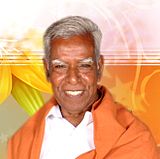
"image": "https://kavishalalab.s3.ap-south-1.amazonaws.com/sootradhar_author/Perumal_Rasu.jpg",
"name": "Perumal Rasu",
"bio": "Perumal Rasu. R (Tamil: இரா. பெருமாள் ராசு; born on 19 November 1931) is an Indian poet and a writer from Krishnagiri, Krishnagiri District, Tamil Nadu.\r\n<br>\r\nPerumal Rasu is also a painter, martial artist, and Spiritual master. His followers consider him a great soul (Sanskrit: Mahatma) and address him as Karumalai Siddhar (Tamil: கருமலை சித்தர், English: Saint of Krishnagiri). He is a devotee of Yogi Ramsuratkumar, popularly known as \"Visiri samiyar\" (Tamil: விசிறி சாமியார் ).<br>\r\n<br>\r\n<b>Booka:</b><br>\r\nPranava Pravagam (Tamil: பிரணவப் பிரவாகம்)<br>\r\nPrapanja Kavidhaigal (Tamil: பிரபஞ்சக் கவிதைகள்)<br>\r\nAanandha Paravasam (Tamil: ஆனந்த பரவசம்)<br>\r\nGnana Thooral (Tamil: ஞானத் தூறல்)<br>\r\nVidiyalai Thaedi (Tamil: விடியலைத் தேடி)<br>\r\nKoodal Sangamam (Tamil: கூடல் சங்கமம்)<br>\r\nUnnai Thaedu (Tamil: உன்னைத் தேடு)<br>\r\nIdho oru idhigaasam (Tamil: இதோ ஒரு இதிகாசம்)<br>\r\n<br>\r\nPlease Share his Poetry at <a href=\"mailto:admin@kavishala.in\">admin@kavishala.in</a>",
"raw_bio": "Perumal Rasu. R (Tamil: இரா. பெருமாள் ராசு; born on 19 November 1931) is an Indian poet and a writer from Krishnagiri, Krishnagiri District, Tamil Nadu.\r \r Perumal Rasu is also a painter, martial artist, and Spiritual master. His followers consider him a great soul (Sanskrit: Mahatma) and address him as Karumalai Siddhar (Tamil: கருமலை சித்தர், English: Saint of Krishnagiri). He is a devotee of Yogi Ramsuratkumar, popularly known as \"Visiri samiyar\" (Tamil: விசிறி சாமியார் ). Booka: \r Pranava Pravagam (Tamil: பிரணவப் பிரவாகம்) \r Prapanja Kavidhaigal (Tamil: பிரபஞ்சக் கவிதைகள்) \r Aanandha Paravasam (Tamil: ஆனந்த பரவசம்) \r Gnana Thooral (Tamil: ஞானத் தூறல்) \r Vidiyalai Thaedi (Tamil: விடியலைத் தேடி) \r Koodal Sangamam (Tamil: கூடல் சங்கமம்) \r Unnai Thaedu (Tamil: உன்னைத் தேடு) \r Idho oru idhigaasam (Tamil: இதோ ஒரு இதிகாசம்) \r Please Share his Poetry at admin@kavishala.in",
"slug": "perumal-rasu",
"DOB": "1931-11-19",
"DateOfDemise": "2018-03-30",
"location": "Krishnagiri, Tamil Nadu, India",
"url": "/sootradhar/perumal-rasu",
"tags": "",
"created": "2023-09-22T12:18:54.601957",
"is_has_special_post": false,
"is_special_author": false,
"language": 16
},
{
"id": 673,
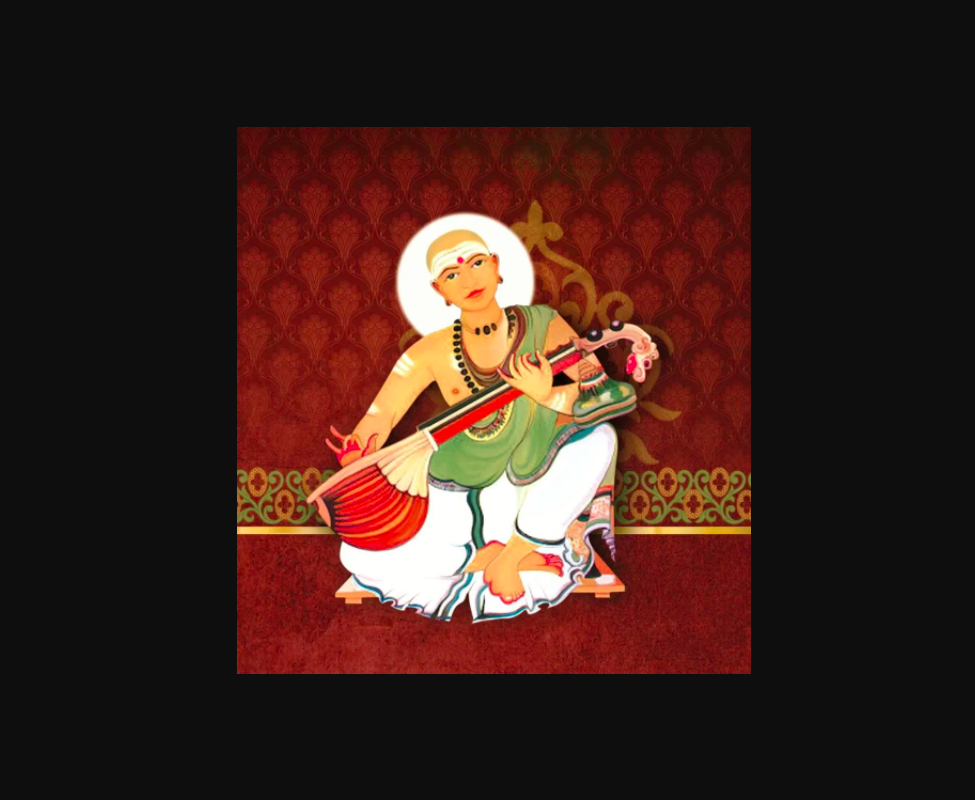
"image": "https://kavishalalab.s3.ap-south-1.amazonaws.com/sootradhar_author/Muthuswami_Dikshitar.png",
"name": "Muthuswami Dikshitar",
"bio": "Muthuswami Dikshita was a South Indian poet, singer and veena player, and a legendary composer of Indian classical music, who is considered one of the musical trinity of Carnatic music. His compositions, of which around 500 are commonly known, are noted for their elaborate and poetic descriptions of Hindu gods and temples and for capturing the essence of the raga forms through the vainika (veena) style that emphasises gamakas. They are typically in a slower speed (chowka kala). He is also known by his signature name of Guruguha which is also his mudra (and can be found in each of his songs). His compositions are widely sung and played in classical concerts of Carnatic music.\r\n<br>\r\nThe musical trinity consists of Dikshitar, Tyagaraja (1767–1847), and Syama Sastri (1762–1827). However, unlike the Telugu compositions of the others, his compositions are predominantly in Sanskrit. He also composed some of his Kritis in Manipravalam (a combination of the Sanskrit and Tamil languages).\r\n<br>\r\nThe name is popularly pronounced as 'Muthuswamy Dikshitar'. However, T K Govinda Rao explains in Compositions of Mudduswamy Dikshitar[1] that \"the word Muddayya is an epithet of Kumaraswami or Guha. Besides, it means darling, pet, sweet, charming, lovely, dear etc in Kannada. Further, in the most authentic original Telugu publication of Sangita Sampradaya Pradarshini (1904) Sri Subbarama Dikshitar mentions as Muddu. Also in the Bhajare-re Kalyani Krithi, it is clearly shown as \"Muddu Kumara Janani\".",
"raw_bio": "Muthuswami Dikshita was a South Indian poet, singer and veena player, and a legendary composer of Indian classical music, who is considered one of the musical trinity of Carnatic music. His compositions, of which around 500 are commonly known, are noted for their elaborate and poetic descriptions of Hindu gods and temples and for capturing the essence of the raga forms through the vainika (veena) style that emphasises gamakas. They are typically in a slower speed (chowka kala). He is also known by his signature name of Guruguha which is also his mudra (and can be found in each of his songs). His compositions are widely sung and played in classical concerts of Carnatic music.\r \r The musical trinity consists of Dikshitar, Tyagaraja (1767–1847), and Syama Sastri (1762–1827). However, unlike the Telugu compositions of the others, his compositions are predominantly in Sanskrit. He also composed some of his Kritis in Manipravalam (a combination of the Sanskrit and Tamil languages).\r \r The name is popularly pronounced as 'Muthuswamy Dikshitar'. However, T K Govinda Rao explains in Compositions of Mudduswamy Dikshitar[1] that \"the word Muddayya is an epithet of Kumaraswami or Guha. Besides, it means darling, pet, sweet, charming, lovely, dear etc in Kannada. Further, in the most authentic original Telugu publication of Sangita Sampradaya Pradarshini (1904) Sri Subbarama Dikshitar mentions as Muddu. Also in the Bhajare-re Kalyani Krithi, it is clearly shown as \"Muddu Kumara Janani\".",
"slug": "muthuswami-dikshitar",
"DOB": "1775-03-24",
"DateOfDemise": "1835-10-21",
"location": "Thiruvarur, Thanjavur Maratha kingdom",
"url": "/sootradhar/muthuswami-dikshitar",
"tags": "",
"created": "2023-09-22T12:18:54.657503",
"is_has_special_post": false,
"is_special_author": false,
"language": 16
},
{
"id": 674,
"image": "https://kavishalalab.s3.ap-south-1.amazonaws.com/sootradhar_author/Vethathiri_Maharishi.jpeg",
"name": "Vethathiri Maharishi",
"bio": "Yogiraj Shri Vethathiri Maharishi (14 August 1911 – 28 March 2006) was a spiritual leader, world peace activist, scientist, philosopher, Ayurvedic and homeopathic practitioner, and founder-trustee of the World Community Service Center in 1958 in Chennai, India. His Theory of Universal Magnetism provides an alternative for the Big Bang theory, and includes the concepts of the evolution of atoms and God particles. He provided 14 principles for World Peace. He presented a blueprint at United Nations for World Peace. He founded over 300 yoga centres around the world and wrote about 80 books, many of which became academic textbooks. Tamil Nadu government has recently approved to teach his Simplified Kundalini Yoga at Schools. He was declared the 19th Siddha by the Dravidian University. <br>\r\nShri Vethathiri Maharishi wrote over 3000 poems on philosophical subjects. In the Indian philosophical tradition, his philosophy corresponds to pure Advaita. His language and attitudes are contemporary, non-sectarian and non-dogmatic. He authored about 80 books in Tamil and English, and continued to write until his death. <br> Vethathiri strove to find answers to three questions: \"What is God?\" \"What is life?\" \"Why is poverty in the world?\" The search to find these answers as well as to further his lot in life led him into various fields of endeavour, including becoming a qualified practitioner of two systems of Indian indigenous medicine, Ayurveda and Siddha, and certified practitioner Homeopathy as well. Vethathiri led the life of a householder until he was 50, and then changed the course of his life from being a businessman to teach and write about his experiences of purported divine revelations. He published many books in English and Tamil. Between 1972–1993, he visited the US, Europe, Malaysia, Singapore, South Korea, Japan, and Mexico.",
"raw_bio": "Yogiraj Shri Vethathiri Maharishi (14 August 1911 – 28 March 2006) was a spiritual leader, world peace activist, scientist, philosopher, Ayurvedic and homeopathic practitioner, and founder-trustee of the World Community Service Center in 1958 in Chennai, India. His Theory of Universal Magnetism provides an alternative for the Big Bang theory, and includes the concepts of the evolution of atoms and God particles. He provided 14 principles for World Peace. He presented a blueprint at United Nations for World Peace. He founded over 300 yoga centres around the world and wrote about 80 books, many of which became academic textbooks. Tamil Nadu government has recently approved to teach his Simplified Kundalini Yoga at Schools. He was declared the 19th Siddha by the Dravidian University. \r Shri Vethathiri Maharishi wrote over 3000 poems on philosophical subjects. In the Indian philosophical tradition, his philosophy corresponds to pure Advaita. His language and attitudes are contemporary, non-sectarian and non-dogmatic. He authored about 80 books in Tamil and English, and continued to write until his death. Vethathiri strove to find answers to three questions: \"What is God?\" \"What is life?\" \"Why is poverty in the world?\" The search to find these answers as well as to further his lot in life led him into various fields of endeavour, including becoming a qualified practitioner of two systems of Indian indigenous medicine, Ayurveda and Siddha, and certified practitioner Homeopathy as well. Vethathiri led the life of a householder until he was 50, and then changed the course of his life from being a businessman to teach and write about his experiences of purported divine revelations. He published many books in English and Tamil. Between 1972–1993, he visited the US, Europe, Malaysia, Singapore, South Korea, Japan, and Mexico.",
"slug": "vethathiri-maharishi",
"DOB": "1911-08-14",
"DateOfDemise": "2006-03-28",
"location": "Guduvanchery, Tamil Nadu, India",
"url": "/sootradhar/vethathiri-maharishi",
"tags": "",
"created": "2023-09-22T12:18:54.681155",
"is_has_special_post": false,
"is_special_author": false,
"language": 16
},
{
"id": 15398,
"image": "https://kavishalalab.s3.ap-south-1.amazonaws.com/kavishala_logo.png",
"name": "V. V. S. Aiyar",
"bio": "\nVarahaneri Venkatesa Subramaniam Aiyar (2 April 1881 – 3 June 1925), also known as V. V. S. Aiyar, was an Indian revolutionary from Tamil Nadu who fought against British colonial rule in India. His contemporaries include Subramanya Bharathi and V.O. Chidambaram Pillai, who subscribed to militant forms of resistance against the British colonial government. He went into exile in Pondicherry, then under French rule, when his militant activities attracted a warrant for his arrest from the British colonial government.\nAiyar was also a Tamil writer and is considered as the father of modern Tamil short story. He also translated the Ramavatharam of Kambar and Tirukkural into English. V.V.S Aiyar is mentor of Vanchinathan.\nVenkatesa Subramaniam Aiyar was born on 2 April 1881 in the suburb of Varahaneri in Tiruchi. After his early education, he studied in St. Joseph's College and took his B.A in History, Politics, and Latin; he studied for the Law profession and passed the Pleader (junior lawyer) examination from the Madras University in 1902. He then practised as the pleader in the District courts of Tiruchi. Aiyar then moved to Rangoon in 1906 and started practising as a junior in the Chambers of an English Barrister. From Rangoon, he left for London in 1907 and enrolled in Lincoln's Inn aiming to becoming a Barrister at Law. While in London, Aiyar became member of India House. Aiyar then began to take an active role in the militant struggle for Indian independence. Aiyar had a son and two daughters.",
"raw_bio": "Varahaneri Venkatesa Subramaniam Aiyar (2 April 1881 – 3 June 1925), also known as V. V. S. Aiyar, was an Indian revolutionary from Tamil Nadu who fought against British colonial rule in India. His contemporaries include Subramanya Bharathi and V.O. Chidambaram Pillai, who subscribed to militant forms of resistance against the British colonial government. He went into exile in Pondicherry, then under French rule, when his militant activities attracted a warrant for his arrest from the British colonial government. Aiyar was also a Tamil writer and is considered as the father of modern Tamil short story. He also translated the Ramavatharam of Kambar and Tirukkural into English. V.V.S Aiyar is mentor of Vanchinathan. Venkatesa Subramaniam Aiyar was born on 2 April 1881 in the suburb of Varahaneri in Tiruchi. After his early education, he studied in St. Joseph's College and took his B.A in History, Politics, and Latin; he studied for the Law profession and passed the Pleader (junior lawyer) examination from the Madras University in 1902. He then practised as the pleader in the District courts of Tiruchi. Aiyar then moved to Rangoon in 1906 and started practising as a junior in the Chambers of an English Barrister. From Rangoon, he left for London in 1907 and enrolled in Lincoln's Inn aiming to becoming a Barrister at Law. While in London, Aiyar became member of India House. Aiyar then began to take an active role in the militant struggle for Indian independence. Aiyar had a son and two daughters.",
"slug": "v-v-s-aiyar",
"DOB": null,
"DateOfDemise": null,
"location": "Papanasam Falls, Madras Presidency, India",
"url": "/sootradhar/v-v-s-aiyar",
"tags": null,
"created": "2023-09-22T12:18:54.689257",
"is_has_special_post": false,
"is_special_author": false,
"language": 16
},
{
"id": 15399,
"image": "https://kavishalalab.s3.ap-south-1.amazonaws.com/kavishala_logo.png",
"name": "Sengai Aaliyan",
"bio": "\nKanthaiya Kunarasa or Senkaiahliyan (In Tamil : செங்கை ஆழியான்) was a Sri Lankan Tamil writer who emerged after the 1960s. He is also the author of several non-fiction books. He also served as the registrar of the University of Jaffna.\nKunarasa was born in 1941 in Jaffna and died on 28 February 2016. He graduated from the University of Ceylon, Peradeniya and later on obtained his Doctorate in Geography (Land use and Land settlement) from the University of Jaffna. Not only a prolific writer, he was also a well known critic in the literary world. He has more than thirty novels and three accomplishments in the sphere of fictional history to his credit. Kunarasa was awarded the Sahithiya Mandala awards more than six times for his achievements in writing Novels and short stories. Some of his short stories had been translated into Sinhala and published in weeklies such as Silumina, Vivarana, Ravaya, and so on. One of his novels, named 'The Beast', was translated into English.\n",
"raw_bio": "Kanthaiya Kunarasa or Senkaiahliyan (In Tamil : செங்கை ஆழியான்) was a Sri Lankan Tamil writer who emerged after the 1960s. He is also the author of several non-fiction books. He also served as the registrar of the University of Jaffna. Kunarasa was born in 1941 in Jaffna and died on 28 February 2016. He graduated from the University of Ceylon, Peradeniya and later on obtained his Doctorate in Geography (Land use and Land settlement) from the University of Jaffna. Not only a prolific writer, he was also a well known critic in the literary world. He has more than thirty novels and three accomplishments in the sphere of fictional history to his credit. Kunarasa was awarded the Sahithiya Mandala awards more than six times for his achievements in writing Novels and short stories. Some of his short stories had been translated into Sinhala and published in weeklies such as Silumina, Vivarana, Ravaya, and so on. One of his novels, named 'The Beast', was translated into English. ",
"slug": "sengai-aaliyan",
"DOB": "1941-01-25",
"DateOfDemise": null,
"location": "Unknown",
"url": "/sootradhar/sengai-aaliyan",
"tags": null,
"created": "2023-09-22T12:18:54.697139",
"is_has_special_post": false,
"is_special_author": false,
"language": 16
},
{
"id": 15400,
"image": "https://kavishalalab.s3.ap-south-1.amazonaws.com/kavishala_logo.png",
"name": "Kundrakudi Adigal",
"bio": "\nKundrakudi Adigal (11 July 1925 – 15 April 1995) was a Tamil orator and writer. He was a fervent Saivite Hindu. He has written many books about Saivism and Tamil Literature.\nKundrakudi Adigal was born in Thiruvaalappuththoor near Mayiladuthurai on 11 July 1925. His father name is Srinivasa Pillai. Mother name is Sornathammal. The name given to him by his parents is Aranganathan. He has two elder brother and one elder sister.\nIn 1945 he joined Dharumapuram Mutt. Here he learned saivism, Tamil Literature. Later he joined Kundrakudi Thiruvannamalai Mutt. On 16 June 1952 he was appointed as 45th pointiff of the mutt. He introduced many reforms in the mutt such as abolishing caste based admission in the mutt.",
"raw_bio": "Kundrakudi Adigal (11 July 1925 – 15 April 1995) was a Tamil orator and writer. He was a fervent Saivite Hindu. He has written many books about Saivism and Tamil Literature. Kundrakudi Adigal was born in Thiruvaalappuththoor near Mayiladuthurai on 11 July 1925. His father name is Srinivasa Pillai. Mother name is Sornathammal. The name given to him by his parents is Aranganathan. He has two elder brother and one elder sister. In 1945 he joined Dharumapuram Mutt. Here he learned saivism, Tamil Literature. Later he joined Kundrakudi Thiruvannamalai Mutt. On 16 June 1952 he was appointed as 45th pointiff of the mutt. He introduced many reforms in the mutt such as abolishing caste based admission in the mutt.",
"slug": "kundrakudi-adigal",
"DOB": "1925-07-11",
"DateOfDemise": null,
"location": "Unknown",
"url": "/sootradhar/kundrakudi-adigal",
"tags": null,
"created": "2023-09-22T12:18:54.704684",
"is_has_special_post": false,
"is_special_author": false,
"language": 16
},
{
"id": 15401,
"image": "https://kavishalalab.s3.ap-south-1.amazonaws.com/kavishala_logo.png",
"name": "Maraimalai Adigal",
"bio": "\nMaraimalai Adigal (15 July 1876 – 15 September 1950) was a Tamil orator and writer and father of Pure Tamil movement. He was a fervent Tamizh Saivite. He wrote more than 100 books, including works on original poems and dramas, but most famous are his books on his research into Tamil literature. Most of his literary works were on Saivism. He founded a Saivite institution called Podhunilaik Kazhagam. He was an exponent of the Pure Tamil movement and hence considered to be the father of Tamil linguistic purism. He advocated the use of Tamil devoid of Sanskrit words and hence changed his birth name Vedhachalam to Maraimalai.\nPolitically he was inclined towards non-Brahminism and hence he and his followers considered that the Self-respect movement was born out of his efforts. Though he was a scholar of Tamil he had good scholastic study over Sanskrit as well as English. The ideologies of Periyar E. V. Ramasamy were shunned by Maraimalai Adigal and caused years of differences between the two. Maraimalai Adigal spent most of his income on buying his books and after his death his collection were made into a library according to his will.\nMaraimalai Adigal was born on 15 July 1876 to Cokkanata Pillai and Cinnammai. His birth name was Vedhachalam. He did his early schooling at Wesley Mission High School in Nagappattinam, but had to abandon his formal education with Fourth Form after his father's death.",
"raw_bio": "Maraimalai Adigal (15 July 1876 – 15 September 1950) was a Tamil orator and writer and father of Pure Tamil movement. He was a fervent Tamizh Saivite. He wrote more than 100 books, including works on original poems and dramas, but most famous are his books on his research into Tamil literature. Most of his literary works were on Saivism. He founded a Saivite institution called Podhunilaik Kazhagam. He was an exponent of the Pure Tamil movement and hence considered to be the father of Tamil linguistic purism. He advocated the use of Tamil devoid of Sanskrit words and hence changed his birth name Vedhachalam to Maraimalai. Politically he was inclined towards non-Brahminism and hence he and his followers considered that the Self-respect movement was born out of his efforts. Though he was a scholar of Tamil he had good scholastic study over Sanskrit as well as English. The ideologies of Periyar E. V. Ramasamy were shunned by Maraimalai Adigal and caused years of differences between the two. Maraimalai Adigal spent most of his income on buying his books and after his death his collection were made into a library according to his will. Maraimalai Adigal was born on 15 July 1876 to Cokkanata Pillai and Cinnammai. His birth name was Vedhachalam. He did his early schooling at Wesley Mission High School in Nagappattinam, but had to abandon his formal education with Fourth Form after his father's death.",
"slug": "maraimalai-adigal",
"DOB": "1876-07-15",
"DateOfDemise": null,
"location": "Madras, Madras State, India",
"url": "/sootradhar/maraimalai-adigal",
"tags": null,
"created": "2023-09-22T12:18:54.712860",
"is_has_special_post": false,
"is_special_author": false,
"language": 16
},
{
"id": 15402,
"image": "https://kavishalalab.s3.ap-south-1.amazonaws.com/kavishala_logo.png",
"name": "Akilan",
"bio": "\nAkilandam, better known by his pen name Akilan, was an Indian writer and novelist who wrote in Tamil. He was attracted by Gandhian philosophy during his school days and he discontinued his college education at Pudukkottai to join the freedom struggle. Later, after Indian independence, he joined the Railway Mail Service, after which he joined the All India Radio and became a full-fledged writer. His stories began to appear mostly in small magazines.\nHe was awarded the Sahitya Academy Award and the Jnanpith Award by the Government of India for his novels Vengayin Mainthan and Chitra Pavai in 1963 and 1975 respectively.\nHe was born on 27 June at Perungalur, Pudukkottai District. He spent his childhood in a village called Perungalur near Pudukkottai. His father Vaithiya Lingam Pillai was an accounts officer and adored his only son Akilan very much. Unfortunately, the boy lost his loving father at an early age. But his mother Amirthammal was a loving person, and being a creative person herself, she moulded her son into a writer.",
"raw_bio": "Akilandam, better known by his pen name Akilan, was an Indian writer and novelist who wrote in Tamil. He was attracted by Gandhian philosophy during his school days and he discontinued his college education at Pudukkottai to join the freedom struggle. Later, after Indian independence, he joined the Railway Mail Service, after which he joined the All India Radio and became a full-fledged writer. His stories began to appear mostly in small magazines. He was awarded the Sahitya Academy Award and the Jnanpith Award by the Government of India for his novels Vengayin Mainthan and Chitra Pavai in 1963 and 1975 respectively. He was born on 27 June at Perungalur, Pudukkottai District. He spent his childhood in a village called Perungalur near Pudukkottai. His father Vaithiya Lingam Pillai was an accounts officer and adored his only son Akilan very much. Unfortunately, the boy lost his loving father at an early age. But his mother Amirthammal was a loving person, and being a creative person herself, she moulded her son into a writer.",
"slug": "akilan",
"DOB": "1922-06-27",
"DateOfDemise": null,
"location": "Unknown",
"url": "/sootradhar/akilan",
"tags": null,
"created": "2023-09-22T12:18:54.721390",
"is_has_special_post": false,
"is_special_author": false,
"language": 16
},
{
"id": 15403,
"image": "https://kavishalalab.s3.ap-south-1.amazonaws.com/kavishala_logo.png",
"name": "Ashokamitran",
"bio": "\nAshokamitran (22 September 1931 – 23 March 2017) was the pen name of Jagadisa Thyagarajan, an Indian writer regarded as one of the most influential figures in post-independent Tamil literature. He began his prolific literary career with the prize-winning play \"Anbin Parisu\" and went on to author more than two hundred short stories, and a dozen novellas and novels. A distinguished essayist and critic, he was the editor of the literary journal \"Kanaiyaazhi\". He has written over 200 short stories, nine novels, and some 15 novellas besides other prose writings. Most of his works have also been translated into English and other Indian languages, including Hindi, Malayalam, and Telugu.\nBorn in Secunderabad in 1931, Ashokamitran spent the first twenty years of his life there. His real name was Jagadisa Thyagarajan. He moved to Chennai in 1952 after the death of his father, following an invitation from his father's friend, the film director S.S.Vasan to come work at Vasan's Gemini Studios. He worked for more than a decade at the Gemini Studios. While working there he often acted as an \"unofficial scribe\" (in his own words) for people working in the film industry, and said that his efforts consisted of \"writing most heart rending appeals for loans and salary advances.\" He also began writing about his experiences working in the film industry in a set of columns for the Illustrated Weekly of India; these columns later became his book, My Years with Boss (sometimes translated as Fourteen Years with Boss). The 'boss' referred to was S.S. Vasan, the owner of Gemini Studios.\nHis experiences here and his interaction with people from the Tamil filmdom later took the form of his book \"My Years with Boss\". In 1966, he left his work in the film industry, and has since said that he felt he \"should not continue with a system which had built-in inequities.\"",
"raw_bio": "Ashokamitran (22 September 1931 – 23 March 2017) was the pen name of Jagadisa Thyagarajan, an Indian writer regarded as one of the most influential figures in post-independent Tamil literature. He began his prolific literary career with the prize-winning play \"Anbin Parisu\" and went on to author more than two hundred short stories, and a dozen novellas and novels. A distinguished essayist and critic, he was the editor of the literary journal \"Kanaiyaazhi\". He has written over 200 short stories, nine novels, and some 15 novellas besides other prose writings. Most of his works have also been translated into English and other Indian languages, including Hindi, Malayalam, and Telugu. Born in Secunderabad in 1931, Ashokamitran spent the first twenty years of his life there. His real name was Jagadisa Thyagarajan. He moved to Chennai in 1952 after the death of his father, following an invitation from his father's friend, the film director S.S.Vasan to come work at Vasan's Gemini Studios. He worked for more than a decade at the Gemini Studios. While working there he often acted as an \"unofficial scribe\" (in his own words) for people working in the film industry, and said that his efforts consisted of \"writing most heart rending appeals for loans and salary advances.\" He also began writing about his experiences working in the film industry in a set of columns for the Illustrated Weekly of India; these columns later became his book, My Years with Boss (sometimes translated as Fourteen Years with Boss). The 'boss' referred to was S.S. Vasan, the owner of Gemini Studios. His experiences here and his interaction with people from the Tamil filmdom later took the form of his book \"My Years with Boss\". In 1966, he left his work in the film industry, and has since said that he felt he \"should not continue with a system which had built-in inequities.\"",
"slug": "ashokamitran",
"DOB": "1931-09-22",
"DateOfDemise": null,
"location": "Chennai, Tamil Nadu",
"url": "/sootradhar/ashokamitran",
"tags": null,
"created": "2023-09-22T12:18:54.731229",
"is_has_special_post": false,
"is_special_author": false,
"language": 16
},
{
"id": 15404,
"image": "https://kavishalalab.s3.ap-south-1.amazonaws.com/kavishala_logo.png",
"name": "Balakumaran",
"bio": "\nBalakumaran (5 July 1946 – 15 May 2018) was an Indian Tamil writer and author of over 200 novels, 100 short stories, and dialogue/screenplay writer for 23 films. He also contributed to Tamil periodicals such as Kalki, Ananda Vikatan and Kumudam. His notable works as a dialogue writer in Tamil Cinema include Nayakan, Guna, Baashha and Pudhupettai.\nBalakumaran was born in Pazhamarneri village near Thirukattupalli in Thanjavur district on 5 July 1946. He was married to Kamala and Santha. They have daughter Gowri and son Venkataraman aka Surya. He was a disciple of Yogi Ramsurat Kumar. Balakumaran died at the age of 71 due to prolonged illness in a private hospital on 15 May 2018. As a child, he was highly inspired by his mother, who was a Tamil scholar and a Siromani in Sanskrit, used verses of Sangam and other ancient literature to motivate him whenever he was emotionally down. This created a deep interest in Tamil literature which made literature his passion. Despite having a poor relationship with his father due to average academic performance especially Maths, he continued his deep interest in literature with his mother's support. After completing his studies at Wesley High School, he joined a tractor company TAFE in Chennai for a job like any middle class youth. But, with hunger for literature, he quit the job of stenographer in a tractor company and started work on poems first and gradually moved towards short stories & novels. His first stories were published in a literary magazine called 'ka-ca-da-ta-pa-Ra' and for which he was also a founding member of KaChaTaThaPaRa, a self-anointed militant literary journal that had been launched with a mission to blaze new trails in modernist literature and later in Kumudam. Balakumaran's first novel — 'Mercury Pookaal' was serialized in Saavi and his second 'Irumbu Kuthirai' (Iron horse) was serialized in Kalki.\nBalakumaran's works majorly revolved around woman with great empathy. In his stories, women were not merely gendered cardboard cutouts but fully sentient individuals, with bodies, dreams, desires, yearnings and frustrations. This \"legitimisation\" of female existence earned him succeeding generations of devoted women readers who resonated with the female characters in his fiction. In an interview, he said that during his initial days in Chennai he spent his life amidst such people. This prompted him to develop a liking for them. Balakumaran had the habit of experiencing characters by himself when writing a book. For instance, In 'Udayar' novel, he had traveled many places where Raja Raja Cholan visited in order to bring closeness towards the novel. Also, he traveled in trucks to longer distance for his 'Irumbu Kuthirai' (Iron horse) novel. In an interview given to The Times of India, he said that after reading Kalki Krishnamurthy's novel Ponniyin Selvan he wondered why it was needed to write a fictional account of the Cholas when there was enough to write about the facts there. \"The Raja Raja Chola of Kalki was a different person. He hadn't become the king yet. The Thanjai temple wasn't even in the picture. I went to the Thanjavur district and visited Pallipadai, dedicated to Panchavan Madevi. She was an anukkiyar, a category that is apart from the queens and concubines. She was a friend of Raja Raja Chola I. If you look at the paintings there, each face is unique. Whoever did it, has worked on it with real faces. I did a lot of research for my novel Gangaikonda Chozhan also. But I felt I did that work, visiting those places as a tourist. Udaiyar, a six-part novel, gave me satisfaction as a writer.\"",
"raw_bio": "Balakumaran (5 July 1946 – 15 May 2018) was an Indian Tamil writer and author of over 200 novels, 100 short stories, and dialogue/screenplay writer for 23 films. He also contributed to Tamil periodicals such as Kalki, Ananda Vikatan and Kumudam. His notable works as a dialogue writer in Tamil Cinema include Nayakan, Guna, Baashha and Pudhupettai. Balakumaran was born in Pazhamarneri village near Thirukattupalli in Thanjavur district on 5 July 1946. He was married to Kamala and Santha. They have daughter Gowri and son Venkataraman aka Surya. He was a disciple of Yogi Ramsurat Kumar. Balakumaran died at the age of 71 due to prolonged illness in a private hospital on 15 May 2018. As a child, he was highly inspired by his mother, who was a Tamil scholar and a Siromani in Sanskrit, used verses of Sangam and other ancient literature to motivate him whenever he was emotionally down. This created a deep interest in Tamil literature which made literature his passion. Despite having a poor relationship with his father due to average academic performance especially Maths, he continued his deep interest in literature with his mother's support. After completing his studies at Wesley High School, he joined a tractor company TAFE in Chennai for a job like any middle class youth. But, with hunger for literature, he quit the job of stenographer in a tractor company and started work on poems first and gradually moved towards short stories & novels. His first stories were published in a literary magazine called 'ka-ca-da-ta-pa-Ra' and for which he was also a founding member of KaChaTaThaPaRa, a self-anointed militant literary journal that had been launched with a mission to blaze new trails in modernist literature and later in Kumudam. Balakumaran's first novel — 'Mercury Pookaal' was serialized in Saavi and his second 'Irumbu Kuthirai' (Iron horse) was serialized in Kalki. Balakumaran's works majorly revolved around woman with great empathy. In his stories, women were not merely gendered cardboard cutouts but fully sentient individuals, with bodies, dreams, desires, yearnings and frustrations. This \"legitimisation\" of female existence earned him succeeding generations of devoted women readers who resonated with the female characters in his fiction. In an interview, he said that during his initial days in Chennai he spent his life amidst such people. This prompted him to develop a liking for them. Balakumaran had the habit of experiencing characters by himself when writing a book. For instance, In 'Udayar' novel, he had traveled many places where Raja Raja Cholan visited in order to bring closeness towards the novel. Also, he traveled in trucks to longer distance for his 'Irumbu Kuthirai' (Iron horse) novel. In an interview given to The Times of India, he said that after reading Kalki Krishnamurthy's novel Ponniyin Selvan he wondered why it was needed to write a fictional account of the Cholas when there was enough to write about the facts there. \"The Raja Raja Chola of Kalki was a different person. He hadn't become the king yet. The Thanjai temple wasn't even in the picture. I went to the Thanjavur district and visited Pallipadai, dedicated to Panchavan Madevi. She was an anukkiyar, a category that is apart from the queens and concubines. She was a friend of Raja Raja Chola I. If you look at the paintings there, each face is unique. Whoever did it, has worked on it with real faces. I did a lot of research for my novel Gangaikonda Chozhan also. But I felt I did that work, visiting those places as a tourist. Udaiyar, a six-part novel, gave me satisfaction as a writer.\"",
"slug": "balakumaran",
"DOB": "1946-07-05",
"DateOfDemise": null,
"location": "Unknown",
"url": "/sootradhar/balakumaran",
"tags": null,
"created": "2023-09-22T12:18:54.739637",
"is_has_special_post": false,
"is_special_author": false,
"language": 16
}
],
"description": "<p style=\"text-align: center; font-size: 24px;\"> The Great Poets and Writers in Indian and World History! </p>",
"image": "https://kavishalalab.s3.ap-south-1.amazonaws.com/sootradhar_description/black.jpg"
}