HTTP 200 OK
Allow: GET, HEAD, OPTIONS
Content-Type: application/json
Vary: Accept
{
"count": 17752,
"next": "http://admin.kavishala.in/sootradhar/authors/?format=api&page=801",
"previous": "http://admin.kavishala.in/sootradhar/authors/?format=api&page=799",
"results": [
{
"id": 204,
"image": "https://kavishalalab.s3.ap-south-1.amazonaws.com/sootradhar_author/Sri_Sri.jpg",
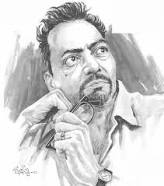
"name": "Sri Sri",
"bio": "Srirangam Srinivasa Rao, popularly known as Sri Sri, was a Telugu poet and lyricist. He was a member of PEN INDIA, Sahitya Academy, Vice-President of the South Indian Film Writers Association, Madras and President of the revolutionary writers association of Andhra.",
"raw_bio": "Srirangam Srinivasa Rao, popularly known as Sri Sri, was a Telugu poet and lyricist. He was a member of PEN INDIA, Sahitya Academy, Vice-President of the South Indian Film Writers Association, Madras and President of the revolutionary writers association of Andhra.",
"slug": "sri-sri",
"DOB": "1910-04-30",
"DateOfDemise": null,
"location": "Visakhapatnam",
"url": "/sootradhar/sri-sri",
"tags": null,
"created": "2023-09-22T12:35:39.694923",
"is_has_special_post": true,
"is_special_author": false,
"language": 15
},
{
"id": 291,
"image": "https://kavishalalab.s3.ap-south-1.amazonaws.com/sootradhar_author/Screenshot_2020-05-30_at_2.00.53_AM.png",
"name": "Gunturu Seshendra Sarma",
"bio": "Gunturu Seshendra Sarma B.A. B.L. (20 October 1927 – 30 May 2007), also known as Yuga Kavi, was a Telugu poet, critic and litterateur. He is well known for his works Naa Desam, Naa Prajalu and Kaala Rekha. He authored over fifty works which have been translated into English, Kannada, Urdu, Bengali, Hindi, Nepali and Greek.<br>\r\nGunturu Seshendra Sarma was born on 20 October 1927. He was the first born to his parents, Subrahmanyam Sarma and Ammaayamma. He spent his childhood in his ancestral home in Totapalli Guduru, Nellore District, Andhra Pradesh. He had three siblings: a younger brother Rajasekhar (died in 2003), and two younger sisters: Anasuya (died in 2007) and Devasena.<br>\r\nSarma graduated with a B.A. in Literature from the Andhra University and obtained his Law degree from the Madras University. He joined Andhra Pradesh State Government civil service in 1949 and retired as the Municipal Commissioner of Hyderabad.<br>\r\n<br><br><br>\r\n<p>If you want to contribute and share his poetry email us at <a href=\"mailto:admin@kavishala.in\">admin@kavishala.in</a></p>",
"raw_bio": "Gunturu Seshendra Sarma B.A. B.L. (20 October 1927 – 30 May 2007), also known as Yuga Kavi, was a Telugu poet, critic and litterateur. He is well known for his works Naa Desam, Naa Prajalu and Kaala Rekha. He authored over fifty works which have been translated into English, Kannada, Urdu, Bengali, Hindi, Nepali and Greek. \r Gunturu Seshendra Sarma was born on 20 October 1927. He was the first born to his parents, Subrahmanyam Sarma and Ammaayamma. He spent his childhood in his ancestral home in Totapalli Guduru, Nellore District, Andhra Pradesh. He had three siblings: a younger brother Rajasekhar (died in 2003), and two younger sisters: Anasuya (died in 2007) and Devasena. \r Sarma graduated with a B.A. in Literature from the Andhra University and obtained his Law degree from the Madras University. He joined Andhra Pradesh State Government civil service in 1949 and retired as the Municipal Commissioner of Hyderabad. If you want to contribute and share his poetry email us at admin@kavishala.in",
"slug": "gunturu-seshendra-sarma",
"DOB": "1927-10-20",
"DateOfDemise": "2007-05-30",
"location": "Nagarajupadu, Nellore",
"url": "/sootradhar/gunturu-seshendra-sarma",
"tags": null,
"created": "2023-09-22T12:18:53.454206",
"is_has_special_post": false,
"is_special_author": false,
"language": 15
},
{
"id": 423,
"image": "https://kavishalalab.s3.ap-south-1.amazonaws.com/sootradhar_author/Kundurti_Anjaneyulu.jpg",
"name": "Kundurti Anjaneyulu",
"bio": "<p>Kundurti Anjaneyulu (Telugu: కుందుర్తి ఆంజనేయులు) (16 December 1922-1982) was a Telugu poet. He was a winner of the Sahitya Akademi Award. He is also known as \"Vachana Kavitha Pitamahudu\" (Father of prose poetry).</p>\r\n\r\n<h2><span id=\"Literary_works\" class=\"mw-headline\">Literary works</span></h2>\r\n<ul>\r\n<li><em>Souptikam</em></li>\r\n<li><em>Rasadhuni</em></li>\r\n<li><em>Amavaasya</em></li>\r\n<li><em>Naa Preyasi</em></li>\r\n<li><em>Nayaagara</em></li>\r\n<li><em>Telangana</em></li>\r\n<li><em>Dandi Yaatra</em></li>\r\n<li><em>Asha</em></li>\r\n<li><em>Nagaramlo Vaana</em></li>\r\n<li><em>Naaloni Vaadaalu</em></li>\r\n<li><em>Hamsa Egiripoyindi</em></li>\r\n<li><em>Teera Nenu Kaasta Egiripoyaaka</em></li>\r\n<li><em>Meghamaala</em></li>\r\n<li><em>Idi Naa Jenda</em></li>\r\n<li><em>Kundurti Peethikalu</em></li>\r\n<li><em>Kundurti Vyaasaalu</em></li>\r\n<li><em>Batuku Maata</em></li>\r\n</ul>\r\n\r\n<h2><span id=\"Awards\" class=\"mw-headline\">Awards</span></h2>\r\n<ul>\r\n<li>Recipient of <a class=\"mw-redirect\" title=\"Sahitya Akademi Award to Telugu Writers\" href=\"https://en.wikipedia.org/wiki/Sahitya_Akademi_Award_to_Telugu_Writers\">Sahitya Akademi Award to Telugu Writers</a> in 1977.</li>\r\n</ul>\r\n<h2><span id=\"Free_Verse_Trust\" class=\"mw-headline\">Free Verse Trust</span></h2>\r\n<p>The group, \"Free Verse Front\", was founded by him and has been giving prizes since 1967. Free Verse Front Prize Trust was founded on 31 July 1979 in Hyderabad.</p>",
"raw_bio": "Kundurti Anjaneyulu (Telugu: కుందుర్తి ఆంజనేయులు) (16 December 1922-1982) was a Telugu poet. He was a winner of the Sahitya Akademi Award. He is also known as \"Vachana Kavitha Pitamahudu\" (Father of prose poetry). Literary works Souptikam Rasadhuni Amavaasya Naa Preyasi Nayaagara Telangana Dandi Yaatra Asha Nagaramlo Vaana Naaloni Vaadaalu Hamsa Egiripoyindi Teera Nenu Kaasta Egiripoyaaka Meghamaala Idi Naa Jenda Kundurti Peethikalu Kundurti Vyaasaalu Batuku Maata Awards Recipient of Sahitya Akademi Award to Telugu Writers in 1977. Free Verse Trust The group, \"Free Verse Front\", was founded by him and has been giving prizes since 1967. Free Verse Front Prize Trust was founded on 31 July 1979 in Hyderabad.",
"slug": "kundurti-anjaneyulu",
"DOB": "1922-12-16",
"DateOfDemise": "1982-01-01",
"location": null,
"url": "/sootradhar/kundurti-anjaneyulu",
"tags": "",
"created": "2023-09-22T12:18:53.463838",
"is_has_special_post": false,
"is_special_author": false,
"language": 15
},
{
"id": 582,
"image": "https://kavishalalab.s3.ap-south-1.amazonaws.com/sootradhar_author/Gurajada_Apparao.jpg",
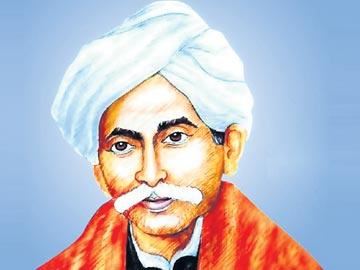
"name": "Gurajada Apparao",
"bio": "Gurajada Venkata Apparao (21 September 1862 – 30 November 1915) was a noted Indian playwright, dramatist, poet, and writer known for his works in Telugu theatre. Rao wrote the play Kanyasulkam in 1892, which is often considered the greatest play in the Telugu language.[3][4] One of the pioneers of Indian theatre, Rao holds the titles Kavisekhara and Abyudaya Kavitha Pithamahudu. In 1910, Rao scripted the widely known Telugu patriotic song \"Desamunu Preminchumanna\".\r\n<br><br>\r\nIn 1897, Kanyasulkam was published (by Vavilla Ramaswamy Sastrulu and Sons, Madras) and dedicated to Maharaja Ananda Gajapati. Apparao (along with his brother Syamala Rao) wrote several English poems. His Sarangadhara, published in \"Indian Leisure Hour\", was well received. The editor of the Calcutta-based \"Rees and Ryot\", Sambhu Chandra Mukherji read it and re-published it in his magazine. Gundukurti Venkata Ramanayya, editor of the \"Indian Leisure Hour\", encouraged Apparao greatly during the same period. In 1891, Gurajada was appointed to the post of Epigraphist to the Maharaja of Vizianagaram.",
"raw_bio": "Gurajada Venkata Apparao (21 September 1862 – 30 November 1915) was a noted Indian playwright, dramatist, poet, and writer known for his works in Telugu theatre. Rao wrote the play Kanyasulkam in 1892, which is often considered the greatest play in the Telugu language.[3][4] One of the pioneers of Indian theatre, Rao holds the titles Kavisekhara and Abyudaya Kavitha Pithamahudu. In 1910, Rao scripted the widely known Telugu patriotic song \"Desamunu Preminchumanna\".\r \r In 1897, Kanyasulkam was published (by Vavilla Ramaswamy Sastrulu and Sons, Madras) and dedicated to Maharaja Ananda Gajapati. Apparao (along with his brother Syamala Rao) wrote several English poems. His Sarangadhara, published in \"Indian Leisure Hour\", was well received. The editor of the Calcutta-based \"Rees and Ryot\", Sambhu Chandra Mukherji read it and re-published it in his magazine. Gundukurti Venkata Ramanayya, editor of the \"Indian Leisure Hour\", encouraged Apparao greatly during the same period. In 1891, Gurajada was appointed to the post of Epigraphist to the Maharaja of Vizianagaram.",
"slug": "gurajada-apparao",
"DOB": "1862-09-21",
"DateOfDemise": "1915-11-30",
"location": "Andhra Pradesh, India",
"url": "/sootradhar/gurajada-apparao",
"tags": "",
"created": "2023-09-22T12:18:53.472605",
"is_has_special_post": false,
"is_special_author": false,
"language": 15
},
{
"id": 649,
"image": "https://kavishalalab.s3.ap-south-1.amazonaws.com/sootradhar_author/Pingali_Lakshmikantam.jpg",
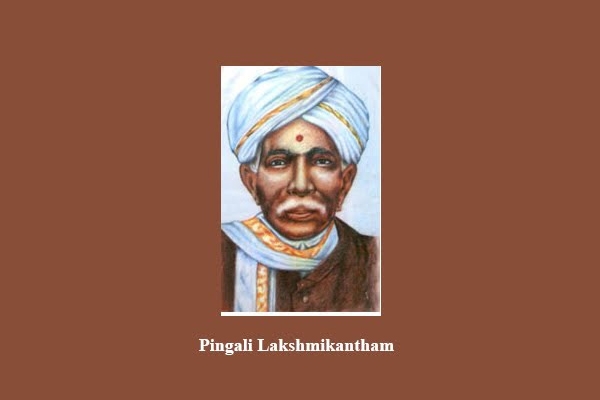
"name": "Pingali Lakshmikantam",
"bio": "Pingali Lakshmikantam (10 January 1894 in Arthamuru, Krishna district, British India – 1972) was an Indian poet and writer.<br>\r\nLakshmikantam was born in Arthamuru, Krishna district, British India. His father was Venkataratnamu, his mother was Kutumbamma. Ancestors of Pingali family were Tikkana and Pingali Suranna.\r\n<br>\r\nHe studied up to fifth grade in Guduru, 6th and 7th grades in Repalle, and from 8th grade through his BA in Bandar. After finishing the Secondary School Leaving Certificate,</br>\r\n<hr>\r\n<b>Bibliography</b>\r\nAndhra Sahitya Charitra<br>\r\nSaahitya Silpa Sameeksha<br>\r\nMadhurapanditarajamu<br>\r\nGangalahari<br>\r\nTejolahari<br>\r\nAtmalahari<br>\r\nAndhravajnmaya charitra<br>\r\nGoutama Vyasalu<br>\r\nNa Radio Prasangalu (compilation of his All India Radio speeches)<br>\r\nAll Men are Brothers<br>\r\nTolakari<br>\r\nSoundaranandnam<br>",
"raw_bio": "Pingali Lakshmikantam (10 January 1894 in Arthamuru, Krishna district, British India – 1972) was an Indian poet and writer. \r Lakshmikantam was born in Arthamuru, Krishna district, British India. His father was Venkataratnamu, his mother was Kutumbamma. Ancestors of Pingali family were Tikkana and Pingali Suranna.\r \r He studied up to fifth grade in Guduru, 6th and 7th grades in Repalle, and from 8th grade through his BA in Bandar. After finishing the Secondary School Leaving Certificate,\r Bibliography \r Andhra Sahitya Charitra \r Saahitya Silpa Sameeksha \r Madhurapanditarajamu \r Gangalahari \r Tejolahari \r Atmalahari \r Andhravajnmaya charitra \r Goutama Vyasalu \r Na Radio Prasangalu (compilation of his All India Radio speeches) \r All Men are Brothers \r Tolakari \r Soundaranandnam",
"slug": "pingali-lakshmikantam",
"DOB": "1894-01-10",
"DateOfDemise": "1972-01-01",
"location": null,
"url": "/sootradhar/pingali-lakshmikantam",
"tags": "",
"created": "2023-09-22T12:18:53.480927",
"is_has_special_post": false,
"is_special_author": false,
"language": 15
},
{
"id": 658,
"image": "https://kavishalalab.s3.ap-south-1.amazonaws.com/sootradhar_author/Veturi_5.jpg",
"name": "Veturi Sundararama Murthy",
"bio": "<p>Veturi Sundararama Murthy (29 January 1936 – 22 May 2010) was an Indian poet and lyricist who is popular for writing Telugu songs. His career in the Telugu cinema spanned more than four decades.[4] He was highly admired and cherished for his deep and meaningful lyrics in Telugu songs. He was considered an inspiration by many lyricists.</p>\r\n<p><strong>Awards and honors</strong><br />Veturi received several national and regional awards for his contributions to literature and films. He has been conferred an honorary Doctorate in the 23rd convocation of Acharya Nagarjuna University. In 2007, he received the Jandhyala Memorial Award.</p>\r\n<p>bust of Veturi at Tummalapalli Kshetrayya Kalakshetram Vijayawada<br />National Awards<br />He got the National Film Award for Best Lyrics for the song \"Ralipoye Puvva\" (Telugu: రాలిపోయె పువ్వా) in the film Matrudevobhava, making him the second Telugu film lyricist to achieve the distinction after the revolutionary poet, Sri Sri. In 2006, he declared that he would return the National Award if Telugu is not given the status of Classical Language by the Government of India. In 2008, the Government of India declared Telugu as a classical language.[</p>\r\n<p><strong>Filmfare Awards</strong><br />He received filmfare award for the song, Uppongele Godavari (Telugu: ఉప్పొంగెలే గోదావరి) in the 2006 movie, Godavari. In 2008, he received the Filmfare Lifetime Achievement Award.</p>\r\n<p><strong>Nandi Awards</strong><br />He received the Nandi award for best lyrics, from the Government of Andhra Pradesh, six times. They are listed here.</p>\r\n<p>Song: Maanasa Veenaa Madhu Geetam (Telugu: మానసవీణ మధుగీతం), Movie: Pantulamma, Year: 1977 Song: Sankara Nadasarerapara (Telugu: శంకరా నాదశరీరాపర), Movie: Sankarabharanam, Year: 1979 Song: Brundavani Vundi (Telugu: బృందావని ఉంది), Movie: Kanchana Ganga, Year:1984 Song: Ee Duryodhana Dushaasana (Telugu: ఈ దుర్యోధనదుశ్శాశన), Movie: Pratighatana, Year: 1985 Song: Pavuraniki Panjaraniki (Telugu: పావురానికి పంజరానికి), Movie: Chanti, Year: 1991 Song: Aakaashaana SuuryuDunDaDu (Telugu: ఆకాశాన సూర్యుడుండడు), Movie: Sundara Kanda, Year: 1992</p>",
"raw_bio": "Veturi Sundararama Murthy (29 January 1936 – 22 May 2010) was an Indian poet and lyricist who is popular for writing Telugu songs. His career in the Telugu cinema spanned more than four decades.[4] He was highly admired and cherished for his deep and meaningful lyrics in Telugu songs. He was considered an inspiration by many lyricists. Awards and honors Veturi received several national and regional awards for his contributions to literature and films. He has been conferred an honorary Doctorate in the 23rd convocation of Acharya Nagarjuna University. In 2007, he received the Jandhyala Memorial Award. bust of Veturi at Tummalapalli Kshetrayya Kalakshetram Vijayawada National Awards He got the National Film Award for Best Lyrics for the song \"Ralipoye Puvva\" (Telugu: రాలిపోయె పువ్వా) in the film Matrudevobhava, making him the second Telugu film lyricist to achieve the distinction after the revolutionary poet, Sri Sri. In 2006, he declared that he would return the National Award if Telugu is not given the status of Classical Language by the Government of India. In 2008, the Government of India declared Telugu as a classical language.[ Filmfare Awards He received filmfare award for the song, Uppongele Godavari (Telugu: ఉప్పొంగెలే గోదావరి) in the 2006 movie, Godavari. In 2008, he received the Filmfare Lifetime Achievement Award. Nandi Awards He received the Nandi award for best lyrics, from the Government of Andhra Pradesh, six times. They are listed here. Song: Maanasa Veenaa Madhu Geetam (Telugu: మానసవీణ మధుగీతం), Movie: Pantulamma, Year: 1977 Song: Sankara Nadasarerapara (Telugu: శంకరా నాదశరీరాపర), Movie: Sankarabharanam, Year: 1979 Song: Brundavani Vundi (Telugu: బృందావని ఉంది), Movie: Kanchana Ganga, Year:1984 Song: Ee Duryodhana Dushaasana (Telugu: ఈ దుర్యోధనదుశ్శాశన), Movie: Pratighatana, Year: 1985 Song: Pavuraniki Panjaraniki (Telugu: పావురానికి పంజరానికి), Movie: Chanti, Year: 1991 Song: Aakaashaana SuuryuDunDaDu (Telugu: ఆకాశాన సూర్యుడుండడు), Movie: Sundara Kanda, Year: 1992",
"slug": "veturi-sundararama-murthy",
"DOB": "1936-04-29",
"DateOfDemise": "2010-05-22",
"location": null,
"url": "/sootradhar/veturi-sundararama-murthy",
"tags": "",
"created": "2023-09-22T12:18:53.489988",
"is_has_special_post": false,
"is_special_author": false,
"language": 15
},
{
"id": 254,
"image": "https://kavishalalab.s3.ap-south-1.amazonaws.com/sootradhar_author/T._K._Doraiswamy.png",
"name": "T. K. Doraiswamy",
"bio": "<br>\r\nT. K. Doraiswamy (21 August 1921 – 17 May 2007), also known by his pen name Nakulan, was an Indian poet, professor of English, novelist, translator and short fiction writer, who wrote both in Tamil and English, and is known for his surrealism and experimentation as well as free verse. He served as Professor of English, Mar Ivanios College, Thiruvananthapuram for four decades.\r\n<br>\r\nDuring his literary career which started in his forties, when he started writing in Ezhuthu, a literary magazine founded by C. S. Chellappa, he wrote a novel and six books of poems in English, and nine novels and five books of poems in Tamil. His English work was mostly published under his real name, while Tamil works often appeared under his pen name. He also wrote briefly under the pen name, S. Nayar(sp?). His symbolic novel Ninaivup Patai Nilakal (1972) is considered a milestone in Tamil literature and established him as an avant garde novelist. His other notable works in Tamil include, Nizhalgal, Naykal, Naveenante Diary Kurippukal, Ezhuthu Kavithaikal, Iruneenda Kavithaikal, Antha Manchal Nira Poonaikutty, and in English, Words to the Wind, 'Non-Being' and 'A Tamil Writer's Journal'.\r\n<br>\r\nHe received the Asan Memorial Award for Tamil Poetry in 1983.",
"raw_bio": "\r T. K. Doraiswamy (21 August 1921 – 17 May 2007), also known by his pen name Nakulan, was an Indian poet, professor of English, novelist, translator and short fiction writer, who wrote both in Tamil and English, and is known for his surrealism and experimentation as well as free verse. He served as Professor of English, Mar Ivanios College, Thiruvananthapuram for four decades.\r \r During his literary career which started in his forties, when he started writing in Ezhuthu, a literary magazine founded by C. S. Chellappa, he wrote a novel and six books of poems in English, and nine novels and five books of poems in Tamil. His English work was mostly published under his real name, while Tamil works often appeared under his pen name. He also wrote briefly under the pen name, S. Nayar(sp?). His symbolic novel Ninaivup Patai Nilakal (1972) is considered a milestone in Tamil literature and established him as an avant garde novelist. His other notable works in Tamil include, Nizhalgal, Naykal, Naveenante Diary Kurippukal, Ezhuthu Kavithaikal, Iruneenda Kavithaikal, Antha Manchal Nira Poonaikutty, and in English, Words to the Wind, 'Non-Being' and 'A Tamil Writer's Journal'.\r \r He received the Asan Memorial Award for Tamil Poetry in 1983.",
"slug": "t-k-doraiswamy",
"DOB": "1921-08-21",
"DateOfDemise": "2007-05-17",
"location": "Kumbakonam, Tamil Nadu",
"url": "/sootradhar/t-k-doraiswamy",
"tags": null,
"created": "2023-09-22T12:38:47.196112",
"is_has_special_post": true,
"is_special_author": false,
"language": 16
},
{
"id": 304,
"image": "https://kavishalalab.s3.ap-south-1.amazonaws.com/sootradhar_author/Screenshot_2020-06-06_at_12.34.11_AM.png",
"name": "Balanadarajah Iyer",
"bio": "<br>Kandasamy Iyer Balanadarajah Iyer ( Balanadarasan ) also known as Sinna Bala (June 6, 1957 – August 16, 2004) was a Sri Lankan Tamil activist,writer and a Poet who was a media secretary and a senior member of EPDP Eelam People's Democratic Party <br>\r\nBalanadarasan was the publisher of Tharkeegam, the mouthpiece of the Eelam People's Democratic Party. He was also a member of the editorial board for Ellanatham (News Paper for Tamils). He utilized the pseudonym \"Ilaiyavan\" when writing his books such as veedu, Kaniuruthi, Porkalam, Malaiyaitharatha vanam and the well known political book \"Thimbu Muthal Tokyo Varai\"",
"raw_bio": "Kandasamy Iyer Balanadarajah Iyer ( Balanadarasan ) also known as Sinna Bala (June 6, 1957 – August 16, 2004) was a Sri Lankan Tamil activist,writer and a Poet who was a media secretary and a senior member of EPDP Eelam People's Democratic Party \r Balanadarasan was the publisher of Tharkeegam, the mouthpiece of the Eelam People's Democratic Party. He was also a member of the editorial board for Ellanatham (News Paper for Tamils). He utilized the pseudonym \"Ilaiyavan\" when writing his books such as veedu, Kaniuruthi, Porkalam, Malaiyaitharatha vanam and the well known political book \"Thimbu Muthal Tokyo Varai\"",
"slug": "balanadarajah-iyer",
"DOB": "1957-06-06",
"DateOfDemise": "2004-10-16",
"location": "Sri Lanka",
"url": "/sootradhar/balanadarajah-iyer",
"tags": null,
"created": "2023-09-22T12:18:54.195440",
"is_has_special_post": false,
"is_special_author": false,
"language": 16
},
{
"id": 383,
"image": "https://kavishalalab.s3.ap-south-1.amazonaws.com/sootradhar_author/Suratha.jpg",
"name": "Suratha",
"bio": "Suratha (Tamil: சுரதா) (23 November 1921 – 20 June 2006) was a Tamil poet, known for his similes. He was called \"Uvamai Kavignar\" (\"poet of similes\").\r\n\r\n\r\nSuratha was born in Thanjavur as T. Rajagopal. He derived his pen name from Subburathinathasan (Bharathidasan, a renowned poet of yesteryear).\r\n\r\nLiterary works\r\nSaavin Mutham (meaning \"kiss of death\") and Thenmazhai (meaning \"rain of honey\") were among his notable works. He also ran a weekly Kaavyam, entirely dedicated to poetry.\r\nHe was a lyricist and a dialogue writer for more than 100 Tamil films and memorable songs such as ‘Amuthum thenum ethatku’.",
"raw_bio": "Suratha (Tamil: சுரதா) (23 November 1921 – 20 June 2006) was a Tamil poet, known for his similes. He was called \"Uvamai Kavignar\" (\"poet of similes\").\r \r \r Suratha was born in Thanjavur as T. Rajagopal. He derived his pen name from Subburathinathasan (Bharathidasan, a renowned poet of yesteryear).\r \r Literary works\r Saavin Mutham (meaning \"kiss of death\") and Thenmazhai (meaning \"rain of honey\") were among his notable works. He also ran a weekly Kaavyam, entirely dedicated to poetry.\r He was a lyricist and a dialogue writer for more than 100 Tamil films and memorable songs such as ‘Amuthum thenum ethatku’.",
"slug": "suratha",
"DOB": "1921-11-23",
"DateOfDemise": "2006-06-20",
"location": null,
"url": "/sootradhar/suratha",
"tags": null,
"created": "2023-09-22T12:18:54.207268",
"is_has_special_post": false,
"is_special_author": false,
"language": 16
},
{
"id": 384,
"image": "https://kavishalalab.s3.ap-south-1.amazonaws.com/sootradhar_author/220px-thumbnail.jpg",
"name": "Vairamuthu",
"bio": "Vairamuthu Ramasamy (born 13 July 1953) is an Indian poet, lyricist and novelist working in the Tamil film industry. He is a prominent figure in the Tamil literary world. A master's graduate from the Pachaiyappa's College in Chennai, he first worked as a translator, while also being a published poet. He entered the Tamil film industry in the year 1980, with the film Nizhalgal, an Ilaiyaraaja musical, directed by P. Bharathiraja. During the course of his 40-year film career, he has written over 7,500 songs and poems which have won him seven National Awards, the most for any Indian lyricist. He has also been honored with a Padma Shri, a Padma Bhushan and a Sahitya Akademi Award, for his abundant literary output. <br>\r\n<h2><span id=\"Published_works\" class=\"mw-headline\">Published works</span></h2>\r\n<dl>\r\n<dt>In Tamil</dt>\r\n<dd></dd>\r\n</dl>\r\n<ul>\r\n<li><em>Vaikarai Megangal</em> (1972)</li>\r\n<li><em>Thiruthi Ezhuthiiya Theerpugal</em> (1979)</li>\r\n<li><em>Innoru Dhesiya Geetham</em> (1982)</li>\r\n<li><em>Kavi Raajan Kadhai</em> (1982)</li>\r\n<li><em>Idhu Varai Naan</em> (1983) (his autobiography at the age of 28)</li>\r\n<li><em>En Pazhaiya Panai Oolaigal</em> (1983)</li>\r\n<li><em>Vaanam Thottuvidum Thooramthan</em> (1983)</li>\r\n<li><em>En Jannalin Vazhiye</em> (1984)</li>\r\n<li><em>Mounathin Sapthangal</em> (1984)</li>\r\n<li><em>Kalvettugal</em> (1984)</li>\r\n<li><em>Kodi Marathin Vergal</em> (1984)</li>\r\n<li><em>Kelvigalaal Oru Velvi</em> (1984)</li>\r\n<li><em>Ratha Dhaanam</em> (1985)</li>\r\n<li><em>Sirpiye Unnai Sethukukiren</em> (1985)</li>\r\n<li><em>Netru Potta Kolam</em> (1985)</li>\r\n<li><em>Meendum En Thottilukku</em> (1986)</li>\r\n<li><em>Ella Nadhiyilum En Odam</em> (1989)</li>\r\n<li><em>Vadugapatti Mudhal Volga Varai</em> (1989)</li>\r\n<li><em>Indha Pookkal Virpanaikkalla</em> (1991)</li>\r\n<li><em>Kaavi Nirathil oru Kaadhal</em> (1991)</li>\r\n<li><em>Indha Kulathil Kal Erinthavargal</em> (1991)</li>\r\n<li><em>Oru Porkkalamum Irandu Pookkalum</em> (1991)</li>\r\n<li><em>Sigarangalai Nokki</em> (1992)</li>\r\n<li><em>Idhanal Sakalamaanavargalukkum</em> (1992)</li>\r\n<li><em>Villodu Vaa Nilave</em> (1994)</li>\r\n<li><em>Thanneer Thesam</em> (1996)</li>\r\n<li><em>Thamizhukku Niram Undu</em> (1997)</li>\r\n<li><em>Peyyena Peyyum Mazhai</em> (1999)*</li>\r\n<li><em>Vairamuthu Kavithaikal</em> (2000)</li>\r\n<li><em>Kallikkaattu Ithihaasam</em> (2001)</li>\r\n<li><em>Konjam Theneer Niraiya Vaanam</em> (2005)</li>\r\n<li><em>Oru Giramathu Paravaiyum Sila kadalgalum</em> (2005)</li>\r\n<li><em>Karuvaachi Kaaviyam</em> (2006)</li>\r\n<li><em>Paarkadal</em> (2008)</li>\r\n<li><em>Aayiram Paadalgal</em> (2011)</li>\r\n<li><em>Moondram Ulaga Por</em> (2013)</li>\r\n<li><em>Vairamuthu Sirukathaikal</em> (2015)</li>\r\n<li><em>Tamizhatruppadai</em> (2019)</li>\r\n</ul>\r\n<dl>\r\n<dt>Works Published in other Languages</dt>\r\n<dd></dd>\r\n</dl>\r\n<ul>\r\n<li><em>Drops That Hop Without A Stop</em> (Selected poems in English) – 2000 - Translated by Dr Vishnu Priya, Published by Hindi Hridaya, Chennai.</li>\r\n<li><em>A Drop in Search of the Ocean</em> (Selected poems in English) – 2003 - Translated by Balan Menon, Published by Rupa & Co., New Delhi</li>\r\n<li><em>Vairamuthu Baavani</em> (Selected poems in Hindi) – 2003 - Translated by Kamakshi subramaniam, Published by Hindi Hridaya, Chennai</li>\r\n<li><em>Bindhu Sindhu Ki Oor</em> (Selected poems in Hindi) – 2004 - Translated by Dr Vishnu Priya, Published by Rajkamal Prakashan Pvt Ltd, New Delhi</li>\r\n<li><em>God Morgen Lyrikk</em> (Selected Lyrics in Norwegian) – 2004 - Translated by Kowsihaa Gowrithasan, Published by Kowsihaa Gowrithasan, Norge</li>\r\n<li><em>Vairamuthu Ravara Muvathmuru Kavithegalu</em> - 2009 (Selected poems in Kannada) - Translated by Prof. Malarvili, Published by Christ University Kannada, Bangalore.</li>\r\n<li><em>Siruthu Neram Manithanayi Irunthavan</em> - 2017 (Selected short stories in Malayalam) - Translated by K.S.Venkitachalam, Published by Mathrubhumi Books, Kozhikode</li>\r\n<li><em>Nākapani Vaṉkā Itihāsh</em> (<em>Kallikkattu Ithihaasam</em>) – 2017 - (Sahitya Akademi Award Winning Novel & FICCI Book of the Year Award –2018) - Translated by H.Balasubramaniam, Published by Sahitya Akademi, New Delhi</li>\r\n</ul>\r\n<h2> </h2>",
"raw_bio": "Vairamuthu Ramasamy (born 13 July 1953) is an Indian poet, lyricist and novelist working in the Tamil film industry. He is a prominent figure in the Tamil literary world. A master's graduate from the Pachaiyappa's College in Chennai, he first worked as a translator, while also being a published poet. He entered the Tamil film industry in the year 1980, with the film Nizhalgal, an Ilaiyaraaja musical, directed by P. Bharathiraja. During the course of his 40-year film career, he has written over 7,500 songs and poems which have won him seven National Awards, the most for any Indian lyricist. He has also been honored with a Padma Shri, a Padma Bhushan and a Sahitya Akademi Award, for his abundant literary output. Published works In Tamil Vaikarai Megangal (1972) Thiruthi Ezhuthiiya Theerpugal (1979) Innoru Dhesiya Geetham (1982) Kavi Raajan Kadhai (1982) Idhu Varai Naan (1983) (his autobiography at the age of 28) En Pazhaiya Panai Oolaigal (1983) Vaanam Thottuvidum Thooramthan (1983) En Jannalin Vazhiye (1984) Mounathin Sapthangal (1984) Kalvettugal (1984) Kodi Marathin Vergal (1984) Kelvigalaal Oru Velvi (1984) Ratha Dhaanam (1985) Sirpiye Unnai Sethukukiren (1985) Netru Potta Kolam (1985) Meendum En Thottilukku (1986) Ella Nadhiyilum En Odam (1989) Vadugapatti Mudhal Volga Varai (1989) Indha Pookkal Virpanaikkalla (1991) Kaavi Nirathil oru Kaadhal (1991) Indha Kulathil Kal Erinthavargal (1991) Oru Porkkalamum Irandu Pookkalum (1991) Sigarangalai Nokki (1992) Idhanal Sakalamaanavargalukkum (1992) Villodu Vaa Nilave (1994) Thanneer Thesam (1996) Thamizhukku Niram Undu (1997) Peyyena Peyyum Mazhai (1999)* Vairamuthu Kavithaikal (2000) Kallikkaattu Ithihaasam (2001) Konjam Theneer Niraiya Vaanam (2005) Oru Giramathu Paravaiyum Sila kadalgalum (2005) Karuvaachi Kaaviyam (2006) Paarkadal (2008) Aayiram Paadalgal (2011) Moondram Ulaga Por (2013) Vairamuthu Sirukathaikal (2015) Tamizhatruppadai (2019) Works Published in other Languages Drops That Hop Without A Stop (Selected poems in English) – 2000 - Translated by Dr Vishnu Priya, Published by Hindi Hridaya, Chennai. A Drop in Search of the Ocean (Selected poems in English) – 2003 - Translated by Balan Menon, Published by Rupa & Co., New Delhi Vairamuthu Baavani (Selected poems in Hindi) – 2003 - Translated by Kamakshi subramaniam, Published by Hindi Hridaya, Chennai Bindhu Sindhu Ki Oor (Selected poems in Hindi) – 2004 - Translated by Dr Vishnu Priya, Published by Rajkamal Prakashan Pvt Ltd, New Delhi God Morgen Lyrikk (Selected Lyrics in Norwegian) – 2004 - Translated by Kowsihaa Gowrithasan, Published by Kowsihaa Gowrithasan, Norge Vairamuthu Ravara Muvathmuru Kavithegalu - 2009 (Selected poems in Kannada) - Translated by Prof. Malarvili, Published by Christ University Kannada, Bangalore. Siruthu Neram Manithanayi Irunthavan - 2017 (Selected short stories in Malayalam) - Translated by K.S.Venkitachalam, Published by Mathrubhumi Books, Kozhikode Nākapani Vaṉkā Itihāsh ( Kallikkattu Ithihaasam ) – 2017 - (Sahitya Akademi Award Winning Novel & FICCI Book of the Year Award –2018) - Translated by H.Balasubramaniam, Published by Sahitya Akademi, New Delhi ",
"slug": "vairamuthu",
"DOB": "1953-07-13",
"DateOfDemise": null,
"location": "Madurai, Madras, India",
"url": "/sootradhar/vairamuthu",
"tags": null,
"created": "2023-09-22T12:18:54.247260",
"is_has_special_post": false,
"is_special_author": false,
"language": 16
},
{
"id": 390,
"image": "https://kavishalalab.s3.ap-south-1.amazonaws.com/sootradhar_author/Garimella_Satyanarayana.png",
"name": "Garimella Satyanarayana",
"bio": "Garimella Satyanarayana (14 July 1893 – 18 December 1952) was a poet and freedom fighter of Andhra Pradesh, India. He influenced and mobilised the Andhra people against the British Raj with his patriotic songs and writings, for which he was jailed several times by the British administration.\r\n<br><h2><span id=\"Works\" class=\"mw-headline\">Works</span></h2>\r\n<h2>Information plate below his Statue in Srikakulam.</h2>\r\n<ul>\r\n<li>Swaraajya geetamulu (1921)</li>\r\n<li>Harijana paatalu (1923)</li>\r\n<li>Khandakaavyalu, baalageetaalu (1926)</li>\r\n<li>Telugu translation of the Economic Conquest of India by <a title=\"Bhogaraju Pattabhi Sitaramayya\" href=\"https://en.wikipedia.org/wiki/Bhogaraju_Pattabhi_Sitaramayya\">Bhogaraju Pattabhi Sitaramayya</a>.</li>\r\n<li>Telugu translation of \"<a class=\"mw-redirect\" title=\"Tirukkural\" href=\"https://en.wikipedia.org/wiki/Tirukkural\">Tirukkural</a>\" and \"Naandiyar\" from Tamil.</li>\r\n<li>Telugu translation of \"Tallikota\" from Kannada.</li>\r\n<li>An English poem \"Heart of the Nation,\"</li>\r\n<li>Several articles in various daily and weekly journals like <em>Grihalakshmi</em>, <em><a title=\"Krishna Patrika\" href=\"https://en.wikipedia.org/wiki/Krishna_Patrika\">Krishna Patrika</a></em>, <em>Aanandavani</em>, <em>Dhanka</em>, <em><a title=\"Andhra Prabha\" href=\"https://en.wikipedia.org/wiki/Andhra_Prabha\">Andhra Prabha</a></em> and <em>Bhaarati</em>.</li>\r\n</ul>\r\n<h2><span id=\"Maakoddee_Tella_doratanamu\" class=\"mw-headline\">Maakoddee Tella doratanamu</span></h2>\r\n<p>An English translation of his most famous poem <strong>Maakoddee Tella doratanamu</strong> in folk song format:</p>\r\n<p>We don't want this White rule - <strong>Garimella Satyanarayana</strong></p>\r\n<p>We don't want this White man's rule O God We don't want this White man's rule</p>\r\n<pre> We don't want this .... 2\r\n</pre>\r\n<p>Stalking on our lives Robbing us of our honour</p>\r\n<pre> We don't want this .... 2 \r\n Stalking on our ....\r\n</pre>\r\n<p>(1) The eighteen lamps have doused off, but A handful of rice is hard to come by Throws dirt into our mouths Wants us to fight with his dogs to eat our food</p>\r\n<pre> We don't want this .... 2\r\n</pre>\r\n<p>(2) For taxes he's devised ways Sells toddy and liquor Looted Chattels and belongings Drunken (husband) snatched that mother's wedding jewellery. Threw dust in to our eyes Pushed us close to our grave</p>\r\n<pre> We don't want this .... 2\r\n</pre>\r\n<p>(3) Brought in Courts, created political parties. Murdered the charitable character Raised thirst for money Raised bad thoughts Showing off his style he wooed us</p>\r\n<pre> We don't want this .... 2\r\n</pre>\r\n<p>(4) Brings on the Gandhi cap Don't come says Don't come to school like this Takes away the cap and moves on</p>\r\n<p>It is rebellion against State It is all over the Country</p>\r\n<pre>We don't want this .... 2\r\nStalking on our ....\r\n</pre>\r\n<p>We don't want this White man's rule</p>",
"raw_bio": "Garimella Satyanarayana (14 July 1893 – 18 December 1952) was a poet and freedom fighter of Andhra Pradesh, India. He influenced and mobilised the Andhra people against the British Raj with his patriotic songs and writings, for which he was jailed several times by the British administration.\r Works Information plate below his Statue in Srikakulam. Swaraajya geetamulu (1921) Harijana paatalu (1923) Khandakaavyalu, baalageetaalu (1926) Telugu translation of the Economic Conquest of India by Bhogaraju Pattabhi Sitaramayya . Telugu translation of \" Tirukkural \" and \"Naandiyar\" from Tamil. Telugu translation of \"Tallikota\" from Kannada. An English poem \"Heart of the Nation,\" Several articles in various daily and weekly journals like Grihalakshmi , Krishna Patrika , Aanandavani , Dhanka , Andhra Prabha and Bhaarati . Maakoddee Tella doratanamu An English translation of his most famous poem Maakoddee Tella doratanamu in folk song format: We don't want this White rule - Garimella Satyanarayana We don't want this White man's rule O God We don't want this White man's rule We don't want this .... 2\r Stalking on our lives Robbing us of our honour We don't want this .... 2 \r Stalking on our ....\r (1) The eighteen lamps have doused off, but A handful of rice is hard to come by Throws dirt into our mouths Wants us to fight with his dogs to eat our food We don't want this .... 2\r (2) For taxes he's devised ways Sells toddy and liquor Looted Chattels and belongings Drunken (husband) snatched that mother's wedding jewellery. Threw dust in to our eyes Pushed us close to our grave We don't want this .... 2\r (3) Brought in Courts, created political parties. Murdered the charitable character Raised thirst for money Raised bad thoughts Showing off his style he wooed us We don't want this .... 2\r (4) Brings on the Gandhi cap Don't come says Don't come to school like this Takes away the cap and moves on It is rebellion against State It is all over the Country We don't want this .... 2\r Stalking on our ....\r We don't want this White man's rule",
"slug": "garimella-satyanarayana",
"DOB": "1893-07-14",
"DateOfDemise": "1952-12-18",
"location": "Gonepadu, Narasannapeta, Srikakulam, India",
"url": "/sootradhar/garimella-satyanarayana",
"tags": null,
"created": "2023-09-22T12:18:54.264911",
"is_has_special_post": false,
"is_special_author": false,
"language": 16
},
{
"id": 402,
"image": "https://kavishalalab.s3.ap-south-1.amazonaws.com/sootradhar_author/Subramania_Bharati.jpg",
"name": "Subramania Bharati",
"bio": "<p>Chinnaswami Subramania Bharathi also known as Bharathiyar (11 December 1882 – 11 September 1921), was a Tamil writer, poet, journalist, Indian independence activist , a social reformer and a polyglot. Popularly known as \"Mahakavi Bharathi\" (\"Great Poet Bharathi\"), he was a pioneer of modern Tamil poetry and is considered one of the greatest Tamil literary figures of all time. His numerous works included fiery songs kindling patriotism during the Indian Independence movement.</p>\r\n\r\n<p>Bharati is considered as one of the pioneers of modern Tamil literature.[10] Bharati used simple words and rhythms, unlike his previous century works in Tamil, which had complex vocabulary. He also employed novel ideas and techniques in his devotional poems. He used a metre called Nondi Chindu in most of his works, which was earlier used by Gopalakrisnha Bharathiar.</p>\r\n<p>Bharati's poetry expressed a progressive, reformist ideal. His imagery and the vigour of his verse were a forerunner to modern Tamil poetry in different aspects. He was the forerunner of a forceful kind of poetry that combined classical and contemporary elements. He had a prodigious output penning thousands of verses on diverse topics like Indian Nationalism, love songs, children's songs, songs of nature, glory of the Tamil language, and odes to prominent freedom fighters of India like Tilak, Gandhi and Lajpat Rai. He even penned an ode to New Russia and Belgium. His poetry not only includes works on Hindu deities like Shakti, Kali, Vinayagar, Murugan, Sivan, Kannan(Krishna), but also on other religious gods like Allah and Jesus. His insightful similes have been read by millions of Tamil readers. He was well-versed in various languages and translated speeches of Indian National reform leaders like Aurobindo, Bal Gangadhar Tilak and Swami Vivekananda.</p>\r\n<p>He describes the dance of Shakthi (in Oozhi koothu, Dance of destiny) in the following lines:</p>\r\n<p>Tamil<br />சக்திப் பேய் தான் தலையொடு தலைகள் முட்டிச்<br />சட்டச் சட சட சடவென்றுடைபடு தாளம் கொட்டி அங்கே<br />எத்திகினிலும் நின்விழி அனல் போய் எட்டித்<br />தானே எரியும் கோலம் கண்டே சாகும் காலம்<br />அன்னை அன்னை<br />ஆடுங்கூத்தை நாடச் செய்தாய் என்னை</p>\r\n<p>It is the opinion of some litterateurs that Bharathiar's Panchali Sapatham, based on the story of Panchali (Draupadi), is also an ode to Bharat Mata. That the Pandavass are the Indians, the Kauravas the British and the Kurukshetra war of Mahabharat that of the Indian freedom struggle. It certainly is ascribed to the rise of womanhood in society.</p>\r\n<p>Tamil<br />பட்டினில் உடையும் பஞ்சினில் ஆடையும்<br />பண்ணி மலைகளென வீதி குவிப்போம்<br />கட்டித் திரவியங்கள் கொண்டு வருவார்<br />காசினி வணிகருக்கு அவை கொடுப்போம்</p>\r\n<p>[English Translation]<br />We make Dresses from Silk and Cotton<br />In quantities as large as mountains<br />They bring lot of wealth<br />The traders around the world,<br />to whom we give it(dresses)</p>\r\n<p>He is known to have said, \"Even if Indians are divided, they are children of one Mother, where is the need for foreigners to interfere?\" In the period 1910–1920, he wrote about a new and free India where there are no castes. He talks of building up India's defense, her ships sailing the high seas, success in manufacturing and universal education. He calls for sharing amongst states with wonderful imagery like the diversion of excess water of the Bengal delta to needy regions and a bridge to Sri Lanka.</p>\r\n<p>Bharati also wanted to abolish starvation. He sang, \"Thani oru manithanakku unavu illayenil intha jagaththinai azhithiduvom\" translated as \" If one single man suffers from starvation, we will destroy the entire world\".</p>",
"raw_bio": "Chinnaswami Subramania Bharathi also known as Bharathiyar (11 December 1882 – 11 September 1921), was a Tamil writer, poet, journalist, Indian independence activist , a social reformer and a polyglot. Popularly known as \"Mahakavi Bharathi\" (\"Great Poet Bharathi\"), he was a pioneer of modern Tamil poetry and is considered one of the greatest Tamil literary figures of all time. His numerous works included fiery songs kindling patriotism during the Indian Independence movement. Bharati is considered as one of the pioneers of modern Tamil literature.[10] Bharati used simple words and rhythms, unlike his previous century works in Tamil, which had complex vocabulary. He also employed novel ideas and techniques in his devotional poems. He used a metre called Nondi Chindu in most of his works, which was earlier used by Gopalakrisnha Bharathiar. Bharati's poetry expressed a progressive, reformist ideal. His imagery and the vigour of his verse were a forerunner to modern Tamil poetry in different aspects. He was the forerunner of a forceful kind of poetry that combined classical and contemporary elements. He had a prodigious output penning thousands of verses on diverse topics like Indian Nationalism, love songs, children's songs, songs of nature, glory of the Tamil language, and odes to prominent freedom fighters of India like Tilak, Gandhi and Lajpat Rai. He even penned an ode to New Russia and Belgium. His poetry not only includes works on Hindu deities like Shakti, Kali, Vinayagar, Murugan, Sivan, Kannan(Krishna), but also on other religious gods like Allah and Jesus. His insightful similes have been read by millions of Tamil readers. He was well-versed in various languages and translated speeches of Indian National reform leaders like Aurobindo, Bal Gangadhar Tilak and Swami Vivekananda. He describes the dance of Shakthi (in Oozhi koothu, Dance of destiny) in the following lines: Tamil சக்திப் பேய் தான் தலையொடு தலைகள் முட்டிச் சட்டச் சட சட சடவென்றுடைபடு தாளம் கொட்டி அங்கே எத்திகினிலும் நின்விழி அனல் போய் எட்டித் தானே எரியும் கோலம் கண்டே சாகும் காலம் அன்னை அன்னை ஆடுங்கூத்தை நாடச் செய்தாய் என்னை It is the opinion of some litterateurs that Bharathiar's Panchali Sapatham, based on the story of Panchali (Draupadi), is also an ode to Bharat Mata. That the Pandavass are the Indians, the Kauravas the British and the Kurukshetra war of Mahabharat that of the Indian freedom struggle. It certainly is ascribed to the rise of womanhood in society. Tamil பட்டினில் உடையும் பஞ்சினில் ஆடையும் பண்ணி மலைகளென வீதி குவிப்போம் கட்டித் திரவியங்கள் கொண்டு வருவார் காசினி வணிகருக்கு அவை கொடுப்போம் [English Translation] We make Dresses from Silk and Cotton In quantities as large as mountains They bring lot of wealth The traders around the world, to whom we give it(dresses) He is known to have said, \"Even if Indians are divided, they are children of one Mother, where is the need for foreigners to interfere?\" In the period 1910–1920, he wrote about a new and free India where there are no castes. He talks of building up India's defense, her ships sailing the high seas, success in manufacturing and universal education. He calls for sharing amongst states with wonderful imagery like the diversion of excess water of the Bengal delta to needy regions and a bridge to Sri Lanka. Bharati also wanted to abolish starvation. He sang, \"Thani oru manithanakku unavu illayenil intha jagaththinai azhithiduvom\" translated as \" If one single man suffers from starvation, we will destroy the entire world\".",
"slug": "subramania-bharati",
"DOB": "1882-12-11",
"DateOfDemise": "1921-09-11",
"location": null,
"url": "/sootradhar/subramania-bharati",
"tags": null,
"created": "2023-09-22T12:43:19.478785",
"is_has_special_post": true,
"is_special_author": false,
"language": 16
}
],
"description": "<p style=\"text-align: center; font-size: 24px;\"> The Great Poets and Writers in Indian and World History! </p>",
"image": "https://kavishalalab.s3.ap-south-1.amazonaws.com/sootradhar_description/black.jpg"
}