HTTP 200 OK
Allow: GET, HEAD, OPTIONS
Content-Type: application/json
Vary: Accept
{
"count": 17752,
"next": "http://admin.kavishala.in/sootradhar/authors/?format=api&page=733",
"previous": "http://admin.kavishala.in/sootradhar/authors/?format=api&page=731",
"results": [
{
"id": 458,
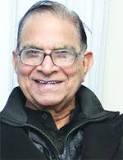
"image": "https://kavishalalab.s3.ap-south-1.amazonaws.com/sootradhar_author/Narendra_Mohan.jpeg",
"name": "Narendra Mohan",
"bio": "Narendra Mohan (born 30 July 1935, Lahore) is an eminent Hindi poet, playwright and critic, who also writes in Punjabi. <br>\r\n<p>Narendra Mohan (Eminent Poet, Playwright and critic) Born on 30 July 1935 in Lahore. After the partition, he accompanied by his parents shifted to <a title=\"Ambala\" href=\"https://en.wikipedia.org/wiki/Ambala\">Ambala</a> and received his education from Matriculation to M.A at Ambala. After six years of teaching at various colleges in Panjab and Agricultural University, Hissar( Haryana), shifted to Delhi University, Khalsa College and later on joined as Reader in Hindi Department, Delhi University. Retired in the year 2000. Active for the last four decades as a Playwright, Poet and critic, Dr. Narendra Mohan has established his identity as a national figure at the literary scene. He is a trend setter in poetry (Vichar Kavita, Lambi Kavita). His critical works initiated new discourses on Partition and Manto. His complete works have been published in twelve volumes. Narendra Mohan's Rancha-vali in twelve volumes is a significant contribution to Hindi literature. A TV serial 'Ujale Ki Aur' of 26 episodes, written by him and directed by Hrishikesh Mukherjee, earned him recognition and fame. Narendra Mohan is a distinguished Playwright. His plays are:</p>\r\n<p>1.Kahe Kabir Sono Bhai Sadho (1988) (The Play was staged at Patna (N.S.D. Workshop), Simla (Drama Festival), Delhi (Shri Ram Centre), Delhi and Jawahar Lal Nehru University. 2.Seengdhari (1988) The play was staged at Delhi, Shri Ram Centre and at Patiala. 3.Qalander (1991) (The play was sponsored by Sangeet Natak Academy and staged by Sambhav Art Group, New Delhi at Allahabad in the Drama Festival, 1991and by Asmita Theatre Group in Delhi) 4.No Man's Land (1994) (The play was staged at Shri Ram Cenrtre, Delhi by Sakshi Art Group, Delhi). 5.Abhang-Gatha (2000) The Play was staged by Rang Samooh, Ujjain at Ujjain and at the prestigious NSD Bharat Rang Mohotsav, New Delhi, 2004. 6.Mr. Jinnah (2005) The Play was staged by Arvind Gaur’s ‘Asmita’ Theatre Group, Delhi. The staging of the play was scheduled for 22, 23 June 2005. However, it was banned on 21 June 2005. The play was later staged at different theatre centres throughout the country and was translated into English and many Indian Languages. Mohan is known for his controversial play Mr.<a class=\"mw-redirect\" title=\"Jinnah\" href=\"https://en.wikipedia.org/wiki/Jinnah\">Jinnah</a><sup id=\"cite_ref-1\" class=\"reference\"><a href=\"https://en.wikipedia.org/wiki/Narendra_Mohan_(poet)#cite_note-1\">[1]</a></sup> 7.Manch Andhere Mein (2011) Staged by Rang Samooh, Ujjain. Virat Kalodbhav staged many shows at Mumbai and other Theatre centres' across the country. 8. Had Ho Gayee, Yaaro (2010] Staged at Yamuna Nagar. 9.Malik Amber (2012) These plays have been staged by renowned Theatre Groups and prominent directors and have been widely recognised by the readers, viewers, theatre lovers and critics. Critics and theatre persons, while discussing and analysing his plays, have taken pains to explore at length the different features of his plays from 'Kahe Kabir' to 'Abhang-Gatha' and from 'Mr Jinnah' to 'Malik Amber'. Togetherness of word and theatre has been a central characteristic of his plays.</p>\r\n<p>He has also edited works of <a class=\"mw-redirect\" title=\"Saadat Hassan Manto\" href=\"https://en.wikipedia.org/wiki/Saadat_Hassan_Manto\">Saadat Hassan Manto</a>. Honoured by <a title=\"Uttar Pradesh Hindi Sansthan\" href=\"https://en.wikipedia.org/wiki/Uttar_Pradesh_Hindi_Sansthan\">Uttar Pradesh Hindi Sansthan</a>-Sahitya Bhusan Samman and Sahityakar Samman by <a title=\"Hindi\" href=\"https://en.wikipedia.org/wiki/Hindi\">Hindi</a> Academy,Delhi. He is a literary trend-setter of two movements in Hindi Poetry called 'Vichar Kavita' and 'Lambi Kavita'.</p>\r\n<p>He has published twelve collections of poems, Nine plays, Thirteen books of literary criticism and Twenty edited books on various themes and genres. His poems, plays and critical articles have been translated into <a title=\"Punjabi language\" href=\"https://en.wikipedia.org/wiki/Punjabi_language\">Punjabi</a>, Urdu, Marathi, English, Telgu,Kannad and other Indian languages.</p>\r\n<br>\r\n<h2><span id=\"Published_works\" class=\"mw-headline\">Published works</span></h2>\r\n<p><strong>Collection of Poems in Hindi</strong></p>\r\n<p>1. Iss Hadsey Mein (1975). 2. Samana Hone Par (1979) 3. Ek Agnikand Jaghen Badalta (1983). 4. Hatheli Par Angare Ki Tarah (1990). 5. Sankat Drishey Ka Nahin (1993). 6. Ek Sulagti Khamoshi (1997, 1999). 7. Ed Khadki Khuli He Abhi (2006) 8. Nele Ghore Ka Sawar. (2008). 9. Rang Aakash Mein Shabd(2011)</p>\r\n<p>कौन पढ़ेगा ? / रंगों की बुनावट में चमक है / अब भी / चमक में छिपा है कोई संदेश / कल का / कल के लिए / गिरती दीवारों पर अंकित है / एक अबूझ लिपि / कौन पढ़ेगा / ढहती इमारत की भाषा ? – Narendra Mohan</p>\r\n<p><strong>Collection of Poems in Punjabi</strong></p>\r\n<p>Drish Badalde Hoye</p>\r\n<p><strong>Plays in Hindi</strong></p>\r\n<p>1-Kahe Kabir Sono Bhai Sadho (1988),staged at Patna (N.S.D. Workshop),Simla(Drama Festival),Delhi SRC and <a class=\"mw-redirect\" title=\"Jawaharlal Nehru University, Delhi\" href=\"https://en.wikipedia.org/wiki/Jawaharlal_Nehru_University,_Delhi\">Jawahar Lal Nehru University</a>.</p>\r\n<p>2-Seengdhari(1988),The play was staged at SRC,Delhi and <a title=\"Patiala\" href=\"https://en.wikipedia.org/wiki/Patiala\">Patiala</a>.</p>\r\n<p>3-Kalander(1991), Sangeet Natak Academy, <a title=\"Allahabad\" href=\"https://en.wikipedia.org/wiki/Allahabad\">Allahabad</a> Drama Festival, 1991 by Sambhav Art Group and in 1994 selected for Urdu Academy's Annual Drama festival directed by <a title=\"Arvind Gaur\" href=\"https://en.wikipedia.org/wiki/Arvind_Gaur\">Arvind Gaur</a></p>\r\n<p>4-No Man's Land (1994),SRC, <a title=\"Delhi\" href=\"https://en.wikipedia.org/wiki/Delhi\">Delhi</a> by Sakshi Group</p>\r\n<p>5-Abhang-Gatha,(2000)Rang Samooh, Ujjan</p>\r\n<p>6-Mr. Jinnah (2005),Play staged by Asmita Theatre Group directed by <a title=\"Arvind Gaur\" href=\"https://en.wikipedia.org/wiki/Arvind_Gaur\">Arvind Gaur</a>,The play Traces the psyche of <a class=\"mw-redirect\" title=\"Mohammad Ali Jinnah\" href=\"https://en.wikipedia.org/wiki/Mohammad_Ali_Jinnah\">Mohammad Ali Jinnah</a></p>\r\n<p>7-Manch Andhere Mein,Staged by Rang Samooh, Ujjain. Virat Kalodbhav staged many shows at Mumbai and other Theatre centres' across the country.</p>\r\n<p>8.Had Ho Gayee, Yaaro (2010] Staged at Yamuna Nagar.</p>\r\n<p>9.Malik Amber (2012)</p>\r\n<p><strong>Plays in Punjabi</strong></p>\r\n<p>Pagle (1991) Sing Dhari (1991) Kalander (2000)</p>\r\n<h2><span id=\"Literary_criticism\" class=\"mw-headline\">Literary criticism</span></h2>\r\n<p>Dr. Narendra Mohan wrote eleven books on Literary Criticism-</p>\r\n<p>1-Adhunik Hindi Kavita Mein Aprastut Vidhan (1972)</p>\r\n<p>2-Adhunikta Aur Samkaleen Rachna Sandarbh (1973)</p>\r\n<p>3-Kavita Ki Vycharik Bhumika (1978)</p>\r\n<p>4=Samkaleen Kahani Ki Pahachan (1978)</p>\r\n<p>5-Adhunikta Ke Sandarbh Mein Hindi Kahani (1982)</p>\r\n<p>6-Punjab Ke Lok Gatha Geet (1989)</p>\r\n<p>7-Shastriya Aalochana Se Vidai (1991)</p>\r\n<p>8-Samkaleen Kavita Ke Bare Main (1994)</p>\r\n<p>9-Bisavin Shatabdi Ka Uttardh : Hindi Kahani (1996)</p>\r\n<p>10-Rachna Ka Sach (2006)</p>\r\n<p>11-Vibhajan Ki Trashdi : Bhartiya Katha Drishti (2008)</p>\r\n<h2><span id=\"Edited_books\" class=\"mw-headline\">Edited books</span></h2>\r\n<p>1-Hindi Kahani : Do Dashak Ki Yatra (1970)</p>\r\n<p>2-Adhunik Hindi Upanyas (1975)</p>\r\n<p>3-Lambi Kavitaon Ka Rachana Vidhan (1976)</p>\r\n<p>4-Kahin Bhee Khatam Kavita Nahin Hoti (1978)</p>\r\n<p>5-Vichar Aur Lahu Ke Beech (1980)</p>\r\n<p>6-Prem Chand Ka Katha Sansar (1980)</p>\r\n<p>7-Vidroh Aur Sahitya (1974)</p>\r\n<p>8-Sangharsh, Parivartan Aur Sahitya (1982)</p>\r\n<p>9-Sikka Badal Gaya (1975)</p>\r\n<p>10-Bharat Vibhajan : Urdu Ki Shrestha Kahaniyan (1984)</p>\r\n<p>11-Bharat Vibhajan : Hindi Ke Shrestha Kahaniyan (1984)</p>\r\n<p>12-Khoi Hooe Khushboo :Vibhajan Ki Shrestha Kahaniyan (1984)</p>\r\n<p>13-Saadat Hasan Manto Ke Natak (1991)</p>\r\n<p>14-Saadat Hassan Manto Ki Kahaniyan (1992)</p>\r\n<p>15-Samkaleen Hindi Kahaniyan – I, II (1994, 2000)</p>\r\n<p>16-Beesveen Shatabdi : Lambi Kavitayen (1996)</p>\r\n<p>17=Volumes of Significant writings,Drishyanter (1985)</p>\r\n<p>18-Ek Nadi Hai Rachna (1995)</p>\r\n<p>19-Complete Works of Narendra Mohan (Eight Volumes).</p>\r\n<p>20-Sankaleen Natak Aur Rangmanch (2009)</p>\r\n<p>21-Vibhajan: Bhartiya Bhashaon ki Kahaniyan (Vol 1 & 2)</p>\r\n<h2><span id=\"Reference_books\" class=\"mw-headline\">Reference books</span></h2>\r\n<ul>\r\n<li><strong>Books of Criticism on Narendra Mohan's Writings</strong></li>\r\n<li>A book of Criticism entitled ;Kavita Mein Likha Etihas' : An evaluation of Narendra Mohan's Poetry edited by Dr. Sukhbir Singh (1985)</li>\r\n<li>An assessment of Narendra Mohan's Poetry entitled 'Samkaleen Sandarbh Aur Narendra Mohan Ki Kavita' written by Dr. Gurcharan Singh (1995)</li>\r\n<li>An assessment of Narendra Mohan's poetry, plays and criticism entitled ' 'Narendra Mohan : Srijan Aur Samvad' edited by Dr. Virendra Singh (1995)</li>\r\n<li>An assessment of Narendra Mohan's long poems entitled ' Lambi Kavitaen Aur Narendra Mohan' edited by Dr. Ramesh Soni (1999)</li>\r\n<li>Natakai Sabat Aur Narendra Mohan, edited by Dr. Gurcharan Singh (2000)</li>\r\n<li>Srijan Ke Aainey Mein Narendra Mohan edited by Dr. Subash Chaudhary (2001)</li>\r\n<li>Rang Shabad Shilpi : Narendra Mohan edited by Dr. Arun Patil, (2003)</li>\r\n<li>Natakkar Narendra Mohan edited by Dr. Shivaji Devare (2003)</li>\r\n<li>Narendra Mohan : Lambi Kavitaion Ke Bahane by Dr. Rajni Bala (2006)</li>\r\n<li>Narendra Mohan Ka Rang-Karm edited by Dr. Gurcharan Singh(2009)</li>\r\n<li>Naya Paridrishya: Narendra Mohan Kay Natak edited by Dr. Gurcharan Singh(2009)</li>\r\n<li>Smriti Mey Saath( Memoirs on Narendra Mohan) edited by Dr. Rajni Bala (2010)</li>\r\n</ul>\r\n<h2><span id=\"TV_serial\" class=\"mw-headline\">TV serial</span></h2>\r\n<p>Dr. Narendra Mohan Scripted <strong>Ujala ki aur</strong> Hindi serial for Indian <a title=\"Doordarshan\" href=\"https://en.wikipedia.org/wiki/Doordarshan\">Doordarshan</a>,Directed by Hrishekesh Mukeerjee</p>\r\n<p>AWARDS AND HONOURS 1. 'Shriomoni Sahityakar' Award by Panjab Govt. 2. 'Sahitya Bhusan Samman' Award by <a title=\"Uttar Pradesh Hindi Sansthan\" href=\"https://en.wikipedia.org/wiki/Uttar_Pradesh_Hindi_Sansthan\">Uttar Pradesh Hindi Sansthan</a>. 3. 'Sahityakar Samman' by <a title=\"Hindi Academy\" href=\"https://en.wikipedia.org/wiki/Hindi_Academy\">Hindi Academy</a>, Delhi. 4. 'Sarvshreshtha Natakkar Samman' by Natsamrat, Delhi. 5. <a title=\"Hindi Academy\" href=\"https://en.wikipedia.org/wiki/Hindi_Academy\">Hindi Academy</a>, Delhi award on his play 'Kahe Kabir Suno Bhai Sadho'. 6. First Prize on his Collection of poems 'Iss Hadsy Mein' by Language Deptt. Panjab. 7. All India Award by Ministry of Education, Govt. of India on his book of criticism 'Samkaleen Kahani Ki Pahchan'. 8. Haryana Sahitya Academi's award on his book of criticism 'Kavita Ki Vycharik Bhumika'.</p>\r\n<p>DIARY AND OTHER GENRES 1. The Eternal No: Dimensions of Protest in Literature (In English : 1985) 2. Drishyanter (1985) 3. Ek Nadi Hai Rachna (1995) 4. Sath Sath Mera Saya (Diary: 2003) 5. Saye Se Alag (Diary: 2010) 6. Complete Works of Narendra Mohan (Eight Volumes) (2005) 7. Frame sey Baahar Aati Tasveeren (2010)</p>\r\n<p>TRANSLATION OF NARENDRA MOHON’S CREATIVE WORKS INTO OTHER LANGUAGES 1. Poetry collection ‘Ek Sulagti Khamoshi’ in Marathi by Dr. Mangala Vaishnav. (2001). 2. Collection of long poems ‘Sankat Drishya Ka Nahin’ in Marathi by Dr. Ganesh Raj Sonale (2001) and in Panjabi by Dr. Kirti Kesar (2002). 3. The play ‘Seengdhari’ translated into Marathi by Sri Nath Tiwari (2002). 4. Literary Diary ‘Sath Sath Mera Saya’ translated into Marathi by Dr. Mangala Vaishanav (2003). 5. The play ‘Kahe Kabir Suno Bhai Sadho’ translated into Marathi by Dr. Mangala Vaishnav (2005). 6. The play ‘Manch Andhere Mein’ translated into Marathi by Dr. Mangala Vaishnav (2011). 7. The Play ‘ Mr. Jinnah’ translated into: a. Kannada by Dr. Tejasvi Kattimani, Periyar Prakashan, Dharwad, Karnataka (2006). b. Marathi by Dr. Mangala Vaishnav, Pratiman Prakashan, Pune (2006). c. Urdu by Dr. Sahina Tabassum, Classic Publication, Lahore (2007). d. Panjabi by Tarsem, Chetna Prakashan, Ludhiana (2008). e. Gujarati by Dr. Bharti Vyas (under Publication). f. Telugu by Dr. Basanta (under Publication). g. English by Dr. O.P. Arora (2011).</p>",
"raw_bio": "Narendra Mohan (born 30 July 1935, Lahore) is an eminent Hindi poet, playwright and critic, who also writes in Punjabi. Narendra Mohan (Eminent Poet, Playwright and critic) Born on 30 July 1935 in Lahore. After the partition, he accompanied by his parents shifted to Ambala and received his education from Matriculation to M.A at Ambala. After six years of teaching at various colleges in Panjab and Agricultural University, Hissar( Haryana), shifted to Delhi University, Khalsa College and later on joined as Reader in Hindi Department, Delhi University. Retired in the year 2000. Active for the last four decades as a Playwright, Poet and critic, Dr. Narendra Mohan has established his identity as a national figure at the literary scene. He is a trend setter in poetry (Vichar Kavita, Lambi Kavita). His critical works initiated new discourses on Partition and Manto. His complete works have been published in twelve volumes. Narendra Mohan's Rancha-vali in twelve volumes is a significant contribution to Hindi literature. A TV serial 'Ujale Ki Aur' of 26 episodes, written by him and directed by Hrishikesh Mukherjee, earned him recognition and fame. Narendra Mohan is a distinguished Playwright. His plays are: 1.Kahe Kabir Sono Bhai Sadho (1988) (The Play was staged at Patna (N.S.D. Workshop), Simla (Drama Festival), Delhi (Shri Ram Centre), Delhi and Jawahar Lal Nehru University. 2.Seengdhari (1988) The play was staged at Delhi, Shri Ram Centre and at Patiala. 3.Qalander (1991) (The play was sponsored by Sangeet Natak Academy and staged by Sambhav Art Group, New Delhi at Allahabad in the Drama Festival, 1991and by Asmita Theatre Group in Delhi) 4.No Man's Land (1994) (The play was staged at Shri Ram Cenrtre, Delhi by Sakshi Art Group, Delhi). 5.Abhang-Gatha (2000) The Play was staged by Rang Samooh, Ujjain at Ujjain and at the prestigious NSD Bharat Rang Mohotsav, New Delhi, 2004. 6.Mr. Jinnah (2005) The Play was staged by Arvind Gaur’s ‘Asmita’ Theatre Group, Delhi. The staging of the play was scheduled for 22, 23 June 2005. However, it was banned on 21 June 2005. The play was later staged at different theatre centres throughout the country and was translated into English and many Indian Languages. Mohan is known for his controversial play Mr. Jinnah [1] 7.Manch Andhere Mein (2011) Staged by Rang Samooh, Ujjain. Virat Kalodbhav staged many shows at Mumbai and other Theatre centres' across the country. 8. Had Ho Gayee, Yaaro (2010] Staged at Yamuna Nagar. 9.Malik Amber (2012) These plays have been staged by renowned Theatre Groups and prominent directors and have been widely recognised by the readers, viewers, theatre lovers and critics. Critics and theatre persons, while discussing and analysing his plays, have taken pains to explore at length the different features of his plays from 'Kahe Kabir' to 'Abhang-Gatha' and from 'Mr Jinnah' to 'Malik Amber'. Togetherness of word and theatre has been a central characteristic of his plays. He has also edited works of Saadat Hassan Manto . Honoured by Uttar Pradesh Hindi Sansthan -Sahitya Bhusan Samman and Sahityakar Samman by Hindi Academy,Delhi. He is a literary trend-setter of two movements in Hindi Poetry called 'Vichar Kavita' and 'Lambi Kavita'. He has published twelve collections of poems, Nine plays, Thirteen books of literary criticism and Twenty edited books on various themes and genres. His poems, plays and critical articles have been translated into Punjabi , Urdu, Marathi, English, Telgu,Kannad and other Indian languages. Published works Collection of Poems in Hindi 1. Iss Hadsey Mein (1975). 2. Samana Hone Par (1979) 3. Ek Agnikand Jaghen Badalta (1983). 4. Hatheli Par Angare Ki Tarah (1990). 5. Sankat Drishey Ka Nahin (1993). 6. Ek Sulagti Khamoshi (1997, 1999). 7. Ed Khadki Khuli He Abhi (2006) 8. Nele Ghore Ka Sawar. (2008). 9. Rang Aakash Mein Shabd(2011) कौन पढ़ेगा ? / रंगों की बुनावट में चमक है / अब भी / चमक में छिपा है कोई संदेश / कल का / कल के लिए / गिरती दीवारों पर अंकित है / एक अबूझ लिपि / कौन पढ़ेगा / ढहती इमारत की भाषा ? – Narendra Mohan Collection of Poems in Punjabi Drish Badalde Hoye Plays in Hindi 1-Kahe Kabir Sono Bhai Sadho (1988),staged at Patna (N.S.D. Workshop),Simla(Drama Festival),Delhi SRC and Jawahar Lal Nehru University . 2-Seengdhari(1988),The play was staged at SRC,Delhi and Patiala . 3-Kalander(1991), Sangeet Natak Academy, Allahabad Drama Festival, 1991 by Sambhav Art Group and in 1994 selected for Urdu Academy's Annual Drama festival directed by Arvind Gaur 4-No Man's Land (1994),SRC, Delhi by Sakshi Group 5-Abhang-Gatha,(2000)Rang Samooh, Ujjan 6-Mr. Jinnah (2005),Play staged by Asmita Theatre Group directed by Arvind Gaur ,The play Traces the psyche of Mohammad Ali Jinnah 7-Manch Andhere Mein,Staged by Rang Samooh, Ujjain. Virat Kalodbhav staged many shows at Mumbai and other Theatre centres' across the country. 8.Had Ho Gayee, Yaaro (2010] Staged at Yamuna Nagar. 9.Malik Amber (2012) Plays in Punjabi Pagle (1991) Sing Dhari (1991) Kalander (2000) Literary criticism Dr. Narendra Mohan wrote eleven books on Literary Criticism- 1-Adhunik Hindi Kavita Mein Aprastut Vidhan (1972) 2-Adhunikta Aur Samkaleen Rachna Sandarbh (1973) 3-Kavita Ki Vycharik Bhumika (1978) 4=Samkaleen Kahani Ki Pahachan (1978) 5-Adhunikta Ke Sandarbh Mein Hindi Kahani (1982) 6-Punjab Ke Lok Gatha Geet (1989) 7-Shastriya Aalochana Se Vidai (1991) 8-Samkaleen Kavita Ke Bare Main (1994) 9-Bisavin Shatabdi Ka Uttardh : Hindi Kahani (1996) 10-Rachna Ka Sach (2006) 11-Vibhajan Ki Trashdi : Bhartiya Katha Drishti (2008) Edited books 1-Hindi Kahani : Do Dashak Ki Yatra (1970) 2-Adhunik Hindi Upanyas (1975) 3-Lambi Kavitaon Ka Rachana Vidhan (1976) 4-Kahin Bhee Khatam Kavita Nahin Hoti (1978) 5-Vichar Aur Lahu Ke Beech (1980) 6-Prem Chand Ka Katha Sansar (1980) 7-Vidroh Aur Sahitya (1974) 8-Sangharsh, Parivartan Aur Sahitya (1982) 9-Sikka Badal Gaya (1975) 10-Bharat Vibhajan : Urdu Ki Shrestha Kahaniyan (1984) 11-Bharat Vibhajan : Hindi Ke Shrestha Kahaniyan (1984) 12-Khoi Hooe Khushboo :Vibhajan Ki Shrestha Kahaniyan (1984) 13-Saadat Hasan Manto Ke Natak (1991) 14-Saadat Hassan Manto Ki Kahaniyan (1992) 15-Samkaleen Hindi Kahaniyan – I, II (1994, 2000) 16-Beesveen Shatabdi : Lambi Kavitayen (1996) 17=Volumes of Significant writings,Drishyanter (1985) 18-Ek Nadi Hai Rachna (1995) 19-Complete Works of Narendra Mohan (Eight Volumes). 20-Sankaleen Natak Aur Rangmanch (2009) 21-Vibhajan: Bhartiya Bhashaon ki Kahaniyan (Vol 1 & 2) Reference books Books of Criticism on Narendra Mohan's Writings A book of Criticism entitled ;Kavita Mein Likha Etihas' : An evaluation of Narendra Mohan's Poetry edited by Dr. Sukhbir Singh (1985) An assessment of Narendra Mohan's Poetry entitled 'Samkaleen Sandarbh Aur Narendra Mohan Ki Kavita' written by Dr. Gurcharan Singh (1995) An assessment of Narendra Mohan's poetry, plays and criticism entitled ' 'Narendra Mohan : Srijan Aur Samvad' edited by Dr. Virendra Singh (1995) An assessment of Narendra Mohan's long poems entitled ' Lambi Kavitaen Aur Narendra Mohan' edited by Dr. Ramesh Soni (1999) Natakai Sabat Aur Narendra Mohan, edited by Dr. Gurcharan Singh (2000) Srijan Ke Aainey Mein Narendra Mohan edited by Dr. Subash Chaudhary (2001) Rang Shabad Shilpi : Narendra Mohan edited by Dr. Arun Patil, (2003) Natakkar Narendra Mohan edited by Dr. Shivaji Devare (2003) Narendra Mohan : Lambi Kavitaion Ke Bahane by Dr. Rajni Bala (2006) Narendra Mohan Ka Rang-Karm edited by Dr. Gurcharan Singh(2009) Naya Paridrishya: Narendra Mohan Kay Natak edited by Dr. Gurcharan Singh(2009) Smriti Mey Saath( Memoirs on Narendra Mohan) edited by Dr. Rajni Bala (2010) TV serial Dr. Narendra Mohan Scripted Ujala ki aur Hindi serial for Indian Doordarshan ,Directed by Hrishekesh Mukeerjee AWARDS AND HONOURS 1. 'Shriomoni Sahityakar' Award by Panjab Govt. 2. 'Sahitya Bhusan Samman' Award by Uttar Pradesh Hindi Sansthan . 3. 'Sahityakar Samman' by Hindi Academy , Delhi. 4. 'Sarvshreshtha Natakkar Samman' by Natsamrat, Delhi. 5. Hindi Academy , Delhi award on his play 'Kahe Kabir Suno Bhai Sadho'. 6. First Prize on his Collection of poems 'Iss Hadsy Mein' by Language Deptt. Panjab. 7. All India Award by Ministry of Education, Govt. of India on his book of criticism 'Samkaleen Kahani Ki Pahchan'. 8. Haryana Sahitya Academi's award on his book of criticism 'Kavita Ki Vycharik Bhumika'. DIARY AND OTHER GENRES 1. The Eternal No: Dimensions of Protest in Literature (In English : 1985) 2. Drishyanter (1985) 3. Ek Nadi Hai Rachna (1995) 4. Sath Sath Mera Saya (Diary: 2003) 5. Saye Se Alag (Diary: 2010) 6. Complete Works of Narendra Mohan (Eight Volumes) (2005) 7. Frame sey Baahar Aati Tasveeren (2010) TRANSLATION OF NARENDRA MOHON’S CREATIVE WORKS INTO OTHER LANGUAGES 1. Poetry collection ‘Ek Sulagti Khamoshi’ in Marathi by Dr. Mangala Vaishnav. (2001). 2. Collection of long poems ‘Sankat Drishya Ka Nahin’ in Marathi by Dr. Ganesh Raj Sonale (2001) and in Panjabi by Dr. Kirti Kesar (2002). 3. The play ‘Seengdhari’ translated into Marathi by Sri Nath Tiwari (2002). 4. Literary Diary ‘Sath Sath Mera Saya’ translated into Marathi by Dr. Mangala Vaishanav (2003). 5. The play ‘Kahe Kabir Suno Bhai Sadho’ translated into Marathi by Dr. Mangala Vaishnav (2005). 6. The play ‘Manch Andhere Mein’ translated into Marathi by Dr. Mangala Vaishnav (2011). 7. The Play ‘ Mr. Jinnah’ translated into: a. Kannada by Dr. Tejasvi Kattimani, Periyar Prakashan, Dharwad, Karnataka (2006). b. Marathi by Dr. Mangala Vaishnav, Pratiman Prakashan, Pune (2006). c. Urdu by Dr. Sahina Tabassum, Classic Publication, Lahore (2007). d. Panjabi by Tarsem, Chetna Prakashan, Ludhiana (2008). e. Gujarati by Dr. Bharti Vyas (under Publication). f. Telugu by Dr. Basanta (under Publication). g. English by Dr. O.P. Arora (2011).",
"slug": "narendra-mohan",
"DOB": "1935-07-30",
"DateOfDemise": null,
"location": "Lahore, Pakistan",
"url": "/sootradhar/narendra-mohan",
"tags": "",
"created": "2023-09-22T12:45:14.382141",
"is_has_special_post": true,
"is_special_author": false,
"language": 14
},
{
"id": 604,
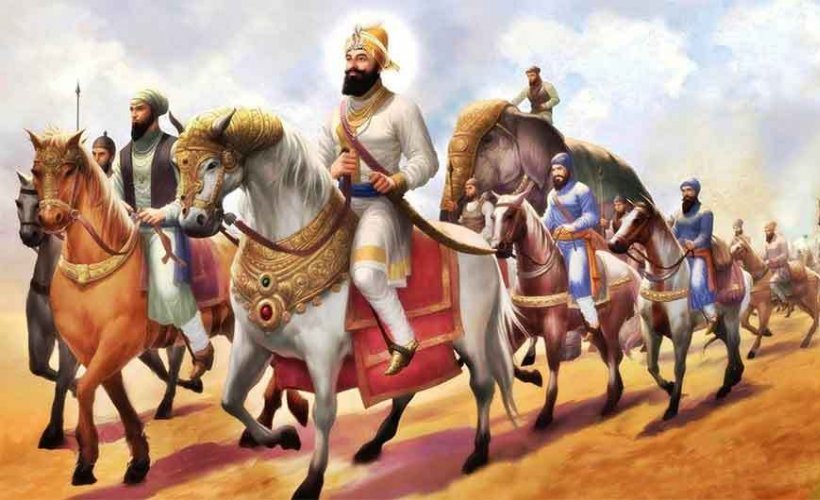
"image": "https://kavishalalab.s3.ap-south-1.amazonaws.com/sootradhar_author/gobind-singh-in-force.jpg",
"name": "Guru Gobind Singh",
"bio": "Guru Gobind Singh ([gʊɾuː goːbɪn̯d̯ᵊ sɪ́ŋgᵊ])(22 December 1666 – 7 October 1708),born Gobind Rai, was the tenth Sikh Guru, a spiritual master, warrior, poet and philosopher. When his father, Guru Tegh Bahadur, was beheaded for refusing to convert to Islam, Guru Gobind Singh was formally installed as the leader of the Sikhs at age nine, becoming the tenth Sikh Guru. His four sons died during his lifetime – two in battle, two executed by the Mughal army.<br>\r\nAmong his notable contributions to Sikhism are founding the Sikh warrior community called Khalsa in 1699 and introducing the Five Ks, the five articles of faith that Khalsa Sikhs wear at all times. Guru Gobind Singh is credited with the Dasam Granth whose hymns are a sacred part of Sikh prayers and Khalsa rituals. He is also credited as the one who finalized and enshrined the Guru Granth Sahib as Sikhism's primary scripture and eternal Guru.<hr>\r\nਗੁਰੂ ਗੋਬਿੰਦ ਸਿੰਘ ਜੀ (੨੨ ਦਿਸੰਬਰ ੧੬੬੬-੭ ਅਕਤੂਬਰ ੧੭੦੮) ਸਿੱਖਾਂ ਦੇ ਦਸਵੇਂ ਗੁਰੂ ਸਨ । ਉਨ੍ਹਾਂ ਦਾ ਜਨਮ ਪਟਨਾ ਸਾਹਿਬ ਵਿਖੇ ਗੁਰੂ ਤੇਗ ਬਹਾਦੁਰ ਜੀ ਦੇ ਘਰ ਹੋਇਆ । ਉਨ੍ਹਾਂ ਦੇ ਮਾਤਾ ਜੀ ਦਾ ਨਾਂ ਮਾਤਾ ਗੁਜਰੀ ਜੀ ਸੀ । ਉਨ੍ਹਾਂ ਨੇ ਸੰਨ ੧੬੯੯ ਦੀ ਵਿਸਾਖੀ ਵਾਲੇ ਦਿਨ ਖਾਲਸਾ ਪੰਥ ਦੀ ਸਿਰਜਨਾ ਕੀਤੀ । ਉਹ ਉੱਚ ਕੋਟੀ ਦੇ ਕਵੀ ਸਨ ਅਤੇ ੫੨ ਹੋਰ ਕਵੀ ਉਨ੍ਹਾਂ ਦੇ ਦਰਬਾਰ ਦੀ ਸ਼ੋਭਾ ਵਧਾਉਂਦੇ ਸਨ । ਉਨ੍ਹਾਂ ਦੀਆਂ ਲਿਖਤਾਂ ਸੰਬੰਧੀ ਵਿਦਵਾਨਾਂ ਵਿੱਚ ਮਤਭੇਦ ਹਨ । ਕਈ ਵਿਦਵਾਨਾਂ ਦਾ ਵਿਚਾਰ ਹੈ ਕਿ ਉਨ੍ਹਾਂ ਦੀਆਂ ਆਪਣੀਆਂ ਅਤੇ ਹੋਰ ਕਵੀਆਂ ਦੀਆਂ ਰਚਨਾਵਾਂ ਆਨੰਦਪੁਰ ਸਾਹਿਬ ਛੱਡਣ ਵੇਲੇ ਸਰਸਾ ਨਦੀ ਵਿੱਚ ਰੁੜ੍ਹ ਗਈਆਂ ਸਨ । ਕਈ ਹੋਰ ਵਿਦਵਾਨਾਂ ਦਾ ਵਿਚਾਰ ਹੈ ਕਿ ਉਨ੍ਹਾਂ ਦੀਆਂ ਰਚਨਾਵਾਂ ਹੋਰ ਗ੍ਰੰਥਾਂ ਵਿੱਚ ਮਿਲਦੀਆਂ ਹਨ ।",
"raw_bio": "Guru Gobind Singh ([gʊɾuː goːbɪn̯d̯ᵊ sɪ́ŋgᵊ])(22 December 1666 – 7 October 1708),born Gobind Rai, was the tenth Sikh Guru, a spiritual master, warrior, poet and philosopher. When his father, Guru Tegh Bahadur, was beheaded for refusing to convert to Islam, Guru Gobind Singh was formally installed as the leader of the Sikhs at age nine, becoming the tenth Sikh Guru. His four sons died during his lifetime – two in battle, two executed by the Mughal army. \r Among his notable contributions to Sikhism are founding the Sikh warrior community called Khalsa in 1699 and introducing the Five Ks, the five articles of faith that Khalsa Sikhs wear at all times. Guru Gobind Singh is credited with the Dasam Granth whose hymns are a sacred part of Sikh prayers and Khalsa rituals. He is also credited as the one who finalized and enshrined the Guru Granth Sahib as Sikhism's primary scripture and eternal Guru. \r ਗੁਰੂ ਗੋਬਿੰਦ ਸਿੰਘ ਜੀ (੨੨ ਦਿਸੰਬਰ ੧੬੬੬-੭ ਅਕਤੂਬਰ ੧੭੦੮) ਸਿੱਖਾਂ ਦੇ ਦਸਵੇਂ ਗੁਰੂ ਸਨ । ਉਨ੍ਹਾਂ ਦਾ ਜਨਮ ਪਟਨਾ ਸਾਹਿਬ ਵਿਖੇ ਗੁਰੂ ਤੇਗ ਬਹਾਦੁਰ ਜੀ ਦੇ ਘਰ ਹੋਇਆ । ਉਨ੍ਹਾਂ ਦੇ ਮਾਤਾ ਜੀ ਦਾ ਨਾਂ ਮਾਤਾ ਗੁਜਰੀ ਜੀ ਸੀ । ਉਨ੍ਹਾਂ ਨੇ ਸੰਨ ੧੬੯੯ ਦੀ ਵਿਸਾਖੀ ਵਾਲੇ ਦਿਨ ਖਾਲਸਾ ਪੰਥ ਦੀ ਸਿਰਜਨਾ ਕੀਤੀ । ਉਹ ਉੱਚ ਕੋਟੀ ਦੇ ਕਵੀ ਸਨ ਅਤੇ ੫੨ ਹੋਰ ਕਵੀ ਉਨ੍ਹਾਂ ਦੇ ਦਰਬਾਰ ਦੀ ਸ਼ੋਭਾ ਵਧਾਉਂਦੇ ਸਨ । ਉਨ੍ਹਾਂ ਦੀਆਂ ਲਿਖਤਾਂ ਸੰਬੰਧੀ ਵਿਦਵਾਨਾਂ ਵਿੱਚ ਮਤਭੇਦ ਹਨ । ਕਈ ਵਿਦਵਾਨਾਂ ਦਾ ਵਿਚਾਰ ਹੈ ਕਿ ਉਨ੍ਹਾਂ ਦੀਆਂ ਆਪਣੀਆਂ ਅਤੇ ਹੋਰ ਕਵੀਆਂ ਦੀਆਂ ਰਚਨਾਵਾਂ ਆਨੰਦਪੁਰ ਸਾਹਿਬ ਛੱਡਣ ਵੇਲੇ ਸਰਸਾ ਨਦੀ ਵਿੱਚ ਰੁੜ੍ਹ ਗਈਆਂ ਸਨ । ਕਈ ਹੋਰ ਵਿਦਵਾਨਾਂ ਦਾ ਵਿਚਾਰ ਹੈ ਕਿ ਉਨ੍ਹਾਂ ਦੀਆਂ ਰਚਨਾਵਾਂ ਹੋਰ ਗ੍ਰੰਥਾਂ ਵਿੱਚ ਮਿਲਦੀਆਂ ਹਨ ।",
"slug": "guru-gobind-singh",
"DOB": "1966-01-05",
"DateOfDemise": "1708-10-07",
"location": "Patna City",
"url": "/sootradhar/guru-gobind-singh",
"tags": "",
"created": "2023-09-22T12:18:48.717945",
"is_has_special_post": false,
"is_special_author": false,
"language": 14
},
{
"id": 688,
"image": "https://kavishalalab.s3.ap-south-1.amazonaws.com/sootradhar_author/Bhagat_Puran_Singh.png",
"name": "Bhagat Puran Singh",
"bio": "Bhagat Puran Singh (4 June 1904 – 5 August 1992) was born in Rajewal (Rohno) Ludhiana district, Punjab. Born into a Hindu family, he was given the name Ramji Das as a child. Later, while still a child, he chose to become a Sikh. Though he never finished his basic schooling, he became a writer, a (self) publisher, an environmentalist, and a philanthropist. He is perhaps best remembered for the home he founded in Amritsar, India, named Pingalwara, a home which long after his death, is still tending to the castaways of society: the sick, disabled and abandoned forlorn people.\r\n<br>\r\nAs a young man he decided to dedicate his life to the 'selfless service of humanity'. He founded Pingalwara in 1947 with only a few patients, the neglected and rejected of the streets of Amritsar. An early advocate of what we today refer to as the 'Green Revolution', Bhagat Puran Singh was spreading awareness about environmental pollution, and increasing soil erosion long before such ideas became popular. Pamphlets with his writings on various subjects, such as environmental awareness, were printed on re-used paper and freely distributed.\r\n<br>\r\nHe was honoured in 1981 by the Government of India with the Padma Shri award, given for exceptional and distinguished service in any field. (See List of Padma Shri award recipients (1980–89)) He was among the citizens of India who returned their awards and medals after the Indian army's attack on the Golden Temple in 1984. He died on 5 August 1992 in Amritsar.<br>\r\n<hr>\r\n<b>Quotes:</b>\r\n<br>\r\n<ul><li>\r\n\"The thoughts of great men are the common heritage of humanity and let our countrymen receive inspiration and guidance from these thoughts.\"</li><li>\r\n\"Freedom is not an achievement but an opportunity.\"</li><li>\r\n\"Those who die for their country are martyrs and those who live for their country are greater martyrs.\"</li><li>\r\n\"Dignity in death is a birthright of each living thing.\"</li><li>\r\n\"All Punjabis should sow trees of \"Bohar\"(Banyan), \"Pippal\" and \"Neem\", which are essential to our eco-system.\"</li><li>\r\n\"Stop these mockeries and do not talk, but live. Do not be anxious to save Sikhism. Rest assured that Sikhism can take care of itself. Your only anxiety should be to save yourself.\"</li></ul>",
"raw_bio": "Bhagat Puran Singh (4 June 1904 – 5 August 1992) was born in Rajewal (Rohno) Ludhiana district, Punjab. Born into a Hindu family, he was given the name Ramji Das as a child. Later, while still a child, he chose to become a Sikh. Though he never finished his basic schooling, he became a writer, a (self) publisher, an environmentalist, and a philanthropist. He is perhaps best remembered for the home he founded in Amritsar, India, named Pingalwara, a home which long after his death, is still tending to the castaways of society: the sick, disabled and abandoned forlorn people.\r \r As a young man he decided to dedicate his life to the 'selfless service of humanity'. He founded Pingalwara in 1947 with only a few patients, the neglected and rejected of the streets of Amritsar. An early advocate of what we today refer to as the 'Green Revolution', Bhagat Puran Singh was spreading awareness about environmental pollution, and increasing soil erosion long before such ideas became popular. Pamphlets with his writings on various subjects, such as environmental awareness, were printed on re-used paper and freely distributed.\r \r He was honoured in 1981 by the Government of India with the Padma Shri award, given for exceptional and distinguished service in any field. (See List of Padma Shri award recipients (1980–89)) He was among the citizens of India who returned their awards and medals after the Indian army's attack on the Golden Temple in 1984. He died on 5 August 1992 in Amritsar. Quotes: \r \"The thoughts of great men are the common heritage of humanity and let our countrymen receive inspiration and guidance from these thoughts.\" \r \"Freedom is not an achievement but an opportunity.\" \r \"Those who die for their country are martyrs and those who live for their country are greater martyrs.\" \r \"Dignity in death is a birthright of each living thing.\" \r \"All Punjabis should sow trees of \"Bohar\"(Banyan), \"Pippal\" and \"Neem\", which are essential to our eco-system.\" \r \"Stop these mockeries and do not talk, but live. Do not be anxious to save Sikhism. Rest assured that Sikhism can take care of itself. Your only anxiety should be to save yourself.\"",
"slug": "bhagat-puran-singh",
"DOB": "1904-06-04",
"DateOfDemise": "1992-08-05",
"location": "Ludhiana, Punjab",
"url": "/sootradhar/bhagat-puran-singh",
"tags": "",
"created": "2023-09-22T12:18:48.729323",
"is_has_special_post": false,
"is_special_author": false,
"language": 14
},
{
"id": 15016,
"image": "https://kavishalalab.s3.ap-south-1.amazonaws.com/kavishala_logo.png",
"name": "Bhai Nand Lal",
"bio": "Bhai Nand Lal (Persian: بھائی نند لال; Punjabi: ਭਾਈ ਨੰਦ ਲਾਲ; 1633–1720), also known by his pen name Goya (Persian: گویا; Punjabi: ਗੋਯਾ), was a 17th-century Sikh poet in the Punjab region.\nLal was born in Ghazni. His father, Diwan Chajju Mal (1600-1652) was a disciple of the 8th Sikh Guru Har Krishan.\nChajju Mal was chief secretary (Diwan) of Dara Shikoh, the eldest son of Shah Jahan. Chajju Mal went with Shikoh to conquer Afghanistan. Dara Shikoh returned to India while Chajju Mal stayed in Ghazni, Afghanistan, where Bhai Nand Lal was born. There, at the age of 12, Lal started writing Persian poetry with the Takallus of Goya. He learned Sanskrit, Hindi, Arabic, and Persian from his father who was a great scholar himself. Lal was a scholar of Islamic studies too, even though he was never initiated into Islam. \nHe lost his mother, Dharga Mal, an Amrithdari Sikh, at 17. At the age of 19, he lost his father. In 1652, Lal settled in Multan, West Punjab, where he married. Lal later became a courtier in the darbar court of Guru Gobind Singh; the tenth Sikh Guru. He was one of the fifty-two poets of the court.\nInitially, he joined Prince Muazzam as secretary and later rose to become chief secretary.\nHe left his job with Prince Muazzam to become the personal teacher of the Mughal emperor's son Prince Bahadur Shah. \nOne day, a letter came from the Persian king which contained a verse from the Quran. The emperor was unable to determine the meaning or find a satisfactory interpretation of this verse. He searched throughout his court and the entire Mughal Empire, but was unable to find a satisfactory interpretation. Upon hearing of his troubles his father, Prince Bahadur Shah asked Lal if he could put together a interpretation for the emperor. The interpretation was provided and it greatly pleased the emperor to such delight. However, when he noticed the name was that of a Hindu, the emperor said that a man who carries such great wisdom of the Quran cannot be of Hindu faith, so he should accept Islam. Upon hearing of this, Prince Bahadur Shah immediately summoned an imperial horse and asked a close friend, Ghyaz Uddin, to help escort his teacher to safety. Immediately, Bhai Nand Lal was forced to flee to Anandpur Sahib, the only place in the entire Mughal Empire that was out of the tyrant emperor's reach. They rode there overnight,\n and appeared before Guru Gobind Singh, who stayed in the town until 1704.",
"raw_bio": "Bhai Nand Lal (Persian: بھائی نند لال; Punjabi: ਭਾਈ ਨੰਦ ਲਾਲ; 1633–1720), also known by his pen name Goya (Persian: گویا; Punjabi: ਗੋਯਾ), was a 17th-century Sikh poet in the Punjab region. Lal was born in Ghazni. His father, Diwan Chajju Mal (1600-1652) was a disciple of the 8th Sikh Guru Har Krishan. Chajju Mal was chief secretary (Diwan) of Dara Shikoh, the eldest son of Shah Jahan. Chajju Mal went with Shikoh to conquer Afghanistan. Dara Shikoh returned to India while Chajju Mal stayed in Ghazni, Afghanistan, where Bhai Nand Lal was born. There, at the age of 12, Lal started writing Persian poetry with the Takallus of Goya. He learned Sanskrit, Hindi, Arabic, and Persian from his father who was a great scholar himself. Lal was a scholar of Islamic studies too, even though he was never initiated into Islam. He lost his mother, Dharga Mal, an Amrithdari Sikh, at 17. At the age of 19, he lost his father. In 1652, Lal settled in Multan, West Punjab, where he married. Lal later became a courtier in the darbar court of Guru Gobind Singh; the tenth Sikh Guru. He was one of the fifty-two poets of the court. Initially, he joined Prince Muazzam as secretary and later rose to become chief secretary. He left his job with Prince Muazzam to become the personal teacher of the Mughal emperor's son Prince Bahadur Shah. One day, a letter came from the Persian king which contained a verse from the Quran. The emperor was unable to determine the meaning or find a satisfactory interpretation of this verse. He searched throughout his court and the entire Mughal Empire, but was unable to find a satisfactory interpretation. Upon hearing of his troubles his father, Prince Bahadur Shah asked Lal if he could put together a interpretation for the emperor. The interpretation was provided and it greatly pleased the emperor to such delight. However, when he noticed the name was that of a Hindu, the emperor said that a man who carries such great wisdom of the Quran cannot be of Hindu faith, so he should accept Islam. Upon hearing of this, Prince Bahadur Shah immediately summoned an imperial horse and asked a close friend, Ghyaz Uddin, to help escort his teacher to safety. Immediately, Bhai Nand Lal was forced to flee to Anandpur Sahib, the only place in the entire Mughal Empire that was out of the tyrant emperor's reach. They rode there overnight, and appeared before Guru Gobind Singh, who stayed in the town until 1704.",
"slug": "bhai-nand-lal-1633-1713",
"DOB": null,
"DateOfDemise": null,
"location": "Unknown",
"url": "/sootradhar/bhai-nand-lal-1633-1713",
"tags": null,
"created": "2024-03-06T12:33:31.770457",
"is_has_special_post": false,
"is_special_author": false,
"language": 14
},
{
"id": 15017,
"image": "https://kavishalalab.s3.ap-south-1.amazonaws.com/kavishala_logo.png",
"name": "Bhai Mani Singh",
"bio": "\nBhai Mani Singh was an 18th-century Sikh scholar and martyr. He was a childhood companion of Guru Gobind Singh and took the vows of Sikhism when the Guru inaugurated the Khalsa in March 1699. Soon after that, the Guru sent him to Amritsar to take charge of Harmandir Sahib, which had been without a custodian since 1696. He took control and steered the course of Sikh destiny at a critical stage in Sikh history.\nThe nature of his death in which he was dismembered joint by joint has become a part of the daily Sikh Ardas (prayer).",
"raw_bio": "Bhai Mani Singh was an 18th-century Sikh scholar and martyr. He was a childhood companion of Guru Gobind Singh and took the vows of Sikhism when the Guru inaugurated the Khalsa in March 1699. Soon after that, the Guru sent him to Amritsar to take charge of Harmandir Sahib, which had been without a custodian since 1696. He took control and steered the course of Sikh destiny at a critical stage in Sikh history. The nature of his death in which he was dismembered joint by joint has become a part of the daily Sikh Ardas (prayer).",
"slug": "bhai-mani-singh-1366-1737",
"DOB": null,
"DateOfDemise": null,
"location": "Unknown",
"url": "/sootradhar/bhai-mani-singh-1366-1737",
"tags": null,
"created": "2024-03-06T12:33:31.779185",
"is_has_special_post": false,
"is_special_author": false,
"language": 14
},
{
"id": 15020,
"image": "https://kavishalalab.s3.ap-south-1.amazonaws.com/kavishala_logo.png",
"name": "Hashim",
"bio": "Shi'a\nNon-denominational\nEurope",
"raw_bio": "Shi'a Non-denominational Europe",
"slug": "hashim-1735-1843",
"DOB": null,
"DateOfDemise": null,
"location": "Unknown",
"url": "/sootradhar/hashim-1735-1843",
"tags": null,
"created": "2024-03-06T12:33:31.788381",
"is_has_special_post": false,
"is_special_author": false,
"language": 14
},
{
"id": 15022,
"image": "https://kavishalalab.s3.ap-south-1.amazonaws.com/kavishala_logo.png",
"name": "Ratan Singh Bhangu",
"bio": "\nRatan Singh Bhangu was a Sikh historian and Nihang who wrote about the Sikhs' struggles and rise to power in North India, in his book Prachin Panth Prakash. This work describes how the Sikh people came to dominate Punjab in the 1700s and remains one of the few historical accounts of the era.\nBhangu was born in the late 1700s, but the exact date is unknown. His grandfather, Sardar Mehtab Singh Mirankotia, was a famous Sikh warrior who helped save the Golden Temple from marauders. He began his work as a historian in 1809, and died in 1846 at the Battle of Sobraon.",
"raw_bio": "Ratan Singh Bhangu was a Sikh historian and Nihang who wrote about the Sikhs' struggles and rise to power in North India, in his book Prachin Panth Prakash. This work describes how the Sikh people came to dominate Punjab in the 1700s and remains one of the few historical accounts of the era. Bhangu was born in the late 1700s, but the exact date is unknown. His grandfather, Sardar Mehtab Singh Mirankotia, was a famous Sikh warrior who helped save the Golden Temple from marauders. He began his work as a historian in 1809, and died in 1846 at the Battle of Sobraon.",
"slug": "ratan-singh-bhangu-died-1846",
"DOB": null,
"DateOfDemise": null,
"location": "Unknown",
"url": "/sootradhar/ratan-singh-bhangu-died-1846",
"tags": null,
"created": "2024-03-06T12:33:31.795706",
"is_has_special_post": false,
"is_special_author": false,
"language": 14
},
{
"id": 15023,
"image": "https://kavishalalab.s3.ap-south-1.amazonaws.com/kavishala_logo.png",
"name": "Pundit Tara Singh",
"bio": "\nPandit Tara Singh Narotam (1822–1891) or also Pundit Tara Singh Nawtam was a famous Punjabi scholar who belonged to the Sikh Nirmala Sect.\nPundit Tara Singh was born into a Sikh family who were originally Brahmins. At the age of twenty, he left his village kahlwan, which was near Qadian, and he arrived at the Niramala dera of Sant Gulab Singh at Kurala, Hoshiarpur.",
"raw_bio": "Pandit Tara Singh Narotam (1822–1891) or also Pundit Tara Singh Nawtam was a famous Punjabi scholar who belonged to the Sikh Nirmala Sect. Pundit Tara Singh was born into a Sikh family who were originally Brahmins. At the age of twenty, he left his village kahlwan, which was near Qadian, and he arrived at the Niramala dera of Sant Gulab Singh at Kurala, Hoshiarpur.",
"slug": "pundit-tara-singh-1822-1891",
"DOB": null,
"DateOfDemise": null,
"location": "Unknown",
"url": "/sootradhar/pundit-tara-singh-1822-1891",
"tags": null,
"created": "2024-03-06T12:33:31.805743",
"is_has_special_post": false,
"is_special_author": false,
"language": 14
},
{
"id": 15024,
"image": "https://kavishalalab.s3.ap-south-1.amazonaws.com/kavishala_logo.png",
"name": "Shardha Ram Phillauri",
"bio": "\nShardha Ram Phillauri (Punjabi pronunciation: ; September 1837 – 24 June 1881) was an Indian writer, poet and social reformer who is remembered for his contributions to Hindi and Punjabi literature. He is best known for his Hindu religious hymn Om Jai Jagdish Hare and Bhagyawati, one of the first novels in Hindi. Phillauri has also been called the \"father of modern Punjabi prose.\" Born in Phillaur, he visited cities across Punjab and died in Lahore in 1881.\nShardha Ram was born in 1837 to a Punjabi Hindu Brahmin family in the town of Phillaur in the Sikh Empire under the reign of Ranjit Singh. His father, Jai Dyalu, was an astrologer. Their gotra was Moudgil. He did not have any formal education as such. By age ten, he had studied Hindi, Sanskrit, Persian, astrology, and music. Later, he was also a missionary of traditional Hinduism (Sanatana dharma).",
"raw_bio": "Shardha Ram Phillauri (Punjabi pronunciation: ; September 1837 – 24 June 1881) was an Indian writer, poet and social reformer who is remembered for his contributions to Hindi and Punjabi literature. He is best known for his Hindu religious hymn Om Jai Jagdish Hare and Bhagyawati, one of the first novels in Hindi. Phillauri has also been called the \"father of modern Punjabi prose.\" Born in Phillaur, he visited cities across Punjab and died in Lahore in 1881. Shardha Ram was born in 1837 to a Punjabi Hindu Brahmin family in the town of Phillaur in the Sikh Empire under the reign of Ranjit Singh. His father, Jai Dyalu, was an astrologer. Their gotra was Moudgil. He did not have any formal education as such. By age ten, he had studied Hindi, Sanskrit, Persian, astrology, and music. Later, he was also a missionary of traditional Hinduism (Sanatana dharma).",
"slug": "shardha-ram-phillauri-1837-1881",
"DOB": null,
"DateOfDemise": null,
"location": "Unknown",
"url": "/sootradhar/shardha-ram-phillauri-1837-1881",
"tags": null,
"created": "2024-03-06T12:33:31.813454",
"is_has_special_post": false,
"is_special_author": false,
"language": 14
},
{
"id": 15025,
"image": "https://kavishalalab.s3.ap-south-1.amazonaws.com/kavishala_logo.png",
"name": "Kahn Singh Nabha",
"bio": "Kahn Singh Nabha (30 August 1861 – 24 November 1938) was a Punjabi Sikh scholar, writer, anthologist, lexicographer, and encyclopedist. His most influential work, Mahan Kosh, inspired generations of scholars after him. He also played a role in the Singh Sabha movement.\nHe was born into a Sikh family to Narain Singh and Har Kaur at the village of Sabaz Banera, located in what was then Patiala State. His father, Narain Singh succeeded to the charge of Gurdwara Dera Baba Ajaypal Singh at Nabha, after the death of his grandfather Sarup Singh in 1861. Kahn Singh was the eldest of three brothers (the other two being Meehan Singh and Bishan Singh) and one sister (Kahn Kaur).\nHe did not attend any school or college for formal education, but studied several branches of learning on his own. By the age of 10 he was able to quote freely from the Guru Granth Sahib and Dasam Granth. In Nabha, he studied Sanskrit classics with local pandits and studied under the famous musicologist Mahant Gajja Singh. In Delhi, he studied Persian with Mawlawis.",
"raw_bio": "Kahn Singh Nabha (30 August 1861 – 24 November 1938) was a Punjabi Sikh scholar, writer, anthologist, lexicographer, and encyclopedist. His most influential work, Mahan Kosh, inspired generations of scholars after him. He also played a role in the Singh Sabha movement. He was born into a Sikh family to Narain Singh and Har Kaur at the village of Sabaz Banera, located in what was then Patiala State. His father, Narain Singh succeeded to the charge of Gurdwara Dera Baba Ajaypal Singh at Nabha, after the death of his grandfather Sarup Singh in 1861. Kahn Singh was the eldest of three brothers (the other two being Meehan Singh and Bishan Singh) and one sister (Kahn Kaur). He did not attend any school or college for formal education, but studied several branches of learning on his own. By the age of 10 he was able to quote freely from the Guru Granth Sahib and Dasam Granth. In Nabha, he studied Sanskrit classics with local pandits and studied under the famous musicologist Mahant Gajja Singh. In Delhi, he studied Persian with Mawlawis.",
"slug": "kahn-singh-nabha-1861-1938",
"DOB": null,
"DateOfDemise": null,
"location": "Unknown",
"url": "/sootradhar/kahn-singh-nabha-1861-1938",
"tags": null,
"created": "2024-03-06T12:33:31.820998",
"is_has_special_post": false,
"is_special_author": false,
"language": 14
},
{
"id": 15026,
"image": "https://kavishalalab.s3.ap-south-1.amazonaws.com/kavishala_logo.png",
"name": "Akali Kaur Singh",
"bio": "Akali Kaur Singh Nihang (28 February 1886 – 23 January 1953) was a religious preacher and Sikh scholar.\nHe was born on 28 February 1886 as Puran Singh, son of Mahan Singh and Malkaram Kaur of Village Paddhar, Chakar, in Pakistan-administered Kashmir. Kaur Singh studied Sikh scriptural texts, Sanskrit, Braj and Ayurveda under Bava Mahari Singh. In 1904, he became student of Giani Bagh Singh, a well known scholar of Peshawar. He used to take part in Arya Samaj Debates. He turn Nihang and renamed as Kaur singh at Hazoor Sahib, Nanded.\nHe preached the message of guru during his travels throughout India and Afghanistan.",
"raw_bio": "Akali Kaur Singh Nihang (28 February 1886 – 23 January 1953) was a religious preacher and Sikh scholar. He was born on 28 February 1886 as Puran Singh, son of Mahan Singh and Malkaram Kaur of Village Paddhar, Chakar, in Pakistan-administered Kashmir. Kaur Singh studied Sikh scriptural texts, Sanskrit, Braj and Ayurveda under Bava Mahari Singh. In 1904, he became student of Giani Bagh Singh, a well known scholar of Peshawar. He used to take part in Arya Samaj Debates. He turn Nihang and renamed as Kaur singh at Hazoor Sahib, Nanded. He preached the message of guru during his travels throughout India and Afghanistan.",
"slug": "akali-kaur-singh-1866-1953",
"DOB": null,
"DateOfDemise": null,
"location": "Unknown",
"url": "/sootradhar/akali-kaur-singh-1866-1953",
"tags": null,
"created": "2024-03-06T12:33:31.834612",
"is_has_special_post": false,
"is_special_author": false,
"language": 14
},
{
"id": 15027,
"image": "https://kavishalalab.s3.ap-south-1.amazonaws.com/kavishala_logo.png",
"name": "Bhai Vir Singh",
"bio": "\nBhai Vir Singh (5 December 1872 – 10 June 1957) was an Indian poet, scholar, and theologian of the Sikh revival movement, playing an important part in the renewal of Punjabi literary tradition. Singh's contributions were so important and influential that he became canonized as Bhai, an honorific often given to those who could be considered a saint of the Sikh faith.\nBorn in 1872, in Amritsar, Bhai Vir Singh was the eldest of Dr. Charan Singh's three sons. Vir Singh's family could trace its ancestry as far back as to Diwan Kaura Mal, a vice-governor (Maharaja Bahadur) of the city Multan. His grandfather, Kahn Singh (1788–1878), spent a great deal of his youth training and learning traditional Sikh lessons in monasteries. Fluent in Sanskrit and Braj, as well as in the oriental systems of medicine (such as Ayurveda, Siddha and Yunani), Kahn Singh influenced his only son, Dr. Charan Singh, who later fathered Vir Singh, to become an active member of the Sikh community, often producing poetry, music, and writings in hopes of restoring the Sikh community. At seventeen, Bhai Vir Singh himself married Chatar Kaur and had two daughters with her. He died in Amritsar on 10 June 1957.",
"raw_bio": "Bhai Vir Singh (5 December 1872 – 10 June 1957) was an Indian poet, scholar, and theologian of the Sikh revival movement, playing an important part in the renewal of Punjabi literary tradition. Singh's contributions were so important and influential that he became canonized as Bhai, an honorific often given to those who could be considered a saint of the Sikh faith. Born in 1872, in Amritsar, Bhai Vir Singh was the eldest of Dr. Charan Singh's three sons. Vir Singh's family could trace its ancestry as far back as to Diwan Kaura Mal, a vice-governor (Maharaja Bahadur) of the city Multan. His grandfather, Kahn Singh (1788–1878), spent a great deal of his youth training and learning traditional Sikh lessons in monasteries. Fluent in Sanskrit and Braj, as well as in the oriental systems of medicine (such as Ayurveda, Siddha and Yunani), Kahn Singh influenced his only son, Dr. Charan Singh, who later fathered Vir Singh, to become an active member of the Sikh community, often producing poetry, music, and writings in hopes of restoring the Sikh community. At seventeen, Bhai Vir Singh himself married Chatar Kaur and had two daughters with her. He died in Amritsar on 10 June 1957.",
"slug": "bhai-vir-singh-1872-1957",
"DOB": null,
"DateOfDemise": null,
"location": "Unknown",
"url": "/sootradhar/bhai-vir-singh-1872-1957",
"tags": null,
"created": "2024-03-06T12:33:31.844199",
"is_has_special_post": false,
"is_special_author": false,
"language": 14
}
],
"description": "<p style=\"text-align: center; font-size: 24px;\"> The Great Poets and Writers in Indian and World History! </p>",
"image": "https://kavishalalab.s3.ap-south-1.amazonaws.com/sootradhar_description/black.jpg"
}