HTTP 200 OK
Allow: GET, HEAD, OPTIONS
Content-Type: application/json
Vary: Accept

{
    "count": 17752,
    "next": "http://admin.kavishala.in/sootradhar/authors/?format=api&page=729",
    "previous": "http://admin.kavishala.in/sootradhar/authors/?format=api&page=727",
    "results": [
        {
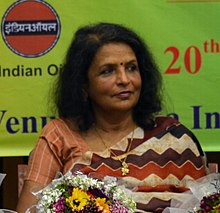
            "id": 27661,
            "image": "https://kavishalalab.s3.ap-south-1.amazonaws.com/sootradhar_author/Yashodhara_Mishra.jpg",
            "name": "Yashodhara Mishra",
            "bio": "<br>Dr. Yashodhara Mishra (born 1951) is a Odia writer and poet. She is a professor of English who has published poems, several collections of short stories and novels. She was a fellow at the Indian Institute of Advanced Study.<br>Mishra was born in Sambalpur in 1951. She is a poet and a professor of English who has published several collections of short stories and novels. She has worked in the Odia language, Hindi and English.<br>Mishra has garnered a number of awards including the Katha Prize Story award.<br>She is a fellow at the Indian Institute of Advanced Study where her research includes rituals and gender and the Women of Orissa.<br>Mishra won the Sahitya Akademi Award for Odia in 2020 for her book, Samudrakula Ghara.<br><br>This article about an Indian writer or poet is a stub. You can help Kavishala by expanding it.",
            "raw_bio": "Dr. Yashodhara Mishra (born 1951) is a Odia writer and poet. She is a professor of English who has published poems, several collections of short stories and novels. She was a fellow at the Indian Institute of Advanced Study. Mishra was born in Sambalpur in 1951. She is a poet and a professor of English who has published several collections of short stories and novels. She has worked in the Odia language, Hindi and English. Mishra has garnered a number of awards including the Katha Prize Story award. She is a fellow at the Indian Institute of Advanced Study where her research includes rituals and gender and the Women of Orissa. Mishra won the Sahitya Akademi Award for Odia in 2020 for her book, Samudrakula Ghara. This article about an Indian writer or poet is a stub. You can help Kavishala by expanding it.",
            "slug": "yashodhara-mishra",
            "DOB": null,
            "DateOfDemise": null,
            "location": "",
            "url": "/sootradhar/yashodhara-mishra",
            "tags": null,
            "created": "2023-12-27T18:59:32.445232",
            "is_has_special_post": false,
            "is_special_author": false,
            "language": 13
        },
        {
            "id": 27662,
            "image": "https://kavishalalab.s3.ap-south-1.amazonaws.com/sootradhar_author/kavishala_logo.png",
            "name": "Brahmotri Mohanty",
            "bio": "<br>Brahmotri Mohanty (née Pattanayak) (1934 - 30 June 2010) was an Odia writer who writes in Odia. She has written numerous collections of poems. She is best known for her poetry collection Drushtira Dyuti for which she won Odisha Sahitya Akademi Award in 1983.<br>She was born at Puri in 1934. She is married to a Bijaykrushna Mohanty, an Odisha sahitya akademi award winner. She died aged 76.<br>Her first poem was published in 1950. Her poems have been published in many Odia periodicals. Her first collection of poetry was published in 1972.[]",
            "raw_bio": "Brahmotri Mohanty (née Pattanayak) (1934 - 30 June 2010) was an Odia writer who writes in Odia. She has written numerous collections of poems. She is best known for her poetry collection Drushtira Dyuti for which she won Odisha Sahitya Akademi Award in 1983. She was born at Puri in 1934. She is married to a Bijaykrushna Mohanty, an Odisha sahitya akademi award winner. She died aged 76. Her first poem was published in 1950. Her poems have been published in many Odia periodicals. Her first collection of poetry was published in 1972.[]",
            "slug": "brahmotri-mohanty",
            "DOB": null,
            "DateOfDemise": null,
            "location": "",
            "url": "/sootradhar/brahmotri-mohanty",
            "tags": null,
            "created": "2023-12-27T18:59:39.818149",
            "is_has_special_post": false,
            "is_special_author": false,
            "language": 13
        },
        {
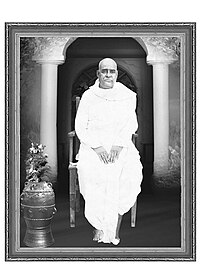
            "id": 27663,
            "image": "https://kavishalalab.s3.ap-south-1.amazonaws.com/sootradhar_author/Durga_Charan_Mohanty.jpg",
            "name": "Durga Charan Mohanty",
            "bio": "<br>Durga Charan Mohanty (Odia:ଦୁର୍ଗାଚରଣ ମହାନ୍ତି, (1912–1985) was an Odia Indian spiritual writer born in 1912 at Biratunga, a village under block Gop, near Konark, Odisha. The Odia Sahitya Akademi has been awarded to him in 1956–58 due to his active involvement in development of Odia language and literature Being a disciple of Swami Nigamananda, he wrote many books and translated Nigamananda's own-written Bengali books to Odia language. He was ପରିଚାଳକ (Secretary/Parichalaka) of ନୀଳାଚଳ ସାରସ୍ୱତ ସଂଘ (Nilachala Saraswata Sangha).<br>His father Gunanidhi Mohanty was a Jamindar and mother Sundarmani Mohanty was President of Nilachala Saraswata Sangha (Women Association).<br>After reading Yogiguru (योगीगुरु) and Premikaguru (प्रेमिकगुरु) respectively, authored by Swami Nigamananda, at Raghunandanan Library, Puri, the vigraha(portrait) of Swami Nigamananda present in the books attracted him very much. At the same time he began worshiping this portrait and considered Nigamananda as his spiritual master and revered God. He began to search Nigamananda and finally met him in Nilachala Kutir Puri on 20 March 1930, Thursday. At that time he was only seventeen years old and a student of class IX in Puri district School. On first meeting he was overwhelmed by his appearance and realised Nigamananda as Ishwar. Since that day, he became a regular visitor to Nilachala Kutir for his darshan. He used to note down guru Nigamananda's sayings(upadesh), later he published these \"upadesh\"(gospels)in books like Nilachala Vani and Nigama Upadesh. Subsequently, he wrote many books for Nilachala Saraswata Sangha and translated Nigamananda's originally written Bengali books, ବ୍ରହ୍ମଚର୍ୟ ସାଧନା(Brahamcharya Sadhana), ଯୋଗୀଗୁରୁ(Yogi Guru), ଜ୍ଞାନୀ ଗୁରୁ(Gyani Guru), ତାନ୍ତ୍ରିକ ଗୁରୁ(Tantrika Guru), and ପ୍ରେମିକଗୁରୁ(Premika Guru), into Odia language. On Trilochan Ashtami, 5 June 1934, he was initiated as disciples of Swami Nigamananda. Being a disciple of Nigamananda, Mohanty spent his entire life on his service. Due to Mohanty's pioneer efforts over a hundred Nigamananda Ashrams were established and survive in Odisha. He continued to preach Nigamananda's philosophy till he left his physical body on 7 December 1985 at Biratunga.<br>The following books in Odia are published by Nilachala Saraswata Sangha on Durga Charan Mohanty's life, works, achievements   :<br>+ ପରିଚାଳକଙ୍କ ବାଣୀ (Parichalakanka Bani) – By Banchhanidhi Mishra<br>The High School, Saraswata Bidyapitha was established by him in 1964 at Biratunga his own village.<br>The series of books written/translated by him for Nilachala Saraswata Sangha in Odia are listed here:<br>Odia Sahitya Akademi winner book Bhagwan Shankaracharya written by Durga Charan Mohanty<br>Sri Durga Charan Mohanty was awarded with the prestigious Oriya Sahitya Akademi award ( an award given for working actively for the development of Oriya language and literature) by Oriya Sahitya Akademi for his outstanding contribution in the form of a written book Bhagawan Sankaracharya which was published in 1956–58.<br>According to few sources, he was also a notable social leader in Odisha.<br>Nilachala Saraswata Sangha celebrated 100th Birthday of Sri Durga Charan Mohanty with much fervor and spiritual enthusiasm on 9 November 2011 with approximate 3500 Nigamananda devotees at Biratunga. This function is started on 9 November 2011 and said to be continued till November 2012.<br>",
            "raw_bio": "Durga Charan Mohanty (Odia:ଦୁର୍ଗାଚରଣ ମହାନ୍ତି, (1912–1985) was an Odia Indian spiritual writer born in 1912 at Biratunga, a village under block Gop, near Konark, Odisha. The Odia Sahitya Akademi has been awarded to him in 1956–58 due to his active involvement in development of Odia language and literature Being a disciple of Swami Nigamananda, he wrote many books and translated Nigamananda's own-written Bengali books to Odia language. He was ପରିଚାଳକ (Secretary/Parichalaka) of ନୀଳାଚଳ ସାରସ୍ୱତ ସଂଘ (Nilachala Saraswata Sangha). His father Gunanidhi Mohanty was a Jamindar and mother Sundarmani Mohanty was President of Nilachala Saraswata Sangha (Women Association). After reading Yogiguru (योगीगुरु) and Premikaguru (प्रेमिकगुरु) respectively, authored by Swami Nigamananda, at Raghunandanan Library, Puri, the vigraha(portrait) of Swami Nigamananda present in the books attracted him very much. At the same time he began worshiping this portrait and considered Nigamananda as his spiritual master and revered God. He began to search Nigamananda and finally met him in Nilachala Kutir Puri on 20 March 1930, Thursday. At that time he was only seventeen years old and a student of class IX in Puri district School. On first meeting he was overwhelmed by his appearance and realised Nigamananda as Ishwar. Since that day, he became a regular visitor to Nilachala Kutir for his darshan. He used to note down guru Nigamananda's sayings(upadesh), later he published these \"upadesh\"(gospels)in books like Nilachala Vani and Nigama Upadesh. Subsequently, he wrote many books for Nilachala Saraswata Sangha and translated Nigamananda's originally written Bengali books, ବ୍ରହ୍ମଚର୍ୟ ସାଧନା(Brahamcharya Sadhana), ଯୋଗୀଗୁରୁ(Yogi Guru), ଜ୍ଞାନୀ ଗୁରୁ(Gyani Guru), ତାନ୍ତ୍ରିକ ଗୁରୁ(Tantrika Guru), and ପ୍ରେମିକଗୁରୁ(Premika Guru), into Odia language. On Trilochan Ashtami, 5 June 1934, he was initiated as disciples of Swami Nigamananda. Being a disciple of Nigamananda, Mohanty spent his entire life on his service. Due to Mohanty's pioneer efforts over a hundred Nigamananda Ashrams were established and survive in Odisha. He continued to preach Nigamananda's philosophy till he left his physical body on 7 December 1985 at Biratunga. The following books in Odia are published by Nilachala Saraswata Sangha on Durga Charan Mohanty's life, works, achievements   : + ପରିଚାଳକଙ୍କ ବାଣୀ (Parichalakanka Bani) – By Banchhanidhi Mishra The High School, Saraswata Bidyapitha was established by him in 1964 at Biratunga his own village. The series of books written/translated by him for Nilachala Saraswata Sangha in Odia are listed here: Odia Sahitya Akademi winner book Bhagwan Shankaracharya written by Durga Charan Mohanty Sri Durga Charan Mohanty was awarded with the prestigious Oriya Sahitya Akademi award ( an award given for working actively for the development of Oriya language and literature) by Oriya Sahitya Akademi for his outstanding contribution in the form of a written book Bhagawan Sankaracharya which was published in 1956–58. According to few sources, he was also a notable social leader in Odisha. Nilachala Saraswata Sangha celebrated 100th Birthday of Sri Durga Charan Mohanty with much fervor and spiritual enthusiasm on 9 November 2011 with approximate 3500 Nigamananda devotees at Biratunga. This function is started on 9 November 2011 and said to be continued till November 2012.",
            "slug": "durga-charan-mohanty",
            "DOB": null,
            "DateOfDemise": null,
            "location": "",
            "url": "/sootradhar/durga-charan-mohanty",
            "tags": null,
            "created": "2023-12-27T18:59:44.198348",
            "is_has_special_post": false,
            "is_special_author": false,
            "language": 13
        },
        {
            "id": 27664,
            "image": "https://kavishalalab.s3.ap-south-1.amazonaws.com/sootradhar_author/kavishala_logo.png",
            "name": "Kumudini Mohapatra",
            "bio": "<br>Kumudini Mohapatra (1930–2006) was an Odia-language Indian author and translator from the state of Odisha. Her travelogue Americara Ghara O Gharani and science fiction Chandra Abhimukhe Abhijaan are a few of her popular works. Mohapatra was married to Gokulananda Mahapatra. She was active in Science-writing during 1947–1948.<br>Mohapatra was married to Gokulananda Mahapatra. The couple had five children; Jyotshna, Girija, Rashmi, Snigdha, and Nanda Nandan.",
            "raw_bio": "Kumudini Mohapatra (1930–2006) was an Odia-language Indian author and translator from the state of Odisha. Her travelogue Americara Ghara O Gharani and science fiction Chandra Abhimukhe Abhijaan are a few of her popular works. Mohapatra was married to Gokulananda Mahapatra. She was active in Science-writing during 1947–1948. Mohapatra was married to Gokulananda Mahapatra. The couple had five children; Jyotshna, Girija, Rashmi, Snigdha, and Nanda Nandan.",
            "slug": "kumudini-mohapatra",
            "DOB": null,
            "DateOfDemise": null,
            "location": "",
            "url": "/sootradhar/kumudini-mohapatra",
            "tags": null,
            "created": "2023-12-27T18:59:49.665981",
            "is_has_special_post": false,
            "is_special_author": false,
            "language": 13
        },
        {
            "id": 27665,
            "image": "https://kavishalalab.s3.ap-south-1.amazonaws.com/sootradhar_author/kavishala_logo.png",
            "name": "Manorama Mohapatra",
            "bio": "Manorama Mohapatra (10 June 1934 – 18 September 2021) was an Indian writer, poet, and editor, working primarily in the Odia language. She wrote forty books consisting of novels and poetry, and edited an Odia newspaper, The Samaj. She was the recipient of several literary awards, including Odisha state's highest literary honor, the Odisha Sahitya Akademi Award in 1984. She was the first woman to be elected president of the Odisha State Sahitya Akademi, a literary organization for the state of Odisha.<br>Mohapatra was born in 1934 in Odisha, India. Her father, Dr Radhanath Rath was the editor of an Odia-language daily newspaper, The Samaj. Her undergraduate education was in economics, at Ravenshaw University in Odisha. She briefly taught economics. She died on 18 September 2021, and her funeral was performed with state honors.<br>Mohapatra began her career as a columnist for the daily newspaper The Samaj, which was edited by her father, writing on politics and contemporary issues. She later succeeded him as the editor of the newspaper. in 1960, she published her first book of poetry, Juar Jeiunthi Uthe, which focused on themes of empowering women. She went on to write forty books, including novels and poetry, primarily in the Odia language, but also in Bengali. Some significant works include Ardhanareeswara, Baidehi Visarjita, Sanghatir Samhita, Shakti Rupena Sansthita, Roopam Roopam Pratirupam, Smruti Chandan, Samay Purusha, and Smritir Naimisharanya. She also performed publicly, as an orator. From 1982 to 1990, she was elected president of a literary society, the Utkal Sahitya Samaj, and from 1991 to 1994, she was elected the first woman president of the state literary society, the Odisha Sahitya Akademi.<br>Mohapatra's contributions to literature were recognised publicly following her death, with the Chief Minister of Odisha, Naveen Patnaik, noting that in addition to her writing, she \"...played a key role in creating awareness on different social problems, rights of women and problems faced by them.\" Mohapatra's writing focused on themes of empowering women, dealing with contemporary issues and politics concerning women's rights. Mohapatra also volunteered with a number of charitable organizations in Odisha, including the Red Cross Society, Social Service Guild of Orissa, and Lok Sevak Mandal.<br>Mohapatra won a number of literary awards during her career, including:<br>Notable works by Mohapatra include Juar Jeiunthi Uthe (1960) (poetry), Band Gharara Kabat (short stories), as well as Ardhanareeswara, Baidehi Visarjita, Sanghatir Samhita, Shakti Rupena Sansthita, Roopam Roopam Pratirupam, Smruti Chandan, Samay Purusha, Smritir Naimisharanya, 151 Poems, Arup Aalo in Bengali, Ye Prithvi Sarsajjya, and Uttara Niruttara.",
            "raw_bio": "Manorama Mohapatra (10 June 1934 – 18 September 2021) was an Indian writer, poet, and editor, working primarily in the Odia language. She wrote forty books consisting of novels and poetry, and edited an Odia newspaper, The Samaj. She was the recipient of several literary awards, including Odisha state's highest literary honor, the Odisha Sahitya Akademi Award in 1984. She was the first woman to be elected president of the Odisha State Sahitya Akademi, a literary organization for the state of Odisha. Mohapatra was born in 1934 in Odisha, India. Her father, Dr Radhanath Rath was the editor of an Odia-language daily newspaper, The Samaj. Her undergraduate education was in economics, at Ravenshaw University in Odisha. She briefly taught economics. She died on 18 September 2021, and her funeral was performed with state honors. Mohapatra began her career as a columnist for the daily newspaper The Samaj, which was edited by her father, writing on politics and contemporary issues. She later succeeded him as the editor of the newspaper. in 1960, she published her first book of poetry, Juar Jeiunthi Uthe, which focused on themes of empowering women. She went on to write forty books, including novels and poetry, primarily in the Odia language, but also in Bengali. Some significant works include Ardhanareeswara, Baidehi Visarjita, Sanghatir Samhita, Shakti Rupena Sansthita, Roopam Roopam Pratirupam, Smruti Chandan, Samay Purusha, and Smritir Naimisharanya. She also performed publicly, as an orator. From 1982 to 1990, she was elected president of a literary society, the Utkal Sahitya Samaj, and from 1991 to 1994, she was elected the first woman president of the state literary society, the Odisha Sahitya Akademi. Mohapatra's contributions to literature were recognised publicly following her death, with the Chief Minister of Odisha, Naveen Patnaik, noting that in addition to her writing, she \"...played a key role in creating awareness on different social problems, rights of women and problems faced by them.\" Mohapatra's writing focused on themes of empowering women, dealing with contemporary issues and politics concerning women's rights. Mohapatra also volunteered with a number of charitable organizations in Odisha, including the Red Cross Society, Social Service Guild of Orissa, and Lok Sevak Mandal. Mohapatra won a number of literary awards during her career, including: Notable works by Mohapatra include Juar Jeiunthi Uthe (1960) (poetry), Band Gharara Kabat (short stories), as well as Ardhanareeswara, Baidehi Visarjita, Sanghatir Samhita, Shakti Rupena Sansthita, Roopam Roopam Pratirupam, Smruti Chandan, Samay Purusha, Smritir Naimisharanya, 151 Poems, Arup Aalo in Bengali, Ye Prithvi Sarsajjya, and Uttara Niruttara.",
            "slug": "manorama-mohapatra",
            "DOB": null,
            "DateOfDemise": null,
            "location": "",
            "url": "/sootradhar/manorama-mohapatra",
            "tags": null,
            "created": "2023-12-27T18:59:52.850137",
            "is_has_special_post": false,
            "is_special_author": false,
            "language": 13
        },
        {
            "id": 27666,
            "image": "https://kavishalalab.s3.ap-south-1.amazonaws.com/sootradhar_author/kavishala_logo.png",
            "name": "Rajendra Kishore Panda",
            "bio": "<br>Rajendra Kishore Panda (born 1944) is an Indian Odia language poet and novelist. He has published 16 poetry collections. He was awarded the Gangadhar National Award in 2010, and the Sahitya Akademi Award in 1985. He received Kuvempu Rashtriya Puraskar for 2020.<br>He was born on 24 June 1944 in Natasha, a village Sambalpur district of Odisha state. He earned his Master of Arts degree from Allahabad University.<br>His first collection of poems, Gaun Devata ( Minor Gods ), was published in 1947.<br>In 2004, he was awarded a D.Lit. by Sambalpur University. He was awarded the Gangadhar National Award in 2010, and the Sahitya Akademi Award in 1985 for his book Shailakalpa.",
            "raw_bio": "Rajendra Kishore Panda (born 1944) is an Indian Odia language poet and novelist. He has published 16 poetry collections. He was awarded the Gangadhar National Award in 2010, and the Sahitya Akademi Award in 1985. He received Kuvempu Rashtriya Puraskar for 2020. He was born on 24 June 1944 in Natasha, a village Sambalpur district of Odisha state. He earned his Master of Arts degree from Allahabad University. His first collection of poems, Gaun Devata ( Minor Gods ), was published in 1947. In 2004, he was awarded a D.Lit. by Sambalpur University. He was awarded the Gangadhar National Award in 2010, and the Sahitya Akademi Award in 1985 for his book Shailakalpa.",
            "slug": "rajendra-kishore-panda",
            "DOB": null,
            "DateOfDemise": null,
            "location": "",
            "url": "/sootradhar/rajendra-kishore-panda",
            "tags": null,
            "created": "2023-12-27T18:59:55.910629",
            "is_has_special_post": false,
            "is_special_author": false,
            "language": 13
        },
        {
            "id": 27667,
            "image": "https://kavishalalab.s3.ap-south-1.amazonaws.com/sootradhar_author/kavishala_logo.png",
            "name": "Dinanath Pathy",
            "bio": "Dinanath Pathy (1942 – 29 August 2016) was an Indian painter, author and art historian from the state of Odisha. Pathy was the former secretary of Lalit Kala Akademi in New Delhi and Bhubaneswar. He was the founding principal of the  B.K. College of Art and Crafts. Pathy was awarded the President of India Silver Plaque for painting, Odisha Sahitya Academy Award for autobiography \"Digapahandira Drawing Master\", and Jawaharlal Nehru Fellowship for his research in art. He was nominated for the International Rietberg Award from Rietberg Society in 2014 for his contributions to research on Indian art history. Pathy authored over 50 books in English, Odia and German on classical, traditional, tribal, folk, rural and contemporary art of Odisha.<br>Pathy died of cardiac arrest at the age of 74 on 29 August 2016 in Bhubaneswar.<br>Pathy was born in 1942 at Digapahandi, Ganjam, Odisha.<br>Pathy worked as a theater curtain painter and a makeup man with no vocation education. He later graduated in fine arts from Government College of Arts and Crafts Khallikote. Pathy also studied in Utkal University and later in Visva-Bharati University.<br>He worked as the arts and crafts curator in Odisha State Museum. He was the founder principal of B.K. College of Art and Crafts, Bhubaneswar.<br>Pathy was the secretary of Lalit Kala Akademi in New Delhi and president of Odisha Lalit Kala Akademi, Bhubaneswar. He worked with  Eberhard Fischer, former director Emeritus, Rietberg Museum for over thirty years to promote the arts of Odisha globally. He was working as the chairman of Ila Panda Centre for Arts and director of Alice Boner Institute, Varanasi before his death.<br>Pathy was awarded the President of India Silver Plaque for his contribution to painting.<br>Pathy has authored more than 50 books in English, Odia and German about classical, traditional, tribal, folk, rural and contemporary art of Odisha. He received the Odisha Sahitya Academy Award for his autobiography \"Digapahandira Drawing Master\".",
            "raw_bio": "Dinanath Pathy (1942 – 29 August 2016) was an Indian painter, author and art historian from the state of Odisha. Pathy was the former secretary of Lalit Kala Akademi in New Delhi and Bhubaneswar. He was the founding principal of the  B.K. College of Art and Crafts. Pathy was awarded the President of India Silver Plaque for painting, Odisha Sahitya Academy Award for autobiography \"Digapahandira Drawing Master\", and Jawaharlal Nehru Fellowship for his research in art. He was nominated for the International Rietberg Award from Rietberg Society in 2014 for his contributions to research on Indian art history. Pathy authored over 50 books in English, Odia and German on classical, traditional, tribal, folk, rural and contemporary art of Odisha. Pathy died of cardiac arrest at the age of 74 on 29 August 2016 in Bhubaneswar. Pathy was born in 1942 at Digapahandi, Ganjam, Odisha. Pathy worked as a theater curtain painter and a makeup man with no vocation education. He later graduated in fine arts from Government College of Arts and Crafts Khallikote. Pathy also studied in Utkal University and later in Visva-Bharati University. He worked as the arts and crafts curator in Odisha State Museum. He was the founder principal of B.K. College of Art and Crafts, Bhubaneswar. Pathy was the secretary of Lalit Kala Akademi in New Delhi and president of Odisha Lalit Kala Akademi, Bhubaneswar. He worked with  Eberhard Fischer, former director Emeritus, Rietberg Museum for over thirty years to promote the arts of Odisha globally. He was working as the chairman of Ila Panda Centre for Arts and director of Alice Boner Institute, Varanasi before his death. Pathy was awarded the President of India Silver Plaque for his contribution to painting. Pathy has authored more than 50 books in English, Odia and German about classical, traditional, tribal, folk, rural and contemporary art of Odisha. He received the Odisha Sahitya Academy Award for his autobiography \"Digapahandira Drawing Master\".",
            "slug": "dinanath-pathy",
            "DOB": null,
            "DateOfDemise": null,
            "location": "",
            "url": "/sootradhar/dinanath-pathy",
            "tags": null,
            "created": "2023-12-27T19:00:02.995266",
            "is_has_special_post": false,
            "is_special_author": false,
            "language": 13
        },
        {
            "id": 27668,
            "image": "https://kavishalalab.s3.ap-south-1.amazonaws.com/sootradhar_author/kavishala_logo.png",
            "name": "Pathani Pattnaik",
            "bio": "Pathani Pattnaik (19 September 1928 – 4 February 2017) was an Indian writer of Odia language. He won the Sahitya Akademi Award in 2010 for his autobiography Jibanara Chalapathe.<br>Pattanaik was born on 19 September 1928 at Golobai village of Khurda district, Odisha. He received primary schooling in his village and later completed matriculation from Puri District School in 1945. He received his post-graduation from Ravenshaw College. He served as principal of Christ College and as the president of Odisha Sahitya Akademi from 2000 to 2003.<br>He died on 4 February 2017.<br>He wrote over 80 books in different literary forms including children literature, novel, short stories and linguistics.<br>Pattanaik received the Sahitya Akademi Award in 2010 for his autobiography Jibanara Chalapathe.  He won the Odia Sahitya Academy Award in 1993.<br><br>This article about an Indian writer or poet is a stub. You can help Kavishala by expanding it.",
            "raw_bio": "Pathani Pattnaik (19 September 1928 – 4 February 2017) was an Indian writer of Odia language. He won the Sahitya Akademi Award in 2010 for his autobiography Jibanara Chalapathe. Pattanaik was born on 19 September 1928 at Golobai village of Khurda district, Odisha. He received primary schooling in his village and later completed matriculation from Puri District School in 1945. He received his post-graduation from Ravenshaw College. He served as principal of Christ College and as the president of Odisha Sahitya Akademi from 2000 to 2003. He died on 4 February 2017. He wrote over 80 books in different literary forms including children literature, novel, short stories and linguistics. Pattanaik received the Sahitya Akademi Award in 2010 for his autobiography Jibanara Chalapathe.  He won the Odia Sahitya Academy Award in 1993. This article about an Indian writer or poet is a stub. You can help Kavishala by expanding it.",
            "slug": "pathani-pattnaik",
            "DOB": null,
            "DateOfDemise": null,
            "location": "",
            "url": "/sootradhar/pathani-pattnaik",
            "tags": null,
            "created": "2023-12-27T19:00:07.324456",
            "is_has_special_post": false,
            "is_special_author": false,
            "language": 13
        },
        {
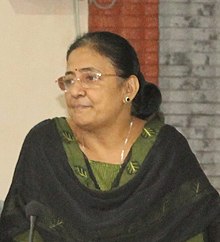
            "id": 27669,
            "image": "https://kavishalalab.s3.ap-south-1.amazonaws.com/sootradhar_author/Puspashree_Pattnaik.jpg",
            "name": "Puspashree Pattnaik",
            "bio": "<br>Puspashree Pattnaik is an Indian educator, popular science author, activist and archivist. She is known for her contribution to the fields of science education, popular science, environmentalism, and archiving. Exploring Nature is one of her notable books. She co-founded nonprofit Srujanika that focuses on research and innovation in science, education, and development with an emphasis on the Odia language, along with her husband Nikhil Mohan Pattnaik. Pattnaik co-founded the children's educational initiative Integral Education Centre at Srujanika and co-edited the organization's magazine Bigyana Tarang. The Odisha Bigyan Academy awarded her the Pranakrushna Parija Popular Science Award for the book, Kahinki Bhai Kahinki in 1997.<br>Puspashree Pattnaik was born in Puri, Odisha, India.<br>Pattnak studied Master of Science in Zoology from Utkal University and Bachelor of Education.<br>She co-founded Srujanika along with her husband in 1983 with a focus on research and innovation in science, education, and development, specifically with an emphasis on the Odia language. She led the Integral Children Education Centre for children, co-edited popular science magazine Bigyan Taranga and led Srujanika's teacher and student engagement initiatives. She oversaw the organization's archiving activities including archiving large volume of public domain and other books and review of the digitized version of the Purnnachandra Ordia Bhashakosha, and hosting the books on the online portal Odia Bibhaba.<br>Pattnaik also co-started the Integral Children Education Centre, also known as the Sunday school, in their private house and garden to help children who faced difficulties in getting an education due to various reasons such as lack of interest from parents, financial problems, or belonging to the Dalit communities. The school was completely voluntary, and the children used to come on Sunday afternoons. Instead of set plans or syllabuses, she and other Srujanika volunteers used teaching aids to teach geometry and science subjects.<br>Pattnaik is married to Nikhil Mohan Pattnaik.<br>Media related to Puspashree Pattnaik at Wikimedia Commons",
            "raw_bio": "Puspashree Pattnaik is an Indian educator, popular science author, activist and archivist. She is known for her contribution to the fields of science education, popular science, environmentalism, and archiving. Exploring Nature is one of her notable books. She co-founded nonprofit Srujanika that focuses on research and innovation in science, education, and development with an emphasis on the Odia language, along with her husband Nikhil Mohan Pattnaik. Pattnaik co-founded the children's educational initiative Integral Education Centre at Srujanika and co-edited the organization's magazine Bigyana Tarang. The Odisha Bigyan Academy awarded her the Pranakrushna Parija Popular Science Award for the book, Kahinki Bhai Kahinki in 1997. Puspashree Pattnaik was born in Puri, Odisha, India. Pattnak studied Master of Science in Zoology from Utkal University and Bachelor of Education. She co-founded Srujanika along with her husband in 1983 with a focus on research and innovation in science, education, and development, specifically with an emphasis on the Odia language. She led the Integral Children Education Centre for children, co-edited popular science magazine Bigyan Taranga and led Srujanika's teacher and student engagement initiatives. She oversaw the organization's archiving activities including archiving large volume of public domain and other books and review of the digitized version of the Purnnachandra Ordia Bhashakosha, and hosting the books on the online portal Odia Bibhaba. Pattnaik also co-started the Integral Children Education Centre, also known as the Sunday school, in their private house and garden to help children who faced difficulties in getting an education due to various reasons such as lack of interest from parents, financial problems, or belonging to the Dalit communities. The school was completely voluntary, and the children used to come on Sunday afternoons. Instead of set plans or syllabuses, she and other Srujanika volunteers used teaching aids to teach geometry and science subjects. Pattnaik is married to Nikhil Mohan Pattnaik. Media related to Puspashree Pattnaik at Wikimedia Commons",
            "slug": "puspashree-pattnaik",
            "DOB": null,
            "DateOfDemise": null,
            "location": "",
            "url": "/sootradhar/puspashree-pattnaik",
            "tags": null,
            "created": "2023-12-27T19:00:10.710795",
            "is_has_special_post": false,
            "is_special_author": false,
            "language": 13
        },
        {
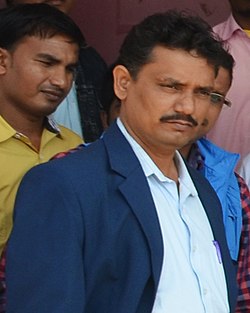
            "id": 27670,
            "image": "https://kavishalalab.s3.ap-south-1.amazonaws.com/sootradhar_author/Subrat_Kumar_Prusty.jpg",
            "name": "Subrat Kumar Prusty",
            "bio": "<br>Subrat Kumar Prusty (born 1976) is an Indian Odia-language scholar, activist, social entrepreneur, literary critic and author. He is Member Secretary of the Institute of Odia Studies and Research, Bhubaneswar, Odisha. He was instrumental in preparing the research documents, advocating the awarding of Classical Language status to Odia, forming Central Institute of Classical Odia, Odia University and implementation of the Odisha Official Language Act, 1954. He was awarded the Presidential Certificate of Honour and Maharshi Badrayan Vyas Samman – 2019 for Classical Odia.<br>Dr. Subrat Kumar Prusty was born the third son of Late Rajkishore Prusty and Indumati Prusty in the village of Bidyadharpur, near Jajpur Town, the oldest capital of Odisha situated on the banks of Budha, a tributary of the Holy Baitarani.  After his schooling at Sudarshan Padhi High School, he chose to join N.C. College Jajpur (then affiliated with Utkal University, where he did his B.A. honours, this was followed by a master's degree in Odia language and literature with a specialization in linguistics from Ravenshaw University, Cuttack. During that time, he was the publisher and editor of a monthly magazine, Maheswati, which is published in Jajpur. It was here that he started writing Odia stories and poetry. As a story writer, he owns the first literary award in School period. He did his LLB from Madhusudan Law College, Cuttack.<br>Prusty followed in his father's footsteps practicing Social Service. During his high school years, he established a library and book bank for rural pupils who were lacking the facilities to purchase books for their studies. To extend the service to a larger number of youth, he established Sangathan Viswabharatiyam and Ganatantrika Grama Samaj. The organization fought for the untouchables and for their social rights. As a volunteer leader of Sangathan Viswa Bharatiyam, he organised relief camps and rehabilitation in the super cyclone-hit areas of coastal Odisha from 31 October 1999 to 10 December 1999. He also participated as a front-line volunteer in the Orissa Disaster Mitigation Mission in Bhubaneswar and organised a relief camp in earthquake-hit areas of Gujarat on 31 January 2001 to 10 February 2001.<br>Dr. Prusty qualified for the national eligibility test (UGC-NET/JRF) in Odia three times and joined Utkal University as a research scholar. He submitted his PhD thesis entitled Social Relevance of Odia Novel and was awarded a PhD degree in 2014 from Utkal University. Through his research work, the Odia language has received classical status. He studied Ancient Indian rock paintings and inscriptions in an attempt to prove that the Indian script is not related to the Sumerian, Hurrian, or Elamite scripts but that the Indian scripts are most closely related to the cave arts which existed in primitive to modern Indian architecture, thus attempting to establish the cave arts as the forerunners of Indian scripts.<br>Prusty's research activities involve document preparation for the classical status of Odia language. While the common scholarly and intellectual consensus in Odisha was that Odia script, language and literature were not more than 1000 years old, Prusty proved with sufficient evidence that not only are the Odia language and script more than 5000 years old, but Odia literature is also as old as Sanskrit literature.<br>First time he read the rock painting of the yogimatha of Nuapada District of Odisha, he deduced that it was an older Indian script. The script Ga, and o (tha) was discovered in the Yogimatha rock painting. The painting depicted a person with four animals and an alphabet. According to Prusty, the painting had a word like Gaitha (a common Odia word at present, Gotha or 'group' in English). The art closely was related to this alphabet. The alphabet has a similarity to the script of the inscriptions in Dhauli and Jaugada of Ashoka. He assumed it was an ancient form of Indian script and it is the first glimpse of the possible origin of the Odia language and script.<br>Prusty proved that Kharavel's Hatigumpha inscription (40 B.C.) was the real evidence of past Odia cultural, political, ritual and social status and it is the first poetic stake inscription. Though Ashoka created many rock edicts and inscriptions before Kharavela, his instructions for administration were written in a rude and chocked language. On the other hand, the Hatigumpha inscriptions show the flexibility of a language in a sweet flow.<br>Prusty argued some important points about classical status for the Odia Language. He also proved that Sanskrit as the source of the modern Indo-Aryan languages, Classical Odia is the source language of East India and South-East Asia's language. As Sanskrit is the most conservative and least changed of the Indo-Aryan languages, Odia is the conservative and advance updated languages as well that linguists must understand its nature and development. Unlike the other modern languages of India, Odia meets each of these requirements. It is extremely old (According to L.S.S O’ Malley, as old as Latin and Vedic Sanskrit); it arose as an entirely independent tradition, with almost no influence from Sanskrit or other languages; and its ancient literature is indescribably vast and rich. \r\nAfter more than five years of deep research work without any help and guidance, Prusty published documentations which led to a political and intellectual movement for awarding Odia the status of a Classical Language.<br>The Annual National Language Conference on Indian languages is the brainchild of Subrat Prusty. After the recognition of Odia as a classical language, The Conference was organized by the Institute of Odia Studies and Research for two days on 2 and 3 January 2014. The goal was to help create a platform to discuss language issues and support the language movement in preserving the regional heritage and culture. The conference was inaugurated by the Minister of Education Badrinarayana Patra and was attended by more than two hundred scholars of languages, linguistics, and humanities as well as sociologists.  Dr. Hermann Kulke, Professor at Kiel University, Germany, Prof.  H.C. Boralingaiah, Vice-Chancellor of Kananda University, Prof. K. Rathnaiah, Vice-Chancellor of Dravidian University, Dr. K. Ramasamy, Founder Director CICT were participated as guests. the seventh National Language Conference (2021) was held on 31 March – 1 April 2021 at Sri Jagannath Sanskrit University, Puri, Odisha.<br>Early in his life as a student, Pruty created or was involved with various social service organisations. But soon after his research work, he again entered active organizational work and formed Janasammilani, Odisha. His views on the eradication of poverty rests on setting up industry and that reformation in agriculture should be encouraged with related cottage industry, as Odisha is essentially an agricultural state. He has worked to impart Education in Odia. For this purpose he began to train promising students to appear in various competitive examinations in Odia.<br>Odianess in Prusty evoked a spirit of establishing Odia Biswabidyalaya..(transl. Odia University). For this purpose he started The Institute of Odia Studies and Research. His first success was when Odia was declared a Classical Language by the Government of India. The institute, which had played an important role in documenting the classical nature of the Odia language, along with the culture department, hopes to bring in other departments in the future.<br>After helping the Odia language to receive classical status, Prusty's one-point mission is now to found an Odia-language university to create a body of knowledge and research in Odia and to develop the Odia language as a lingua franca like that of Palli or Sanskrit in ancient India and English in modern times.<br>Media related to Subrat Kumar Prusty at Wikimedia Commons",
            "raw_bio": "Subrat Kumar Prusty (born 1976) is an Indian Odia-language scholar, activist, social entrepreneur, literary critic and author. He is Member Secretary of the Institute of Odia Studies and Research, Bhubaneswar, Odisha. He was instrumental in preparing the research documents, advocating the awarding of Classical Language status to Odia, forming Central Institute of Classical Odia, Odia University and implementation of the Odisha Official Language Act, 1954. He was awarded the Presidential Certificate of Honour and Maharshi Badrayan Vyas Samman – 2019 for Classical Odia. Dr. Subrat Kumar Prusty was born the third son of Late Rajkishore Prusty and Indumati Prusty in the village of Bidyadharpur, near Jajpur Town, the oldest capital of Odisha situated on the banks of Budha, a tributary of the Holy Baitarani.  After his schooling at Sudarshan Padhi High School, he chose to join N.C. College Jajpur (then affiliated with Utkal University, where he did his B.A. honours, this was followed by a master's degree in Odia language and literature with a specialization in linguistics from Ravenshaw University, Cuttack. During that time, he was the publisher and editor of a monthly magazine, Maheswati, which is published in Jajpur. It was here that he started writing Odia stories and poetry. As a story writer, he owns the first literary award in School period. He did his LLB from Madhusudan Law College, Cuttack. Prusty followed in his father's footsteps practicing Social Service. During his high school years, he established a library and book bank for rural pupils who were lacking the facilities to purchase books for their studies. To extend the service to a larger number of youth, he established Sangathan Viswabharatiyam and Ganatantrika Grama Samaj. The organization fought for the untouchables and for their social rights. As a volunteer leader of Sangathan Viswa Bharatiyam, he organised relief camps and rehabilitation in the super cyclone-hit areas of coastal Odisha from 31 October 1999 to 10 December 1999. He also participated as a front-line volunteer in the Orissa Disaster Mitigation Mission in Bhubaneswar and organised a relief camp in earthquake-hit areas of Gujarat on 31 January 2001 to 10 February 2001. Dr. Prusty qualified for the national eligibility test (UGC-NET/JRF) in Odia three times and joined Utkal University as a research scholar. He submitted his PhD thesis entitled Social Relevance of Odia Novel and was awarded a PhD degree in 2014 from Utkal University. Through his research work, the Odia language has received classical status. He studied Ancient Indian rock paintings and inscriptions in an attempt to prove that the Indian script is not related to the Sumerian, Hurrian, or Elamite scripts but that the Indian scripts are most closely related to the cave arts which existed in primitive to modern Indian architecture, thus attempting to establish the cave arts as the forerunners of Indian scripts. Prusty's research activities involve document preparation for the classical status of Odia language. While the common scholarly and intellectual consensus in Odisha was that Odia script, language and literature were not more than 1000 years old, Prusty proved with sufficient evidence that not only are the Odia language and script more than 5000 years old, but Odia literature is also as old as Sanskrit literature. First time he read the rock painting of the yogimatha of Nuapada District of Odisha, he deduced that it was an older Indian script. The script Ga, and o (tha) was discovered in the Yogimatha rock painting. The painting depicted a person with four animals and an alphabet. According to Prusty, the painting had a word like Gaitha (a common Odia word at present, Gotha or 'group' in English). The art closely was related to this alphabet. The alphabet has a similarity to the script of the inscriptions in Dhauli and Jaugada of Ashoka. He assumed it was an ancient form of Indian script and it is the first glimpse of the possible origin of the Odia language and script. Prusty proved that Kharavel's Hatigumpha inscription (40 B.C.) was the real evidence of past Odia cultural, political, ritual and social status and it is the first poetic stake inscription. Though Ashoka created many rock edicts and inscriptions before Kharavela, his instructions for administration were written in a rude and chocked language. On the other hand, the Hatigumpha inscriptions show the flexibility of a language in a sweet flow. Prusty argued some important points about classical status for the Odia Language. He also proved that Sanskrit as the source of the modern Indo-Aryan languages, Classical Odia is the source language of East India and South-East Asia's language. As Sanskrit is the most conservative and least changed of the Indo-Aryan languages, Odia is the conservative and advance updated languages as well that linguists must understand its nature and development. Unlike the other modern languages of India, Odia meets each of these requirements. It is extremely old (According to L.S.S O’ Malley, as old as Latin and Vedic Sanskrit); it arose as an entirely independent tradition, with almost no influence from Sanskrit or other languages; and its ancient literature is indescribably vast and rich. \r After more than five years of deep research work without any help and guidance, Prusty published documentations which led to a political and intellectual movement for awarding Odia the status of a Classical Language. The Annual National Language Conference on Indian languages is the brainchild of Subrat Prusty. After the recognition of Odia as a classical language, The Conference was organized by the Institute of Odia Studies and Research for two days on 2 and 3 January 2014. The goal was to help create a platform to discuss language issues and support the language movement in preserving the regional heritage and culture. The conference was inaugurated by the Minister of Education Badrinarayana Patra and was attended by more than two hundred scholars of languages, linguistics, and humanities as well as sociologists.  Dr. Hermann Kulke, Professor at Kiel University, Germany, Prof.  H.C. Boralingaiah, Vice-Chancellor of Kananda University, Prof. K. Rathnaiah, Vice-Chancellor of Dravidian University, Dr. K. Ramasamy, Founder Director CICT were participated as guests. the seventh National Language Conference (2021) was held on 31 March – 1 April 2021 at Sri Jagannath Sanskrit University, Puri, Odisha. Early in his life as a student, Pruty created or was involved with various social service organisations. But soon after his research work, he again entered active organizational work and formed Janasammilani, Odisha. His views on the eradication of poverty rests on setting up industry and that reformation in agriculture should be encouraged with related cottage industry, as Odisha is essentially an agricultural state. He has worked to impart Education in Odia. For this purpose he began to train promising students to appear in various competitive examinations in Odia. Odianess in Prusty evoked a spirit of establishing Odia Biswabidyalaya..(transl. Odia University). For this purpose he started The Institute of Odia Studies and Research. His first success was when Odia was declared a Classical Language by the Government of India. The institute, which had played an important role in documenting the classical nature of the Odia language, along with the culture department, hopes to bring in other departments in the future. After helping the Odia language to receive classical status, Prusty's one-point mission is now to found an Odia-language university to create a body of knowledge and research in Odia and to develop the Odia language as a lingua franca like that of Palli or Sanskrit in ancient India and English in modern times. Media related to Subrat Kumar Prusty at Wikimedia Commons",
            "slug": "subrat-kumar-prusty",
            "DOB": null,
            "DateOfDemise": null,
            "location": "",
            "url": "/sootradhar/subrat-kumar-prusty",
            "tags": null,
            "created": "2023-12-27T19:00:14.253681",
            "is_has_special_post": false,
            "is_special_author": false,
            "language": 13
        },
        {
            "id": 27671,
            "image": "https://kavishalalab.s3.ap-south-1.amazonaws.com/sootradhar_author/kavishala_logo.png",
            "name": "Pyarimohan Acharya",
            "bio": "Pyarimohan Acharya was a 19th-century historian, educationist, and public intellectual from Cuttack in the modern-day state of Odisha, India. He is known for his Odisara Itihasa (History of Odisha) which was published in 1879. Pyarimohan wrote his history in response to an advertisement by the colonial government of the time looking for a textbook for use in schools. While the book was accepted by the government, its publication caused a controversy and was consequently not inducted into the school syllabus. Odisara Itihasa nevertheless acquired prominence as it was the first history textbook to be written by a native author. Apart from writing he also established P.M Academy School in 1875 in cuttack. It was one of the oldest school in odisha. <br><br>This article about an Indian writer or poet is a stub. You can help Kavishala by expanding it.",
            "raw_bio": "Pyarimohan Acharya was a 19th-century historian, educationist, and public intellectual from Cuttack in the modern-day state of Odisha, India. He is known for his Odisara Itihasa (History of Odisha) which was published in 1879. Pyarimohan wrote his history in response to an advertisement by the colonial government of the time looking for a textbook for use in schools. While the book was accepted by the government, its publication caused a controversy and was consequently not inducted into the school syllabus. Odisara Itihasa nevertheless acquired prominence as it was the first history textbook to be written by a native author. Apart from writing he also established P.M Academy School in 1875 in cuttack. It was one of the oldest school in odisha.  This article about an Indian writer or poet is a stub. You can help Kavishala by expanding it.",
            "slug": "pyarimohan-acharya",
            "DOB": null,
            "DateOfDemise": null,
            "location": "",
            "url": "/sootradhar/pyarimohan-acharya",
            "tags": null,
            "created": "2023-12-27T19:00:16.861636",
            "is_has_special_post": false,
            "is_special_author": false,
            "language": 13
        },
        {
            "id": 27672,
            "image": "https://kavishalalab.s3.ap-south-1.amazonaws.com/sootradhar_author/Chandrasekhar_Rath.jpg",
            "name": "Chandrasekhar Rath",
            "bio": "<br>Chandrasekhar Rath was an Indian Odia litterateur. In 2018, he was nominated for Padma Shri but could not receive it due to death.<br>Rath was from Malpada village in Balangir district.\r\nHe did his graduation from Rajendra college. He did Post-graduation in English from Canning College, University of Lucknow.<br>Rath joined the Odisha Education Service in 1952 as lecturer in English and also served as Secretary of Test Book Bureau before retiring as Deputy Director Public Instruction (DPI) in 1987.\r\nHe has written 14 short story collections, 15 essay books, devotional essays and three novels.<br>Rath died on 9 February 2018 at the age of 89. He was survived by his wife, three daughters and a son.<br><br>This article about an Indian writer or poet is a stub. You can help Kavishala by expanding it.",
            "raw_bio": "Chandrasekhar Rath was an Indian Odia litterateur. In 2018, he was nominated for Padma Shri but could not receive it due to death. Rath was from Malpada village in Balangir district.\r He did his graduation from Rajendra college. He did Post-graduation in English from Canning College, University of Lucknow. Rath joined the Odisha Education Service in 1952 as lecturer in English and also served as Secretary of Test Book Bureau before retiring as Deputy Director Public Instruction (DPI) in 1987.\r He has written 14 short story collections, 15 essay books, devotional essays and three novels. Rath died on 9 February 2018 at the age of 89. He was survived by his wife, three daughters and a son. This article about an Indian writer or poet is a stub. You can help Kavishala by expanding it.",
            "slug": "chandrasekhar-rath",
            "DOB": null,
            "DateOfDemise": null,
            "location": "",
            "url": "/sootradhar/chandrasekhar-rath",
            "tags": null,
            "created": "2023-12-27T19:00:20.037069",
            "is_has_special_post": false,
            "is_special_author": false,
            "language": 13
        }
    ],
    "description": "<p style=\"text-align: center; font-size: 24px;\"> The Great Poets and Writers in Indian and World History! </p>",
    "image": "https://kavishalalab.s3.ap-south-1.amazonaws.com/sootradhar_description/black.jpg"
}