HTTP 200 OK
Allow: GET, HEAD, OPTIONS
Content-Type: application/json
Vary: Accept

{
    "count": 17752,
    "next": "http://admin.kavishala.in/sootradhar/authors/?format=api&page=728",
    "previous": "http://admin.kavishala.in/sootradhar/authors/?format=api&page=726",
    "results": [
        {
            "id": 27649,
            "image": "https://kavishalalab.s3.ap-south-1.amazonaws.com/sootradhar_author/kavishala_logo.png",
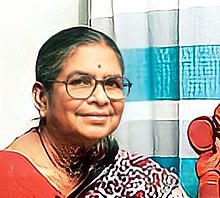
            "name": "Snehaprava Das",
            "bio": "Snehaprava Das (born 10 October 1955) is an Indian writer and translator in the Odia language. She is a pioneer translator of several classic works from the Odia language into English. She has also translated several world classics into the Odia language. Her English translations rank among the top translated works from the Odia language.<br>Snehaprava obtained her Master's degree in English literature and doctorate in Translation Studies and Comparative Literature from Utkal University. As an associate professor she has taught English literature at several institutions of higher learning. She also served as Principal of Binayak Acharya College, Berhampur.<br>Snehaprava has translated  “Padmamali”  by Umesh Chandra Sarkar, the first novel in Odiya, into  English, besides several novels by Fakir Mohan Senapati. Her other works include ‘The World Within’, an English  translation of  Odia novel “Mane Mane “ by Baishnaba  Charan Das  and “Bibasini, A Historical Romance” by Ramsankar Ray. She also translated world classics from English to Oriya, including poems of Elizabeth Jennings and P.B. Shelley, besides short stories by Saki and Oscar Wilde. She has translated several poetry and story collections and biographies, including the celebrated autobiography \"Bandira Atmakatha\" by Gopabandhu Das..<br>She is also a poet herself. Her works in Odia have been published in Prativeshi, Kahani, Anupam Bharat and other magazines, whereas her English translations have been published in Indian Literature, The Orissa Review, The Little Magazine, Rock Pebbles etc.<br>Her translation of \"Colours of Loneliness\" by Paramita Satpathy is critically acclaimed. Her most discussed work of translation is \"One Thousand Years in a Refrigerator\". According to her, translation is a strategy to subvert hierarchies and check all forms of dominations, and also a tool for liberating human consciousness.<br><br>This article about an Indian writer or poet is a stub. You can help Kavishala by expanding it.<br>This article about a translator from India is a stub. You can help Kavishala by expanding it.",
            "raw_bio": "Snehaprava Das (born 10 October 1955) is an Indian writer and translator in the Odia language. She is a pioneer translator of several classic works from the Odia language into English. She has also translated several world classics into the Odia language. Her English translations rank among the top translated works from the Odia language. Snehaprava obtained her Master's degree in English literature and doctorate in Translation Studies and Comparative Literature from Utkal University. As an associate professor she has taught English literature at several institutions of higher learning. She also served as Principal of Binayak Acharya College, Berhampur. Snehaprava has translated  “Padmamali”  by Umesh Chandra Sarkar, the first novel in Odiya, into  English, besides several novels by Fakir Mohan Senapati. Her other works include ‘The World Within’, an English  translation of  Odia novel “Mane Mane “ by Baishnaba  Charan Das  and “Bibasini, A Historical Romance” by Ramsankar Ray. She also translated world classics from English to Oriya, including poems of Elizabeth Jennings and P.B. Shelley, besides short stories by Saki and Oscar Wilde. She has translated several poetry and story collections and biographies, including the celebrated autobiography \"Bandira Atmakatha\" by Gopabandhu Das.. She is also a poet herself. Her works in Odia have been published in Prativeshi, Kahani, Anupam Bharat and other magazines, whereas her English translations have been published in Indian Literature, The Orissa Review, The Little Magazine, Rock Pebbles etc. Her translation of \"Colours of Loneliness\" by Paramita Satpathy is critically acclaimed. Her most discussed work of translation is \"One Thousand Years in a Refrigerator\". According to her, translation is a strategy to subvert hierarchies and check all forms of dominations, and also a tool for liberating human consciousness. This article about an Indian writer or poet is a stub. You can help Kavishala by expanding it. This article about a translator from India is a stub. You can help Kavishala by expanding it.",
            "slug": "snehaprava-das",
            "DOB": null,
            "DateOfDemise": null,
            "location": "",
            "url": "/sootradhar/snehaprava-das",
            "tags": null,
            "created": "2023-12-27T18:58:47.942833",
            "is_has_special_post": false,
            "is_special_author": false,
            "language": 13
        },
        {
            "id": 27650,
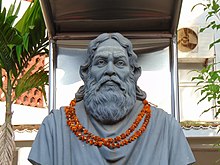
            "image": "https://kavishalalab.s3.ap-south-1.amazonaws.com/sootradhar_author/Sarala_Dasa.jpg",
            "name": "Sarala Dasa",
            "bio": "Sarala Dasa (born as Siddheswara Parida) was a 15th-century poet and scholar of Odia literature. Best known for three Odia books — Mahabharata, Vilanka Ramayana and Chandi Purana — he was the first scholar to write in Odia and his revered as the Adi Kabi (First Poet) of Odia literature. As an originator of Odia literature, his work has formed an enduring source of information for succeeding generations.<br>The early life of Sarala Dasa is not accurately known. He was a contemporary of the Gajapati King Kapilendra Dev. Though the date of his birth cannot be accurately determined, he can safely be placed to the 15th century AD. He was born at a village called kanakavati patana known as Kanakapura at the Tentuliapada, Jagatsinghpur district.<br>Sarala Dasa had no organized early education, and what he achieved through self-education was attributed to the grace of Sarala, goddess of devotion and inspiration. Though his early name was Siddheswara Parida, he was later known as Sarala Dasa, or 'by the boon of Sarala'. (The title Dasa means a slave or a servant of a particular god or goddess. A long list of poets, preceding and succeeding Sarala Dasa, have names ending this way. For example: Vatra Dasa, Markanda Dasa, Sarala Dasa, Jagannatha Dasa, Balarama Dasa, and Yasovanta Dasa.) A story – similar to those told of other Indian poets, such as Kalidasa, supposedly illiterate in early life until helped by the goddess Saraswati – tells that Siddheswara as a boy was once ploughing his father's field and singing so melodiously that the goddess Sarala stopped and listened to his song and endowed him with her power of composing beautiful poems.<br>There are several indications in his Mahabharata that he served as a soldier in the army of the Gajapati King of Odisha.<br>Sarala Dasa spent his last time at Bila Sarala but the native place Kanakavati Patana known as Kanakapura at Tentuliapada with a religious establishment known as Munigoswain, which marks as the traditional spot, where he composed his works. This period of his lifetime was known as the medieval period.<br>As well as the three books for which he is best known – Mahabharata, Vilanka Ramayana and Chandi Purana - Sarala Dasa also wrote the book Laxmi Narayana Vachanika. The Adi Parva Mahabharata opens with a long invocation addressed to the Lord Jagannatha of Puri, from which it is known that Sarala Dasa started writing his Mahabharata in the reign of Kapileswar, otherwise known as Kapilendra Deva, the famous Gajapati king of Odisha (AD 1435–67). He tells us that Maharaja Kapilesvara with innumerable offerings and many a salute was serving this great deity and hereby destroying the sins of the Kali age.<br>Though Sarala Dasa followed the main outline of the Sanskrit Mahabharata in writing the Odia Mahabharata, he made numerous deviations and added to it copiously the stories of his own creation and various other matters known to him. In the final form Sarala Dasa's Mahabharata is a new creation analogous to Kalidasa's Raghuvamsa based on the Ramayana.<br>Mahabharata brought to light about the 18 parvas. The Chandi Purana was based on the well-known story of Goddess Durga killing Mahishasura (the buffalo headed demon) given in Sanskrit literature but here also the Odia poet chose to deviate from the original at several points. His earliest work, Vilanka Ramayana, was a story of the fight between Rama and Shahasrasira Ravana (thousand headed Ravana).<br>He wrote the poems in Dandi chand (in which chand the number of letters in the verses is not fixed is called as dandi chand). The verse of Sarala Dasa is simple, forceful and musical, without artificiality. Applying colloquial words for his poetical purpose, his writing was free from Sanskritisation. His work can be seen as adapting the popular oral conventions of earlier Odia folk songs which were used in folk dances such as the Ghoda-nacha (Horse Dance), Dandanacha and Sakhinacha (Puppet Dance). One metrical peculiarity of these songs is that both the lines of a verse do not contain an equal number of letters though the last letters of both the lines produce the same sound. All Sarala Dasa's wors were composed with this metrical peculiarity, and so the metre used by him can be regarded as a direct descendant of that used in the folk songs. By the fifteenth century the Odia language had assumed almost its modern form and had become ripe for literary compositions.<br>The predominant sentiment in Sarala Dasa's poem is not love but war. He was also motivated by a strong religious zeal to compose religious books in a language intelligible to all and to make them available to the general public in Odisha. He tells in no uncertain words that he composed his poems for the benefit of \"human beings\". There are several indications in his Mahabharata that he served as a soldier in the army of the Gajapati King of Odisha and his association with the army brought to him a variety of experiences. The stories he heard the battle scenes which he witnessed, the places that he visited with the company of the army the historical incidents and names that he could know all remained stored up in his mind to be utilized in his writings.",
            "raw_bio": "Sarala Dasa (born as Siddheswara Parida) was a 15th-century poet and scholar of Odia literature. Best known for three Odia books — Mahabharata, Vilanka Ramayana and Chandi Purana — he was the first scholar to write in Odia and his revered as the Adi Kabi (First Poet) of Odia literature. As an originator of Odia literature, his work has formed an enduring source of information for succeeding generations. The early life of Sarala Dasa is not accurately known. He was a contemporary of the Gajapati King Kapilendra Dev. Though the date of his birth cannot be accurately determined, he can safely be placed to the 15th century AD. He was born at a village called kanakavati patana known as Kanakapura at the Tentuliapada, Jagatsinghpur district. Sarala Dasa had no organized early education, and what he achieved through self-education was attributed to the grace of Sarala, goddess of devotion and inspiration. Though his early name was Siddheswara Parida, he was later known as Sarala Dasa, or 'by the boon of Sarala'. (The title Dasa means a slave or a servant of a particular god or goddess. A long list of poets, preceding and succeeding Sarala Dasa, have names ending this way. For example: Vatra Dasa, Markanda Dasa, Sarala Dasa, Jagannatha Dasa, Balarama Dasa, and Yasovanta Dasa.) A story – similar to those told of other Indian poets, such as Kalidasa, supposedly illiterate in early life until helped by the goddess Saraswati – tells that Siddheswara as a boy was once ploughing his father's field and singing so melodiously that the goddess Sarala stopped and listened to his song and endowed him with her power of composing beautiful poems. There are several indications in his Mahabharata that he served as a soldier in the army of the Gajapati King of Odisha. Sarala Dasa spent his last time at Bila Sarala but the native place Kanakavati Patana known as Kanakapura at Tentuliapada with a religious establishment known as Munigoswain, which marks as the traditional spot, where he composed his works. This period of his lifetime was known as the medieval period. As well as the three books for which he is best known – Mahabharata, Vilanka Ramayana and Chandi Purana - Sarala Dasa also wrote the book Laxmi Narayana Vachanika. The Adi Parva Mahabharata opens with a long invocation addressed to the Lord Jagannatha of Puri, from which it is known that Sarala Dasa started writing his Mahabharata in the reign of Kapileswar, otherwise known as Kapilendra Deva, the famous Gajapati king of Odisha (AD 1435–67). He tells us that Maharaja Kapilesvara with innumerable offerings and many a salute was serving this great deity and hereby destroying the sins of the Kali age. Though Sarala Dasa followed the main outline of the Sanskrit Mahabharata in writing the Odia Mahabharata, he made numerous deviations and added to it copiously the stories of his own creation and various other matters known to him. In the final form Sarala Dasa's Mahabharata is a new creation analogous to Kalidasa's Raghuvamsa based on the Ramayana. Mahabharata brought to light about the 18 parvas. The Chandi Purana was based on the well-known story of Goddess Durga killing Mahishasura (the buffalo headed demon) given in Sanskrit literature but here also the Odia poet chose to deviate from the original at several points. His earliest work, Vilanka Ramayana, was a story of the fight between Rama and Shahasrasira Ravana (thousand headed Ravana). He wrote the poems in Dandi chand (in which chand the number of letters in the verses is not fixed is called as dandi chand). The verse of Sarala Dasa is simple, forceful and musical, without artificiality. Applying colloquial words for his poetical purpose, his writing was free from Sanskritisation. His work can be seen as adapting the popular oral conventions of earlier Odia folk songs which were used in folk dances such as the Ghoda-nacha (Horse Dance), Dandanacha and Sakhinacha (Puppet Dance). One metrical peculiarity of these songs is that both the lines of a verse do not contain an equal number of letters though the last letters of both the lines produce the same sound. All Sarala Dasa's wors were composed with this metrical peculiarity, and so the metre used by him can be regarded as a direct descendant of that used in the folk songs. By the fifteenth century the Odia language had assumed almost its modern form and had become ripe for literary compositions. The predominant sentiment in Sarala Dasa's poem is not love but war. He was also motivated by a strong religious zeal to compose religious books in a language intelligible to all and to make them available to the general public in Odisha. He tells in no uncertain words that he composed his poems for the benefit of \"human beings\". There are several indications in his Mahabharata that he served as a soldier in the army of the Gajapati King of Odisha and his association with the army brought to him a variety of experiences. The stories he heard the battle scenes which he witnessed, the places that he visited with the company of the army the historical incidents and names that he could know all remained stored up in his mind to be utilized in his writings.",
            "slug": "sarala-dasa",
            "DOB": null,
            "DateOfDemise": null,
            "location": "",
            "url": "/sootradhar/sarala-dasa",
            "tags": null,
            "created": "2023-12-27T18:58:51.347567",
            "is_has_special_post": false,
            "is_special_author": false,
            "language": 13
        },
        {
            "id": 27651,
            "image": "https://kavishalalab.s3.ap-south-1.amazonaws.com/sootradhar_author/kavishala_logo.png",
            "name": "Annapurna Devi (writer)",
            "bio": "Annapurna Devi (1883- 1948) was an Indian poet from Odisha, India. She authored Padyamala, published in 1904 and 1905, and her collection of poems Pakshighara was published in 1907. Her work became recognised following her poems dedicated to the newborn of the Queen of Paralakhemundi.<br><br>This Indian biographical article is a stub. You can help Kavishala by expanding it.",
            "raw_bio": "Annapurna Devi (1883- 1948) was an Indian poet from Odisha, India. She authored Padyamala, published in 1904 and 1905, and her collection of poems Pakshighara was published in 1907. Her work became recognised following her poems dedicated to the newborn of the Queen of Paralakhemundi. This Indian biographical article is a stub. You can help Kavishala by expanding it.",
            "slug": "annapurna-devi-writer",
            "DOB": null,
            "DateOfDemise": null,
            "location": "",
            "url": "/sootradhar/annapurna-devi-writer",
            "tags": null,
            "created": "2023-12-27T18:58:53.953539",
            "is_has_special_post": false,
            "is_special_author": false,
            "language": 13
        },
        {
            "id": 27652,
            "image": "https://kavishalalab.s3.ap-south-1.amazonaws.com/sootradhar_author/kavishala_logo.png",
            "name": "Aparna Devi",
            "bio": "Aparna Devi (1899- 1962), educated at Loreto High School and the daughter of Chittaranjan Das, was an Indian writer in Odia language.<br><br>This Indian biographical article is a stub. You can help Kavishala by expanding it.",
            "raw_bio": "Aparna Devi (1899- 1962), educated at Loreto High School and the daughter of Chittaranjan Das, was an Indian writer in Odia language. This Indian biographical article is a stub. You can help Kavishala by expanding it.",
            "slug": "aparna-devi",
            "DOB": null,
            "DateOfDemise": null,
            "location": "",
            "url": "/sootradhar/aparna-devi",
            "tags": null,
            "created": "2023-12-27T18:58:56.400956",
            "is_has_special_post": false,
            "is_special_author": false,
            "language": 13
        },
        {
            "id": 27653,
            "image": "https://kavishalalab.s3.ap-south-1.amazonaws.com/sootradhar_author/Kalpanakumari_Devi.jpg",
            "name": "Kalpanakumari Devi",
            "bio": "<br>Kalpanakumari Devi (1936 - 28 August 2017) was an Indian novelist and poet in the Odia language. She won the 2011 Sahitya Akademi Award for Odia literature.<br>Kalpanakumari Devi (also spelled Kalpana Kumari Devi or Debi) was born in Odisha in 1936. She moved to Kolkata in 1958.\r\nHer first novel, Kabi, was published in 1954. Her observations on the social changes in the country were recognised.<br>She was awarded the 2011 Sahitya Akademi Award for Odia literature for her novel Achinha Basabhumi.<br>She was married to the Odia writer Kanduri Charan Das, who died in 2014. Their daughter Shabarni Das is an editor of a Bengali journal, Prathama.<br>Kalpanakumari Devi died in Kolkata on 28 August 2017.<br>After Kalpanakumari Devi's Achinha Basabhumi was nominated for the Sahitya Akademi award, several Odia litterateurs protested against it, citing procedural irregularities as well critical differences with the choice. Upon the announcement of the award to the author, Barendra Krushna Dhal, a member of the Sahitya Akademi's advisory board resigned in protest. Sricharan Pratap Kanishka, an Odia writer, filed a public interest litigation with the Orissa High Court in January 2012 against the award, leading to an interim stay of the presentation ceremony. His complaint was that, in order to be eligible for the award, the book should have been published between 2007 and 2009, and he accused the book's publisher of having back-dated its publication date to 2009, whereas, he claimed, it was published in 2010.<br>The litigation was rejected by the high court on 14 February 2012, and Kalpanakumari Devi received the award.",
            "raw_bio": "Kalpanakumari Devi (1936 - 28 August 2017) was an Indian novelist and poet in the Odia language. She won the 2011 Sahitya Akademi Award for Odia literature. Kalpanakumari Devi (also spelled Kalpana Kumari Devi or Debi) was born in Odisha in 1936. She moved to Kolkata in 1958.\r Her first novel, Kabi, was published in 1954. Her observations on the social changes in the country were recognised. She was awarded the 2011 Sahitya Akademi Award for Odia literature for her novel Achinha Basabhumi. She was married to the Odia writer Kanduri Charan Das, who died in 2014. Their daughter Shabarni Das is an editor of a Bengali journal, Prathama. Kalpanakumari Devi died in Kolkata on 28 August 2017. After Kalpanakumari Devi's Achinha Basabhumi was nominated for the Sahitya Akademi award, several Odia litterateurs protested against it, citing procedural irregularities as well critical differences with the choice. Upon the announcement of the award to the author, Barendra Krushna Dhal, a member of the Sahitya Akademi's advisory board resigned in protest. Sricharan Pratap Kanishka, an Odia writer, filed a public interest litigation with the Orissa High Court in January 2012 against the award, leading to an interim stay of the presentation ceremony. His complaint was that, in order to be eligible for the award, the book should have been published between 2007 and 2009, and he accused the book's publisher of having back-dated its publication date to 2009, whereas, he claimed, it was published in 2010. The litigation was rejected by the high court on 14 February 2012, and Kalpanakumari Devi received the award.",
            "slug": "kalpanakumari-devi",
            "DOB": null,
            "DateOfDemise": null,
            "location": "",
            "url": "/sootradhar/kalpanakumari-devi",
            "tags": null,
            "created": "2023-12-27T18:58:59.629177",
            "is_has_special_post": false,
            "is_special_author": false,
            "language": 13
        },
        {
            "id": 27654,
            "image": "https://kavishalalab.s3.ap-south-1.amazonaws.com/sootradhar_author/kavishala_logo.png",
            "name": "Suchitra Devi",
            "bio": "Suchitra Devi (born 1881), was an Indian poet and writer of Odia language. Her collection of poetry, Kavitalahari (1901), went into six editions.<br>She married Raghabananda Das of Kuruhjipur in Puri district.<br>This Indian biographical article is a stub. You can help Kavishala by expanding it.",
            "raw_bio": "Suchitra Devi (born 1881), was an Indian poet and writer of Odia language. Her collection of poetry, Kavitalahari (1901), went into six editions. She married Raghabananda Das of Kuruhjipur in Puri district. This Indian biographical article is a stub. You can help Kavishala by expanding it.",
            "slug": "suchitra-devi",
            "DOB": null,
            "DateOfDemise": null,
            "location": "",
            "url": "/sootradhar/suchitra-devi",
            "tags": null,
            "created": "2023-12-27T18:59:03.096676",
            "is_has_special_post": false,
            "is_special_author": false,
            "language": 13
        },
        {
            "id": 27655,
            "image": "https://kavishalalab.s3.ap-south-1.amazonaws.com/sootradhar_author/kavishala_logo.png",
            "name": "Sulakshana Devi",
            "bio": "Sulakshana Devi (born 1820 or 1829 - 1901) was an Indian poet of Odia language. After the death of her husband she devoted herself to God and wrote a collection of poems published in a book titled Parijatamala.<br><br>This Indian biographical article is a stub. You can help Kavishala by expanding it.",
            "raw_bio": "Sulakshana Devi (born 1820 or 1829 - 1901) was an Indian poet of Odia language. After the death of her husband she devoted herself to God and wrote a collection of poems published in a book titled Parijatamala. This Indian biographical article is a stub. You can help Kavishala by expanding it.",
            "slug": "sulakshana-devi",
            "DOB": null,
            "DateOfDemise": null,
            "location": "",
            "url": "/sootradhar/sulakshana-devi",
            "tags": null,
            "created": "2023-12-27T18:59:05.662557",
            "is_has_special_post": false,
            "is_special_author": false,
            "language": 13
        },
        {
            "id": 27656,
            "image": "https://kavishalalab.s3.ap-south-1.amazonaws.com/sootradhar_author/kavishala_logo.png",
            "name": "Aswini Kumar Ghose",
            "bio": "Aswini Kumar Ghose (1892 – 1962) was an Indian dramatist from Odisha. He is known in Odia literature for his historical plays written in the Odia language based on various Indian historical personalities such as Kalapahad and Tipu Sultan.<br>He was born in 1892 as the eldest son of Akshyaya Kumar Ghose and Sundaramanu Devi. He spent the most part of his childhood in Chodhury Bazar, Cuttack. He completed his early education in Cuttack. He passed the F.A. (intermediate) examination from Ravenshaw College, Cuttack. After that, he moved to Culcutta and joined Vidyasagar College. Because of health problems, he returned to Cuttack and received his B.A. degree from Ravenshaw College in 1914. Due to his father's demise in the same year, he couldn't resume his study immediately. Later he received M.A. degree in Mathematics as a private candidate from Patna University.<br>He died in 1962.<br>He started his teaching career in 1916 as an Assistant Teacher at the Seminary School, Cuttack.<br>Ghose was a prolific playwright in Oriya language. Ghose wrote around twenty-five plays based on various social problems. While studying, he wrote his first drama Bhisma in 1915. It was performed by Ravenshaw College Dramatic Society.<br>He was considered as the \"Bhisma Pitamah' (Grand Old Man ) of performing art.<br>Ghose's maternal grandfather Ghourishankar was the editor of Utkala Deepika, the first Odia language newspaper in Odisha.<br>In 1916, he married Kiranbala Ray, daughter of Brajamohan Ray. They had four sons and three daughters, among them two sons died in childhood.<br>Odia playwright Kartik Kumar Ghose was his younger brother.",
            "raw_bio": "Aswini Kumar Ghose (1892 – 1962) was an Indian dramatist from Odisha. He is known in Odia literature for his historical plays written in the Odia language based on various Indian historical personalities such as Kalapahad and Tipu Sultan. He was born in 1892 as the eldest son of Akshyaya Kumar Ghose and Sundaramanu Devi. He spent the most part of his childhood in Chodhury Bazar, Cuttack. He completed his early education in Cuttack. He passed the F.A. (intermediate) examination from Ravenshaw College, Cuttack. After that, he moved to Culcutta and joined Vidyasagar College. Because of health problems, he returned to Cuttack and received his B.A. degree from Ravenshaw College in 1914. Due to his father's demise in the same year, he couldn't resume his study immediately. Later he received M.A. degree in Mathematics as a private candidate from Patna University. He died in 1962. He started his teaching career in 1916 as an Assistant Teacher at the Seminary School, Cuttack. Ghose was a prolific playwright in Oriya language. Ghose wrote around twenty-five plays based on various social problems. While studying, he wrote his first drama Bhisma in 1915. It was performed by Ravenshaw College Dramatic Society. He was considered as the \"Bhisma Pitamah' (Grand Old Man ) of performing art. Ghose's maternal grandfather Ghourishankar was the editor of Utkala Deepika, the first Odia language newspaper in Odisha. In 1916, he married Kiranbala Ray, daughter of Brajamohan Ray. They had four sons and three daughters, among them two sons died in childhood. Odia playwright Kartik Kumar Ghose was his younger brother.",
            "slug": "aswini-kumar-ghose",
            "DOB": null,
            "DateOfDemise": null,
            "location": "",
            "url": "/sootradhar/aswini-kumar-ghose",
            "tags": null,
            "created": "2023-12-27T18:59:09.964582",
            "is_has_special_post": false,
            "is_special_author": false,
            "language": 13
        },
        {
            "id": 27657,
            "image": "https://kavishalalab.s3.ap-south-1.amazonaws.com/sootradhar_author/kavishala_logo.png",
            "name": "Souribandhu Kar",
            "bio": "<br>Souribandhu Kar (c. 1948 – 13 April 2020) was an Indian trade unionist, writer, columnist and the former Canara Bank employee. He served as a general secretary of the All India Trade Union Congress for Odisha Unit and was actively engaged in left-wing politics. He is also known for his advocacy of civil rights such as child labour and workers' rights.<br>A member of the Communist Party of India, he was also appointed a vice-president of All India Trade Union Congress. He served at multiple posts throughout his life such as president of the All India Bank Employees Association, vice-president of Canara Bank Employees Union, president of the All India Bank Employees Association and secretary of the All India Trade Union Congress for Odisha state.<br>He was born around 1948 in Jajpur district. He had four children, including three sons and a daughter. Prior to appearing in organized labour, he initially worked in Canara Bank until he retired from the public financial institution.<br>He was sometimes involved in book writing. He wrote several books and biographies in particular. The recipient of Odia Sahitya Akademi Award for a biographical book titled Manabatara Mahatirtha which was published in 2012, he wrote biographies such as Paramahansa Ramakrushna and Rashtranirmata Nehru. He also wrote two books on children literature titled Deshapremi Swami Vivekananda and Babasaheb Ambedkar. He was also engaged in writing short stories during which he wrote two novels titled Pratidhwani, Echharama Putra and a prose titled Vedantara Swara. In 2016, he was awarded Biju Shramik Bandhu Samman award, consisting of INR50,000 along with a citation by the then chief minister Naveen Patnaik.<br>He was suffering from liver disease and chronic bronchitis for which he was under medical observation at the Kalinga Institute of Medical Sciences in Bhubaneswar where he died on 3 April 2020 around 10 pm.",
            "raw_bio": "Souribandhu Kar (c. 1948 – 13 April 2020) was an Indian trade unionist, writer, columnist and the former Canara Bank employee. He served as a general secretary of the All India Trade Union Congress for Odisha Unit and was actively engaged in left-wing politics. He is also known for his advocacy of civil rights such as child labour and workers' rights. A member of the Communist Party of India, he was also appointed a vice-president of All India Trade Union Congress. He served at multiple posts throughout his life such as president of the All India Bank Employees Association, vice-president of Canara Bank Employees Union, president of the All India Bank Employees Association and secretary of the All India Trade Union Congress for Odisha state. He was born around 1948 in Jajpur district. He had four children, including three sons and a daughter. Prior to appearing in organized labour, he initially worked in Canara Bank until he retired from the public financial institution. He was sometimes involved in book writing. He wrote several books and biographies in particular. The recipient of Odia Sahitya Akademi Award for a biographical book titled Manabatara Mahatirtha which was published in 2012, he wrote biographies such as Paramahansa Ramakrushna and Rashtranirmata Nehru. He also wrote two books on children literature titled Deshapremi Swami Vivekananda and Babasaheb Ambedkar. He was also engaged in writing short stories during which he wrote two novels titled Pratidhwani, Echharama Putra and a prose titled Vedantara Swara. In 2016, he was awarded Biju Shramik Bandhu Samman award, consisting of INR50,000 along with a citation by the then chief minister Naveen Patnaik. He was suffering from liver disease and chronic bronchitis for which he was under medical observation at the Kalinga Institute of Medical Sciences in Bhubaneswar where he died on 3 April 2020 around 10 pm.",
            "slug": "souribandhu-kar",
            "DOB": null,
            "DateOfDemise": null,
            "location": "",
            "url": "/sootradhar/souribandhu-kar",
            "tags": null,
            "created": "2023-12-27T18:59:14.936570",
            "is_has_special_post": false,
            "is_special_author": false,
            "language": 13
        },
        {
            "id": 27658,
            "image": "https://kavishalalab.s3.ap-south-1.amazonaws.com/sootradhar_author/kavishala_logo.png",
            "name": "Sitadevi Khadanga",
            "bio": "<br>Sitadevi Khadanga (1902–1983) was an Odia dramatist, novelist, poet and translator from Odisha, India. Her writings mostly set in rural Odisha which depicts social problems of the area in the 20th-century. Her contribution to Odia poetry is considered to be a landmark in Odia literature.<br>Khadanga was born in 1902 to an orthodox Brahmin family in Asika of Ganjam district. She received no formal education, but was home schooled by a visiting teacher. She was married to a school teacher named Banchhanidhi Khadanga of Gopalpur Sasan, Surada, Ganjam district. She died in 1983.<br>Khadanga wrote social dramas during the 1950s which were staged in various places in Ganjam. She established a theatre known as Harihar Natya Mandir, and a literary institute, Krishna Singh Sahitya Parishad, both in Asika.<br>After her marriage, she began reading plays, and perceived them as a superior literary form. After her children left home for higher education she started writing plays. Her first play was Sahodar (Brother), which was based on her life experiences. It has been described by her as \"the story of a woman's life among her husband and children in a middle-class family\". Her other plays include Nari (Women), Poshyaputra (Adopted Son), Naisthika (An Orthodox), Prachin Panthi (Old-fashioned), Kshudhara Pida (The Pain of Hunger) and Matrihina (Motherless). Her play Mandir Prabesh deals with the rights of Harijan (Dalits) to enter Hindu temples.<br>Khadanga's first novel was an adoption of her own play Poshyaputra, which is based on a variety of problems in society. Agraja (Elder Brother), containing 27 chapters, is a socio-political novel. Pratyabartan (Return; 1969) is based on rural life in Orissa. Mora Jeevan Smriti (Memories of My Life; 1978) is an autobiography. She translated Rabindranath Tagore's Ghare Baire from Bengali into Odia. She also wrote poems which played a significant role in the cultural renaissance of Odisha. Her contribution to Odia poetry is considered[] to be a landmark in Odia literature.",
            "raw_bio": "Sitadevi Khadanga (1902–1983) was an Odia dramatist, novelist, poet and translator from Odisha, India. Her writings mostly set in rural Odisha which depicts social problems of the area in the 20th-century. Her contribution to Odia poetry is considered to be a landmark in Odia literature. Khadanga was born in 1902 to an orthodox Brahmin family in Asika of Ganjam district. She received no formal education, but was home schooled by a visiting teacher. She was married to a school teacher named Banchhanidhi Khadanga of Gopalpur Sasan, Surada, Ganjam district. She died in 1983. Khadanga wrote social dramas during the 1950s which were staged in various places in Ganjam. She established a theatre known as Harihar Natya Mandir, and a literary institute, Krishna Singh Sahitya Parishad, both in Asika. After her marriage, she began reading plays, and perceived them as a superior literary form. After her children left home for higher education she started writing plays. Her first play was Sahodar (Brother), which was based on her life experiences. It has been described by her as \"the story of a woman's life among her husband and children in a middle-class family\". Her other plays include Nari (Women), Poshyaputra (Adopted Son), Naisthika (An Orthodox), Prachin Panthi (Old-fashioned), Kshudhara Pida (The Pain of Hunger) and Matrihina (Motherless). Her play Mandir Prabesh deals with the rights of Harijan (Dalits) to enter Hindu temples. Khadanga's first novel was an adoption of her own play Poshyaputra, which is based on a variety of problems in society. Agraja (Elder Brother), containing 27 chapters, is a socio-political novel. Pratyabartan (Return; 1969) is based on rural life in Orissa. Mora Jeevan Smriti (Memories of My Life; 1978) is an autobiography. She translated Rabindranath Tagore's Ghare Baire from Bengali into Odia. She also wrote poems which played a significant role in the cultural renaissance of Odisha. Her contribution to Odia poetry is considered[] to be a landmark in Odia literature.",
            "slug": "sitadevi-khadanga",
            "DOB": null,
            "DateOfDemise": null,
            "location": "",
            "url": "/sootradhar/sitadevi-khadanga",
            "tags": null,
            "created": "2023-12-27T18:59:17.698947",
            "is_has_special_post": false,
            "is_special_author": false,
            "language": 13
        },
        {
            "id": 27659,
            "image": "https://kavishalalab.s3.ap-south-1.amazonaws.com/sootradhar_author/kavishala_logo.png",
            "name": "Kokila Devi",
            "bio": "Kokila Devi (1896-1936) was an Indian writer in Odia language, known for her work titled Bilasini, based on widow remarriage.",
            "raw_bio": "Kokila Devi (1896-1936) was an Indian writer in Odia language, known for her work titled Bilasini, based on widow remarriage.",
            "slug": "kokila-devi",
            "DOB": null,
            "DateOfDemise": null,
            "location": "",
            "url": "/sootradhar/kokila-devi",
            "tags": null,
            "created": "2023-12-27T18:59:20.899997",
            "is_has_special_post": false,
            "is_special_author": false,
            "language": 13
        },
        {
            "id": 27660,
            "image": "https://kavishalalab.s3.ap-south-1.amazonaws.com/sootradhar_author/kavishala_logo.png",
            "name": "Bijay Mishra",
            "bio": "<br>Bijay Mishra (Odia: ବିଜୟ ମିଶ୍ର; 16 July 1936 – 26 April 2020) was a dramatist, lyricist and screenwriter from India. He was also a mainstream script writer in Odia Cinema & TV Industry. He was a recipient of the State Sahitya Academy Award (1968, 1988), Konark Samman (1994)[] as well as the Kendra Sangeet Natak Akademi Award and the Odisha Sahitya Akademi Award.<br>Bijay Mishra was born in 1936 in Niligiri, Balasore, Odisha, India.<br>Starting as a playwright from the year 1960, his first play \"JANANI\" was staged in Annapurna Theatre, Cuttack, by a professional theatre group in the year 1960.\r\nOne of the pioneers of the modern theatre movement in the state. A prolific scriptwriter of Odia Film and Television Industry, he was honored with the Think Foundation CSR Lifetime Achievement Award.<br>His play Tata Niranjana has been translated in Hindi, Nepali, Kannada and in several other Indian languages. This play has won a national award from All India Radio.[]<br>Bijay Mishra died on 26 April 2020.<br>\r\n",
            "raw_bio": "Bijay Mishra (Odia: ବିଜୟ ମିଶ୍ର; 16 July 1936 – 26 April 2020) was a dramatist, lyricist and screenwriter from India. He was also a mainstream script writer in Odia Cinema & TV Industry. He was a recipient of the State Sahitya Academy Award (1968, 1988), Konark Samman (1994)[] as well as the Kendra Sangeet Natak Akademi Award and the Odisha Sahitya Akademi Award. Bijay Mishra was born in 1936 in Niligiri, Balasore, Odisha, India. Starting as a playwright from the year 1960, his first play \"JANANI\" was staged in Annapurna Theatre, Cuttack, by a professional theatre group in the year 1960.\r One of the pioneers of the modern theatre movement in the state. A prolific scriptwriter of Odia Film and Television Industry, he was honored with the Think Foundation CSR Lifetime Achievement Award. His play Tata Niranjana has been translated in Hindi, Nepali, Kannada and in several other Indian languages. This play has won a national award from All India Radio.[] Bijay Mishra died on 26 April 2020.  ",
            "slug": "bijay-mishra",
            "DOB": null,
            "DateOfDemise": null,
            "location": "",
            "url": "/sootradhar/bijay-mishra",
            "tags": null,
            "created": "2023-12-27T18:59:27.497366",
            "is_has_special_post": false,
            "is_special_author": false,
            "language": 13
        }
    ],
    "description": "<p style=\"text-align: center; font-size: 24px;\"> The Great Poets and Writers in Indian and World History! </p>",
    "image": "https://kavishalalab.s3.ap-south-1.amazonaws.com/sootradhar_description/black.jpg"
}