HTTP 200 OK
Allow: GET, HEAD, OPTIONS
Content-Type: application/json
Vary: Accept
{
"count": 17752,
"next": "http://admin.kavishala.in/sootradhar/authors/?format=api&page=627",
"previous": "http://admin.kavishala.in/sootradhar/authors/?format=api&page=625",
"results": [
{
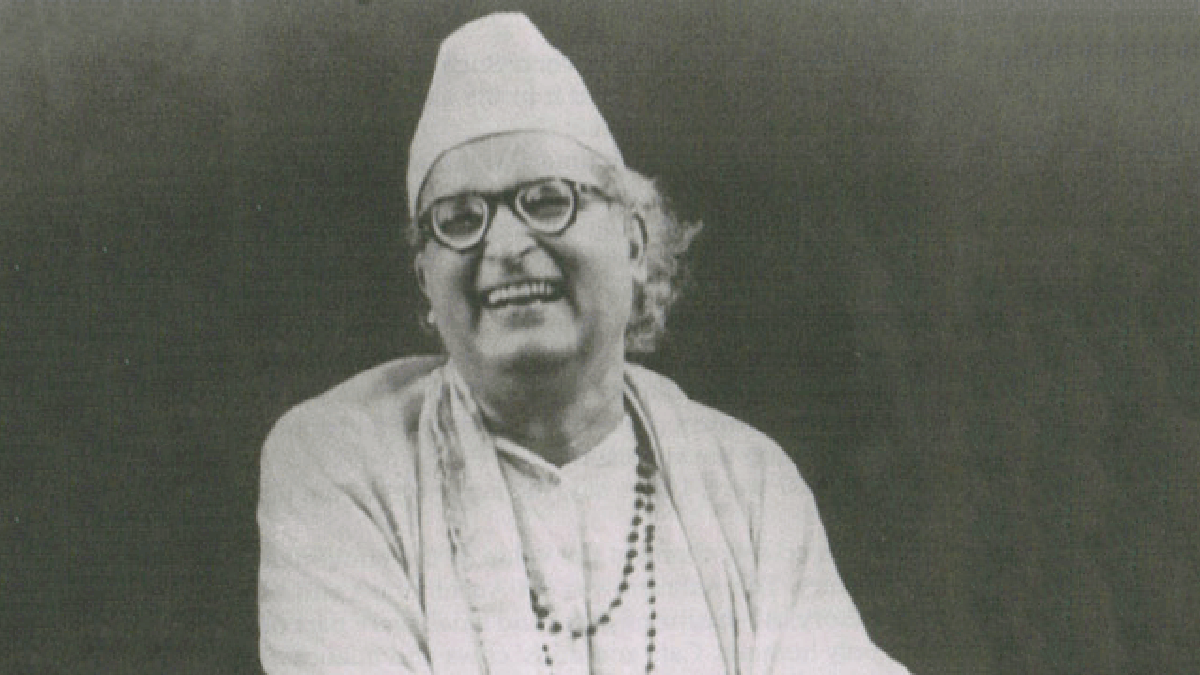
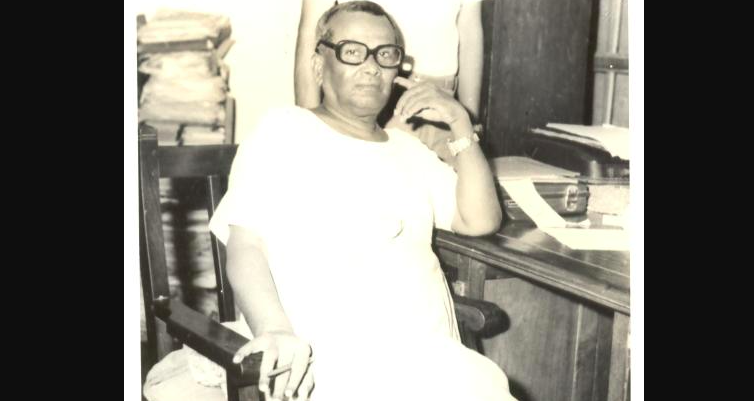
"id": 654,
"image": "https://kavishalalab.s3.ap-south-1.amazonaws.com/sootradhar_author/Dilip-Kumar-Roy.png",
"name": "Dilipkumar Roy",
"bio": "Dilipkumar Roy (22 January 1897 – 6 January 1980) was an Indian musician, musicologist, novelist, poet and essayist. He was the son of Dwijendralal Ray. In 1965, the Sangeet Natak Akademi, India's National Academy for Music, Dance and Drama, awarded him its highest honour for lifetime achievement, the Sangeet Natak Akademi Fellowship.\r\n<br>\r\nSon of Dwijendralal Ray (1863–1913), the Bengali poet, playwright, and composer, Roy and his younger sister Maya lost their mother Surabala Devi in 1903. On his father's side, the family descended from one of the apostles of the medieval Bengali saint Shri Chaitanya. His mother Surabala Devi was the daughter of distinguished homeopath physician Pratap Chandra Majumdar.\r\n<br>\r\nSince his childhood, Roy had a fascination for Sanskrit, English, chemistry and mathematics. His passion for music stopped him from securing the highest marks in the Matriculation examination: he stood the twenty-first and, with a scholarship, joined the Presidency College of Kolkata. Here he came close to Subhas Chandra Bose. With a first class honours in mathematics, he went to Cambridge in 1919 for a tripos. Shortly before this three-year trip to Europe, in his teens he had come under the personal spell of the musicologist Bhatkhande. Ray had taken advantage of his family background and learnt scores of popular and classical compositions. This forged his determination to embrace music as a vocation. Therefore, in 1920, in addition to the first part of his tripos, he passed also, the examination in Western music. Along with his lessons in piano, he grew fluent in French, German and Italian, before leaving for Germany and Italy to pursue his studies in music. Inviting Roy through the International Peace and Freedom Society, Romain Rolland arranged for him a seminar on Indian classical music in Lugano, and had his lectures translated and published in French. At this juncture, Roy met personalities like Bertrand Russell, Hermann Hesse, and Georges Duhamel. From Vienna, invited by president Masaryk, Roy visited Prague, on his way to Budapest, Rome, Florence and Naples, to discover the heart of the tradition of European music. The ancient modes like Ionian, Lydian, Mixolydian, Dorian, Aeolian, and Phrygian, reminded him, respectively, of the Indian that or melakarta (\"parent scales\") like Bilâval, Iman, Khamâj, Kâfi, Asâvari, and Bhaïravi",
"raw_bio": "Dilipkumar Roy (22 January 1897 – 6 January 1980) was an Indian musician, musicologist, novelist, poet and essayist. He was the son of Dwijendralal Ray. In 1965, the Sangeet Natak Akademi, India's National Academy for Music, Dance and Drama, awarded him its highest honour for lifetime achievement, the Sangeet Natak Akademi Fellowship.\r \r Son of Dwijendralal Ray (1863–1913), the Bengali poet, playwright, and composer, Roy and his younger sister Maya lost their mother Surabala Devi in 1903. On his father's side, the family descended from one of the apostles of the medieval Bengali saint Shri Chaitanya. His mother Surabala Devi was the daughter of distinguished homeopath physician Pratap Chandra Majumdar.\r \r Since his childhood, Roy had a fascination for Sanskrit, English, chemistry and mathematics. His passion for music stopped him from securing the highest marks in the Matriculation examination: he stood the twenty-first and, with a scholarship, joined the Presidency College of Kolkata. Here he came close to Subhas Chandra Bose. With a first class honours in mathematics, he went to Cambridge in 1919 for a tripos. Shortly before this three-year trip to Europe, in his teens he had come under the personal spell of the musicologist Bhatkhande. Ray had taken advantage of his family background and learnt scores of popular and classical compositions. This forged his determination to embrace music as a vocation. Therefore, in 1920, in addition to the first part of his tripos, he passed also, the examination in Western music. Along with his lessons in piano, he grew fluent in French, German and Italian, before leaving for Germany and Italy to pursue his studies in music. Inviting Roy through the International Peace and Freedom Society, Romain Rolland arranged for him a seminar on Indian classical music in Lugano, and had his lectures translated and published in French. At this juncture, Roy met personalities like Bertrand Russell, Hermann Hesse, and Georges Duhamel. From Vienna, invited by president Masaryk, Roy visited Prague, on his way to Budapest, Rome, Florence and Naples, to discover the heart of the tradition of European music. The ancient modes like Ionian, Lydian, Mixolydian, Dorian, Aeolian, and Phrygian, reminded him, respectively, of the Indian that or melakarta (\"parent scales\") like Bilâval, Iman, Khamâj, Kâfi, Asâvari, and Bhaïravi",
"slug": "dilipkumar-roy",
"DOB": "1897-01-22",
"DateOfDemise": "1980-01-06",
"location": "Krishnanagar, Nadia, Bengal Presidency, India",
"url": "/sootradhar/dilipkumar-roy",
"tags": "",
"created": "2023-09-22T12:18:44.169546",
"is_has_special_post": false,
"is_special_author": false,
"language": 4
},
{
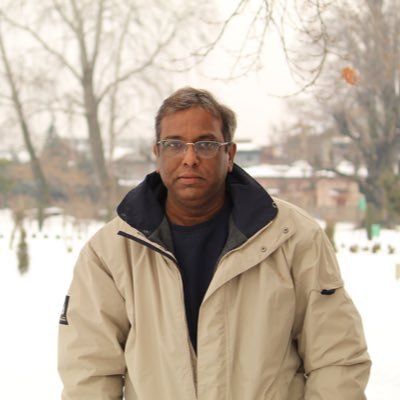
"id": 656,
"image": "https://kavishalalab.s3.ap-south-1.amazonaws.com/sootradhar_author/PvB1RuZS_400x400.jpg",
"name": "Ashok Kumar Pandey",
"bio": "Ashok Kumar Pandey (born 24 January 1975) is an Indian, Hindi poet, fiction writer and historian. His books include Kashmir Nama: Itihas aur Samkal and Kashmir aur Kashmiri Pandit.\r\n<br>Pandey was born on 24 January 1975 in Suggi Chowri, a village in Mau district of Uttar Pradesh. He completed his primary studies from Deoria, Uttar Pradesh and later went to Gorakhpur University where he earned his graduate and postgraduate degrees in Economics.<br>\r\nHe is a recipient of Pankaj Singh Memorial Award and Savyasachi Memorial Award for poetry.<br>\r\n\r\nLiterary works",
"raw_bio": "Ashok Kumar Pandey (born 24 January 1975) is an Indian, Hindi poet, fiction writer and historian. His books include Kashmir Nama: Itihas aur Samkal and Kashmir aur Kashmiri Pandit.\r Pandey was born on 24 January 1975 in Suggi Chowri, a village in Mau district of Uttar Pradesh. He completed his primary studies from Deoria, Uttar Pradesh and later went to Gorakhpur University where he earned his graduate and postgraduate degrees in Economics. \r He is a recipient of Pankaj Singh Memorial Award and Savyasachi Memorial Award for poetry. \r \r Literary works",
"slug": "ashok-kumar-pandey",
"DOB": "1975-01-24",
"DateOfDemise": null,
"location": "Mau, Uttar Pradesh, India",
"url": "/sootradhar/ashok-kumar-pandey",
"tags": "",
"created": "2023-09-22T12:52:45.361388",
"is_has_special_post": true,
"is_special_author": false,
"language": 4
},
{
"id": 657,
"image": "https://kavishalalab.s3.ap-south-1.amazonaws.com/sootradhar_author/Sitaram.png",
"name": "Acharya Pandit Sitaram Chaturvedi",
"bio": "पंडित सीताराम चतुर्वेदी (अंग्रेज़ी: Pandit Sitaram Chaturvedi, जन्म- 27 जनवरी, 1907 ; मृत्यु- 17 फ़रवरी, 2005) हिन्दी के प्रसिद्ध साहित्यकार और पत्रकार थे। इन्होंने ‘हनुमत चरित’ पर सर्वप्रथम मौलिक कृति की रचना की थी। ‘कालिदास ग्रंथावली’ सीताराम चतुर्वेदी का एक अनूठा एवं साहसिक प्रयास था। वर्ष 1933 से 1938 तक ये 'सनातन धर्म' के सम्पादक एवं मदनमोहन मालवीय के निजी सचिव रहे थे। सीताराम चतुर्वेदी जी ने 250 से भी अधिक ग्रंथों की रचना की थी। <br>\r\nपण्डित सीताराम चतुर्वेदी का जन्म 27 फ़रवरी, 1907 को 'छोटी पियरी', वाराणसी (भूतपूर्व काशी) में हुआ था। इनके पिता पं. भीमसेन 'काशी हिन्दू विश्वविद्यालय' के प्राच्य विद्या एवं पौरोहित्य विभाग के अध्यक्ष थे। इन्हेंने मुजफ्फरनगर से प्राथमिक शिक्षा प्राप्त करने के बाद 'काशी हिन्दू विश्वविद्यालय' से हिन्दी, संस्कृत, पालि तथा प्राचीन भारतीय इतिहास एवं संस्कृति में स्नातकोत्तर तथा बी.टी., एल.एल.बी., साहित्याचार्य की उपाधि हासिल की। ये हिन्दी, संस्कृत, अंग्रेज़ी, उर्दू, फ़ारसी, पालि, प्राकृत तथा अपभ्रंश भाषा एवं ब्राह्मी, खरोष्ठी आदि प्राचीन भारतीय लिपियों के भी ये जानकार थे।<br>\r\n<div class=\"item-h2\">\r\n<h2><span id=\".E0.A4.95.E0.A5.83.E0.A4.A4.E0.A4.BF.E0.A4.AF.E0.A4.BE.E0.A4.81\" class=\"mw-headline\">कृतियाँ</span></h2>\r\n<p>पण्डित सीताराम चतुर्वेदी ने शिक्षा, साहित्य, दर्शन, इतिहास योग, राजनीति आदि लगभग सभी क्षेत्रों में 214 ग्रंथ एवं 85 नाटक-नाटिकाओं का लेखन व मंचन किया। इनकी प्रमुख कृतियाँ इस प्रकार हैं-</p>\r\n<ol>\r\n<li>मालवीय जीवन चरित</li>\r\n<li>अभिनव नाट्य शास्त्र</li>\r\n<li>समीक्षा शास्त्र</li>\r\n<li>साहित्यानुशासन</li>\r\n<li>तन्त्र विज्ञान और साधना</li>\r\n<li>भारतीय और पाश्चात्य रंगमंच</li>\r\n<li>कालिदास ग्रन्थावली (सटीक)</li>\r\n<li>तुलसी ग्रन्थावली (टीका सहित)</li>\r\n<li>सूर ग्रन्थावली (सटीक)</li>\r\n<li>वाल्मीकीय रामायण (सटीक)</li>\r\n</ol>\r\n<p>'ठेठ टकसाली नागरी' के एकमात्र लेखक पण्डित सीताराम चतुर्वेदी जी ने हिन्दी साहित्य के एकमात्र चम्पू ‘श्रीराम विजय’ की रचना की।</p>\r\n</div>",
"raw_bio": "पंडित सीताराम चतुर्वेदी (अंग्रेज़ी: Pandit Sitaram Chaturvedi, जन्म- 27 जनवरी, 1907 ; मृत्यु- 17 फ़रवरी, 2005) हिन्दी के प्रसिद्ध साहित्यकार और पत्रकार थे। इन्होंने ‘हनुमत चरित’ पर सर्वप्रथम मौलिक कृति की रचना की थी। ‘कालिदास ग्रंथावली’ सीताराम चतुर्वेदी का एक अनूठा एवं साहसिक प्रयास था। वर्ष 1933 से 1938 तक ये 'सनातन धर्म' के सम्पादक एवं मदनमोहन मालवीय के निजी सचिव रहे थे। सीताराम चतुर्वेदी जी ने 250 से भी अधिक ग्रंथों की रचना की थी। \r पण्डित सीताराम चतुर्वेदी का जन्म 27 फ़रवरी, 1907 को 'छोटी पियरी', वाराणसी (भूतपूर्व काशी) में हुआ था। इनके पिता पं. भीमसेन 'काशी हिन्दू विश्वविद्यालय' के प्राच्य विद्या एवं पौरोहित्य विभाग के अध्यक्ष थे। इन्हेंने मुजफ्फरनगर से प्राथमिक शिक्षा प्राप्त करने के बाद 'काशी हिन्दू विश्वविद्यालय' से हिन्दी, संस्कृत, पालि तथा प्राचीन भारतीय इतिहास एवं संस्कृति में स्नातकोत्तर तथा बी.टी., एल.एल.बी., साहित्याचार्य की उपाधि हासिल की। ये हिन्दी, संस्कृत, अंग्रेज़ी, उर्दू, फ़ारसी, पालि, प्राकृत तथा अपभ्रंश भाषा एवं ब्राह्मी, खरोष्ठी आदि प्राचीन भारतीय लिपियों के भी ये जानकार थे। कृतियाँ पण्डित सीताराम चतुर्वेदी ने शिक्षा, साहित्य, दर्शन, इतिहास योग, राजनीति आदि लगभग सभी क्षेत्रों में 214 ग्रंथ एवं 85 नाटक-नाटिकाओं का लेखन व मंचन किया। इनकी प्रमुख कृतियाँ इस प्रकार हैं- मालवीय जीवन चरित अभिनव नाट्य शास्त्र समीक्षा शास्त्र साहित्यानुशासन तन्त्र विज्ञान और साधना भारतीय और पाश्चात्य रंगमंच कालिदास ग्रन्थावली (सटीक) तुलसी ग्रन्थावली (टीका सहित) सूर ग्रन्थावली (सटीक) वाल्मीकीय रामायण (सटीक) 'ठेठ टकसाली नागरी' के एकमात्र लेखक पण्डित सीताराम चतुर्वेदी जी ने हिन्दी साहित्य के एकमात्र चम्पू ‘श्रीराम विजय’ की रचना की। ",
"slug": "acharya-pandit-sitaram-chaturvedi",
"DOB": "1907-01-27",
"DateOfDemise": "2005-02-17",
"location": null,
"url": "/sootradhar/acharya-pandit-sitaram-chaturvedi",
"tags": "",
"created": "2023-09-22T12:18:44.187291",
"is_has_special_post": false,
"is_special_author": false,
"language": 4
},
{
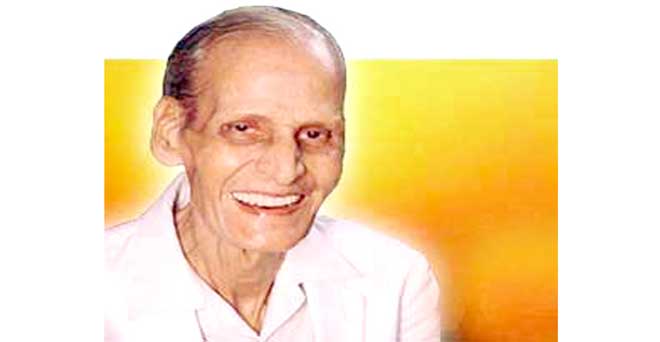
"id": 660,
"image": "https://kavishalalab.s3.ap-south-1.amazonaws.com/sootradhar_author/KaviPradeep.jpg",
"name": "Kavi Pradeep",
"bio": "Kavi Pradeep (6 February 1915 – 11 December 1998), born Ramchandra Narayanji Dwivedi,[1] was an Indian poet and songwriter who is best known for his patriotic song Aye Mere Watan Ke Logo written as a tribute to the soldiers who had died defending the country during the Sino-Indian War.\r\n<br>\r\nHis first recognition came for his patriotic lyrics for the film Bandhan (1940). His status as a nationalistic writer got immortalised for writing a daringly patriotic song Door Hato Ae Duniya Walo (Move Away O Outsiders) in India's first golden jubilee hit Kismet (1943) because he was forced to go underground to avoid arrest immediately after the film's release that invited the ire of British government.[2]\r\n<br>\r\nIn a career span of five decades, Kavi Pradeep wrote about 1,700 songs[1] and nationalistic poems including the lyrics for some 72 films, including hits like Chal Chal Re Naujawan in film Bandhan (1940) and Aao Bachcho Tumhein Dikhayen and De Dee Hame Azaadi Bina Khadag Bina Dhaal in film Jagriti (1954)[3] In 1958, HMV, released an album of 13 songs with his lyrics. He was made the Rashtrakavi, (Poet Laureate), and came to be known as, Kavi Pradeep<br>\r\nIn 1997, he was honoured by India's highest award in Cinema, the Dada Saheb Phalke Award for Lifetime Achievement. <br>\r\nKavi Pradeep was born Ramchandra Narayanji Dwivedi in 1915 into a middle-class Audichya Brahmin family in the small central Indian town of Badnagar near Ujjain. Since his early student days and later while pursuing graduation from University of Lucknow, he had a passion for writing and rendering Hindi poetry. He hypnotised the audience at kavi sammelans (poet's gatherings) with his inimitable style. It was during this time he adopted the pen name (\"nom de plume\") Pradeep. After graduating from Lucknow University in 1939, he decided to join a teacher's course to become a teacher.",
"raw_bio": "Kavi Pradeep (6 February 1915 – 11 December 1998), born Ramchandra Narayanji Dwivedi,[1] was an Indian poet and songwriter who is best known for his patriotic song Aye Mere Watan Ke Logo written as a tribute to the soldiers who had died defending the country during the Sino-Indian War.\r \r His first recognition came for his patriotic lyrics for the film Bandhan (1940). His status as a nationalistic writer got immortalised for writing a daringly patriotic song Door Hato Ae Duniya Walo (Move Away O Outsiders) in India's first golden jubilee hit Kismet (1943) because he was forced to go underground to avoid arrest immediately after the film's release that invited the ire of British government.[2]\r \r In a career span of five decades, Kavi Pradeep wrote about 1,700 songs[1] and nationalistic poems including the lyrics for some 72 films, including hits like Chal Chal Re Naujawan in film Bandhan (1940) and Aao Bachcho Tumhein Dikhayen and De Dee Hame Azaadi Bina Khadag Bina Dhaal in film Jagriti (1954)[3] In 1958, HMV, released an album of 13 songs with his lyrics. He was made the Rashtrakavi, (Poet Laureate), and came to be known as, Kavi Pradeep \r In 1997, he was honoured by India's highest award in Cinema, the Dada Saheb Phalke Award for Lifetime Achievement. \r Kavi Pradeep was born Ramchandra Narayanji Dwivedi in 1915 into a middle-class Audichya Brahmin family in the small central Indian town of Badnagar near Ujjain. Since his early student days and later while pursuing graduation from University of Lucknow, he had a passion for writing and rendering Hindi poetry. He hypnotised the audience at kavi sammelans (poet's gatherings) with his inimitable style. It was during this time he adopted the pen name (\"nom de plume\") Pradeep. After graduating from Lucknow University in 1939, he decided to join a teacher's course to become a teacher.",
"slug": "kavi-pradeep",
"DOB": "1915-02-06",
"DateOfDemise": "1998-12-11",
"location": "Badnagar, Central India Agency, British India",
"url": "/sootradhar/kavi-pradeep",
"tags": "Kavi Pradeep. Deshbhakti Poetry, India",
"created": "2023-09-22T12:18:44.196088",
"is_has_special_post": false,
"is_special_author": false,
"language": 4
},
{
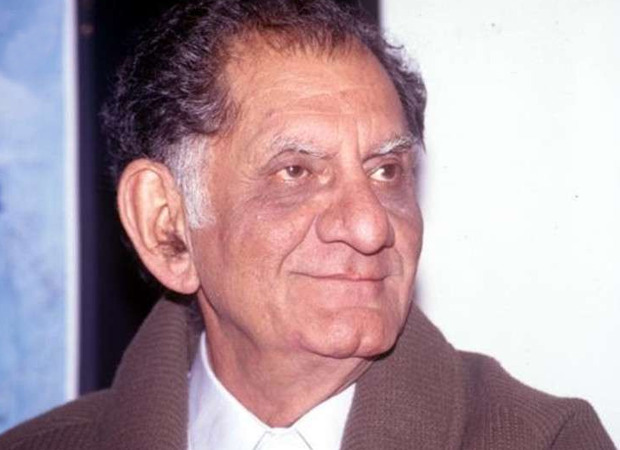
"id": 661,
"image": "https://kavishalalab.s3.ap-south-1.amazonaws.com/sootradhar_author/Manmath_Nath_Gupta.jpg",
"name": "Manmath Nath Gupta",
"bio": "Manmath Nath Gupta (7 February 1908 – 26 October 2000) was an Indian revolutionary writer and author of autobiographical, historical and fictional books in Hindi, English and Bengali. He joined the Indian independence movement at the age of 13, and was an active member of the Hindustan Republican Association. He participated in the famous Kakori train robbery in 1925 and was imprisoned for 14 years. On release from jail in 1937, he started writing against the British government. He was sentenced again in 1939 and was released in 1946 just a year before India's independence in 1947. He has written several books on the history of the Indian struggle for independence from a revolutionary's point of view, including They Lived Dangerously – Reminiscences of a Revolutionary. He was also the editor of the Hindi literary magazine Aajkal. <br>\r\nManmath Nath Gupta was born to Veereshvar Gupta on 7 February 1908 at Banaras in the state of United Province in British India. His grandfather Adya Prasad Gupta was an original resident of Hugli district in Bengal who had migrated from there in the year 1880 and settled in Uttar Pradesh at Banaras. Manmath got his early education in Viratnagar of Nepal where his father was posted as a school headmaster. Since his father got a job later in the Banaras, Manmath was admitted in Kashi Vidyapeeth for his further studies.<br>\r\nManmath Nath Gupta joined the Indian nationalist movement as early as the age of 13 years. In 1921, he was distributing pamphlets in the Gadolia area of Benares calling for a boycott of the reception of the Edward, Prince of Wales by the Maharaja of Banares. When a police officer approached him, he stood his ground instead of running away. During the court proceedings, he told the judge, \"I will not cooperate with you.\" He was jailed for three months. <br>\r\nHe joined the Indian National Congress as a volunteer worker and went from village to village spreading the message of the Congress. He was dissatisfied with the slowness of the work and its inability in producing any short-term results. When Mahatma Gandhi called off the Non-cooperation movement after the incident at Chauri Chaura in 1922, Gupta was severely disappointed with the Congress and Gandhi.<br>\r\nThe Kakori train robbery was the turning point in his life. On 9 August 1925, ten revolutionaries including Manmath Nath Gupta stopped a train near Kakori and looted the government treasury travelling in it. A passenger named Ahmed Ali was killed in this action by the bullet fired by Manmath. He was arrested along with all other revolutionaries and tried for this incident in the court, but being a teenager at that time, he was not sentenced to death. Instead, he was sentenced for 14 years' rigorous imprisonment. When he was released in 1937 he started writing against the British Government. He was again arrested in 1939 and imprisoned for life. He also spent some time in the Cellular Jail in Andaman.",
"raw_bio": "Manmath Nath Gupta (7 February 1908 – 26 October 2000) was an Indian revolutionary writer and author of autobiographical, historical and fictional books in Hindi, English and Bengali. He joined the Indian independence movement at the age of 13, and was an active member of the Hindustan Republican Association. He participated in the famous Kakori train robbery in 1925 and was imprisoned for 14 years. On release from jail in 1937, he started writing against the British government. He was sentenced again in 1939 and was released in 1946 just a year before India's independence in 1947. He has written several books on the history of the Indian struggle for independence from a revolutionary's point of view, including They Lived Dangerously – Reminiscences of a Revolutionary. He was also the editor of the Hindi literary magazine Aajkal. \r Manmath Nath Gupta was born to Veereshvar Gupta on 7 February 1908 at Banaras in the state of United Province in British India. His grandfather Adya Prasad Gupta was an original resident of Hugli district in Bengal who had migrated from there in the year 1880 and settled in Uttar Pradesh at Banaras. Manmath got his early education in Viratnagar of Nepal where his father was posted as a school headmaster. Since his father got a job later in the Banaras, Manmath was admitted in Kashi Vidyapeeth for his further studies. \r Manmath Nath Gupta joined the Indian nationalist movement as early as the age of 13 years. In 1921, he was distributing pamphlets in the Gadolia area of Benares calling for a boycott of the reception of the Edward, Prince of Wales by the Maharaja of Banares. When a police officer approached him, he stood his ground instead of running away. During the court proceedings, he told the judge, \"I will not cooperate with you.\" He was jailed for three months. \r He joined the Indian National Congress as a volunteer worker and went from village to village spreading the message of the Congress. He was dissatisfied with the slowness of the work and its inability in producing any short-term results. When Mahatma Gandhi called off the Non-cooperation movement after the incident at Chauri Chaura in 1922, Gupta was severely disappointed with the Congress and Gandhi. \r The Kakori train robbery was the turning point in his life. On 9 August 1925, ten revolutionaries including Manmath Nath Gupta stopped a train near Kakori and looted the government treasury travelling in it. A passenger named Ahmed Ali was killed in this action by the bullet fired by Manmath. He was arrested along with all other revolutionaries and tried for this incident in the court, but being a teenager at that time, he was not sentenced to death. Instead, he was sentenced for 14 years' rigorous imprisonment. When he was released in 1937 he started writing against the British Government. He was again arrested in 1939 and imprisoned for life. He also spent some time in the Cellular Jail in Andaman.",
"slug": "manmath-nath-gupta",
"DOB": "1908-02-07",
"DateOfDemise": "2021-02-07",
"location": "Varanasi, India",
"url": "/sootradhar/manmath-nath-gupta",
"tags": "",
"created": "2023-09-22T12:18:44.204543",
"is_has_special_post": false,
"is_special_author": false,
"language": 4
},
{
"id": 662,
"image": "https://kavishalalab.s3.ap-south-1.amazonaws.com/sootradhar_author/Elangbam_Nilakanta_Singh_.jpg",
"name": "Elangbam Nilakanta Singh",
"bio": "Elangbam Nilakanta Singh was an Indian poet and critic, considered by many as one of the pioneers of modern Meitei literature. A recipient of the Sahitya Akademi Award in 1987, Nilakanta Singh was honored by the Government of India, in 2000, with the fourth highest Indian civilian award of Padma Shri.\r\nElangbam Nilakanta Singh was born at Keisamthong Elangbam Leikai in the capital of the Indian state of Manipur on 4 October 1927 to Lakhi Devi and Elangbam Bokul Singh, a primary school teacher, as the eldest of their eight children. He did early schooling at Churachandpur and continued at Johnstone Higher Secondary School, Imphal from where he passed the matriculation in 1945. His pre university studies were at Murarichand College, Sylhet, in the present day Bangladesh and later, graduated in Arts (BA) from Gauhati University. He secured a post graduate degree of MA in Philosophy and LLB also from the same university.",
"raw_bio": "Elangbam Nilakanta Singh was an Indian poet and critic, considered by many as one of the pioneers of modern Meitei literature. A recipient of the Sahitya Akademi Award in 1987, Nilakanta Singh was honored by the Government of India, in 2000, with the fourth highest Indian civilian award of Padma Shri.\r Elangbam Nilakanta Singh was born at Keisamthong Elangbam Leikai in the capital of the Indian state of Manipur on 4 October 1927 to Lakhi Devi and Elangbam Bokul Singh, a primary school teacher, as the eldest of their eight children. He did early schooling at Churachandpur and continued at Johnstone Higher Secondary School, Imphal from where he passed the matriculation in 1945. His pre university studies were at Murarichand College, Sylhet, in the present day Bangladesh and later, graduated in Arts (BA) from Gauhati University. He secured a post graduate degree of MA in Philosophy and LLB also from the same university.",
"slug": "elangbam-nilakanta-singh",
"DOB": "1927-10-04",
"DateOfDemise": "2000-02-11",
"location": "Keisamthong Elangbam Leikai, Imphal, Manipur, India",
"url": "/sootradhar/elangbam-nilakanta-singh",
"tags": "",
"created": "2023-09-22T12:18:44.212942",
"is_has_special_post": false,
"is_special_author": false,
"language": 4
},
{
"id": 665,
"image": "https://kavishalalab.s3.ap-south-1.amazonaws.com/sootradhar_author/sudarshan-fakir.png",
"name": "Sudarshan Faakir",
"bio": "<p>Sudarshan Kamra (1934 – 19 February 2008), better known by his takhallus Sudarshan Faakir, was an Indian poet and lyricist His ghazals and nazms were sung by Begum Akhtar and Jagjit Singh.</p>\r\n<p>Early life</p>\r\n<p>He studied MA in political science and English from DAV College, Jalandhar. Active in dramatics and poetry right from his college days, he directed Mohan Rakesh’s play \"Ashadh Ka Ek Din\" in his youth.</p>\r\n<p>He lent his voice to AIR, Jalandhar before he left for Bombay where he later wrote for music directorJaidev. His song ‘Zindagi, zindagi, mere ghar aana zindagi' from Bhim Sen’s ‘Dooriyan’ as well as dialogues for the film ‘Yalgaar’ are popular till date. It is also claimed that the song, \"Hum sab Bhartiya hain\", which is sung at the NCC camps across the country, was penned by him.</p>\r\n<p>Career<br />Faakir belonged to the small and diminishing tribe of non-Muslim Urdu poets from East Punjab. Sudarshan Faakir is the first lyricist to have won a Filmfare Award for his very first song. Apart from the hits like Woh Kagaz Ki Kashti, he was famous for a religious number - Hey Ram... Hey Ram. He is the Writer of National NCC Song of India- Hum Sab Bhartiya Hain. Apart from Non-Film Music, Sudarshan Faakir has Penned Songs from various films also.</p>\r\n<p>Sudarshan ‘Faakir’ was the favourite poet of ‘Mallika-e-ghazal’ Begum Akhtar in her last phase, She sang five of his ghazals. He was also the co-traveller of Jagjit Singh, an association that began with ‘Woh kagaz ki kishti, woh barish ka pani’ in 1982.</p>\r\n<p>A perfectionist to the core, he laboured hard over his poetry. Faakir is perhaps one of the last of the tribe of vanishing poets who lived for poetry and it is noteworthy that he put together his poetry in an anthology and published his first ‘diwan’ only after he became a much-celebrated poet.</p>\r\n<p>Sudarshan died on 18 February 2008, at a hospital in Jalandhar, at the age of 73, after a prolonged illness. He was cremated at Model town.</p>\r\n<p>Compositions<br />Agar ham kahe aur vo muskuraa<br />Gam bade aate hain kaatil kii nigaahon kii tarah<br />Mere dukh kii koiii davaa na karo<br />Shaayad main zindagii kii sahar leke aa gayaa<br />Ye daulat bhi le lo, ye shoharat bhii le lo (used in the 1987 Hindi film Aaj)<br />Zindagii zindagii mere ghar aanaa, aanaa zindagi (used in the 1979 Hindi film Dooriyan)<br />Ho jaata hai kaise pyaar, na jaane koi (used in the 1992 Hindi film Yalgaar)<br />Bezubaani Zubaan Na Ho Jaaye (non-film)<br />Phir Aaj Mujhe Tumko Bas Itna Batana Hai (used in the 1987 Hindi film Aaj)<br />Zindagi Men Jab Tumhaare Gam Nahin The (used in the 1979 Hindi film Dooriyan)<br />Zindagi tujhko jiya hai koi afsos nahin, zahar khud maine piya hai koi afsos nahin<br />Shaayad Main Zindagi Ki Sahar Leke Aa Gayaa<br />Patthar ke khuda, patthar ke sanam Apanon Ke Sitam Ham Se Bataae Nahin Jaate<br />Aaj Ke Daur Me Ae Dost Ye Manjhar Kyu Hai[8]<br />\"Barsaat Ke Mausam Mein\" from Naajayaz[1995]</p>",
"raw_bio": "Sudarshan Kamra (1934 – 19 February 2008), better known by his takhallus Sudarshan Faakir, was an Indian poet and lyricist His ghazals and nazms were sung by Begum Akhtar and Jagjit Singh. Early life He studied MA in political science and English from DAV College, Jalandhar. Active in dramatics and poetry right from his college days, he directed Mohan Rakesh’s play \"Ashadh Ka Ek Din\" in his youth. He lent his voice to AIR, Jalandhar before he left for Bombay where he later wrote for music directorJaidev. His song ‘Zindagi, zindagi, mere ghar aana zindagi' from Bhim Sen’s ‘Dooriyan’ as well as dialogues for the film ‘Yalgaar’ are popular till date. It is also claimed that the song, \"Hum sab Bhartiya hain\", which is sung at the NCC camps across the country, was penned by him. Career Faakir belonged to the small and diminishing tribe of non-Muslim Urdu poets from East Punjab. Sudarshan Faakir is the first lyricist to have won a Filmfare Award for his very first song. Apart from the hits like Woh Kagaz Ki Kashti, he was famous for a religious number - Hey Ram... Hey Ram. He is the Writer of National NCC Song of India- Hum Sab Bhartiya Hain. Apart from Non-Film Music, Sudarshan Faakir has Penned Songs from various films also. Sudarshan ‘Faakir’ was the favourite poet of ‘Mallika-e-ghazal’ Begum Akhtar in her last phase, She sang five of his ghazals. He was also the co-traveller of Jagjit Singh, an association that began with ‘Woh kagaz ki kishti, woh barish ka pani’ in 1982. A perfectionist to the core, he laboured hard over his poetry. Faakir is perhaps one of the last of the tribe of vanishing poets who lived for poetry and it is noteworthy that he put together his poetry in an anthology and published his first ‘diwan’ only after he became a much-celebrated poet. Sudarshan died on 18 February 2008, at a hospital in Jalandhar, at the age of 73, after a prolonged illness. He was cremated at Model town. Compositions Agar ham kahe aur vo muskuraa Gam bade aate hain kaatil kii nigaahon kii tarah Mere dukh kii koiii davaa na karo Shaayad main zindagii kii sahar leke aa gayaa Ye daulat bhi le lo, ye shoharat bhii le lo (used in the 1987 Hindi film Aaj) Zindagii zindagii mere ghar aanaa, aanaa zindagi (used in the 1979 Hindi film Dooriyan) Ho jaata hai kaise pyaar, na jaane koi (used in the 1992 Hindi film Yalgaar) Bezubaani Zubaan Na Ho Jaaye (non-film) Phir Aaj Mujhe Tumko Bas Itna Batana Hai (used in the 1987 Hindi film Aaj) Zindagi Men Jab Tumhaare Gam Nahin The (used in the 1979 Hindi film Dooriyan) Zindagi tujhko jiya hai koi afsos nahin, zahar khud maine piya hai koi afsos nahin Shaayad Main Zindagi Ki Sahar Leke Aa Gayaa Patthar ke khuda, patthar ke sanam Apanon Ke Sitam Ham Se Bataae Nahin Jaate Aaj Ke Daur Me Ae Dost Ye Manjhar Kyu Hai[8] \"Barsaat Ke Mausam Mein\" from Naajayaz[1995]",
"slug": "sudarshan-faakir",
"DOB": "1934-01-01",
"DateOfDemise": "2008-02-19",
"location": null,
"url": "/sootradhar/sudarshan-faakir",
"tags": "",
"created": "2023-09-22T12:53:03.143016",
"is_has_special_post": true,
"is_special_author": false,
"language": 4
},
{
"id": 666,
"image": "https://kavishalalab.s3.ap-south-1.amazonaws.com/sootradhar_author/remembering-the-revolutionary-poet-josh-malihabadi-1487782121-3470.jpg",
"name": "Josh Malihabadi",
"bio": "<p><strong>Josh Malihabadi</strong> (Urdu: جوش ملیح آبادی‎) (born as Shabbir Hasan Khan; شبیر حسن خان) (5 December 1898 – 22 February 1982) popularly known as Shayar-e-Inqalab (poet of revolution) was an Pakistani poet. He wrote over 100,000 couplets and more than 1,000 rubaiyat in his lifetime. The first Prime Minister of India, Jawaharlal Nehru held him in high esteem and frequented the mushaira at Lala Kishan Lal Kalra’s United Coffee House where Josh performed.</p>\r\n<p>He was an Indian citizen until 1956, when he emigrated to Pakistan and became a Pakistani citizen. Some of his works were translated to English like The Unity of Mankind elegies by Josh Malihabadi by Syed Akbar Pasha Tirmizi who was a Pakistani citizen and a high court advocate.</p>\r\n<p><strong>Works</strong><br />These include:</p>\r\n<p>Aawaz-e-Haq (1921)<br />Shola-o-Shabnam<br />Junoon-o-Hikmat<br />Fikr-o-Nishaat (1937) and (1969)<br />Sunbal-o-Salaasal<br />Harf-o-Hikaayat<br />Sarod-o-Kharosh<br />Rooh-e-Adab<br />Aayat-o-Naghmaat (1941)<br />Arsh-o-Farsh (1944) and (1973)<br />Saif-o-Subu<br />Sumoom-o-Saba<br />Tulu-e-fikr<br />Qatra-o-Qulzum<br />Nujoom-o-Jawahar<br />Mauja-e-Fikr<br />Auraaq-e-Sahar<br />Ilhaam-o-Maqalaat-e-zarreen<br />Nawaredaat-e-Josh<br />Irfaniyat-e-Josh<br />Yaadon Ki Baraat (autobiography)</p>\r\n<p><br /><strong>Honours and awards</strong><br />Padma Bhushan Award, India's third highest civilian honour in 1954.<br />The Title of \"The Poet of the Century\" was given by the \"QAFLA-PERA'O\" Lahore, announced by the QAFLA_SALAR Syed Fakhruddin Balley, Jawaid Ahmad Qureshi, Wazir Agha, Ahmad Nadeem Qasmi and Ashfaq Ahmad, in 1992.[citation needed]<br />Kamal-e-Sukhan Award was announced for Hazrat Josh Mallihabadi by The Old Boys Association EMERSON College, Multan in 1999.<br />Hilal-e-Imtiaz (Crescent of Excellence) Pakistan’s second highest civilian honor on 23 March 2013.<br />Ali Sardar Jafri captured Josh's biography in a serial named Kahkashan aired on DD National</p>",
"raw_bio": "Josh Malihabadi (Urdu: جوش ملیح آبادی) (born as Shabbir Hasan Khan; شبیر حسن خان) (5 December 1898 – 22 February 1982) popularly known as Shayar-e-Inqalab (poet of revolution) was an Pakistani poet. He wrote over 100,000 couplets and more than 1,000 rubaiyat in his lifetime. The first Prime Minister of India, Jawaharlal Nehru held him in high esteem and frequented the mushaira at Lala Kishan Lal Kalra’s United Coffee House where Josh performed. He was an Indian citizen until 1956, when he emigrated to Pakistan and became a Pakistani citizen. Some of his works were translated to English like The Unity of Mankind elegies by Josh Malihabadi by Syed Akbar Pasha Tirmizi who was a Pakistani citizen and a high court advocate. Works These include: Aawaz-e-Haq (1921) Shola-o-Shabnam Junoon-o-Hikmat Fikr-o-Nishaat (1937) and (1969) Sunbal-o-Salaasal Harf-o-Hikaayat Sarod-o-Kharosh Rooh-e-Adab Aayat-o-Naghmaat (1941) Arsh-o-Farsh (1944) and (1973) Saif-o-Subu Sumoom-o-Saba Tulu-e-fikr Qatra-o-Qulzum Nujoom-o-Jawahar Mauja-e-Fikr Auraaq-e-Sahar Ilhaam-o-Maqalaat-e-zarreen Nawaredaat-e-Josh Irfaniyat-e-Josh Yaadon Ki Baraat (autobiography) Honours and awards Padma Bhushan Award, India's third highest civilian honour in 1954. The Title of \"The Poet of the Century\" was given by the \"QAFLA-PERA'O\" Lahore, announced by the QAFLA_SALAR Syed Fakhruddin Balley, Jawaid Ahmad Qureshi, Wazir Agha, Ahmad Nadeem Qasmi and Ashfaq Ahmad, in 1992.[citation needed] Kamal-e-Sukhan Award was announced for Hazrat Josh Mallihabadi by The Old Boys Association EMERSON College, Multan in 1999. Hilal-e-Imtiaz (Crescent of Excellence) Pakistan’s second highest civilian honor on 23 March 2013. Ali Sardar Jafri captured Josh's biography in a serial named Kahkashan aired on DD National",
"slug": "josh-malihabadi",
"DOB": "1898-05-12",
"DateOfDemise": "1982-02-12",
"location": null,
"url": "/sootradhar/josh-malihabadi",
"tags": "",
"created": "2023-09-22T12:53:07.594617",
"is_has_special_post": true,
"is_special_author": false,
"language": 4
},
{
"id": 670,
"image": "https://kavishalalab.s3.ap-south-1.amazonaws.com/sootradhar_author/Radha_Krishna_Choudhary.png",
"name": "Radha Krishna Choudhary",
"bio": "Professor Radha Krishna Choudhary (15 February 1921 – 15 March 1985) was a historian, thinker, and writer of Bihar. He has contributed to the historical and archaeological studies of Bihar as well as to Maithili literature. He published numerous original researches on the history of Bihar and was acclaimed as a researcher. He was a professor at Ganesh Dutt College, Begusarai, Bihar and was a noted educationist. His languages of choice for academic works were Hindi and English, and for literary work was Maithili.\r\n<hr>\r\n<p>Political History of Japan (1868–1947). Bihar Publishers, Patna. 1948. English.<br />Maithili Sahityik Nibandhavali. Abhinav Granthagar, Patna. 1950. Maithili.<br />Sidhharth. Abhinav Granthagar, Patna. 2 ed. 1952. Hindi.<br />Studies in Ancient Indian Law. Motilal Banarsidas, Patna.1953. English.<br />Bihar - The Homeland of Biddhism. Sidharth Press, Patna. 1956. English.<br />History of Bihar. Motilal Banarsidas, Patna. 1958. English.<br />Select Inscriptions of Bihar. Smt Shanti Devi. 1958. English.<br />Mithilak Sankshipt Rajnaitik Itihas. Vaidehi Samiti, Darbhanga. 1961. Maithili.<br />Vratyas in Ancient India. Choukhamba Prakashan, Varanasi. 1964. English.<br />Prachin Bharat Ka Rajnaitik Evam Sanskritik Itihas (1200 Eisvi Tak). Bharati Bhavan Publishers, Patna. 1967. Hindi.<br />Sharaantidha. Maithili Prakashan, Calcutta. 1968. Maithili.<br />Vishva Itihas Ki Ruprekha (2 Volumes). Ajanta Press Patna. 1969. Hindi.<br />History of Muslim Rule in Tirhut(1207 - 1765). Choukhamba Prakashan, Varanasi. 1970. English.<br />Kautilya's Political Ideas and Institutions. Choukhamba Prakashan, varanasi. 1971. English.<br />Dhammapada - Maithili Translation. Maithii Prakashan Samiti, Calcutta. 1971. Maithili<br />A Survey of Maithili Literature, Shruti Publications, Delhi, 2010, ISBN No.978-93-80538-36-5<br />Mithilak Itihas, Shruti Publication, Delhi, 2010 (in Maithili Language), ISBN No.978-93-80538-28-0</p>",
"raw_bio": "Professor Radha Krishna Choudhary (15 February 1921 – 15 March 1985) was a historian, thinker, and writer of Bihar. He has contributed to the historical and archaeological studies of Bihar as well as to Maithili literature. He published numerous original researches on the history of Bihar and was acclaimed as a researcher. He was a professor at Ganesh Dutt College, Begusarai, Bihar and was a noted educationist. His languages of choice for academic works were Hindi and English, and for literary work was Maithili.\r Political History of Japan (1868–1947). Bihar Publishers, Patna. 1948. English. Maithili Sahityik Nibandhavali. Abhinav Granthagar, Patna. 1950. Maithili. Sidhharth. Abhinav Granthagar, Patna. 2 ed. 1952. Hindi. Studies in Ancient Indian Law. Motilal Banarsidas, Patna.1953. English. Bihar - The Homeland of Biddhism. Sidharth Press, Patna. 1956. English. History of Bihar. Motilal Banarsidas, Patna. 1958. English. Select Inscriptions of Bihar. Smt Shanti Devi. 1958. English. Mithilak Sankshipt Rajnaitik Itihas. Vaidehi Samiti, Darbhanga. 1961. Maithili. Vratyas in Ancient India. Choukhamba Prakashan, Varanasi. 1964. English. Prachin Bharat Ka Rajnaitik Evam Sanskritik Itihas (1200 Eisvi Tak). Bharati Bhavan Publishers, Patna. 1967. Hindi. Sharaantidha. Maithili Prakashan, Calcutta. 1968. Maithili. Vishva Itihas Ki Ruprekha (2 Volumes). Ajanta Press Patna. 1969. Hindi. History of Muslim Rule in Tirhut(1207 - 1765). Choukhamba Prakashan, Varanasi. 1970. English. Kautilya's Political Ideas and Institutions. Choukhamba Prakashan, varanasi. 1971. English. Dhammapada - Maithili Translation. Maithii Prakashan Samiti, Calcutta. 1971. Maithili A Survey of Maithili Literature, Shruti Publications, Delhi, 2010, ISBN No.978-93-80538-36-5 Mithilak Itihas, Shruti Publication, Delhi, 2010 (in Maithili Language), ISBN No.978-93-80538-28-0",
"slug": "radha-krishna-choudhary",
"DOB": "1921-03-15",
"DateOfDemise": "1985-03-15",
"location": "Deoghar, Bihar",
"url": "/sootradhar/radha-krishna-choudhary",
"tags": "",
"created": "2023-09-22T12:18:44.241148",
"is_has_special_post": false,
"is_special_author": false,
"language": 4
},
{
"id": 675,
"image": "https://kavishalalab.s3.ap-south-1.amazonaws.com/sootradhar_author/Anand_Bakshi_.jpeg",
"name": "Anand Bakshi",
"bio": "Anand Bakshi (21 July 1930 – 30 March 2002) was a popular Indian poet and lyricist. He was nominated for the Filmfare award for Best lyricist a total of 40 times, resulting in 4 wins.\r\n<br>\r\nAnand Bakshi (Bakshi Anand Prakash Vaid) was born in Rawalpindi, now in Pakistan, on 21 July 1930. His ancestors were Mohyal Brahmins from Kurree, near Rawalpindi, and had their origins in Kashmir. His mother, Sumitra, died when he was five years old. Bakshi's family migrated to India (Delhi) on 2 October 1947, in the aftermath of the partition, when he was 17 years old.[citation needed] The family arrived in Delhi, via a Dakota aircraft, and then migrated to Pune, then Meerut and settled finally in Delhi.\r\n<br>\r\nBakshi was fond of writing poetry since his youth, but he did this mostly as a private hobby. In a 1983 interview with Doordarshan, Bakshi recounted that after his initial studies, he joined the Indian Navy, where due to a paucity of time, he could only write occasionally. He continued to write poetry whenever time permitted, and used his songs and lyrics in local programmes related to his troop. He worked in the Navy for many years and simultaneously tried to market his songs in the Mumbai film world.",
"raw_bio": "Anand Bakshi (21 July 1930 – 30 March 2002) was a popular Indian poet and lyricist. He was nominated for the Filmfare award for Best lyricist a total of 40 times, resulting in 4 wins.\r \r Anand Bakshi (Bakshi Anand Prakash Vaid) was born in Rawalpindi, now in Pakistan, on 21 July 1930. His ancestors were Mohyal Brahmins from Kurree, near Rawalpindi, and had their origins in Kashmir. His mother, Sumitra, died when he was five years old. Bakshi's family migrated to India (Delhi) on 2 October 1947, in the aftermath of the partition, when he was 17 years old.[citation needed] The family arrived in Delhi, via a Dakota aircraft, and then migrated to Pune, then Meerut and settled finally in Delhi.\r \r Bakshi was fond of writing poetry since his youth, but he did this mostly as a private hobby. In a 1983 interview with Doordarshan, Bakshi recounted that after his initial studies, he joined the Indian Navy, where due to a paucity of time, he could only write occasionally. He continued to write poetry whenever time permitted, and used his songs and lyrics in local programmes related to his troop. He worked in the Navy for many years and simultaneously tried to market his songs in the Mumbai film world.",
"slug": "anand-bakshi",
"DOB": "1930-07-21",
"DateOfDemise": "2002-03-30",
"location": "Rawalpindi, Punjab, British India",
"url": "/sootradhar/anand-bakshi",
"tags": "",
"created": "2023-09-22T12:53:13.654241",
"is_has_special_post": true,
"is_special_author": false,
"language": 4
},
{
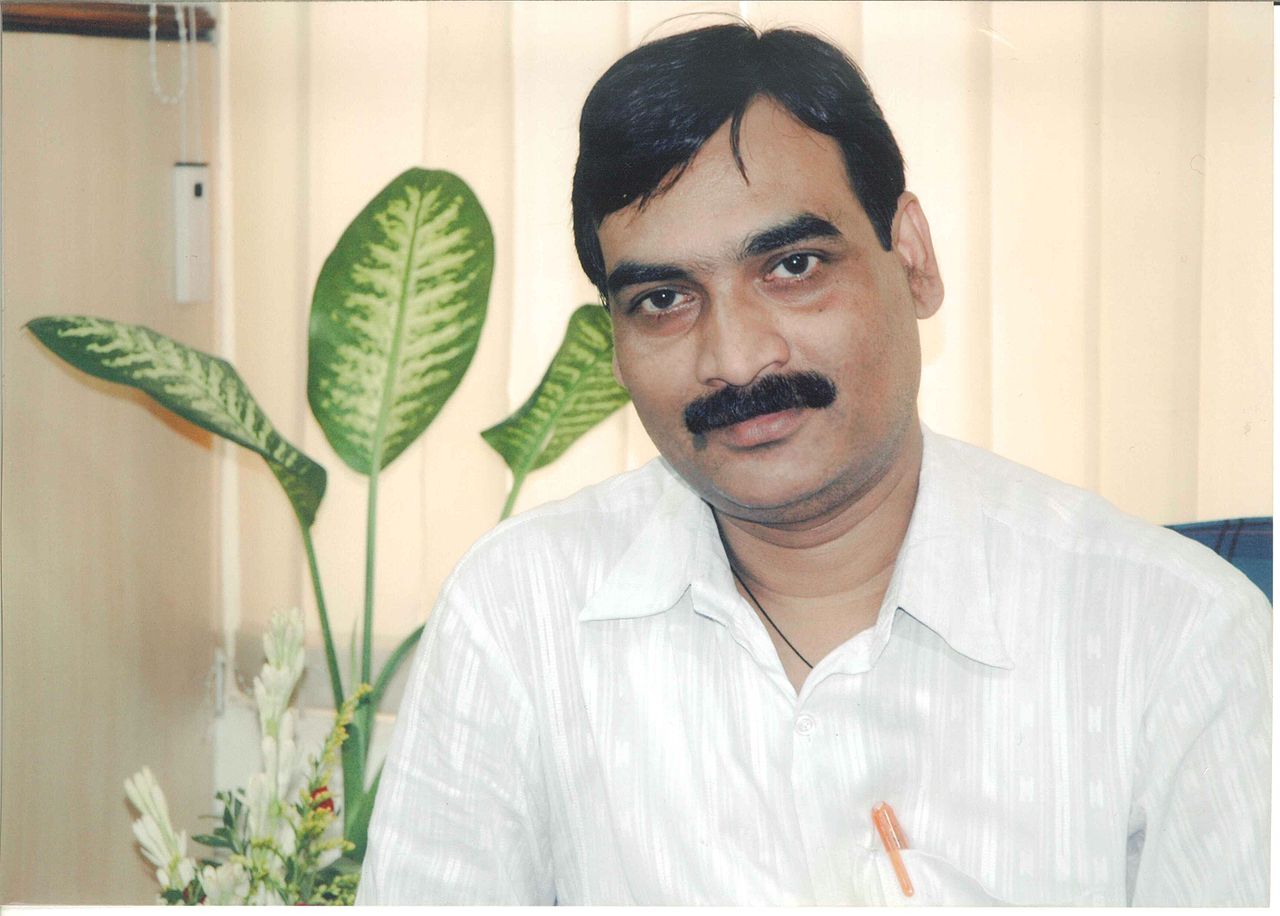
"id": 676,
"image": "https://kavishalalab.s3.ap-south-1.amazonaws.com/sootradhar_author/1280px-Ravindra_prabhat.jpeg",
"name": "Ravindra Prabhat",
"bio": "Ravindra Prabhat (born 5 April 1969) is a Hindi novelist, journalist, poet, and short story writer from India. He has worked as an editor and screen play writer. Some of his works have been translated into other languages and published in various literary magazines and anthologies. Prabhat was born on 5 April 1969 in the village of Mahindwara, Sitamarhi, India. He raised and received primary education there. He obtained higher education in geography honours from B. R. Ambedkar Bihar University in Muzaffarpur, he later studied Master of Journalism and Mass Communication (MJMC) from the Uttar Pradesh Rajarshi Tandon Open University, Allahabad. According to the Brahmin family culture he underwent an upanayan initiation at age eleven. He married M. Prabhat, in Bettiah on 18 May 1989. They have a son and two daughters.",
"raw_bio": "Ravindra Prabhat (born 5 April 1969) is a Hindi novelist, journalist, poet, and short story writer from India. He has worked as an editor and screen play writer. Some of his works have been translated into other languages and published in various literary magazines and anthologies. Prabhat was born on 5 April 1969 in the village of Mahindwara, Sitamarhi, India. He raised and received primary education there. He obtained higher education in geography honours from B. R. Ambedkar Bihar University in Muzaffarpur, he later studied Master of Journalism and Mass Communication (MJMC) from the Uttar Pradesh Rajarshi Tandon Open University, Allahabad. According to the Brahmin family culture he underwent an upanayan initiation at age eleven. He married M. Prabhat, in Bettiah on 18 May 1989. They have a son and two daughters.",
"slug": "ravindra-prabhat",
"DOB": "1969-04-05",
"DateOfDemise": null,
"location": null,
"url": "/sootradhar/ravindra-prabhat",
"tags": "",
"created": "2023-09-22T12:53:15.141013",
"is_has_special_post": true,
"is_special_author": false,
"language": 4
},
{
"id": 678,
"image": "https://kavishalalab.s3.ap-south-1.amazonaws.com/sootradhar_author/Hariram_Mina.jpeg",
"name": "Hariram Mina",
"bio": "श्री हरि राम मीणा सेवा निवृत आईजीपी पुलिस एवं साहित्यकार का योगदान भुलाया नहीं जा सकता हरी राम जी छायावादी कवि है 1990 से काव्य सृजन पुनः आरम्भ किया इनकी कविताये विभिन्न पत्र पत्रिकाओ के माध्यम से जनता के समक्ष आने लगी | 'हाँ चाँद मेरा है' नमक कविता संकलन पर तो हरि राम जी को २३ अगस्त २००३ को साहित्य का मीरा पुरष्कार मिला | कविता संकलन रोया नहीं था यक्ष 2003 में प्रकाशित हुवा 7 वे विश्व हिंदी सम्मलेन में भाग लिया | साइबर सिटी से नंगे आदिवासियों तक पुस्तक लिखी | इनका दूसरा काव्य संग्रह मेघदूत के पत्रों यक्ष व कुबेर के मिथकों प्रशन उत्तरों की आदुनिक व्याख्या की | इसी कर्म में करीब दो दर्जन आलेख आधा दर्जन पुस्तक समीक्षाए ,कुछ कहानिया व यात्रा वृतांत सामिल है हरी राम जी को अब तक उल्लेखनीय साहित्यक सेवा के लिए डा . आम्बेडकर रास्ट्रीय पुरस्कार वर्ष 2002 ,राजस्थान साहित्य अकादमी का सर्वोच्च वर्ष 2003 ,रास्ट्र भाषा हिंदी समिति दुन्गार्गढ़ दुवारा साहित्य श्री वर्ष 2005 ,पंचाला सिद्धा फौन्ड़ेसन दुवारा साहित्य पुरष्कार वर्ष 2007 और इन सम्मानों में चार चाद लगाने वाला केंद्रीय हिंदी संसथान दुवारा महापंडित राहुल संकृत्यायन पुरष्कार से सम्मानित किया गया |....उन्होंने पुलिस सेवा के साथ आदिवासियों को साहित्य और इतिहास में जगह दिलाने के लिए 15 साल तक घूम घूम कर इतिहासिक घटनाओ के तथ्य जुटाए,सबसे पहले वर्ष 2000 में मानगढ़ का बलिदान पर देहिक भास्कर में लेख लिखा लोगो को अच्म्बा हुवा ,2001 में मानगढ़ पर यात्रा वर्तान्त जानी मानी पत्रिका पहल में लिखा,इस प्रकार पहली बार मिडिया के जरिये रियासती सासको के लाख दबाने के बावजूद मानगढ़ का सच जनता के सामने आया 2002-03 में हरी राम जी मीना की महनत और सहयोग से दूरदर्शन के कार्यकर्म रूबरू में दो एपिसोड मानगढ़ पर आये जिसे लाखो लोगो ने देखा और सराहा ,2008 में जंगल जंगल जलियावाला बाग यात्रा वृतांत के जरिये हरी राम मीणा जी ने मानगढ़ ,भुला बिलरिया व चिस्तिया की पाल के आदिवासी बलिदान को साहित्य जगत में जगह दिलाई पढ़कर लोगो की आखे फटी रह गई ,2008 में धुणी तपे तीर नमक उपन्यास के जरिया साहित्य जगत में मानगढ़ को सम्मान दिलाया जो पञ्च भासयो में प्रकाशित हो चूका और सेकड़ो लोग इस पर पी एच डी कर रहे है इसके बाद दूरदर्शन के 1 चेनल पर मानगढ़ पर लघु फिलम बनवाने में सहयोग किया रांची के फ़िल्मकार श्री प्रकाश के निर्देशन में बनी फिलम भारत का मौखिक इतिहास (ओरल हिस्ट्री ऑफ़ इंडिया ) में हरि राम मीणा जी ने अपने निजी परसों से मानगढ़ की इतिहासिक घटना को जगह दिलाई |18 नवम्बर के जनसत्ता आखबार में मानगढ़ पर हरि राम मीणा जी का विशेष लेख आया पढ़ कर बेहद खुशी हुई कितना सारगर्वित और अच्छा है |\r\n<br>\r\nकुछ प्रमुख कृतियाँ- हाँ, चाँद मेरा है, सुबह के इन्तज़ार में(2006-- दोनों कविता-संग्रह। रोया नहीं था यक्ष (2008)-- प्रबन्ध काव्य। साइबर सिटी से नंगे आदिवासियों तक-- यात्रा-वृत्तान्त। विविध दलित चेतना पर डा० अम्बेडकर राष्ट्रीय पुरस्कार(2000)।राजस्थान साहित्य अकादमी का सर्वोच्च ’मीरा पुरस्कार’। राजस्थान साहित्य अकादमी का सर्वोच्च ’मीरा पुरस्कार’।",
"raw_bio": "श्री हरि राम मीणा सेवा निवृत आईजीपी पुलिस एवं साहित्यकार का योगदान भुलाया नहीं जा सकता हरी राम जी छायावादी कवि है 1990 से काव्य सृजन पुनः आरम्भ किया इनकी कविताये विभिन्न पत्र पत्रिकाओ के माध्यम से जनता के समक्ष आने लगी | 'हाँ चाँद मेरा है' नमक कविता संकलन पर तो हरि राम जी को २३ अगस्त २००३ को साहित्य का मीरा पुरष्कार मिला | कविता संकलन रोया नहीं था यक्ष 2003 में प्रकाशित हुवा 7 वे विश्व हिंदी सम्मलेन में भाग लिया | साइबर सिटी से नंगे आदिवासियों तक पुस्तक लिखी | इनका दूसरा काव्य संग्रह मेघदूत के पत्रों यक्ष व कुबेर के मिथकों प्रशन उत्तरों की आदुनिक व्याख्या की | इसी कर्म में करीब दो दर्जन आलेख आधा दर्जन पुस्तक समीक्षाए ,कुछ कहानिया व यात्रा वृतांत सामिल है हरी राम जी को अब तक उल्लेखनीय साहित्यक सेवा के लिए डा . आम्बेडकर रास्ट्रीय पुरस्कार वर्ष 2002 ,राजस्थान साहित्य अकादमी का सर्वोच्च वर्ष 2003 ,रास्ट्र भाषा हिंदी समिति दुन्गार्गढ़ दुवारा साहित्य श्री वर्ष 2005 ,पंचाला सिद्धा फौन्ड़ेसन दुवारा साहित्य पुरष्कार वर्ष 2007 और इन सम्मानों में चार चाद लगाने वाला केंद्रीय हिंदी संसथान दुवारा महापंडित राहुल संकृत्यायन पुरष्कार से सम्मानित किया गया |....उन्होंने पुलिस सेवा के साथ आदिवासियों को साहित्य और इतिहास में जगह दिलाने के लिए 15 साल तक घूम घूम कर इतिहासिक घटनाओ के तथ्य जुटाए,सबसे पहले वर्ष 2000 में मानगढ़ का बलिदान पर देहिक भास्कर में लेख लिखा लोगो को अच्म्बा हुवा ,2001 में मानगढ़ पर यात्रा वर्तान्त जानी मानी पत्रिका पहल में लिखा,इस प्रकार पहली बार मिडिया के जरिये रियासती सासको के लाख दबाने के बावजूद मानगढ़ का सच जनता के सामने आया 2002-03 में हरी राम जी मीना की महनत और सहयोग से दूरदर्शन के कार्यकर्म रूबरू में दो एपिसोड मानगढ़ पर आये जिसे लाखो लोगो ने देखा और सराहा ,2008 में जंगल जंगल जलियावाला बाग यात्रा वृतांत के जरिये हरी राम मीणा जी ने मानगढ़ ,भुला बिलरिया व चिस्तिया की पाल के आदिवासी बलिदान को साहित्य जगत में जगह दिलाई पढ़कर लोगो की आखे फटी रह गई ,2008 में धुणी तपे तीर नमक उपन्यास के जरिया साहित्य जगत में मानगढ़ को सम्मान दिलाया जो पञ्च भासयो में प्रकाशित हो चूका और सेकड़ो लोग इस पर पी एच डी कर रहे है इसके बाद दूरदर्शन के 1 चेनल पर मानगढ़ पर लघु फिलम बनवाने में सहयोग किया रांची के फ़िल्मकार श्री प्रकाश के निर्देशन में बनी फिलम भारत का मौखिक इतिहास (ओरल हिस्ट्री ऑफ़ इंडिया ) में हरि राम मीणा जी ने अपने निजी परसों से मानगढ़ की इतिहासिक घटना को जगह दिलाई |18 नवम्बर के जनसत्ता आखबार में मानगढ़ पर हरि राम मीणा जी का विशेष लेख आया पढ़ कर बेहद खुशी हुई कितना सारगर्वित और अच्छा है |\r \r कुछ प्रमुख कृतियाँ- हाँ, चाँद मेरा है, सुबह के इन्तज़ार में(2006-- दोनों कविता-संग्रह। रोया नहीं था यक्ष (2008)-- प्रबन्ध काव्य। साइबर सिटी से नंगे आदिवासियों तक-- यात्रा-वृत्तान्त। विविध दलित चेतना पर डा० अम्बेडकर राष्ट्रीय पुरस्कार(2000)।राजस्थान साहित्य अकादमी का सर्वोच्च ’मीरा पुरस्कार’। राजस्थान साहित्य अकादमी का सर्वोच्च ’मीरा पुरस्कार’।",
"slug": "hariram-mina",
"DOB": "1952-05-01",
"DateOfDemise": null,
"location": "ग्राम वामनवास, ज़िला सवाई माधोपुर, राजस्थान",
"url": "/sootradhar/hariram-mina",
"tags": "",
"created": "2023-09-22T12:18:44.266973",
"is_has_special_post": false,
"is_special_author": false,
"language": 4
}
],
"description": "<p style=\"text-align: center; font-size: 24px;\"> The Great Poets and Writers in Indian and World History! </p>",
"image": "https://kavishalalab.s3.ap-south-1.amazonaws.com/sootradhar_description/black.jpg"
}