HTTP 200 OK
Allow: GET, HEAD, OPTIONS
Content-Type: application/json
Vary: Accept
{
"count": 17752,
"next": "http://admin.kavishala.in/sootradhar/authors/?format=api&page=625",
"previous": "http://admin.kavishala.in/sootradhar/authors/?format=api&page=623",
"results": [
{
"id": 608,
"image": "https://kavishalalab.s3.ap-south-1.amazonaws.com/sootradhar_author/NaDFHOew_400x400.jpg",
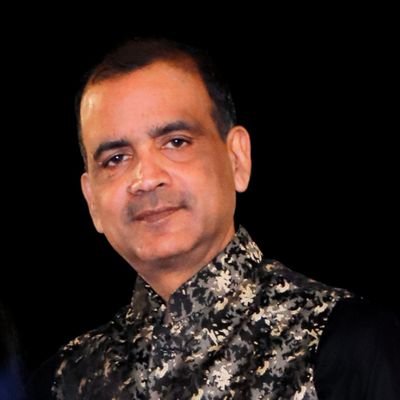
"name": "Atul Kanak",
"bio": "Writer with prestigious Sahitya Academy award, ten books and thousands of published articles and poems along with satires on different walks of life",
"raw_bio": "Writer with prestigious Sahitya Academy award, ten books and thousands of published articles and poems along with satires on different walks of life",
"slug": "atul-kanak",
"DOB": "1967-02-16",
"DateOfDemise": null,
"location": "Kota, India",
"url": "/sootradhar/atul-kanak",
"tags": "",
"created": "2023-09-22T12:18:43.670009",
"is_has_special_post": false,
"is_special_author": false,
"language": 4
},
{
"id": 610,
"image": "https://kavishalalab.s3.ap-south-1.amazonaws.com/sootradhar_author/70720-udmakotaee-1507643770.jpg",
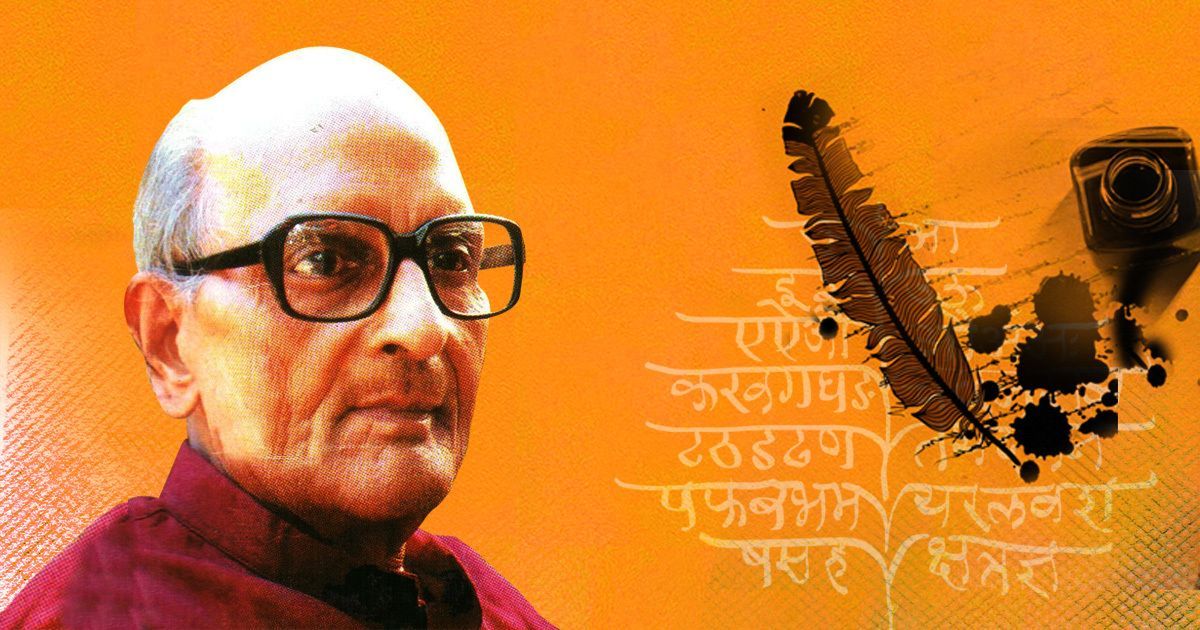
"name": "Ram Vilas Sharma",
"bio": "Ram Vilas Sharma (10 October 1912 – 30 May 2000) was an eminent progressive literary critic, linguist, poet and thinker. He was born in Unchgaon Sani, Unnao District, Uttar Pradesh.\r\n<br>\r\nHe came into the limelight as a critic in 1939 with his scholarly paper on Suryakant Tripathi 'Nirala', presented at a session of Hindi Sahitya Sammelan. Ram Vilas Sharma was undisputedly among the most powerful noted poets of the progressive period.\r\n<br><b>Books</b>\r\n<ul>\r\n<li><em>Bharatiya Sahitya ki Bhumika</em></li>\r\n<li><em>Nirala ki Sahitya Sadhana</em> (3 volumes)</li>\r\n<li><em>Premchand aur unka yug</em></li>\r\n<li><em>Acharya Ramchandra Shukla aur Hindi alochna</em></li>\r\n<li><em>Bhartendu Harishchandra aur Hindi navjagaran ki samasyayen</em></li>\r\n<li><em>Bhartendu Yug aur Hindi bhasha ki vikas parampara</em></li>\r\n<li><em>Mahavir Prasad Dwivedi aur Hindi navjagaran</em></li>\r\n<li><em>Nai kavita aur astitvavad</em></li>\r\n<li><em>Bharat ki bhasha samasya</em></li>\r\n<li><em>Astha aur saundarya</em></li>\r\n<li><em>Bhasha aur samaj</em></li>\r\n<li><em>Parampara ka mulyankan</em></li>\r\n<li><em>Bharat mein angrazi raj aur marxvad</em> (2 volumes)</li>\r\n<li><em>Marx aur pichde huye samaj</em></li>\r\n<li><em>Ghar ki baat</em></li>\r\n<li><em>Bharat ke Pracheen bhasha parivar aur Hindi</em> (3 volumes)</li>\r\n<li><em>Dhool</em></li>\r\n<li><em>aitihasik bhashavigyan aur hindi</em></li>\r\n</ul>",
"raw_bio": "Ram Vilas Sharma (10 October 1912 – 30 May 2000) was an eminent progressive literary critic, linguist, poet and thinker. He was born in Unchgaon Sani, Unnao District, Uttar Pradesh.\r \r He came into the limelight as a critic in 1939 with his scholarly paper on Suryakant Tripathi 'Nirala', presented at a session of Hindi Sahitya Sammelan. Ram Vilas Sharma was undisputedly among the most powerful noted poets of the progressive period.\r Books Bharatiya Sahitya ki Bhumika Nirala ki Sahitya Sadhana (3 volumes) Premchand aur unka yug Acharya Ramchandra Shukla aur Hindi alochna Bhartendu Harishchandra aur Hindi navjagaran ki samasyayen Bhartendu Yug aur Hindi bhasha ki vikas parampara Mahavir Prasad Dwivedi aur Hindi navjagaran Nai kavita aur astitvavad Bharat ki bhasha samasya Astha aur saundarya Bhasha aur samaj Parampara ka mulyankan Bharat mein angrazi raj aur marxvad (2 volumes) Marx aur pichde huye samaj Ghar ki baat Bharat ke Pracheen bhasha parivar aur Hindi (3 volumes) Dhool aitihasik bhashavigyan aur hindi ",
"slug": "ram-vilas-sharma",
"DOB": "1912-10-10",
"DateOfDemise": "2000-05-30",
"location": "Unchagaon Sani, Unnao district, Uttar Pradesh",
"url": "/sootradhar/ram-vilas-sharma",
"tags": "",
"created": "2023-09-22T12:51:10.659520",
"is_has_special_post": true,
"is_special_author": false,
"language": 4
},
{
"id": 611,
"image": "https://kavishalalab.s3.ap-south-1.amazonaws.com/sootradhar_author/JP_Narayan_India.png",
"name": "Jayaprakash Narayan",
"bio": "जयप्रकाश नारायण | Jayaprakash Narayan (11 October 1902 – 8 October 1979), popularly referred to as JP or Lok Nayak (Hindi for The People's Leader), was an Indian independence activist, theorist, socialist, poet and political leader. He is also known as the \"Hero of Quit India Movement\" and he is remembered for leading the mid-1970s opposition against Prime Minister Indira Gandhi, for whose overthrow he had called for a \"total revolution\". His biography, Jayaprakash, was written by his nationalist friend and an eminent writer of Hindi literature, Rambriksh Benipuri. In 1999, he was posthumously awarded the Bharat Ratna, India's highest civilian award, in recognition of his social work. Other awards include the Magsaysay award for Public Service in 1965.",
"raw_bio": "जयप्रकाश नारायण | Jayaprakash Narayan (11 October 1902 – 8 October 1979), popularly referred to as JP or Lok Nayak (Hindi for The People's Leader), was an Indian independence activist, theorist, socialist, poet and political leader. He is also known as the \"Hero of Quit India Movement\" and he is remembered for leading the mid-1970s opposition against Prime Minister Indira Gandhi, for whose overthrow he had called for a \"total revolution\". His biography, Jayaprakash, was written by his nationalist friend and an eminent writer of Hindi literature, Rambriksh Benipuri. In 1999, he was posthumously awarded the Bharat Ratna, India's highest civilian award, in recognition of his social work. Other awards include the Magsaysay award for Public Service in 1965.",
"slug": "jayaprakash-narayan",
"DOB": "1902-10-11",
"DateOfDemise": "1979-10-08",
"location": "Sitabdiara, Saran district, Bengal Presidency, British India",
"url": "/sootradhar/jayaprakash-narayan",
"tags": "",
"created": "2023-09-22T12:18:43.687845",
"is_has_special_post": false,
"is_special_author": false,
"language": 4
},
{
"id": 612,
"image": "https://kavishalalab.s3.ap-south-1.amazonaws.com/sootradhar_author/Om_Prakash_Sharma.jpg",
"name": "Om Prakash Sharma",
"bio": "Om Prakash Sharma (25 December 1924 – 14 October 1998) popularly known as Janpriya Lekhak Om Prakash Sharma, is recognized as one of the foremost and most talented writers of detective fiction in Hindi after Devaki Nandan Khatri. He has more than 450 Hindi detective novels to his credit.\r\n<br>\r\nSharma was wholeheartedly in awe of Sharat Chandra Chatterji's writings. Chatterji's writing style and the depiction of his characters had an immense impact on Sharma. Though, Om Prakash Sharma wrote populist detective novels, he had the acumen of writing good quality contemporary and historical literature as well as poetry. He had keen interest in Indian classical music. He was very fond of Nirguni bhajans hymns recital by Kumar Gandharva and many more Indian Classical Singers.\r\n<br>\r\nWhat distinguished him was his manner of creating a suspense and interest in the script through actual incidents on one hand and imagination on the other, thereby creating a curiosity in the readers mind as to what shall happen next. The main characters of his writing include Rajesh, Jagat, Jayant, Jagan, Gopali, Bandook Singh, Chief Chakravarti, Bhuvan, Father William and many more. Rajesh was considered to be the human face of his writings, who many times on several occasions was preempted as the real time character.\r\n<br>\r\nHe authored some four or five novels featuring 'Bhootnath' as his tribute to the legendary Devaki Nandan Khatri. He also named his imaginary colony, official residence of personnel of 'Kendriya Khufia Vibhag' as 'Bhootnath Colony'.<br>\r\n\r\nIn his social attributions, he wrote against social oppression. In his historical inscriptions, 'Neeli Ghodi Ka Sawar', and 'Phir Aaya Toofan' were very popular.\r\n<br>\r\nAfter writing for many publishing houses, he started to write for his own publication Janpriya Prakashan \" . Many of his novels were huge hit at a time, when television as a medium of entertainment was not so common. Though, he received several offers to write for Hindi feature films, he denied, as he apprehended the material life and loved his slow peaceful but creative life.\r\n<br>\r\nMany fake novels were also published in his name as 'Vikrant' being its main character.",
"raw_bio": "Om Prakash Sharma (25 December 1924 – 14 October 1998) popularly known as Janpriya Lekhak Om Prakash Sharma, is recognized as one of the foremost and most talented writers of detective fiction in Hindi after Devaki Nandan Khatri. He has more than 450 Hindi detective novels to his credit.\r \r Sharma was wholeheartedly in awe of Sharat Chandra Chatterji's writings. Chatterji's writing style and the depiction of his characters had an immense impact on Sharma. Though, Om Prakash Sharma wrote populist detective novels, he had the acumen of writing good quality contemporary and historical literature as well as poetry. He had keen interest in Indian classical music. He was very fond of Nirguni bhajans hymns recital by Kumar Gandharva and many more Indian Classical Singers.\r \r What distinguished him was his manner of creating a suspense and interest in the script through actual incidents on one hand and imagination on the other, thereby creating a curiosity in the readers mind as to what shall happen next. The main characters of his writing include Rajesh, Jagat, Jayant, Jagan, Gopali, Bandook Singh, Chief Chakravarti, Bhuvan, Father William and many more. Rajesh was considered to be the human face of his writings, who many times on several occasions was preempted as the real time character.\r \r He authored some four or five novels featuring 'Bhootnath' as his tribute to the legendary Devaki Nandan Khatri. He also named his imaginary colony, official residence of personnel of 'Kendriya Khufia Vibhag' as 'Bhootnath Colony'. \r \r In his social attributions, he wrote against social oppression. In his historical inscriptions, 'Neeli Ghodi Ka Sawar', and 'Phir Aaya Toofan' were very popular.\r \r After writing for many publishing houses, he started to write for his own publication Janpriya Prakashan \" . Many of his novels were huge hit at a time, when television as a medium of entertainment was not so common. Though, he received several offers to write for Hindi feature films, he denied, as he apprehended the material life and loved his slow peaceful but creative life.\r \r Many fake novels were also published in his name as 'Vikrant' being its main character.",
"slug": "om-prakash-sharma",
"DOB": "1924-12-25",
"DateOfDemise": "1998-10-14",
"location": "Meerut, United Provinces, British India",
"url": "/sootradhar/om-prakash-sharma",
"tags": "",
"created": "2023-09-22T12:18:43.696485",
"is_has_special_post": false,
"is_special_author": false,
"language": 4
},
{
"id": 613,
"image": "https://kavishalalab.s3.ap-south-1.amazonaws.com/sootradhar_author/Shailesh_Matiyani.jpeg",
"name": "Shailesh Matiyani",
"bio": "शैलेश मटियानी | Ramesh Singh Matiyani 'Shailesh', popularly known as Shailesh Matiyani (14 October 1931 – 24 April 2001), was a Hindi writer, poet, essayist from Uttarakhand, India.<br>\r\n\r\nHe became most known for his short stories, depicting the struggles and the fighting spirit of the Indian lower and lower-middle class, which he embodied himself and expressed through his writings all through his life, and which gave him the title – People's Writer or 'Jankathakar'. And as, Hindi Littérateur, Pankaj Bisht puts it, \"how intimate was his depiction of the displaced people from the villages in the urban slums, and those compelled to live and die on footpaths. You won't find this kind of intimacy in any other language. Matiyani's protagonists are beggars, pick-pockets, lumpens, drop-outs, marginalised characters. Fatedness – the lopsided policies of progress – they were its victims; and yet, their inner life was so full of humanism and faith.\". Today, many writers view his work, second to none other than Premchand himself, though some like Giriraj Kishore, even consider his story writing, beyond of him as well.\r\n<br>\r\nHe wrote over 30 novels, including Ramkali and Suryaasth Kosi, over 17 collection of stories including his most popular stories Maimood, Yada Kada and Ardhangini, 28 collection of stories, seven collection of folk tales, apart from writing numerous essays and over 16 books for children.\r\n<br>\r\nIn 1994, he was awarded an honorary degree of D.Litt. by Kumaun University, Nainital.",
"raw_bio": "शैलेश मटियानी | Ramesh Singh Matiyani 'Shailesh', popularly known as Shailesh Matiyani (14 October 1931 – 24 April 2001), was a Hindi writer, poet, essayist from Uttarakhand, India. \r \r He became most known for his short stories, depicting the struggles and the fighting spirit of the Indian lower and lower-middle class, which he embodied himself and expressed through his writings all through his life, and which gave him the title – People's Writer or 'Jankathakar'. And as, Hindi Littérateur, Pankaj Bisht puts it, \"how intimate was his depiction of the displaced people from the villages in the urban slums, and those compelled to live and die on footpaths. You won't find this kind of intimacy in any other language. Matiyani's protagonists are beggars, pick-pockets, lumpens, drop-outs, marginalised characters. Fatedness – the lopsided policies of progress – they were its victims; and yet, their inner life was so full of humanism and faith.\". Today, many writers view his work, second to none other than Premchand himself, though some like Giriraj Kishore, even consider his story writing, beyond of him as well.\r \r He wrote over 30 novels, including Ramkali and Suryaasth Kosi, over 17 collection of stories including his most popular stories Maimood, Yada Kada and Ardhangini, 28 collection of stories, seven collection of folk tales, apart from writing numerous essays and over 16 books for children.\r \r In 1994, he was awarded an honorary degree of D.Litt. by Kumaun University, Nainital.",
"slug": "shailesh-matiyani",
"DOB": "1931-10-14",
"DateOfDemise": "1991-04-24",
"location": "Barechhina, Almora, Uttarakhand, India",
"url": "/sootradhar/shailesh-matiyani",
"tags": "",
"created": "2023-09-22T12:18:43.705007",
"is_has_special_post": false,
"is_special_author": false,
"language": 4
},
{
"id": 618,
"image": "https://kavishalalab.s3.ap-south-1.amazonaws.com/sootradhar_author/Adam_Gondvi.jpg",
"name": "Adam Gondvi",
"bio": "<p>Adam Gondvi (born Ram Nath Singh; 22 October 1947 – 18 December 2011)was an Indian poet from Atta Paraspur, Gonda, Uttar Pradesh. He wrote poetry in Hindi, highlighting the plight of marginalized castes, Dalits, impoverished people. Born in a poor farmer family, However, they had considerable arable land. Gondvi's poetry was known for social commentary, scathing view of corrupt politicians and revolutionary in nature.</p>\r\n<p>In 1998, Madhya Pradesh government awarded him with Dushyant Kumar Prize.In 2007 he was awarded Maati Ratan Samman by Shaheed Shodha Sansthan for his contributions to Awadhi/Hindi.</p>\r\n<p>Gondvi died on 18 December 2011 in Sanjay Gandhi Postgraduate Institute of Medical Sciences, Lucknow due to stomach ailments.</p>\r\n<p>His poetry collections Dharti Ki Satah Par (Surface of the earth) and Samay Se Muthbhed (Encounter with time) are quite popular.</p>\r\n<p> </p>",
"raw_bio": "Adam Gondvi (born Ram Nath Singh; 22 October 1947 – 18 December 2011)was an Indian poet from Atta Paraspur, Gonda, Uttar Pradesh. He wrote poetry in Hindi, highlighting the plight of marginalized castes, Dalits, impoverished people. Born in a poor farmer family, However, they had considerable arable land. Gondvi's poetry was known for social commentary, scathing view of corrupt politicians and revolutionary in nature. In 1998, Madhya Pradesh government awarded him with Dushyant Kumar Prize.In 2007 he was awarded Maati Ratan Samman by Shaheed Shodha Sansthan for his contributions to Awadhi/Hindi. Gondvi died on 18 December 2011 in Sanjay Gandhi Postgraduate Institute of Medical Sciences, Lucknow due to stomach ailments. His poetry collections Dharti Ki Satah Par (Surface of the earth) and Samay Se Muthbhed (Encounter with time) are quite popular. ",
"slug": "adam-gondvi",
"DOB": "1947-10-22",
"DateOfDemise": "2011-12-18",
"location": null,
"url": "/sootradhar/adam-gondvi",
"tags": "",
"created": "2023-09-22T12:51:11.840932",
"is_has_special_post": true,
"is_special_author": false,
"language": 4
},
{
"id": 619,
"image": "https://kavishalalab.s3.ap-south-1.amazonaws.com/sootradhar_author/ASLAM_FARRUKHI.jpg",
"name": "Aslam Farrukhi",
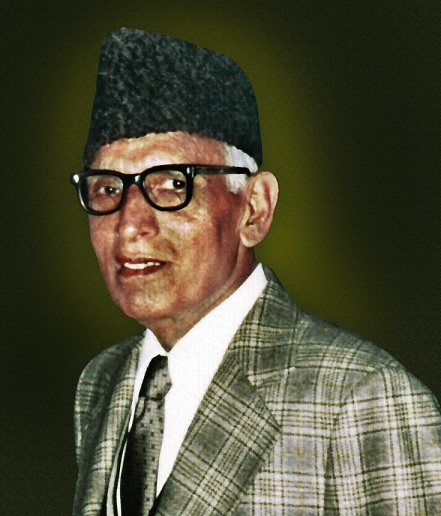
"bio": "<p>Aslam Farrukhi (Urdu: اسلم فرخی‎) (23 October 1923 – 15 June 2016) was an Urdu author, literary critic, linguist, scholar and radio scriptwriter from Pakistan. He is also known for writing children's books. He remained associated as a Professor and Chairman with the Department of Urdu, University of Karachi, for many years.</p>\r\n<p>Career<br />He started out his career at Radio Pakistan as a scriptwriter for radio plays. Later Aslam Farrukhi taught at Sindh Muslim College, now known as Sindh Madressatul Islam University and at Karachi University, where he also served as registrar. His son is scholar Asif Farrukhi who also was a co-founder of Karachi Literature Festival. He was associated as professor and retired as chairman with the Department of Urdu, University of Karachi, for many years, and with Radio Pakistan for more than six years. He was among the country's few writers of children's literature.</p>\r\n<p>Awards and recognition<br />Pride of Performance Award by the President of Pakistan in 2009.<br />Adamjee Literary Award in 1965<br />Death<br />Aslam Farrukhi died on June 15, 2016 in Gulshan e Iqbal, Karachi and was buried in Karachi University Graveyard on June 16, 2016 after Zohar Prayer. Among the survivors are his wife and two sons.</p>\r\n<p>Bibliography<br />Muhammad Hussain Azad: Hayat-o-Tasaneef - Life and Writings of the 19th century author Muhammad Husain Azad<br />Guldasta-e-Ahbab<br />Aangann main Sitaray<br />Farid-o-Fard-i-Fareed - a book on the life of 13th century Sufi Baba Fariduddin Ganjshakar<br />Dabistan-e-Nizam (Publisher:Pakistan Writers Cooperative Society)<br />Bachon Ke Sultanjee - a book on the works of 13th century Sufi Khwaja Nizamuddin Auliya who were also lovingly nicknamed 'Sultanjee'<br />Bachon ke Ranga Rung Amir Khusraw<br />Urdu Ki Pehli Kitab for children<br />Mausam-i-Bahar Jaisay Log<br />Saat Asman<br />Lal, Sabz Kabootar<br />Raunaq-i-Bazm-i-Jahan</p>",
"raw_bio": "Aslam Farrukhi (Urdu: اسلم فرخی) (23 October 1923 – 15 June 2016) was an Urdu author, literary critic, linguist, scholar and radio scriptwriter from Pakistan. He is also known for writing children's books. He remained associated as a Professor and Chairman with the Department of Urdu, University of Karachi, for many years. Career He started out his career at Radio Pakistan as a scriptwriter for radio plays. Later Aslam Farrukhi taught at Sindh Muslim College, now known as Sindh Madressatul Islam University and at Karachi University, where he also served as registrar. His son is scholar Asif Farrukhi who also was a co-founder of Karachi Literature Festival. He was associated as professor and retired as chairman with the Department of Urdu, University of Karachi, for many years, and with Radio Pakistan for more than six years. He was among the country's few writers of children's literature. Awards and recognition Pride of Performance Award by the President of Pakistan in 2009. Adamjee Literary Award in 1965 Death Aslam Farrukhi died on June 15, 2016 in Gulshan e Iqbal, Karachi and was buried in Karachi University Graveyard on June 16, 2016 after Zohar Prayer. Among the survivors are his wife and two sons. Bibliography Muhammad Hussain Azad: Hayat-o-Tasaneef - Life and Writings of the 19th century author Muhammad Husain Azad Guldasta-e-Ahbab Aangann main Sitaray Farid-o-Fard-i-Fareed - a book on the life of 13th century Sufi Baba Fariduddin Ganjshakar Dabistan-e-Nizam (Publisher:Pakistan Writers Cooperative Society) Bachon Ke Sultanjee - a book on the works of 13th century Sufi Khwaja Nizamuddin Auliya who were also lovingly nicknamed 'Sultanjee' Bachon ke Ranga Rung Amir Khusraw Urdu Ki Pehli Kitab for children Mausam-i-Bahar Jaisay Log Saat Asman Lal, Sabz Kabootar Raunaq-i-Bazm-i-Jahan",
"slug": "aslam-farrukhi",
"DOB": "1923-10-23",
"DateOfDemise": "2016-06-15",
"location": null,
"url": "/sootradhar/aslam-farrukhi",
"tags": "",
"created": "2023-09-22T12:51:13.094094",
"is_has_special_post": true,
"is_special_author": false,
"language": 4
},
{
"id": 620,
"image": "https://kavishalalab.s3.ap-south-1.amazonaws.com/sootradhar_author/Alok_Dhanva.webp",
"name": "Alok Dhanva",
"bio": "<p>Alok Dhanva, born in Munger district of Bihar on 2 July 1948, Shri Alok ji is considered one of the revolutionary poets of Hindi. 'Duniya Raj Banati Hai' is his Famous poetry collection.</p>",
"raw_bio": "Alok Dhanva, born in Munger district of Bihar on 2 July 1948, Shri Alok ji is considered one of the revolutionary poets of Hindi. 'Duniya Raj Banati Hai' is his Famous poetry collection.",
"slug": "alok-dhanva",
"DOB": "1948-07-02",
"DateOfDemise": null,
"location": null,
"url": "/sootradhar/alok-dhanva",
"tags": "",
"created": "2023-09-22T12:51:20.961696",
"is_has_special_post": true,
"is_special_author": false,
"language": 4
},
{
"id": 621,
"image": "https://kavishalalab.s3.ap-south-1.amazonaws.com/sootradhar_author/Arzoo_Lakhnavi.jpeg",
"name": "Arzoo Lakhnavi",
"bio": "<p>Arzoo Lakhnavi (born Syed Anwar Hussain; 16 February 1873 – 17 Apr 1951), also known by the honorary title Allamah Arzoo Lakhnavi, was an Urdu poet and lyricist. He wrote almost in every genre of Urdu poetry such as marsiya, qasida, mathnawi, rubaʿi, naʽat, chronogram inscriptions and particularly gazals and lyrics throughout his life, and by the latter wrote radio plays and scripts for several uncertain Urdu films.</p>\r\n<p>He was born to a poet Mir Zakir Hussain 'Yas' as Syed Anwar Hussain around 16 February 1873 in North-Western Provinces, British India (in modern-day Lucknow, India). He was the elder bother of an Urdu poet, Mir Yusuf Hussain 'Qayas'.</p>",
"raw_bio": "Arzoo Lakhnavi (born Syed Anwar Hussain; 16 February 1873 – 17 Apr 1951), also known by the honorary title Allamah Arzoo Lakhnavi, was an Urdu poet and lyricist. He wrote almost in every genre of Urdu poetry such as marsiya, qasida, mathnawi, rubaʿi, naʽat, chronogram inscriptions and particularly gazals and lyrics throughout his life, and by the latter wrote radio plays and scripts for several uncertain Urdu films. He was born to a poet Mir Zakir Hussain 'Yas' as Syed Anwar Hussain around 16 February 1873 in North-Western Provinces, British India (in modern-day Lucknow, India). He was the elder bother of an Urdu poet, Mir Yusuf Hussain 'Qayas'.",
"slug": "arzoo-lakhnavi",
"DOB": "1873-02-16",
"DateOfDemise": "1951-04-17",
"location": null,
"url": "/sootradhar/arzoo-lakhnavi",
"tags": "",
"created": "2023-09-22T12:51:35.701404",
"is_has_special_post": true,
"is_special_author": false,
"language": 4
},
{
"id": 622,
"image": "https://kavishalalab.s3.ap-south-1.amazonaws.com/sootradhar_author/nirmal_verma.jpg",
"name": "Nirmal Verma",
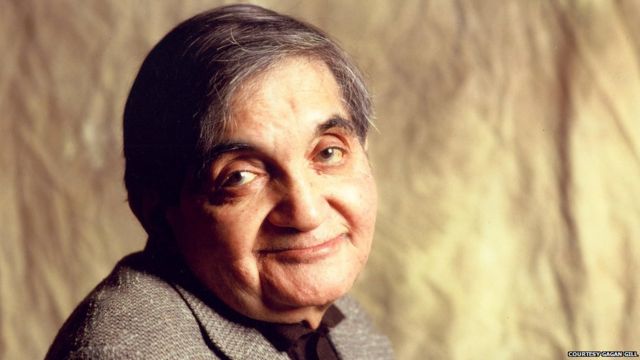
"bio": "निर्मल वर्मा | Nirmal Verma was a Hindi writer, novelist, activist and translator. He is credited as being one of the pioneers of the Nai Kahani literary movement of Hindi literature, wherein his first collection of stories, Parinde is considered its first signature. Nirmal Verma, together with Mohan Rakesh, Bhisham Sahni, Kamleshwar, Amarkant, Rajendra Yadav and others, is the founder of the Nai Kahani (new short story) in Hindi literature.\r\n<br>\r\nNirmal Verma is best known for his short stories and his best known story, 'Parinde' (Birds) (1959) is supposed to be the pioneer of the Nai Kahani Movement in Hindi literature.[4] Nirmal Verma's other notable stories are Andhere Mein, Dedh Inch Upar, and Kavve Aur Kala Pani. Nirmal Verma's last story was published in \"Naya Gyanodaya\" August 2005 issue, titled \"Ab Kuchh Nahin\".\r\n<br>\r\nNirmal Verma experimented vividly with theme as well as technique of the Hindi short story in the 60s and 70s.\r\n<br>\r\nA collection of his letters written to Ramkumar (well known artist and his brother) has been published by Bhartiya Jnanpith, titled \"Priya Ram\" (Dear Ram). His books have been translated into several European languages such as English, Russian, German, Icelandic, Polish, Italian and French.",
"raw_bio": "निर्मल वर्मा | Nirmal Verma was a Hindi writer, novelist, activist and translator. He is credited as being one of the pioneers of the Nai Kahani literary movement of Hindi literature, wherein his first collection of stories, Parinde is considered its first signature. Nirmal Verma, together with Mohan Rakesh, Bhisham Sahni, Kamleshwar, Amarkant, Rajendra Yadav and others, is the founder of the Nai Kahani (new short story) in Hindi literature.\r \r Nirmal Verma is best known for his short stories and his best known story, 'Parinde' (Birds) (1959) is supposed to be the pioneer of the Nai Kahani Movement in Hindi literature.[4] Nirmal Verma's other notable stories are Andhere Mein, Dedh Inch Upar, and Kavve Aur Kala Pani. Nirmal Verma's last story was published in \"Naya Gyanodaya\" August 2005 issue, titled \"Ab Kuchh Nahin\".\r \r Nirmal Verma experimented vividly with theme as well as technique of the Hindi short story in the 60s and 70s.\r \r A collection of his letters written to Ramkumar (well known artist and his brother) has been published by Bhartiya Jnanpith, titled \"Priya Ram\" (Dear Ram). His books have been translated into several European languages such as English, Russian, German, Icelandic, Polish, Italian and French.",
"slug": "nirmal-verma",
"DOB": "1929-04-03",
"DateOfDemise": "2005-10-25",
"location": null,
"url": "/sootradhar/nirmal-verma",
"tags": "निर्मल वर्मा, Nirmal Verma, Kavishala, Hindi Poetry, Hindi Poet",
"created": "2023-09-22T12:18:43.778323",
"is_has_special_post": false,
"is_special_author": false,
"language": 4
},
{
"id": 623,
"image": "https://kavishalalab.s3.ap-south-1.amazonaws.com/sootradhar_author/Zia_Fatehabadi.jpg",
"name": "Zia Fatehabadi",
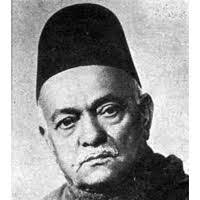
"bio": "<p>Mehr Lal Soni (9 February 1913 – 19 August 1986), better known as Zia Fatehabadi, was an Indian Urdu ghazal and nazm writer. He was a disciple (shaagird) of Syed Aashiq Hussain Siddiqui Seemab Akbarabadi (1882–1951), who was a disciple of Nawab Mirza Khan Daagh Dehlvi (1831-1905). He used the takhallus (nom de plume) of Zia meaning "Light" on the suggestion of his teacher, Ghulaam Qadir Farkh Amritsari.</p>\r\n<p><br></p>\r\n<p>Literary career</p>\r\n<p>Zia Fatehabadi began to write poetry in 1925 under the supervision of his mother, Shankari Devi, with the help of Maulvi Asghar Ali Haya Jaipuri, who used to teach him Urdu at home and who also imparted his own knowledge of Urdu poetry composition to him. By 1929, Zia Fatehabadi had become a familiar name in Urdu literary circles. In 1930, he became Seemab Akbarabadi’s disciple and remained true to his ustad until his own death, working to spread Seemab's methods and instructions at all times. He never ever gave a moment's thought to his own name or fame and sought neither favours or honours nor public or state recognition. He categorically rejected such exercises. He believed that the real worth of a poet's creativity can, ultimately, be gauged impartially only by those who look deeper into his works, in their desire or eagerness to get to know the poet better.</p>\r\n<p><br></p>\r\n<p>In 1933, at the age of 20 and while still a college student, Zia Fatehabadi succeeded in having his very first collection of Urdu poems, Tullu (Dawn), published in Meerut by Saghar Nizami. He wrote from the heart and, efficaciously, dressed his feelings, emotions, thoughts and experiences with simple, delicate, sweet-sounding, lyrical, meaningful, easily understood words and phrases – the key features in his poetry. His inimitable style set him apart from his peers and gave him a distinct identity.</p>\r\n<p><br></p>\r\n<p>His writings were meant to touch one's heart and mind simultaneously and make one feel all that he himself had felt. He was totally at ease in the use of a variety of prose and poetical formats. However, he did not succumb to the practice of uninhibited expression of ideas in open forms, which had been adopted by some of his noted contemporaries, who had introduced symbolism in Urdu Poetry. In his article titled Zia Saheb, Gopichand Narang had said that he (Zia) belonged to the Seemab Akbarabadi's circle of devoted writers; deep knowledge of the etiquette and effective use of language and expression, the immense richness of feelings and emotions meant to be conveyed, and the fine eloquence and methodology adorned his writings and he makes use of Hindi intonation in ghazal quite effectively and also quite meaningfully highlights the contemporary human pain and suffering; to appraise Zia Fatehabadi is to appraise the inherited tradition and refinement of our poetry. In his compositions, that demonstrate undefiled immaculate thought and brevity Zia Fatehabadi has revealed new and factual aspects of thought and insight.</p>\r\n<p><br></p>",
"raw_bio": "Mehr Lal Soni (9 February 1913 – 19 August 1986), better known as Zia Fatehabadi, was an Indian Urdu ghazal and nazm writer. He was a disciple (shaagird) of Syed Aashiq Hussain Siddiqui Seemab Akbarabadi (1882–1951), who was a disciple of Nawab Mirza Khan Daagh Dehlvi (1831-1905). He used the takhallus (nom de plume) of Zia meaning \"Light\" on the suggestion of his teacher, Ghulaam Qadir Farkh Amritsari. Literary career Zia Fatehabadi began to write poetry in 1925 under the supervision of his mother, Shankari Devi, with the help of Maulvi Asghar Ali Haya Jaipuri, who used to teach him Urdu at home and who also imparted his own knowledge of Urdu poetry composition to him. By 1929, Zia Fatehabadi had become a familiar name in Urdu literary circles. In 1930, he became Seemab Akbarabadi’s disciple and remained true to his ustad until his own death, working to spread Seemab's methods and instructions at all times. He never ever gave a moment's thought to his own name or fame and sought neither favours or honours nor public or state recognition. He categorically rejected such exercises. He believed that the real worth of a poet's creativity can, ultimately, be gauged impartially only by those who look deeper into his works, in their desire or eagerness to get to know the poet better. In 1933, at the age of 20 and while still a college student, Zia Fatehabadi succeeded in having his very first collection of Urdu poems, Tullu (Dawn), published in Meerut by Saghar Nizami. He wrote from the heart and, efficaciously, dressed his feelings, emotions, thoughts and experiences with simple, delicate, sweet-sounding, lyrical, meaningful, easily understood words and phrases – the key features in his poetry. His inimitable style set him apart from his peers and gave him a distinct identity. His writings were meant to touch one's heart and mind simultaneously and make one feel all that he himself had felt. He was totally at ease in the use of a variety of prose and poetical formats. However, he did not succumb to the practice of uninhibited expression of ideas in open forms, which had been adopted by some of his noted contemporaries, who had introduced symbolism in Urdu Poetry. In his article titled Zia Saheb, Gopichand Narang had said that he (Zia) belonged to the Seemab Akbarabadi's circle of devoted writers; deep knowledge of the etiquette and effective use of language and expression, the immense richness of feelings and emotions meant to be conveyed, and the fine eloquence and methodology adorned his writings and he makes use of Hindi intonation in ghazal quite effectively and also quite meaningfully highlights the contemporary human pain and suffering; to appraise Zia Fatehabadi is to appraise the inherited tradition and refinement of our poetry. In his compositions, that demonstrate undefiled immaculate thought and brevity Zia Fatehabadi has revealed new and factual aspects of thought and insight. ",
"slug": "zia-fatehabadi",
"DOB": "1913-02-09",
"DateOfDemise": "1986-08-19",
"location": null,
"url": "/sootradhar/zia-fatehabadi",
"tags": "",
"created": "2023-09-22T12:51:48.385814",
"is_has_special_post": true,
"is_special_author": false,
"language": 4
},
{
"id": 624,
"image": "https://kavishalalab.s3.ap-south-1.amazonaws.com/sootradhar_author/Rajendra_Yadav3_20131030.jpg",
"name": "Rajendra Yadav",
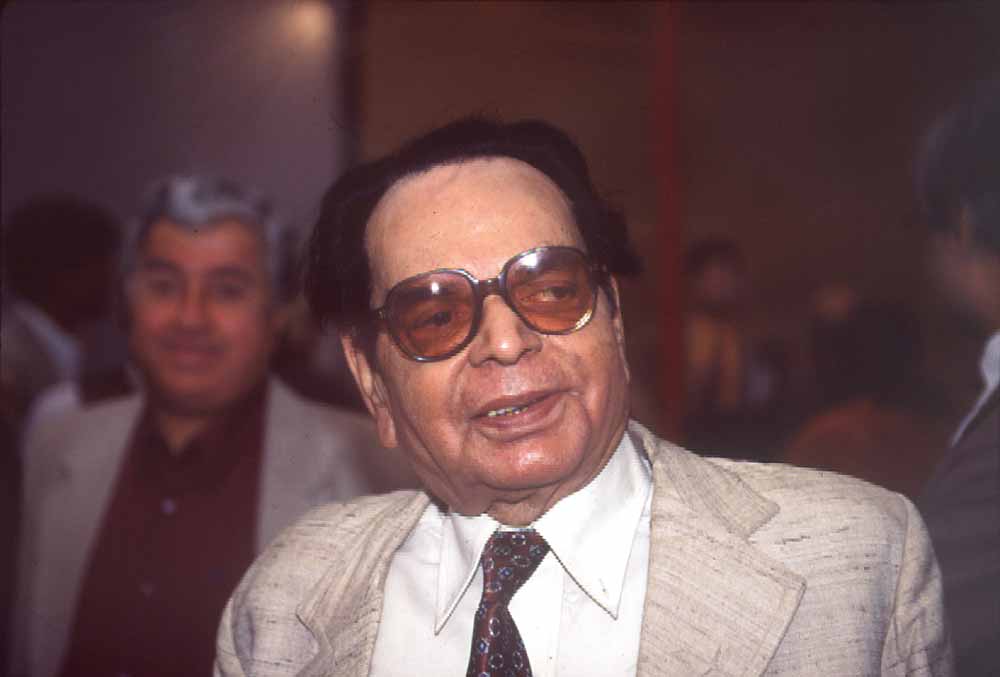
"bio": "Rajendra Yadav (28th August 1929 – 28th October 2013) was a Hindi fiction writer, and a pioneer of the Hindi literary movement known as Nayi Kahani. He edited the literary magazine HANS, which was founded by Munshi Premchand in 1930 but ceased publication in 1953 – Yadav relaunched it on 31st July 1986, (Premchand's Birthday).<br>\r\nHis wife Mannu Bhandari is also a famous Hindi fiction writer.<br>\r\nRajendra Yadav was born in Agra, Uttar Pradesh on 28 August 1929.[citation needed] He received his early education at Agra, and later also studied at Mawana, Meerut. He graduated in 1949, and later completed his MA in Hindi at Agra University in 1951.<br>\r\n\r\nHis first novel was Pret Bolte Hain (Ghosts Speak), published in 1951 and later retitled as Sara Akash (The Infinite Cosmos) in the 1960s. It was the first Hindi novel to try to shock orthodox Indian cultural traditions. It was adapted into a movie of the same title, Sara Akash, by Basu Chatterjee in 1969 and which along with Mrinal Sen's Bhuvan Shome, launched Parallel Cinema in Hindi. The films was shot the Yadav's ancestral home in Raja Ki Mandi, Agra.<br>\r\n\r\nUkhre Huey Log, ('The Rootless People) his next novel, depicts the trauma of a couple arising out of socio-economic condition which forced them to desert the conventional path – and, still they failed to acclimatise themselves to a corrupt and devilish world. This novel envisages \"living in\" concept for the first time.<br>\r\n\r\nHe wrote two more novels, Kulta (The Wayward Wife), and Shaah aur Maat (Check and Mate). He also wrote several stories and translated into Hindi many works of Russian language writers like Turgenev, Chekhov, and Lermontov (A Hero of Our Times), as also Albert Camus (The Outsider).\r\n<br>\r\nEk Inch Muskaan (A Little Smile), which Rajendra Yadav and wife Mannu Bhandari wrote together, is a love tragedy of schizophrenic individuals.\r\n<br>\r\nBesides being a writer, Rajendra Yadav was also a nominated a board member of Prasar Bharti in 1999–2001. He was awarded Yash Bharati Samman of year 2013 by Government of Uttar Pradesh.\r\n<br>\r\nYadav died in New Delhi on 28 October 2013. He was 84 years old when he died. Before his death, he had been admitted to hospital as he was ailing .",
"raw_bio": "Rajendra Yadav (28th August 1929 – 28th October 2013) was a Hindi fiction writer, and a pioneer of the Hindi literary movement known as Nayi Kahani. He edited the literary magazine HANS, which was founded by Munshi Premchand in 1930 but ceased publication in 1953 – Yadav relaunched it on 31st July 1986, (Premchand's Birthday). \r His wife Mannu Bhandari is also a famous Hindi fiction writer. \r Rajendra Yadav was born in Agra, Uttar Pradesh on 28 August 1929.[citation needed] He received his early education at Agra, and later also studied at Mawana, Meerut. He graduated in 1949, and later completed his MA in Hindi at Agra University in 1951. \r \r His first novel was Pret Bolte Hain (Ghosts Speak), published in 1951 and later retitled as Sara Akash (The Infinite Cosmos) in the 1960s. It was the first Hindi novel to try to shock orthodox Indian cultural traditions. It was adapted into a movie of the same title, Sara Akash, by Basu Chatterjee in 1969 and which along with Mrinal Sen's Bhuvan Shome, launched Parallel Cinema in Hindi. The films was shot the Yadav's ancestral home in Raja Ki Mandi, Agra. \r \r Ukhre Huey Log, ('The Rootless People) his next novel, depicts the trauma of a couple arising out of socio-economic condition which forced them to desert the conventional path – and, still they failed to acclimatise themselves to a corrupt and devilish world. This novel envisages \"living in\" concept for the first time. \r \r He wrote two more novels, Kulta (The Wayward Wife), and Shaah aur Maat (Check and Mate). He also wrote several stories and translated into Hindi many works of Russian language writers like Turgenev, Chekhov, and Lermontov (A Hero of Our Times), as also Albert Camus (The Outsider).\r \r Ek Inch Muskaan (A Little Smile), which Rajendra Yadav and wife Mannu Bhandari wrote together, is a love tragedy of schizophrenic individuals.\r \r Besides being a writer, Rajendra Yadav was also a nominated a board member of Prasar Bharti in 1999–2001. He was awarded Yash Bharati Samman of year 2013 by Government of Uttar Pradesh.\r \r Yadav died in New Delhi on 28 October 2013. He was 84 years old when he died. Before his death, he had been admitted to hospital as he was ailing .",
"slug": "rajendra-yadav",
"DOB": "1929-08-29",
"DateOfDemise": "2013-10-28",
"location": "Agra, Uttar Pradesh, India",
"url": "/sootradhar/rajendra-yadav",
"tags": "",
"created": "2023-09-22T12:18:43.831455",
"is_has_special_post": false,
"is_special_author": false,
"language": 4
}
],
"description": "<p style=\"text-align: center; font-size: 24px;\"> The Great Poets and Writers in Indian and World History! </p>",
"image": "https://kavishalalab.s3.ap-south-1.amazonaws.com/sootradhar_description/black.jpg"
}