HTTP 200 OK
Allow: GET, HEAD, OPTIONS
Content-Type: application/json
Vary: Accept
{
"count": 17752,
"next": "http://admin.kavishala.in/sootradhar/authors/?format=api&page=624",
"previous": "http://admin.kavishala.in/sootradhar/authors/?format=api&page=622",
"results": [
{
"id": 587,
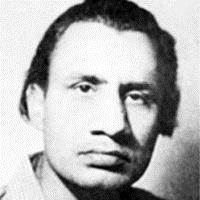
"image": "https://kavishalalab.s3.ap-south-1.amazonaws.com/sootradhar_author/krishna-mohan.png",
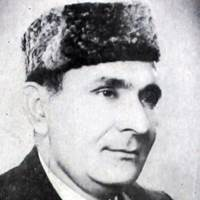
"name": "Krishan Mohan",
"bio": "<p>Krishan Mohan (28 November 1922 – 2004) was an Indian Urdu poet who gained prominence after India gained independence from the British Raj.</p>\r\n<p>Mohan was the takhallus of Krishan Lal Bhatia who was born in Sialkot, British India. His father, Ganpat Rai Bhatia, was an advocate; post partition of British India he practiced law in the District Courts of Meerut. Ganpat Rai was also an Urdu poet; his takhallus was Shakir.</p>\r\n<p>After completing his school studies Krishan Mohan obtained his B.A. (Hons.) degrees separately in English and in Persian as a student of Murray College, Sialkot, where he was also the editor of the college house magazine. Later on he obtained his M.A. degree in English Literature as a student of Government College, Lahore.</p>\r\n<p>After partition of British India his family moved to Karnal where Krishan Mohan found temporary employment as a welfare officer. Thereafter, he worked as sub-editor and assistant editor of All India Radio's publication Aawaaz at Lucknow and Delhi, and then as a journalist with the Press Information Bureau before joining the Indian Revenue Service as an Income Tax Officer.</p>\r\n<p>Literary life<br />Krishan Mohan was a popular and a prolific writer who after 1947 dominated Delhi’s that particular Urdu stage which was graced by stalwarts – Pandit Harichand Akhtar, Arsh Malsiani, Jagan Nath Azad, Gopal Mittal, Naresh Kumar Shad, Bismil Saeedi, Rana Jaggi, Ram Krishan Mushtar, Talib Chakwali and Bakshi Akhtar Amritsari.</p>\r\n<p>While adhering to the classical style Krishan Mohan did not hesitate to experiment, at times over- reaching the extreme thresh-holds of imagination and thought. His ghazals set in the traditional mode are thoughtful and thought-provoking, and for his nazms he searched for and found new ideas and expressions.</p>\r\n<p>Bibliography<br />Urdu poetry (in Urdu script):</p>\r\n<p>Shabnam shabnam<br />Dil e Naadaan<br />Tamaashaaii<br />Ghazaal<br />Nigaah e naaz<br />Aahang e watan<br />Konpal konpal<br />Bairaagii bhanwaraa<br />Shirazah e mizgaan<br />Urdu poetry (in Hindi script):</p>\r\n<p>Roopras<br />Dhoop meri kaamnaa ki<br />Pyaas meri kaamnaa ki</p>\r\n<p> </p>",
"raw_bio": "Krishan Mohan (28 November 1922 – 2004) was an Indian Urdu poet who gained prominence after India gained independence from the British Raj. Mohan was the takhallus of Krishan Lal Bhatia who was born in Sialkot, British India. His father, Ganpat Rai Bhatia, was an advocate; post partition of British India he practiced law in the District Courts of Meerut. Ganpat Rai was also an Urdu poet; his takhallus was Shakir. After completing his school studies Krishan Mohan obtained his B.A. (Hons.) degrees separately in English and in Persian as a student of Murray College, Sialkot, where he was also the editor of the college house magazine. Later on he obtained his M.A. degree in English Literature as a student of Government College, Lahore. After partition of British India his family moved to Karnal where Krishan Mohan found temporary employment as a welfare officer. Thereafter, he worked as sub-editor and assistant editor of All India Radio's publication Aawaaz at Lucknow and Delhi, and then as a journalist with the Press Information Bureau before joining the Indian Revenue Service as an Income Tax Officer. Literary life Krishan Mohan was a popular and a prolific writer who after 1947 dominated Delhi’s that particular Urdu stage which was graced by stalwarts – Pandit Harichand Akhtar, Arsh Malsiani, Jagan Nath Azad, Gopal Mittal, Naresh Kumar Shad, Bismil Saeedi, Rana Jaggi, Ram Krishan Mushtar, Talib Chakwali and Bakshi Akhtar Amritsari. While adhering to the classical style Krishan Mohan did not hesitate to experiment, at times over- reaching the extreme thresh-holds of imagination and thought. His ghazals set in the traditional mode are thoughtful and thought-provoking, and for his nazms he searched for and found new ideas and expressions. Bibliography Urdu poetry (in Urdu script): Shabnam shabnam Dil e Naadaan Tamaashaaii Ghazaal Nigaah e naaz Aahang e watan Konpal konpal Bairaagii bhanwaraa Shirazah e mizgaan Urdu poetry (in Hindi script): Roopras Dhoop meri kaamnaa ki Pyaas meri kaamnaa ki ",
"slug": "krishan-mohan",
"DOB": "1922-11-28",
"DateOfDemise": "2004-01-01",
"location": null,
"url": "/sootradhar/krishan-mohan",
"tags": "",
"created": "2023-09-22T12:50:40.461716",
"is_has_special_post": true,
"is_special_author": false,
"language": 4
},
{
"id": 588,
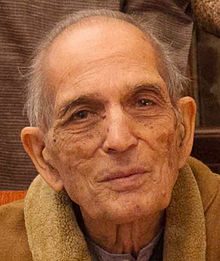
"image": "https://kavishalalab.s3.ap-south-1.amazonaws.com/sootradhar_author/nazish-partap-gadhi.png",
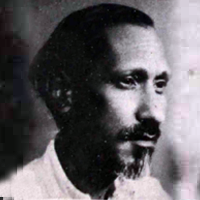
"name": "Nazish Pratapgarhi",
"bio": "<p>Nazish Pratapgarhi (born Mohammad Ahmad; 12 Jul 1924 – 10 Apr 1984) was an Urdu poet from India, who was known for his thoughts and ability to create contact between himself and lovers of Urdu poetry.<br />Writings<br />He mainly wrote Urdu Ghazals. He was a disciple of Seemab Akbarabadi. His collection of ghazals titled Naya Saaz Naya Andaz was published by the Uttar Pradesh Urdu academy. In 1983, he received the Ghalib Award in recognition of his contribution to Urdu literature.</p>\r\n<p>He faced financial difficulties throughout his life and even when he approached the film industry, he did not sell his lyrics, although he led a poor life.</p>\r\n<p> </p>",
"raw_bio": "Nazish Pratapgarhi (born Mohammad Ahmad; 12 Jul 1924 – 10 Apr 1984) was an Urdu poet from India, who was known for his thoughts and ability to create contact between himself and lovers of Urdu poetry. Writings He mainly wrote Urdu Ghazals. He was a disciple of Seemab Akbarabadi. His collection of ghazals titled Naya Saaz Naya Andaz was published by the Uttar Pradesh Urdu academy. In 1983, he received the Ghalib Award in recognition of his contribution to Urdu literature. He faced financial difficulties throughout his life and even when he approached the film industry, he did not sell his lyrics, although he led a poor life. ",
"slug": "nazish-pratapgarhi",
"DOB": "1924-07-12",
"DateOfDemise": "1984-04-10",
"location": null,
"url": "/sootradhar/nazish-pratapgarhi",
"tags": "",
"created": "2023-09-22T12:50:41.392847",
"is_has_special_post": true,
"is_special_author": false,
"language": 4
},
{
"id": 591,
"image": "https://kavishalalab.s3.ap-south-1.amazonaws.com/sootradhar_author/himayat-ali-shayar.png",
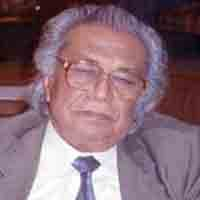
"name": "Himayat Ali Shair",
"bio": "<p>Himayat Ali Shair (Urdu: حمایت علی شاعر‎; July 14, 1926 – July 16, 2019) was an Urdu poet, writer, film songwriter, actor and radio drama artist from Pakistan. He received the 2002 Pride of Performance Award for his literary services in Urdu literature from the president of Pakistan. He also received 2 Nigar Awards in 1962 and 1963 for 'Best Song Lyricist' for the Pakistani films \"Aanchal\" (1962) and \"Daman\" (1963).</p>\r\n<p>List of Works/Bibliography<br />An Kahi (a short story)<br />Aag Mein Phool (this collection of poetry won him a Presidential Award in 1959)<br />Shikast-e-Aarzoo<br />Mitti Ka Qarz (poetry)<br />Harf Harf Roshani (poetry)</p>",
"raw_bio": "Himayat Ali Shair (Urdu: حمایت علی شاعر; July 14, 1926 – July 16, 2019) was an Urdu poet, writer, film songwriter, actor and radio drama artist from Pakistan. He received the 2002 Pride of Performance Award for his literary services in Urdu literature from the president of Pakistan. He also received 2 Nigar Awards in 1962 and 1963 for 'Best Song Lyricist' for the Pakistani films \"Aanchal\" (1962) and \"Daman\" (1963). List of Works/Bibliography An Kahi (a short story) Aag Mein Phool (this collection of poetry won him a Presidential Award in 1959) Shikast-e-Aarzoo Mitti Ka Qarz (poetry) Harf Harf Roshani (poetry)",
"slug": "himayat-ali-shair",
"DOB": "1926-07-14",
"DateOfDemise": "2019-07-16",
"location": null,
"url": "/sootradhar/himayat-ali-shair",
"tags": "",
"created": "2023-09-22T12:50:48.603570",
"is_has_special_post": true,
"is_special_author": false,
"language": 4
},
{
"id": 593,
"image": "https://kavishalalab.s3.ap-south-1.amazonaws.com/sootradhar_author/kanval-ziai.png",
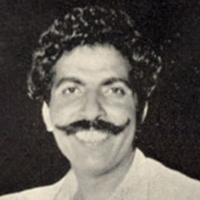
"name": "Kanwal Ziai",
"bio": "<p>Kanwal Ziai (born Hardayal Singh Datta) (15 March 1927 – 27 October 2011) was an Urdu and Hindi language poet and author from India.</p>\r\n<p>Bibliography<br />Pyase Jaam Urdu Poetry in Devnagri (Hindi) Language 1973<br />Lafzo Ki Diwar in Urdu Language 1993<br />Kagaz ka Dhua<br />Dhoop ka Safar</p>",
"raw_bio": "Kanwal Ziai (born Hardayal Singh Datta) (15 March 1927 – 27 October 2011) was an Urdu and Hindi language poet and author from India. Bibliography Pyase Jaam Urdu Poetry in Devnagri (Hindi) Language 1973 Lafzo Ki Diwar in Urdu Language 1993 Kagaz ka Dhua Dhoop ka Safar",
"slug": "kanwal-ziai",
"DOB": "1927-03-15",
"DateOfDemise": "2011-10-27",
"location": null,
"url": "/sootradhar/kanwal-ziai",
"tags": "",
"created": "2023-09-22T12:50:49.041820",
"is_has_special_post": true,
"is_special_author": false,
"language": 4
},
{
"id": 594,
"image": "https://kavishalalab.s3.ap-south-1.amazonaws.com/sootradhar_author/naresh-kumar-shad.png",
"name": "Naresh Kumar Shad",
"bio": "<p>Naresh Kumar Shad (1927 – 1969) (नरेश कुमार शाद ) was a ghazal,and rubai writer.<br />Literary career<br />Naresh Kumar Shad was a disciple of Labhu Ram Josh Malsiyani (1883-1976) who was a disciple of Nawab Mirza Daagh Dehalvi. He wrote ghazals which had become very popular even when he was alive but his forte was Qat'aa and Rubai. His two collections of poetry, Qashen and Kalaam e Muntakhab were published during his lifetime. After his demise Naresh Kumar Shad Memorial Committee in the year 1970 published Shad Namah that contained his poems and articles appraising his literary output. Later on, Shad ki Shayari Shad aur Akhtar ki shayari and Adabi latife came to light.</p>\r\n<p>Bibliography<br />Lalkar<br />Dastak<br />Qashen<br />Wijdan<br />Shad Namah<br />Shad aur uski Shayari</p>",
"raw_bio": "Naresh Kumar Shad (1927 – 1969) (नरेश कुमार शाद ) was a ghazal,and rubai writer. Literary career Naresh Kumar Shad was a disciple of Labhu Ram Josh Malsiyani (1883-1976) who was a disciple of Nawab Mirza Daagh Dehalvi. He wrote ghazals which had become very popular even when he was alive but his forte was Qat'aa and Rubai. His two collections of poetry, Qashen and Kalaam e Muntakhab were published during his lifetime. After his demise Naresh Kumar Shad Memorial Committee in the year 1970 published Shad Namah that contained his poems and articles appraising his literary output. Later on, Shad ki Shayari Shad aur Akhtar ki shayari and Adabi latife came to light. Bibliography Lalkar Dastak Qashen Wijdan Shad Namah Shad aur uski Shayari",
"slug": "naresh-kumar-shad",
"DOB": "1927-01-01",
"DateOfDemise": "1969-01-01",
"location": null,
"url": "/sootradhar/naresh-kumar-shad",
"tags": "",
"created": "2023-09-22T12:50:50.257610",
"is_has_special_post": true,
"is_special_author": false,
"language": 4
},
{
"id": 595,
"image": "https://kavishalalab.s3.ap-south-1.amazonaws.com/sootradhar_author/Prof_Satya_Vrat_Shastri_in_2013.jpg",
"name": "Satya Vrat Shastri",
"bio": "<p>Satya Vrat Shastri (born 29 September 1930) is a highly decorated Sanskrit scholar, writer, grammarian and poet from India. He has written three Mahakavyas, three Khandakavyas, one Prabandhakavyas and one Patrakavya and five works in critical writing in Sanskrit. His important works are Ramakirtimahakavyam, Brahattaram Bharatam, Sribodhisattvacharitam, Vaidika Vyakarana, Sarmanyadesah Sutram Vibhati, and \"Discovery of Sanskrit Treasures\" in seven volumes.</p>\r\n<p>He is currently an honorary professor at the Special Centre for Sanskrit Studies, Jawaharlal Nehru University, New Delhi. He was the Head of the Department of Sanskrit and the Dean of the Faculty of Arts at the University of Delhi, where he was the Pandit Manmohan Nath Dar Professor of Sanskrit (1970–1995).</p>\r\n<p>During his career he has won many national and international awards, including, the Sahitya Akademi Award for Sanskrit, given by Sahitya Akademi, India's National Academy of Letters, in 1968 for his poetry work, Srigurugovindasimhacharitam, then in 2006, he became the first recipient of the Jnanpith award in Sanskrit language (conferred in 2009 by his disciple and Thailand's Princess Maha Chakri Sirindhorn).</p>\r\n<p>Honors and awards<br />International<br />Honour from Royal Nepal Academy, Kathmandu, 1979.<br />Medallion of Honour from the Catholic University, Leuven, Belgium, 1985.<br />Elected Fellow, International Institute of Indian Studies, Ottawa, Canada.<br />Doctorate Honoris Causa from the Silpakorn University, Bangkok, Thailand, 1993.<br />Honour: “Autorita Academische Italiano Straniere”. The Civil and Academic Authority of Italy for Foreigners, 1994.<br />Kalidasa Award from the International Institute of Indian Studies, Ottawa, Canada, 1994.<br />Special Award from Centro Pimontese di Studi Sui Medio ed Estremo Oriente (CESMEO), Torino, Italy, 1995.<br />Honour from Gaja Madah University, Yogyakarta, Indonesia, 1995.<br />Royal Decoration “Most Admirable Order of the Direkgunabhorn\" from His Majesty the King of Thailand, 1997.<br />Doctorate Honoris Causa, from the University of Oradea, Oradea, Romania.<br />Certificate of Excellence from the Spiru Haret University, Ramnicu-Valeca, Romania, 2001.<br />Certificate of Excellence from the Biblioteca Judeteana\"Antim Ivireanul\" Valeca, Romania, 2001.<br />Honour from Mihai Eminescu International Academy, Bucharest, Romania, 2001.<br />\"Outstanding Teacher and Writer\" by Biblioteca Pedagogica Nationala 'I.C. Petrescu' and Biblioteca Indiana, Romania 2001<br />Golden Prize from CESMEO, International Institute for Advanced Asian Studies, Torino, Italy, 2001.<br />Elected Fellow, Accademia di Studi Mediterrani, Academy of Mediterranean Studies, Aggrigento, Italy.<br />Conferred DOCTORATE HONORIS CAUSA by the University of Torino, Italy on 3 May 2012<br />National<br />Sahitya Akademi Award, 1968 for Srigurugovindasimhacharitam (Poetry).<br />Honour from Sahitya Kala Parishad, Delhi Administration, Delhi, 1974.<br />Honour from Delhi Sikh Gurudwara Board, 1974.<br />U.G.C. National Lecturer, 1983.<br />President of India Certificate of Honour, 1985.<br />Shiromani Sanskrit Sahityakar Award, Govt. of Punjab, 1985.<br />Visista Sanskrit Sahitya Puraskara, Uttar Pradesh Sanskrit Academy, 1988.<br />Gita Rana Puraskara, IX International Gita Conference, Delhi, 1991.<br />Sanskrit Seva Sammana, Delhi Sanskrit Akademi, Delhi, 1992.<br />Sanskrit Sahitya Paraskara, Bharatiya Bhasha Parishad, Kolkata, 1992.<br />Indira Baharey Gold Medal, Tilak Maharashtra Vidyapeeth, Pune, 1992.<br />Pandit Jagannatha Sanskrit Padya-racana Puraskara, Delhi Sanskrit Akademi, Delhi, 1993.<br />Kalidasa Puraskara, Uttar Pradesh Sanskrit Academy, Lucknow, 1994.<br />Pandita Kshama Row Puraskara, Row Dayal Trust, Mumbai, 1994.<br />Vagbhusana title, Vanmaya-vimarsa, Delhi, 1994.<br />Devavani-ratna Sammana, Devavani Parishad, New Delhi, 1994.<br />First All India Sammana, Rajasthan Sanskrit Academy, Jaipur, 1995.<br />Vachaspati Puraskara, K.K. Birla Foundation, New Delhi, 1995.<br />Dayawati Modi Vishwa Sanskriti Sammana, Modi Kala Kala Bharati, New Delhi, 1995.<br />Shastra-chudamani Award, Rashtriya Sanskrit Sansthan, New Delhi, 1996.<br />Manasa Sammana, Tulasi Manasa Pratishthana, Madhya Pradesh andTulasi Academy, Bhopal, 1997.<br />All India Kalidasa Puraskara, Madhya Pradesh Sanskrit Academy, Bhopal, 1997.<br />Honour from the Govt. of Maharashtra, 1998.<br />Degree of Mahamahopadhyaya, Honoris Causa, Rashtriya Sanskrit Vidyapitha, Tirupati, 1999.<br />Padma Shri, Govt. of India, 1999.<br />Honour from Kurukshetra University, Kurukshetra, 1999.<br />Honour from Delhi Sanskrit Akademi, Delhi, 1999.<br />Degree of Vidyavachaspati, Honoris Causa, Gurukul Mahavidyalaya, Jwalapur, Hardwar, 1999.<br />Honour from Mahamahopadhyaya Pandit Naval Kishore Kankar Seva Parishsad, Jaipur, 1999.<br />Kalidasa Sammana, Kalidasa Samaroha, Ujjain, 2000.<br />Title of Veda-shastra-visharada, Swami Vishvesh Tirtha, Adhokshaja Mutt, Udupi, Karnataka, 2002.<br />Shrivani Alankarana, Ramakrishna Jaidayal Dalmiya Trust, Delhi, 2002.<br />Degree of Vidyamartanda (D.Litt.), Honoris Causa, Gurukul Kangri University, Hardwar, 2002.<br />Mahakavi Kalidasa Sanskrit Jivanavrati Rashtriya Sammana, Kavikulaguru Kalidasa Sanskrit Vishvavidyalaya, Nagpur, 2002.<br />Honour from All India Oriental Conference, 43rd Session, Puri, 2003.<br />Shrimati Chandrawati Joshi Sanskrit Bhasha Puraskara, Jnana Kalyana Datavya Nyasa, New Delhi, 2003.<br />Vedanga Puraskara, Maharshi Sandipani Vedavidya Pratishthan, Ujjain, 2003.<br />Acharya Umasvami Puraskara, Kundakunda Bharati, New Delhi, 2003.</p>",
"raw_bio": "Satya Vrat Shastri (born 29 September 1930) is a highly decorated Sanskrit scholar, writer, grammarian and poet from India. He has written three Mahakavyas, three Khandakavyas, one Prabandhakavyas and one Patrakavya and five works in critical writing in Sanskrit. His important works are Ramakirtimahakavyam, Brahattaram Bharatam, Sribodhisattvacharitam, Vaidika Vyakarana, Sarmanyadesah Sutram Vibhati, and \"Discovery of Sanskrit Treasures\" in seven volumes. He is currently an honorary professor at the Special Centre for Sanskrit Studies, Jawaharlal Nehru University, New Delhi. He was the Head of the Department of Sanskrit and the Dean of the Faculty of Arts at the University of Delhi, where he was the Pandit Manmohan Nath Dar Professor of Sanskrit (1970–1995). During his career he has won many national and international awards, including, the Sahitya Akademi Award for Sanskrit, given by Sahitya Akademi, India's National Academy of Letters, in 1968 for his poetry work, Srigurugovindasimhacharitam, then in 2006, he became the first recipient of the Jnanpith award in Sanskrit language (conferred in 2009 by his disciple and Thailand's Princess Maha Chakri Sirindhorn). Honors and awards International Honour from Royal Nepal Academy, Kathmandu, 1979. Medallion of Honour from the Catholic University, Leuven, Belgium, 1985. Elected Fellow, International Institute of Indian Studies, Ottawa, Canada. Doctorate Honoris Causa from the Silpakorn University, Bangkok, Thailand, 1993. Honour: “Autorita Academische Italiano Straniere”. The Civil and Academic Authority of Italy for Foreigners, 1994. Kalidasa Award from the International Institute of Indian Studies, Ottawa, Canada, 1994. Special Award from Centro Pimontese di Studi Sui Medio ed Estremo Oriente (CESMEO), Torino, Italy, 1995. Honour from Gaja Madah University, Yogyakarta, Indonesia, 1995. Royal Decoration “Most Admirable Order of the Direkgunabhorn\" from His Majesty the King of Thailand, 1997. Doctorate Honoris Causa, from the University of Oradea, Oradea, Romania. Certificate of Excellence from the Spiru Haret University, Ramnicu-Valeca, Romania, 2001. Certificate of Excellence from the Biblioteca Judeteana\"Antim Ivireanul\" Valeca, Romania, 2001. Honour from Mihai Eminescu International Academy, Bucharest, Romania, 2001. \"Outstanding Teacher and Writer\" by Biblioteca Pedagogica Nationala 'I.C. Petrescu' and Biblioteca Indiana, Romania 2001 Golden Prize from CESMEO, International Institute for Advanced Asian Studies, Torino, Italy, 2001. Elected Fellow, Accademia di Studi Mediterrani, Academy of Mediterranean Studies, Aggrigento, Italy. Conferred DOCTORATE HONORIS CAUSA by the University of Torino, Italy on 3 May 2012 National Sahitya Akademi Award, 1968 for Srigurugovindasimhacharitam (Poetry). Honour from Sahitya Kala Parishad, Delhi Administration, Delhi, 1974. Honour from Delhi Sikh Gurudwara Board, 1974. U.G.C. National Lecturer, 1983. President of India Certificate of Honour, 1985. Shiromani Sanskrit Sahityakar Award, Govt. of Punjab, 1985. Visista Sanskrit Sahitya Puraskara, Uttar Pradesh Sanskrit Academy, 1988. Gita Rana Puraskara, IX International Gita Conference, Delhi, 1991. Sanskrit Seva Sammana, Delhi Sanskrit Akademi, Delhi, 1992. Sanskrit Sahitya Paraskara, Bharatiya Bhasha Parishad, Kolkata, 1992. Indira Baharey Gold Medal, Tilak Maharashtra Vidyapeeth, Pune, 1992. Pandit Jagannatha Sanskrit Padya-racana Puraskara, Delhi Sanskrit Akademi, Delhi, 1993. Kalidasa Puraskara, Uttar Pradesh Sanskrit Academy, Lucknow, 1994. Pandita Kshama Row Puraskara, Row Dayal Trust, Mumbai, 1994. Vagbhusana title, Vanmaya-vimarsa, Delhi, 1994. Devavani-ratna Sammana, Devavani Parishad, New Delhi, 1994. First All India Sammana, Rajasthan Sanskrit Academy, Jaipur, 1995. Vachaspati Puraskara, K.K. Birla Foundation, New Delhi, 1995. Dayawati Modi Vishwa Sanskriti Sammana, Modi Kala Kala Bharati, New Delhi, 1995. Shastra-chudamani Award, Rashtriya Sanskrit Sansthan, New Delhi, 1996. Manasa Sammana, Tulasi Manasa Pratishthana, Madhya Pradesh andTulasi Academy, Bhopal, 1997. All India Kalidasa Puraskara, Madhya Pradesh Sanskrit Academy, Bhopal, 1997. Honour from the Govt. of Maharashtra, 1998. Degree of Mahamahopadhyaya, Honoris Causa, Rashtriya Sanskrit Vidyapitha, Tirupati, 1999. Padma Shri, Govt. of India, 1999. Honour from Kurukshetra University, Kurukshetra, 1999. Honour from Delhi Sanskrit Akademi, Delhi, 1999. Degree of Vidyavachaspati, Honoris Causa, Gurukul Mahavidyalaya, Jwalapur, Hardwar, 1999. Honour from Mahamahopadhyaya Pandit Naval Kishore Kankar Seva Parishsad, Jaipur, 1999. Kalidasa Sammana, Kalidasa Samaroha, Ujjain, 2000. Title of Veda-shastra-visharada, Swami Vishvesh Tirtha, Adhokshaja Mutt, Udupi, Karnataka, 2002. Shrivani Alankarana, Ramakrishna Jaidayal Dalmiya Trust, Delhi, 2002. Degree of Vidyamartanda (D.Litt.), Honoris Causa, Gurukul Kangri University, Hardwar, 2002. Mahakavi Kalidasa Sanskrit Jivanavrati Rashtriya Sammana, Kavikulaguru Kalidasa Sanskrit Vishvavidyalaya, Nagpur, 2002. Honour from All India Oriental Conference, 43rd Session, Puri, 2003. Shrimati Chandrawati Joshi Sanskrit Bhasha Puraskara, Jnana Kalyana Datavya Nyasa, New Delhi, 2003. Vedanga Puraskara, Maharshi Sandipani Vedavidya Pratishthan, Ujjain, 2003. Acharya Umasvami Puraskara, Kundakunda Bharati, New Delhi, 2003.",
"slug": "satya-vrat-shastri",
"DOB": "1930-09-29",
"DateOfDemise": null,
"location": null,
"url": "/sootradhar/satya-vrat-shastri",
"tags": "",
"created": "2023-09-22T12:18:43.543346",
"is_has_special_post": false,
"is_special_author": false,
"language": 4
},
{
"id": 596,
"image": "https://kavishalalab.s3.ap-south-1.amazonaws.com/sootradhar_author/%E0%A4%B5%E0%A4%AE%E0%A4%B2_%E0%A4%95%E0%A4%AE%E0%A4%B0.jpg",
"name": "Vimal Kumar",
"bio": "<p>विमल कुमार [Vimal Kumar] हिन्दी के प्रसिद्ध कवि है. इनका जन्म 9 दिसम्बर 1960 को बिहार की रजधानी पटना में हुआ. अब तक तीन कविता संग्रह सपने में एक औरत से बातचीत, यह मुखौटा किसका है, और पानी का दुखड़ा, एक कहानी सग्रह कार्लगर्ल और एक उपन्यास प्रकाशित. भारत भूषण अग्रवाल पुरस्कार से सम्मानित.</p>",
"raw_bio": "विमल कुमार [Vimal Kumar] हिन्दी के प्रसिद्ध कवि है. इनका जन्म 9 दिसम्बर 1960 को बिहार की रजधानी पटना में हुआ. अब तक तीन कविता संग्रह सपने में एक औरत से बातचीत, यह मुखौटा किसका है, और पानी का दुखड़ा, एक कहानी सग्रह कार्लगर्ल और एक उपन्यास प्रकाशित. भारत भूषण अग्रवाल पुरस्कार से सम्मानित.",
"slug": "vimal-kumar",
"DOB": "1960-12-09",
"DateOfDemise": null,
"location": null,
"url": "/sootradhar/vimal-kumar",
"tags": "",
"created": "2023-09-22T12:50:51.055955",
"is_has_special_post": true,
"is_special_author": false,
"language": 4
},
{
"id": 597,
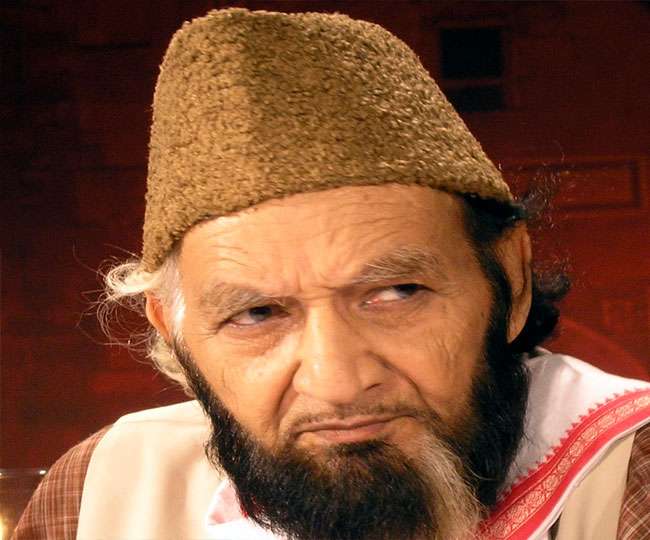
"image": "https://kavishalalab.s3.ap-south-1.amazonaws.com/sootradhar_author/Bekal_Utsahi.jpg",
"name": "Bekal Utsahi",
"bio": "<p>Muhammad Shafi Ali Khan (1 June 1924 – 3 December 2016), popularly known as Bekal Utsahi, was an Indian poet, writer and politician. He was a congressman close to Indira Gandhi and a Member of Parliament in the Upper House Rajya sabha. He received several national awards, including the Padma Shri and Yash Bharti.<br />Politics<br />Utsahi was actively involved with Indian National Congress and very close to Indira Gandhi. He was nominated by congress as a Member of Rajya Sabha, the upper house of the Indian Parliament, because of his contribution for national integration. He was also Member of National Integration Council chaired by Prime Minister of India.</p>\r\n<p>Awards<br />Utsahi received the Padma Shri award in 1976. He received Yash Bharti Award from Uttar Pradesh Government.In 2013 he was awarded Maati Ratan Samman by Shaheed Shodha Sansthan for his services to Urdu literature.</p>",
"raw_bio": "Muhammad Shafi Ali Khan (1 June 1924 – 3 December 2016), popularly known as Bekal Utsahi, was an Indian poet, writer and politician. He was a congressman close to Indira Gandhi and a Member of Parliament in the Upper House Rajya sabha. He received several national awards, including the Padma Shri and Yash Bharti. Politics Utsahi was actively involved with Indian National Congress and very close to Indira Gandhi. He was nominated by congress as a Member of Rajya Sabha, the upper house of the Indian Parliament, because of his contribution for national integration. He was also Member of National Integration Council chaired by Prime Minister of India. Awards Utsahi received the Padma Shri award in 1976. He received Yash Bharti Award from Uttar Pradesh Government.In 2013 he was awarded Maati Ratan Samman by Shaheed Shodha Sansthan for his services to Urdu literature.",
"slug": "bekal-utsahi",
"DOB": "1924-06-01",
"DateOfDemise": "2016-12-03",
"location": null,
"url": "/sootradhar/bekal-utsahi",
"tags": "",
"created": "2023-09-22T12:50:52.811309",
"is_has_special_post": true,
"is_special_author": false,
"language": 4
},
{
"id": 598,
"image": "https://kavishalalab.s3.ap-south-1.amazonaws.com/sootradhar_author/rajendra-nath-rahbar.png",
"name": "Rajendar Nath Rehbar",
"bio": "<p>Rajendar Nath Rehbar (born 5 November 1931) is an Urdu Poet and Bollywood lyricist. He is the writer of the nazm Teri Khushboo Me Base Khat sung by ghazal singer Jagjit Singh. He is a disciple of the Urdu poet Ratan Pandoravi.</p>\r\n<p>Literary career<br />Rajendar Nath Rehbar started written poetry in his childhood. He has been an active Urdu poet and writer. He has written several genres of Urdu literature like Ghazal and Nazm.</p>\r\n<p>Rajindar Nath Rehbar has performed at more than 2000 shows and kavi sammelans over four decades. He has recited his poetry in many foreign countries. He has more than 300 disciples in all over the world Abhishek Kumar Ambar,Suresh Chand Shauq, Shyam Sundar Nanda Noor, Anu Jasrotia,Armaan Shahabi and Kusum Khushboo.</p>\r\n<p>Books<br />Rajendar Nath Rehbar has written more than 10 books in different genres of Urdu literature. Some of his books include:</p>\r\n<p>Teri khushboo me base khat<br />Kalas (1962)<br />Malhaar (1975)<br />Aur shaam dhal gayi (1978)<br />Zeb-e-Sukhan (1997)<br />Tere Khushboo Mein Base Khat (2003)<br />Yaad Aaunga (2006)<br />Urdu Nazm Mein Panjab Ka Hissa (2017)<br />Tere Khushboo Mein Base Khat (second edition, 2017)<br />Awards<br />Shiromani Sahityakaar Award<br />Dr. C Narayan Reddy Literary Award<br />Pt. Ratan Pandoravi Award<br />Life Time Achievement Award<br />Firaq Gorakhpuri Award<br />Amrita Preetam Samriti Samman<br />Dushyant Kumar Rajat Samman</p>",
"raw_bio": "Rajendar Nath Rehbar (born 5 November 1931) is an Urdu Poet and Bollywood lyricist. He is the writer of the nazm Teri Khushboo Me Base Khat sung by ghazal singer Jagjit Singh. He is a disciple of the Urdu poet Ratan Pandoravi. Literary career Rajendar Nath Rehbar started written poetry in his childhood. He has been an active Urdu poet and writer. He has written several genres of Urdu literature like Ghazal and Nazm. Rajindar Nath Rehbar has performed at more than 2000 shows and kavi sammelans over four decades. He has recited his poetry in many foreign countries. He has more than 300 disciples in all over the world Abhishek Kumar Ambar,Suresh Chand Shauq, Shyam Sundar Nanda Noor, Anu Jasrotia,Armaan Shahabi and Kusum Khushboo. Books Rajendar Nath Rehbar has written more than 10 books in different genres of Urdu literature. Some of his books include: Teri khushboo me base khat Kalas (1962) Malhaar (1975) Aur shaam dhal gayi (1978) Zeb-e-Sukhan (1997) Tere Khushboo Mein Base Khat (2003) Yaad Aaunga (2006) Urdu Nazm Mein Panjab Ka Hissa (2017) Tere Khushboo Mein Base Khat (second edition, 2017) Awards Shiromani Sahityakaar Award Dr. C Narayan Reddy Literary Award Pt. Ratan Pandoravi Award Life Time Achievement Award Firaq Gorakhpuri Award Amrita Preetam Samriti Samman Dushyant Kumar Rajat Samman",
"slug": "rajendar-nath-rehbar",
"DOB": "1931-11-05",
"DateOfDemise": null,
"location": null,
"url": "/sootradhar/rajendar-nath-rehbar",
"tags": "",
"created": "2023-09-22T12:50:54.717931",
"is_has_special_post": true,
"is_special_author": false,
"language": 4
},
{
"id": 599,
"image": "https://kavishalalab.s3.ap-south-1.amazonaws.com/sootradhar_author/satyapal-anand.png",
"name": "Satyapal Anand",
"bio": "<p>Satyapal Anand (Hindi: सत्य पाल आनंद, Urdu: ستیا پال آنند‎; born April 24, 1931) is an Indian-American poet, critic and writer. He has written several fictional and poetry books in four languages: English, Urdu, Hindi and Punjabi. He has also received awards for his literary work.<br />Literary<br />Anand's writing career started in the early 50s when in a span of just two years he published a poetry collection, a collection of stories, and novels, all in Urdu. He had his brush with authorities when the Government of Punjab, India banned his Hindi novel \"Chowk Ghanta Ghar\" in 1957 and ordered his arrest. His first book of short stories was published in 1953, when he was a 22-year young student. He has been highly praised by the Urdu writers and poets for his best literary work in Urdu, Punjabi, Hindi and English. He mostly writes poems rather than ghazals.[1] His poems are based on history, mythology or mixed culture of the West and the East.</p>\r\n<p>Anand's English poem \"Thus Spake The Fish\" has qualified for the award in an international competition by UN sponsored committee for \"Earth Preservation Day Celebration.\" The poem,</p>\r\n<p>THUS SPAKE THE FISH<br />Thus spake the fish to the dwellers of the deep _ Take heed, O brothers _ How this, our ocean was once clean<br />How dirty has it become _ a muddy pond! _ Wasn't it but a recent event _ That gods of heaven and demons of earth<br />Joined hands to churn it up _ In an unholy 'manthuna'? _ Used air blowers to awaken the fire demons asleep in the deep</p>\r\n<p>Fired up a hearth of cascading earthquakes! _ Where was the elixir of life _ Indeed where was it?<br />What they found was poison _ Poison that broke the surface _ And now boils and broils all life forms.<br />Where are the nymphs – my sisters of yore _ That played with the waves? _ Thus spake the half-dead fish<br />To the half-dead dwellers of the deep. _ Take heed, my friends _ We're but dead already.<br />The demons and gods have used a ruse _ To churn up the ocean _ And to turn it into a mud heap.</p>\r\n<p>Awards<br />Jawaharlal Nehru Fellowship for his book Promises to Keep; Ahmad Adaya<br />Urdu Markaz Award, Los Angeles<br />Shiromani Sahityakar Award by the Government of Punjab, India<br />Bibliography<br />Short stories<br />Jeeney Key Liye<br />Apney Markaz Ki Taraf<br />Dil Ki Basti<br />Apni Apni Zanjeer<br />Patthar Ki Saleeb<br />Novels<br />Aahat<br />Chowk Ghanta Ghar<br />Ishq Maut Aur Zindagi<br />Shehr Ka Ek Din<br />Urdu poetry<br />Dast e Barg<br />Waqt La Waqt<br />Aaney Wali Sahar Band Khirki Hai<br />Lahu Bolta Hai<br />Mustaqbil aa Mujh Se Mil<br />Aakhri Chattan Tak<br />Mujhay Kar Vida<br />Mere Andar Ek Samandar<br />Meri Muntakhab Nazme<br />Byaz e Umr<br />Books in Hindi<br />Yug Ki Awaz<br />Painter Bawrie<br />Azadi Ki Pukar, Bhoori<br />Dil Ki Basti<br />Chowk Ghanta Ghar<br />Geet Aur Ghazles<br />Ghazlon Ka Guldasta<br />In Punjabi<br />Saver Dopeher Shaam<br />Makhu Mittha<br />Ghazal Ghazal Darya<br />Ghazal Ghazal Sagar<br />Ghazal Ghazal Leher<br />Rajneetak Chetana Ate Sutantarta Sangraam<br />In English<br />The Dream Weaver<br />A Vagrant Mirror<br />One Hundred Buddha<br />If Winter Comes<br />Sunset Strands<br />Some shallow, some deep<br />Life's a tale</p>",
"raw_bio": "Satyapal Anand (Hindi: सत्य पाल आनंद, Urdu: ستیا پال آنند; born April 24, 1931) is an Indian-American poet, critic and writer. He has written several fictional and poetry books in four languages: English, Urdu, Hindi and Punjabi. He has also received awards for his literary work. Literary Anand's writing career started in the early 50s when in a span of just two years he published a poetry collection, a collection of stories, and novels, all in Urdu. He had his brush with authorities when the Government of Punjab, India banned his Hindi novel \"Chowk Ghanta Ghar\" in 1957 and ordered his arrest. His first book of short stories was published in 1953, when he was a 22-year young student. He has been highly praised by the Urdu writers and poets for his best literary work in Urdu, Punjabi, Hindi and English. He mostly writes poems rather than ghazals.[1] His poems are based on history, mythology or mixed culture of the West and the East. Anand's English poem \"Thus Spake The Fish\" has qualified for the award in an international competition by UN sponsored committee for \"Earth Preservation Day Celebration.\" The poem, THUS SPAKE THE FISH Thus spake the fish to the dwellers of the deep _ Take heed, O brothers _ How this, our ocean was once clean How dirty has it become _ a muddy pond! _ Wasn't it but a recent event _ That gods of heaven and demons of earth Joined hands to churn it up _ In an unholy 'manthuna'? _ Used air blowers to awaken the fire demons asleep in the deep Fired up a hearth of cascading earthquakes! _ Where was the elixir of life _ Indeed where was it? What they found was poison _ Poison that broke the surface _ And now boils and broils all life forms. Where are the nymphs – my sisters of yore _ That played with the waves? _ Thus spake the half-dead fish To the half-dead dwellers of the deep. _ Take heed, my friends _ We're but dead already. The demons and gods have used a ruse _ To churn up the ocean _ And to turn it into a mud heap. Awards Jawaharlal Nehru Fellowship for his book Promises to Keep; Ahmad Adaya Urdu Markaz Award, Los Angeles Shiromani Sahityakar Award by the Government of Punjab, India Bibliography Short stories Jeeney Key Liye Apney Markaz Ki Taraf Dil Ki Basti Apni Apni Zanjeer Patthar Ki Saleeb Novels Aahat Chowk Ghanta Ghar Ishq Maut Aur Zindagi Shehr Ka Ek Din Urdu poetry Dast e Barg Waqt La Waqt Aaney Wali Sahar Band Khirki Hai Lahu Bolta Hai Mustaqbil aa Mujh Se Mil Aakhri Chattan Tak Mujhay Kar Vida Mere Andar Ek Samandar Meri Muntakhab Nazme Byaz e Umr Books in Hindi Yug Ki Awaz Painter Bawrie Azadi Ki Pukar, Bhoori Dil Ki Basti Chowk Ghanta Ghar Geet Aur Ghazles Ghazlon Ka Guldasta In Punjabi Saver Dopeher Shaam Makhu Mittha Ghazal Ghazal Darya Ghazal Ghazal Sagar Ghazal Ghazal Leher Rajneetak Chetana Ate Sutantarta Sangraam In English The Dream Weaver A Vagrant Mirror One Hundred Buddha If Winter Comes Sunset Strands Some shallow, some deep Life's a tale",
"slug": "satyapal-anand",
"DOB": "1931-04-24",
"DateOfDemise": null,
"location": null,
"url": "/sootradhar/satyapal-anand",
"tags": "",
"created": "2023-09-22T12:50:56.403385",
"is_has_special_post": true,
"is_special_author": false,
"language": 4
},
{
"id": 601,
"image": "https://kavishalalab.s3.ap-south-1.amazonaws.com/sootradhar_author/rajinder-manchanda-bani.png",
"name": "Rajinder Manchanda Bani",
"bio": "<p>Rajinder Manchanda Bani (1932-1981) was an Indian poet. He was born at Multan in 1932. His family migrated to Delhi in 1947 where he died in 1981. He was a Master of Arts in Economics from Punjab University, and a school- teacher. Harf e Moetbar (1972), Hisab e Rang (1976) & Shafaq e Shajjar are his three collections of poems. He was a poet of neo-classical ghazal who did not use conventional imagery and was original in style; he was an effective user of Hindi diction. He was a physically weak person who did not maintain good health throughout his life-time but possessed a sturdy mind; he lived for 49 years.</p>",
"raw_bio": "Rajinder Manchanda Bani (1932-1981) was an Indian poet. He was born at Multan in 1932. His family migrated to Delhi in 1947 where he died in 1981. He was a Master of Arts in Economics from Punjab University, and a school- teacher. Harf e Moetbar (1972), Hisab e Rang (1976) & Shafaq e Shajjar are his three collections of poems. He was a poet of neo-classical ghazal who did not use conventional imagery and was original in style; he was an effective user of Hindi diction. He was a physically weak person who did not maintain good health throughout his life-time but possessed a sturdy mind; he lived for 49 years.",
"slug": "rajinder-manchanda-bani",
"DOB": "1932-01-01",
"DateOfDemise": "1981-01-01",
"location": null,
"url": "/sootradhar/rajinder-manchanda-bani",
"tags": "",
"created": "2023-09-22T12:50:59.562008",
"is_has_special_post": true,
"is_special_author": false,
"language": 4
},
{
"id": 603,
"image": "https://kavishalalab.s3.ap-south-1.amazonaws.com/sootradhar_author/swapnil_kumar_tw_tiwari.png",
"name": "Swapnil Kumar Tiwari",
"bio": "Swapnil Kumar Tiwari is a popular young poet. He was born on 06 October 1984 in Ghazipur, Uttar Pradesh.",
"raw_bio": "Swapnil Kumar Tiwari is a popular young poet. He was born on 06 October 1984 in Ghazipur, Uttar Pradesh.",
"slug": "swapnil-kumar-tiwari",
"DOB": "1984-10-06",
"DateOfDemise": null,
"location": null,
"url": "/sootradhar/swapnil-kumar-tiwari",
"tags": "",
"created": "2023-09-22T12:51:06.882682",
"is_has_special_post": true,
"is_special_author": false,
"language": 4
}
],
"description": "<p style=\"text-align: center; font-size: 24px;\"> The Great Poets and Writers in Indian and World History! </p>",
"image": "https://kavishalalab.s3.ap-south-1.amazonaws.com/sootradhar_description/black.jpg"
}