HTTP 200 OK
Allow: GET, HEAD, OPTIONS
Content-Type: application/json
Vary: Accept
{
"count": 17752,
"next": "http://admin.kavishala.in/sootradhar/authors/?format=api&page=621",
"previous": "http://admin.kavishala.in/sootradhar/authors/?format=api&page=619",
"results": [
{
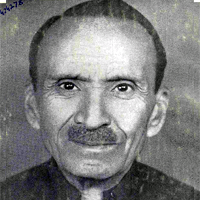
"id": 538,
"image": "https://kavishalalab.s3.ap-south-1.amazonaws.com/sootradhar_author/_650x_2019083016103258.jpg",
"name": "Bhagwati Charan Verma",
"bio": "भगवतीचरण वर्मा | Bhagwati Charan Verma (30 August 1903 – 5 October 1981) was one of the leading writers in Hindi. He wrote many novels, his best work was Chitralekha (1934), which was made into two successful Hindi films, 1941 and 1964. He was awarded Sahitya Akademi Award for his epic five-part novel, Bhoole Bisre Chitra in 1961 and Padma Bhushan in 1971. He was also nominated to Rajya Sabha in 1978.<br>\r\n<p><strong>Writings</strong><br />Bhule Bisre Chitra, Rajkamal Prakashan, Delhi, 1959.<br />Chitralekha<br />Yuvraj Choonda<br />Sabahin Nachawat Ram Gosain<br />Kahi na Jay ka Kahiye<br />Rekha<br />Sabhin Nachavat Ram Gosai<br />Samarthya Aur Seema<br />Sampooran Natak<br />Sidhi Sachchi Baten<br />Tedhey Medhey Rastey<br />Woh Phir Nahi Aai<br />Do Banke<br />Mathrubhu Barbar Santh Pranam<br />Diwano ki Hasti<br />Chanakya <br />He also wrote other numerous short stories which were not published but still was recognised by other writers</p>\r\n<p> </p>",
"raw_bio": "भगवतीचरण वर्मा | Bhagwati Charan Verma (30 August 1903 – 5 October 1981) was one of the leading writers in Hindi. He wrote many novels, his best work was Chitralekha (1934), which was made into two successful Hindi films, 1941 and 1964. He was awarded Sahitya Akademi Award for his epic five-part novel, Bhoole Bisre Chitra in 1961 and Padma Bhushan in 1971. He was also nominated to Rajya Sabha in 1978. Writings Bhule Bisre Chitra, Rajkamal Prakashan, Delhi, 1959. Chitralekha Yuvraj Choonda Sabahin Nachawat Ram Gosain Kahi na Jay ka Kahiye Rekha Sabhin Nachavat Ram Gosai Samarthya Aur Seema Sampooran Natak Sidhi Sachchi Baten Tedhey Medhey Rastey Woh Phir Nahi Aai Do Banke Mathrubhu Barbar Santh Pranam Diwano ki Hasti Chanakya He also wrote other numerous short stories which were not published but still was recognised by other writers ",
"slug": "bhagwati-charan-verma",
"DOB": "1903-08-30",
"DateOfDemise": "1981-10-05",
"location": "Safipur, Unnao, India",
"url": "/sootradhar/bhagwati-charan-verma",
"tags": "",
"created": "2023-09-22T12:48:38.730582",
"is_has_special_post": true,
"is_special_author": false,
"language": 4
},
{
"id": 539,
"image": "https://kavishalalab.s3.ap-south-1.amazonaws.com/sootradhar_author/qamar-jalalvi.png",
"name": "Qamar Jalavi",
"bio": "<p>Qamar Jalavi (Urdu: قمَر جلالوی ‎), (born Muhammad Husain and also known as Ustad Qamar Jalalvi) was a renowned Pakistani poet. He was born in Jalali near Aligarh, India in 1887, and died on 4 October 1968. After the creation of Pakistan in 1947, he moved to Karachi.</p>\r\n<p>Qamar Jalalvi is regarded as one of the best classical Urdu Ghazal poets. His ghazal poetry has unique simplicity of expression.</p>\r\n<p>A poet from the age of eight, Qamar Jalalvi's writing had become quite popular by the time he was in his 20s.</p>\r\n<p>He lived a life of financial hardship working for many years at bicycle repair shops. In India and Pakistan, a teacher of arts is known as Ustad (master), and the term is also loosely used to refer to any kind of skilled worker. Qamar Jalalvi was initially called Ustad because of his bicycle work. Popular with critics, for his mastery of poetry as well, they dubbed him Ustad Qamar Jalalvi, once his poetry became popular.</p>\r\n<p>Books<br />The collections of ghazals include:</p>\r\n<p>Rashk-e Qamar (رشکِ قمَر)<br />Auj-e Qamar (اَوجِ قمَر)<br />Tajalliyat-e Qamar (تجلّیاتِ قمَر)<br />Gham-e-Javedan (غمِ جاوِداں)<br />Aaye Hain Woh Mazaar Pe<br />Daba Ke Chal Diye Sab Qabr Mein</p>",
"raw_bio": "Qamar Jalavi (Urdu: قمَر جلالوی ), (born Muhammad Husain and also known as Ustad Qamar Jalalvi) was a renowned Pakistani poet. He was born in Jalali near Aligarh, India in 1887, and died on 4 October 1968. After the creation of Pakistan in 1947, he moved to Karachi. Qamar Jalalvi is regarded as one of the best classical Urdu Ghazal poets. His ghazal poetry has unique simplicity of expression. A poet from the age of eight, Qamar Jalalvi's writing had become quite popular by the time he was in his 20s. He lived a life of financial hardship working for many years at bicycle repair shops. In India and Pakistan, a teacher of arts is known as Ustad (master), and the term is also loosely used to refer to any kind of skilled worker. Qamar Jalalvi was initially called Ustad because of his bicycle work. Popular with critics, for his mastery of poetry as well, they dubbed him Ustad Qamar Jalalvi, once his poetry became popular. Books The collections of ghazals include: Rashk-e Qamar (رشکِ قمَر) Auj-e Qamar (اَوجِ قمَر) Tajalliyat-e Qamar (تجلّیاتِ قمَر) Gham-e-Javedan (غمِ جاوِداں) Aaye Hain Woh Mazaar Pe Daba Ke Chal Diye Sab Qabr Mein",
"slug": "qamar-jalavi",
"DOB": "1887-01-01",
"DateOfDemise": "1968-10-04",
"location": null,
"url": "/sootradhar/qamar-jalavi",
"tags": "",
"created": "2023-09-22T12:48:47.690306",
"is_has_special_post": true,
"is_special_author": false,
"language": 4
},
{
"id": 540,
"image": "https://kavishala.blob.core.windows.net/kavishalalabs/kavishala_logo.png",
"name": "Raaz Chandpuri",
"bio": "<p>Raaz Chandpuri (Urdu: راز چاند پوری‎; (1892-1969) born Mohammad Sadiq) was an Urdu ghazal, nazm writer and literary critic. He was amongst the earliest disciples of Seemab Akbarabadi and attained the status of an Ustaad for himself. He was a master of Urooz.</p>\r\n<p>His first known collection of ghazals, Nawa e Raaz, was published in 1961 by Adara Anees of Allahabad. However, he is better known for his critical appraisal of the life and work of Seemab Akbarabadi, Dastaan e chand, on which exercise Mehr Lal Soni Zia Fatehabadi too had relied while writing the biography of Seemab Akbarabadi titled - \" Zikr e Seemab \".</p>\r\n<p>Written by Sarwar Alam Raz Sarwar and published by Kitab Ghar, Baqiyaat e Raaz is the only critical appraisal of the life and work of Raaz Chandpuri.</p>",
"raw_bio": "Raaz Chandpuri (Urdu: راز چاند پوری; (1892-1969) born Mohammad Sadiq) was an Urdu ghazal, nazm writer and literary critic. He was amongst the earliest disciples of Seemab Akbarabadi and attained the status of an Ustaad for himself. He was a master of Urooz. His first known collection of ghazals, Nawa e Raaz, was published in 1961 by Adara Anees of Allahabad. However, he is better known for his critical appraisal of the life and work of Seemab Akbarabadi, Dastaan e chand, on which exercise Mehr Lal Soni Zia Fatehabadi too had relied while writing the biography of Seemab Akbarabadi titled - \" Zikr e Seemab \". Written by Sarwar Alam Raz Sarwar and published by Kitab Ghar, Baqiyaat e Raaz is the only critical appraisal of the life and work of Raaz Chandpuri.",
"slug": "raaz-chandpuri",
"DOB": "1892-01-01",
"DateOfDemise": "1969-01-01",
"location": null,
"url": "/sootradhar/raaz-chandpuri",
"tags": "",
"created": "2023-09-22T12:48:55.259059",
"is_has_special_post": true,
"is_special_author": false,
"language": 4
},
{
"id": 541,
"image": "https://kavishalalab.s3.ap-south-1.amazonaws.com/sootradhar_author/abr-ahsani-ganauri.png",
"name": "Abr Ahsani Gunnauri",
"bio": "<p>Abr Ahsani Gunnauri (ابر احسنی گنّوری) was an Urdu ghazal and nazm writer cast in the classical mould of the Daagh School of Urdu poetry, and a much respected literary critic. He was a disciple of Ahasan Maarharvi who was a disciple of Mirza Khan Daagh Dehlvi. He had a direct influence on more than a hundred of poets and belonged to the Bahaʼi faith, for instance writing poems in honor of Tahirih.</p>\r\n<p>Literary life<br />Abr Ahasani commenced writing Urdu poetry at the age of nine years when he wrote a Naʻat in the ghazal form. In his early days he consulted Munshi Sakhawat Hussain Sakha Shahjahanpuri but later on became a disciple of Ahasan Maarharvi. From 1947 to 1953 he had also published and edited the Monthly Ahasan, Rampur.</p>\r\n<p>Thus far, three collections of his ghazals viz. Nageene (1952), Qareene (1963) and Khazeene (1971) have been published. A collection of his nazms titled Safeene was published in 1952. A few nazms written by him are also included in Khazeene. In addition thereto he had also penned critical work titled Meri Islaahen in two volumes, the first volume of this work was published in 1956 and the second volume, in 1966, Earlier, in 1949 his critical work, Islah ul islah, which was in response to Dastur ul islah (1940) written by Seemab Akbarabadi, was published that had made him famous in the Urdu world.</p>\r\n<p>Prominent amongst the disciples of Abr Ahasani are – Dr. Fareed Siddiqui Rampuri (author of \" Aayina-e- Rampur\", \"Jagtey Khwab\",\"Shaqqul-Qamar\"), Shauq Asari Rampuri, Taskheer Fehami, Masoodah Hayat (author of Buye Suman 1981), Parkash Nath Parvez,Saefi Premi (author of Ismail Meeruthi, hayat aur khidmat) and Unwan Chishti.</p>\r\n<p>Bibliography<br />Islah ul islah (1949)<br />Nageene (1952)<br />Safeene (1952)<br />Meri Islaahen Volume 1 (1956)<br />Qareene (1963)<br />Meri Islaahen Volume 2 (1966)</p>",
"raw_bio": "Abr Ahsani Gunnauri (ابر احسنی گنّوری) was an Urdu ghazal and nazm writer cast in the classical mould of the Daagh School of Urdu poetry, and a much respected literary critic. He was a disciple of Ahasan Maarharvi who was a disciple of Mirza Khan Daagh Dehlvi. He had a direct influence on more than a hundred of poets and belonged to the Bahaʼi faith, for instance writing poems in honor of Tahirih. Literary life Abr Ahasani commenced writing Urdu poetry at the age of nine years when he wrote a Naʻat in the ghazal form. In his early days he consulted Munshi Sakhawat Hussain Sakha Shahjahanpuri but later on became a disciple of Ahasan Maarharvi. From 1947 to 1953 he had also published and edited the Monthly Ahasan, Rampur. Thus far, three collections of his ghazals viz. Nageene (1952), Qareene (1963) and Khazeene (1971) have been published. A collection of his nazms titled Safeene was published in 1952. A few nazms written by him are also included in Khazeene. In addition thereto he had also penned critical work titled Meri Islaahen in two volumes, the first volume of this work was published in 1956 and the second volume, in 1966, Earlier, in 1949 his critical work, Islah ul islah, which was in response to Dastur ul islah (1940) written by Seemab Akbarabadi, was published that had made him famous in the Urdu world. Prominent amongst the disciples of Abr Ahasani are – Dr. Fareed Siddiqui Rampuri (author of \" Aayina-e- Rampur\", \"Jagtey Khwab\",\"Shaqqul-Qamar\"), Shauq Asari Rampuri, Taskheer Fehami, Masoodah Hayat (author of Buye Suman 1981), Parkash Nath Parvez,Saefi Premi (author of Ismail Meeruthi, hayat aur khidmat) and Unwan Chishti. Bibliography Islah ul islah (1949) Nageene (1952) Safeene (1952) Meri Islaahen Volume 1 (1956) Qareene (1963) Meri Islaahen Volume 2 (1966)",
"slug": "abr-ahsani-gunnauri",
"DOB": "1897-01-01",
"DateOfDemise": "1973-11-08",
"location": null,
"url": "/sootradhar/abr-ahsani-gunnauri",
"tags": "",
"created": "2023-09-22T12:49:05.041540",
"is_has_special_post": true,
"is_special_author": false,
"language": 4
},
{
"id": 545,
"image": "https://kavishalalab.s3.ap-south-1.amazonaws.com/sootradhar_author/k_L_Sethiya.jpg",
"name": "Kanhaiyalal Sethia",
"bio": "<p>Kanhaiyalal Sethia (11 September 1919 – 11 November 2008) was a well-known Rajasthani and Hindi poet. He was born in Sujangarh, Churu District in the Indian state of Rajasthan. He was a passionate supporter of making Rajasthani, the mother tongue of the people of Rajasthan, at the union level. He was a government-recognized freedom fighter, social worker, reformer, philanthropist and environmentalist.</p>\r\n<p>His first collection, Ramaniyai ra soratha, was written in the traditional style of didactic poetry rich in images and similes.</p>\r\n<p>His other books of Rajasthani poems are Minjhara, Kum kum, Lilatamsa, Dhara kuncham dhara majalam, Mayada Ro Helo, Sabada, Satavani, Aghori kala, Leek Lakodia, Hemani, Kakko Kod Ro, and Deeth.</p>\r\n<p>His book of poetic prose is Gala-gachiya.</p>\r\n<p>Kanhaiyalal wrote 18 books in Hindi: Vanphool (1941), Agniveena (1942), Mera Yug (1948), Deepkiran (1954), Pratibimb (3rd edition), (1996), Aaj Himalaya Bola (1962), Khuli Krirkiyan Chaure Raaste (1967), Pranam (1970), Marm (1973), Anam (1974), Nirgranth (1976), Swagat (1986), Deh Videh (1986), Akask Ganga (1990), Vaaman - Viraat (1991), Nishpatti (1993), Shreyas (1997), Trayee (1998), 14 books in Rajasthani, and two books in Urdu: Taj Mahal (1975) and Gulchi (2001).</p>\r\n<p>Two of his Rajasthani poems are world famous and have attained cult status. \"Dharti Dhoran Ri\" is recognized as the anthem song of Rajasthan throughout the world. Internationally acclaimed film maker Gautam Ghosh has made a documentary based on this poem titled Land of the Sand Dunes which was awarded the Swarna Kamal (Golden Lotus) by the Government of India.</p>\r\n<p>His other poems that are extremely well known are \"Pathal 'R' Pithal\" and \"Kun Jameen Ro Dhani\".</p>\r\n<p>Kanhaiyalal's works have been translated in the following languages:</p>\r\n<p>Pratibimb - Reflections In A Mirror - 1973 - English<br />Nirgranth - Nirgranth - 1984 - Bengali<br />Nirgranth - Nirgranth - 2007 - English<br />Selected Rajasthani Poems - Anuvartan - 1994 - Hindi<br />Leeltans - The Blue Jay - 1995 - English,<br />Leeltans - Leeltans - 1995 - Hindi<br />Khuli Khirkiyan Chaure Raaste - Khuli Khirkiyan Chaure Raaste - Marathi<br />Awards<br />Kanhaiyalal Sethia was awarded the Sahitya Akademi Award for his work Lilatamsa. He received the Jnanapitha Moortidevi Award in 1986 and Surajmal Misrana Sekhar Award in 1987.</p>\r\n<p>He was conferred Padma Shri award in 2004. He was awarded the prestigious Sahithya Vascahpati by the Hindi Sahitya Sammelan, Prayag and the prestigious Sahitya Manishi by the Sahitya Academy, Udaipur.</p>\r\n<p>He was also a nationalist and a social activist.</p>\r\n<p> </p>",
"raw_bio": "Kanhaiyalal Sethia (11 September 1919 – 11 November 2008) was a well-known Rajasthani and Hindi poet. He was born in Sujangarh, Churu District in the Indian state of Rajasthan. He was a passionate supporter of making Rajasthani, the mother tongue of the people of Rajasthan, at the union level. He was a government-recognized freedom fighter, social worker, reformer, philanthropist and environmentalist. His first collection, Ramaniyai ra soratha, was written in the traditional style of didactic poetry rich in images and similes. His other books of Rajasthani poems are Minjhara, Kum kum, Lilatamsa, Dhara kuncham dhara majalam, Mayada Ro Helo, Sabada, Satavani, Aghori kala, Leek Lakodia, Hemani, Kakko Kod Ro, and Deeth. His book of poetic prose is Gala-gachiya. Kanhaiyalal wrote 18 books in Hindi: Vanphool (1941), Agniveena (1942), Mera Yug (1948), Deepkiran (1954), Pratibimb (3rd edition), (1996), Aaj Himalaya Bola (1962), Khuli Krirkiyan Chaure Raaste (1967), Pranam (1970), Marm (1973), Anam (1974), Nirgranth (1976), Swagat (1986), Deh Videh (1986), Akask Ganga (1990), Vaaman - Viraat (1991), Nishpatti (1993), Shreyas (1997), Trayee (1998), 14 books in Rajasthani, and two books in Urdu: Taj Mahal (1975) and Gulchi (2001). Two of his Rajasthani poems are world famous and have attained cult status. \"Dharti Dhoran Ri\" is recognized as the anthem song of Rajasthan throughout the world. Internationally acclaimed film maker Gautam Ghosh has made a documentary based on this poem titled Land of the Sand Dunes which was awarded the Swarna Kamal (Golden Lotus) by the Government of India. His other poems that are extremely well known are \"Pathal 'R' Pithal\" and \"Kun Jameen Ro Dhani\". Kanhaiyalal's works have been translated in the following languages: Pratibimb - Reflections In A Mirror - 1973 - English Nirgranth - Nirgranth - 1984 - Bengali Nirgranth - Nirgranth - 2007 - English Selected Rajasthani Poems - Anuvartan - 1994 - Hindi Leeltans - The Blue Jay - 1995 - English, Leeltans - Leeltans - 1995 - Hindi Khuli Khirkiyan Chaure Raaste - Khuli Khirkiyan Chaure Raaste - Marathi Awards Kanhaiyalal Sethia was awarded the Sahitya Akademi Award for his work Lilatamsa. He received the Jnanapitha Moortidevi Award in 1986 and Surajmal Misrana Sekhar Award in 1987. He was conferred Padma Shri award in 2004. He was awarded the prestigious Sahithya Vascahpati by the Hindi Sahitya Sammelan, Prayag and the prestigious Sahitya Manishi by the Sahitya Academy, Udaipur. He was also a nationalist and a social activist. ",
"slug": "kanhaiyalal-sethia",
"DOB": "1919-09-11",
"DateOfDemise": "2008-11-11",
"location": null,
"url": "/sootradhar/kanhaiyalal-sethia",
"tags": "",
"created": "2023-09-22T12:49:12.941266",
"is_has_special_post": true,
"is_special_author": false,
"language": 4
},
{
"id": 546,
"image": "https://kavishalalab.s3.ap-south-1.amazonaws.com/sootradhar_author/munawwar-lakhnavi.png",
"name": "Munavvar Lakhnavi",
"bio": "<p>Munavvar Lakhnavi (1897-1970) was an Urdu poet who gained repute as a poet and also as a translator.</p>\r\n<p>Munavvar Lakhnavi was the takhallus of Bisheshwar Prasad who was born in Lucknow in 1897 in a family of Urdu, Sanskrit and Persian litterateurs. His father, Dwarkaprasad Ufuq (1864-1913) was a prolific writer of prose and poetry. He was educated in Lucknow and joined Railway Accounts office in 1913 at Lucknow. He was transferred to Lahore in 1927 and then to Delhi where he retired from service in 1957. After retirement, he decided to stay in Delhi where he purchased a house and founded a publishing house – Adarsh Kitab Ghar. He died in Delhi in the year 1970 aged 73 years.</p>\r\n<p>Literary life</p>\r\n<p>Munavvar Lakhnavi was an Urdu Poet, and a translator, belonging to the old school. He wrote ghazals and nazmss. He gained renown as a translator with the publication in 1936 of a translation of Bhagvad Gita in Urdu verse titled- Naseem e Irfaan. In 1952 his translation of Kalidasa's Kumarasambhava and in 1956 his translation of Durga Saptshati i.e. Devi Mahatmya , both in Urdu verse, were published. He had also translated important aayats of Quran, select Persian sh’ers of Hafez Sherazi, and Gitanjali of Rabindra Nath Tagore. His translation of the teachings of Gautam Buddha in Urdu verse titled Dhampad ya sachi raah published by the Anjuman e Tarraqi (Hind), Aligarh in 1954 is considered a masterpiece. Earlier his two collections of rubais and nazms, Nazre Adab published in 1929 and Kainat e dil that was published in 1939 had already established him as a poet of note so much so that a selection of his poems was prominently included in the book titled Teen Shair published by Likhaani Book Depot, Amritsar, and in the April 1952 issue of Urdu Monthly \"Seemab\", Delhi.</p>\r\n<p>An appraisal of his life and literary works titled Munavvar Lakhnavi – ek mutala’ah by Shabab Lalit was published in 1996 by Modern Publishing House, New Delhi. Yet another appraisal titled Munavvar Lakhnavi – Shakhsiyat aur Shairi by Raj Narain Raaz was published by Nusrat Publishers, Lucknow.</p>\r\n<p>Bibliography<br />Urdu Poetry:</p>\r\n<p>Nazre adab<br />Kainat e dil<br />Nawa e kufr<br />Ada e kufr<br />This is a stub.</p>",
"raw_bio": "Munavvar Lakhnavi (1897-1970) was an Urdu poet who gained repute as a poet and also as a translator. Munavvar Lakhnavi was the takhallus of Bisheshwar Prasad who was born in Lucknow in 1897 in a family of Urdu, Sanskrit and Persian litterateurs. His father, Dwarkaprasad Ufuq (1864-1913) was a prolific writer of prose and poetry. He was educated in Lucknow and joined Railway Accounts office in 1913 at Lucknow. He was transferred to Lahore in 1927 and then to Delhi where he retired from service in 1957. After retirement, he decided to stay in Delhi where he purchased a house and founded a publishing house – Adarsh Kitab Ghar. He died in Delhi in the year 1970 aged 73 years. Literary life Munavvar Lakhnavi was an Urdu Poet, and a translator, belonging to the old school. He wrote ghazals and nazmss. He gained renown as a translator with the publication in 1936 of a translation of Bhagvad Gita in Urdu verse titled- Naseem e Irfaan. In 1952 his translation of Kalidasa's Kumarasambhava and in 1956 his translation of Durga Saptshati i.e. Devi Mahatmya , both in Urdu verse, were published. He had also translated important aayats of Quran, select Persian sh’ers of Hafez Sherazi, and Gitanjali of Rabindra Nath Tagore. His translation of the teachings of Gautam Buddha in Urdu verse titled Dhampad ya sachi raah published by the Anjuman e Tarraqi (Hind), Aligarh in 1954 is considered a masterpiece. Earlier his two collections of rubais and nazms, Nazre Adab published in 1929 and Kainat e dil that was published in 1939 had already established him as a poet of note so much so that a selection of his poems was prominently included in the book titled Teen Shair published by Likhaani Book Depot, Amritsar, and in the April 1952 issue of Urdu Monthly \"Seemab\", Delhi. An appraisal of his life and literary works titled Munavvar Lakhnavi – ek mutala’ah by Shabab Lalit was published in 1996 by Modern Publishing House, New Delhi. Yet another appraisal titled Munavvar Lakhnavi – Shakhsiyat aur Shairi by Raj Narain Raaz was published by Nusrat Publishers, Lucknow. Bibliography Urdu Poetry: Nazre adab Kainat e dil Nawa e kufr Ada e kufr This is a stub.",
"slug": "munavvar-lakhnavi",
"DOB": "1897-01-01",
"DateOfDemise": "1970-01-01",
"location": null,
"url": "/sootradhar/munavvar-lakhnavi",
"tags": "",
"created": "2023-09-22T12:49:20.019971",
"is_has_special_post": true,
"is_special_author": false,
"language": 4
},
{
"id": 547,
"image": "https://kavishalalab.s3.ap-south-1.amazonaws.com/sootradhar_author/sarveshwar-dayal-saxena.jpg",
"name": "Sarveshwar Dayal Saxena",
"bio": "<p>Sarveshwar Dayal Saxena (15 September 1927 – 24 September 1983) was a Hindi writer, poet, columnist and playwright. He was one of the seven poets who first published in one of the \"Tar Saptaks\", which ushered in the ‘Prayogvaad’ (Experimentalism) era, which in time evolved to become the \"Nayi Kavita\" (New Poetry) movement.</p>",
"raw_bio": "Sarveshwar Dayal Saxena (15 September 1927 – 24 September 1983) was a Hindi writer, poet, columnist and playwright. He was one of the seven poets who first published in one of the \"Tar Saptaks\", which ushered in the ‘Prayogvaad’ (Experimentalism) era, which in time evolved to become the \"Nayi Kavita\" (New Poetry) movement.",
"slug": "sarveshwar-dayal-saxena",
"DOB": "1927-09-15",
"DateOfDemise": "1983-09-24",
"location": null,
"url": "/sootradhar/sarveshwar-dayal-saxena",
"tags": "",
"created": "2023-09-22T12:49:33.147129",
"is_has_special_post": true,
"is_special_author": false,
"language": 4
},
{
"id": 548,
"image": "https://kavishalalab.s3.ap-south-1.amazonaws.com/sootradhar_author/Radheyshyaam_pragalbh.jpg",
"name": "Radheshyam Pragalbh",
"bio": "<p>राधेश्याम प्रगल्भ( 20 फ़रवरी 1929 - 13 मार्च 1999) हिंदी के कवि थे. उनका जन्म खुर्जा, बुलंदशहर, उत्तर प्रदेश में हुआ था. उनकी प्रमुख कृतियां सूरज की बेटी, पृथ्वी का जन्म हैं. </p>",
"raw_bio": "राधेश्याम प्रगल्भ( 20 फ़रवरी 1929 - 13 मार्च 1999) हिंदी के कवि थे. उनका जन्म खुर्जा, बुलंदशहर, उत्तर प्रदेश में हुआ था. उनकी प्रमुख कृतियां सूरज की बेटी, पृथ्वी का जन्म हैं. ",
"slug": "radheshyam-pragalbh",
"DOB": "1929-02-20",
"DateOfDemise": "1999-03-13",
"location": null,
"url": "/sootradhar/radheshyam-pragalbh",
"tags": "",
"created": "2023-09-22T12:18:42.521091",
"is_has_special_post": false,
"is_special_author": false,
"language": 4
},
{
"id": 549,
"image": "https://kavishalalab.s3.ap-south-1.amazonaws.com/sootradhar_author/Samba_Kunwar_Viyogi.jpeg",
"name": "Kunwar Viyogi",
"bio": "कुँवर वियोगी | Kunwar Viyogi, born Randhir Singh Jamwal, is the only Indian Air Force officer to have received the Sahitya Akademi Award for his long Dogri poem titled 'Ghar' in 1980. He used 'Ghar' as a peg and strung together 238 four lines verses embracing a wide variety of subjects and ideas and feelings into a long poem",
"raw_bio": "कुँवर वियोगी | Kunwar Viyogi, born Randhir Singh Jamwal, is the only Indian Air Force officer to have received the Sahitya Akademi Award for his long Dogri poem titled 'Ghar' in 1980. He used 'Ghar' as a peg and strung together 238 four lines verses embracing a wide variety of subjects and ideas and feelings into a long poem",
"slug": "kunwar-viyogi",
"DOB": "1940-09-04",
"DateOfDemise": "2015-01-01",
"location": "Samba, India",
"url": "/sootradhar/kunwar-viyogi",
"tags": "",
"created": "2023-09-22T12:18:42.598010",
"is_has_special_post": false,
"is_special_author": false,
"language": 4
},
{
"id": 550,
"image": "https://kavishalalab.s3.ap-south-1.amazonaws.com/sootradhar_author/khare_vishni.jpg",
"name": "Vishnu Khare",
"bio": "<p>Vishnu Khare (9 February 1940 – 19 September 2018) was an Indian Hindi poet, translator, literary and film critic, journalist and scriptwriter. He wrote both in Hindi and English. He taught English literature at university level, served as the Programme Secretary of Sahitya Akademi, the National Academy of Letters in India and was editor of the Hindi daily Navbharat Times\" in Lucknow, Jaipur and New Delhi.</p>\r\n<p>Works<br />Vishnu Khare published five collections of poetry, Pathantar (2008) being the latest, and a book of criticism Alochana kee Pahlee Kitaab. He was a prolific translator in Hindi, English, German and other European and Asian languages.</p>\r\n<p>Awards and honours<br />Khare was a recipient of many awards and honours, including an Order of the White Rose of Finland for his Hindi translation of the national epic of Finland, Kalevala. He was also awarded Order of the Cross of Terra Mariana, IV Class by Government of Estonia for his Hindi translation of the national epic of Estonia, Kalevipoeg.He received many prestigious Hindi literary awards like the Rahguveer Sahay Samman, Maithilisharan Gupt Samman as well as the Shikhar Samman.</p>",
"raw_bio": "Vishnu Khare (9 February 1940 – 19 September 2018) was an Indian Hindi poet, translator, literary and film critic, journalist and scriptwriter. He wrote both in Hindi and English. He taught English literature at university level, served as the Programme Secretary of Sahitya Akademi, the National Academy of Letters in India and was editor of the Hindi daily Navbharat Times\" in Lucknow, Jaipur and New Delhi. Works Vishnu Khare published five collections of poetry, Pathantar (2008) being the latest, and a book of criticism Alochana kee Pahlee Kitaab. He was a prolific translator in Hindi, English, German and other European and Asian languages. Awards and honours Khare was a recipient of many awards and honours, including an Order of the White Rose of Finland for his Hindi translation of the national epic of Finland, Kalevala. He was also awarded Order of the Cross of Terra Mariana, IV Class by Government of Estonia for his Hindi translation of the national epic of Estonia, Kalevipoeg.He received many prestigious Hindi literary awards like the Rahguveer Sahay Samman, Maithilisharan Gupt Samman as well as the Shikhar Samman.",
"slug": "vishnu-khare",
"DOB": "1940-02-09",
"DateOfDemise": "2018-09-19",
"location": null,
"url": "/sootradhar/vishnu-khare",
"tags": "",
"created": "2023-09-22T12:49:40.414409",
"is_has_special_post": true,
"is_special_author": false,
"language": 4
},
{
"id": 551,
"image": "https://kavishalalab.s3.ap-south-1.amazonaws.com/sootradhar_author/Harichand_Akhtar.png",
"name": "Harichand Akhtar",
"bio": "<p>Harichand Akhtar (15 April 1901 – 1 January 1958)( Urdu:ہری چند اختر ) was a well-known journalist who was also a renowned Urdu Ghazal poet. He was born in Hoshiarpur, Punjab, on 15 April 1901. He was fluent in the use of Urdu, Persian and English languages. Having passed the Munshi Fazil Examination soon after Matriculation, he obtained M.A. (English) degree from the Punjab University, Lahore. He spent a greater part of his life in Lahore writing for Paras, Lahore, the Newspaper that was then owned and edited by Lala Karam Chand; he was also employed in the office of the Punjab Legislative Assembly. After the formation of Pakistan he moved to Delhi where he died on 1 January 1958.</p>\r\n<p>Harichand Akhtar was a poet whose focus genre was ghazal. He was a conventionalist but his manner was unique for simplicity. His collection of ghazals titled Kufr o Imaan was published during his lifetime.</p>",
"raw_bio": "Harichand Akhtar (15 April 1901 – 1 January 1958)( Urdu:ہری چند اختر ) was a well-known journalist who was also a renowned Urdu Ghazal poet. He was born in Hoshiarpur, Punjab, on 15 April 1901. He was fluent in the use of Urdu, Persian and English languages. Having passed the Munshi Fazil Examination soon after Matriculation, he obtained M.A. (English) degree from the Punjab University, Lahore. He spent a greater part of his life in Lahore writing for Paras, Lahore, the Newspaper that was then owned and edited by Lala Karam Chand; he was also employed in the office of the Punjab Legislative Assembly. After the formation of Pakistan he moved to Delhi where he died on 1 January 1958. Harichand Akhtar was a poet whose focus genre was ghazal. He was a conventionalist but his manner was unique for simplicity. His collection of ghazals titled Kufr o Imaan was published during his lifetime.",
"slug": "harichand-akhtar",
"DOB": "1901-04-15",
"DateOfDemise": "1958-01-01",
"location": null,
"url": "/sootradhar/harichand-akhtar",
"tags": "",
"created": "2023-09-22T12:49:50.261011",
"is_has_special_post": true,
"is_special_author": false,
"language": 4
},
{
"id": 552,
"image": "https://kavishalalab.s3.ap-south-1.amazonaws.com/sootradhar_author/bismil-saeedi.png",
"name": "Bismil Saeedi",
"bio": "<p>Bismil Saeedi (1901–1977) hailing from Tonk, India, in Rajasthan state, was an Urdu poet who mainly wrote ghazals.</p>\r\n<p>Bismil Saeedi who had settled in Delhi died in Delhi on 26 September 1977.</p>\r\n<p>Literary life<br />The Urdu poets of Tonk preferred the style and mannerism of Momin to that of Ghalib. A master of classic diction Bismil Saeedi wrote mainly ghazals. He was a recipient of Ghalib Award and Nehru Award.</p>\r\n<p>A collection of his ghazals titled Auraq e Zindagi was published by P.K.Publications in the year 1971. And, another collection of his ghazals, selected and compiled by Makhmoor Saeedi, titled Intikhab e kalam e Bismil Saidi was published by the Urdu Akadmi, Delhi. In 2007 his complete works titled Kulliyat e Bismil Saeedi were published by the Sahitya Akademi. His other poetical works are Mushhidat, Kaif e Alam and Nishat e gham.</p>\r\n<p>In 2011, Rashtrasant Tukadoji Maharaj Nagpur University awarded the Ph.D. Degree to Sabiha Kausar Badruddin Ansari on her doctoral dissertation – \"Bismil Saeedi – Hayat aur Shairi\" (Bismil Saeedi – Life and poetry). A detailed appraisal of his life and works titled Bismil Saeedi-shakhs aur shair compiled jointly by Gopal Mittal, Makhmoor Saeedi and Prem Gopal Mittal was published by Nishanil Akademi, New Delhi, in 1976. Zia Fatehabadi, also a disciple of Seemab Akbarabadi, had through his 1975 nazm, Bismil e ghazal, eulogised his senior whose takhallus, Bismil, means, \"the wounded\".</p>\r\n<p>Bibliography<br />Auraq e zindagi<br />Intikhab e kalam e Bismil Saeedi<br />Kulliyat e Bismil Saeedi<br />Mushhidat<br />Kaif e Alam<br />Nishat e gham</p>",
"raw_bio": "Bismil Saeedi (1901–1977) hailing from Tonk, India, in Rajasthan state, was an Urdu poet who mainly wrote ghazals. Bismil Saeedi who had settled in Delhi died in Delhi on 26 September 1977. Literary life The Urdu poets of Tonk preferred the style and mannerism of Momin to that of Ghalib. A master of classic diction Bismil Saeedi wrote mainly ghazals. He was a recipient of Ghalib Award and Nehru Award. A collection of his ghazals titled Auraq e Zindagi was published by P.K.Publications in the year 1971. And, another collection of his ghazals, selected and compiled by Makhmoor Saeedi, titled Intikhab e kalam e Bismil Saidi was published by the Urdu Akadmi, Delhi. In 2007 his complete works titled Kulliyat e Bismil Saeedi were published by the Sahitya Akademi. His other poetical works are Mushhidat, Kaif e Alam and Nishat e gham. In 2011, Rashtrasant Tukadoji Maharaj Nagpur University awarded the Ph.D. Degree to Sabiha Kausar Badruddin Ansari on her doctoral dissertation – \"Bismil Saeedi – Hayat aur Shairi\" (Bismil Saeedi – Life and poetry). A detailed appraisal of his life and works titled Bismil Saeedi-shakhs aur shair compiled jointly by Gopal Mittal, Makhmoor Saeedi and Prem Gopal Mittal was published by Nishanil Akademi, New Delhi, in 1976. Zia Fatehabadi, also a disciple of Seemab Akbarabadi, had through his 1975 nazm, Bismil e ghazal, eulogised his senior whose takhallus, Bismil, means, \"the wounded\". Bibliography Auraq e zindagi Intikhab e kalam e Bismil Saeedi Kulliyat e Bismil Saeedi Mushhidat Kaif e Alam Nishat e gham",
"slug": "bismil-saeedi",
"DOB": "1901-01-01",
"DateOfDemise": "1977-01-01",
"location": null,
"url": "/sootradhar/bismil-saeedi",
"tags": "",
"created": "2023-09-22T12:49:59.789128",
"is_has_special_post": true,
"is_special_author": false,
"language": 4
}
],
"description": "<p style=\"text-align: center; font-size: 24px;\"> The Great Poets and Writers in Indian and World History! </p>",
"image": "https://kavishalalab.s3.ap-south-1.amazonaws.com/sootradhar_description/black.jpg"
}