HTTP 200 OK
Allow: GET, HEAD, OPTIONS
Content-Type: application/json
Vary: Accept
{
"count": 17752,
"next": "http://admin.kavishala.in/sootradhar/authors/?format=api&page=620",
"previous": "http://admin.kavishala.in/sootradhar/authors/?format=api&page=618",
"results": [
{
"id": 522,
"image": "https://kavishalalab.s3.ap-south-1.amazonaws.com/sootradhar_author/shibli-nomani.png",
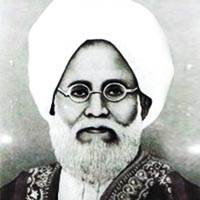
"name": "Shibli Nomani",
"bio": "<p>Shibli Nomani (Urdu: علّامہ شِبلی نُعمانی‎ – ʿAllāmah Šiblī Noʿmānī; 3 June 1857 – 18 November 1914, Azamgarh district) was an Islamic scholar from the Indian subcontinent during British Raj. He was born at Bindwal in Azamgarh district of present-day Uttar Pradesh. He is known for the founding of the Shibli National College in 1883 and the Darul Mussanifin (House of Writers) in Azamgarh. Shibli was a versatile scholar in Arabic, Persian, Turkish and Urdu. He was also a poet. He collected much material on the life of the Prophet of Islam, Muhammad but could write only first two volumes of the planned work the Sirat-un-Nabi. His disciple, Syed Sulaiman Nadvi, made use of this material and added to it and also wrote remaining five volumes of the work, the Sirat-un-Nabi after the death of his mentor.</p>\r\n<p>Works<br />Shibli was greatly inspired by the progress of science and education in the West. He wanted to inspire the Muslims to make similar progress by having recourse to their lost heritage and culture, and warned them against getting lost in Western culture. \"Ultimately, the Nadwa gave up its notions of uniting occidental and oriental knowledge and concentrated on Islamic scholarship, and on the dissemination of biographical and historical writing in Urdu. Shibli's own writings set the pattern for the latter.\" In keeping with this goal, he wrote the following books;</p>\r\n<p>Sirat-un-Nabi (Life of the Holy Prophet) Shibli Nomani started to write this book but he died in 1914, then his student Sulaiman Nadvi took over the responsibility of finishing it and finally completed this book.<br />Sirat an-Nu'man<br />Al-Faruq, (a biography of the Caliph Omar Farooq)<br />Al-Ma'mun,<br />Al-Ghazali, (a biography of Imam Al-Ghazali)<br />Imam Ibn-e-Tamia (Edited by Mohammad Tanzeel-ul-siddiqi al-husaini ),<br />Mawlana Rumi (a biography of Mawlana Rumi)<br />Aurangzeb Alamgir Par Ek Nazar- a book on the life of Mughal emperor Aurangzeb (1658-1707)<br />Sher-ul-ʻAjam, a history of Persian poetry<br />\"Ilm-Kalam\", a history of Muslim theology<br />Safar Nama e Rome-o-Misr-o-Sham - a travelogue of Rome, Egypt, Syria and Turkey along with his scholar companion Thomas Walker Arnold in 1892</p>",
"raw_bio": "Shibli Nomani (Urdu: علّامہ شِبلی نُعمانی – ʿAllāmah Šiblī Noʿmānī; 3 June 1857 – 18 November 1914, Azamgarh district) was an Islamic scholar from the Indian subcontinent during British Raj. He was born at Bindwal in Azamgarh district of present-day Uttar Pradesh. He is known for the founding of the Shibli National College in 1883 and the Darul Mussanifin (House of Writers) in Azamgarh. Shibli was a versatile scholar in Arabic, Persian, Turkish and Urdu. He was also a poet. He collected much material on the life of the Prophet of Islam, Muhammad but could write only first two volumes of the planned work the Sirat-un-Nabi. His disciple, Syed Sulaiman Nadvi, made use of this material and added to it and also wrote remaining five volumes of the work, the Sirat-un-Nabi after the death of his mentor. Works Shibli was greatly inspired by the progress of science and education in the West. He wanted to inspire the Muslims to make similar progress by having recourse to their lost heritage and culture, and warned them against getting lost in Western culture. \"Ultimately, the Nadwa gave up its notions of uniting occidental and oriental knowledge and concentrated on Islamic scholarship, and on the dissemination of biographical and historical writing in Urdu. Shibli's own writings set the pattern for the latter.\" In keeping with this goal, he wrote the following books; Sirat-un-Nabi (Life of the Holy Prophet) Shibli Nomani started to write this book but he died in 1914, then his student Sulaiman Nadvi took over the responsibility of finishing it and finally completed this book. Sirat an-Nu'man Al-Faruq, (a biography of the Caliph Omar Farooq) Al-Ma'mun, Al-Ghazali, (a biography of Imam Al-Ghazali) Imam Ibn-e-Tamia (Edited by Mohammad Tanzeel-ul-siddiqi al-husaini ), Mawlana Rumi (a biography of Mawlana Rumi) Aurangzeb Alamgir Par Ek Nazar- a book on the life of Mughal emperor Aurangzeb (1658-1707) Sher-ul-ʻAjam, a history of Persian poetry \"Ilm-Kalam\", a history of Muslim theology Safar Nama e Rome-o-Misr-o-Sham - a travelogue of Rome, Egypt, Syria and Turkey along with his scholar companion Thomas Walker Arnold in 1892",
"slug": "shibli-nomani",
"DOB": "1857-06-03",
"DateOfDemise": "1914-11-18",
"location": null,
"url": "/sootradhar/shibli-nomani",
"tags": "",
"created": "2023-09-22T12:47:09.549620",
"is_has_special_post": true,
"is_special_author": false,
"language": 4
},
{
"id": 523,
"image": "https://kavishalalab.s3.ap-south-1.amazonaws.com/sootradhar_author/muztar-khairabadi.png",
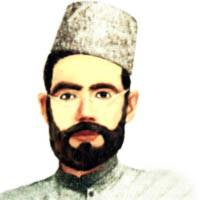
"name": "Muztar Khairabadi",
"bio": "<p>Iftikhar Hussain, known by his pen name Muztar Khairabadi (Urdu: مضطر خیر آبادی‎; 1865 – 1927), was an Indian Urdu poet.</p>\r\n<p>Bibliography<br />His works include:</p>\r\n<p>Nazr-e-Khuda (in Praise of God), a poetry collection<br />Meelaad-e-Mustafa, the collection of na`at<br />Behr-e-Taweel, a poem<br />Marg-e-Ghalat ki Fariyad, a ghazal</p>",
"raw_bio": "Iftikhar Hussain, known by his pen name Muztar Khairabadi (Urdu: مضطر خیر آبادی; 1865 – 1927), was an Indian Urdu poet. Bibliography His works include: Nazr-e-Khuda (in Praise of God), a poetry collection Meelaad-e-Mustafa, the collection of na`at Behr-e-Taweel, a poem Marg-e-Ghalat ki Fariyad, a ghazal",
"slug": "muztar-khairabadi",
"DOB": "1865-01-01",
"DateOfDemise": "1927-01-01",
"location": null,
"url": "/sootradhar/muztar-khairabadi",
"tags": "",
"created": "2023-09-22T12:47:25.538278",
"is_has_special_post": true,
"is_special_author": false,
"language": 4
},
{
"id": 525,
"image": "https://kavishalalab.s3.ap-south-1.amazonaws.com/sootradhar_author/download_6.jpeg",
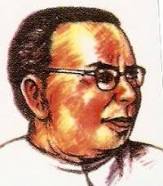
"name": "Acharya Chatursen Shastri",
"bio": "Acharya Chatursen Shastri (26 August 1891 – 2 February 1960) was an Indian writer of Hindi literature. He wrote many historical fictions, including Vaishali ki Nagarvadhu adapted into a feature film (1948), Vayam Rakshamah (1951), Somnath (1954), and Dharamputra which was adapted into the 1961 feature film of the same name.<br>\r\n<p>The bulk of his literary output is almost unparalleled in Hindi. In all, he wrote 72 published books including 8 historical novels, 10 dramas, 4 historical non-fictions, 15 collections of essays on political subjects and an equal number on the subjects of health and medicine. He also published over 250 short stories in various Hindi periodicals over time. His novel Dharamputra was adapted into the Hindi film, Dharmputra (1961) by Yash Chopra,[2] it won the National Film Award for Best Feature Film in Hindi.[3]</p>\r\n<p>His important works include:</p>\r\n<p>Vaishali ki Nagarvadhu (वैशाली की नगरवधू) (1948?) ISBN 81-7028-282-9 - based on the historical figure Amrapali<br />Vayam Rakshamah (वयं रक्षाम:) - based on life of character of Ravana (from Ramayana)<br />Sahyadri ki chattanen - based on Shivaji's times and life<br />Goli (गोली)<br />Dharamputra (धर्मपुत्र)<br />Sona aur Khoon (सोना और ख़ून)<br />Neelmani (नीलमणि)<br />Narmedh (नरमेध)<br />Somnath Mahalay (सोमनाथ) - Based on invasion of Mahmud Ghazni and destruction of Somnath temple<br />Bharat mein Islam (भारत में इस्लाम)<br />Achchi Aadatein (अच्छी आदतें)<br />Aparajita (अपराजिता)<br />Aadarsh Bhojan (आदर्श भोजन)<br />Nirog Jivan (नीरोग जीवन)<br />Eedo (ईदो) - based on events from The great Depression (1929–1934) and World War II (1939–1945)<br />Hindi Bhasha aur Sahitya Ka Itihas (1946) - A History of Hindi Language and its literature<br />Hridaya Ki Parakh (1918)<br />Satyagraha Aur Asahyoga (1921) - about Civil Resistance and Non-cooperation</p>",
"raw_bio": "Acharya Chatursen Shastri (26 August 1891 – 2 February 1960) was an Indian writer of Hindi literature. He wrote many historical fictions, including Vaishali ki Nagarvadhu adapted into a feature film (1948), Vayam Rakshamah (1951), Somnath (1954), and Dharamputra which was adapted into the 1961 feature film of the same name. The bulk of his literary output is almost unparalleled in Hindi. In all, he wrote 72 published books including 8 historical novels, 10 dramas, 4 historical non-fictions, 15 collections of essays on political subjects and an equal number on the subjects of health and medicine. He also published over 250 short stories in various Hindi periodicals over time. His novel Dharamputra was adapted into the Hindi film, Dharmputra (1961) by Yash Chopra,[2] it won the National Film Award for Best Feature Film in Hindi.[3] His important works include: Vaishali ki Nagarvadhu (वैशाली की नगरवधू) (1948?) ISBN 81-7028-282-9 - based on the historical figure Amrapali Vayam Rakshamah (वयं रक्षाम:) - based on life of character of Ravana (from Ramayana) Sahyadri ki chattanen - based on Shivaji's times and life Goli (गोली) Dharamputra (धर्मपुत्र) Sona aur Khoon (सोना और ख़ून) Neelmani (नीलमणि) Narmedh (नरमेध) Somnath Mahalay (सोमनाथ) - Based on invasion of Mahmud Ghazni and destruction of Somnath temple Bharat mein Islam (भारत में इस्लाम) Achchi Aadatein (अच्छी आदतें) Aparajita (अपराजिता) Aadarsh Bhojan (आदर्श भोजन) Nirog Jivan (नीरोग जीवन) Eedo (ईदो) - based on events from The great Depression (1929–1934) and World War II (1939–1945) Hindi Bhasha aur Sahitya Ka Itihas (1946) - A History of Hindi Language and its literature Hridaya Ki Parakh (1918) Satyagraha Aur Asahyoga (1921) - about Civil Resistance and Non-cooperation",
"slug": "acharya-chatursen-shastri",
"DOB": "1891-08-26",
"DateOfDemise": "1960-02-02",
"location": "Aurangabad Chandok, Uttar Pradesh, India",
"url": "/sootradhar/acharya-chatursen-shastri",
"tags": "",
"created": "2023-09-22T12:18:41.214213",
"is_has_special_post": false,
"is_special_author": false,
"language": 4
},
{
"id": 526,
"image": "https://kavishalalab.s3.ap-south-1.amazonaws.com/sootradhar_author/Hasrat_Mohani.png",
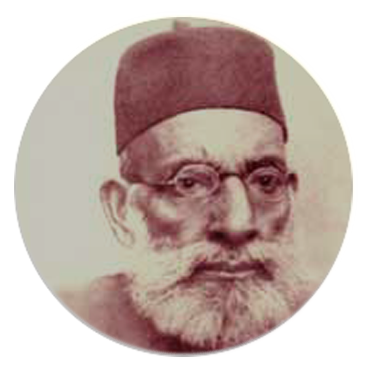
"name": "Hasrat Mohani",
"bio": "<p>Syed Fazl-ul-Hasan (14 October 1875 – 13 May 1951), known by his pen-name Hasrat Mohani, was an Indian activist, freedom Fighter in the Indian independence movement and a noted poet of the Urdu language. He coined the notable slogan Inquilab Zindabad (translation of \"Long live the revolution!\") in 1921. Together with Swami Kumaranand, he is regarded as the first person to demand complete independence for India in 1921 at the Ahmedabad Session of the Indian National Congress.<br />Struggle for Indian independence<br />Mohani participated in the struggle for Indian Independence (end of British Raj); and was jailed in 1903 for many years by British authorities. At that time political prisoners were treated like common criminals and forced to do manual labor.</p>\r\n<p>In 1904, he joined the Indian National Congress Party. He was the first person in Indian History who demanded 'Complete Independence' (Azadi-e-Kaamil) in 1921 as he presided over an annual session of All-India Muslim League. In December 1929, his campaign for 'complete independence' resulted in the shape of Indian National Congress session in Lahore.</p>\r\n<p>Mohani opposed the partition of India. After complete independence from the British rule, Maulana Hasrat Mohani wanted a confederal set up on the pattern of Union of Soviet Socialist Republic (USSR). He wanted to see a confederal constitution in India after freedom from the British rule. His proposal had six federations: 1. East Pakistan; 2. West Pakistan; 3. Central India; 4. South-eastern India; 5. South-western India; and 6. Hyderabad Deccan.</p>\r\n<p>Publications<br />Urdu-e-Moalla (magazine)<br />Kulliyat-e-Hasrat Mohani (Collection of Hasrat Mohani's poetry) (Published in 1928 and 1943)<br />Sharh-e-Kalam-e-Ghalib (Explanation of Ghalib's poetry)<br />Nukaat-e-Sukhan (Important aspects of poetry)<br />Tazkira-tul-Shuara (Essays on the Poets)<br />Mushahidaat-e-Zindaan (Observations in the Prison)</p>",
"raw_bio": "Syed Fazl-ul-Hasan (14 October 1875 – 13 May 1951), known by his pen-name Hasrat Mohani, was an Indian activist, freedom Fighter in the Indian independence movement and a noted poet of the Urdu language. He coined the notable slogan Inquilab Zindabad (translation of \"Long live the revolution!\") in 1921. Together with Swami Kumaranand, he is regarded as the first person to demand complete independence for India in 1921 at the Ahmedabad Session of the Indian National Congress. Struggle for Indian independence Mohani participated in the struggle for Indian Independence (end of British Raj); and was jailed in 1903 for many years by British authorities. At that time political prisoners were treated like common criminals and forced to do manual labor. In 1904, he joined the Indian National Congress Party. He was the first person in Indian History who demanded 'Complete Independence' (Azadi-e-Kaamil) in 1921 as he presided over an annual session of All-India Muslim League. In December 1929, his campaign for 'complete independence' resulted in the shape of Indian National Congress session in Lahore. Mohani opposed the partition of India. After complete independence from the British rule, Maulana Hasrat Mohani wanted a confederal set up on the pattern of Union of Soviet Socialist Republic (USSR). He wanted to see a confederal constitution in India after freedom from the British rule. His proposal had six federations: 1. East Pakistan; 2. West Pakistan; 3. Central India; 4. South-eastern India; 5. South-western India; and 6. Hyderabad Deccan. Publications Urdu-e-Moalla (magazine) Kulliyat-e-Hasrat Mohani (Collection of Hasrat Mohani's poetry) (Published in 1928 and 1943) Sharh-e-Kalam-e-Ghalib (Explanation of Ghalib's poetry) Nukaat-e-Sukhan (Important aspects of poetry) Tazkira-tul-Shuara (Essays on the Poets) Mushahidaat-e-Zindaan (Observations in the Prison)",
"slug": "hasrat-mohani",
"DOB": "1875-10-14",
"DateOfDemise": "1951-05-13",
"location": null,
"url": "/sootradhar/hasrat-mohani",
"tags": "",
"created": "2023-09-22T12:47:44.559051",
"is_has_special_post": true,
"is_special_author": false,
"language": 4
},
{
"id": 527,
"image": "https://kavishalalab.s3.ap-south-1.amazonaws.com/sootradhar_author/Mukesh_singer.png",
"name": "Mukesh (singer)",
"bio": "Mukesh Chand Mathur (22 July 1923 – 27 August 1976), better known mononymously as Mukesh, was an Indian playback singer. Mukesh is considered to be one of the most popular and acclaimed playback singers of the Hindi film industry. Amongst the numerous nominations and awards he won, his song \"Kai Baar Yuhi Dekha Hai\" from the film Rajnigandha (1973) won him the National Film Award for Best Male Playback Singer. He was one of the best singers of his era.\r\n<br>\r\nMukesh was also popular as being the voice of actors Raj Kapoor, Manoj Kumar, Feroz Khan, Sunil Dutt and Dilip Kumar. He was also a major part of the music industry in early Bollywood movies, working with actor and movie director Raj Kapoor, music director Shankar–Jaikishan, and lyricist Shailendra.<br>\r\nMukesh's voice was first noticed by Motilal, a distant relative, when he sang at his sister's wedding. Motilal took him to Mumbai and arranged for singing lessons by Pandit Jagannath Prasad. During this period Mukesh was offered a role as an actor-singer in a Hindi film, Nirdosh (1941). His first song was \"Dil Hi Bujha Hua Ho To\" as an actor-singer for Nirdosh. He got his break as a playback singer for actor Motilal in 1945 with the film Pehli Nazar with music composed by Anil Biswas and lyrics written by Aah Sitapuri. The first song that he sang for a Hindi film was \"Dil Jalta Hai To Jalne De\".<br>\r\n<a href=\"https://en.wikipedia.org/wiki/Mukesh_(singer)\" target=\"blank\">Know More </a>",
"raw_bio": "Mukesh Chand Mathur (22 July 1923 – 27 August 1976), better known mononymously as Mukesh, was an Indian playback singer. Mukesh is considered to be one of the most popular and acclaimed playback singers of the Hindi film industry. Amongst the numerous nominations and awards he won, his song \"Kai Baar Yuhi Dekha Hai\" from the film Rajnigandha (1973) won him the National Film Award for Best Male Playback Singer. He was one of the best singers of his era.\r \r Mukesh was also popular as being the voice of actors Raj Kapoor, Manoj Kumar, Feroz Khan, Sunil Dutt and Dilip Kumar. He was also a major part of the music industry in early Bollywood movies, working with actor and movie director Raj Kapoor, music director Shankar–Jaikishan, and lyricist Shailendra. \r Mukesh's voice was first noticed by Motilal, a distant relative, when he sang at his sister's wedding. Motilal took him to Mumbai and arranged for singing lessons by Pandit Jagannath Prasad. During this period Mukesh was offered a role as an actor-singer in a Hindi film, Nirdosh (1941). His first song was \"Dil Hi Bujha Hua Ho To\" as an actor-singer for Nirdosh. He got his break as a playback singer for actor Motilal in 1945 with the film Pehli Nazar with music composed by Anil Biswas and lyrics written by Aah Sitapuri. The first song that he sang for a Hindi film was \"Dil Jalta Hai To Jalne De\". Know More ",
"slug": "mukesh-singer",
"DOB": "1923-07-22",
"DateOfDemise": "1976-08-27",
"location": null,
"url": "/sootradhar/mukesh-singer",
"tags": "",
"created": "2023-09-22T12:18:41.382339",
"is_has_special_post": false,
"is_special_author": false,
"language": 4
},
{
"id": 530,
"image": "https://kavishalalab.s3.ap-south-1.amazonaws.com/sootradhar_author/dil-shahjahanpuri.png",
"name": "Dil Shahjahanpuri",
"bio": "<p>Dil Shahjahanpuri (1875-1959) was the takhallus of Zameer Hasan Khan, the renowned Urdu ghazal writer, who was born in Shahjahanpur, Uttar Pradesh in the year 1875. He was a disciple of the famous Urdu poet, Amir Meenai. Thus far, two collections of his ghazals have been published; they are – Naghma e Dil and Tarana e Dil. Dil Shahjahanpuri, hayat aur adabi khidmat by Izhar Sahbai published in 1988 by Taqsimkar, Danish Mahall, Lucknow, is the only known exhaustive work on the life and literary contribution of this poet. He died in Shahjahanpur in 1959.</p>",
"raw_bio": "Dil Shahjahanpuri (1875-1959) was the takhallus of Zameer Hasan Khan, the renowned Urdu ghazal writer, who was born in Shahjahanpur, Uttar Pradesh in the year 1875. He was a disciple of the famous Urdu poet, Amir Meenai. Thus far, two collections of his ghazals have been published; they are – Naghma e Dil and Tarana e Dil. Dil Shahjahanpuri, hayat aur adabi khidmat by Izhar Sahbai published in 1988 by Taqsimkar, Danish Mahall, Lucknow, is the only known exhaustive work on the life and literary contribution of this poet. He died in Shahjahanpur in 1959.",
"slug": "dil-shahjahanpuri",
"DOB": "1875-01-01",
"DateOfDemise": "1959-01-01",
"location": null,
"url": "/sootradhar/dil-shahjahanpuri",
"tags": "",
"created": "2023-09-22T12:47:49.674855",
"is_has_special_post": true,
"is_special_author": false,
"language": 4
},
{
"id": 531,
"image": "https://kavishalalab.s3.ap-south-1.amazonaws.com/sootradhar_author/bekhud-dehlvi.jpg",
"name": "Bekhud Dehlvi",
"bio": "Bekhud Dehlvi (21 March 1863 – 2 October 1955), born Syed Wahid-ud-Din Ahmed, was the son of Syed Shams-ud-Din \"Salim\", also an Urdu language poet. Bekhud was born at Bharatpur, Rajasthan. He was brought to Delhi by Altaf Hussain Hali who in 1891 made Bekhud became a disciple of Daagh Dehlvi and soon rose in prominence. His collection of Urdu ghazals – Guftar e Bekhud and Shahsavaar e Bekhud, were published during his lifetime. He died on 2 October 1955 in Delhi at the age of 92 years.",
"raw_bio": "Bekhud Dehlvi (21 March 1863 – 2 October 1955), born Syed Wahid-ud-Din Ahmed, was the son of Syed Shams-ud-Din \"Salim\", also an Urdu language poet. Bekhud was born at Bharatpur, Rajasthan. He was brought to Delhi by Altaf Hussain Hali who in 1891 made Bekhud became a disciple of Daagh Dehlvi and soon rose in prominence. His collection of Urdu ghazals – Guftar e Bekhud and Shahsavaar e Bekhud, were published during his lifetime. He died on 2 October 1955 in Delhi at the age of 92 years.",
"slug": "bekhud-dehlvi",
"DOB": "1863-03-21",
"DateOfDemise": "1955-10-02",
"location": null,
"url": "/sootradhar/bekhud-dehlvi",
"tags": "",
"created": "2023-09-22T12:48:09.749307",
"is_has_special_post": true,
"is_special_author": false,
"language": 4
},
{
"id": 533,
"image": "https://kavishalalab.s3.ap-south-1.amazonaws.com/sootradhar_author/josh-malsiani.png",
"name": "Josh Malsiyani",
"bio": "<p>Josh Malsiyani (1883-1976), born Labhu Ram, was a much acclaimed Urdu poet of his time. He was born in a poor family in the Aquilpur locality of Malsian, a small town near Jalandhar which town was the domain of Bedi Family till Sir Kalim Singh Bedi’s migration to Rawalpindi in the 19th century A.D. Josh’s father, who mostly lived in Peshawar, was an illiterate small-trader. After being trained as a teacher in Lahore Josh started teaching Urdu and Persian in a school in Jalandhar but in 1913 settled permanently in Nakodar where he spent the rest of his life as a school-teacher and guiding budding Urdu poets. He had himself started writing Urdu poems when he was eight years old and later on became a disciple of Mirza Khan Daagh Dehlvi.[2] Ratan Pandoravi, Sahir Hoshiarpuri and Naresh Kumar Shad were his pupils. He is known for his book - Sharh- e – Diwaan – Ghalib, which is a scholarly commentary on Ghalib’s Urdu poetry. Malik Ram’s assessment of Josh Malsiyani’s poetry and contribution finds place amongst fifty-two poets whose lives and works have been discussed in his monumental work - Tazkirah e muasireen, Vol.4. Josh Malsiyani was a recipient of Padma Shri Award.</p>",
"raw_bio": "Josh Malsiyani (1883-1976), born Labhu Ram, was a much acclaimed Urdu poet of his time. He was born in a poor family in the Aquilpur locality of Malsian, a small town near Jalandhar which town was the domain of Bedi Family till Sir Kalim Singh Bedi’s migration to Rawalpindi in the 19th century A.D. Josh’s father, who mostly lived in Peshawar, was an illiterate small-trader. After being trained as a teacher in Lahore Josh started teaching Urdu and Persian in a school in Jalandhar but in 1913 settled permanently in Nakodar where he spent the rest of his life as a school-teacher and guiding budding Urdu poets. He had himself started writing Urdu poems when he was eight years old and later on became a disciple of Mirza Khan Daagh Dehlvi.[2] Ratan Pandoravi, Sahir Hoshiarpuri and Naresh Kumar Shad were his pupils. He is known for his book - Sharh- e – Diwaan – Ghalib, which is a scholarly commentary on Ghalib’s Urdu poetry. Malik Ram’s assessment of Josh Malsiyani’s poetry and contribution finds place amongst fifty-two poets whose lives and works have been discussed in his monumental work - Tazkirah e muasireen, Vol.4. Josh Malsiyani was a recipient of Padma Shri Award.",
"slug": "josh-malsiyani",
"DOB": "1883-01-01",
"DateOfDemise": "1976-01-01",
"location": null,
"url": "/sootradhar/josh-malsiyani",
"tags": "",
"created": "2023-09-22T12:48:16.571423",
"is_has_special_post": true,
"is_special_author": false,
"language": 4
},
{
"id": 534,
"image": "https://kavishalalab.s3.ap-south-1.amazonaws.com/sootradhar_author/Dwarika_Maheswari.jpeg",
"name": "Dwarika Prasad Maheshwari",
"bio": "द्वारिका प्रसाद माहेश्वरी (१ दिसम्बर १९१६ - २९ अगस्त १९९८) हिन्दी के साहित्यकार थे। उनका जन्म आगरा के रोहता में हुआ था।<br>\r\nशिक्षा और कविता को समर्पित द्वारिका प्रसाद माहेश्वरी का जीवन बहुत ही चित्ताकर्षक और रोचक है। उनकी कविता का प्रभाव सुप्रसिद्ध बाल साहित्यकार कृष्ण विनायक फड़के ने अपनी अंतिम इच्छा के रूप में प्रकट किया कि उनकी मृत्यु के पश्चात उनकी शवयात्रा में माहेश्वरी जी का बालगीत 'हम सब सुमन एक उपवन के' गाया जाए। फड़के जी का मानना था कि अंतिम समय भी पारस्परिक एकता का संदेश दिया जाना चाहिए। उत्तर प्रदेश सूचना विभाग ने अपनी होर्डिगों में प्राय: सभी जिलों में यह गीत प्रचारित किया और उर्दू में भी एक पुस्तक प्रकाशित हुई, जिसका शीर्षक था, 'हम सब फूल एक गुलशन के', लेकिन वह दृश्य सर्वथा अभिनव और अपूर्व था जिसमें एक शवयात्रा ऐसी निकली जिसमें बच्चे मधुर धुन से गाते हुए चल रहे थे, 'हम सब सुमन एक उपवन के'। किसी गीत को इतना बड़ा सम्मान, माहेश्वरी जी की बालभावना के प्रति आदर भाव ही था। उनका ऐसा ही एक और कालजयी गीत है- वीर तुम बढ़े चलो, धीर तुम बढ़े चलो। उन्होंने बाल साहित्य पर 26 पुस्तकें लिखीं। इसके अतिरिक्त पांच पुस्तकें नवसाक्षरों के लिए लिखीं। उन्होंने अनेक काव्य संग्रह और खंड काव्यों की भी रचना की।\r\n<br>\r\nबच्चों के कवि सम्मेलन का प्रारंभ और प्रवर्तन करने वालों के रूप में द्वारिका प्रसाद माहेश्वरी का योगदान अविस्मरणीय है। वह उप्र के शिक्षा सचिव थे। उन्होंने शिक्षा के व्यापक प्रसार और स्तर के उन्नयन के लिए अनथक प्रयास किए। उन्होंने कई कवियों के जीवन पर वृत्त चित्र बनाकर उन्हे याद करते रहने के उपक्रम दिए। सूर्यकान्त त्रिपाठी 'निराला' जैसे महाकवि पर उन्होंने बड़े जतन से वृत्त चित्र बनाया। यह एक कठिन कार्य था, लेकिन उसे उन्होंने पूरा किया। बड़ों के प्रति आदर-सम्मान का भाव माहेश्वरी जी जितना रखते थे उतना ही प्रेम उदीयमान साहित्यकारों को भी देते थे। उन्होंने आगरा को अपना काव्यक्षेत्र बनाया। केंद्रीय हिंदी संस्थान को वह एक तीर्थस्थल मानते थे। इसमें प्राय: भारतीय और विदेशी हिंदी छात्रों को हिंदी भाषा और साहित्य का ज्ञान दिलाने में माहेश्वरी जी का अवदान हमेशा याद किया जाएगा। वह गृहस्थ संत थे।",
"raw_bio": "द्वारिका प्रसाद माहेश्वरी (१ दिसम्बर १९१६ - २९ अगस्त १९९८) हिन्दी के साहित्यकार थे। उनका जन्म आगरा के रोहता में हुआ था। \r शिक्षा और कविता को समर्पित द्वारिका प्रसाद माहेश्वरी का जीवन बहुत ही चित्ताकर्षक और रोचक है। उनकी कविता का प्रभाव सुप्रसिद्ध बाल साहित्यकार कृष्ण विनायक फड़के ने अपनी अंतिम इच्छा के रूप में प्रकट किया कि उनकी मृत्यु के पश्चात उनकी शवयात्रा में माहेश्वरी जी का बालगीत 'हम सब सुमन एक उपवन के' गाया जाए। फड़के जी का मानना था कि अंतिम समय भी पारस्परिक एकता का संदेश दिया जाना चाहिए। उत्तर प्रदेश सूचना विभाग ने अपनी होर्डिगों में प्राय: सभी जिलों में यह गीत प्रचारित किया और उर्दू में भी एक पुस्तक प्रकाशित हुई, जिसका शीर्षक था, 'हम सब फूल एक गुलशन के', लेकिन वह दृश्य सर्वथा अभिनव और अपूर्व था जिसमें एक शवयात्रा ऐसी निकली जिसमें बच्चे मधुर धुन से गाते हुए चल रहे थे, 'हम सब सुमन एक उपवन के'। किसी गीत को इतना बड़ा सम्मान, माहेश्वरी जी की बालभावना के प्रति आदर भाव ही था। उनका ऐसा ही एक और कालजयी गीत है- वीर तुम बढ़े चलो, धीर तुम बढ़े चलो। उन्होंने बाल साहित्य पर 26 पुस्तकें लिखीं। इसके अतिरिक्त पांच पुस्तकें नवसाक्षरों के लिए लिखीं। उन्होंने अनेक काव्य संग्रह और खंड काव्यों की भी रचना की।\r \r बच्चों के कवि सम्मेलन का प्रारंभ और प्रवर्तन करने वालों के रूप में द्वारिका प्रसाद माहेश्वरी का योगदान अविस्मरणीय है। वह उप्र के शिक्षा सचिव थे। उन्होंने शिक्षा के व्यापक प्रसार और स्तर के उन्नयन के लिए अनथक प्रयास किए। उन्होंने कई कवियों के जीवन पर वृत्त चित्र बनाकर उन्हे याद करते रहने के उपक्रम दिए। सूर्यकान्त त्रिपाठी 'निराला' जैसे महाकवि पर उन्होंने बड़े जतन से वृत्त चित्र बनाया। यह एक कठिन कार्य था, लेकिन उसे उन्होंने पूरा किया। बड़ों के प्रति आदर-सम्मान का भाव माहेश्वरी जी जितना रखते थे उतना ही प्रेम उदीयमान साहित्यकारों को भी देते थे। उन्होंने आगरा को अपना काव्यक्षेत्र बनाया। केंद्रीय हिंदी संस्थान को वह एक तीर्थस्थल मानते थे। इसमें प्राय: भारतीय और विदेशी हिंदी छात्रों को हिंदी भाषा और साहित्य का ज्ञान दिलाने में माहेश्वरी जी का अवदान हमेशा याद किया जाएगा। वह गृहस्थ संत थे।",
"slug": "dwarika-prasad-maheshwari",
"DOB": "1916-12-01",
"DateOfDemise": "1998-08-29",
"location": null,
"url": "/sootradhar/dwarika-prasad-maheshwari",
"tags": "",
"created": "2023-09-22T12:48:20.391289",
"is_has_special_post": true,
"is_special_author": false,
"language": 4
},
{
"id": 535,
"image": "https://kavishalalab.s3.ap-south-1.amazonaws.com/sootradhar_author/Nareshsaxena.jpg",
"name": "Naresh Saxena",
"bio": "<p><br />नरेश सक्सेना हिंदी के कवि है. समकालीन हिंदी कवियों में उनकी अलग पहचान है. कविता के अलावा उनकी सक्रियता के अनेक क्षेत्र हैं. उन्होंने टेलीविज़न और रंगमंच के लिए लेखन किया है. उनका एक नाटक `आदमी का आ´ देश की कई भाषाओं में पांच हज़ार से ज़्यादा बार प्रदर्शित हुआ है. साहित्य के लिए उन्हें 2000 का पहल सम्मान मिला तथा निर्देशन के लिए 1992 में राष्ट्रीय फि़ल्म पुरस्कार.</p>",
"raw_bio": "नरेश सक्सेना हिंदी के कवि है. समकालीन हिंदी कवियों में उनकी अलग पहचान है. कविता के अलावा उनकी सक्रियता के अनेक क्षेत्र हैं. उन्होंने टेलीविज़न और रंगमंच के लिए लेखन किया है. उनका एक नाटक `आदमी का आ´ देश की कई भाषाओं में पांच हज़ार से ज़्यादा बार प्रदर्शित हुआ है. साहित्य के लिए उन्हें 2000 का पहल सम्मान मिला तथा निर्देशन के लिए 1992 में राष्ट्रीय फि़ल्म पुरस्कार.",
"slug": "naresh-saxena",
"DOB": "1939-01-16",
"DateOfDemise": null,
"location": null,
"url": "/sootradhar/naresh-saxena",
"tags": "",
"created": "2023-09-22T12:48:24.191926",
"is_has_special_post": true,
"is_special_author": false,
"language": 4
},
{
"id": 536,
"image": "https://kavishalalab.s3.ap-south-1.amazonaws.com/sootradhar_author/shamsher-bahadudsdsddsr-singh.jpg",
"name": "Shamsher Bahadur Singh",
"bio": "<p>शमशेर बहादुर सिंह 13 जनवरी 1911- 12 मई 1993 आधुनिक हिंदी कविता की प्रगतिशील त्रयी के एक स्तंभ हैं। हिंदी कविता में अनूठे माँसल एंद्रीए बिंबों के रचयिता शमशेर आजीवन प्रगतिवादी विचारधारा से जुड़े रहे। तार सप्तक से शुरुआत कर चुका भी नहीं हूँ मैं के लिए साहित्य अकादमी सम्मान पाने वाले शमशेर ने कविता के अलावा डायरी लिखी और हिंदी उर्दू शब्दकोश का संपादन भी किया।</p>\r\n<p>पुरस्कार व सम्मान<br />१९७७- साहित्य अकादमी पुरस्कार, 'चुका भी हूँ नहीं मैं' के लिये<br />मैथिली शरण गुप्त पुरस्कार<br />1989- कबीर सम्मान</p>",
"raw_bio": "शमशेर बहादुर सिंह 13 जनवरी 1911- 12 मई 1993 आधुनिक हिंदी कविता की प्रगतिशील त्रयी के एक स्तंभ हैं। हिंदी कविता में अनूठे माँसल एंद्रीए बिंबों के रचयिता शमशेर आजीवन प्रगतिवादी विचारधारा से जुड़े रहे। तार सप्तक से शुरुआत कर चुका भी नहीं हूँ मैं के लिए साहित्य अकादमी सम्मान पाने वाले शमशेर ने कविता के अलावा डायरी लिखी और हिंदी उर्दू शब्दकोश का संपादन भी किया। पुरस्कार व सम्मान १९७७- साहित्य अकादमी पुरस्कार, 'चुका भी हूँ नहीं मैं' के लिये मैथिली शरण गुप्त पुरस्कार 1989- कबीर सम्मान",
"slug": "shamsher-bahadur-singh",
"DOB": "1911-01-13",
"DateOfDemise": "1993-05-12",
"location": null,
"url": "/sootradhar/shamsher-bahadur-singh",
"tags": "",
"created": "2023-09-22T12:48:33.242733",
"is_has_special_post": true,
"is_special_author": false,
"language": 4
},
{
"id": 537,
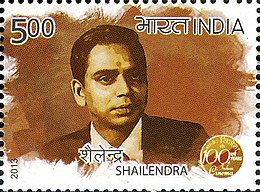
"image": "https://kavishalalab.s3.ap-south-1.amazonaws.com/sootradhar_author/260px-Shailendra_2013_stamp_of_India.jpg",
"name": "Shailendra",
"bio": "शैलेन्द्र | Shailendra (30 August 1923 – 14 December 1966) was a popular Indian Hindi-Urdu lyricist. Noted for his association with the filmmaker Raj Kapoor, singer Mukesh, and the composers Shankar-Jaikishan, he wrote lyrics for several successful Hindi film songs in the 1950s and the 1960s. <br>\r\nHe came in contact with poet Indra Bahadur Khare at the Kishori Raman School. Both started composing poems, sitting on the rock located on the bank of a pond in between railway 27 quarters and railway line near to Mathura station. Afterwards Shailendra moved to Bombay for films and Indra Bahadur Khare got fame in Raashtreey Kavita.<br>\r\nIn 1961 Shailendra invested heavily in the production of the movie Teesri Kasam (1966), directed by Basu Bhattacharya and starring Raj Kapoor and Waheeda Rehman. The film won the National Film Award for Best Feature Film. However, the film was a commercial failure. The falling health resulting from tensions associated with film production and anxiety due to financial loss, coupled with alcohol abuse, ultimately led to his early death.",
"raw_bio": "शैलेन्द्र | Shailendra (30 August 1923 – 14 December 1966) was a popular Indian Hindi-Urdu lyricist. Noted for his association with the filmmaker Raj Kapoor, singer Mukesh, and the composers Shankar-Jaikishan, he wrote lyrics for several successful Hindi film songs in the 1950s and the 1960s. \r He came in contact with poet Indra Bahadur Khare at the Kishori Raman School. Both started composing poems, sitting on the rock located on the bank of a pond in between railway 27 quarters and railway line near to Mathura station. Afterwards Shailendra moved to Bombay for films and Indra Bahadur Khare got fame in Raashtreey Kavita. \r In 1961 Shailendra invested heavily in the production of the movie Teesri Kasam (1966), directed by Basu Bhattacharya and starring Raj Kapoor and Waheeda Rehman. The film won the National Film Award for Best Feature Film. However, the film was a commercial failure. The falling health resulting from tensions associated with film production and anxiety due to financial loss, coupled with alcohol abuse, ultimately led to his early death.",
"slug": "shailendra",
"DOB": "1923-08-30",
"DateOfDemise": "1966-12-14",
"location": "Rawalpindi, Punjab, British India",
"url": "/sootradhar/shailendra",
"tags": "",
"created": "2023-09-22T12:18:41.864327",
"is_has_special_post": false,
"is_special_author": false,
"language": 4
}
],
"description": "<p style=\"text-align: center; font-size: 24px;\"> The Great Poets and Writers in Indian and World History! </p>",
"image": "https://kavishalalab.s3.ap-south-1.amazonaws.com/sootradhar_description/black.jpg"
}