HTTP 200 OK
Allow: GET, HEAD, OPTIONS
Content-Type: application/json
Vary: Accept
{
"count": 17752,
"next": "http://admin.kavishala.in/sootradhar/authors/?format=api&page=619",
"previous": "http://admin.kavishala.in/sootradhar/authors/?format=api&page=617",
"results": [
{
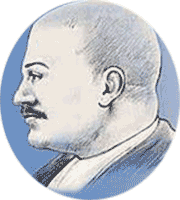
"id": 507,
"image": "https://kavishalalab.s3.ap-south-1.amazonaws.com/sootradhar_author/imam.png",
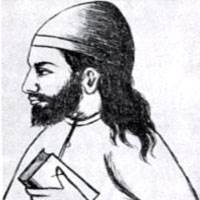
"name": "IMAM BAKHSH NASIKH",
"bio": "<p>Baksh Nasikh (Urdu: اِمام بخش ناسِخ) (1776–1838) was an Urdu poet of the Mughal era.</p>\r\n<p>Imam Baksh Nasikh succeeded in gaining the patronage of Meer Kazim Ali whose property he inherited.Nasikh who offended the nawab of Awadh by contemptuously refusing his patronage was driven out from Lucknow. Nasikh finally returned from exile after the death of Hakim Mehdi in 1837. He died in the year 1838.</p>\r\n<p>The reputation of ghazal was restored to Delhi under the patronage of Bahadur Shah Zafar.</p>",
"raw_bio": "Baksh Nasikh (Urdu: اِمام بخش ناسِخ) (1776–1838) was an Urdu poet of the Mughal era. Imam Baksh Nasikh succeeded in gaining the patronage of Meer Kazim Ali whose property he inherited.Nasikh who offended the nawab of Awadh by contemptuously refusing his patronage was driven out from Lucknow. Nasikh finally returned from exile after the death of Hakim Mehdi in 1837. He died in the year 1838. The reputation of ghazal was restored to Delhi under the patronage of Bahadur Shah Zafar.",
"slug": "imam-bakhsh-nasikh",
"DOB": "1776-01-01",
"DateOfDemise": "1838-01-01",
"location": null,
"url": "/sootradhar/imam-bakhsh-nasikh",
"tags": "",
"created": "2023-09-22T12:46:01.006560",
"is_has_special_post": true,
"is_special_author": false,
"language": 4
},
{
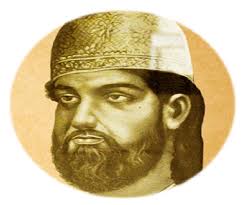
"id": 508,
"image": "https://kavishalalab.s3.ap-south-1.amazonaws.com/sootradhar_author/works_kuh_khuaqa_waja_huygsdu_gucygsuydcgus.jpg",
"name": "Khwaja Haider Ali Aatish",
"bio": "Khwaja Haider Ali Aatish (Urdu: خواجہ حَیدر علی آتِش ), (1764–1846) of Lucknow was an Urdu poet. Khwaja Haider Ali Aatish Lakhnawi is one of the giants of Urdu Literature. Aatish and Imam Baksh Nasikh were contemporary poets whose rivalry is well known. Both had hundreds of disciples. The era of Aatish-Nasikh was a golden era for Urdu poetry in Lucknow. Aatish is mostly known for his Ghazals, and for his amazing and different style of poetry\r\n\r\nworks\r\nKulliyat-e-Khwaja Haider Ali Atish \r\nDeewan-e-Aatish",
"raw_bio": "Khwaja Haider Ali Aatish (Urdu: خواجہ حَیدر علی آتِش ), (1764–1846) of Lucknow was an Urdu poet. Khwaja Haider Ali Aatish Lakhnawi is one of the giants of Urdu Literature. Aatish and Imam Baksh Nasikh were contemporary poets whose rivalry is well known. Both had hundreds of disciples. The era of Aatish-Nasikh was a golden era for Urdu poetry in Lucknow. Aatish is mostly known for his Ghazals, and for his amazing and different style of poetry\r \r works\r Kulliyat-e-Khwaja Haider Ali Atish \r Deewan-e-Aatish",
"slug": "khwaja-haider-ali-aatish",
"DOB": "1764-01-01",
"DateOfDemise": "1846-01-01",
"location": null,
"url": "/sootradhar/khwaja-haider-ali-aatish",
"tags": "",
"created": "2023-09-22T12:46:04.680168",
"is_has_special_post": true,
"is_special_author": false,
"language": 4
},
{
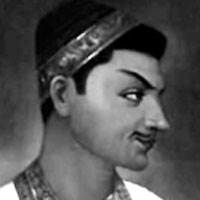
"id": 509,
"image": "https://kavishalalab.s3.ap-south-1.amazonaws.com/sootradhar_author/quli-qutub-shah.png",
"name": "Muhammad Quli Qutb Shah",
"bio": "<p>Muhammad Quli Qutb Shah (1565 – 11 January 1612) was the fifth sultan of the Qutb Shahi dynasty of Golkonda and founded the city of Hyderabad,[2] in South-central India and built its architectural centerpiece, the Charminar and Mecca Masjid. He was an able administrator and his reign is considered one of the high points of the Qutb Shahi dynasty. He ascended to the throne in 1580 at the age of 15 and ruled for 31 years.<br />Patronage of literature<br />Quli Qutb Shah was a scholar of Arabic, Persian and Telugu languages. He wrote poetry in Urdu, Persian, and Telugu. His poetry has been compiled into a volume entitled \"Kulliyat-e-Quli Qutub Shah.\" He had the distinction of being the first Saheb-e-dewan Urdu poet and is credited with introducing a new sensibility into prevailing genres of Persian/Urdu poetry.</p>",
"raw_bio": "Muhammad Quli Qutb Shah (1565 – 11 January 1612) was the fifth sultan of the Qutb Shahi dynasty of Golkonda and founded the city of Hyderabad,[2] in South-central India and built its architectural centerpiece, the Charminar and Mecca Masjid. He was an able administrator and his reign is considered one of the high points of the Qutb Shahi dynasty. He ascended to the throne in 1580 at the age of 15 and ruled for 31 years. Patronage of literature Quli Qutb Shah was a scholar of Arabic, Persian and Telugu languages. He wrote poetry in Urdu, Persian, and Telugu. His poetry has been compiled into a volume entitled \"Kulliyat-e-Quli Qutub Shah.\" He had the distinction of being the first Saheb-e-dewan Urdu poet and is credited with introducing a new sensibility into prevailing genres of Persian/Urdu poetry.",
"slug": "muhammad-quli-qutb-shah",
"DOB": "1565-01-01",
"DateOfDemise": "1612-01-11",
"location": null,
"url": "/sootradhar/muhammad-quli-qutb-shah",
"tags": "",
"created": "2023-09-22T12:46:06.080892",
"is_has_special_post": true,
"is_special_author": false,
"language": 4
},
{
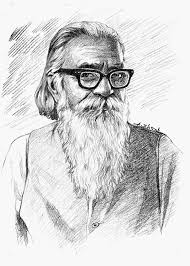
"id": 510,
"image": "https://kavishalalab.s3.ap-south-1.amazonaws.com/sootradhar_author/Kaka_Kalelkar.jpg",
"name": "Kaka Kalelkar",
"bio": "<p>Dattatreya Balkrishna Kalelkar (1 December 1885 – 21 August 1981), popularly known as Kaka Kalelkar, was an Indian independence activist, social reformer, journalist and an eminent follower of the philosophy and methods of Mahatma Gandhi.<br />Selected works<br />Kalelkar wrote several books, including voluminous travelogues, in Gujarati, Marathi, and Hindi. The following is a partial list of Kalelkar's books:</p>\r\n<p>Quintessence of Gandhian Thought (English)<br />Profiles in Inspiration (English)<br />Stray Glimpses of Bapu (English)<br />Mahatma Gandhi's Gospel of Swadeshi (English)<br />Mahatma Gandhi Ka Swadeshi Dharma (Hindi)<br />Rashtriya Shiksha Ka Adarsha (Hindi)<br />Smaran Yatra (Marathi)<br />Uttarekadil Bhinti (Marathi) (also translated into English as Even behind the Bars)<br />Hindalgyacha Prasad (Marathi)<br />Lok-Mata (Marathi)<br />Latanche Tandav (Marathi)<br />Himalayatil Pravas (Marathi)<br />Himalayano Pravas (Gujarati)<br />Jeevan-Vyavastha (Gujarati)<br />Purva Africaman (Gujarati)<br />Jivavano Anand (Gujarati)<br />Jivata Tehvaro (Gujarati)<br />Mara Sansmarano (Gujarati)<br />Ugamano Desh (Gujarati)<br />Otterati Divaro (Gujarati) (also translated into English as Even behind the Bars)<br />Brahmadeshano Pravas (Gujarati)<br />Rakhadvano Anand (Gujarati)<br />Multi-Part Kaka Kalelkar Granthawali<br />Part 5: Atmacharitra<br />Part 6: Charitra Kirtan<br />Part 7: Geeta darshan<br />Part 8: Dharma<br />Part 9: Sahitya<br />Part 10: Diary<br />Part 11: Patra<br />Sahijan ka ped<br />Recognition<br />Kalelkar received a Sahitya Akademi Award in 1965 for his Jeevan-Vyavastha, a collection of essays in Gujarati. He was honored with Sahitya Akademi Fellowship in 1971 for his literary achievements.</p>\r\n<p>The Government of India conferred on him Padma Vibhushan (India's second-highest civilian award after the Bharat Ratna) in 1964 It also issued a commemorative stamp in his honor in 1985.</p>",
"raw_bio": "Dattatreya Balkrishna Kalelkar (1 December 1885 – 21 August 1981), popularly known as Kaka Kalelkar, was an Indian independence activist, social reformer, journalist and an eminent follower of the philosophy and methods of Mahatma Gandhi. Selected works Kalelkar wrote several books, including voluminous travelogues, in Gujarati, Marathi, and Hindi. The following is a partial list of Kalelkar's books: Quintessence of Gandhian Thought (English) Profiles in Inspiration (English) Stray Glimpses of Bapu (English) Mahatma Gandhi's Gospel of Swadeshi (English) Mahatma Gandhi Ka Swadeshi Dharma (Hindi) Rashtriya Shiksha Ka Adarsha (Hindi) Smaran Yatra (Marathi) Uttarekadil Bhinti (Marathi) (also translated into English as Even behind the Bars) Hindalgyacha Prasad (Marathi) Lok-Mata (Marathi) Latanche Tandav (Marathi) Himalayatil Pravas (Marathi) Himalayano Pravas (Gujarati) Jeevan-Vyavastha (Gujarati) Purva Africaman (Gujarati) Jivavano Anand (Gujarati) Jivata Tehvaro (Gujarati) Mara Sansmarano (Gujarati) Ugamano Desh (Gujarati) Otterati Divaro (Gujarati) (also translated into English as Even behind the Bars) Brahmadeshano Pravas (Gujarati) Rakhadvano Anand (Gujarati) Multi-Part Kaka Kalelkar Granthawali Part 5: Atmacharitra Part 6: Charitra Kirtan Part 7: Geeta darshan Part 8: Dharma Part 9: Sahitya Part 10: Diary Part 11: Patra Sahijan ka ped Recognition Kalelkar received a Sahitya Akademi Award in 1965 for his Jeevan-Vyavastha, a collection of essays in Gujarati. He was honored with Sahitya Akademi Fellowship in 1971 for his literary achievements. The Government of India conferred on him Padma Vibhushan (India's second-highest civilian award after the Bharat Ratna) in 1964 It also issued a commemorative stamp in his honor in 1985.",
"slug": "kaka-kalelkar",
"DOB": "1885-12-01",
"DateOfDemise": "1981-08-21",
"location": null,
"url": "/sootradhar/kaka-kalelkar",
"tags": "",
"created": "2023-09-22T12:18:40.559614",
"is_has_special_post": false,
"is_special_author": false,
"language": 4
},
{
"id": 511,
"image": "https://kavishalalab.s3.ap-south-1.amazonaws.com/sootradhar_author/wali-mohammad-wali.png",
"name": "Wali Muhammad Wali",
"bio": "<p>Wali Muhammad Wali (1667–1707), also known as Wali Dakhani,, Wali Gujarati and Wali Aurangabadi, was a classical Urdu poet from India.</p>\r\n<p>He is considered by many scholars to be to be the father of Urdu poetry, being the first established poet to have composed Ghazals in Urdu language[2] and compiled a divan (a collection of ghazals where the entire alphabet is used at least once as the last letter to define the rhyme pattern).</p>\r\n<p>Before Wali, Indian Ghazals were composed in Persian, almost being replicated in thought and style from the original Persian masters like Saa'di, Jami and Khaqani. Wali began, using not only an Indian language, but Indian themes, idioms and imagery in his ghazals. It is said that his visit to Delhi in 1700, along with his divan of Urdu ghazals created a ripple in the literary circles of the north, inspiring them to produce stalwarts like Zauq, Sauda and Mir.</p>\r\n<p>Career<br />Wali Mohammed Wali's visit to Delhi in 1700 is considered to be of great significance for Urdu Ghazals. His simple, sensuous and melodious poems in Urdu, awakened the Persian loving poets of Delhi to the beauty and capability of \"Rekhta\" (the old name for Urdu) as a medium of poetic expression. Wali Mohammed Wali's visit thus stimulated the growth and development of Urdu Ghazal in Delhi.</p>\r\n<p>He died in Ahmedabad in 1707 in what is now Gujarat state, and was buried in the same city.</p>\r\n<p>Genre<br />Although Wali tried his hand at a variety of verse forms including the masnavi, qasida, mukhammas, and the rubai., the ghazal is his speciality. He wrote 473 ghazals containing 3,225 couplets (Ashaar). His poems were simple, sensuous & melodious.He was a trend setter in classical poetry who helped establish Urdu ghazal in Delhi by inspiring different poets to write in Urdu It is believed that Wali started to have established the tradition of writing ghazals in Urdu and also influencing the other writers when he visited Delhi. Before that, preferred language for ghazals was Persian.</p>\r\n<p>Some of his famous couplets are</p>\r\n<p>Jisay Ishq Ka Teer Kaari Lagay</p>\r\n<p>Use Zindagi Jag Mein Bhaari Lagay</p>\r\n<p>Naa Chode Mohabbat Daame Marg Tak</p>\r\n<p>Jisay Yaar Jaanisoon Yaari Lagay</p>\r\n<p>Naa Howe Use Jag Mein Hargiz Qaraar</p>\r\n<p>Jise Ishq Ki Beqaraari Lagay</p>\r\n<p>Har Ek Waqt Mujhe Aashiq Zaar Koon</p>\r\n<p>Pyaare Teri Baat pyaari Lagay</p>\r\n<p>\"Wali\" Koon Kahe Tu Agar Yak Bachan</p>\r\n<p>Raqeebon Dil Mein Kataari Lagay</p>\r\n<p>Themes<br />His favorite theme was love – both mystical and earthy – and his characteristic tone was one of cheerful affirmation and acceptance, rather than of melancholy grumbling. He was the first Urdu poet to have started the practice of expressing love from the man's point of view, as against the prevailing convention of impersonating as a woman.</p>\r\n<p>If, on the one hand, Wali unraveled the beauty and richness of the native language as a poetic medium, on the other, he was alive to the vigor and verve of Persian diction and imagery which he successfully incorporated into the body of his verse. He may thus be called the architect of the modern poetic language, which is a skillful blend of Aam Boli and Persian vocabulary. His diction was unique here is one of his famous ghazal.</p>\r\n<p>Yaad karna har ghari us yaar ka</p>\r\n<p>Hai wazifa mujh dil-e-bimaar ka.</p>\r\n<p>Aarzoo-e-chasma-e-kausar nahin</p>\r\n<p>Tishna-lab hun sharbat-e-didaar ka.</p>\r\n<p>Aakbat kya howega maalum nahin</p>\r\n<p>Dil hua hai mubtla dildaar ka.</p>\r\n<p>Kya kahe tarif dil, hai be nazir,</p>\r\n<p>Harf harf us makhzan-e-Israar ka.</p>\r\n<p>Gar hua hai taalib-e-Aazadgi,</p>\r\n<p>Band mat ho subba-o-zunnaar ka.</p>\r\n<p>Masnad-e-gul manzil-e-shabanam hui,</p>\r\n<p>Dekh rutba dida-e-bedaar ka.</p>\r\n<p>Aye Wali hona srijan par nisaar,</p>\r\n<p>Mudda hai chashm-e-gohar baar ka.</p>\r\n<p>Memorials<br />His memorial tomb in Shahibaug, Ahmedabad was attacked by the Hindu mob during riots in 2002 and replaced with makeshift Hanuman temple. It was completely razed and the road was constructed overnight. After protests from citizens and literary class of city, the Public Interest Litigation was filed in the Gujarat High Court.</p>\r\n<p>In 2010, a widely acclaimed short film on Wali's life was made by a film-maker Gopal K. Annam.</p>\r\n<p> </p>",
"raw_bio": "Wali Muhammad Wali (1667–1707), also known as Wali Dakhani,, Wali Gujarati and Wali Aurangabadi, was a classical Urdu poet from India. He is considered by many scholars to be to be the father of Urdu poetry, being the first established poet to have composed Ghazals in Urdu language[2] and compiled a divan (a collection of ghazals where the entire alphabet is used at least once as the last letter to define the rhyme pattern). Before Wali, Indian Ghazals were composed in Persian, almost being replicated in thought and style from the original Persian masters like Saa'di, Jami and Khaqani. Wali began, using not only an Indian language, but Indian themes, idioms and imagery in his ghazals. It is said that his visit to Delhi in 1700, along with his divan of Urdu ghazals created a ripple in the literary circles of the north, inspiring them to produce stalwarts like Zauq, Sauda and Mir. Career Wali Mohammed Wali's visit to Delhi in 1700 is considered to be of great significance for Urdu Ghazals. His simple, sensuous and melodious poems in Urdu, awakened the Persian loving poets of Delhi to the beauty and capability of \"Rekhta\" (the old name for Urdu) as a medium of poetic expression. Wali Mohammed Wali's visit thus stimulated the growth and development of Urdu Ghazal in Delhi. He died in Ahmedabad in 1707 in what is now Gujarat state, and was buried in the same city. Genre Although Wali tried his hand at a variety of verse forms including the masnavi, qasida, mukhammas, and the rubai., the ghazal is his speciality. He wrote 473 ghazals containing 3,225 couplets (Ashaar). His poems were simple, sensuous & melodious.He was a trend setter in classical poetry who helped establish Urdu ghazal in Delhi by inspiring different poets to write in Urdu It is believed that Wali started to have established the tradition of writing ghazals in Urdu and also influencing the other writers when he visited Delhi. Before that, preferred language for ghazals was Persian. Some of his famous couplets are Jisay Ishq Ka Teer Kaari Lagay Use Zindagi Jag Mein Bhaari Lagay Naa Chode Mohabbat Daame Marg Tak Jisay Yaar Jaanisoon Yaari Lagay Naa Howe Use Jag Mein Hargiz Qaraar Jise Ishq Ki Beqaraari Lagay Har Ek Waqt Mujhe Aashiq Zaar Koon Pyaare Teri Baat pyaari Lagay \"Wali\" Koon Kahe Tu Agar Yak Bachan Raqeebon Dil Mein Kataari Lagay Themes His favorite theme was love – both mystical and earthy – and his characteristic tone was one of cheerful affirmation and acceptance, rather than of melancholy grumbling. He was the first Urdu poet to have started the practice of expressing love from the man's point of view, as against the prevailing convention of impersonating as a woman. If, on the one hand, Wali unraveled the beauty and richness of the native language as a poetic medium, on the other, he was alive to the vigor and verve of Persian diction and imagery which he successfully incorporated into the body of his verse. He may thus be called the architect of the modern poetic language, which is a skillful blend of Aam Boli and Persian vocabulary. His diction was unique here is one of his famous ghazal. Yaad karna har ghari us yaar ka Hai wazifa mujh dil-e-bimaar ka. Aarzoo-e-chasma-e-kausar nahin Tishna-lab hun sharbat-e-didaar ka. Aakbat kya howega maalum nahin Dil hua hai mubtla dildaar ka. Kya kahe tarif dil, hai be nazir, Harf harf us makhzan-e-Israar ka. Gar hua hai taalib-e-Aazadgi, Band mat ho subba-o-zunnaar ka. Masnad-e-gul manzil-e-shabanam hui, Dekh rutba dida-e-bedaar ka. Aye Wali hona srijan par nisaar, Mudda hai chashm-e-gohar baar ka. Memorials His memorial tomb in Shahibaug, Ahmedabad was attacked by the Hindu mob during riots in 2002 and replaced with makeshift Hanuman temple. It was completely razed and the road was constructed overnight. After protests from citizens and literary class of city, the Public Interest Litigation was filed in the Gujarat High Court. In 2010, a widely acclaimed short film on Wali's life was made by a film-maker Gopal K. Annam. ",
"slug": "wali-muhammad-wali",
"DOB": "1667-01-01",
"DateOfDemise": "1707-01-01",
"location": null,
"url": "/sootradhar/wali-muhammad-wali",
"tags": "",
"created": "2023-09-22T12:46:10.509439",
"is_has_special_post": true,
"is_special_author": false,
"language": 4
},
{
"id": 512,
"image": "https://kavishalalab.s3.ap-south-1.amazonaws.com/sootradhar_author/wali-mohammad-wali.png",
"name": "Shah Mubarak Abroo",
"bio": "<p>Najamuddin Shah Mubarak Abroo (1683-1733) was an Indian poet. He was born in Gwalior, the grandson of Muhammad Ghaus Gwaliori, and hailed from a family of mystics. Born during the reign of the Mughal Emperor Aurangzeb he died during the reign of the Mughal Emperor Muhammad Shah[2] during whose time Urdu had become a common language and installed as the court language.</p>\r\n<p>Ābroo made extensive use of īhām (pun) in his poetry and was influenced by Sanskrit language through Brajbhasha and Indianised Persian poetry. He was a disciple of Siraj-ud-Din Ali Khan Arzu of Agra.</p>",
"raw_bio": "Najamuddin Shah Mubarak Abroo (1683-1733) was an Indian poet. He was born in Gwalior, the grandson of Muhammad Ghaus Gwaliori, and hailed from a family of mystics. Born during the reign of the Mughal Emperor Aurangzeb he died during the reign of the Mughal Emperor Muhammad Shah[2] during whose time Urdu had become a common language and installed as the court language. Ābroo made extensive use of īhām (pun) in his poetry and was influenced by Sanskrit language through Brajbhasha and Indianised Persian poetry. He was a disciple of Siraj-ud-Din Ali Khan Arzu of Agra.",
"slug": "shah-mubarak-abroo",
"DOB": "1683-01-01",
"DateOfDemise": "1733-01-01",
"location": null,
"url": "/sootradhar/shah-mubarak-abroo",
"tags": "",
"created": "2023-09-22T12:46:14.994428",
"is_has_special_post": true,
"is_special_author": false,
"language": 4
},
{
"id": 513,
"image": "https://kavishalalab.s3.ap-south-1.amazonaws.com/sootradhar_author/Girija_Kumar_Mathur.jpg",
"name": "Girija Kumar Mathur",
"bio": "<p>Girija Kumar Mathur (Hindi: गिरिजाकुमार माथुर) (22 August 1919 - 10 January 1994) was a notable Indian writer of the Hindi language. He is noted for his translation of the popular English song \"We Shall Overcome\" into Hindi (हम होगें कामयाब). His father, Devicharan Mathur, was a teacher in a local school and greatly admired music as well as literature. His mother name was laxmidevi Girijakumar Mathur is considered one of the most important writers in Hindi due to his efforts to modernise Hindi literature and promote it through many of his works.</p>\r\n<p>Professional and musical career<br />On obtaining his law degree, Mathur initially worked as a lawyer, but subsequently joined the Delhi office of All India Radio. After a few years there, he moved on to join the then only television broadcasting organization of India, Doordarshan.</p>\r\n<p>Mathur published his first collection of poems, Manjir in 1941.</p>\r\n<p>It was during his service in Doordarshan that mathur translated the popular gospel and civil rights movement song \"We shall overcome\" into Hindi as \"Honge Kaamyab\" (होंगे कामयाब). It was sung by a female singer of the Doordarshan orchestra and the music was arranged by Satish Bhatia using Indian musical instruments. This version of the song was subsequently released by TVS Saregama. This Hindi rendition was released in 1970 as a song of social upliftment and was often broadcast by Doordarshan in the 1970s and 1980s. Doordarshan at that time was the only television station of India, and this song was especially played on days of national significance.</p>\r\n<p>Mathur continued to work in Doordarshan, retiring in 1978 as the Deputy Director general.</p>\r\n<p>Works<br />Girijakumar Mathur started his career in literature in 1934 in the Braj language.Greatly influenced by authors such as Makhanlal Chaturvedi and Balkrishna Sharma 'Navin', he published his first anthology, 'Manjir' in 1941. He was an important contributor to Hindi literature and used his works to spread moral messages through society. His notable works include:</p>\r\n<p>Nash aur Nirman<br />Dhup ke Dhan<br />Sheilapankh Chamkile<br />Bhitri Nadi Ki Yatra (Anthology)<br />Janm Kaid (Play)<br />Nayi Kavita:Seemae aur Sambhavnae<br />Girijakumar Mathur was one of the seven eminent Hindi poets included in Tar Saptak, an anthology edited and published by Agyeya in 1943. Apart from poems, he wrote many plays, songs as well as essays. In 1991, he was awarded the Sahitya Akademi Award for his anthology, \"Main Vakt ke Hun Samne\"[8] as well as the Vyas Samman in the same year. He is noted for his translation of the popular English song \"We Shall Overcome\" into Hindi.</p>\r\n<p>Mathur described his life's journey in his autobiography Mujhe aur abhi kehna hai (मुझे और अभी कहना है) (I still have to say something).</p>\r\n<p>Death<br />Girijakumar Mathur died on 10 January 1994, aged 75 in New Delhi.</p>\r\n<p> </p>",
"raw_bio": "Girija Kumar Mathur (Hindi: गिरिजाकुमार माथुर) (22 August 1919 - 10 January 1994) was a notable Indian writer of the Hindi language. He is noted for his translation of the popular English song \"We Shall Overcome\" into Hindi (हम होगें कामयाब). His father, Devicharan Mathur, was a teacher in a local school and greatly admired music as well as literature. His mother name was laxmidevi Girijakumar Mathur is considered one of the most important writers in Hindi due to his efforts to modernise Hindi literature and promote it through many of his works. Professional and musical career On obtaining his law degree, Mathur initially worked as a lawyer, but subsequently joined the Delhi office of All India Radio. After a few years there, he moved on to join the then only television broadcasting organization of India, Doordarshan. Mathur published his first collection of poems, Manjir in 1941. It was during his service in Doordarshan that mathur translated the popular gospel and civil rights movement song \"We shall overcome\" into Hindi as \"Honge Kaamyab\" (होंगे कामयाब). It was sung by a female singer of the Doordarshan orchestra and the music was arranged by Satish Bhatia using Indian musical instruments. This version of the song was subsequently released by TVS Saregama. This Hindi rendition was released in 1970 as a song of social upliftment and was often broadcast by Doordarshan in the 1970s and 1980s. Doordarshan at that time was the only television station of India, and this song was especially played on days of national significance. Mathur continued to work in Doordarshan, retiring in 1978 as the Deputy Director general. Works Girijakumar Mathur started his career in literature in 1934 in the Braj language.Greatly influenced by authors such as Makhanlal Chaturvedi and Balkrishna Sharma 'Navin', he published his first anthology, 'Manjir' in 1941. He was an important contributor to Hindi literature and used his works to spread moral messages through society. His notable works include: Nash aur Nirman Dhup ke Dhan Sheilapankh Chamkile Bhitri Nadi Ki Yatra (Anthology) Janm Kaid (Play) Nayi Kavita:Seemae aur Sambhavnae Girijakumar Mathur was one of the seven eminent Hindi poets included in Tar Saptak, an anthology edited and published by Agyeya in 1943. Apart from poems, he wrote many plays, songs as well as essays. In 1991, he was awarded the Sahitya Akademi Award for his anthology, \"Main Vakt ke Hun Samne\"[8] as well as the Vyas Samman in the same year. He is noted for his translation of the popular English song \"We Shall Overcome\" into Hindi. Mathur described his life's journey in his autobiography Mujhe aur abhi kehna hai (मुझे और अभी कहना है) (I still have to say something). Death Girijakumar Mathur died on 10 January 1994, aged 75 in New Delhi. ",
"slug": "girija-kumar-mathur",
"DOB": "1919-08-22",
"DateOfDemise": "1994-01-10",
"location": null,
"url": "/sootradhar/girija-kumar-mathur",
"tags": "",
"created": "2023-09-22T12:46:19.346066",
"is_has_special_post": true,
"is_special_author": false,
"language": 4
},
{
"id": 514,
"image": "https://kavishalalab.s3.ap-south-1.amazonaws.com/sootradhar_author/Fani_Badayuni.jpeg",
"name": "Fani Badayuni",
"bio": "<p>Fani Badayuni, born as Shaukat Ali Khan (1879 - 27 August 1961) (Urdu شوکت علی خان فانی بدایونی ), was an Urdu poet.<br />Career<br />Badayuni started composing poetry around twenty years of age. He translated works of Shakespeare and Milton in Urdu. He practiced law in Bareilly and Lucknow and later at Civil courts in Agra, but could not make much success.[citation needed] He published an Urdu magazine but closed it in 1931..</p>\r\n<p>Bibliography<br />His first collection of poems was published in 1917 from Badaun by Naqib Press. His other published works are:-</p>\r\n<p>Baqiyat-e-Fani (1926) published by Maktab-e-Agra<br />Irfaniyat-e-Fani (1938) published by Anjuman Taraqqi Urdu<br />Fani ki nadir tahriren: Havashi, tasrihat aur tanqidi ja'ize ke sath by Shaukat Ali Khan Fani Badayuni (1968)<br />Intikhab-i Fani (Silsilah-yi matbu°at) by Shaukat °Ali Khan Fani Badayuni<br />Irfaniyat-i-Fani: Ya'ni Janab Shaukat Ali Khan Sahib Fani Badayuni ke qadim-o-jadid kalam ka mukammal majmu'ah (Silsilah-e-Anjuman-e<br />Taraqqi Urdu) by Shaukat Ali Khan Fani Badayuni (1939)<br />Kulliyat-i Fani (Silsilah-e-matbu'at) by Shaukat Ali Khan Fani Badayuni (1992)</p>",
"raw_bio": "Fani Badayuni, born as Shaukat Ali Khan (1879 - 27 August 1961) (Urdu شوکت علی خان فانی بدایونی ), was an Urdu poet. Career Badayuni started composing poetry around twenty years of age. He translated works of Shakespeare and Milton in Urdu. He practiced law in Bareilly and Lucknow and later at Civil courts in Agra, but could not make much success.[citation needed] He published an Urdu magazine but closed it in 1931.. Bibliography His first collection of poems was published in 1917 from Badaun by Naqib Press. His other published works are:- Baqiyat-e-Fani (1926) published by Maktab-e-Agra Irfaniyat-e-Fani (1938) published by Anjuman Taraqqi Urdu Fani ki nadir tahriren: Havashi, tasrihat aur tanqidi ja'ize ke sath by Shaukat Ali Khan Fani Badayuni (1968) Intikhab-i Fani (Silsilah-yi matbu°at) by Shaukat °Ali Khan Fani Badayuni Irfaniyat-i-Fani: Ya'ni Janab Shaukat Ali Khan Sahib Fani Badayuni ke qadim-o-jadid kalam ka mukammal majmu'ah (Silsilah-e-Anjuman-e Taraqqi Urdu) by Shaukat Ali Khan Fani Badayuni (1939) Kulliyat-i Fani (Silsilah-e-matbu'at) by Shaukat Ali Khan Fani Badayuni (1992)",
"slug": "fani-badayuni",
"DOB": "1879-01-01",
"DateOfDemise": "1961-08-27",
"location": null,
"url": "/sootradhar/fani-badayuni",
"tags": "",
"created": "2023-09-22T12:46:27.798507",
"is_has_special_post": true,
"is_special_author": false,
"language": 4
},
{
"id": 517,
"image": "https://kavishalalab.s3.ap-south-1.amazonaws.com/sootradhar_author/deendayal_sharma.jpg",
"name": "Deendayal Sharma",
"bio": "<div>\r\n<div><strong>जन्म:</strong> 15 जुलाई 1956 (प्रमाण पत्र के अनुसार)</div>\r\n</div>\r\n<div>\r\n<div><strong>जन्म स्थान:</strong> गांव- जसाना, तहसील- नोहर, जिला- हनुमानगढ़ (राज.)</div>\r\n</div>\r\n<div> </div>\r\n<div><strong>शिक्षा:</strong> एम. कॉम<strong>.</strong> (व्यावसायिक प्रशासन, 1981), पत्रकारिता में स्नातकोत्तर डिप्लोमा (राजस्थान विश्वविद्यालय जयपुर 1985)</div>\r\n<p><strong>लेखन: </strong>हिन्दी व राजस्थानी दोनों भाषाओं में 1975 से सतत सृजन।</p>\r\n<div><strong>मूल विधा:</strong> बाल साहित्य</div>\r\n<div> </div>\r\n<div><strong>अन्य:</strong> व्यंग्य, हास्य व्यंग्य, कथा, कविता, नाटक, एकांकी, रूपक, सामयिक वार्ता आदि।</div>\r\n<div> </div>\r\n<div><strong>विशेष:</strong></div>\r\n<ul>\r\n<li>हिन्दी व राजस्थानी में दो दर्जन पुस्तकें प्रकाशित।</li>\r\n<li>महामहिम राष्ट्रपति डॉ. कलाम द्वारा अंग्रेजी में अनुदित बाल नाट्य कृति द ड्रीम्स का 17 नवम्बर 2005 को लोकार्पण।</li>\r\n<li>आकाशवाणी से हास्य व्यंग्य, कहानी, कविता, रूपक, नाटक आदि प्रसारित।</li>\r\n<li>दूरदर्शन से साक्षात्कार एवं कविताएं प्रसारित।</li>\r\n<li>काव्य गोष्ठियों एवं कवि सम्मेलनों में काव्य पाठ।</li>\r\n<li>संस्थापक/अध्यक्ष: राजस्थान बाल कल्याण परिषद्, हनुमानगढ़, राज.</li>\r\n<li>संस्थापक/अध्यक्ष: राजस्थान साहित्य परिषद, हनुमानगढ़, राज.</li>\r\n<li>साहित्य सम्पादक (मानद): टाबर टोल़ी पाक्षिक (बच्चों का हिन्दी अखबार)</li>\r\n<li>सम्पादक (मानद): कानिया मानिया कुर्र (बच्चों का राजस्थानी अखबार)</li>\r\n<li>डॉ. प्रभाकर माचवे: सौ दृष्टिकोण में एक आलेख संकलित।</li>\r\n<li>शिक्षा विभाग राजस्थान के शिक्षक दिवस प्रकाशनों में रचनाएं प्रकाशित।</li>\r\n<li>स्कूल एवं कॉलेज की अनेक स्मारिकाओं का सम्पादन।</li>\r\n<li>जिला साक्षरता समिति हनुमानगढ़ की ओर से प्रकाशित मासिक मुख पत्र आखर भटनेर का सम्पादन।</li>\r\n<li>जिला साक्षरता समिति हनुमानगढ़ की ओर से नवसाक्षर पाठ्य पुस्तक आखर मेड़ी पोथियों का सम्पादन।</li>\r\n</ul>\r\n<div> </div>\r\n<div> </div>\r\n<div><strong>प्रकाशित कृतियां:</strong></div>\r\n<div> </div>\r\n<div><strong>(हिन्दी में)</strong></div>\r\n<div class=\"separator\"> </div>\r\n<ul>\r\n<li>चिंटू-पिंटू की सूझ (बाल कहानियां चार संस्करण)</li>\r\n<li>चमत्कारी चूर्ण (बाल कहानियां)</li>\r\n<li>पापा झूठ नहीं बोलते (बाल कहानियां)</li>\r\n<li>कर दो बस्ता हल्का (बाल काव्य)</li>\r\n<li>सूरज एक सितारा है (बाल काव्य)</li>\r\n<li>सपने (बाल एकांकी)</li>\r\n<li>बड़ों के बचपन की कहानियां (महापुरुषों की प्रेरणाप्रद घटनाएं)</li>\r\n<li>इक्यावन बाल पहेलियाँ (बाल पहेलियां)</li>\r\n<li>फैसला (बाल नाटक)</li>\r\n<li>नानी तू है कैसी नानी</li>\r\n<li>चूं-चूं (शिशु कविताएँ)</li>\r\n<li>राजस्थानी बाल साहित्य: एक दृष्टि</li>\r\n<li>फैसला बदल गया (नवसाक्षर साहित्य)</li>\r\n<li>मैं उल्लू हूं (हास्य व्यंग्य दो संस्करण 1987,1993)</li>\r\n<li>सारी खुदाई एक तरफ (हास्य व्यंग्य संग्रह) </li>\r\n</ul>\r\n<div> </div>\r\n<div> </div>\r\n<div> </div>\r\n<div> </div>\r\n<div><strong>(अंग्रेजी में)</strong><br />\r\n<ul>\r\n<li>द ड्रीम्स</li>\r\n</ul>\r\n<br /><strong>राजस्थानी साहित्य:</strong></div>\r\n<ul>\r\n<li>चन्दर री चतराई (बाल कहानियां)</li>\r\n<li>टाबर टोल़ी (बाल कहानियां)</li>\r\n<li>शंखेसर रा सींग (बाल नाटक)</li>\r\n<li>तूं कांईं बणसी (बाल एकांकी)</li>\r\n<li>म्हारा गुरुजी (बाल एकांकी)</li>\r\n<li>डुक पच्चीसी (हास्य काव्य)</li>\r\n<li>गिदगिदी (हास्य काव्य)</li>\r\n<li>सुणौ के स्याणौ (हास्य काव्य)</li>\r\n<li>स्यांति (कथा)</li>\r\n<li>घर बिगाड़ै गुस्सौ (हास्य)</li>\r\n<li>घणी स्याणप (हास्य)</li>\r\n<li>बात रा दाम (तीन बाल नाटक)</li>\r\n<li>बाळपणे री बातां</li>\r\n</ul>\r\n<div> </div>\r\n<div> </div>\r\n<div> </div>\r\n<div> </div>\r\n<div> </div>\r\n<div> </div>\r\n<div><strong>प्रसारित रेडियो नाटक:</strong></div>\r\n<ul>\r\n<li>मेरा कसूर क्या है</li>\r\n<li>रिश्तों का मोल</li>\r\n<li>अंधेरे की तस्वीर</li>\r\n<li>पगली</li>\r\n<li>और थाली बज उठी</li>\r\n<li>अपने-अपने सुख</li>\r\n<li>जंग जारी है</li>\r\n<li>उसकी सजा</li>\r\n<li>छोटी-छोटी बातें</li>\r\n<li>और सब कहते रहे</li>\r\n<li>पगड़ी की लाज</li>\r\n<li>मुझे माफ कर दो</li>\r\n</ul>\r\n<div> </div>\r\n<div> </div>\r\n<div> </div>\r\n<div> </div>\r\n<div> </div>\r\n<div> </div>\r\n<div><strong>प्रसारित झलकी:</strong> </div>\r\n<ul>\r\n<li>मास्टर फकीरचंद</li>\r\n<li>चक्कर</li>\r\n<li>गोलमाल</li>\r\n</ul>\r\n<div> </div>\r\n<div> </div>\r\n<div> </div>\r\n<div> </div>\r\n<div> </div>\r\n<div> </div>\r\n<div><strong>प्रसारित बाल नाटक:</strong></div>\r\n<ul>\r\n<li>फैसला</li>\r\n<li>शंखेश्वर के सींग</li>\r\n<li>परीक्षा</li>\r\n<li>बिगड़ग्यौ बबलू</li>\r\n</ul>\r\n<div> </div>\r\n<div> </div>\r\n<div> </div>\r\n<div> </div>\r\n<div> </div>\r\n<div> </div>\r\n<div><strong>प्रसारित रूपक:</strong></div>\r\n<div> </div>\r\n<ul>\r\n<li>सिंधु घाटी की समकालीन सभ्यता: कालीबंगा</li>\r\n</ul>",
"raw_bio": " जन्म: 15 जुलाई 1956 (प्रमाण पत्र के अनुसार) जन्म स्थान: गांव- जसाना, तहसील- नोहर, जिला- हनुमानगढ़ (राज.) शिक्षा: एम. कॉम . (व्यावसायिक प्रशासन, 1981), पत्रकारिता में स्नातकोत्तर डिप्लोमा (राजस्थान विश्वविद्यालय जयपुर 1985) लेखन: हिन्दी व राजस्थानी दोनों भाषाओं में 1975 से सतत सृजन। मूल विधा: बाल साहित्य अन्य: व्यंग्य, हास्य व्यंग्य, कथा, कविता, नाटक, एकांकी, रूपक, सामयिक वार्ता आदि। विशेष: हिन्दी व राजस्थानी में दो दर्जन पुस्तकें प्रकाशित। महामहिम राष्ट्रपति डॉ. कलाम द्वारा अंग्रेजी में अनुदित बाल नाट्य कृति द ड्रीम्स का 17 नवम्बर 2005 को लोकार्पण। आकाशवाणी से हास्य व्यंग्य, कहानी, कविता, रूपक, नाटक आदि प्रसारित। दूरदर्शन से साक्षात्कार एवं कविताएं प्रसारित। काव्य गोष्ठियों एवं कवि सम्मेलनों में काव्य पाठ। संस्थापक/अध्यक्ष: राजस्थान बाल कल्याण परिषद्, हनुमानगढ़, राज. संस्थापक/अध्यक्ष: राजस्थान साहित्य परिषद, हनुमानगढ़, राज. साहित्य सम्पादक (मानद): टाबर टोल़ी पाक्षिक (बच्चों का हिन्दी अखबार) सम्पादक (मानद): कानिया मानिया कुर्र (बच्चों का राजस्थानी अखबार) डॉ. प्रभाकर माचवे: सौ दृष्टिकोण में एक आलेख संकलित। शिक्षा विभाग राजस्थान के शिक्षक दिवस प्रकाशनों में रचनाएं प्रकाशित। स्कूल एवं कॉलेज की अनेक स्मारिकाओं का सम्पादन। जिला साक्षरता समिति हनुमानगढ़ की ओर से प्रकाशित मासिक मुख पत्र आखर भटनेर का सम्पादन। जिला साक्षरता समिति हनुमानगढ़ की ओर से नवसाक्षर पाठ्य पुस्तक आखर मेड़ी पोथियों का सम्पादन। प्रकाशित कृतियां: (हिन्दी में) चिंटू-पिंटू की सूझ (बाल कहानियां चार संस्करण) चमत्कारी चूर्ण (बाल कहानियां) पापा झूठ नहीं बोलते (बाल कहानियां) कर दो बस्ता हल्का (बाल काव्य) सूरज एक सितारा है (बाल काव्य) सपने (बाल एकांकी) बड़ों के बचपन की कहानियां (महापुरुषों की प्रेरणाप्रद घटनाएं) इक्यावन बाल पहेलियाँ (बाल पहेलियां) फैसला (बाल नाटक) नानी तू है कैसी नानी चूं-चूं (शिशु कविताएँ) राजस्थानी बाल साहित्य: एक दृष्टि फैसला बदल गया (नवसाक्षर साहित्य) मैं उल्लू हूं (हास्य व्यंग्य दो संस्करण 1987,1993) सारी खुदाई एक तरफ (हास्य व्यंग्य संग्रह) (अंग्रेजी में) द ड्रीम्स राजस्थानी साहित्य: चन्दर री चतराई (बाल कहानियां) टाबर टोल़ी (बाल कहानियां) शंखेसर रा सींग (बाल नाटक) तूं कांईं बणसी (बाल एकांकी) म्हारा गुरुजी (बाल एकांकी) डुक पच्चीसी (हास्य काव्य) गिदगिदी (हास्य काव्य) सुणौ के स्याणौ (हास्य काव्य) स्यांति (कथा) घर बिगाड़ै गुस्सौ (हास्य) घणी स्याणप (हास्य) बात रा दाम (तीन बाल नाटक) बाळपणे री बातां प्रसारित रेडियो नाटक: मेरा कसूर क्या है रिश्तों का मोल अंधेरे की तस्वीर पगली और थाली बज उठी अपने-अपने सुख जंग जारी है उसकी सजा छोटी-छोटी बातें और सब कहते रहे पगड़ी की लाज मुझे माफ कर दो प्रसारित झलकी: मास्टर फकीरचंद चक्कर गोलमाल प्रसारित बाल नाटक: फैसला शंखेश्वर के सींग परीक्षा बिगड़ग्यौ बबलू प्रसारित रूपक: सिंधु घाटी की समकालीन सभ्यता: कालीबंगा ",
"slug": "deendayal-sharma",
"DOB": "1956-07-15",
"DateOfDemise": null,
"location": "Jashana, Rajasthan",
"url": "/sootradhar/deendayal-sharma",
"tags": "",
"created": "2023-09-22T12:46:44.152555",
"is_has_special_post": true,
"is_special_author": false,
"language": 4
},
{
"id": 518,
"image": "https://kavishalalab.s3.ap-south-1.amazonaws.com/sootradhar_author/220px-AmeerMinai.jpg",
"name": "Ameer Minai",
"bio": "<p>Ameer Minai or Amir Meenai(21 February 1829- 13 October 1900) was a 19th-century Indian poet. He was respected by several contemporary poets including Ghalib and Daagh Dehalvi and by Muhammad Iqbal. He wrote in Urdu, Persian and Arabic. Work In the British attack on Lucknow in 1856 and the subsequent First war of independence in 1857, the family's homes were all destroyed and Meenai was forced to flee with his family, first to the nearby town of Kakori where he found refuge with the poet Mohsin Kakorvi, and eventually to the state of Rampur, where he found favor at the court of the ruler, Nawab of Rampur Yusef Ali Khan Bahadur. He served in the judiciary, was appointed head of Rampur's magnificent library, and became the official poetic mentor (ustad) of the ruler, succeeding the great Urdu poet, Ghalib, in this position. Meenai lived in Rampur until 1900 when he decided to go to Hyderabad Deccan to seek financial support for the publication of his Urdu dictionary, \"Ameer-ul-Lughaat\" &ndash; but that was not to be, and he died there on 13 October 1900, barely a month after his arrival. He is buried in Hyderabad, India. Poetry In poetry, Meenai is best known for his ghazals, and for the na`at genre&mdash;poems in praise of the Prophet Muhammad, which he helped popularize in Urdu poetry. Legacy Mutaala'-e Ameer by Abu Muhammad Sahar, published in Lucknow in 1963, analyses Meenai's life and literary work. Popular naat poetry Meenai was considered a pioneer of naat poetry. Halke Mein Rasoolon ke Woh Mahay Madani Hai, Sung by Nusrat Fateh Ali Khan, naat lyrics by Amir Meenai Tera karam jo shah-e-zee-vaqaar ho jaaye Naat qawwali by Amir Meenai, sung by Qawwal Bahauddin Khan Tum par mein laakh jaan se qurbaan Ya Rasool Naat lyrics by Amir Meenai, sung by Umme Habiba Uss karam ka karun shukr kaisay ada, jo karam mujh pe meray Nabi kar diyya Naat qawwali written by Amir Meenai, sung by Nusrat Fateh Ali Khan Popular ghazal songs 'Sarakatee jaayey hai rukh se naqab aahista, aahista...' Lyrics by Amir Meenai, sung and popularised by ghazal maestro Jagjit Singh and later also featured in a film starring Rishi Kapoor and Tina Munim. 'Jab se bulbul too ne do tinkay liye / loTtee haeN bijliyaaN in kay liye', sung by K.L. Saigal, Ghulam Ali, M. Kalim and others[9] 'Naavak-e naaz se mushkil hae bachaana dil kaa / dard uTh uTh ke bataataa nae Thikaana dil kaa', sung by Ustad Barkat Ali Khan 'Zaahir meiN ham faryfta husn-e butaaN ke haeN / par kyaa kahayN nigaah meN jalvay kahaaN ke haeN', sung by Farida Khanum Bibliography Amir Meenai wrote over 40 books in his lifetime, some of which are unpublished. Subah-e-Azal Shaam-e-Awadh Divan-e-Farsi (Persian poetry), edited by Tehseen Firaqi, published in 2016 Miraat-ul-ghaib Sanam khana-i-ishq Khayaban-i-Aafrinish (Prophet Muhammad's life in easy prose)</p>",
"raw_bio": "Ameer Minai or Amir Meenai(21 February 1829- 13 October 1900) was a 19th-century Indian poet. He was respected by several contemporary poets including Ghalib and Daagh Dehalvi and by Muhammad Iqbal. He wrote in Urdu, Persian and Arabic. Work In the British attack on Lucknow in 1856 and the subsequent First war of independence in 1857, the family's homes were all destroyed and Meenai was forced to flee with his family, first to the nearby town of Kakori where he found refuge with the poet Mohsin Kakorvi, and eventually to the state of Rampur, where he found favor at the court of the ruler, Nawab of Rampur Yusef Ali Khan Bahadur. He served in the judiciary, was appointed head of Rampur's magnificent library, and became the official poetic mentor (ustad) of the ruler, succeeding the great Urdu poet, Ghalib, in this position. Meenai lived in Rampur until 1900 when he decided to go to Hyderabad Deccan to seek financial support for the publication of his Urdu dictionary, \"Ameer-ul-Lughaat\" – but that was not to be, and he died there on 13 October 1900, barely a month after his arrival. He is buried in Hyderabad, India. Poetry In poetry, Meenai is best known for his ghazals, and for the na`at genre—poems in praise of the Prophet Muhammad, which he helped popularize in Urdu poetry. Legacy Mutaala'-e Ameer by Abu Muhammad Sahar, published in Lucknow in 1963, analyses Meenai's life and literary work. Popular naat poetry Meenai was considered a pioneer of naat poetry. Halke Mein Rasoolon ke Woh Mahay Madani Hai, Sung by Nusrat Fateh Ali Khan, naat lyrics by Amir Meenai Tera karam jo shah-e-zee-vaqaar ho jaaye Naat qawwali by Amir Meenai, sung by Qawwal Bahauddin Khan Tum par mein laakh jaan se qurbaan Ya Rasool Naat lyrics by Amir Meenai, sung by Umme Habiba Uss karam ka karun shukr kaisay ada, jo karam mujh pe meray Nabi kar diyya Naat qawwali written by Amir Meenai, sung by Nusrat Fateh Ali Khan Popular ghazal songs 'Sarakatee jaayey hai rukh se naqab aahista, aahista...' Lyrics by Amir Meenai, sung and popularised by ghazal maestro Jagjit Singh and later also featured in a film starring Rishi Kapoor and Tina Munim. 'Jab se bulbul too ne do tinkay liye / loTtee haeN bijliyaaN in kay liye', sung by K.L. Saigal, Ghulam Ali, M. Kalim and others[9] 'Naavak-e naaz se mushkil hae bachaana dil kaa / dard uTh uTh ke bataataa nae Thikaana dil kaa', sung by Ustad Barkat Ali Khan 'Zaahir meiN ham faryfta husn-e butaaN ke haeN / par kyaa kahayN nigaah meN jalvay kahaaN ke haeN', sung by Farida Khanum Bibliography Amir Meenai wrote over 40 books in his lifetime, some of which are unpublished. Subah-e-Azal Shaam-e-Awadh Divan-e-Farsi (Persian poetry), edited by Tehseen Firaqi, published in 2016 Miraat-ul-ghaib Sanam khana-i-ishq Khayaban-i-Aafrinish (Prophet Muhammad's life in easy prose)",
"slug": "ameer-minai",
"DOB": "1829-02-21",
"DateOfDemise": "1900-10-13",
"location": null,
"url": "/sootradhar/ameer-minai",
"tags": "",
"created": "2023-09-22T12:46:53.750347",
"is_has_special_post": true,
"is_special_author": false,
"language": 4
},
{
"id": 519,
"image": "https://kavishalalab.s3.ap-south-1.amazonaws.com/sootradhar_author/Altaf_Hussain_Hali.jpg",
"name": "Altaf Hussain Hali",
"bio": "Altaf Hussain Hali (1837 – 31 December 1914) (Urdu: الطاف حسین حاؔلی – Alṭāf Ḥusain Ḥālī), also known as Maulana Khawaja Hali, was an Urdu poet and a writer.\r\n\r\n\r\nWriting\r\nThe Indian rebellion of 1857 was an armed uprising in British India against the oppressive and destructive British colonial rule and was also popularly remembered as the 'First War of Independence'. This was a turning point in his life because he was an eyewitness to the catastrophe. His family took in a widowed girl who lived with them for the rest of her life. Her plight left a deep impression on Hali and he composed two poems on the condition of women: Munajaat-e-Beva (Supplication of the Widow) and Chup ki Daad (Homage to the Silent). Syeda Saiyidain Hameed called Hali \"Urdu's first feminist poet\".\r\n\r\nIn 1863 he was appointed tutor to the children of Nawab Mustafa Khan Shefta of Jahangirabad, a position he held for eight years. In Lahore he was employed at the Government Book Depot from 1871 to 1874, where his task was to correct Urdu translations of English books. This brought him into contact with a wide range of literature and led to him writing the first book of literary criticism in Urdu, Muqaddama-e-Shair-o-Shairi. This was published as an introduction to his collected poems, Divan (1890) and then on its own (1893). Annemarie Schimmel called Hali the \"founder of literary tradition in Urdu\". He had by this time changed his takhallus from \"Khasta\" to \"Hali\", which means \"contemporary\" or \"modern\".\r\n\r\nA biography of Ghalib, Yaadgar-e-Ghalib – life and works of Mirza Asadullah Khan Ghalib (1797–1869), a legendary Urdu language poet of the 19th-century\r\nA biography of Saadi Shirazi, Hayat-e-Saadi – life and works of celebrated Persian language scholar and poet 'Saadi Shirazi' (1210–1292) of the 13th-century\r\nA biography of Sir Syed Ahmed Khan, Hayat-e-Javed – life and works of a renowned educationist, scholar and social reformer 'Sir Syed Ahmed Khan' (1817–1898) of the 19th-century\r\nHali also wrote a poem \"Barkha Rut\"\r\n\"Woh Nabiyon Mein Rahmat Laqab Paanaywala\", a naat written by Altaf Hussain Hali",
"raw_bio": "Altaf Hussain Hali (1837 – 31 December 1914) (Urdu: الطاف حسین حاؔلی – Alṭāf Ḥusain Ḥālī), also known as Maulana Khawaja Hali, was an Urdu poet and a writer.\r \r \r Writing\r The Indian rebellion of 1857 was an armed uprising in British India against the oppressive and destructive British colonial rule and was also popularly remembered as the 'First War of Independence'. This was a turning point in his life because he was an eyewitness to the catastrophe. His family took in a widowed girl who lived with them for the rest of her life. Her plight left a deep impression on Hali and he composed two poems on the condition of women: Munajaat-e-Beva (Supplication of the Widow) and Chup ki Daad (Homage to the Silent). Syeda Saiyidain Hameed called Hali \"Urdu's first feminist poet\".\r \r In 1863 he was appointed tutor to the children of Nawab Mustafa Khan Shefta of Jahangirabad, a position he held for eight years. In Lahore he was employed at the Government Book Depot from 1871 to 1874, where his task was to correct Urdu translations of English books. This brought him into contact with a wide range of literature and led to him writing the first book of literary criticism in Urdu, Muqaddama-e-Shair-o-Shairi. This was published as an introduction to his collected poems, Divan (1890) and then on its own (1893). Annemarie Schimmel called Hali the \"founder of literary tradition in Urdu\". He had by this time changed his takhallus from \"Khasta\" to \"Hali\", which means \"contemporary\" or \"modern\".\r \r A biography of Ghalib, Yaadgar-e-Ghalib – life and works of Mirza Asadullah Khan Ghalib (1797–1869), a legendary Urdu language poet of the 19th-century\r A biography of Saadi Shirazi, Hayat-e-Saadi – life and works of celebrated Persian language scholar and poet 'Saadi Shirazi' (1210–1292) of the 13th-century\r A biography of Sir Syed Ahmed Khan, Hayat-e-Javed – life and works of a renowned educationist, scholar and social reformer 'Sir Syed Ahmed Khan' (1817–1898) of the 19th-century\r Hali also wrote a poem \"Barkha Rut\"\r \"Woh Nabiyon Mein Rahmat Laqab Paanaywala\", a naat written by Altaf Hussain Hali",
"slug": "altaf-hussain-hali",
"DOB": "1837-01-01",
"DateOfDemise": "1814-12-31",
"location": null,
"url": "/sootradhar/altaf-hussain-hali",
"tags": "",
"created": "2023-09-22T12:47:01.269366",
"is_has_special_post": true,
"is_special_author": false,
"language": 4
},
{
"id": 521,
"image": "https://kavishala.blob.core.windows.net/kavishalalabs/kavishala_logo.png",
"name": "Bekhud Badayuni",
"bio": "<p>Muhammad Abdul-Hayy Siddiqui (17 September 1857 - 10 November 1912) (Urdu/Arabic: محمّد عبدالحي صدیقی), writing under the pen-name Bekhud Badayuni (Urdu/Persian: بےخود بدایونی), was one of the leading Urdu poets of the late nineteenth and early twentieth centuries.</p>\r\n<p>It is customary for Urdu poets to assume a pen-name (takhallus) that can be employed as a pun in the final couplet of every ghazal, often combined with a second name that denotes the poet's place of origin. In this case, \"Bekhud\", the pen-name means beside oneself (with joy or grief), out of one's mind; in ecstasy, transported, enraptured, intoxicated; senseless, delirious, commonly used in the context of spiritual ecstasy, and is paired with \"Badayuni\", which indicates ties to the city of Badayun.</p>\r\n<p>Poetry<br />Much of Bekhud's poetry has fallen out of contemporary discourse, for a variety of reasons. In part, this circumstance is due to Bekhud's own reticence and limited publication of his works. He did not publish his collection of poetry (diwan) until 1910 (two years before his death) despite having compiled the bulk of it as early as fifteen years prior. Biographers and critics have speculated that even this late publication of Bekhud's work occurred primarily to combat the plagiarism and misappropriation of his poetic works by other poets (since, short of publication, oral transmission is the primary medium for Urdu poetry). Bekhud's residence in Jodhpur, isolated from the main centers of Urdu literature in Delhi and Lucknow, also limited the circulation of his work and provided the opportunity for some of Bekhud's contemporaries in the centers of literature to pass his work off as their own. For this reason, much of his work has grown unfamiliar to the current generation of Urdu speakers, despite having been integral to any serious poet's or critic's study of Urdu poetry until late into the 20th century. At the same time, several of his works have been mis-attributed to Bekhud Dehlvi or other poets of his time.</p>\r\n<p>Published works<br />Hosh-o-Khirad ki Dukaan (The Shop of Sense and Wisdom) (1889) (هوش و خرد کی دکان)</p>\r\n<p>Sabr-o-Shakeeb ki Loot (The Plundering of Patience and Forbearance) (1889) (صبر و شکيب کی لوٿ)</p>\r\n<p>Marraat-ul-Khayaal (The Mirror of Thoughts) (1910) (مراﺓ الخيال)</p>\r\n<p>Afsaanah-e-Bekhud (The Tale of Bekhud) (date unknown) (افسانه بےخود)</p>",
"raw_bio": "Muhammad Abdul-Hayy Siddiqui (17 September 1857 - 10 November 1912) (Urdu/Arabic: محمّد عبدالحي صدیقی), writing under the pen-name Bekhud Badayuni (Urdu/Persian: بےخود بدایونی), was one of the leading Urdu poets of the late nineteenth and early twentieth centuries. It is customary for Urdu poets to assume a pen-name (takhallus) that can be employed as a pun in the final couplet of every ghazal, often combined with a second name that denotes the poet's place of origin. In this case, \"Bekhud\", the pen-name means beside oneself (with joy or grief), out of one's mind; in ecstasy, transported, enraptured, intoxicated; senseless, delirious, commonly used in the context of spiritual ecstasy, and is paired with \"Badayuni\", which indicates ties to the city of Badayun. Poetry Much of Bekhud's poetry has fallen out of contemporary discourse, for a variety of reasons. In part, this circumstance is due to Bekhud's own reticence and limited publication of his works. He did not publish his collection of poetry (diwan) until 1910 (two years before his death) despite having compiled the bulk of it as early as fifteen years prior. Biographers and critics have speculated that even this late publication of Bekhud's work occurred primarily to combat the plagiarism and misappropriation of his poetic works by other poets (since, short of publication, oral transmission is the primary medium for Urdu poetry). Bekhud's residence in Jodhpur, isolated from the main centers of Urdu literature in Delhi and Lucknow, also limited the circulation of his work and provided the opportunity for some of Bekhud's contemporaries in the centers of literature to pass his work off as their own. For this reason, much of his work has grown unfamiliar to the current generation of Urdu speakers, despite having been integral to any serious poet's or critic's study of Urdu poetry until late into the 20th century. At the same time, several of his works have been mis-attributed to Bekhud Dehlvi or other poets of his time. Published works Hosh-o-Khirad ki Dukaan (The Shop of Sense and Wisdom) (1889) (هوش و خرد کی دکان) Sabr-o-Shakeeb ki Loot (The Plundering of Patience and Forbearance) (1889) (صبر و شکيب کی لوٿ) Marraat-ul-Khayaal (The Mirror of Thoughts) (1910) (مراﺓ الخيال) Afsaanah-e-Bekhud (The Tale of Bekhud) (date unknown) (افسانه بےخود)",
"slug": "bekhud-badayuni",
"DOB": "1857-09-17",
"DateOfDemise": "1912-11-10",
"location": null,
"url": "/sootradhar/bekhud-badayuni",
"tags": "",
"created": "2023-09-22T12:47:07.252946",
"is_has_special_post": true,
"is_special_author": false,
"language": 4
}
],
"description": "<p style=\"text-align: center; font-size: 24px;\"> The Great Poets and Writers in Indian and World History! </p>",
"image": "https://kavishalalab.s3.ap-south-1.amazonaws.com/sootradhar_description/black.jpg"
}