HTTP 200 OK
Allow: GET, HEAD, OPTIONS
Content-Type: application/json
Vary: Accept
{
"count": 17752,
"next": "http://admin.kavishala.in/sootradhar/authors/?format=api&page=618",
"previous": "http://admin.kavishala.in/sootradhar/authors/?format=api&page=616",
"results": [
{
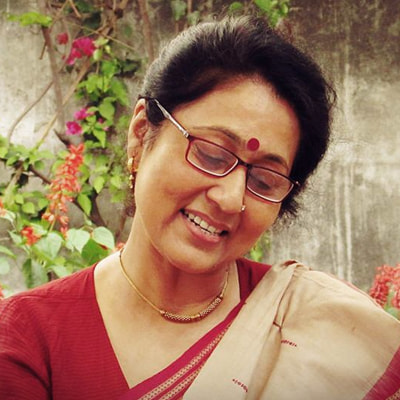
"id": 490,
"image": "https://kavishalalab.s3.ap-south-1.amazonaws.com/sootradhar_author/Anamika_poet_ej.jpg",
"name": "Anamika",
"bio": "<p>Anamika (born 17 August 1961) is a prominent contemporary Indian poet, social worker and novelist writing in Hindi, and a critic writing in English.<br />She has eight collections of poetry, five novels and four works of criticism in her credit. Currently, she is Reader at the Department of English, Satyawati College, University of Delhi.</p>\r\n<p><br />Anamika studied at the Universities of Bihar, Muzaffarpur, Lucknow and Delhi. Her PhD thesis was on \"Donne Criticism through the Ages\" and her post-doctoral research on \"The Treatment of Love and Death in Post-war American Women Poets\". Her current topic of research as a fellow at Teen Murti Bhawan, Delhi is \"A Comparative Study of Women in Contemporary British and Hindi poetry\".</p>\r\n<p>Bibliography<br />Poetry</p>\r\n<p>Galat Pate ki Chithi<br />Beejakshar<br />Anushtup<br />Doob-Dhaan<br />Khurduri Hatheliyan<br />Tokari Me Digant<br />Novels</p>\r\n<p>Das dvaare ka Peenjara<br />Tinka Tinke Paas<br />Billu Shakespeare - Post Bastar<br />Criticism</p>\r\n<p>Post-Eliot Poetry<br />Streetva ka Manchitra<br />Translations</p>\r\n<p>Nagamandal<br />Afro-English Poems<br />Kahti hai Auratein<br />Awards<br />Kedar Samman (2007)<br />Sahityasetu Samman (2004)<br />Parampara Samman (2001)<br />Girija Mathur Samman (1998)<br />Sahityakar Samman (1998)<br />Bharat Bhushan Award for Poetry (1996)</p>",
"raw_bio": "Anamika (born 17 August 1961) is a prominent contemporary Indian poet, social worker and novelist writing in Hindi, and a critic writing in English. She has eight collections of poetry, five novels and four works of criticism in her credit. Currently, she is Reader at the Department of English, Satyawati College, University of Delhi. Anamika studied at the Universities of Bihar, Muzaffarpur, Lucknow and Delhi. Her PhD thesis was on \"Donne Criticism through the Ages\" and her post-doctoral research on \"The Treatment of Love and Death in Post-war American Women Poets\". Her current topic of research as a fellow at Teen Murti Bhawan, Delhi is \"A Comparative Study of Women in Contemporary British and Hindi poetry\". Bibliography Poetry Galat Pate ki Chithi Beejakshar Anushtup Doob-Dhaan Khurduri Hatheliyan Tokari Me Digant Novels Das dvaare ka Peenjara Tinka Tinke Paas Billu Shakespeare - Post Bastar Criticism Post-Eliot Poetry Streetva ka Manchitra Translations Nagamandal Afro-English Poems Kahti hai Auratein Awards Kedar Samman (2007) Sahityasetu Samman (2004) Parampara Samman (2001) Girija Mathur Samman (1998) Sahityakar Samman (1998) Bharat Bhushan Award for Poetry (1996)",
"slug": "anamika",
"DOB": "1961-08-17",
"DateOfDemise": null,
"location": null,
"url": "/sootradhar/anamika",
"tags": "",
"created": "2023-09-22T12:45:46.952700",
"is_has_special_post": true,
"is_special_author": false,
"language": 4
},
{
"id": 491,
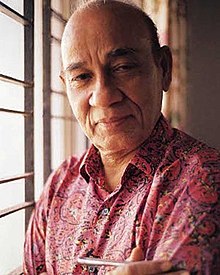
"image": "https://kavishalalab.s3.ap-south-1.amazonaws.com/sootradhar_author/220px-Indeevar.jpg",
"name": "Indeevar",
"bio": "<p>Shyamalal Babu Rai, known professionally as Indeevar, (also credited as Indiwar and Indeewar) (18 August 1924 – 27 February 1997) was one of the leading Hindi film lyricists in the 1960s.<br />Career<br />He got recognition in Malhar in 1951, where he penned \"Bade Armano Se Rakkha Hai Balam Teri Kasam\" which was set to music by Roshan. He wrote over a thousand songs in over 300 films in a career spanning over four decades[citation needed]. Indivar also wrote songs for famous pop duo Nazia Hassan and Zohaib Hassan. Nazia Hassan's famous songs \"Aap Jaisa Koi\", \"Boom Boom\", \"Meherbani\", \"Dil ki Lagi\" & Zohaib Hassan's \"Star\" was written by Indeevar.</p>",
"raw_bio": "Shyamalal Babu Rai, known professionally as Indeevar, (also credited as Indiwar and Indeewar) (18 August 1924 – 27 February 1997) was one of the leading Hindi film lyricists in the 1960s. Career He got recognition in Malhar in 1951, where he penned \"Bade Armano Se Rakkha Hai Balam Teri Kasam\" which was set to music by Roshan. He wrote over a thousand songs in over 300 films in a career spanning over four decades[citation needed]. Indivar also wrote songs for famous pop duo Nazia Hassan and Zohaib Hassan. Nazia Hassan's famous songs \"Aap Jaisa Koi\", \"Boom Boom\", \"Meherbani\", \"Dil ki Lagi\" & Zohaib Hassan's \"Star\" was written by Indeevar.",
"slug": "indeevar",
"DOB": "1924-08-18",
"DateOfDemise": "1997-02-27",
"location": null,
"url": "/sootradhar/indeevar",
"tags": "",
"created": "2023-09-22T12:45:47.541310",
"is_has_special_post": true,
"is_special_author": false,
"language": 4
},
{
"id": 492,
"image": "https://kavishalalab.s3.ap-south-1.amazonaws.com/sootradhar_author/gulzar_sahab_uygyu.jpg",
"name": "Gulzar",
"bio": "<p>Sampooran Singh Kalra (born 18 August 1934), known professionally as Gulzar, is an Indian lyricist, poet, author, screenwriter, and film director. He started his career with music director S.D. Burman as a lyricist in the 1963 film Bandini and worked with many music directors including R. D. Burman, Salil Chowdhury, Vishal Bhardwaj and A. R. Rahman. He was awarded Padma Bhushan in 2004, the third-highest civilian award in India,the Sahitya Akademi Award and the Dadasaheb Phalke Award — the highest award in Indian cinema. He has won several Indian National Film Awards, 21 Filmfare Awards, one Academy Award and one Grammy Award.</p>\r\n<p>Gulzar also writes poetry, dialogues and scripts. He directed films such as Aandhi and Mausam during the 1970s and the TV series Mirza Ghalib in the 1980s. He also directed Kirdaar in 1993.</p>\r\n<p>Lyricist<br />It was during his interactions in the PWA Sunday meetings that Shailendra and Bimal Roy encouraged him to join films. Gulzar began his career under film directors Bimal Roy and Hrishikesh Mukherjee. His book Ravi Paar has a narrative of Bimal Roy and the agony of creation. He started his career as a songwriter with the music director Sachin Dev Burman for the movie Bandini (1963). In films, he found an environment associated with literature in the group he worked with, including Bimal Roy, most of whose films were based on literary works. Shailendra, who has penned the rest of the songs in the movie requested Gulzar to write the song \"Mora Gora Ang Layle\", sung by Lata Mangeshkar.</p>\r\n<p>Poetry<br />Gulzar primarily writes in Urdu and Punjabi; besides several dialects of Hindi such as Braj Bhasha, Khariboli, Haryanvi and Marwari. His poetry is in the Triveni type of stanza. His poems are published in three compilations; Chand Pukhraaj Ka, Raat Pashminey Ki and Pandrah Paanch Pachattar. His short stories are published in Raavi-paar (also known as Dustkhat in Pakistan) and Dhuan (smoke).</p>\r\n<p>For the peace campaign Aman ki Asha, jointly started by India's and Pakistan's leading media houses, Gulzar wrote the anthem \"Nazar Main Rehte Ho\", which was recorded by Shankar Mahadevan and Rahat Fateh Ali Khan. Gulzar has written ghazals for Ghazal Maestro Jagjit Singh's albums \"Marasim\" (1999) and \"Koi Baat Chale\" (2006).</p>\r\n<p> </p>",
"raw_bio": "Sampooran Singh Kalra (born 18 August 1934), known professionally as Gulzar, is an Indian lyricist, poet, author, screenwriter, and film director. He started his career with music director S.D. Burman as a lyricist in the 1963 film Bandini and worked with many music directors including R. D. Burman, Salil Chowdhury, Vishal Bhardwaj and A. R. Rahman. He was awarded Padma Bhushan in 2004, the third-highest civilian award in India,the Sahitya Akademi Award and the Dadasaheb Phalke Award — the highest award in Indian cinema. He has won several Indian National Film Awards, 21 Filmfare Awards, one Academy Award and one Grammy Award. Gulzar also writes poetry, dialogues and scripts. He directed films such as Aandhi and Mausam during the 1970s and the TV series Mirza Ghalib in the 1980s. He also directed Kirdaar in 1993. Lyricist It was during his interactions in the PWA Sunday meetings that Shailendra and Bimal Roy encouraged him to join films. Gulzar began his career under film directors Bimal Roy and Hrishikesh Mukherjee. His book Ravi Paar has a narrative of Bimal Roy and the agony of creation. He started his career as a songwriter with the music director Sachin Dev Burman for the movie Bandini (1963). In films, he found an environment associated with literature in the group he worked with, including Bimal Roy, most of whose films were based on literary works. Shailendra, who has penned the rest of the songs in the movie requested Gulzar to write the song \"Mora Gora Ang Layle\", sung by Lata Mangeshkar. Poetry Gulzar primarily writes in Urdu and Punjabi; besides several dialects of Hindi such as Braj Bhasha, Khariboli, Haryanvi and Marwari. His poetry is in the Triveni type of stanza. His poems are published in three compilations; Chand Pukhraaj Ka, Raat Pashminey Ki and Pandrah Paanch Pachattar. His short stories are published in Raavi-paar (also known as Dustkhat in Pakistan) and Dhuan (smoke). For the peace campaign Aman ki Asha, jointly started by India's and Pakistan's leading media houses, Gulzar wrote the anthem \"Nazar Main Rehte Ho\", which was recorded by Shankar Mahadevan and Rahat Fateh Ali Khan. Gulzar has written ghazals for Ghazal Maestro Jagjit Singh's albums \"Marasim\" (1999) and \"Koi Baat Chale\" (2006). ",
"slug": "gulzar",
"DOB": "1934-08-18",
"DateOfDemise": null,
"location": null,
"url": "/sootradhar/gulzar",
"tags": "",
"created": "2023-09-22T12:45:51.147801",
"is_has_special_post": true,
"is_special_author": false,
"language": 4
},
{
"id": 495,
"image": "https://kavishalalab.s3.ap-south-1.amazonaws.com/sootradhar_author/Shiv_PrasaadSingh.jpeg",
"name": "Shiv Prasaad Singh",
"bio": "Shiv Prasaad Singh (1928–1998) was an Indian writer, university professor and scholar of the Hindi language. He is well-known for writing novels, short stories and critiques in Hindi. He was formerly a professor of Hindi literature in Banaras Hindu University. He received the Kendra Sahitya Akademi Award in 1990 for his novel Neela Chand.<br>\r\nShiv Prasaad Singh was born into a peasant family in the village of Jalalpur, Jamania, in the Varanasi district of the north Indian state of Uttar Pradesh. His schooling was done at Uday Pratap College, Varanasi. He continued his education at Banaras Hindu University from where he obtained his BA, MA and PhD degrees. He started his career as a lecturer in Banaras Hindu University in 1953 and retired from there as a professor in 1988.<br>\r\n<b>WORK:</a><br>\r\nVaishwanar (2004)<br>\r\nUttaryogi Shri Arvind (2008)<br>\r\nNeela Chand (2010)<br>\r\nGali Age Mudti Hai (2010)<br>\r\nDadi Maa (2011)<br>\r\nAlag Alag Vaitarni (2015)<br>\r\n<br>",
"raw_bio": "Shiv Prasaad Singh (1928–1998) was an Indian writer, university professor and scholar of the Hindi language. He is well-known for writing novels, short stories and critiques in Hindi. He was formerly a professor of Hindi literature in Banaras Hindu University. He received the Kendra Sahitya Akademi Award in 1990 for his novel Neela Chand. \r Shiv Prasaad Singh was born into a peasant family in the village of Jalalpur, Jamania, in the Varanasi district of the north Indian state of Uttar Pradesh. His schooling was done at Uday Pratap College, Varanasi. He continued his education at Banaras Hindu University from where he obtained his BA, MA and PhD degrees. He started his career as a lecturer in Banaras Hindu University in 1953 and retired from there as a professor in 1988. WORK: \r Vaishwanar (2004) \r Uttaryogi Shri Arvind (2008) \r Neela Chand (2010) \r Gali Age Mudti Hai (2010) \r Dadi Maa (2011) \r Alag Alag Vaitarni (2015) ",
"slug": "shiv-prasaad-singh",
"DOB": "1928-08-19",
"DateOfDemise": "1998-09-28",
"location": "Jalalpur, Jamania",
"url": "/sootradhar/shiv-prasaad-singh",
"tags": "शिवप्रसाद सिंह, Banaras Hindu University",
"created": "2023-09-22T12:18:40.160755",
"is_has_special_post": false,
"is_special_author": false,
"language": 4
},
{
"id": 498,
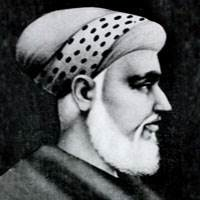
"image": "https://kavishalalab.s3.ap-south-1.amazonaws.com/sootradhar_author/sauda-mohammad-rafi.png",
"name": "Mirza Mohammad rafi 'Sauda",
"bio": "<p>Mirza Mohammad rafi 'Sauda' (Urdu: مِرزا مُحمّد رفِیع سَودا ‎), (1713–1781) was an Urdu poet in Delhi, India. He is known for his Ghazals and Urdu Qasidas.</p>\r\n<p>Ustads and shagirds<br />Sulaimān Qulī Ḳhān 'Vidād' and Shāh Ḥātim were his Ustads (teachers of Urdu poetry). King Shah Alam was Shagird (student of Urdu poetry) of Sauda. He was also Ustad of Shujauddaulla. Nawab Āṣif ud-Daulah gave him title of Malkushshu'ara and annual pension of Rs 6,000.</p>\r\n<p>Works<br />Initially he composed in Persian, but switched to Urdu on the advice of his ustad, Ḳhān-e Ārzū.[2] His work was translated in 1872 by Major Henry Court, Captain, Bengal Cavalry. Kulliyat of Sauda was compiled by Ḥakīm Sayyid Aṣlaḥ. ud-Dīn Ḳhān wrote the introduction. Sauda's works from his Kulliyat are:</p>\r\n<p>Masnavi dar hajv-e hakim ghaus مثنوی در ھجوِ حکیم غوث<br />Masnavi dar hajv-e amir-a daulatmand bakhil مثنوی در ھجوِ امیرِ دولت مند بخیل<br />Masnavi dar ta'rif-e shikar مثنوی در تعریفِ شکار<br />Masnavi dar hajv-e pil rajah nripat singh مثنوی در ھجو پِل راجن نری پت سنگھ<br />Masnavi dar hajv-e sidi faulad khan kotval-e shahjahanabad مثنوی در ھجو سیدّی فولاد خان کوتوالِ شاجہان آباد<br />Masnavi dar hajv-e fidvi mutavatan-e panjab kih darasal baqal bachchah bud مثنوی در ھجو فدوی مُطاوِتانِ پنجاب کی دراصل بیقل بچاہ بد<br />Masnavi dar hajv-e chipak mirza faizu مثنوی در ھجو چپک مرزا فیضو<br />Qissah-e darvesh kih iradah-e ziyarat-e ka'bah kardah bud قصّہِ درویش کہ ارادہِ زیارتِ کعبہ کرد بد<br />Mukhammas-e shahr ashob مخاماصِ شہر آشوب<br />Qasidah dar madh-e navab vazir imad ul-mulk قصیدہ درمدہِ نواب وزیر عماد الملک</p>",
"raw_bio": "Mirza Mohammad rafi 'Sauda' (Urdu: مِرزا مُحمّد رفِیع سَودا ), (1713–1781) was an Urdu poet in Delhi, India. He is known for his Ghazals and Urdu Qasidas. Ustads and shagirds Sulaimān Qulī Ḳhān 'Vidād' and Shāh Ḥātim were his Ustads (teachers of Urdu poetry). King Shah Alam was Shagird (student of Urdu poetry) of Sauda. He was also Ustad of Shujauddaulla. Nawab Āṣif ud-Daulah gave him title of Malkushshu'ara and annual pension of Rs 6,000. Works Initially he composed in Persian, but switched to Urdu on the advice of his ustad, Ḳhān-e Ārzū.[2] His work was translated in 1872 by Major Henry Court, Captain, Bengal Cavalry. Kulliyat of Sauda was compiled by Ḥakīm Sayyid Aṣlaḥ. ud-Dīn Ḳhān wrote the introduction. Sauda's works from his Kulliyat are: Masnavi dar hajv-e hakim ghaus مثنوی در ھجوِ حکیم غوث Masnavi dar hajv-e amir-a daulatmand bakhil مثنوی در ھجوِ امیرِ دولت مند بخیل Masnavi dar ta'rif-e shikar مثنوی در تعریفِ شکار Masnavi dar hajv-e pil rajah nripat singh مثنوی در ھجو پِل راجن نری پت سنگھ Masnavi dar hajv-e sidi faulad khan kotval-e shahjahanabad مثنوی در ھجو سیدّی فولاد خان کوتوالِ شاجہان آباد Masnavi dar hajv-e fidvi mutavatan-e panjab kih darasal baqal bachchah bud مثنوی در ھجو فدوی مُطاوِتانِ پنجاب کی دراصل بیقل بچاہ بد Masnavi dar hajv-e chipak mirza faizu مثنوی در ھجو چپک مرزا فیضو Qissah-e darvesh kih iradah-e ziyarat-e ka'bah kardah bud قصّہِ درویش کہ ارادہِ زیارتِ کعبہ کرد بد Mukhammas-e shahr ashob مخاماصِ شہر آشوب Qasidah dar madh-e navab vazir imad ul-mulk قصیدہ درمدہِ نواب وزیر عماد الملک",
"slug": "mirza-mohammad-rafi-sauda",
"DOB": "1713-01-01",
"DateOfDemise": "1781-01-01",
"location": null,
"url": "/sootradhar/mirza-mohammad-rafi-sauda",
"tags": "",
"created": "2023-09-22T12:45:52.309699",
"is_has_special_post": true,
"is_special_author": false,
"language": 4
},
{
"id": 499,
"image": "https://kavishalalab.s3.ap-south-1.amazonaws.com/sootradhar_author/siraj-aurangabadi.png",
"name": "Siraj Aurangabadi",
"bio": "<p>Sayyid Sirajuddin, commonly known as Siraj Aurangabadi (Urdu: سراج اورنگ آبادی‎; 1715 - 1763), was an Indian mystic poet who initially wrote in Persian and later started writing in Urdu.</p>\r\n<p>Work and Life<br />The anthology of his poems, Kulliyat-e-Siraj, contains his ghazals along with his masnavi Nazm-i-Siraj. He was influenced by Persian poet Hafiz.</p>\r\n<p>He had also compiled and edited a selection of Persian poets under the title \"Muntakhib Diwan\". The anthology of his poems, entitled Siraj-e-Sukhan, was included in Kulliyat-e-Siraj.</p>\r\n<p>He stopped writing poetry at the age of 24.</p>\r\n<p>In his later life, Aurangabadi renounced the world and became a Sufi ascetic. He lived a life of isolation, though a number of younger poets and admirers used to gather at his place for poetic instruction and religious edification.</p>\r\n<p>His ghazal Khabar-e-Tahayyur-e-Ishq has been sung by Abida Parveen and Ali Sethi paid a tribute to the singer by singing the same ghazal in 2020.</p>",
"raw_bio": "Sayyid Sirajuddin, commonly known as Siraj Aurangabadi (Urdu: سراج اورنگ آبادی; 1715 - 1763), was an Indian mystic poet who initially wrote in Persian and later started writing in Urdu. Work and Life The anthology of his poems, Kulliyat-e-Siraj, contains his ghazals along with his masnavi Nazm-i-Siraj. He was influenced by Persian poet Hafiz. He had also compiled and edited a selection of Persian poets under the title \"Muntakhib Diwan\". The anthology of his poems, entitled Siraj-e-Sukhan, was included in Kulliyat-e-Siraj. He stopped writing poetry at the age of 24. In his later life, Aurangabadi renounced the world and became a Sufi ascetic. He lived a life of isolation, though a number of younger poets and admirers used to gather at his place for poetic instruction and religious edification. His ghazal Khabar-e-Tahayyur-e-Ishq has been sung by Abida Parveen and Ali Sethi paid a tribute to the singer by singing the same ghazal in 2020.",
"slug": "siraj-aurangabadi",
"DOB": "1715-01-01",
"DateOfDemise": "1763-01-01",
"location": null,
"url": "/sootradhar/siraj-aurangabadi",
"tags": "",
"created": "2023-09-22T12:45:53.428949",
"is_has_special_post": true,
"is_special_author": false,
"language": 4
},
{
"id": 500,
"image": "https://kavishalalab.s3.ap-south-1.amazonaws.com/sootradhar_author/khuawaja_meiri_fPoetry.jpg",
"name": "Khwaja Mir Dard",
"bio": "<p>Khwaja Mir Dard (1720-1785) (Urdu: خواجہ میر درد‎) was a poet of the Delhi School. He was a Sufi saint of the Naqshbandi-Mujaddadi religious order.</p>\r\n<p>Poetry<br />Dard's couplet on this illusory life, from 'Ilm-ul-Kitab':</p>\r\n<p>دوستو، دیکها تماشا یہاں کا بس<br />تُم رہو خوش ہم تو اپنے گھر چلے ۔</p>\r\n<p>My friends, we have seen enough of this play.<br />We are going home, you can stay.</p>\r\n<p>—Dard</p>",
"raw_bio": "Khwaja Mir Dard (1720-1785) (Urdu: خواجہ میر درد) was a poet of the Delhi School. He was a Sufi saint of the Naqshbandi-Mujaddadi religious order. Poetry Dard's couplet on this illusory life, from 'Ilm-ul-Kitab': دوستو، دیکها تماشا یہاں کا بس تُم رہو خوش ہم تو اپنے گھر چلے ۔ My friends, we have seen enough of this play. We are going home, you can stay. —Dard",
"slug": "khwaja-mir-dard",
"DOB": "1720-01-01",
"DateOfDemise": "1785-01-01",
"location": null,
"url": "/sootradhar/khwaja-mir-dard",
"tags": "",
"created": "2023-09-22T12:45:54.314705",
"is_has_special_post": true,
"is_special_author": false,
"language": 4
},
{
"id": 501,
"image": "https://kavishala.blob.core.windows.net/kavishalalabs/kavishala_logo.png",
"name": "Qaim Chandpuri",
"bio": "<p>Muhammad Qyamuddin Ali, known as Qaim Chandpuri or Kayem Chandpuri (1722-1793), was an Indian poet.</p>\r\n<p>He was born in Chandpur, Bijnor and died in Rampur, Uttar Pradesh. He was a contemporary of Mir Taqi Mir, Khwaja Mir Dard, Mirza Muhammad Rafi Sauda, Qalandar Bakhsh Jurat and Mashafi He wrote ghazals.</p>\r\n<p>Legacy<br />M. Moizuddin received his Ph.D. in Urdu for his thesis Life and works of Qaim Chandpuri by the University of Dhaka in Bangladesh.</p>\r\n<p> </p>",
"raw_bio": "Muhammad Qyamuddin Ali, known as Qaim Chandpuri or Kayem Chandpuri (1722-1793), was an Indian poet. He was born in Chandpur, Bijnor and died in Rampur, Uttar Pradesh. He was a contemporary of Mir Taqi Mir, Khwaja Mir Dard, Mirza Muhammad Rafi Sauda, Qalandar Bakhsh Jurat and Mashafi He wrote ghazals. Legacy M. Moizuddin received his Ph.D. in Urdu for his thesis Life and works of Qaim Chandpuri by the University of Dhaka in Bangladesh. ",
"slug": "qaim-chandpuri",
"DOB": "1722-01-01",
"DateOfDemise": "1793-01-01",
"location": null,
"url": "/sootradhar/qaim-chandpuri",
"tags": "",
"created": "2023-09-22T12:18:40.268746",
"is_has_special_post": false,
"is_special_author": false,
"language": 4
},
{
"id": 502,
"image": "https://kavishala.blob.core.windows.net/kavishalalabs/kavishala_logo.png",
"name": "JURAT QALANDAR BAKHSH",
"bio": "<p>Qalandar Bakhsh Jurat (1748 - 1809) born Yahya Khan, was an Indian poet of the Lucknow school. He was born 1748 in Delhi but spent his childhood in Faizabad and later migrated to Lucknow. He was the disciple of Mirza Jafar Ali Hasrat and a close friend of Insha Allah Khan 'Insha'. He is known for depicting romantic encounters with the beloved in lurid details. Jurat lost his eye sight in the prime of youth. He was fond of Poetry since his childhood. He was expert in Music and Astrology.</p>\r\n<p>He was not a highly educated person but he was sharp-witted and imaginative and was a regular at the court of Sulieman Shikoh. He was a fluent writer of ghazals. He died in Lucknow in 1809. A collection of his ghazals – Kuliyaat e Jurat, was last published in 1968 by Majlis Taraqii e Adab, Lahore.</p>\r\n<p>A sher from his ghazal:</p>\r\n<p>اب گزارا نہیں اس شوخ کے در پر اپنا</p>\r\n<p>جس کے گھر کو یہ سمجھتے تھے کہ ہے گھر اپنا[5]</p>\r\n<p>Books Published After His Death:<br />Muntakhab Deewan-e-Jurat - Gudasta-e-Musarrat in 1868:<br />Publisher: Matba Nizami, Kanpur<br />Kulyat-e-Jurat Volume 001 in 1968:<br />Editor: Dr. Iqtida Hassan<br />Publisher: Majlis-e-Taraqqi-e-Adab, Lahore<br />Kulyate-e-Jurat in 1971:<br />Editor: Noorul Hassan Naqvi<br />Publisher: Matba Muslim University Aligarh<br />Intikhab Kalam-e-Jura'at in 1980:<br />Editor: M. Habeeb Khan<br />Publisher: Jamal Printing Press, Delhi<br />Poetry Collection:<br />Jurat's 78 Ghazals and 122 Shers are available on Rekhta.org</p>\r\n<p>Ghazal Sung by Artist:<br />His Ghazal \"Aye dil hum hove paband e gham e yar ke tu\" was sung by Ustad Amanat Ali Khan</p>",
"raw_bio": "Qalandar Bakhsh Jurat (1748 - 1809) born Yahya Khan, was an Indian poet of the Lucknow school. He was born 1748 in Delhi but spent his childhood in Faizabad and later migrated to Lucknow. He was the disciple of Mirza Jafar Ali Hasrat and a close friend of Insha Allah Khan 'Insha'. He is known for depicting romantic encounters with the beloved in lurid details. Jurat lost his eye sight in the prime of youth. He was fond of Poetry since his childhood. He was expert in Music and Astrology. He was not a highly educated person but he was sharp-witted and imaginative and was a regular at the court of Sulieman Shikoh. He was a fluent writer of ghazals. He died in Lucknow in 1809. A collection of his ghazals – Kuliyaat e Jurat, was last published in 1968 by Majlis Taraqii e Adab, Lahore. A sher from his ghazal: اب گزارا نہیں اس شوخ کے در پر اپنا جس کے گھر کو یہ سمجھتے تھے کہ ہے گھر اپنا[5] Books Published After His Death: Muntakhab Deewan-e-Jurat - Gudasta-e-Musarrat in 1868: Publisher: Matba Nizami, Kanpur Kulyat-e-Jurat Volume 001 in 1968: Editor: Dr. Iqtida Hassan Publisher: Majlis-e-Taraqqi-e-Adab, Lahore Kulyate-e-Jurat in 1971: Editor: Noorul Hassan Naqvi Publisher: Matba Muslim University Aligarh Intikhab Kalam-e-Jura'at in 1980: Editor: M. Habeeb Khan Publisher: Jamal Printing Press, Delhi Poetry Collection: Jurat's 78 Ghazals and 122 Shers are available on Rekhta.org Ghazal Sung by Artist: His Ghazal \"Aye dil hum hove paband e gham e yar ke tu\" was sung by Ustad Amanat Ali Khan",
"slug": "jurat-qalandar-bakhsh",
"DOB": "1748-01-01",
"DateOfDemise": "1809-01-01",
"location": null,
"url": "/sootradhar/jurat-qalandar-bakhsh",
"tags": "",
"created": "2023-09-22T12:45:55.487952",
"is_has_special_post": true,
"is_special_author": false,
"language": 4
},
{
"id": 503,
"image": "https://kavishalalab.s3.ap-south-1.amazonaws.com/sootradhar_author/mushafi-ghulam-hamdani.png",
"name": "Ghulam Hamdani",
"bio": "<p>Ghulam Hamdani (1751–1844), known by the takhallus (nom de plume) of Mas'hafi (مصحفی maṣḥafi), was an Urdu ghazal poet.</p>\r\n<p>Works<br />Before his time, the language known as Hindustani/Hindvi/Hindi/Dakhini or Rekhta was commonly known as the Zaban-i-Ordu,and commonly in local literature and speech, Lashkari Zaban or Lashkari. Mashafi was the first person to simply shorten the latter name to Urdu. He migrated to Lucknow during the reign of Asaf-ud-Daula. According to one source, his ghazals are full of pathos.</p>\r\n<p>There are ten extant collections of his poems, but it is believed that he allowed others for a fee to publish his poems under their own authorship. His personal life lacked discipline and his poetry reflects a level of sensuality. He excelled in lyrics but also composed odes and romances.</p>",
"raw_bio": "Ghulam Hamdani (1751–1844), known by the takhallus (nom de plume) of Mas'hafi (مصحفی maṣḥafi), was an Urdu ghazal poet. Works Before his time, the language known as Hindustani/Hindvi/Hindi/Dakhini or Rekhta was commonly known as the Zaban-i-Ordu,and commonly in local literature and speech, Lashkari Zaban or Lashkari. Mashafi was the first person to simply shorten the latter name to Urdu. He migrated to Lucknow during the reign of Asaf-ud-Daula. According to one source, his ghazals are full of pathos. There are ten extant collections of his poems, but it is believed that he allowed others for a fee to publish his poems under their own authorship. His personal life lacked discipline and his poetry reflects a level of sensuality. He excelled in lyrics but also composed odes and romances.",
"slug": "ghulam-hamdani",
"DOB": "1751-01-01",
"DateOfDemise": "1844-01-01",
"location": null,
"url": "/sootradhar/ghulam-hamdani",
"tags": "",
"created": "2023-09-22T12:45:57.591370",
"is_has_special_post": true,
"is_special_author": false,
"language": 4
},
{
"id": 504,
"image": "https://kavishalalab.s3.ap-south-1.amazonaws.com/sootradhar_author/Narendra_Dabholkar.jpg",
"name": "Narendra Achyut Dabholkar",
"bio": "Narendra Achyut Dabholkar (1 November 1945 – 20 August 2013) was an Indian medical doctor, social activist, rationalist and author from Maharashtra, India. In 1989 he founded and became president of the Maharashtra Andhashraddha Nirmoolan Samiti (MANS), (the Committee to Eradicate Superstition in Maharashtra). Triggered by his murder on 20 August 2013, the pending Anti-Superstition and Black Magic Ordinance was promulgated in the state of Maharashtra, four days later. The next year, in 2014, he was posthumously awarded the Padma Shri for social work.\r\nActivism\r\nAfter working as a doctor for 12 years, Dabholkar became a social worker in the 1980s. He became involved with movements for social justice, such as Baba Adhav's Ek Gaon Ek Panotha (One village – One well) initiative.\r\n\r\nGradually, Dabholkar started focusing on eradication of superstition, and joined the Akhil Bharatiya Andhashraddha Nirmoolan Samiti (ABANS). In 1989, he founded the Maharashtra Andhashraddha Nirmoolan Samiti (MANS, \"Committee for Eradication of Superstition in Maharashtra\" or \"Maharashtra Committee for Eradication of Blind Faith\"), and campaigned against superstitions, confronting dubious tantriks and claimed holy men who promised 'miracle cures' for ailments. He criticised the country's \"godmen\", self-styled Hindu ascetics who claim to perform miracles and have many followers. He was the founding member of Parivartan, a social action centre located in Satara district, that seeks to \"empower marginalised members of the community to lead lives of security, dignity, and prosperity\". He was closely associated with the Indian rationalist Sanal Edamaruku. He was the editor of a renowned Marathi weekly Sadhana, which was founded by Sane Guruji. He also served earlier as a vice-president of the Federation of Indian Rationalist Associations.",
"raw_bio": "Narendra Achyut Dabholkar (1 November 1945 – 20 August 2013) was an Indian medical doctor, social activist, rationalist and author from Maharashtra, India. In 1989 he founded and became president of the Maharashtra Andhashraddha Nirmoolan Samiti (MANS), (the Committee to Eradicate Superstition in Maharashtra). Triggered by his murder on 20 August 2013, the pending Anti-Superstition and Black Magic Ordinance was promulgated in the state of Maharashtra, four days later. The next year, in 2014, he was posthumously awarded the Padma Shri for social work.\r Activism\r After working as a doctor for 12 years, Dabholkar became a social worker in the 1980s. He became involved with movements for social justice, such as Baba Adhav's Ek Gaon Ek Panotha (One village – One well) initiative.\r \r Gradually, Dabholkar started focusing on eradication of superstition, and joined the Akhil Bharatiya Andhashraddha Nirmoolan Samiti (ABANS). In 1989, he founded the Maharashtra Andhashraddha Nirmoolan Samiti (MANS, \"Committee for Eradication of Superstition in Maharashtra\" or \"Maharashtra Committee for Eradication of Blind Faith\"), and campaigned against superstitions, confronting dubious tantriks and claimed holy men who promised 'miracle cures' for ailments. He criticised the country's \"godmen\", self-styled Hindu ascetics who claim to perform miracles and have many followers. He was the founding member of Parivartan, a social action centre located in Satara district, that seeks to \"empower marginalised members of the community to lead lives of security, dignity, and prosperity\". He was closely associated with the Indian rationalist Sanal Edamaruku. He was the editor of a renowned Marathi weekly Sadhana, which was founded by Sane Guruji. He also served earlier as a vice-president of the Federation of Indian Rationalist Associations.",
"slug": "narendra-achyut-dabholkar",
"DOB": "1945-11-01",
"DateOfDemise": "2013-08-20",
"location": null,
"url": "/sootradhar/narendra-achyut-dabholkar",
"tags": "",
"created": "2023-09-22T12:18:40.327093",
"is_has_special_post": false,
"is_special_author": false,
"language": 4
},
{
"id": 506,
"image": "https://kavishalalab.s3.ap-south-1.amazonaws.com/sootradhar_author/trilochan_shastri.jpeg",
"name": "त्रिलोचन शास्त्री",
"bio": "कवि त्रिलोचन को हिन्दी साहित्य की प्रगतिशील काव्यधारा का प्रमुख हस्ताक्षर माना जाता है! वे आधुनिक हिंदी कविता की प्रगतिशील त्रयी के तीन स्तंभों में से एक थे! इस त्रयी के अन्य दो सतंभ नागार्जुन व शमशेर बहादुर सिंह थे! त्रिलोचन शास्त्री हिंदी के अतिरिक्त अरबी और फारसी भाषाओं के निष्णात ज्ञाता माने जाते थे। पत्रकारिता के क्षेत्र में भी वे खासे सक्रिय रहे है। उन्होंने प्रभाकर, वानर, हंस, आज, समाज जैसी पत्र-पत्रिकाओं का संपादन किया।<br> त्रिलोचन शास्त्री 1995 से 2001 तक जन संस्कृति मंच के राष्ट्रीय अध्यक्ष भी रहे। इसके अलावा वाराणसी के ज्ञानमंडल प्रकाशन संस्था में भी काम करते रहे और हिंदी व उर्दू के कई शब्दकोषों की योजना से भी जुडे़ रहे। उन्हें हिंदी सॉनेट का साधक माना जाता है। उन्होंने इस छंद को भारतीय परिवेश में ढाला और लगभग 550 सॉनेट की रचना की। इसके अतिरिक्त कहानी, गीत, ग़ज़ल और आलोचना से भी उन्होंने हिंदी साहित्य को समृद्ध किया। उनका पहला कविता संग्रह धरती 1945 में प्रकाशित हुआ था। गुलाब और बुलबुल, उस जनपद का कवि हूं और ताप के ताए हुये दिन उनके चर्चित कविता संग्रह थे। दिगंत और धरती जैसी रचनाओं को कलमबद्ध करने वाले त्रिलोचन शास्त्री के 17 कविता संग्रह प्रकाशित हुए।\r\n\r\n<p><strong>कविता संग्रह</strong>-</p>\r\n<ul>\r\n<li><a class=\"mw-redirect\" title=\"धरती\" href=\"https://hi.wikipedia.org/wiki/%E0%A4%A7%E0%A4%B0%E0%A4%A4%E0%A5%80\">धरती</a>(1945),</li>\r\n<li><a class=\"new\" title=\"गुलाब और बुलबुल (पृष्ठ मौजूद नहीं है)\" href=\"https://hi.wikipedia.org/w/index.php?title=%E0%A4%97%E0%A5%81%E0%A4%B2%E0%A4%BE%E0%A4%AC_%E0%A4%94%E0%A4%B0_%E0%A4%AC%E0%A5%81%E0%A4%B2%E0%A4%AC%E0%A5%81%E0%A4%B2&action=edit&redlink=1\">गुलाब और बुलबुल</a>(1956),</li>\r\n<li><a title=\"दिगंत\" href=\"https://hi.wikipedia.org/wiki/%E0%A4%A6%E0%A4%BF%E0%A4%97%E0%A4%82%E0%A4%A4\">दिगंत</a>(1957),</li>\r\n<li><a title=\"ताप के ताए हुए दिन\" href=\"https://hi.wikipedia.org/wiki/%E0%A4%A4%E0%A4%BE%E0%A4%AA_%E0%A4%95%E0%A5%87_%E0%A4%A4%E0%A4%BE%E0%A4%8F_%E0%A4%B9%E0%A5%81%E0%A4%8F_%E0%A4%A6%E0%A4%BF%E0%A4%A8\">ताप के ताए हुए दिन</a>(1980),</li>\r\n<li><a class=\"new\" title=\"शब्द-कविता संग्रह (पृष्ठ मौजूद नहीं है)\" href=\"https://hi.wikipedia.org/w/index.php?title=%E0%A4%B6%E0%A4%AC%E0%A5%8D%E0%A4%A6-%E0%A4%95%E0%A4%B5%E0%A4%BF%E0%A4%A4%E0%A4%BE_%E0%A4%B8%E0%A4%82%E0%A4%97%E0%A5%8D%E0%A4%B0%E0%A4%B9&action=edit&redlink=1\">शब्द</a>(1980),</li>\r\n<li><a class=\"new\" title=\"उस जनपद का कवि हूँ (पृष्ठ मौजूद नहीं है)\" href=\"https://hi.wikipedia.org/w/index.php?title=%E0%A4%89%E0%A4%B8_%E0%A4%9C%E0%A4%A8%E0%A4%AA%E0%A4%A6_%E0%A4%95%E0%A4%BE_%E0%A4%95%E0%A4%B5%E0%A4%BF_%E0%A4%B9%E0%A5%82%E0%A4%81&action=edit&redlink=1\">उस जनपद का कवि हूँ</a> (1981)</li>\r\n<li><a class=\"new\" title=\"अरधान (पृष्ठ मौजूद नहीं है)\" href=\"https://hi.wikipedia.org/w/index.php?title=%E0%A4%85%E0%A4%B0%E0%A4%A7%E0%A4%BE%E0%A4%A8&action=edit&redlink=1\">अरधान</a> (1984),</li>\r\n<li><a class=\"new\" title=\"तुम्हें सौंपता हूँ (पृष्ठ मौजूद नहीं है)\" href=\"https://hi.wikipedia.org/w/index.php?title=%E0%A4%A4%E0%A5%81%E0%A4%AE%E0%A5%8D%E0%A4%B9%E0%A5%87%E0%A4%82_%E0%A4%B8%E0%A5%8C%E0%A4%82%E0%A4%AA%E0%A4%A4%E0%A4%BE_%E0%A4%B9%E0%A5%82%E0%A4%81&action=edit&redlink=1\">तुम्हें सौंपता हूँ</a>(1985),</li>\r\n<li><a title=\"मेरा घर\" href=\"https://hi.wikipedia.org/wiki/%E0%A4%AE%E0%A5%87%E0%A4%B0%E0%A4%BE_%E0%A4%98%E0%A4%B0\">मेरा घर</a>,</li>\r\n<li><a title=\"चैती\" href=\"https://hi.wikipedia.org/wiki/%E0%A4%9A%E0%A5%88%E0%A4%A4%E0%A5%80\">चैती</a>,</li>\r\n<li><a class=\"new\" title=\"अनकहनी भी कुछ कहनी है (पृष्ठ मौजूद नहीं है)\" href=\"https://hi.wikipedia.org/w/index.php?title=%E0%A4%85%E0%A4%A8%E0%A4%95%E0%A4%B9%E0%A4%A8%E0%A5%80_%E0%A4%AD%E0%A5%80_%E0%A4%95%E0%A5%81%E0%A4%9B_%E0%A4%95%E0%A4%B9%E0%A4%A8%E0%A5%80_%E0%A4%B9%E0%A5%88&action=edit&redlink=1\">अनकहनी भी कुछ कहनी है</a>,</li>\r\n<li><a class=\"new\" title=\"जीने की कला (पृष्ठ मौजूद नहीं है)\" href=\"https://hi.wikipedia.org/w/index.php?title=%E0%A4%9C%E0%A5%80%E0%A4%A8%E0%A5%87_%E0%A4%95%E0%A5%80_%E0%A4%95%E0%A4%B2%E0%A4%BE&action=edit&redlink=1\">जीने की कला</a>(2004)</li>\r\n</ul>\r\n<p><strong>संपादित</strong>-</p>\r\n<ul>\r\n<li><a class=\"new\" title=\"मुक्तिबोध की कविताएँ (पृष्ठ मौजूद नहीं है)\" href=\"https://hi.wikipedia.org/w/index.php?title=%E0%A4%AE%E0%A5%81%E0%A4%95%E0%A5%8D%E0%A4%A4%E0%A4%BF%E0%A4%AC%E0%A5%8B%E0%A4%A7_%E0%A4%95%E0%A5%80_%E0%A4%95%E0%A4%B5%E0%A4%BF%E0%A4%A4%E0%A4%BE%E0%A4%8F%E0%A4%81&action=edit&redlink=1\">मुक्तिबोध की कविताएँ</a></li>\r\n</ul>\r\n<p><strong>कहानी संग्रह</strong>-</p>\r\n<ul>\r\n<li><a class=\"new\" title=\"देशकाल (पृष्ठ मौजूद नहीं है)\" href=\"https://hi.wikipedia.org/w/index.php?title=%E0%A4%A6%E0%A5%87%E0%A4%B6%E0%A4%95%E0%A4%BE%E0%A4%B2&action=edit&redlink=1\">देशकाल</a></li>\r\n</ul>\r\n<p><strong>डायरी</strong>-</p>\r\n<ul>\r\n<li><a class=\"mw-redirect\" title=\"दैनंदिनी\" href=\"https://hi.wikipedia.org/wiki/%E0%A4%A6%E0%A5%88%E0%A4%A8%E0%A4%82%E0%A4%A6%E0%A4%BF%E0%A4%A8%E0%A5%80\">दैनंदिनी</a></li>\r\n</ul>",
"raw_bio": "कवि त्रिलोचन को हिन्दी साहित्य की प्रगतिशील काव्यधारा का प्रमुख हस्ताक्षर माना जाता है! वे आधुनिक हिंदी कविता की प्रगतिशील त्रयी के तीन स्तंभों में से एक थे! इस त्रयी के अन्य दो सतंभ नागार्जुन व शमशेर बहादुर सिंह थे! त्रिलोचन शास्त्री हिंदी के अतिरिक्त अरबी और फारसी भाषाओं के निष्णात ज्ञाता माने जाते थे। पत्रकारिता के क्षेत्र में भी वे खासे सक्रिय रहे है। उन्होंने प्रभाकर, वानर, हंस, आज, समाज जैसी पत्र-पत्रिकाओं का संपादन किया। त्रिलोचन शास्त्री 1995 से 2001 तक जन संस्कृति मंच के राष्ट्रीय अध्यक्ष भी रहे। इसके अलावा वाराणसी के ज्ञानमंडल प्रकाशन संस्था में भी काम करते रहे और हिंदी व उर्दू के कई शब्दकोषों की योजना से भी जुडे़ रहे। उन्हें हिंदी सॉनेट का साधक माना जाता है। उन्होंने इस छंद को भारतीय परिवेश में ढाला और लगभग 550 सॉनेट की रचना की। इसके अतिरिक्त कहानी, गीत, ग़ज़ल और आलोचना से भी उन्होंने हिंदी साहित्य को समृद्ध किया। उनका पहला कविता संग्रह धरती 1945 में प्रकाशित हुआ था। गुलाब और बुलबुल, उस जनपद का कवि हूं और ताप के ताए हुये दिन उनके चर्चित कविता संग्रह थे। दिगंत और धरती जैसी रचनाओं को कलमबद्ध करने वाले त्रिलोचन शास्त्री के 17 कविता संग्रह प्रकाशित हुए।\r \r कविता संग्रह - धरती (1945), गुलाब और बुलबुल (1956), दिगंत (1957), ताप के ताए हुए दिन (1980), शब्द (1980), उस जनपद का कवि हूँ (1981) अरधान (1984), तुम्हें सौंपता हूँ (1985), मेरा घर , चैती , अनकहनी भी कुछ कहनी है , जीने की कला (2004) संपादित - मुक्तिबोध की कविताएँ कहानी संग्रह - देशकाल डायरी - दैनंदिनी ",
"slug": "",
"DOB": "1917-08-20",
"DateOfDemise": "2007-12-09",
"location": null,
"url": "/sootradhar/",
"tags": "",
"created": "2023-09-22T12:18:40.375705",
"is_has_special_post": false,
"is_special_author": false,
"language": 4
}
],
"description": "<p style=\"text-align: center; font-size: 24px;\"> The Great Poets and Writers in Indian and World History! </p>",
"image": "https://kavishalalab.s3.ap-south-1.amazonaws.com/sootradhar_description/black.jpg"
}