HTTP 200 OK
Allow: GET, HEAD, OPTIONS
Content-Type: application/json
Vary: Accept
{
"count": 17752,
"next": "http://admin.kavishala.in/sootradhar/authors/?format=api&page=617",
"previous": "http://admin.kavishala.in/sootradhar/authors/?format=api&page=615",
"results": [
{
"id": 471,
"image": "https://kavishalalab.s3.ap-south-1.amazonaws.com/sootradhar_author/Ratan-pandorvi-kavitakosh.jpg",
"name": "Ratan Pandoravi",
"bio": "<p>Rattan Pandoravi (Urdu: رتن پنڈوروی‎) as pen name born Rala Ram (Urdu: رالا رام‎) 7 July 1907 – 4 November 1990, was an Urdu poet and scholar from India.</p>\r\n<p>He has written several books of poetry collection, in which he speaks about the eternal sublime beauty that gives the entire universe its form, shape and cognisance, and the limitless universal love that keeps it firmly bound. The comprehensive appraisal of his life and works that has been published is Fars - i – nazar:Pandit Ratan Pandorvi ki dilkas nazmiyat.</p>\r\n<p>Bibliography<br />Bahisht e Nazar<br />Andaz e Nazar<br />Rubaiyyat e Ratan<br />Tahqiqi mabahis (1988)<br />Hindi ke Musalman Shoara (1982)<br />Sarmayah balaghat (1983)<br />Sirre e Maghfarat translation of Bhagvad Gita (1987)</p>",
"raw_bio": "Rattan Pandoravi (Urdu: رتن پنڈوروی) as pen name born Rala Ram (Urdu: رالا رام) 7 July 1907 – 4 November 1990, was an Urdu poet and scholar from India. He has written several books of poetry collection, in which he speaks about the eternal sublime beauty that gives the entire universe its form, shape and cognisance, and the limitless universal love that keeps it firmly bound. The comprehensive appraisal of his life and works that has been published is Fars - i – nazar:Pandit Ratan Pandorvi ki dilkas nazmiyat. Bibliography Bahisht e Nazar Andaz e Nazar Rubaiyyat e Ratan Tahqiqi mabahis (1988) Hindi ke Musalman Shoara (1982) Sarmayah balaghat (1983) Sirre e Maghfarat translation of Bhagvad Gita (1987)",
"slug": "ratan-pandoravi",
"DOB": "1907-07-07",
"DateOfDemise": "1990-11-04",
"location": null,
"url": "/sootradhar/ratan-pandoravi",
"tags": "",
"created": "2023-09-22T12:45:22.257480",
"is_has_special_post": true,
"is_special_author": false,
"language": 4
},
{
"id": 472,
"image": "https://kavishalalab.s3.ap-south-1.amazonaws.com/sootradhar_author/Bhishamsahni.jpg",
"name": "Bhisham Sahni",
"bio": "Bhisham Sahni (8 August 1915 – 11 July 2003) was an Indian writer, playwright in Hindi and an actor, most famous for his novel and television screenplay Tamas (\"Darkness, Ignorance\"), a powerful and passionate account of the Partition of India. He was awarded the Padma Bhushan for literature in 1998, and Sahitya Akademi Fellowship in 2002. He was the younger brother of the noted Hindi film actor, Balraj Sahni. <br> During his lifetime, Bhisham Sahni won several Awards including Shiromani Writers Award,1979, Uttar Pradesh Government Award for Tamas, 1975,Colour of Nation Award at International Theatre Festival,Russia for Play Madhavi by Rashi Bunny,2004, Madhya Pradesh Kala Sahitya Parishad Award, for his play 'Hanush', 1975 the Lotus Award from the Afro-Asian Writers' Association, 1981 and the Soviet Land Nehru Award, 1983, and finally the Padma Bhushan for literature in 1998, Shalaka Samman, New Delhi 1999=2000, Maithlisharan Gupta Samman, Madhya Pradesh, 2000–2001, Sangeet Natak Academy Award 2001,Sir Syed National Award for best Hindi Fiction Writer 2002, and India's highest literary award the Sahitya Akademi Fellowship in 2002.<br> On 31 May 2017, India Post released a commemorative postage stamp to honour Sahni.<br> Bhisham Sahni's epic work Tamas (Darkness, Ignorance 1974) is a novel based on the riots of 1947 Partition of India which he witnessed at Rawalpindi.[3] Tamas portrays the horrors of senseless communal politics of violence and hatred; and the tragic aftermath – death, destruction, forced migration and the partition of a country. It has been translated to English, French, German, Japanese and many Indian languages including Tamil,Gujarati, Malayalam, Kashmiri, and Manipuri. Tamas won the 1975 Sahitya Akademi Award for literature and was later made into a television film in 1987 by Govind Nihalani. Two of his masterpiece stories, Pali and Amritsar Aa Gaya Hai, are also based on the Partition.\r\n\r\nSahni's prolific career as a writer also included six other Hindi novels: Jharokhe (1967), Kadian (1971), Basanti (1979), Mayyadas Ki Madi (1987), Kunto (1993) and Neeloo, Nilima, Nilofar (2000)., over hundred short stories spread over ten collections of short stories, (including Bhagya Rekha (1953), Pahla patha (1956), Bhatakti Raakh (1966), Patrian (1973), Wang Chu (1978), Shobha Yatra (1981), Nishachar (1983), Pali (1989), and Daayan (1996) ; five plays including Hanoosh, Kabira Khada Bazar Mein, Madhavi, Muavze, Alamgeer, a collection of children's short stories Gulal ka keel'. But his novel named Mayyadas Ki Mari (Mayyadas's Castle) was one of his finest literary creation, the backdrop of this narrative is historical and depicts the age when the Khalsa Raj was vanquished in Punjab and the British were taking over. This novel is a saga of changing social order and decadent set of values.[4] He wrote the screenplay for Kumar Shahani's film, Kasba (1991), which is based on Anton Chekhov's story,In the Gully. Although Sahni had been writing stories for a long time, he received recognition as a story writer only after the publication of his story ‘Chief Ki Daawat’(The Chief’s Party) in the Kahani magazine in 1956.<br> Bhisham Sahni wrote his autobiography Aaj Ke Ateet (Today's Pasts, Penguin 2016) and the biography of his brother Balraj Sahni, Balraj My Brother (English).",
"raw_bio": "Bhisham Sahni (8 August 1915 – 11 July 2003) was an Indian writer, playwright in Hindi and an actor, most famous for his novel and television screenplay Tamas (\"Darkness, Ignorance\"), a powerful and passionate account of the Partition of India. He was awarded the Padma Bhushan for literature in 1998, and Sahitya Akademi Fellowship in 2002. He was the younger brother of the noted Hindi film actor, Balraj Sahni. During his lifetime, Bhisham Sahni won several Awards including Shiromani Writers Award,1979, Uttar Pradesh Government Award for Tamas, 1975,Colour of Nation Award at International Theatre Festival,Russia for Play Madhavi by Rashi Bunny,2004, Madhya Pradesh Kala Sahitya Parishad Award, for his play 'Hanush', 1975 the Lotus Award from the Afro-Asian Writers' Association, 1981 and the Soviet Land Nehru Award, 1983, and finally the Padma Bhushan for literature in 1998, Shalaka Samman, New Delhi 1999=2000, Maithlisharan Gupta Samman, Madhya Pradesh, 2000–2001, Sangeet Natak Academy Award 2001,Sir Syed National Award for best Hindi Fiction Writer 2002, and India's highest literary award the Sahitya Akademi Fellowship in 2002. On 31 May 2017, India Post released a commemorative postage stamp to honour Sahni. Bhisham Sahni's epic work Tamas (Darkness, Ignorance 1974) is a novel based on the riots of 1947 Partition of India which he witnessed at Rawalpindi.[3] Tamas portrays the horrors of senseless communal politics of violence and hatred; and the tragic aftermath – death, destruction, forced migration and the partition of a country. It has been translated to English, French, German, Japanese and many Indian languages including Tamil,Gujarati, Malayalam, Kashmiri, and Manipuri. Tamas won the 1975 Sahitya Akademi Award for literature and was later made into a television film in 1987 by Govind Nihalani. Two of his masterpiece stories, Pali and Amritsar Aa Gaya Hai, are also based on the Partition.\r \r Sahni's prolific career as a writer also included six other Hindi novels: Jharokhe (1967), Kadian (1971), Basanti (1979), Mayyadas Ki Madi (1987), Kunto (1993) and Neeloo, Nilima, Nilofar (2000)., over hundred short stories spread over ten collections of short stories, (including Bhagya Rekha (1953), Pahla patha (1956), Bhatakti Raakh (1966), Patrian (1973), Wang Chu (1978), Shobha Yatra (1981), Nishachar (1983), Pali (1989), and Daayan (1996) ; five plays including Hanoosh, Kabira Khada Bazar Mein, Madhavi, Muavze, Alamgeer, a collection of children's short stories Gulal ka keel'. But his novel named Mayyadas Ki Mari (Mayyadas's Castle) was one of his finest literary creation, the backdrop of this narrative is historical and depicts the age when the Khalsa Raj was vanquished in Punjab and the British were taking over. This novel is a saga of changing social order and decadent set of values.[4] He wrote the screenplay for Kumar Shahani's film, Kasba (1991), which is based on Anton Chekhov's story,In the Gully. Although Sahni had been writing stories for a long time, he received recognition as a story writer only after the publication of his story ‘Chief Ki Daawat’(The Chief’s Party) in the Kahani magazine in 1956. Bhisham Sahni wrote his autobiography Aaj Ke Ateet (Today's Pasts, Penguin 2016) and the biography of his brother Balraj Sahni, Balraj My Brother (English).",
"slug": "bhisham-sahni",
"DOB": "1915-08-08",
"DateOfDemise": "2003-07-11",
"location": "India",
"url": "/sootradhar/bhisham-sahni",
"tags": "Rawalpindi",
"created": "2023-09-22T12:18:39.905364",
"is_has_special_post": false,
"is_special_author": false,
"language": 4
},
{
"id": 475,
"image": "https://kavishalalab.s3.ap-south-1.amazonaws.com/sootradhar_author/Acharya_Shivpujan_Sahay.jpg",
"name": "Acharya Shivpujan Sahay",
"bio": "<p>Acharya Shivpujan Sahay (9 August 1893 – 21 January 1963) was a noted Hindi novelist, editor and prose writer.</p>\r\n\r\n<p>After his early education and a short stint as a Hindi language teacher at Ara (1903–1921), Acharya Shivpujan Sahay went to Kolkata to edit 'Marwari Sudhar' and then joined Matwala as an Editor in 1923. He moved to Lucknow in 1924 to join the editorial department of Dularelal Bhargava's Madhuri where he worked with noted Hindi author Munshi Premchand and edited his Rangbhumi and some of his other stories.</p>\r\n\r\n<p>Works by Acharya Shivpujan Sahay<br />Stories and novels<br />Wey Din Wey Log – 1965<br />Bimb:Pratibimb' – 1967<br />Mera Jeevan – 1985<br />Smritishesh – 1994<br />Hindi Bhasha Aur Sahitya – 1996<br />Gram Sudhar – 2007<br />Dehati Duniya – 1926<br />Vibhuti – 1935<br />Mera Bachapan' – 1960<br />'Amar Senani Veer Kunwar Singh'- 1962<br />Mata ka anchal<br />Editorial works<br />Dwivedi Abhinandan Granth – 1933<br />Rajendra Abhinandan Granth – 1950<br />Anugrah Abhinandan Granth – 1946<br />Jayanti Smarak Granth – 1942<br />Bihar ki Mahilayen' (Rajendra Abhinandan Granth) – 1962<br />Atmakatha – 1947<br />Rangbhumi – 1925<br />Samanway – 1925<br />Mauji – 1925<br />Golmaal- 1925<br />Jagaran – 1932<br />Balak – 1930<br />Himalaya- 1946<br />Hindi Sahitya Aur Bihar- 1962<br />Madhuri- 1924</p>",
"raw_bio": "Acharya Shivpujan Sahay (9 August 1893 – 21 January 1963) was a noted Hindi novelist, editor and prose writer. After his early education and a short stint as a Hindi language teacher at Ara (1903–1921), Acharya Shivpujan Sahay went to Kolkata to edit 'Marwari Sudhar' and then joined Matwala as an Editor in 1923. He moved to Lucknow in 1924 to join the editorial department of Dularelal Bhargava's Madhuri where he worked with noted Hindi author Munshi Premchand and edited his Rangbhumi and some of his other stories. Works by Acharya Shivpujan Sahay Stories and novels Wey Din Wey Log – 1965 Bimb:Pratibimb' – 1967 Mera Jeevan – 1985 Smritishesh – 1994 Hindi Bhasha Aur Sahitya – 1996 Gram Sudhar – 2007 Dehati Duniya – 1926 Vibhuti – 1935 Mera Bachapan' – 1960 'Amar Senani Veer Kunwar Singh'- 1962 Mata ka anchal Editorial works Dwivedi Abhinandan Granth – 1933 Rajendra Abhinandan Granth – 1950 Anugrah Abhinandan Granth – 1946 Jayanti Smarak Granth – 1942 Bihar ki Mahilayen' (Rajendra Abhinandan Granth) – 1962 Atmakatha – 1947 Rangbhumi – 1925 Samanway – 1925 Mauji – 1925 Golmaal- 1925 Jagaran – 1932 Balak – 1930 Himalaya- 1946 Hindi Sahitya Aur Bihar- 1962 Madhuri- 1924",
"slug": "acharya-shivpujan-sahay",
"DOB": "1893-08-09",
"DateOfDemise": "1963-01-21",
"location": null,
"url": "/sootradhar/acharya-shivpujan-sahay",
"tags": "",
"created": "2023-09-22T12:18:39.916461",
"is_has_special_post": false,
"is_special_author": false,
"language": 4
},
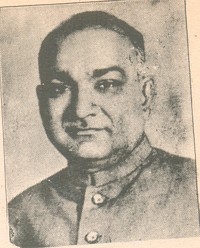
{
"id": 476,
"image": "https://kavishalalab.s3.ap-south-1.amazonaws.com/sootradhar_author/Makhdoom_Mohiuddin.jpg",
"name": "Makhdoom Mohiuddin",
"bio": "<p>Makhdoom Mohiuddin, or Abu Sayeed Mohammad Makhdoom Mohiuddin Khudri, (4 February 1908 – 25 August 1969) was an Urdu poet and Marxist political activist of India who founded the Progressive Writers Union in Hyderabad and was active with the Comrades Association and the Communist Party of India, and at the forefront of the 1946–1947 Telangana Rebellion against the Nizam of the erstwhile Hyderabad state.</p>\r\n<p>He is best known for his collection of poems entitled Bisat-e-Raqs (\"The Dance Floor\"), for which he was awarded the 1969 Sahitya Akademi Award in Urdu. His published works include the essay Tagore and His Poetry, a play, Hosh ke Nakhun (\"Unravelling\"), an adaptation of Shaw's Widowers' Houses, and a collection of prose essays. Bisat-e-Raqs is a complete collection of Makhdoom's verse including his two earlier collections Surkh Savera (\"The Red Dawn\", 1944) and Gul-e-Tar (\"The Dewdrenched Rose\", 1961)</p>\r\n<p>He is known as Shayar-e-Inquilab' ('Poet of the Revolution'). His ghazals and lyrics have been used in many Hindi films. Among his notable are the romantic ghazals: Ek Chameli Ke Mandve Taley, Aap Ki Yaad Aati Rahi Raat Bhar and Phir Chhidi Raat, Baat Phoolon Ki.</p>\r\n<p>Awards<br />Sahitya Akademi Award for Urdu Poetry – 1969</p>",
"raw_bio": "Makhdoom Mohiuddin, or Abu Sayeed Mohammad Makhdoom Mohiuddin Khudri, (4 February 1908 – 25 August 1969) was an Urdu poet and Marxist political activist of India who founded the Progressive Writers Union in Hyderabad and was active with the Comrades Association and the Communist Party of India, and at the forefront of the 1946–1947 Telangana Rebellion against the Nizam of the erstwhile Hyderabad state. He is best known for his collection of poems entitled Bisat-e-Raqs (\"The Dance Floor\"), for which he was awarded the 1969 Sahitya Akademi Award in Urdu. His published works include the essay Tagore and His Poetry, a play, Hosh ke Nakhun (\"Unravelling\"), an adaptation of Shaw's Widowers' Houses, and a collection of prose essays. Bisat-e-Raqs is a complete collection of Makhdoom's verse including his two earlier collections Surkh Savera (\"The Red Dawn\", 1944) and Gul-e-Tar (\"The Dewdrenched Rose\", 1961) He is known as Shayar-e-Inquilab' ('Poet of the Revolution'). His ghazals and lyrics have been used in many Hindi films. Among his notable are the romantic ghazals: Ek Chameli Ke Mandve Taley, Aap Ki Yaad Aati Rahi Raat Bhar and Phir Chhidi Raat, Baat Phoolon Ki. Awards Sahitya Akademi Award for Urdu Poetry – 1969",
"slug": "makhdoom-mohiuddin",
"DOB": "1908-02-04",
"DateOfDemise": "1969-08-25",
"location": null,
"url": "/sootradhar/makhdoom-mohiuddin",
"tags": "",
"created": "2023-09-22T12:45:26.871533",
"is_has_special_post": true,
"is_special_author": false,
"language": 4
},
{
"id": 477,
"image": "https://kavishalalab.s3.ap-south-1.amazonaws.com/sootradhar_author/Arsh_Malsiani.jpg",
"name": "Arsh Malsiani",
"bio": "<p>Arsh Malsiani (20 December 1908–1979) (Urdu: عرش ملسیانی), born Bal Labhu Ram Mukand (Urdu: بال مکند), was an eminent Urdu poet and writer. He was the son of Labhu Ram Josh Malsiyani, an Urdu and Persian scholar and Urdu poet. From 1948 up to his retirement in 1968, Malsiani worked in the Publications Division of the Government of India firstly as an Assistant Editor of the Urdu monthly journal Aaj Kal then edited by Josh Malihabadi whom he succeeded as Editor in 1954.</p>\r\n<p>Four collections of his poetry were published: Haft Rang, Chang-o-Āhang, Sharar-e Sang, and Āhang-e Hijaz. His biographical sketch of Maulana Abul Kalam Azad was published in 1976.</p>\r\n<p>Critical appraisal of the life and literary works of Arsh Malsiani was conducted by Jagan Nath Azad and published as Ānkhen Tarastain Hai, by Mehr Lal Soni Zia Fatehabadi and included as a separate chapter in his book Zaviyaha-e nigaah and by Birendar Parsad Saxena as Arsh Malsiani.</p>",
"raw_bio": "Arsh Malsiani (20 December 1908–1979) (Urdu: عرش ملسیانی), born Bal Labhu Ram Mukand (Urdu: بال مکند), was an eminent Urdu poet and writer. He was the son of Labhu Ram Josh Malsiyani, an Urdu and Persian scholar and Urdu poet. From 1948 up to his retirement in 1968, Malsiani worked in the Publications Division of the Government of India firstly as an Assistant Editor of the Urdu monthly journal Aaj Kal then edited by Josh Malihabadi whom he succeeded as Editor in 1954. Four collections of his poetry were published: Haft Rang, Chang-o-Āhang, Sharar-e Sang, and Āhang-e Hijaz. His biographical sketch of Maulana Abul Kalam Azad was published in 1976. Critical appraisal of the life and literary works of Arsh Malsiani was conducted by Jagan Nath Azad and published as Ānkhen Tarastain Hai, by Mehr Lal Soni Zia Fatehabadi and included as a separate chapter in his book Zaviyaha-e nigaah and by Birendar Parsad Saxena as Arsh Malsiani.",
"slug": "arsh-malsiani",
"DOB": "1908-12-20",
"DateOfDemise": "1979-01-01",
"location": null,
"url": "/sootradhar/arsh-malsiani",
"tags": "",
"created": "2023-09-22T12:45:27.712770",
"is_has_special_post": true,
"is_special_author": false,
"language": 4
},
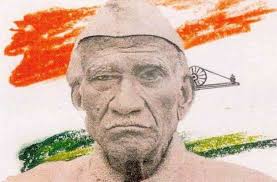
{
"id": 478,
"image": "https://kavishalalab.s3.ap-south-1.amazonaws.com/sootradhar_author/Shyamlal_Gupta.jpeg",
"name": "Shyamlal Gupta",
"bio": "Shyamlal Gupta, popularly known by his pen name Parshad, (9 September 1896 – 10 August 1977) was an Indian poet and lyricist. A song written by him which featured in the 1948 Hindi film, Azadi Ki Raah Par, (sung by Sarojini Naidu), has been accepted as the flag song of India and is sung every year during the flag hoisting ceremony at the Independence Day and Republic Day celebrations. The recipient of the fourth highest civilian award of Padma Shri in 1969, the Government of India issued a postage stamp in 1997 in his honour.",
"raw_bio": "Shyamlal Gupta, popularly known by his pen name Parshad, (9 September 1896 – 10 August 1977) was an Indian poet and lyricist. A song written by him which featured in the 1948 Hindi film, Azadi Ki Raah Par, (sung by Sarojini Naidu), has been accepted as the flag song of India and is sung every year during the flag hoisting ceremony at the Independence Day and Republic Day celebrations. The recipient of the fourth highest civilian award of Padma Shri in 1969, the Government of India issued a postage stamp in 1997 in his honour.",
"slug": "shyamlal-gupta",
"DOB": "1896-09-09",
"DateOfDemise": "1977-08-10",
"location": "Kanpur, North-West Provinces, British India",
"url": "/sootradhar/shyamlal-gupta",
"tags": "Flag of India, Indian independence movement",
"created": "2023-09-22T12:18:39.943367",
"is_has_special_post": false,
"is_special_author": false,
"language": 4
},
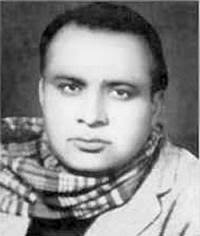
{
"id": 479,
"image": "https://kavishalalab.s3.ap-south-1.amazonaws.com/sootradhar_author/Abdul_Hameed_Adam.jpg",
"name": "Abdul Hameed Adam",
"bio": "<p>Abdul Hameed Adam (1910–1981) was a Pakistani writer and poet.<br />During the Second world war, he was sent to the Middle East, where he served in Iran and Iraq. In Iraq, he fell in love with an Iraqi girl, got married with her as his second wife, and brought her back with him to India after the end of the Second world war. On his return to India, he was posted to Pune (Poona, Maharashtra, India) where he became excessively involved with some friends and started drinking heavily. He would come home very late at night and then his disputes started with his Iraqi second wife. This second wife soon returned to Iraq and thereafter Adam remained loyal to his first local wife till she died in 1978/1979.</p>\r\n<p>He was transferred to Rawalpindi after the establishment of Pakistan in 1947. In 1948, he was appointed Deputy Assistant Controller of Military Accounts and later retired from this position in April 1966. By 1978/1979 Abdul Hameed Adam had himself become chronically ill. He died in 1981.</p>\r\n<p>Bibliography<br />Kharabaat<br />Jhoot-sach (1972)<br />Ramm-e-Aahu<br />Barbat-o-Jaam<br />Nadaniyan<br />Charah-e-Dard<br />Chaak Pairhan<br />Dastoor-e-Wafa<br />Nisaab e Dil<br />Daulat e Bedaar</p>",
"raw_bio": "Abdul Hameed Adam (1910–1981) was a Pakistani writer and poet. During the Second world war, he was sent to the Middle East, where he served in Iran and Iraq. In Iraq, he fell in love with an Iraqi girl, got married with her as his second wife, and brought her back with him to India after the end of the Second world war. On his return to India, he was posted to Pune (Poona, Maharashtra, India) where he became excessively involved with some friends and started drinking heavily. He would come home very late at night and then his disputes started with his Iraqi second wife. This second wife soon returned to Iraq and thereafter Adam remained loyal to his first local wife till she died in 1978/1979. He was transferred to Rawalpindi after the establishment of Pakistan in 1947. In 1948, he was appointed Deputy Assistant Controller of Military Accounts and later retired from this position in April 1966. By 1978/1979 Abdul Hameed Adam had himself become chronically ill. He died in 1981. Bibliography Kharabaat Jhoot-sach (1972) Ramm-e-Aahu Barbat-o-Jaam Nadaniyan Charah-e-Dard Chaak Pairhan Dastoor-e-Wafa Nisaab e Dil Daulat e Bedaar",
"slug": "abdul-hameed-adam",
"DOB": "1910-01-01",
"DateOfDemise": "1981-01-01",
"location": null,
"url": "/sootradhar/abdul-hameed-adam",
"tags": "",
"created": "2023-09-22T12:45:29.402181",
"is_has_special_post": true,
"is_special_author": false,
"language": 4
},
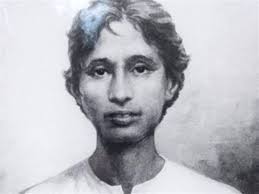
{
"id": 480,
"image": "https://kavishalalab.s3.ap-south-1.amazonaws.com/sootradhar_author/Khudiram_Bose.jpeg",
"name": "Khudiram Bose",
"bio": "Khudiram Bose (also spelled Khudiram Bosu or Khudiram Basu) (3 December 1889 – 11 August 1908) was an Indian revolutionary who opposed British rule of India. For his role in the Muzaffarpur Conspiracy Case, along with Prafulla Chaki, he was sentenced to death and subsequently executed, making him one of the youngest martyrs of the Indian Independence Movement\r\n\r\nKhudiram, along with Prafulla Chaki, attempted to assassinate a British judge, Magistrate Douglas Kingsford, by throwing bombs on the carriage they suspected the man was in. Magistrate Kingsford, however, was seated in a different carriage, and the throwing of bombs resulted in the deaths of two British women. Prafulla committed suicide before the arrest. Khudiram was arrested and trialed for the murder of the two women, ultimately being sentenced to death.\r\n\r\nAt the time of his hanging, Khudiram was 18 years, 8 months, and 11 days old, making him one of the 2nd youngest revolutionaries in India. Mahatma Gandhi, however, denounced the violence, lamenting the deaths of the two innocent women. He stated \"that the Indian people will not win their freedom through these methods.\" Bal Gangadhar Tilak, in his newspaper Kesari, defended the two young men and called for immediate swaraj. This was followed by the immediate arrest of Tilak by the British colonial government on charges of sedition.",
"raw_bio": "Khudiram Bose (also spelled Khudiram Bosu or Khudiram Basu) (3 December 1889 – 11 August 1908) was an Indian revolutionary who opposed British rule of India. For his role in the Muzaffarpur Conspiracy Case, along with Prafulla Chaki, he was sentenced to death and subsequently executed, making him one of the youngest martyrs of the Indian Independence Movement\r \r Khudiram, along with Prafulla Chaki, attempted to assassinate a British judge, Magistrate Douglas Kingsford, by throwing bombs on the carriage they suspected the man was in. Magistrate Kingsford, however, was seated in a different carriage, and the throwing of bombs resulted in the deaths of two British women. Prafulla committed suicide before the arrest. Khudiram was arrested and trialed for the murder of the two women, ultimately being sentenced to death.\r \r At the time of his hanging, Khudiram was 18 years, 8 months, and 11 days old, making him one of the 2nd youngest revolutionaries in India. Mahatma Gandhi, however, denounced the violence, lamenting the deaths of the two innocent women. He stated \"that the Indian people will not win their freedom through these methods.\" Bal Gangadhar Tilak, in his newspaper Kesari, defended the two young men and called for immediate swaraj. This was followed by the immediate arrest of Tilak by the British colonial government on charges of sedition.",
"slug": "khudiram-bose",
"DOB": "1889-12-03",
"DateOfDemise": "1908-08-11",
"location": "India",
"url": "/sootradhar/khudiram-bose",
"tags": "Khudiram Bose",
"created": "2023-09-22T12:18:39.962410",
"is_has_special_post": false,
"is_special_author": false,
"language": 4
},
{
"id": 482,
"image": "https://kavishalalab.s3.ap-south-1.amazonaws.com/sootradhar_author/Kunwar_Mohinder_Singh_Bedi.jpg",
"name": "Kunwar Mohinder Singh Bedi",
"bio": "<p>Kunwar Mohinder Singh Bedi(9 March 1908 - 18 July 1984) Urdu: کنور مہیندرا سنگھ بیدی سحر‎ pen name Sahar was an Indian Urdu poet. The Times of India called him a \"noted Urdu poet\".<br />Career<br />His poetry is varied and includes traditional themes of love and yearning but also themes of unity, peace between India and Pakistan and humor. His poetry is considered to belong to the same transreligious and transnational tradition as that of other well-known poets from the Indian subcontinent such as Muhammad Iqbal, Faiz Ahmad Faiz and Ahmad Faraz.</p>\r\n<p>Sahar's first book of poetry was T̤ulūʻ-i saḥar (1962) (translation \"Advent of Daybreak\"; the title is a play on words as pen name \"Sahar\", in Urdu means daybreak). In 1983, he published a collection of autobiographical poetry titled Yādon̲ kā jashn (\"A Celebration of Memories\").</p>\r\n<p>An international event to celebrate his poetry, called Jashan-e-Sahar (\"A celebration for Sahar\"), was held in the U.A.E. in 1992.</p>\r\n<p>Poetry<br />An example of his use of humor to make a serious point is the following Ruba'i:</p>\r\n<p>Waiz ki jawani bhi kiya shaiy hai khuda rakhay<br />yeh waqaf e aghaz o anjam nahi hoti<br />youn lazat e duniya se mehromi o nakami<br />Allah ki lathi mein awaz nahi hoti</p>\r\n<p>The preacher's youth is something to behold<br />it does not know a beginning or an end<br />this abstention from the joys of life<br />God's punishment is indeed silent</p>\r\n<p>Kanwar Mohinder Singh Bedi Award<br />An award was created in his honor known as the Kanwar Mohinder Singh Bedi Award, presented by Haryana Urdu Akademi. It has included a cash prize of Rs. 25,000, a Shawl, memento and citation.</p>\r\n<p>Winners<br />Ibn-e-Kanwal, Head of Urdu Department of University of Delhi<br />2012 Kumar Panipati, author</p>",
"raw_bio": "Kunwar Mohinder Singh Bedi(9 March 1908 - 18 July 1984) Urdu: کنور مہیندرا سنگھ بیدی سحر pen name Sahar was an Indian Urdu poet. The Times of India called him a \"noted Urdu poet\". Career His poetry is varied and includes traditional themes of love and yearning but also themes of unity, peace between India and Pakistan and humor. His poetry is considered to belong to the same transreligious and transnational tradition as that of other well-known poets from the Indian subcontinent such as Muhammad Iqbal, Faiz Ahmad Faiz and Ahmad Faraz. Sahar's first book of poetry was T̤ulūʻ-i saḥar (1962) (translation \"Advent of Daybreak\"; the title is a play on words as pen name \"Sahar\", in Urdu means daybreak). In 1983, he published a collection of autobiographical poetry titled Yādon̲ kā jashn (\"A Celebration of Memories\"). An international event to celebrate his poetry, called Jashan-e-Sahar (\"A celebration for Sahar\"), was held in the U.A.E. in 1992. Poetry An example of his use of humor to make a serious point is the following Ruba'i: Waiz ki jawani bhi kiya shaiy hai khuda rakhay yeh waqaf e aghaz o anjam nahi hoti youn lazat e duniya se mehromi o nakami Allah ki lathi mein awaz nahi hoti The preacher's youth is something to behold it does not know a beginning or an end this abstention from the joys of life God's punishment is indeed silent Kanwar Mohinder Singh Bedi Award An award was created in his honor known as the Kanwar Mohinder Singh Bedi Award, presented by Haryana Urdu Akademi. It has included a cash prize of Rs. 25,000, a Shawl, memento and citation. Winners Ibn-e-Kanwal, Head of Urdu Department of University of Delhi 2012 Kumar Panipati, author",
"slug": "kunwar-mohinder-singh-bedi",
"DOB": "1908-03-09",
"DateOfDemise": "1984-07-18",
"location": null,
"url": "/sootradhar/kunwar-mohinder-singh-bedi",
"tags": "",
"created": "2023-09-22T12:45:31.194781",
"is_has_special_post": true,
"is_special_author": false,
"language": 4
},
{
"id": 484,
"image": "https://kavishalalab.s3.ap-south-1.amazonaws.com/sootradhar_author/bazimabadi-199x220.jpg",
"name": "Bismil Azimabadi",
"bio": "<p>Bismil Azimabadi (1901 - 1978) was a freedom fighter, and an Urdu poet from Patna, Bihar.</p>\r\n<p>Bismil developed the nationalist views and took part in freedom movement, he attended the Calcutta Congress Session in 1920 where he recited his poem Sarfaroshi.</p>\r\n<p>As poet<br />His maternal Grandfather and his maternal Uncle both were poets. He grew in Azimabad where the atmosphere was poetic and literary and it was from there he picked up the love for Urdu poetry. He chose the word Bismil (meaning hurt or wounded) as his pen name and became disciple of Khan Bahadur Shad Azimabadi, (1846-1929). He used to frequent Qutubkhana Anjuman Taraqqi Urdu Library, Patna. He is counted amongst notable poets of Patna.</p>\r\n<p>Works<br />Most of his work was lost and the remaining was compiled and published by the name of Hikayat-i-Hasti in 1980 with the help of Khuda Bakhsh Oriental Library. His works are listed in the catalogues of various institutions, like, University of Chicago Library, Delhi Public Library, Delhi University Central Library System, etc. His works have been quoted in magazines & journals like, The London Magazine.</p>\r\n<p>Ghazals<br />Bismil have written many ghazals, Sarforoshi being the most celebrated of them all.</p>",
"raw_bio": "Bismil Azimabadi (1901 - 1978) was a freedom fighter, and an Urdu poet from Patna, Bihar. Bismil developed the nationalist views and took part in freedom movement, he attended the Calcutta Congress Session in 1920 where he recited his poem Sarfaroshi. As poet His maternal Grandfather and his maternal Uncle both were poets. He grew in Azimabad where the atmosphere was poetic and literary and it was from there he picked up the love for Urdu poetry. He chose the word Bismil (meaning hurt or wounded) as his pen name and became disciple of Khan Bahadur Shad Azimabadi, (1846-1929). He used to frequent Qutubkhana Anjuman Taraqqi Urdu Library, Patna. He is counted amongst notable poets of Patna. Works Most of his work was lost and the remaining was compiled and published by the name of Hikayat-i-Hasti in 1980 with the help of Khuda Bakhsh Oriental Library. His works are listed in the catalogues of various institutions, like, University of Chicago Library, Delhi Public Library, Delhi University Central Library System, etc. His works have been quoted in magazines & journals like, The London Magazine. Ghazals Bismil have written many ghazals, Sarforoshi being the most celebrated of them all.",
"slug": "bismil-azimabadi",
"DOB": "1901-01-01",
"DateOfDemise": "1978-01-01",
"location": null,
"url": "/sootradhar/bismil-azimabadi",
"tags": "",
"created": "2023-09-22T12:45:32.442546",
"is_has_special_post": true,
"is_special_author": false,
"language": 4
},
{
"id": 488,
"image": "https://kavishalalab.s3.ap-south-1.amazonaws.com/sootradhar_author/neelabh_ashk.jpeg",
"name": "Neelabh Ashk (Poet)",
"bio": "Neelabh Ashk (16 August 1945 – 23 July 2016) was an Indian Hindi language poet, journalist, and translator. He published various poetry collections. He is best known for translating the works of notable authors like Arundhati Roy, Salman Rushdie, William Shakespeare, Bertolt Brecht, and Mikhail Lermontov.\r\n<br>His first poetry collection, Sansmarnarambha, was published in the 1970s and was well received. His Hindi poetry collections are:\r\n<br><ul><li>\r\nJungle Khamosh Hai</li><li>\r\nUttaradhikaar</li><li>\r\nShok Ka Sukh</li><li>\r\nShabdo Se Naata Atoot Hai</li><li>\r\nIshvar Ka Moksh</li><li>\r\nApne Aap Se Lambi Baatcheet</li><li>\r\nCheezein Upasthit Hain</li><li>\r\nKhatra Agle Mod Ke Uss Taraf Hain</li><li>\r\n</ul>",
"raw_bio": "Neelabh Ashk (16 August 1945 – 23 July 2016) was an Indian Hindi language poet, journalist, and translator. He published various poetry collections. He is best known for translating the works of notable authors like Arundhati Roy, Salman Rushdie, William Shakespeare, Bertolt Brecht, and Mikhail Lermontov.\r His first poetry collection, Sansmarnarambha, was published in the 1970s and was well received. His Hindi poetry collections are:\r \r Jungle Khamosh Hai \r Uttaradhikaar \r Shok Ka Sukh \r Shabdo Se Naata Atoot Hai \r Ishvar Ka Moksh \r Apne Aap Se Lambi Baatcheet \r Cheezein Upasthit Hain \r Khatra Agle Mod Ke Uss Taraf Hain ",
"slug": "neelabh-ashk-poet",
"DOB": "1945-08-16",
"DateOfDemise": "2016-07-23",
"location": "Mumbai, India",
"url": "/sootradhar/neelabh-ashk-poet",
"tags": "",
"created": "2023-09-22T12:45:43.222902",
"is_has_special_post": true,
"is_special_author": false,
"language": 4
},
{
"id": 489,
"image": "https://kavishalalab.s3.ap-south-1.amazonaws.com/sootradhar_author/Gauhar_Raza.jpg",
"name": "Gauhar Raza",
"bio": "<p>Gauhar Raza (born 17 August 1956) is an Indian scientist by profession, and a leading Urdu poet, social activist and documentary filmmaker working to popularize the understanding of science among general public, known for his films like Jung-e-Azadi, on the India's First War of Independence, and Inqilab (2008) on Bhagat Singh. He was also the honorary director of Jahangirabad Media Institute.<br />Poetry<br />Gauhar Raza's poetry collection Jazbon Ki Lau Tez Karon has been noticed for the frankness of tone and for the social concerns that they take up and treat sensitively. In his most famous poem \"Main Chahta hoon\"(I like to), he express his helplessness to write a romantic poem in the days of darkness. He also wrote lyrics for a Hindi film Say Salaam India released in 2007.</p>\r\n<p>Personal life<br />Awards<br />Best subject expert for educational film in 1999 by the University Grants Commission.<br />Creative Literature Award, Hindi Academy, 2001, for the collection of poems 'Jazbon Ki Lau Tez Karo'.<br />For contribution to Science writings and propagation of Science, Urdu Academy, Delhi, 2002</p>",
"raw_bio": "Gauhar Raza (born 17 August 1956) is an Indian scientist by profession, and a leading Urdu poet, social activist and documentary filmmaker working to popularize the understanding of science among general public, known for his films like Jung-e-Azadi, on the India's First War of Independence, and Inqilab (2008) on Bhagat Singh. He was also the honorary director of Jahangirabad Media Institute. Poetry Gauhar Raza's poetry collection Jazbon Ki Lau Tez Karon has been noticed for the frankness of tone and for the social concerns that they take up and treat sensitively. In his most famous poem \"Main Chahta hoon\"(I like to), he express his helplessness to write a romantic poem in the days of darkness. He also wrote lyrics for a Hindi film Say Salaam India released in 2007. Personal life Awards Best subject expert for educational film in 1999 by the University Grants Commission. Creative Literature Award, Hindi Academy, 2001, for the collection of poems 'Jazbon Ki Lau Tez Karo'. For contribution to Science writings and propagation of Science, Urdu Academy, Delhi, 2002",
"slug": "gauhar-raza",
"DOB": "1956-08-17",
"DateOfDemise": null,
"location": null,
"url": "/sootradhar/gauhar-raza",
"tags": "",
"created": "2023-09-22T12:45:43.620835",
"is_has_special_post": true,
"is_special_author": false,
"language": 4
}
],
"description": "<p style=\"text-align: center; font-size: 24px;\"> The Great Poets and Writers in Indian and World History! </p>",
"image": "https://kavishalalab.s3.ap-south-1.amazonaws.com/sootradhar_description/black.jpg"
}