HTTP 200 OK
Allow: GET, HEAD, OPTIONS
Content-Type: application/json
Vary: Accept
{
"count": 17752,
"next": "http://admin.kavishala.in/sootradhar/authors/?format=api&page=615",
"previous": "http://admin.kavishala.in/sootradhar/authors/?format=api&page=613",
"results": [
{
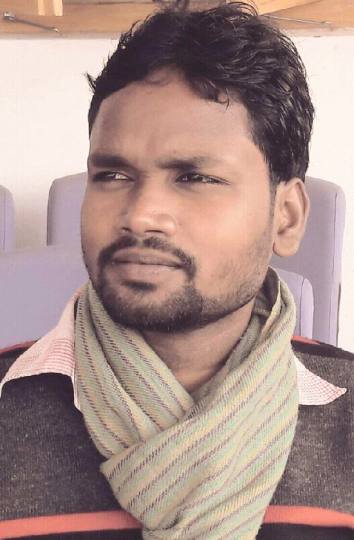
"id": 357,
"image": "https://kavishalalab.s3.ap-south-1.amazonaws.com/sootradhar_author/Anuj_Lugun.jpg",
"name": "Anuj Lugun",
"bio": "Anuj Lugun (born 10 January 1986) is a Jharkhandi Indian poet and writer.[citation needed] His poetry espoused indigenous renaissance and intense rebellion against fascism and oppression. Lugun's activism for political and social justice earned him the title of Tribal Poet. <br>\r\n\r\nWork and service \r\nLugun is working as Assistant Professor in School of Indian Language at Central University of South Bihar (CUB). Currently pursuing research in Mundari songs at Banaras Hindu University. After serving in the Ministry of Human Resource Development (India), Lugun established himself as a Poet in Jharkhand. Lugun's writings explore themes such as love, freedom, and revolution; he opposed all bigotry, including religious and gender. Throughout his career, Lugun wrote short stories, novels, and essays but is best known for his poems.<br>\r\n\r\n<p>Awards and recognition<br />Yuva Puraskar 2019 for his long Hindi poem Baghaur Sugna Munda ki Beti (The Tiger and the Daughter of Sugna Munda)<br />Anuj Lugun- won the prestigious Bharat Bhushan Agarwal Award in 2011 for the best poem in Hindi<br />Rashtriya Muktibodh Puraskara (Madhya Pradesh Sahitya Akademi) 2009</p>",
"raw_bio": "Anuj Lugun (born 10 January 1986) is a Jharkhandi Indian poet and writer.[citation needed] His poetry espoused indigenous renaissance and intense rebellion against fascism and oppression. Lugun's activism for political and social justice earned him the title of Tribal Poet. \r \r Work and service \r Lugun is working as Assistant Professor in School of Indian Language at Central University of South Bihar (CUB). Currently pursuing research in Mundari songs at Banaras Hindu University. After serving in the Ministry of Human Resource Development (India), Lugun established himself as a Poet in Jharkhand. Lugun's writings explore themes such as love, freedom, and revolution; he opposed all bigotry, including religious and gender. Throughout his career, Lugun wrote short stories, novels, and essays but is best known for his poems. Awards and recognition Yuva Puraskar 2019 for his long Hindi poem Baghaur Sugna Munda ki Beti (The Tiger and the Daughter of Sugna Munda) Anuj Lugun- won the prestigious Bharat Bhushan Agarwal Award in 2011 for the best poem in Hindi Rashtriya Muktibodh Puraskara (Madhya Pradesh Sahitya Akademi) 2009",
"slug": "anuj-lugun",
"DOB": "1986-01-10",
"DateOfDemise": null,
"location": null,
"url": "/sootradhar/anuj-lugun",
"tags": null,
"created": "2023-09-22T12:41:33.890588",
"is_has_special_post": true,
"is_special_author": false,
"language": 4
},
{
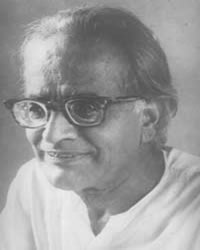
"id": 358,
"image": "https://kavishalalab.s3.ap-south-1.amazonaws.com/sootradhar_author/Shamser_Bahadur_Singh.jpg",
"name": "Shamser Bahadur Singh",
"bio": "शमशेर बहादुर सिंह 13 जनवरी 1911- 12 मई 1993 आधुनिक हिंदी कविता की प्रगतिशील त्रयी के एक स्तंभ हैं। हिंदी कविता में अनूठे बिंबों के रचयिता शमशेर आजीवन प्रगतिवादी विचारधारा से जुड़े रहे। तार सप्तक से शुरुआत कर \"चुका भी नहीं हूँ मैं\" के लिए साहित्य अकादमी सम्मान पाने वाले शमशेर जी ने कविता के अलावा डायरी लिखी और हिंदी उर्दू शब्दकोश का संपादन भी किया। <br>\r\n\r\n\r\n\r\n<p> </p>\r\n<p><br />कार्यक्षेत्र<br />'रूपाभ', इलाहाबाद में कार्यालय सहायक (१९३९), 'कहानी' में त्रिलोचन के साथ (१९४०), 'नया साहित्य', बंबई में कम्यून में रहते हुए (१९४६, माया में सहायक संपादक (१९४८-५४), नया पथ और मनोहर कहानियाँ में संपादन सहयोग। दिल्ली विश्वविद्यालय में विश्वविद्यालय अनुदान की एक महत्वपूर्ण परियोजना 'उर्दू हिन्दी कोश' का संपादन (१९६५-७७), प्रेमचंद सृजनपीठ, विक्रम विश्वविद्यालय के अध्यक्ष (१९८१-८५)</p>\r\n<p>महत्वपूर्ण कृतियां<br />काविता-संग्रह:- कुछ कविताएं (१९५६), कुछ और कविताएं (१९६१), चुका भी नहीं हूं मैं (१९७५), इतने पास अपने (१९८०), उदिता - अभिव्यक्ति का संघर्ष (१९८०), बात बोलेगी (१९८१), काल तुझसे होड़ है मेरी (१९८८)।<br />निबन्ध-संग्रह:- दोआब<br />कहानी-संग्रह\":- प्लाट का मोर्चा<br />शमशेर का समग्र गद्य कु्छ गद्य रचनायें तथा कुछ और गद्य रचनायें नामक पुस्तकों में संग्रहित हैं ! उनकी प्रमुख कविताओं में 'अमन का राग'(प्रकाशित१९५२),'एक पीली शाम'(१९५३),'एक नीला दरिया बरस रहा' प्रमुख है।</p> <br>\r\n\r\n<p>साहित्यिक वैशिष्ट्य<br />शमशेर सौंदर्य के अनूठे चित्रों के स्रष्टा के रूप में हिंदी में सर्वमान्य हैं। वे स्वयं पर इलियट-एजरा पाउंड-उर्दू दरबारी कविता का रुग्ण प्रभाव होना स्वीकार करते हैं। लेकिन उनका स्वस्थ सौंदर्यबोध इस प्रभाव से ग्रस्त नहीं है।</p>\r\n<p>1. मोटी धुली लॉन की दूब,</p>\r\n<p>साफ मखमल-सी कालीन।</p>\r\n<p>ठंडी धुली सुनहली धूप।</p>\r\n<p>2. बादलों के मौन गेरू-पंख, संन्यासी, खुले है/ श्याम पथ पर/ स्थिर हुए-से, चल।</p>\r\n<p>'टूटी हुई, बिखरी हुई' प्रतिनिधि कविताएँ नहीं मानी जाती। उनमें शमशेर ने लिखा है-</p>\r\n<p>'दोपहर बाद की धूप-छांह</p>\r\n<p>में खड़ी इंतजार की ठेलेगाड़ियां/ जैसे मेरी पसलियां../</p>\r\n<p>खाली बोरे सूजों से रफू किये जा रहे हैं।.</p>\r\n<p>जो/ मेरी आंखों का सूनापन है।'</p>\r\n<p>शमशेर के लिए मा‌र्क्सवाद की क्रांतिकारी आस्था और भारत की सुदीर्घ सांस्कृतिक परंपरा में विरोध नहीं था। उषा शीर्षक कविता में उन्होंने भोर के नभ को नीले शंख की तरह देखा है।</p>\r\n<p>'प्रात नभ था बहुत नीला शंख जैसे'-</p>\r\n<p>वैदिक कवियों की तरह वे प्रकृति की लीला को पूरी तन्मयता से अपनाते है-</p>\r\n<p>1. जागरण की चेतना से मैं नहा उट्ठा।</p>\r\n<p>सूर्य मेरी पुतलियों में स्नान करता।</p>\r\n<p>2. सूर्य मेरी पुतलियों में स्नान करता</p>\r\n<p>केश-तन में झिलमिला कर डूब जाता..</p>\r\n<p>वे सामाजिक-सांस्कृतिक जीवन में सांप्रदायिकता के विरोधी और समाहारता के समर्थक थे। उन्होंने स्वयं को 'हिंदी और उर्दू का दोआब' कहा है। रूढि़वाद-जातिवाद का उपहास करते हुए वे कहते हैं-</p>\r\n<p>'क्या गुरुजी मनु ऽ जी को ले आयेंगे?</p>\r\n<p>हो गये जिनको लाखों जनम गुम हुए।'</p>\r\n<p>पुरस्कार व सम्मान<br />१९७७- साहित्य अकादमी पुरस्कार, 'चुका भी हूँ नहीं मैं' के लिये<br />मैथिली शरण गुप्त पुरस्कार<br />1989- कबीर सम्मान</p>",
"raw_bio": "शमशेर बहादुर सिंह 13 जनवरी 1911- 12 मई 1993 आधुनिक हिंदी कविता की प्रगतिशील त्रयी के एक स्तंभ हैं। हिंदी कविता में अनूठे बिंबों के रचयिता शमशेर आजीवन प्रगतिवादी विचारधारा से जुड़े रहे। तार सप्तक से शुरुआत कर \"चुका भी नहीं हूँ मैं\" के लिए साहित्य अकादमी सम्मान पाने वाले शमशेर जी ने कविता के अलावा डायरी लिखी और हिंदी उर्दू शब्दकोश का संपादन भी किया। कार्यक्षेत्र 'रूपाभ', इलाहाबाद में कार्यालय सहायक (१९३९), 'कहानी' में त्रिलोचन के साथ (१९४०), 'नया साहित्य', बंबई में कम्यून में रहते हुए (१९४६, माया में सहायक संपादक (१९४८-५४), नया पथ और मनोहर कहानियाँ में संपादन सहयोग। दिल्ली विश्वविद्यालय में विश्वविद्यालय अनुदान की एक महत्वपूर्ण परियोजना 'उर्दू हिन्दी कोश' का संपादन (१९६५-७७), प्रेमचंद सृजनपीठ, विक्रम विश्वविद्यालय के अध्यक्ष (१९८१-८५) महत्वपूर्ण कृतियां काविता-संग्रह:- कुछ कविताएं (१९५६), कुछ और कविताएं (१९६१), चुका भी नहीं हूं मैं (१९७५), इतने पास अपने (१९८०), उदिता - अभिव्यक्ति का संघर्ष (१९८०), बात बोलेगी (१९८१), काल तुझसे होड़ है मेरी (१९८८)। निबन्ध-संग्रह:- दोआब कहानी-संग्रह\":- प्लाट का मोर्चा शमशेर का समग्र गद्य कु्छ गद्य रचनायें तथा कुछ और गद्य रचनायें नामक पुस्तकों में संग्रहित हैं ! उनकी प्रमुख कविताओं में 'अमन का राग'(प्रकाशित१९५२),'एक पीली शाम'(१९५३),'एक नीला दरिया बरस रहा' प्रमुख है। साहित्यिक वैशिष्ट्य शमशेर सौंदर्य के अनूठे चित्रों के स्रष्टा के रूप में हिंदी में सर्वमान्य हैं। वे स्वयं पर इलियट-एजरा पाउंड-उर्दू दरबारी कविता का रुग्ण प्रभाव होना स्वीकार करते हैं। लेकिन उनका स्वस्थ सौंदर्यबोध इस प्रभाव से ग्रस्त नहीं है। 1. मोटी धुली लॉन की दूब, साफ मखमल-सी कालीन। ठंडी धुली सुनहली धूप। 2. बादलों के मौन गेरू-पंख, संन्यासी, खुले है/ श्याम पथ पर/ स्थिर हुए-से, चल। 'टूटी हुई, बिखरी हुई' प्रतिनिधि कविताएँ नहीं मानी जाती। उनमें शमशेर ने लिखा है- 'दोपहर बाद की धूप-छांह में खड़ी इंतजार की ठेलेगाड़ियां/ जैसे मेरी पसलियां../ खाली बोरे सूजों से रफू किये जा रहे हैं।. जो/ मेरी आंखों का सूनापन है।' शमशेर के लिए मार्क्सवाद की क्रांतिकारी आस्था और भारत की सुदीर्घ सांस्कृतिक परंपरा में विरोध नहीं था। उषा शीर्षक कविता में उन्होंने भोर के नभ को नीले शंख की तरह देखा है। 'प्रात नभ था बहुत नीला शंख जैसे'- वैदिक कवियों की तरह वे प्रकृति की लीला को पूरी तन्मयता से अपनाते है- 1. जागरण की चेतना से मैं नहा उट्ठा। सूर्य मेरी पुतलियों में स्नान करता। 2. सूर्य मेरी पुतलियों में स्नान करता केश-तन में झिलमिला कर डूब जाता.. वे सामाजिक-सांस्कृतिक जीवन में सांप्रदायिकता के विरोधी और समाहारता के समर्थक थे। उन्होंने स्वयं को 'हिंदी और उर्दू का दोआब' कहा है। रूढि़वाद-जातिवाद का उपहास करते हुए वे कहते हैं- 'क्या गुरुजी मनु ऽ जी को ले आयेंगे? हो गये जिनको लाखों जनम गुम हुए।' पुरस्कार व सम्मान १९७७- साहित्य अकादमी पुरस्कार, 'चुका भी हूँ नहीं मैं' के लिये मैथिली शरण गुप्त पुरस्कार 1989- कबीर सम्मान",
"slug": "shamser-bahadur-singh",
"DOB": "1911-01-13",
"DateOfDemise": "1993-05-12",
"location": null,
"url": "/sootradhar/shamser-bahadur-singh",
"tags": null,
"created": "2023-09-22T12:41:41.680610",
"is_has_special_post": true,
"is_special_author": false,
"language": 4
},
{
"id": 362,
"image": "https://kavishalalab.s3.ap-south-1.amazonaws.com/sootradhar_author/kashmiri-lal-zakir.png",
"name": "Kashmiri Lal Zakir",
"bio": "Kashmiri Lal Zakir (7 April 1919 – 31 August 2016) was an Indian poet, novelist, dramatist and short story writer of Urdu literature.<br>\r\nHis career—which started with his first ghazal published in Adabi Duniya, a publication from Lahore, in the 1940s—encompasses novels, dramas, short stories and travelogues.\r\n\r\nZakir served the Punjab Education Department in then British India and had been involved with Haryana Urdu Academy for a number of years as its chairman. He has written in Hindi and Urdu, including Tin cihre ek saval, a ghazal anthology, Ab Mujhey Sone Do, a novel and Aey Mao Behno Betiyo, a collection of articles.\r\n\r\nZakir is a recipient of the honour of Fakhr-e-Haryana from the Government of Haryana. The Government of India awarded him the fourth highest civilian honour of the Padma Shri, in 2006, for his contributions to Indian literature. Zakir died on 31 August 2016 at the age of 97.",
"raw_bio": "Kashmiri Lal Zakir (7 April 1919 – 31 August 2016) was an Indian poet, novelist, dramatist and short story writer of Urdu literature. \r His career—which started with his first ghazal published in Adabi Duniya, a publication from Lahore, in the 1940s—encompasses novels, dramas, short stories and travelogues.\r \r Zakir served the Punjab Education Department in then British India and had been involved with Haryana Urdu Academy for a number of years as its chairman. He has written in Hindi and Urdu, including Tin cihre ek saval, a ghazal anthology, Ab Mujhey Sone Do, a novel and Aey Mao Behno Betiyo, a collection of articles.\r \r Zakir is a recipient of the honour of Fakhr-e-Haryana from the Government of Haryana. The Government of India awarded him the fourth highest civilian honour of the Padma Shri, in 2006, for his contributions to Indian literature. Zakir died on 31 August 2016 at the age of 97.",
"slug": "kashmiri-lal-zakir",
"DOB": "1919-04-07",
"DateOfDemise": "2016-08-31",
"location": null,
"url": "/sootradhar/kashmiri-lal-zakir",
"tags": null,
"created": "2023-09-22T12:18:39.635606",
"is_has_special_post": false,
"is_special_author": false,
"language": 4
},
{
"id": 364,
"image": "https://kavishalalab.s3.ap-south-1.amazonaws.com/sootradhar_author/Hasan_Abidi.jpg",
"name": "Hasan Abidi",
"bio": "Hasan Abidi was born on 7 November 1929 in Jaunpur, Uttar Pradesh, and educated in Azamgarh and Allahabad (India) and after the partition of India in 1947, he moved to Pakistan and settled in Karachi and associated with journalism and writing. He became president of the Karachi Press Club and held office in both the Karachi Union of Journalist and the Pakistan Federal Union of Journalists. He was also an active member of the Irtiqa forum. He died on 6 September 2005 in Karachi. <br>\r\n\r\nWork\r\nAccording to Yasmeen Hameed, his collections of poetry are Navisht-i-Nai (1995), Jareeda (1998) and Farar Hona Huroof ka (2004). He has also translated Eqbal Ahmed's essays into Urdu and written stories and poems for children. Hasan Abidi writes both ghazals and nazms. He is more in control of his craft in the traditional confines of the ghazal but chooses another style and content for his nazms. Most of his nazms are a narrative of the socio-political aspects of the society. He persistently elegizes the changing value system that he finds alien and disconcerting. His collection of poems, Farar Hona Huroof ka, was published in 2004, by Scheherzade, Karachi.",
"raw_bio": "Hasan Abidi was born on 7 November 1929 in Jaunpur, Uttar Pradesh, and educated in Azamgarh and Allahabad (India) and after the partition of India in 1947, he moved to Pakistan and settled in Karachi and associated with journalism and writing. He became president of the Karachi Press Club and held office in both the Karachi Union of Journalist and the Pakistan Federal Union of Journalists. He was also an active member of the Irtiqa forum. He died on 6 September 2005 in Karachi. \r \r Work\r According to Yasmeen Hameed, his collections of poetry are Navisht-i-Nai (1995), Jareeda (1998) and Farar Hona Huroof ka (2004). He has also translated Eqbal Ahmed's essays into Urdu and written stories and poems for children. Hasan Abidi writes both ghazals and nazms. He is more in control of his craft in the traditional confines of the ghazal but chooses another style and content for his nazms. Most of his nazms are a narrative of the socio-political aspects of the society. He persistently elegizes the changing value system that he finds alien and disconcerting. His collection of poems, Farar Hona Huroof ka, was published in 2004, by Scheherzade, Karachi.",
"slug": "hasan-abidi",
"DOB": "1929-11-07",
"DateOfDemise": "2005-09-06",
"location": null,
"url": "/sootradhar/hasan-abidi",
"tags": null,
"created": "2023-09-22T12:18:39.651701",
"is_has_special_post": false,
"is_special_author": false,
"language": 4
},
{
"id": 369,
"image": "https://kavishalalab.s3.ap-south-1.amazonaws.com/sootradhar_author/Asad_bhhopali_asdfsdv.jpeg",
"name": "Asad Bhopali",
"bio": "Asad Bhopali (10 July 1921 – 9 June 1990) was an Indian Hindustani poet and lyricist. The Encyclopaedia of Hindi Cinema, compiled by Gulzar and Saibal Chatterjee, describes him as one of the \"few names that stand out for their contribution to Hindi film lyrics\".<br>\r\n<h2><span id=\"Notable_songs\" class=\"mw-headline\">Notable songs</span></h2>\r\n<ul>\r\n<li>Dil-e-nadaan zamaane me (<em>Mast Qalandar</em>)</li>\r\n<li>Aay mere dil-e-nadaan (<em>Tower House</em>)</li>\r\n<li>Hum tum se juda ho ke (Ek Sapera Ek Lutera)</li>\r\n<li>Ye rang bhare baadal (Tu Nahin Aur Sahi)</li>\r\n<li>Woh jab yaad aaye bahut yaad aaye (<em>Parasmani</em>)</li>\r\n<li>Haasta hua noorani chehra (<em>Parasmani</em>)</li>\r\n<li>Ajnabee tum jane pehchaane (<em>Hum Sab Ustaad Hai</em>)</li>\r\n<li>Kya teri zulfein hai (<em>Hum Sab Ustaad Hai</em>)</li>\r\n<li>Sau baar janam lenge (<em>Ustaadon Ke Ustaad</em>)</li>\r\n<li>Raaz-e-dil un se chhupaaya na gaya (<em>Apna Banaa Ke Dekho</em>)</li>\r\n<li>Dil ki baatein dil hi jaane (<em>Roop Tera Mastana</em>)</li>\r\n<li>Haseen dilruba kareeb aa zara (<em>Roop Tera Mastana</em>)</li>\r\n<li>Dil ka soona saaz taraana dhoondega (<em>Ek Naari Do Roop</em>)</li>\r\n<li>Dost ban ke aaye ho (Bin Phere Hum Tere)</li>\r\n<li>Chand apna safar khatm karta raha (<em>Shama</em>)</li>\r\n<li>Dil diwaana bin sajna ke (<em><a title=\"Maine Pyar Kiya\" href=\"https://en.wikipedia.org/wiki/Maine_Pyar_Kiya\">Maine Pyar Kiya</a></em>)</li>\r\n</ul>",
"raw_bio": "Asad Bhopali (10 July 1921 – 9 June 1990) was an Indian Hindustani poet and lyricist. The Encyclopaedia of Hindi Cinema, compiled by Gulzar and Saibal Chatterjee, describes him as one of the \"few names that stand out for their contribution to Hindi film lyrics\". Notable songs Dil-e-nadaan zamaane me ( Mast Qalandar ) Aay mere dil-e-nadaan ( Tower House ) Hum tum se juda ho ke (Ek Sapera Ek Lutera) Ye rang bhare baadal (Tu Nahin Aur Sahi) Woh jab yaad aaye bahut yaad aaye ( Parasmani ) Haasta hua noorani chehra ( Parasmani ) Ajnabee tum jane pehchaane ( Hum Sab Ustaad Hai ) Kya teri zulfein hai ( Hum Sab Ustaad Hai ) Sau baar janam lenge ( Ustaadon Ke Ustaad ) Raaz-e-dil un se chhupaaya na gaya ( Apna Banaa Ke Dekho ) Dil ki baatein dil hi jaane ( Roop Tera Mastana ) Haseen dilruba kareeb aa zara ( Roop Tera Mastana ) Dil ka soona saaz taraana dhoondega ( Ek Naari Do Roop ) Dost ban ke aaye ho (Bin Phere Hum Tere) Chand apna safar khatm karta raha ( Shama ) Dil diwaana bin sajna ke ( Maine Pyar Kiya ) ",
"slug": "asad-bhopali",
"DOB": "1921-07-10",
"DateOfDemise": "1990-06-09",
"location": "Bhopal, India",
"url": "/sootradhar/asad-bhopali",
"tags": "",
"created": "2023-09-22T12:42:08.937793",
"is_has_special_post": true,
"is_special_author": false,
"language": 4
},
{
"id": 372,
"image": "https://kavishalalab.s3.ap-south-1.amazonaws.com/sootradhar_author/qateel-shifai.png",
"name": "Qateel Shifai",
"bio": "Muhammad Aurangzeb or Qateel Shifai (Urdu: قتِیل شِفائ ), (24 December 1919 – 11 July 2001) was a Pakistani Urdu poet and lyricist.\r\n\r\nQateel Shifai was born as Muhammad Aurangzeb in 1919 in British India (now Pakistan). He was of Hindkowan background.\r\n\r\nHe adopted Qateel Shifai as his pen name in 1938, under which he was known in the world of Urdu poetry. \"Qateel\" was his \"takhallus\" and \"Shifai\" was in honour of his ustaad (teacher) Hakeem Mohammed Yahya Shifa Khanpuri, whom he considered his mentor.\r\n\r\n<p>Death and legacy <br>Qateel Shifai died on 11 July 2001 in Lahore, Pakistan. Over 20 collections of verse and over 2,500 film songs for Pakistani and Indian films were published. He wrote songs for 201 Pakistani and Indian films. His talent crossed the borders. His poetry has been translated into numerous languages including Hindi, Gujarati, English, Russian and Chinese. On Qateel Shifai's 11th death anniversary in 2012, in an interview to a major newspaper, a prominent literary figure Dr Salahuddin Darvesh said, \"Shifai was one of those great poets of 20th century who had gained international recognition.\" Qateel Shifai received the 'Pride of Performance Award' in 1994 for his contribution to literature by the Government of Pakistan, Adamjee Literary Award, 'Naqoosh Award', 'Abbasin Arts Council Award' were all given to him in Pakistan, and then the much coveted 'Amir Khusro Award' was given in India. In 1999, he received a 'Special Millennium Nigar Award' for his lifetime contributions to the Pakistan film industry. Qateel Shifai produced a film in his mother language—Hindko—in 1970. It was the first Hindko film which was named \"Qissa Khwani\". The film was released in 1980. He died on 11 July 2001 in Lahore. The street on which he lived in Lahore has been named Qateel Shifai Street after him. There is also a sector of Haripur city that has been named after him – Mohallah Qateel Shifai.</p>\r\n\r\n<h2><span id=\"Filmography\" class=\"mw-headline\">Filmography</span></h2>\r\n<p>Includes both Pakistani and Indian films.</p>\r\n<ul>\r\n<li><em>Bade Dilwala</em> (1999) (lyricist)</li>\r\n<li><em>Yeh Hai Mumbai Meri Jaan</em> (1999) (lyricist)</li>\r\n<li><em>Auzaar</em> (1997) (lyricist)</li>\r\n<li><em>Tamanna</em> (1996) (as Qateel Shifai)</li>\r\n<li><em>Naajayaz</em> (1995) (lyricist) (as Qateel Shifai)</li>\r\n<li><em>Naaraz</em> (1994) (as Qateel Shifai)</li>\r\n<li><em>Hum Hain Bemisaal</em> (as Qateel Shifai)</li>\r\n<li><em>Sir</em> (1993) (lyricist) (as Qateel Shifai)</li>\r\n<li><em>Phir Teri Kahani Yaad Aayee</em> (1993) (<em>Your Memories Have Returned</em>) (lyricist) (as Qateel Shifai)</li>\r\n<li><em>Tahqiqaat</em> (1993) (lyricist) (as Cratil Sipahi)</li>\r\n<li><em><a title=\"Painter Babu\" href=\"https://en.wikipedia.org/wiki/Painter_Babu\">Painter Babu</a></em> (1983) (lyricist)</li>\r\n<li><em>Kudrat</em> (1981) (lyricist, only 1 theme/title song - Dukh sukh ki har ek mala)</li>\r\n<li><em>Shireen Farhad</em> (1975) (lyricist)</li>\r\n<li><em>Naila</em> (1965) (lyricist)</li>\r\n<li><em>Haveli</em> (1964) (lyricist)</li>\r\n<li><em>Zehr-E-Ishq</em> (1958) (lyricist)</li>\r\n<li><em>Intezar</em> (1956) (lyricist)</li>\r\n<li><em>Qatil</em> (1955) (lyricist)</li>\r\n<li><em>Gumnaam</em> (1954) (assisted <a title=\"Hakim Ahmad Shuja\" href=\"https://en.wikipedia.org/wiki/Hakim_Ahmad_Shuja\">Hakim Ahmad Shuja</a> as junior lyricist)</li>\r\n<li><em>Gulnaar</em> (1953) (assistant lyricist)</li>\r\n<li><em><a title=\"Teri Yaad (film)\" href=\"https://en.wikipedia.org/wiki/Teri_Yaad_(film)\">Teri Yaad</a></em> (1948) (assistant lyricist) – (<em>Your Memories</em>- Equivalent Film Title in English) (First released film in the <a class=\"mw-redirect\" title=\"Pakistani film industry\" href=\"https://en.wikipedia.org/wiki/Pakistani_film_industry\">Pakistani film industry</a>)</li>\r\n</ul>",
"raw_bio": "Muhammad Aurangzeb or Qateel Shifai (Urdu: قتِیل شِفائ ), (24 December 1919 – 11 July 2001) was a Pakistani Urdu poet and lyricist.\r \r Qateel Shifai was born as Muhammad Aurangzeb in 1919 in British India (now Pakistan). He was of Hindkowan background.\r \r He adopted Qateel Shifai as his pen name in 1938, under which he was known in the world of Urdu poetry. \"Qateel\" was his \"takhallus\" and \"Shifai\" was in honour of his ustaad (teacher) Hakeem Mohammed Yahya Shifa Khanpuri, whom he considered his mentor.\r \r Death and legacy Qateel Shifai died on 11 July 2001 in Lahore, Pakistan. Over 20 collections of verse and over 2,500 film songs for Pakistani and Indian films were published. He wrote songs for 201 Pakistani and Indian films. His talent crossed the borders. His poetry has been translated into numerous languages including Hindi, Gujarati, English, Russian and Chinese. On Qateel Shifai's 11th death anniversary in 2012, in an interview to a major newspaper, a prominent literary figure Dr Salahuddin Darvesh said, \"Shifai was one of those great poets of 20th century who had gained international recognition.\" Qateel Shifai received the 'Pride of Performance Award' in 1994 for his contribution to literature by the Government of Pakistan, Adamjee Literary Award, 'Naqoosh Award', 'Abbasin Arts Council Award' were all given to him in Pakistan, and then the much coveted 'Amir Khusro Award' was given in India. In 1999, he received a 'Special Millennium Nigar Award' for his lifetime contributions to the Pakistan film industry. Qateel Shifai produced a film in his mother language—Hindko—in 1970. It was the first Hindko film which was named \"Qissa Khwani\". The film was released in 1980. He died on 11 July 2001 in Lahore. The street on which he lived in Lahore has been named Qateel Shifai Street after him. There is also a sector of Haripur city that has been named after him – Mohallah Qateel Shifai. Filmography Includes both Pakistani and Indian films. Bade Dilwala (1999) (lyricist) Yeh Hai Mumbai Meri Jaan (1999) (lyricist) Auzaar (1997) (lyricist) Tamanna (1996) (as Qateel Shifai) Naajayaz (1995) (lyricist) (as Qateel Shifai) Naaraz (1994) (as Qateel Shifai) Hum Hain Bemisaal (as Qateel Shifai) Sir (1993) (lyricist) (as Qateel Shifai) Phir Teri Kahani Yaad Aayee (1993) ( Your Memories Have Returned ) (lyricist) (as Qateel Shifai) Tahqiqaat (1993) (lyricist) (as Cratil Sipahi) Painter Babu (1983) (lyricist) Kudrat (1981) (lyricist, only 1 theme/title song - Dukh sukh ki har ek mala) Shireen Farhad (1975) (lyricist) Naila (1965) (lyricist) Haveli (1964) (lyricist) Zehr-E-Ishq (1958) (lyricist) Intezar (1956) (lyricist) Qatil (1955) (lyricist) Gumnaam (1954) (assisted Hakim Ahmad Shuja as junior lyricist) Gulnaar (1953) (assistant lyricist) Teri Yaad (1948) (assistant lyricist) – ( Your Memories - Equivalent Film Title in English) (First released film in the Pakistani film industry ) ",
"slug": "qateel-shifai",
"DOB": "1919-12-24",
"DateOfDemise": "2001-07-11",
"location": null,
"url": "/sootradhar/qateel-shifai",
"tags": null,
"created": "2023-09-22T12:42:22.082310",
"is_has_special_post": true,
"is_special_author": false,
"language": 4
},
{
"id": 373,
"image": "https://kavishalalab.s3.ap-south-1.amazonaws.com/sootradhar_author/Rahat_Indori.jpg",
"name": "Rahat Indori",
"bio": "Rahat Indori (born 1 January 1950) is an Indian Bollywood lyricist and Urdu language poet.[1] He is also a former professor of Urdu language and a painter. Prior to this he was a pedagogist of Urdu literature at Devi Ahilya University, Indore.\r\n<br>\r\n<h2><span id=\"Early_life_and_education\" class=\"mw-headline\">Early life and education</span></h2>\r\n<p>Rahat Qureshi, later known as Rahat Indori, was born on 1 January 1950 in <a title=\"Indore\" href=\"https://en.wikipedia.org/wiki/Indore\">Indore</a> to Rafatullah Qureshi, a cloth mill worker, and his wife Maqbool Un Nisa Begum. He was their fourth child. He did his schooling from Nutan School Indore from where he completed his Higher Secondary. He completed his graduation from Islamia Karimia College, Indore in 1973 and has passed his <a title=\"Master of Arts\" href=\"https://en.wikipedia.org/wiki/Master_of_Arts\">MA</a> in Urdu literature from <a title=\"Barkatullah University\" href=\"https://en.wikipedia.org/wiki/Barkatullah_University\">Barkatullah University</a><sup id=\"cite_ref-4\" class=\"reference\"><a href=\"https://en.wikipedia.org/wiki/Rahat_Indori#cite_note-4\">[4]</a></sup> Bhopal (<a title=\"Madhya Pradesh\" href=\"https://en.wikipedia.org/wiki/Madhya_Pradesh\">Madhya Pradesh</a>) in 1975. Rahat was awarded a PhD in <a title=\"Urdu literature\" href=\"https://en.wikipedia.org/wiki/Urdu_literature\">Urdu literature</a> from the Bhoj University of Madhya Pradesh in 1985 for his thesis titled <em>Urdu Main Mushaira</em>.</p>\r\n\r\n<h2><span id=\"Performance\" class=\"mw-headline\">Performance</span></h2>\r\n<p>Indori has performed in <a title=\"Mushaira\" href=\"https://en.wikipedia.org/wiki/Mushaira\">Mushaira</a> and <a class=\"mw-redirect\" title=\"Kavi Sammelan\" href=\"https://en.wikipedia.org/wiki/Kavi_Sammelan\">Kavi Sammelan</a> from last 40 - 45 Years. He has traveled widely internationally to recite poetry. He has attended poetic symposiums in almost all the Districts of India and have also traveled multiple times to USA, UK, UAE, Australia, Canada, Singapore, Mauritius, KSA, Kuwait, Qatar, Bahrain, Oman, Pakistan, Bangladesh, Nepal etc.</p>\r\n<h2><strong><span class=\"mw-headline\">Books written by him<br />Do Kadar or Sahi,Mere baad, Dhoop Bahut Hai, Chand Pagal Hai, Maujood ,Naraz</span></strong></h2>\r\n<h2> </h2>\r\n<h2><span id=\"In_other_media\" class=\"mw-headline\">In other media</span></h2>\r\n<p>Indori was invited as a guest in <a title=\"The Kapil Sharma Show\" href=\"https://en.wikipedia.org/wiki/The_Kapil_Sharma_Show\">The Kapil Sharma Show</a> twice. First, in 1 July 2017 episode of Season 1 along with <a title=\"Kumar Vishwas\" href=\"https://en.wikipedia.org/wiki/Kumar_Vishwas\">Kumar Vishwas</a> and Shabinaji; and second time with <a title=\"Ashok Chakradhar\" href=\"https://en.wikipedia.org/wiki/Ashok_Chakradhar\">Ashok Chakradhar</a> in 21 July 2019 episode of Season 2. Indori was also invited in the show <a title=\"Wah! Wah! Kya Baat Hai!\" href=\"https://en.wikipedia.org/wiki/Wah!_Wah!_Kya_Baat_Hai!\">Wah! Wah! Kya Baat Hai!</a> on <a class=\"mw-redirect\" title=\"SAB TV\" href=\"https://en.wikipedia.org/wiki/SAB_TV\">SAB TV</a>.</p>\r\n<h2><span id=\"Bulati_hai_magar_jane_ka_nahi\" class=\"mw-headline\">Bulati hai magar jane ka nahi</span></h2>\r\n<p>A poem named <em>Bulati Hai Magar Jaane Ka Nahi</em> got viral in <a title=\"TikTok\" href=\"https://en.wikipedia.org/wiki/TikTok\">TikTok</a> and started trending in <a title=\"Facebook\" href=\"https://en.wikipedia.org/wiki/Facebook\">Facebook</a>, <a title=\"Twitter\" href=\"https://en.wikipedia.org/wiki/Twitter\">Twitter</a> and <a title=\"Instagram\" href=\"https://en.wikipedia.org/wiki/Instagram\">Instagram</a> during 2020 <a title=\"Valentine's Day\" href=\"https://en.wikipedia.org/wiki/Valentine%27s_Day\">Valentines week</a>. People started using this phrase as a meme.</p>\r\n<h2> </h2>",
"raw_bio": "Rahat Indori (born 1 January 1950) is an Indian Bollywood lyricist and Urdu language poet.[1] He is also a former professor of Urdu language and a painter. Prior to this he was a pedagogist of Urdu literature at Devi Ahilya University, Indore.\r Early life and education Rahat Qureshi, later known as Rahat Indori, was born on 1 January 1950 in Indore to Rafatullah Qureshi, a cloth mill worker, and his wife Maqbool Un Nisa Begum. He was their fourth child. He did his schooling from Nutan School Indore from where he completed his Higher Secondary. He completed his graduation from Islamia Karimia College, Indore in 1973 and has passed his MA in Urdu literature from Barkatullah University [4] Bhopal ( Madhya Pradesh ) in 1975. Rahat was awarded a PhD in Urdu literature from the Bhoj University of Madhya Pradesh in 1985 for his thesis titled Urdu Main Mushaira . Performance Indori has performed in Mushaira and Kavi Sammelan from last 40 - 45 Years. He has traveled widely internationally to recite poetry. He has attended poetic symposiums in almost all the Districts of India and have also traveled multiple times to USA, UK, UAE, Australia, Canada, Singapore, Mauritius, KSA, Kuwait, Qatar, Bahrain, Oman, Pakistan, Bangladesh, Nepal etc. Books written by him Do Kadar or Sahi,Mere baad, Dhoop Bahut Hai, Chand Pagal Hai, Maujood ,Naraz In other media Indori was invited as a guest in The Kapil Sharma Show twice. First, in 1 July 2017 episode of Season 1 along with Kumar Vishwas and Shabinaji; and second time with Ashok Chakradhar in 21 July 2019 episode of Season 2. Indori was also invited in the show Wah! Wah! Kya Baat Hai! on SAB TV . Bulati hai magar jane ka nahi A poem named Bulati Hai Magar Jaane Ka Nahi got viral in TikTok and started trending in Facebook , Twitter and Instagram during 2020 Valentines week . People started using this phrase as a meme. ",
"slug": "rahat-indori",
"DOB": "1950-01-01",
"DateOfDemise": "2020-08-11",
"location": null,
"url": "/sootradhar/rahat-indori",
"tags": "",
"created": "2023-09-22T12:42:31.894719",
"is_has_special_post": true,
"is_special_author": false,
"language": 4
},
{
"id": 400,
"image": "https://kavishalalab.s3.ap-south-1.amazonaws.com/sootradhar_author/-2i40eyb_400x400.jpg",
"name": "Suryakant Tripathi Nirala",
"bio": "Suryakant Tripathi (21 February 1896[1] – 15 October 1961), known by his nom de plume Nirala, was an Indian poet, novelist, essayist and story-writer. He also drew many sketches. <br>\r\n<h2><span id=\"Works\" class=\"mw-headline\">Works</span></h2>\r\n<h3><span id=\"Poetry\" class=\"mw-headline\">Poetry</span></h3>\r\n<div class=\"div-col columns column-width\">\r\n<ul>\r\n<li><em>Ram Ki Shakti Puja</em> (<em>राम की शक्ति पूजा</em>)</li>\r\n<li><em>Dhwani</em></li>\r\n<li><em>Apara</em> (<em>अपरा</em>)</li>\r\n<li><em>Saroj Smriti</em> (<em>सरोज स्मृति</em>)</li>\r\n<li><em>Parimal</em> (<em>परिमल</em>)</li>\r\n<li><em>Priyatam</em> (<em>प्रियतम</em>)</li>\r\n<li><em>Anaamika</em> (<em>अनामिका</em>, 1938)</li>\r\n<li><em>Geetika</em> (<em>गीतिका</em>)</li>\r\n<li><em>Kukurmutta</em> (<em>कुकुरमुत्ता</em>, 1941)</li>\r\n<li><em>Adima</em> (<em>अणिमा</em>)</li>\r\n<li><em>Bela</em> (<em>बेला</em>)</li>\r\n<li><em>Naye Patte</em> (<em>नये पत्ते</em>)</li>\r\n<li><em>Archana</em> (<em>अर्चना</em>)</li>\r\n<li><em>Geet Gunj</em> (<em>गीतगुंज</em>)</li>\r\n<li><em>Aradhana</em> (<em>आराधना</em>)</li>\r\n<li><em>Tulsidas</em> (<em>तुलसीदास</em>, 1938)</li>\r\n<li><em>Janmabhumi</em> (<em>जन्मभूमि</em>)</li>\r\n<li><em>Jago Phir Ek Bar</em> (<em>जागो फिर एक बार</em>)</li>\r\n<li><em>Bhikshuk</em></li>\r\n<li><em>Todti Patthar</em> (<em>तोड़ती पत्थर</em>)</li>\r\n</ul>\r\n<h3><span id=\"Novels\" class=\"mw-headline\">Novels</span></h3>\r\n<ul>\r\n<li><em>Apsara</em> (<em>अप्सरा</em>)</li>\r\n<li><em>Alka</em> (<em>अलका</em>)</li>\r\n<li><em>Prabhavati</em> (<em>प्रभावती</em>)</li>\r\n<li><em>Nirupama</em> (<em>निरुपमा</em>)</li>\r\n<li><em>Chameli</em> (<em>चमेली</em>)</li>\r\n<li><em>Choti ki Pakad</em> (<em>चोटी की पकड़</em>)</li>\r\n<li><em>Indulekha</em> (<em>इन्दुलेखा</em>)</li>\r\n<li><em>Kale Karname</em> (<em>काले कारनामे</em>)</li>\r\n</ul>\r\n<h3><span id=\"Collections_of_stories\" class=\"mw-headline\">Collections of stories</span></h3>\r\n<ul>\r\n<li><em>Chhaturi Chamar</em> (<em>चतुरी चमार</em>)</li>\r\n<li><em>Sukul ki Biwi</em> (<em>सुकुल की बीवी</em>, 1941)</li>\r\n<li><em>Sakhi</em> (<em>साखी</em>)</li>\r\n<li><em>Lily</em> (<em>लिली</em>)</li>\r\n<li><em>Devi</em> (<em>देवी</em>)</li>\r\n</ul>\r\n<h3><span id=\"Essay-collections\" class=\"mw-headline\">Essay-collections</span></h3>\r\n<ul>\r\n<li><em>Prabandha-Parichaya</em> (<em>प्रबंध परिचय</em>)</li>\r\n<li><em>Bangbhasha ka Uchcharan</em> (<em>बंगभाषा का उच्चारण</em>)</li>\r\n<li><em>Ravindra-Kavita-Kannan</em> (<em>रवीन्द्र-कविता-कानन</em>)</li>\r\n<li><em>Prabandh-Padya</em> (<em>प्रबंध पद्य</em>)</li>\r\n<li><em>Prabandh-Pratima</em> (<em>प्रबंध प्रतिमा</em>)</li>\r\n<li><em>Chabuk</em> (<em>चाबुक</em>)</li>\r\n<li><em>Chayan</em> (<em>चयन</em>)</li>\r\n<li><em>Sangraha</em> (<em>संग्रह</em>)</li>\r\n</ul>\r\n<h3><span id=\"Prose\" class=\"mw-headline\">Prose</span></h3>\r\n<ul>\r\n<li><em>Kullibhat</em> (<em>कुल्लीभाट</em>)</li>\r\n<li><em>Billesur Bakriha</em> (<em>बिल्लेसुर बकरिहा</em>)</li>\r\n</ul>\r\n<h3><span id=\"Translations\" class=\"mw-headline\">Translations</span></h3>\r\n<ul>\r\n<li><em><a title=\"Anand Math\" href=\"https://en.wikipedia.org/wiki/Anand_Math\">Anand Math</a></em></li>\r\n<li><em>Vish-Vriksh</em> (विष वृक्ष)</li>\r\n<li><em>Krishnakant ka Vil</em> (<em>कृष्णकांत का विल</em>)</li>\r\n<li><em>Kapal Kundala</em> (<em>कपाल कुण्डला</em>)</li>\r\n<li><em>Durgesh Nandini</em> (<em>दुर्गेश नन्दिनी</em>)</li>\r\n<li><em>Raj Singh</em> (<em>राज सिंह</em>)</li>\r\n<li><em>Raj Rani</em> (<em>राज रानी</em>)</li>\r\n<li><em>Devi Chaudharani</em> (<em>देवी चौधरानी</em>)</li>\r\n<li><em>Yuglanguliya</em> (<em>युगलांगुलीय</em>)</li>\r\n<li><em>Chandrasekhar</em> (<em>चन्द्रशेखर</em>)</li>\r\n<li><em>Rajni</em> (<em>रजनी</em>)</li>\r\n<li><em>Sri Ramkrishna Vachnamrit</em> (<em>श्री रामकृष्ण वचनामृत</em>)</li>\r\n<li><em>Bharat mein Vivekanand</em> (<em>भारत में विवेकानंद</em>)</li>\r\n<li><em>Rajyog</em> (<em>राजयोग</em>)</li>\r\n</ul>\r\n</div>",
"raw_bio": "Suryakant Tripathi (21 February 1896[1] – 15 October 1961), known by his nom de plume Nirala, was an Indian poet, novelist, essayist and story-writer. He also drew many sketches. Works Poetry Ram Ki Shakti Puja ( राम की शक्ति पूजा ) Dhwani Apara ( अपरा ) Saroj Smriti ( सरोज स्मृति ) Parimal ( परिमल ) Priyatam ( प्रियतम ) Anaamika ( अनामिका , 1938) Geetika ( गीतिका ) Kukurmutta ( कुकुरमुत्ता , 1941) Adima ( अणिमा ) Bela ( बेला ) Naye Patte ( नये पत्ते ) Archana ( अर्चना ) Geet Gunj ( गीतगुंज ) Aradhana ( आराधना ) Tulsidas ( तुलसीदास , 1938) Janmabhumi ( जन्मभूमि ) Jago Phir Ek Bar ( जागो फिर एक बार ) Bhikshuk Todti Patthar ( तोड़ती पत्थर ) Novels Apsara ( अप्सरा ) Alka ( अलका ) Prabhavati ( प्रभावती ) Nirupama ( निरुपमा ) Chameli ( चमेली ) Choti ki Pakad ( चोटी की पकड़ ) Indulekha ( इन्दुलेखा ) Kale Karname ( काले कारनामे ) Collections of stories Chhaturi Chamar ( चतुरी चमार ) Sukul ki Biwi ( सुकुल की बीवी , 1941) Sakhi ( साखी ) Lily ( लिली ) Devi ( देवी ) Essay-collections Prabandha-Parichaya ( प्रबंध परिचय ) Bangbhasha ka Uchcharan ( बंगभाषा का उच्चारण ) Ravindra-Kavita-Kannan ( रवीन्द्र-कविता-कानन ) Prabandh-Padya ( प्रबंध पद्य ) Prabandh-Pratima ( प्रबंध प्रतिमा ) Chabuk ( चाबुक ) Chayan ( चयन ) Sangraha ( संग्रह ) Prose Kullibhat ( कुल्लीभाट ) Billesur Bakriha ( बिल्लेसुर बकरिहा ) Translations Anand Math Vish-Vriksh (विष वृक्ष) Krishnakant ka Vil ( कृष्णकांत का विल ) Kapal Kundala ( कपाल कुण्डला ) Durgesh Nandini ( दुर्गेश नन्दिनी ) Raj Singh ( राज सिंह ) Raj Rani ( राज रानी ) Devi Chaudharani ( देवी चौधरानी ) Yuglanguliya ( युगलांगुलीय ) Chandrasekhar ( चन्द्रशेखर ) Rajni ( रजनी ) Sri Ramkrishna Vachnamrit ( श्री रामकृष्ण वचनामृत ) Bharat mein Vivekanand ( भारत में विवेकानंद ) Rajyog ( राजयोग ) ",
"slug": "suryakant-tripathi-nirala",
"DOB": "1896-02-21",
"DateOfDemise": "1961-07-16",
"location": "Midnapore, Bengal Presidency, India",
"url": "/sootradhar/suryakant-tripathi-nirala",
"tags": null,
"created": "2023-09-22T12:43:15.587270",
"is_has_special_post": true,
"is_special_author": false,
"language": 4
},
{
"id": 404,
"image": "https://kavishalalab.s3.ap-south-1.amazonaws.com/sootradhar_author/R_sanskrityayan_shaj.jpg",
"name": "Rahul Sankrityayan",
"bio": "<p>Rahul Sankrityayan (9 April 1893 – 14 April 1963), is called the Father of Indian Travelogue Travel literature. He is the one who played a pivotal role to give travelogue a 'literature form', was one of the most widely travelled scholars of India, spending forty-five years of his life on travels away from his home.</p>\r\n<p>He travelled to many places and wrote many travelogue approximately in the same ratio. He is also famously known for his authentic description about his travels experiences, for instance- in his travelogue \"Meri Laddakh Yatra\" he presents overall regional, historical and cultural specificity of that region judiciously. He became a Buddhist monk (Bauddha Bhikkhu) and eventually took up Marxist Socialism. Sankrityayan was also an Indian nationalist, having been arrested and jailed for three years for creating anti-British writings and speeches. He is referred to as the 'Greatest Scholar' (Mahapandit) for his scholarship. He was both a polymath as well as a polyglot. The Government of India awarded him the civilian honour of the Padma Bhushan in 1963.</p>\r\n\r\n<h2><span id=\"Philosophy_of_his_Life\" class=\"mw-headline\">Philosophy of his Life</span></h2>\r\n<p>In his initial days he was a keen follower of <a title=\"Arya Samaj\" href=\"https://en.wikipedia.org/wiki/Arya_Samaj\">Arya Samaj</a> of Swami <a title=\"Dayananda Saraswati\" href=\"https://en.wikipedia.org/wiki/Dayananda_Saraswati\">Dayananda Saraswati</a>. Buddhism came to him and changed his life. He lost faith in God's existence but still retained faith in reincarnation. Later he moved towards Marxist Socialism and rejected the concepts of reincarnation and afterlife also. The two volumes of <em>Darshan-Digdarshan</em>, the collected history of World's Philosophy give an indication of his philosophy when we find the second volume much dedicated to <a title=\"Dharmakirti\" href=\"https://en.wikipedia.org/wiki/Dharmakirti\">Dharmakirti</a>'s <a title=\"Pramanavarttika\" href=\"https://en.wikipedia.org/wiki/Pramanavarttika\">Pramana Vartika</a>. This he discovered in Tibetan translation from Tibet.</p>\r\n\r\n<p>Travels<br />Sankrityayan's travels took him to different parts of India including Ladakh, Kinnaur, and Kashmir. He also travelled to several other countries including Nepal, Tibet, Sri Lanka, Iran, China, and the former Soviet Union. He spent several years in the \"Parsa Gadh\" village in the Saran district in Bihar. The village's entry gate is named \"Rahul Gate\". While travelling, he mostly used surface transport, and he went to certain countries clandestinely; he entered Tibet as a Buddhist monk. He made several trips to Tibet and brought valuable paintings and Pali and Sanskrit manuscripts back to India. Most of these were a part of the libraries of Vikramshila and Nalanda Universities. These objects had been taken to Tibet by fleeing Buddhist monks during the twelfth and subsequent centuries when the invading Muslim armies had destroyed universities in India. Some accounts state that Rahul Sankrityayan employed twenty-two mules to bring these materials from Tibet to India. Patna Museum, Patna, has a special section of these materials in his honour, where a number of these and other items have been displayed.</p>\r\n<p>Sankrityayan was a polyglot, well versed in several languages and dialects, including Hindi, Sanskrit, Pali, Bhojpuri, Magahi, Urdu, Persian, Arabic, Tamil, Kannada, Tibetan, Sinhalese, French and Russian. He was also an Indologist, a Marxist theoretician, and a creative writer. He started writing during his twenties and his works, totalling well over 100, covered a variety of subjects, including sociology, history, philosophy, Buddhism, Tibetology, lexicography, grammar, textual editing, folklore, science, drama, and politics. Many of these were unpublished. He translated Majjhima Nikaya from Prakrit into Hindi.</p>\r\n<p>One of his most famous books in Hindi is Volga Se Ganga (A journey from the Volga to the Ganges) – a work of historical fiction concerning the migration of Aryans from the steppes of the Eurasia to regions around the Volga river; then their movements across the Hindukush and the Himalayas and the sub-Himalayan regions; and their spread to the Indo-Gangetic plains of the subcontinent of India. The book begins in 6000 BC and ends in 1942, the year when Mahatma Gandhi, the Indian nationalist leader called for the quit India movement. It was published in 1942. A translation into English of this work by Victor Kiernan was published in 1947 as From Volga to Ganga. It was translated by K.N. Muthiya-Tamilputhakalayam in Tamil as Valgavil irundu gangai varai and is still considered a best-seller. The Kannada translation done by B.N Sharma as \"Volga Ganga\" . The Telugu translation (Volga nunchi Ganga ku) inspired many readers. Volga muthal Ganga vare, the Malayalam translation, became immensely popular among the young intellectuals of Kerala and it continues to be one of the most influential books of its times. The Bengali version is Volga Theke Ganga [ভল্গা থেকে গঙ্গা], which is still acclaimed by the critics.</p>\r\n<p>His most important travelogue literature is- \"Tibbat me Sava varsha(1933), \"Meri Europe Yatra\" (1935), \"Athato Ghumakkad Jigyasa\", \"Volga se Ganga\", \"Asia ke Durgam Bhukhando Mein\", \"Yatra Ke Panne\" and \"Kinnar Desh Mein\".</p>\r\n<p>More than ten of his books have been translated and published in Bengali. He was awarded the Padmabhushan in 1963, and he received the Sahitya Akademi Award in 1958 for his book Madhya Asia ka Itihaas.</p>\r\n<p>He maintained daily diaries in Sanskrit which were used fully while writing his autobiography. In spite of profound scholarship, he wrote in very simple Hindi that a common person could follow. He wrote books of varied interest. He was aware of limitations of Hindi literature and singularly made up the loss in no small measure.</p>\r\n<p>The historian Kashi Prasad Jayaswal compared Rahul Sankrityayan with Buddha. Rahul's personality was as impressive and memorable as are his achievements. He traveled widely and wrote in five languages – Hindi, Sanskrit, Bhojpuri, Pāli and Tibetan. His published works span a range of genres, which include autobiography, biography, travelogue, sociology, history, philosophy, Buddhism, Tibetology, lexicography, grammar, text editing, folklore, science, fiction, drama, essays, politics, and pamphleteering.</p>\r\n<p> </p>",
"raw_bio": "Rahul Sankrityayan (9 April 1893 – 14 April 1963), is called the Father of Indian Travelogue Travel literature. He is the one who played a pivotal role to give travelogue a 'literature form', was one of the most widely travelled scholars of India, spending forty-five years of his life on travels away from his home. He travelled to many places and wrote many travelogue approximately in the same ratio. He is also famously known for his authentic description about his travels experiences, for instance- in his travelogue \"Meri Laddakh Yatra\" he presents overall regional, historical and cultural specificity of that region judiciously. He became a Buddhist monk (Bauddha Bhikkhu) and eventually took up Marxist Socialism. Sankrityayan was also an Indian nationalist, having been arrested and jailed for three years for creating anti-British writings and speeches. He is referred to as the 'Greatest Scholar' (Mahapandit) for his scholarship. He was both a polymath as well as a polyglot. The Government of India awarded him the civilian honour of the Padma Bhushan in 1963. Philosophy of his Life In his initial days he was a keen follower of Arya Samaj of Swami Dayananda Saraswati . Buddhism came to him and changed his life. He lost faith in God's existence but still retained faith in reincarnation. Later he moved towards Marxist Socialism and rejected the concepts of reincarnation and afterlife also. The two volumes of Darshan-Digdarshan , the collected history of World's Philosophy give an indication of his philosophy when we find the second volume much dedicated to Dharmakirti 's Pramana Vartika . This he discovered in Tibetan translation from Tibet. Travels Sankrityayan's travels took him to different parts of India including Ladakh, Kinnaur, and Kashmir. He also travelled to several other countries including Nepal, Tibet, Sri Lanka, Iran, China, and the former Soviet Union. He spent several years in the \"Parsa Gadh\" village in the Saran district in Bihar. The village's entry gate is named \"Rahul Gate\". While travelling, he mostly used surface transport, and he went to certain countries clandestinely; he entered Tibet as a Buddhist monk. He made several trips to Tibet and brought valuable paintings and Pali and Sanskrit manuscripts back to India. Most of these were a part of the libraries of Vikramshila and Nalanda Universities. These objects had been taken to Tibet by fleeing Buddhist monks during the twelfth and subsequent centuries when the invading Muslim armies had destroyed universities in India. Some accounts state that Rahul Sankrityayan employed twenty-two mules to bring these materials from Tibet to India. Patna Museum, Patna, has a special section of these materials in his honour, where a number of these and other items have been displayed. Sankrityayan was a polyglot, well versed in several languages and dialects, including Hindi, Sanskrit, Pali, Bhojpuri, Magahi, Urdu, Persian, Arabic, Tamil, Kannada, Tibetan, Sinhalese, French and Russian. He was also an Indologist, a Marxist theoretician, and a creative writer. He started writing during his twenties and his works, totalling well over 100, covered a variety of subjects, including sociology, history, philosophy, Buddhism, Tibetology, lexicography, grammar, textual editing, folklore, science, drama, and politics. Many of these were unpublished. He translated Majjhima Nikaya from Prakrit into Hindi. One of his most famous books in Hindi is Volga Se Ganga (A journey from the Volga to the Ganges) – a work of historical fiction concerning the migration of Aryans from the steppes of the Eurasia to regions around the Volga river; then their movements across the Hindukush and the Himalayas and the sub-Himalayan regions; and their spread to the Indo-Gangetic plains of the subcontinent of India. The book begins in 6000 BC and ends in 1942, the year when Mahatma Gandhi, the Indian nationalist leader called for the quit India movement. It was published in 1942. A translation into English of this work by Victor Kiernan was published in 1947 as From Volga to Ganga. It was translated by K.N. Muthiya-Tamilputhakalayam in Tamil as Valgavil irundu gangai varai and is still considered a best-seller. The Kannada translation done by B.N Sharma as \"Volga Ganga\" . The Telugu translation (Volga nunchi Ganga ku) inspired many readers. Volga muthal Ganga vare, the Malayalam translation, became immensely popular among the young intellectuals of Kerala and it continues to be one of the most influential books of its times. The Bengali version is Volga Theke Ganga [ভল্গা থেকে গঙ্গা], which is still acclaimed by the critics. His most important travelogue literature is- \"Tibbat me Sava varsha(1933), \"Meri Europe Yatra\" (1935), \"Athato Ghumakkad Jigyasa\", \"Volga se Ganga\", \"Asia ke Durgam Bhukhando Mein\", \"Yatra Ke Panne\" and \"Kinnar Desh Mein\". More than ten of his books have been translated and published in Bengali. He was awarded the Padmabhushan in 1963, and he received the Sahitya Akademi Award in 1958 for his book Madhya Asia ka Itihaas. He maintained daily diaries in Sanskrit which were used fully while writing his autobiography. In spite of profound scholarship, he wrote in very simple Hindi that a common person could follow. He wrote books of varied interest. He was aware of limitations of Hindi literature and singularly made up the loss in no small measure. The historian Kashi Prasad Jayaswal compared Rahul Sankrityayan with Buddha. Rahul's personality was as impressive and memorable as are his achievements. He traveled widely and wrote in five languages – Hindi, Sanskrit, Bhojpuri, Pāli and Tibetan. His published works span a range of genres, which include autobiography, biography, travelogue, sociology, history, philosophy, Buddhism, Tibetology, lexicography, grammar, text editing, folklore, science, fiction, drama, essays, politics, and pamphleteering. ",
"slug": "rahul-sankrityayan",
"DOB": "1893-04-09",
"DateOfDemise": "1963-04-14",
"location": null,
"url": "/sootradhar/rahul-sankrityayan",
"tags": null,
"created": "2023-09-22T12:18:39.754610",
"is_has_special_post": false,
"is_special_author": false,
"language": 4
},
{
"id": 407,
"image": "https://kavishalalab.s3.ap-south-1.amazonaws.com/sootradhar_author/220px-Poet_Rajesh_Joshi.jpg",
"name": "Rajesh Joshi",
"bio": "Rajesh Joshi (b. 18 July 1946) is a Hindi writer, poet, journalist and a playwright, who was the recipient of 2002 Sahitya Akademi Award in Hindi for his anthology of poems - 'Do Panktiyon Ke Beech' (Between Two Lines), given by Sahitya Akademi, India's National Academy of Letters. He presently resides in Bhopal and continues to work as a freelance writer. His poems have been translated into English, German, Russian, Urdu and into many other Indian languages. Recipient of Muktibodh Puraskar, Makhan Lal Chaturvedi Puraskar, Srikant Verma Smriti Samman, Shikhar Samman and others.<br>\r\nagarjuna Rachna Sanchayan (Hindi): An anthology of selected writings of Nagarjuna in Hindi, Compiled and edited by Rajesh Joshi, 2005, Sahitya Akademi, Delhi. ISBN 81-260-1907-7.",
"raw_bio": "Rajesh Joshi (b. 18 July 1946) is a Hindi writer, poet, journalist and a playwright, who was the recipient of 2002 Sahitya Akademi Award in Hindi for his anthology of poems - 'Do Panktiyon Ke Beech' (Between Two Lines), given by Sahitya Akademi, India's National Academy of Letters. He presently resides in Bhopal and continues to work as a freelance writer. His poems have been translated into English, German, Russian, Urdu and into many other Indian languages. Recipient of Muktibodh Puraskar, Makhan Lal Chaturvedi Puraskar, Srikant Verma Smriti Samman, Shikhar Samman and others. \r agarjuna Rachna Sanchayan (Hindi): An anthology of selected writings of Nagarjuna in Hindi, Compiled and edited by Rajesh Joshi, 2005, Sahitya Akademi, Delhi. ISBN 81-260-1907-7.",
"slug": "rajesh-joshi",
"DOB": "1946-07-18",
"DateOfDemise": null,
"location": "Bhopal, India",
"url": "/sootradhar/rajesh-joshi",
"tags": null,
"created": "2023-09-22T12:43:37.312763",
"is_has_special_post": true,
"is_special_author": false,
"language": 4
},
{
"id": 418,
"image": "https://kavishalalab.s3.ap-south-1.amazonaws.com/sootradhar_author/sherjang_sj.jpg",
"name": "Sherjang Garg",
"bio": "डॉ0 गर्ग का जन्म 29 मई, 1937 को देहरादून (उत्तराखंड) में हुआ था. वे हिंदी के कवि, व्यंगकार, आलोचक थे. डॉ. शेरजंग की हिन्दी साहित्य के क्षेत्र में प्रसिद्धि इनके शोध प्रबंध 'स्वातंत्र्योत्तर हिंदी कविता में व्यंग्य' के कारण विशेष रूप से है। इस ग्रंथ को हिंदी हास्य-व्यंग्य की विधिवत आलोचना का आरंभिक बिंदु माना जा सकता है। डॉ. शेरजंग गर्ग ने इस ग्रंथ तथा अपनी एक अन्य पुस्तक 'व्यंग्य आलोचना के प्रतिमान' द्वारा व्यंग्य की गंभीर आलोचना को एक दिशा देने का प्रयत्न किया है।\r\n\r\nसम्मान\r\nहिन्दी में उत्कृष्ट व्यंग्य-लेखन एवं शोधकार्य के लिए डॉ0 शेरजंग गर्ग को पहला 'व्यंग्यश्री सम्मान' प्रदान किया गया।सन २०१५ में डॉ0 गर्ग को बाल साहित्य के क्षेत्र महत्वपूर्ण योगदान के लिए बाल सहित्य अकादमी से सम्मानित किया गया।",
"raw_bio": "डॉ0 गर्ग का जन्म 29 मई, 1937 को देहरादून (उत्तराखंड) में हुआ था. वे हिंदी के कवि, व्यंगकार, आलोचक थे. डॉ. शेरजंग की हिन्दी साहित्य के क्षेत्र में प्रसिद्धि इनके शोध प्रबंध 'स्वातंत्र्योत्तर हिंदी कविता में व्यंग्य' के कारण विशेष रूप से है। इस ग्रंथ को हिंदी हास्य-व्यंग्य की विधिवत आलोचना का आरंभिक बिंदु माना जा सकता है। डॉ. शेरजंग गर्ग ने इस ग्रंथ तथा अपनी एक अन्य पुस्तक 'व्यंग्य आलोचना के प्रतिमान' द्वारा व्यंग्य की गंभीर आलोचना को एक दिशा देने का प्रयत्न किया है।\r \r सम्मान\r हिन्दी में उत्कृष्ट व्यंग्य-लेखन एवं शोधकार्य के लिए डॉ0 शेरजंग गर्ग को पहला 'व्यंग्यश्री सम्मान' प्रदान किया गया।सन २०१५ में डॉ0 गर्ग को बाल साहित्य के क्षेत्र महत्वपूर्ण योगदान के लिए बाल सहित्य अकादमी से सम्मानित किया गया।",
"slug": "sherjang-garg",
"DOB": "1937-05-29",
"DateOfDemise": null,
"location": null,
"url": "/sootradhar/sherjang-garg",
"tags": null,
"created": "2023-09-22T12:43:59.311396",
"is_has_special_post": true,
"is_special_author": false,
"language": 4
},
{
"id": 419,
"image": "https://kavishalalab.s3.ap-south-1.amazonaws.com/sootradhar_author/atrilochalh.jpg",
"name": "Trilochan",
"bio": "कवि त्रिलोचन (20-08-1917 - 09-12-2007) हिंदी भाषा के श्रेष्ठ कवि थे . उन्हें हिन्दी साहित्य की प्रगतिशील काव्यधारा का प्रमुख हस्ताक्षर माना जाता है। वे आधुनिक हिंदी कविता की प्रगतिशील त्रयी के तीन स्तंभों में से एक थे। \r\n<p>त्रिलोचन शास्त्री हिंदी के अतिरिक्त अरबी और फारसी भाषाओं के निष्णात ज्ञाता माने जाते थे। पत्रकारिता के क्षेत्र में भी वे खासे सक्रिय रहे है। उन्होंने प्रभाकर, वानर, हंस, आज, समाज जैसी पत्र-पत्रिकाओं का संपादन किया।</p>\r\n<p>त्रिलोचन शास्त्री 1995 से 2001 तक जन संस्कृति मंच के राष्ट्रीय अध्यक्ष भी रहे। इसके अलावा वाराणसी के ज्ञानमंडल प्रकाशन संस्था में भी काम करते रहे और हिंदी व उर्दू के कई शब्दकोषों की योजना से भी जुडे़ रहे। उन्हें हिंदी सॉनेट का साधक माना जाता है। उन्होंने इस छंद को भारतीय परिवेश में ढाला और लगभग 550 सॉनेट की रचना की।<sup id=\"cite_ref-4\" class=\"reference\"><a href=\"https://hi.wikipedia.org/wiki/%E0%A4%A4%E0%A5%8D%E0%A4%B0%E0%A4%BF%E0%A4%B2%E0%A5%8B%E0%A4%9A%E0%A4%A8_%E0%A4%B6%E0%A4%BE%E0%A4%B8%E0%A5%8D%E0%A4%A4%E0%A5%8D%E0%A4%B0%E0%A5%80#cite_note-4\">[4]</a></sup> इसके अतिरिक्त कहानी, गीत, ग़ज़ल और आलोचना से भी उन्होंने हिंदी साहित्य को समृद्ध किया। उनका पहला कविता संग्रह धरती 1945 में प्रकाशित हुआ था। गुलाब और बुलबुल, उस जनपद का कवि हूं और ताप के ताए हुये दिन उनके चर्चित कविता संग्रह थे। दिगंत और धरती जैसी रचनाओं को कलमबद्ध करने वाले त्रिलोचन शास्त्री के 17 कविता संग्रह प्रकाशित हुए।</p>\r\n<p>पुरस्कार व सम्मान<br />त्रिलोचन शास्त्री को 1989-90 में हिंदी अकादमी ने शलाका सम्मान से सम्मानित किया था। हिंदी साहित्य में उत्कृष्ट योगदान के लिए उन्हे 'शास्त्री' और 'साहित्य रत्न' जैसे उपाधियों से सम्मानित किया जा चुका है। 1982 में ताप के ताए हुए दिन के लिए उन्हें साहित्य अकादमी का पुरस्कार भी मिला था।[8] इसके अलावा उन्हें उत्तर प्रदेश हिंदी समिति पुरस्कार, हिंदी संस्थान सम्मान, मैथिलीशरण गुप्त सम्मान, शलाका सम्मान, भवानी प्रसाद मिश्र राष्ट्रीय पुरस्कार, सुलभ साहित्य अकादमी सम्मान, भारतीय भाषा परिषद सम्मान आदि से भी सम्मानित किया गया था।</p>\r\n<p>प्रकाशित कृतियाँ<br />कविता संग्रह-</p>\r\n<p>धरती(1945),<br />गुलाब और बुलबुल(1956),<br />दिगंत(1957),<br />ताप के ताए हुए दिन(1980),<br />शब्द(1980),<br />उस जनपद का कवि हूँ (1981)<br />अरधान (1984),<br />तुम्हें सौंपता हूँ(1985),<br />मेरा घर,<br />चैती,<br />अनकहनी भी कुछ कहनी है,<br />जीने की कला(2004)<br />संपादित-</p>\r\n<p>मुक्तिबोध की कविताएँ<br />कहानी संग्रह-</p>\r\n<p>देशकाल<br />डायरी-</p>\r\n<p>दैनंदिनी</p>",
"raw_bio": "कवि त्रिलोचन (20-08-1917 - 09-12-2007) हिंदी भाषा के श्रेष्ठ कवि थे . उन्हें हिन्दी साहित्य की प्रगतिशील काव्यधारा का प्रमुख हस्ताक्षर माना जाता है। वे आधुनिक हिंदी कविता की प्रगतिशील त्रयी के तीन स्तंभों में से एक थे। \r त्रिलोचन शास्त्री हिंदी के अतिरिक्त अरबी और फारसी भाषाओं के निष्णात ज्ञाता माने जाते थे। पत्रकारिता के क्षेत्र में भी वे खासे सक्रिय रहे है। उन्होंने प्रभाकर, वानर, हंस, आज, समाज जैसी पत्र-पत्रिकाओं का संपादन किया। त्रिलोचन शास्त्री 1995 से 2001 तक जन संस्कृति मंच के राष्ट्रीय अध्यक्ष भी रहे। इसके अलावा वाराणसी के ज्ञानमंडल प्रकाशन संस्था में भी काम करते रहे और हिंदी व उर्दू के कई शब्दकोषों की योजना से भी जुडे़ रहे। उन्हें हिंदी सॉनेट का साधक माना जाता है। उन्होंने इस छंद को भारतीय परिवेश में ढाला और लगभग 550 सॉनेट की रचना की। [4] इसके अतिरिक्त कहानी, गीत, ग़ज़ल और आलोचना से भी उन्होंने हिंदी साहित्य को समृद्ध किया। उनका पहला कविता संग्रह धरती 1945 में प्रकाशित हुआ था। गुलाब और बुलबुल, उस जनपद का कवि हूं और ताप के ताए हुये दिन उनके चर्चित कविता संग्रह थे। दिगंत और धरती जैसी रचनाओं को कलमबद्ध करने वाले त्रिलोचन शास्त्री के 17 कविता संग्रह प्रकाशित हुए। पुरस्कार व सम्मान त्रिलोचन शास्त्री को 1989-90 में हिंदी अकादमी ने शलाका सम्मान से सम्मानित किया था। हिंदी साहित्य में उत्कृष्ट योगदान के लिए उन्हे 'शास्त्री' और 'साहित्य रत्न' जैसे उपाधियों से सम्मानित किया जा चुका है। 1982 में ताप के ताए हुए दिन के लिए उन्हें साहित्य अकादमी का पुरस्कार भी मिला था।[8] इसके अलावा उन्हें उत्तर प्रदेश हिंदी समिति पुरस्कार, हिंदी संस्थान सम्मान, मैथिलीशरण गुप्त सम्मान, शलाका सम्मान, भवानी प्रसाद मिश्र राष्ट्रीय पुरस्कार, सुलभ साहित्य अकादमी सम्मान, भारतीय भाषा परिषद सम्मान आदि से भी सम्मानित किया गया था। प्रकाशित कृतियाँ कविता संग्रह- धरती(1945), गुलाब और बुलबुल(1956), दिगंत(1957), ताप के ताए हुए दिन(1980), शब्द(1980), उस जनपद का कवि हूँ (1981) अरधान (1984), तुम्हें सौंपता हूँ(1985), मेरा घर, चैती, अनकहनी भी कुछ कहनी है, जीने की कला(2004) संपादित- मुक्तिबोध की कविताएँ कहानी संग्रह- देशकाल डायरी- दैनंदिनी",
"slug": "trilochan",
"DOB": "1917-08-20",
"DateOfDemise": "2007-12-09",
"location": null,
"url": "/sootradhar/trilochan",
"tags": null,
"created": "2023-09-22T12:44:10.307656",
"is_has_special_post": true,
"is_special_author": false,
"language": 4
}
],
"description": "<p style=\"text-align: center; font-size: 24px;\"> The Great Poets and Writers in Indian and World History! </p>",
"image": "https://kavishalalab.s3.ap-south-1.amazonaws.com/sootradhar_description/black.jpg"
}