HTTP 200 OK
Allow: GET, HEAD, OPTIONS
Content-Type: application/json
Vary: Accept
{
"count": 17752,
"next": "http://admin.kavishala.in/sootradhar/authors/?format=api&page=614",
"previous": "http://admin.kavishala.in/sootradhar/authors/?format=api&page=612",
"results": [
{
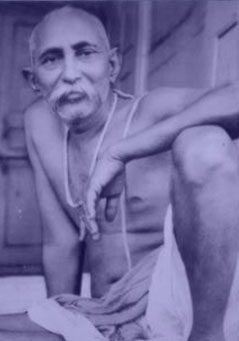
"id": 315,
"image": "https://kavishalalab.s3.ap-south-1.amazonaws.com/sootradhar_author/siwadin.jpg",
"name": "Shivadin Ram Joshi",
"bio": "शिवदीन राम जोशी (जन्म : १० जून १९२१, खंडेला, सीकर जिला) एक भारतीय कवि थे। उनके साहित्य में सवैया, मनहर, मतगयंद, कुंडली छंद और कवित्त का प्रयोग तथा धमाल, भजन और गजलों का समावेश है। पद्यात्मक रचनाओं का विषय ज्ञान, वैराग्य, प्रेम, प्रकृति चित्रण, प्रार्थना और उपदेश के साथ-साथ समाज में व्याप्त कुरीतियों, पाखंड, भ्रष्टाचार एवं काल चिंतन उनके साहित्य का मुख्य केंद्र रहे हैं। उनके साहित्य की भाषा ब्रज मिश्रित हिंदी है। कहीं कहीं राजस्थानी, उर्दू और फारसी शब्दों के अलावा अंग्रेजी के शब्दों का भी प्रयोग हुआ है। जोशी का अधिकांश साहित्य अप्रकाशित है।\r\n\r\n साहित्य सृजन छंद लहर, अनुभवलहर और कृष्ण सुदामा चरित्र उनकी प्रकाशित कृतियाँ है। आकाशवाणी जयपुर तथा अजमेर से उनकी रचनाओं का प्रसारण भी हुआ है। राजस्थानी भाषा के साहित्यकार गोरधन सिंह शेखावत द्वारा संपादित शेखावाटी के साहित्यकार व रघुनाथ प्रसाद तिवारी 'उमंग' के ग्रंथ खंडेला क्षेत्र का सांस्कृतिकवैभव में भी जोशी का वर्णन है। २७ जुलाई २००६ को उनकी मृत्यु हो गई।",
"raw_bio": "शिवदीन राम जोशी (जन्म : १० जून १९२१, खंडेला, सीकर जिला) एक भारतीय कवि थे। उनके साहित्य में सवैया, मनहर, मतगयंद, कुंडली छंद और कवित्त का प्रयोग तथा धमाल, भजन और गजलों का समावेश है। पद्यात्मक रचनाओं का विषय ज्ञान, वैराग्य, प्रेम, प्रकृति चित्रण, प्रार्थना और उपदेश के साथ-साथ समाज में व्याप्त कुरीतियों, पाखंड, भ्रष्टाचार एवं काल चिंतन उनके साहित्य का मुख्य केंद्र रहे हैं। उनके साहित्य की भाषा ब्रज मिश्रित हिंदी है। कहीं कहीं राजस्थानी, उर्दू और फारसी शब्दों के अलावा अंग्रेजी के शब्दों का भी प्रयोग हुआ है। जोशी का अधिकांश साहित्य अप्रकाशित है।\r \r साहित्य सृजन छंद लहर, अनुभवलहर और कृष्ण सुदामा चरित्र उनकी प्रकाशित कृतियाँ है। आकाशवाणी जयपुर तथा अजमेर से उनकी रचनाओं का प्रसारण भी हुआ है। राजस्थानी भाषा के साहित्यकार गोरधन सिंह शेखावत द्वारा संपादित शेखावाटी के साहित्यकार व रघुनाथ प्रसाद तिवारी 'उमंग' के ग्रंथ खंडेला क्षेत्र का सांस्कृतिकवैभव में भी जोशी का वर्णन है। २७ जुलाई २००६ को उनकी मृत्यु हो गई।",
"slug": "shivadin-ram-joshi",
"DOB": "1921-06-10",
"DateOfDemise": "2006-07-27",
"location": null,
"url": "/sootradhar/shivadin-ram-joshi",
"tags": null,
"created": "2023-09-22T12:40:59.943493",
"is_has_special_post": true,
"is_special_author": false,
"language": 4
},
{
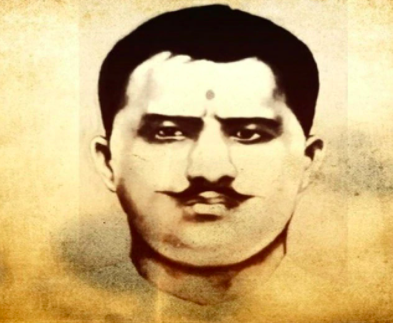
"id": 316,
"image": "https://kavishalalab.s3.ap-south-1.amazonaws.com/sootradhar_author/Screenshot_2020-06-11_at_12.29.12_PM.png",
"name": "Ram Prasad Bismil",
"bio": "DescriptionRam Prasad Bismil was an Indian revolutionary who participated in Mainpuri conspiracy of 1918, and the Kakori conspiracy of 1925, and struggled against British imperialism. Bismil was hanged on 19 December 1927 by the British for his revolutionary activities",
"raw_bio": "DescriptionRam Prasad Bismil was an Indian revolutionary who participated in Mainpuri conspiracy of 1918, and the Kakori conspiracy of 1925, and struggled against British imperialism. Bismil was hanged on 19 December 1927 by the British for his revolutionary activities",
"slug": "ram-prasad-bismil",
"DOB": "1897-06-11",
"DateOfDemise": "1927-12-19",
"location": "Shahjahanpur",
"url": "/sootradhar/ram-prasad-bismil",
"tags": null,
"created": "2023-09-22T12:41:01.545557",
"is_has_special_post": true,
"is_special_author": false,
"language": 4
},
{
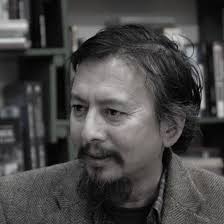
"id": 317,
"image": "https://kavishalalab.s3.ap-south-1.amazonaws.com/sootradhar_author/mohan_rana.jpg",
"name": "Mohan Rana",
"bio": "Mohan Rana (Hindi: मोहन राणा; born 9 March 1964) is a Hindi language poet from India. He has published eight poetry collections in Hindi. His poems have been translated and published by the Poetry Translation Centre.\r\n\r\nLiterary career :- The poet and critic, Nand Kishore Acharya, has written about Mohan Rana's poetry that, \"Amongst the new generation of Hindi poets, the poetry of Mohan Rana stands alone; it defies any categorisation. However, its refusal to fit any ideology doesn't mean that Mohan Rana's poetry shies away from thinking - but that it knows the difference between thinking in verse and thinking about poetry. For Mohan Rana the poetic process in itself is also thought process\".\r\n\r\nA bilingual chapbook \"Poems\", an eclectic selection of fifteen poems, translated from Hindi by Lucy Rosenstein and Bernard O'Donoghue was published by the poetry translations center London in June 2011. Sarah Maguire writes, ‘Mohan Rana’s vivid and accessible poems probe profound philosophical questions through the simple, everyday imagery of stars, birds, rain and shirts. These deceptively understated, haunting poems, have been beautifully rendered into English by the distinguished Irish poet, Bernard O’Donoghue, working closely with the translator, Lucy Rosenstein and Mohan himself.\r\n\r\nThe Chapbook \"Poems\" was world literature tour recommendation in the Guardian, \"His poems offer an intriguing bridge between two cultures; a sense of dislocation alongside a sense of place.\"",
"raw_bio": "Mohan Rana (Hindi: मोहन राणा; born 9 March 1964) is a Hindi language poet from India. He has published eight poetry collections in Hindi. His poems have been translated and published by the Poetry Translation Centre.\r \r Literary career :- The poet and critic, Nand Kishore Acharya, has written about Mohan Rana's poetry that, \"Amongst the new generation of Hindi poets, the poetry of Mohan Rana stands alone; it defies any categorisation. However, its refusal to fit any ideology doesn't mean that Mohan Rana's poetry shies away from thinking - but that it knows the difference between thinking in verse and thinking about poetry. For Mohan Rana the poetic process in itself is also thought process\".\r \r A bilingual chapbook \"Poems\", an eclectic selection of fifteen poems, translated from Hindi by Lucy Rosenstein and Bernard O'Donoghue was published by the poetry translations center London in June 2011. Sarah Maguire writes, ‘Mohan Rana’s vivid and accessible poems probe profound philosophical questions through the simple, everyday imagery of stars, birds, rain and shirts. These deceptively understated, haunting poems, have been beautifully rendered into English by the distinguished Irish poet, Bernard O’Donoghue, working closely with the translator, Lucy Rosenstein and Mohan himself.\r \r The Chapbook \"Poems\" was world literature tour recommendation in the Guardian, \"His poems offer an intriguing bridge between two cultures; a sense of dislocation alongside a sense of place.\"",
"slug": "mohan-rana",
"DOB": "1964-03-09",
"DateOfDemise": null,
"location": null,
"url": "/sootradhar/mohan-rana",
"tags": null,
"created": "2023-09-22T12:41:03.280135",
"is_has_special_post": true,
"is_special_author": false,
"language": 4
},
{
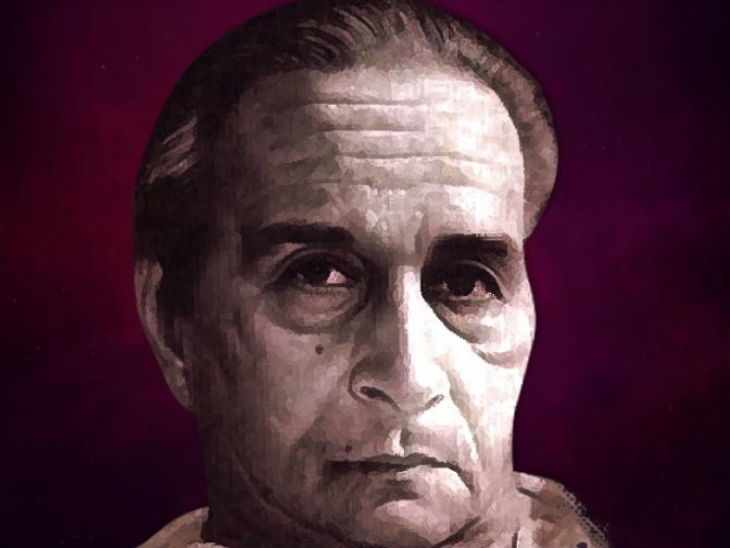
"id": 318,
"image": "https://kavishalalab.s3.ap-south-1.amazonaws.com/sootradhar_author/0521_hari.webp",
"name": "Harishankar Parsai",
"bio": "<center>\r\n<iframe width=\"80%\" height=\"400px\" src=\"https://www.youtube.com/embed/FWb-rtI570g\" title=\"YouTube video player\" frameborder=\"0\" allow=\"accelerometer; autoplay; clipboard-write; encrypted-media; gyroscope; picture-in-picture\" allowfullscreen></iframe>\r\n</center>\r\n<hr>\r\nHarishankar Parsai was a Hindi writer. He was a noted satirist and humorist of modern Hindi literature and is known for his simple and direct style. He wrote vyangya. He was born in Jamani village near Itarsi in Hoshangabad district, Madhya Pradesh. He completed his M.A. in Hindi from R.T.M. Nagpur University\r\n<br>\r\n<p><em>Satires</em>:</p>\r\n<ul>\r\n<li>Viklaang Shraddhaa ka daur (विकलांग श्रद्धा का दौर)</li>\r\n<li>Do Naak Waale Log (दो नाक वाले लोग)</li>\r\n<li>Aadhyaatmik Paagalon Ka Mishan (आध्यात्मिक पागलों का मिशन)</li>\r\n<li>Kraantikaaree Kee Katha (क्रांतिकारी की कथा)</li>\r\n<li>Pavitrata Ka Daura (पवित्रता का दौरा)</li>\r\n<li>Pulis-Mantree Ka Putala (पुलिस-मंत्री का पुतला)</li>\r\n<li>Vah Jo Aadamee Hai Na (वह जो आदमी है न)</li>\r\n<li>Naya Saal (नया साल)</li>\r\n<li>Ghaayal Basant (घायल बसंत)</li>\r\n<li>Sanskrti (संस्कृति)</li>\r\n<li>Baaraat Kee Vaapasee (बारात की वापसी)</li>\r\n<li>Greeting Kaard Aur Raashan Kaard (ग्रीटिंग कार्ड और राशन कार्ड)</li>\r\n<li>Ukhde Khambhe (उखड़े खंभे)</li>\r\n<li>Sharm Kee Baat Par Taalee Peetana (शर्म की बात पर ताली पीटना)</li>\r\n<li>Pitane-Pitane Mein Phark (पिटने-पिटने में फर्क)</li>\r\n<li>Badachalan (बदचलन)</li>\r\n<li>Ek Ashuddh Bevakooph (एक अशुद्ध बेवकूफ)</li>\r\n<li>Bhaarat Ko Chaahie Jaadoogar Aur Saadhu (भारत को चाहिए जादूगर और साधु)</li>\r\n<li>Bhagat Kee Gat (भगत की गत)</li>\r\n<li>Mundan (मुंडन)</li>\r\n<li>Inspektar Maataadeen Chaand Par (इंस्पेक्टर मातादीन चांद पर)</li>\r\n<li>Khetee (खेती)</li>\r\n<li>Ek Madhyamavargeey Kutta (एक मध्यमवर्गीय कुत्ता)</li>\r\n<li>Sudaama Ka Chaaval (सुदामा का चावल)</li>\r\n<li>Akaal Utsav (अकाल उत्सव)</li>\r\n<li>Khatare Aise Bhee (खतरे ऐसे भी)</li>\r\n<li>Kandhe Shravanakumaar Ke (कंधे श्रवणकुमार के)</li>\r\n<li>Das Din Ka Anashan (दस दिन का अनशन)</li>\r\n<li>Apeel Ka Jaadoo (अपील का जादू)</li>\r\n<li>Bheden Aur Bhediye (भेड़ें और भेड़िये)</li>\r\n<li>Bus ki Yatra (बस की यात्रा)</li>\r\n</ul>\r\n<p><em>Essay Writings</em>:</p>\r\n<ul>\r\n<li>Aavaara Bheed Ke Khatare (आवारा भीड़ के खतरे)</li>\r\n<li>Aisa Bhee Socha Jaata Hai (ऐसा भी सोचा जाता है)</li>\r\n<li>Apni apni Beemari (अपनी अपनी बीमारी)</li>\r\n<li>Maatee Kahe Kumhaar Se (माटी कहे कुम्हार से)</li>\r\n<li>Kaag Bhagoda (काग भगोड़ा)</li>\r\n<li>Sadāchār Kā Taabij (सदाचार का तावीज़)</li>\r\n<li>Premchand Ke Phaté Jootey (प्रेमचंद के फटे जूते)</li>\r\n<li>Vaishnav Ki Fislan (वैष्णव की फ़िसलन)</li>\r\n<li>Thithurtā Huā Ganatantra (ठिठुरता हुआ गणतन्त्र)</li>\r\n<li>Pagadandiyon Ka Zamaana (पगडंडियों का ज़माना)</li>\r\n<li>Shikayat Mujhe bhi hai (शिकायत मुझे भी है)</li>\r\n<li>Tulaseedaas Chandan Ghisain (तुलसीदास चन्दन घिसैं)</li>\r\n<li>Ham Ek Umr Se Vaaqif Hain (हम एक उम्र से वाक़िफ़ हैं)</li>\r\n<li>Tab Kee Baat Aur Thee (तब की बात और थी)</li>\r\n<li>Bhoot Ke Paon Peeche (भूत के पाँव पीछे)</li>\r\n<li>Beeemaanee Kee Parat (बेईमानी की परत)</li>\r\n</ul>\r\n<p><em>Short Stories</em>:</p>\r\n<ul>\r\n<li>Jaisé Unké Din Firé (जैसे उनके दिन फिरे) (Short Story Collection)</li>\r\n<li>Bholārām kā Jeev (भोलाराम का जीव)</li>\r\n<li>Hanste Hai Rote Hai(हँसते हैंं रोते हैंं) (Short Story Collection)</li>\r\n</ul>\r\n<p><em>Children's Literature</em>:</p>\r\n<ul>\r\n<li>Chuha Aur Mein (चूहा और मैं)</li>\r\n</ul>\r\n<p><em>Letters</em>:</p>\r\n<ul>\r\n<li>Mayaraam Surjan (मायाराम सुरजन)</li>\r\n</ul>\r\n<p><em>Novels</em>:</p>\r\n<ul>\r\n<li>Jwala Aur Jal (ज्वाला और जल)</li>\r\n<li>Tat Ki Khoj (तट की खोज)</li>\r\n<li>Rani Naagphani Ki Kahani (रानी नागफनी की कहानी)</li>\r\n</ul>\r\n<p><em>Memoirs</em>:</p>\r\n<ul>\r\n<li>Tirchchi Rekhayein (तिरछी रेखाएं)</li>\r\n<li>Marna Koi Haar Nahi Hoti (मरना कोई हार नहीं होती)</li>\r\n<li>Seedhe-Sade Aur Jatil Muktibodh (सीधे-सादे और जटिल मुक्तिबोध)</li>\r\n</ul>\r\n<p><em>Anecdotes</em>:</p>\r\n<ul>\r\n<li>Chande Ka Dar (चंदे का डर)</li>\r\n<li>Apna-Paraya (अपना-पराया)</li>\r\n<li>Daanee (दानी)</li>\r\n<li>Rasoi Ghar Aur Paikhana (रसोई घर और पैखाना)</li>\r\n<li>Sudhaar (सुधार)</li>\r\n<li>Samjhauta (समझौता)</li>\r\n<li>Yas Sir (यस सर)</li>\r\n<li>Ashleel (अश्लील)</li>\r\n</ul>",
"raw_bio": " \r Harishankar Parsai was a Hindi writer. He was a noted satirist and humorist of modern Hindi literature and is known for his simple and direct style. He wrote vyangya. He was born in Jamani village near Itarsi in Hoshangabad district, Madhya Pradesh. He completed his M.A. in Hindi from R.T.M. Nagpur University\r Satires : Viklaang Shraddhaa ka daur (विकलांग श्रद्धा का दौर) Do Naak Waale Log (दो नाक वाले लोग) Aadhyaatmik Paagalon Ka Mishan (आध्यात्मिक पागलों का मिशन) Kraantikaaree Kee Katha (क्रांतिकारी की कथा) Pavitrata Ka Daura (पवित्रता का दौरा) Pulis-Mantree Ka Putala (पुलिस-मंत्री का पुतला) Vah Jo Aadamee Hai Na (वह जो आदमी है न) Naya Saal (नया साल) Ghaayal Basant (घायल बसंत) Sanskrti (संस्कृति) Baaraat Kee Vaapasee (बारात की वापसी) Greeting Kaard Aur Raashan Kaard (ग्रीटिंग कार्ड और राशन कार्ड) Ukhde Khambhe (उखड़े खंभे) Sharm Kee Baat Par Taalee Peetana (शर्म की बात पर ताली पीटना) Pitane-Pitane Mein Phark (पिटने-पिटने में फर्क) Badachalan (बदचलन) Ek Ashuddh Bevakooph (एक अशुद्ध बेवकूफ) Bhaarat Ko Chaahie Jaadoogar Aur Saadhu (भारत को चाहिए जादूगर और साधु) Bhagat Kee Gat (भगत की गत) Mundan (मुंडन) Inspektar Maataadeen Chaand Par (इंस्पेक्टर मातादीन चांद पर) Khetee (खेती) Ek Madhyamavargeey Kutta (एक मध्यमवर्गीय कुत्ता) Sudaama Ka Chaaval (सुदामा का चावल) Akaal Utsav (अकाल उत्सव) Khatare Aise Bhee (खतरे ऐसे भी) Kandhe Shravanakumaar Ke (कंधे श्रवणकुमार के) Das Din Ka Anashan (दस दिन का अनशन) Apeel Ka Jaadoo (अपील का जादू) Bheden Aur Bhediye (भेड़ें और भेड़िये) Bus ki Yatra (बस की यात्रा) Essay Writings : Aavaara Bheed Ke Khatare (आवारा भीड़ के खतरे) Aisa Bhee Socha Jaata Hai (ऐसा भी सोचा जाता है) Apni apni Beemari (अपनी अपनी बीमारी) Maatee Kahe Kumhaar Se (माटी कहे कुम्हार से) Kaag Bhagoda (काग भगोड़ा) Sadāchār Kā Taabij (सदाचार का तावीज़) Premchand Ke Phaté Jootey (प्रेमचंद के फटे जूते) Vaishnav Ki Fislan (वैष्णव की फ़िसलन) Thithurtā Huā Ganatantra (ठिठुरता हुआ गणतन्त्र) Pagadandiyon Ka Zamaana (पगडंडियों का ज़माना) Shikayat Mujhe bhi hai (शिकायत मुझे भी है) Tulaseedaas Chandan Ghisain (तुलसीदास चन्दन घिसैं) Ham Ek Umr Se Vaaqif Hain (हम एक उम्र से वाक़िफ़ हैं) Tab Kee Baat Aur Thee (तब की बात और थी) Bhoot Ke Paon Peeche (भूत के पाँव पीछे) Beeemaanee Kee Parat (बेईमानी की परत) Short Stories : Jaisé Unké Din Firé (जैसे उनके दिन फिरे) (Short Story Collection) Bholārām kā Jeev (भोलाराम का जीव) Hanste Hai Rote Hai(हँसते हैंं रोते हैंं) (Short Story Collection) Children's Literature : Chuha Aur Mein (चूहा और मैं) Letters : Mayaraam Surjan (मायाराम सुरजन) Novels : Jwala Aur Jal (ज्वाला और जल) Tat Ki Khoj (तट की खोज) Rani Naagphani Ki Kahani (रानी नागफनी की कहानी) Memoirs : Tirchchi Rekhayein (तिरछी रेखाएं) Marna Koi Haar Nahi Hoti (मरना कोई हार नहीं होती) Seedhe-Sade Aur Jatil Muktibodh (सीधे-सादे और जटिल मुक्तिबोध) Anecdotes : Chande Ka Dar (चंदे का डर) Apna-Paraya (अपना-पराया) Daanee (दानी) Rasoi Ghar Aur Paikhana (रसोई घर और पैखाना) Sudhaar (सुधार) Samjhauta (समझौता) Yas Sir (यस सर) Ashleel (अश्लील) ",
"slug": "harishankar-parsai",
"DOB": "1924-08-22",
"DateOfDemise": "1995-08-10",
"location": "Itarasi, India",
"url": "/sootradhar/harishankar-parsai",
"tags": "",
"created": "2023-09-22T12:18:39.361533",
"is_has_special_post": false,
"is_special_author": false,
"language": 4
},
{
"id": 319,
"image": "https://kavishalalab.s3.ap-south-1.amazonaws.com/sootradhar_author/Gulzar_dehlvi.jpg",
"name": "Gulzar Dehlavi",
"bio": "Anand Mohan Zutshi Gulzar Dehlavi (Urdu: آنند موھن زتشی گلزار دہلوی; Hindi: आनंद मोहन जुत्शी गुलजार आनंद मोहन जुत्शी गुलजार देहलवी) (7 July 1926 – 12 June 2020) was a prominent veteran Urdu poet, a celebrated scholar, and journalist. He was honored by the vice president of India on his 91st birthday for his invaluable contribution towards Urdu Poetry. He devoted his entire life to the service of Urdu, for which he was felicitated by various prominent personalities. He served as the pioneering editor of the first Urdu science magazine named \"Science Ki Dunya,\" which was launched in 1975 after the partition of India.",
"raw_bio": "Anand Mohan Zutshi Gulzar Dehlavi (Urdu: آنند موھن زتشی گلزار دہلوی; Hindi: आनंद मोहन जुत्शी गुलजार आनंद मोहन जुत्शी गुलजार देहलवी) (7 July 1926 – 12 June 2020) was a prominent veteran Urdu poet, a celebrated scholar, and journalist. He was honored by the vice president of India on his 91st birthday for his invaluable contribution towards Urdu Poetry. He devoted his entire life to the service of Urdu, for which he was felicitated by various prominent personalities. He served as the pioneering editor of the first Urdu science magazine named \"Science Ki Dunya,\" which was launched in 1975 after the partition of India.",
"slug": "gulzar-dehlavi",
"DOB": "1926-07-07",
"DateOfDemise": "2020-06-12",
"location": null,
"url": "/sootradhar/gulzar-dehlavi",
"tags": null,
"created": "2023-09-22T12:41:04.236638",
"is_has_special_post": true,
"is_special_author": false,
"language": 4
},
{
"id": 325,
"image": "https://kavishalalab.s3.ap-south-1.amazonaws.com/sootradhar_author/Screenshot_2020-06-15_at_9.26.05_PM.png",
"name": "Vinod Kumar Shukla",
"bio": "Vinod Kumar Shukla is a modern Hindi writer known for his style that often borders on magic-realism. His works include the novels Naukar ki Kameez and Deewar Mein Ek Khirkee Rahati Thi, which won the Sahitya Akademi Award for the best Hindi work in 1999.",
"raw_bio": "Vinod Kumar Shukla is a modern Hindi writer known for his style that often borders on magic-realism. His works include the novels Naukar ki Kameez and Deewar Mein Ek Khirkee Rahati Thi, which won the Sahitya Akademi Award for the best Hindi work in 1999.",
"slug": "vinod-kumar-shukla",
"DOB": "1937-01-01",
"DateOfDemise": null,
"location": "Rajnandgaon",
"url": "/sootradhar/vinod-kumar-shukla",
"tags": null,
"created": "2023-09-22T12:18:39.394203",
"is_has_special_post": false,
"is_special_author": false,
"language": 4
},
{
"id": 328,
"image": "https://kavishalalab.s3.ap-south-1.amazonaws.com/sootradhar_author/Pawan_karan.jpg",
"name": "Pawan Karan",
"bio": "Pawan Karan (June 18, 1964) is an Indian poet, columnist, editor, social and political analyst and “one of the major poets of early 21st century”.He is highly regarded for his realistic depiction of women's life in Indian society. Apart that his poems written against subjects like imperialism, capitalism, religion fanatics,[4] social beliefs of caste based society and orthodox customs are highly appreciated as well, because of them he constantly becomes a target of religious fanatics, orthodox social view and politics and long-established norms of Indian society.\r\n<a target=\"blaank\" href=\"https://en.wikipedia.org/wiki/Pawan_Karan\"><Wikipedia</a>",
"raw_bio": "Pawan Karan (June 18, 1964) is an Indian poet, columnist, editor, social and political analyst and “one of the major poets of early 21st century”.He is highly regarded for his realistic depiction of women's life in Indian society. Apart that his poems written against subjects like imperialism, capitalism, religion fanatics,[4] social beliefs of caste based society and orthodox customs are highly appreciated as well, because of them he constantly becomes a target of religious fanatics, orthodox social view and politics and long-established norms of Indian society.\r ",
"slug": "pawan-karan",
"DOB": "1964-06-18",
"DateOfDemise": null,
"location": "Gwalior, Madhya Pradesh",
"url": "/sootradhar/pawan-karan",
"tags": null,
"created": "2023-09-22T12:41:05.174754",
"is_has_special_post": true,
"is_special_author": false,
"language": 4
},
{
"id": 332,
"image": "https://kavishalalab.s3.ap-south-1.amazonaws.com/sootradhar_author/Screenshot_2020-06-21_at_10.41.52_PM.png",
"name": "Vishnu Prabhakar",
"bio": "<br>\r\nVishnu Prabhakar was a Hindi writer. He had several short stories, novels, plays and travelogues to his credit. Prabhakar's works have elements of patriotism, nationalism and messages of social upliftment.<br>\r\nHe was awarded the Sahitya Akademi Award in 1993, Mahapandit Rahul Sankrityayan Award in 1995 and the Padma Bhushan (the third highest civilian honour of India) by the Government of India in 2004.<br>\r\n<h3><span id=\"Novels\" class=\"mw-headline\">Novels</span></h3>\r\n<ol>\r\n<li>Dhalti Raat, 1951</li>\r\n<li>Nishikant, 1955</li>\r\n<li>Tat Ke Bandhan, 1955</li>\r\n<li>Swapnmayi, 1956</li>\r\n<li>Darpan Ka Vyakti, 1968</li>\r\n<li>Parchhai, 1968</li>\r\n<li>Koi To, 1980</li>\r\n<li>Ardhnarishwar, 1992</li>\r\n</ol>\r\n<h3><span id=\"Story_Collections\" class=\"mw-headline\">Story Collections</span></h3>\r\n<ol>\r\n<li>Ek Kahani Ka Janam (एक कहानी का जन्म) (Collection of his Love Stories), 2008</li>\r\n<li>Aadi Aur Ant, 1945</li>\r\n<li>Rehman Ka Beta, 1947</li>\r\n<li>Zindagi Ke Thapede, 1952</li>\r\n<li>Sangharsh Ke Baad, 1953</li>\r\n<li>Dharti Ab Bhi Ghoom Rahi Hai, 1959</li>\r\n<li>Safar Ke Saathi, 1960</li>\r\n<li>Khandit Pooja, 1960</li>\r\n<li>Sanche Aur Kala, 1962</li>\r\n<li>Meri Tentis Kahaniya, 1967</li>\r\n<li>Meri Priya Kahaniya, 1970</li>\r\n<li>Pul Tootne Se Pehle, 1977,</li>\r\n<li>Mera Watan (मेरा वतन), 1980,</li>\r\n<li>Meri Lokpriya Kahaniya, 1981</li>\r\n<li>Meri Badrinath Yatra</li>\r\n<li>Khilone, 1981</li>\r\n<li>Aapki Kripa (Short Stories), 1982</li>\r\n<li>Meri Kahaniya, 1984</li>\r\n<li>Meri Kathayatra, 1984</li>\r\n<li>Ek Aur Kunti, 1985</li>\r\n<li>Zindagi Ek Rehearsal, 1986</li>\r\n</ol>\r\n<dl>\r\n<dt>\r\n<dl>\r\n<dt>\r\n<dl>\r\n<dt>\r\n<dl>\r\n<dt>\r\n<dl>\r\n<dt>\r\n<dl>\r\n<dt>\r\n<dl>\r\n<dt>\r\n<dl>\r\n<dt>\r\n<dl>\r\n<dt>\r\n<dl>\r\n<dt>\r\n<dl>\r\n<dt>\r\n<dl>\r\n<dt>\r\n<dl>\r\n<dt>\r\n<dl>\r\n<dt>\r\n<dl>\r\n<dt>\r\n<dl>\r\n<dt></dt>\r\n</dl>\r\n</dt>\r\n</dl>\r\n</dt>\r\n</dl>\r\n</dt>\r\n</dl>\r\n</dt>\r\n</dl>\r\n</dt>\r\n</dl>\r\n</dt>\r\n</dl>\r\n</dt>\r\n</dl>\r\n</dt>\r\n</dl>\r\n</dt>\r\n</dl>\r\n</dt>\r\n</dl>\r\n</dt>\r\n</dl>\r\n</dt>\r\n</dl>\r\n</dt>\r\n</dl>\r\n</dt>\r\n</dl>\r\n</dt>\r\n</dl>\r\n<h3><span id=\"Poetry\" class=\"mw-headline\">Poetry</span></h3>\r\n<ol>\r\n<li>Chalta Chala Jaonga, 2010</li>\r\n</ol>\r\n<h3><span id=\"Plays\" class=\"mw-headline\">Plays</span></h3>\r\n<ol>\r\n<li>Naprabhat, 1951</li>\r\n<li>Samaadhi (Gaandhar Ki Bhikshuni), 1952</li>\r\n<li>Doctor, 1961</li>\r\n<li>Yuge-Yuge Kranti, 1969</li>\r\n<li>Toot-te Parivesh, 1974</li>\r\n<li>Kuhaasa Aur Kiran, 1975</li>\r\n<li>Tagar, 1977</li>\r\n<li>Bandini(बंदिनी), 1979</li>\r\n<li>Satta Ke Aar-Paar, 1981</li>\r\n<li>Ab Aur Nahin, 1981</li>\r\n<li>Shwet Kamal, 1984</li>\r\n<li>Keral Ka Krantikari, 1987</li>\r\n<li>Vishnu Prabhkar : Sampurna Natak (Part-1,2,3), 1987</li>\r\n<li>Pustak Kit</li>\r\n<li>Seema rekha</li>\r\n<li>Sanskar aur Bhavna</li>\r\n</ol>\r\n<h3><span id=\"Biographies_.E2.80.93_Memories\"></span><span id=\"Biographies_–_Memories\" class=\"mw-headline\">Biographies – Memories</span></h3>\r\n<ol>\r\n<li>Jaane Anjaane, 1961</li>\r\n<li>Kuchh Shabd : Kuchh Rekhaayen, 1965</li>\r\n<li>Aawara Masiha, 1974</li>\r\n<li>Amar Shahid <a title=\"Bhagat Singh\" href=\"https://en.wikipedia.org/wiki/Bhagat_Singh\">Bhagat Singh</a>, 1976</li>\r\n<li>Sardar <a title=\"Vallabhbhai Patel\" href=\"https://en.wikipedia.org/wiki/Vallabhbhai_Patel\">Vallabhbhai Patel</a>, 1976</li>\r\n<li>Swami <a title=\"Dayananda Saraswati\" href=\"https://en.wikipedia.org/wiki/Dayananda_Saraswati\">Dayananda Saraswati</a>, 1978</li>\r\n<li>Yadaun Ki Teerthyatra, 1981</li>\r\n<li>Shuchi Smita, 1982</li>\r\n<li>Mere Agraj : Mere Meet, 1983</li>\r\n<li>Samantar Rekhaayen, 1984</li>\r\n<li>Hum Inke Rini Hain, 1984</li>\r\n<li>Mere Humsafar, 1985</li>\r\n<li>Rah Chalte-Chalte, 1985</li>\r\n<li><a title=\"Kaka Kalelkar\" href=\"https://en.wikipedia.org/wiki/Kaka_Kalelkar\">Kaka Kalelkar</a>, 1985</li>\r\n</ol>\r\n<h3><span id=\"Essays\" class=\"mw-headline\">Essays</span></h3>\r\n<ol>\r\n<li>Jan-Samaj Aur Sanskriti : Ek Samgra Drishti, 1981</li>\r\n<li>Kya Khoya Kya Paya, 1982</li>\r\n</ol>\r\n<h3><span id=\"Children.27s_Literature\"></span><span id=\"Children's_Literature\" class=\"mw-headline\">Children's Literature</span></h3>\r\n<ol>\r\n<li>Imandar Balak</li>\r\n<li>Mote Lal, 1955</li>\r\n<li>Kunti Ke Bete, 1958</li>\r\n<li>Ramu Ki Holi, 1959</li>\r\n<li>Dada Ki Kachehari, 1959</li>\r\n<li>Sharachandra, 1959</li>\r\n<li>Jab Didi Bhoot Bani, 1960</li>\r\n<li>Jeevan Parag, 1963</li>\r\n<li>Bankimchandra, 1968</li>\r\n<li>Abhinav Ekanki, 1968</li>\r\n<li>Abhinay Ekanki, 1969</li>\r\n<li>Swaraj Ki Kahani, 1971</li>\r\n<li>Hadtaal, 1972</li>\r\n<li>Jaadu Ki Gaay, 1972</li>\r\n<li>Ghamand Ka Phal, 1973</li>\r\n<li>Nutan Baal Ekanki, 1975</li>\r\n<li>Heere Ki Pehchaan, 1976</li>\r\n<li>Motiyon Ki Kheti, 1976</li>\r\n<li>Paap Ka Ghada, 1976</li>\r\n<li>Gudiya Kho Gayi, 1977</li>\r\n<li>Aise-Aise, 1978</li>\r\n<li>Tapovan Ki Kahaniyan</li>\r\n<li>Pahad Chade Gajanand Lal, 1981</li>\r\n<li>Balvarsha Zindabad, 1981</li>\r\n<li>Khoya Hua Ratan (खोया हुआ रत्न), 2008</li>\r\n<li>Pustak Keet</li>\r\n</ol>\r\n<h3><span id=\"Miscellaneous\" class=\"mw-headline\">Miscellaneous</span></h3>\r\n<ol>\r\n<li>Baapu Ki Batein, 1954</li>\r\n<li>Hajrat Umar 1955</li>\r\n<li>Meri badrinath ki yatra, 1955</li>\r\n<li>Kasturba Gandhi, 1955</li>\r\n<li>Aise Thai Sardar, 1957</li>\r\n<li>Ha-Du-Al Rashid, 1957</li>\r\n<li>Hamare Padosi, 1957</li>\r\n<li>Man Ke Jeete Jeet, 1957</li>\r\n<li>Murabbi, 1957</li>\r\n<li>Kumhar Ki Beti, 1957</li>\r\n<li>Baajiprabhu Deshpande, 1957</li>\r\n<li>Shankracharya, 1959</li>\r\n<li>Yamuna Ki Kahani, 1960</li>\r\n<li>Ravindranath Thakur, 1961</li>\r\n<li>Pehla Sukh : Nirogi Kaya, 1963</li>\r\n<li>Main Achhoot Hoon, 1968</li>\r\n<li>Ek Desh : Ek Hridaya, 1973</li>\r\n<li>Manav Adhikar</li>\r\n<li>Nagarikta Ki Aur</li>\r\n</ol>\r\n<h3><span id=\"Others\" class=\"mw-headline\">Others</span></h3>\r\n<ul>\r\n<li><strong>Plays: </strong>Prakash aur Parchhaiyan, Barah Ekanki, Ashok</li>\r\n<li><strong>संस्मरण: </strong>हमसफ़र मिलते रहे</li>\r\n</ul>",
"raw_bio": "\r Vishnu Prabhakar was a Hindi writer. He had several short stories, novels, plays and travelogues to his credit. Prabhakar's works have elements of patriotism, nationalism and messages of social upliftment. \r He was awarded the Sahitya Akademi Award in 1993, Mahapandit Rahul Sankrityayan Award in 1995 and the Padma Bhushan (the third highest civilian honour of India) by the Government of India in 2004. Novels Dhalti Raat, 1951 Nishikant, 1955 Tat Ke Bandhan, 1955 Swapnmayi, 1956 Darpan Ka Vyakti, 1968 Parchhai, 1968 Koi To, 1980 Ardhnarishwar, 1992 Story Collections Ek Kahani Ka Janam (एक कहानी का जन्म) (Collection of his Love Stories), 2008 Aadi Aur Ant, 1945 Rehman Ka Beta, 1947 Zindagi Ke Thapede, 1952 Sangharsh Ke Baad, 1953 Dharti Ab Bhi Ghoom Rahi Hai, 1959 Safar Ke Saathi, 1960 Khandit Pooja, 1960 Sanche Aur Kala, 1962 Meri Tentis Kahaniya, 1967 Meri Priya Kahaniya, 1970 Pul Tootne Se Pehle, 1977, Mera Watan (मेरा वतन), 1980, Meri Lokpriya Kahaniya, 1981 Meri Badrinath Yatra Khilone, 1981 Aapki Kripa (Short Stories), 1982 Meri Kahaniya, 1984 Meri Kathayatra, 1984 Ek Aur Kunti, 1985 Zindagi Ek Rehearsal, 1986 Poetry Chalta Chala Jaonga, 2010 Plays Naprabhat, 1951 Samaadhi (Gaandhar Ki Bhikshuni), 1952 Doctor, 1961 Yuge-Yuge Kranti, 1969 Toot-te Parivesh, 1974 Kuhaasa Aur Kiran, 1975 Tagar, 1977 Bandini(बंदिनी), 1979 Satta Ke Aar-Paar, 1981 Ab Aur Nahin, 1981 Shwet Kamal, 1984 Keral Ka Krantikari, 1987 Vishnu Prabhkar : Sampurna Natak (Part-1,2,3), 1987 Pustak Kit Seema rekha Sanskar aur Bhavna Biographies – Memories Jaane Anjaane, 1961 Kuchh Shabd : Kuchh Rekhaayen, 1965 Aawara Masiha, 1974 Amar Shahid Bhagat Singh , 1976 Sardar Vallabhbhai Patel , 1976 Swami Dayananda Saraswati , 1978 Yadaun Ki Teerthyatra, 1981 Shuchi Smita, 1982 Mere Agraj : Mere Meet, 1983 Samantar Rekhaayen, 1984 Hum Inke Rini Hain, 1984 Mere Humsafar, 1985 Rah Chalte-Chalte, 1985 Kaka Kalelkar , 1985 Essays Jan-Samaj Aur Sanskriti : Ek Samgra Drishti, 1981 Kya Khoya Kya Paya, 1982 Children's Literature Imandar Balak Mote Lal, 1955 Kunti Ke Bete, 1958 Ramu Ki Holi, 1959 Dada Ki Kachehari, 1959 Sharachandra, 1959 Jab Didi Bhoot Bani, 1960 Jeevan Parag, 1963 Bankimchandra, 1968 Abhinav Ekanki, 1968 Abhinay Ekanki, 1969 Swaraj Ki Kahani, 1971 Hadtaal, 1972 Jaadu Ki Gaay, 1972 Ghamand Ka Phal, 1973 Nutan Baal Ekanki, 1975 Heere Ki Pehchaan, 1976 Motiyon Ki Kheti, 1976 Paap Ka Ghada, 1976 Gudiya Kho Gayi, 1977 Aise-Aise, 1978 Tapovan Ki Kahaniyan Pahad Chade Gajanand Lal, 1981 Balvarsha Zindabad, 1981 Khoya Hua Ratan (खोया हुआ रत्न), 2008 Pustak Keet Miscellaneous Baapu Ki Batein, 1954 Hajrat Umar 1955 Meri badrinath ki yatra, 1955 Kasturba Gandhi, 1955 Aise Thai Sardar, 1957 Ha-Du-Al Rashid, 1957 Hamare Padosi, 1957 Man Ke Jeete Jeet, 1957 Murabbi, 1957 Kumhar Ki Beti, 1957 Baajiprabhu Deshpande, 1957 Shankracharya, 1959 Yamuna Ki Kahani, 1960 Ravindranath Thakur, 1961 Pehla Sukh : Nirogi Kaya, 1963 Main Achhoot Hoon, 1968 Ek Desh : Ek Hridaya, 1973 Manav Adhikar Nagarikta Ki Aur Others Plays: Prakash aur Parchhaiyan, Barah Ekanki, Ashok संस्मरण: हमसफ़र मिलते रहे ",
"slug": "vishnu-prabhakar",
"DOB": "1912-06-21",
"DateOfDemise": "2009-04-21",
"location": "Miranpur",
"url": "/sootradhar/vishnu-prabhakar",
"tags": null,
"created": "2023-09-22T12:18:39.458770",
"is_has_special_post": false,
"is_special_author": false,
"language": 4
},
{
"id": 343,
"image": "https://kavishalalab.s3.ap-south-1.amazonaws.com/sootradhar_author/Nagarjun_1911-1998.jpg",
"name": "Nagarjun",
"bio": "Vaidyanath Mishra (30 June 1911 - 5 November 1998), better known by his pen name Nagarjun, was a Hindi and Maithili poet who has also penned a number of novels, short stories, literary biographies and travelogues, and was known as Janakavi- the People's Poet. He is regarded as the most prominent protagonist of modernity in Maithili. <br>\r\n<h3><span id=\"Early_life_and_education\" class=\"mw-headline\">Early life and education</span></h3>\r\n<p>Vaidyanath Mishra was born on 30 June 1911, in the village of Tarauni in <a class=\"mw-redirect\" title=\"Darbhanga District\" href=\"https://en.wikipedia.org/wiki/Darbhanga_District\">Darbhanga District</a> of <a title=\"Bihar\" href=\"https://en.wikipedia.org/wiki/Bihar\">Bihar</a>, India, he spent most of his days in his mother's village Satlakha of <a title=\"Madhubani district\" href=\"https://en.wikipedia.org/wiki/Madhubani_district\">Madhubani district</a>, Bihar. He later converted to <a title=\"Buddhism\" href=\"https://en.wikipedia.org/wiki/Buddhism\">Buddhism</a> and got the name <em>Nagarjun</em>. His mother died when he was only three, and his father being a <a class=\"mw-redirect\" title=\"Vagabond\" href=\"https://en.wikipedia.org/wiki/Vagabond\">vagabond</a> himself, couldn't support him so young Vaidyanath thrived on the support of his relatives, and the scholarships he won on the account of him being an exceptional student. Soon he became proficient in <a title=\"Sanskrit\" href=\"https://en.wikipedia.org/wiki/Sanskrit\">Sanskrit</a>, <a title=\"Pali\" href=\"https://en.wikipedia.org/wiki/Pali\">Pali</a> and <a title=\"Prakrit\" href=\"https://en.wikipedia.org/wiki/Prakrit\">Prakrit</a> languages, which he first learnt locally and later at <a title=\"Varanasi\" href=\"https://en.wikipedia.org/wiki/Varanasi\">Varanasi</a> and <a class=\"mw-redirect\" title=\"Calcutta\" href=\"https://en.wikipedia.org/wiki/Calcutta\">Calcutta</a>, where he was also semi-employed, while pursuing his studies. Meanwhile he married Aparajita Devi and the couple had six children.</p>\r\n<h3><span id=\"Career\" class=\"mw-headline\">Career</span></h3>\r\n<p>He started his literary career with <a title=\"Maithili language\" href=\"https://en.wikipedia.org/wiki/Maithili_language\">Maithili</a> poems by the pen-name of <strong>Yatri</strong> (यात्री) in the early 1930s. By the mid 1930s, he started writing poetry in Hindi. His first permanent job of a full-time teacher, took him to <a title=\"Saharanpur\" href=\"https://en.wikipedia.org/wiki/Saharanpur\">Saharanpur</a> (<a title=\"Uttar Pradesh\" href=\"https://en.wikipedia.org/wiki/Uttar_Pradesh\">Uttar Pradesh</a>), though he didn't stay there for long as his urge to delve deeper into Buddhist scriptures, took him to the Buddhist monastery at <a title=\"Kelaniya\" href=\"https://en.wikipedia.org/wiki/Kelaniya\">Kelaniya</a>, <a title=\"Sri Lanka\" href=\"https://en.wikipedia.org/wiki/Sri_Lanka\">Sri Lanka</a>, where in 1935, he became a <a title=\"Bhikkhu\" href=\"https://en.wikipedia.org/wiki/Bhikkhu\">Buddhist monk</a>, entered the <a class=\"mw-redirect\" title=\"Vihara\" href=\"https://en.wikipedia.org/wiki/Vihara\">monastery</a> and studied the scriptures, just as his mentor, <a title=\"Rahul Sankrityayan\" href=\"https://en.wikipedia.org/wiki/Rahul_Sankrityayan\">Rahul Sankrityayan</a> had done earlier, and hence took upon the name \"Nagarjun\". While at the monastery, he also studied <a title=\"Leninism\" href=\"https://en.wikipedia.org/wiki/Leninism\">Leninism</a> and <a title=\"Marxism\" href=\"https://en.wikipedia.org/wiki/Marxism\">Marxism</a> ideologies, before returning to India in 1938 to join 'Summer School of Politics' organised by noted peasant leader, <a title=\"Sahajanand Saraswati\" href=\"https://en.wikipedia.org/wiki/Sahajanand_Saraswati\">Sahajanand Saraswati</a>, founder of <a title=\"All India Kisan Sabha\" href=\"https://en.wikipedia.org/wiki/All_India_Kisan_Sabha\">Kisan Sabha</a>. A wanderer by nature, Nagarjun spent a considerable amount of his time in the 1930s and the 1940s travelling across India.</p>\r\n<p>He also participated in many mass-awakening movements before and after independence. Between 1939 and 1942, He was jailed by the British courts for leading a farmer's agitation in Bihar. For a long time after independence he was involved with journalism.</p>\r\n<p>He played an active role in <a title=\"Jayaprakash Narayan\" href=\"https://en.wikipedia.org/wiki/Jayaprakash_Narayan\">Jayaprakash Narayan</a>'s movement prior to the <a title=\"The Emergency (India)\" href=\"https://en.wikipedia.org/wiki/The_Emergency_(India)\">Emergency period</a> (1975–1977), and therefore was jailed for eleven months, during the emergency period. He was strongly influenced by Leninist-Marxist ideology. This was one of the reasons that he never found patronage from the mainstream political establishments.</p>\r\n<p>He died in 1998 at the age of 87 in <a title=\"Darbhanga\" href=\"https://en.wikipedia.org/wiki/Darbhanga\">Darbhanga</a>.</p>\r\n<p>Msu celebrate baba nagarjun।</p>\r\n<p>बाबा नागार्जुन और यात्री सम्मेलन।</p>\r\n\r\n<h2><span id=\"Major_literary_works\" class=\"mw-headline\">Major literary works</span></h2>\r\n<h3><span id=\"Poetry\" class=\"mw-headline\">Poetry</span></h3>\r\n<ul>\r\n<li>Yugdharao</li>\r\n<li>Kal aur Aaaj</li>\r\n<li>Satrange Pankhon Wali</li>\r\n<li>Talab ki Machhliyan</li>\r\n<li>Khichri Viplava Dekha Humne</li>\r\n<li>Hazar Hazar Bahon Wali</li>\r\n<li>Purani Juliyon Ka Coras</li>\r\n<li>Tumne Kaha Tha</li>\r\n<li>Akhir Aisa Kya Kah Diya Maine</li>\r\n<li>Is Gubare Ki Chhaya Mein.</li>\r\n<li>\"<a class=\"new\" title=\"Yeh Danturit Muskaan (page does not exist)\" href=\"https://en.wikipedia.org/w/index.php?title=Yeh_Danturit_Muskaan&action=edit&redlink=1\">Yeh Danturit Muskaan</a>\"</li>\r\n<li>Mein Military Ka Boodha Ghoda</li>\r\n<li>Ratnagarbha</li>\r\n<li>Aise bhi hum kya</li>\r\n<li>Bhool jao purane sapne</li>\r\n<li>Apne Khet Mein Chandana</li>\r\n<li>Fasal</li>\r\n<li>Akal aur Uske bad</li>\r\n<li>Harijan Gatha</li>\r\n<li>Badal ko ghirate Dekha hai</li>\r\n<li>Aaj main beej hoon</li>\r\n</ul>\r\n<h3><span id=\"Novels\" class=\"mw-headline\">Novels</span></h3>\r\n<ul>\r\n<li>Rati Nath Ki Chachi</li>\r\n<li>Balachnama</li>\r\n<li>Baba Bateshar Nath</li>\r\n<li>Himalaya ki betiya</li>\r\n<li>Nai Paudh</li>\r\n<li>Varun Ke Bete</li>\r\n<li>Dukh Mochan</li>\r\n<li>Ugratara</li>\r\n<li>Jamania Ka Baba</li>\r\n<li>Kumbhi Pak</li>\r\n<li>Paro and Asman Mein Chanda Tare.</li>\r\n<li>Abhinandan</li>\r\n<li>Imaratia</li>\r\n<li>Sita Usko</li>\r\n<li>Navturiya</li>\r\n</ul>\r\n<h3><span id=\"Essay_collections\" class=\"mw-headline\">Essay collections</span></h3>\r\n<ul>\r\n<li>Ant Hinam Kriyanam.</li>\r\n<li>Bum Bholenath</li>\r\n<li>Ayodhya ka raja</li>\r\n</ul>\r\n<h3><span id=\"Maithili_works\" class=\"mw-headline\">Maithili works</span></h3>\r\n<ul>\r\n<li>Patrahin Nagna Gachh (collection of poems)</li>\r\n<li>Chitra (collection of poems)</li>\r\n<li>Pparo(novel)</li>\r\n<li>Navturiya(novel)</li>\r\n<li>Balchnma(novel)</li>\r\n</ul>\r\n<ul>\r\n<li>His work on culture has been published in the form of books entitled <em>Desh Dashkam</em> and <em>Krishak Dashkam</em>.</li>\r\n</ul>",
"raw_bio": "Vaidyanath Mishra (30 June 1911 - 5 November 1998), better known by his pen name Nagarjun, was a Hindi and Maithili poet who has also penned a number of novels, short stories, literary biographies and travelogues, and was known as Janakavi- the People's Poet. He is regarded as the most prominent protagonist of modernity in Maithili. Early life and education Vaidyanath Mishra was born on 30 June 1911, in the village of Tarauni in Darbhanga District of Bihar , India, he spent most of his days in his mother's village Satlakha of Madhubani district , Bihar. He later converted to Buddhism and got the name Nagarjun . His mother died when he was only three, and his father being a vagabond himself, couldn't support him so young Vaidyanath thrived on the support of his relatives, and the scholarships he won on the account of him being an exceptional student. Soon he became proficient in Sanskrit , Pali and Prakrit languages, which he first learnt locally and later at Varanasi and Calcutta , where he was also semi-employed, while pursuing his studies. Meanwhile he married Aparajita Devi and the couple had six children. Career He started his literary career with Maithili poems by the pen-name of Yatri (यात्री) in the early 1930s. By the mid 1930s, he started writing poetry in Hindi. His first permanent job of a full-time teacher, took him to Saharanpur ( Uttar Pradesh ), though he didn't stay there for long as his urge to delve deeper into Buddhist scriptures, took him to the Buddhist monastery at Kelaniya , Sri Lanka , where in 1935, he became a Buddhist monk , entered the monastery and studied the scriptures, just as his mentor, Rahul Sankrityayan had done earlier, and hence took upon the name \"Nagarjun\". While at the monastery, he also studied Leninism and Marxism ideologies, before returning to India in 1938 to join 'Summer School of Politics' organised by noted peasant leader, Sahajanand Saraswati , founder of Kisan Sabha . A wanderer by nature, Nagarjun spent a considerable amount of his time in the 1930s and the 1940s travelling across India. He also participated in many mass-awakening movements before and after independence. Between 1939 and 1942, He was jailed by the British courts for leading a farmer's agitation in Bihar. For a long time after independence he was involved with journalism. He played an active role in Jayaprakash Narayan 's movement prior to the Emergency period (1975–1977), and therefore was jailed for eleven months, during the emergency period. He was strongly influenced by Leninist-Marxist ideology. This was one of the reasons that he never found patronage from the mainstream political establishments. He died in 1998 at the age of 87 in Darbhanga . Msu celebrate baba nagarjun। बाबा नागार्जुन और यात्री सम्मेलन। Major literary works Poetry Yugdharao Kal aur Aaaj Satrange Pankhon Wali Talab ki Machhliyan Khichri Viplava Dekha Humne Hazar Hazar Bahon Wali Purani Juliyon Ka Coras Tumne Kaha Tha Akhir Aisa Kya Kah Diya Maine Is Gubare Ki Chhaya Mein. \" Yeh Danturit Muskaan \" Mein Military Ka Boodha Ghoda Ratnagarbha Aise bhi hum kya Bhool jao purane sapne Apne Khet Mein Chandana Fasal Akal aur Uske bad Harijan Gatha Badal ko ghirate Dekha hai Aaj main beej hoon Novels Rati Nath Ki Chachi Balachnama Baba Bateshar Nath Himalaya ki betiya Nai Paudh Varun Ke Bete Dukh Mochan Ugratara Jamania Ka Baba Kumbhi Pak Paro and Asman Mein Chanda Tare. Abhinandan Imaratia Sita Usko Navturiya Essay collections Ant Hinam Kriyanam. Bum Bholenath Ayodhya ka raja Maithili works Patrahin Nagna Gachh (collection of poems) Chitra (collection of poems) Pparo(novel) Navturiya(novel) Balchnma(novel) His work on culture has been published in the form of books entitled Desh Dashkam and Krishak Dashkam . ",
"slug": "nagarjun",
"DOB": "1911-06-30",
"DateOfDemise": "1998-11-05",
"location": "Satlakha Village, Madhubani, Bihar",
"url": "/sootradhar/nagarjun",
"tags": null,
"created": "2023-09-22T12:41:11.066923",
"is_has_special_post": true,
"is_special_author": false,
"language": 4
},
{
"id": 344,
"image": "https://kavishalalab.s3.ap-south-1.amazonaws.com/sootradhar_author/images_5.jpeg",
"name": "Om Prakash Valmiki",
"bio": "Omprakash Valmiki (30 June 1950 – 17 November 2013) was an Indian Dalit writer and poet. Well known for his autobiography, Joothan, considered a milestone in Dalit literature. He was born at the village of Barla in the Muzzafarnagar district of Uttar Pradesh. After retirement from Government Ordnance Factory he lived in Dehradun where he died of complications arising out of stomach cancer on 17 November 2013.<br>\r\n\r\nBesides Joothan (1997) Valmiki published three collections of poetry: Sadiyon Ka Santaap (1989), Bas! Bahut Ho Chuka (1997), and Ab Aur Nahin (2009). He also wrote two collections of short stories, Salaam (2000), and Ghuspethiye (2004). In addition, he wrote Dalit Sahitya Ka Saundaryshaastra (2001) and a history of the Valmiki community, Safai Devata (2009), Do Chera' (a play).",
"raw_bio": "Omprakash Valmiki (30 June 1950 – 17 November 2013) was an Indian Dalit writer and poet. Well known for his autobiography, Joothan, considered a milestone in Dalit literature. He was born at the village of Barla in the Muzzafarnagar district of Uttar Pradesh. After retirement from Government Ordnance Factory he lived in Dehradun where he died of complications arising out of stomach cancer on 17 November 2013. \r \r Besides Joothan (1997) Valmiki published three collections of poetry: Sadiyon Ka Santaap (1989), Bas! Bahut Ho Chuka (1997), and Ab Aur Nahin (2009). He also wrote two collections of short stories, Salaam (2000), and Ghuspethiye (2004). In addition, he wrote Dalit Sahitya Ka Saundaryshaastra (2001) and a history of the Valmiki community, Safai Devata (2009), Do Chera' (a play).",
"slug": "om-prakash-valmiki",
"DOB": "1950-06-30",
"DateOfDemise": "2013-11-17",
"location": null,
"url": "/sootradhar/om-prakash-valmiki",
"tags": null,
"created": "2023-09-22T12:41:11.722780",
"is_has_special_post": true,
"is_special_author": false,
"language": 4
},
{
"id": 348,
"image": "https://kavishalalab.s3.ap-south-1.amazonaws.com/sootradhar_author/Screenshot_2020-07-03_at_3.42.03_AM.png",
"name": "Namdev",
"bio": "Namdev , also transliterated (traditionally, c. 26 October 1270 – c. 3 July 1350) was an Indian poet and saint from Narsi, Hingoli, Maharashtra India who is significant to the Varkari sect of Hinduism. Bhagat Namdev's writings were also recognized by the Gurus of Sikhism and are included in the holy book of Sikhism, the Sri Guru Granth Sahib. Namdev worshipped Vithoba, one of the many forms of lord Vishnu but Ronald McGregor states that in the larger context of Rama, Namdev was not referring to the hero described in the Hindu epic Ramayana, but to a pantheistic Ultimate Being.<br>\r\n\r\nThe details of Namdev's life are unclear. He is the subject of many miracle-filled hagiographies composed centuries after he died. Scholars find these biographies to be inconsistent and contradictory.\r\n<br>\r\nNamdev was influenced by Vaishnavism and became widely known in India for his devotional songs set to music (bhajan-kirtans). His philosophy contains both nirguna and saguna Brahman elements, with monistic themes. Namdev's legacy is remembered in modern times in the Varkari tradition, along with those of other gurus, with masses of people walking together in biannual pilgrimages to Pandharpur in south Maharashtra.<br>",
"raw_bio": "Namdev , also transliterated (traditionally, c. 26 October 1270 – c. 3 July 1350) was an Indian poet and saint from Narsi, Hingoli, Maharashtra India who is significant to the Varkari sect of Hinduism. Bhagat Namdev's writings were also recognized by the Gurus of Sikhism and are included in the holy book of Sikhism, the Sri Guru Granth Sahib. Namdev worshipped Vithoba, one of the many forms of lord Vishnu but Ronald McGregor states that in the larger context of Rama, Namdev was not referring to the hero described in the Hindu epic Ramayana, but to a pantheistic Ultimate Being. \r \r The details of Namdev's life are unclear. He is the subject of many miracle-filled hagiographies composed centuries after he died. Scholars find these biographies to be inconsistent and contradictory.\r \r Namdev was influenced by Vaishnavism and became widely known in India for his devotional songs set to music (bhajan-kirtans). His philosophy contains both nirguna and saguna Brahman elements, with monistic themes. Namdev's legacy is remembered in modern times in the Varkari tradition, along with those of other gurus, with masses of people walking together in biannual pilgrimages to Pandharpur in south Maharashtra.",
"slug": "namdev",
"DOB": "1270-10-26",
"DateOfDemise": "1950-07-03",
"location": "Bamani, Maharashtra, India",
"url": "/sootradhar/namdev",
"tags": null,
"created": "2023-09-22T12:18:39.572661",
"is_has_special_post": false,
"is_special_author": false,
"language": 4
},
{
"id": 353,
"image": "https://kavishalalab.s3.ap-south-1.amazonaws.com/sootradhar_author/momin_khan.jpg",
"name": "Momin Khan Momin",
"bio": "Momin Khan Momin (1800–14 May 1852) (Urdu: مومِن خاں مومِنؔ—Moʾmin Xān Moʾmin) was a late Mughal era poet known for his Urdu ghazals. A lesser-known contemporary of Ghalib and Zauq, he used \"Momin\" as his nom de plume. His grave is located near the parking area of Maulana Azad Medical College in Delhi.\r\n\r\nMomin is known for his particular Persianized style and the beautiful use of his 'takhallus'. According to legend, Mirza Ghalib (his contemporary and also a rival) offered Momin his entire diwan (collection of poetry) in exchange for a particular verse of Momin. However, most modern poets believe this claim as an 'exaggeration' which poets commonly indulged in at that time. This exaggeration was usually done to emphasise some thing. The couplet in question was:\r\n\r\nتم میرے پاس ہوتے ہو گویا\r\nجب کوئی دوسرا نہیں ہوتا]\r\n\"Tum mērē pās hōtē hō gōyā\r\nJab kō'ī dūsrā nahīⁿˡ hotā\"\r\nwhich translates to:\r\n\r\nYou are close to me [as if]\r\nWhen no one else is.\r\nThis couplet's beauty is in its succinctness and multiple layers of meaning. One of the meanings is When you're with me(on my mind), no-one else is and a second meaning/interpretation is You are with me (on my side), when no-one else is. The two meanings emerge by the use of words gōyā and jab (when).\"\r\n\r\nOne of his very famous ghazals starts with the following matla (the first line of the opening couplet of a ghazal).\r\n\r\nWoh jō ham mēⁿ tum mēⁿ qarār tḣā; tumhēⁿ yād hō, keh nah yād hō:\r\nWohī, yaʿnī waʿdah nibāh kā; tumhēⁿ yād hō, keh nah yād hō\r\nوہ جو ہم میں تم میں قرار تھا، تمہیں یاد ہو کہ نہ یاد ہو\r\nوہی یعنی وعدہ نباہ کا، تمہیں یاد ہو کہ نہ یاد ہو[11]\r\nThat understanding which we had between us... whether you remember it or not...\r\nThat promise of trust and faithfulness...whether you remember it or not...",
"raw_bio": "Momin Khan Momin (1800–14 May 1852) (Urdu: مومِن خاں مومِنؔ—Moʾmin Xān Moʾmin) was a late Mughal era poet known for his Urdu ghazals. A lesser-known contemporary of Ghalib and Zauq, he used \"Momin\" as his nom de plume. His grave is located near the parking area of Maulana Azad Medical College in Delhi.\r \r Momin is known for his particular Persianized style and the beautiful use of his 'takhallus'. According to legend, Mirza Ghalib (his contemporary and also a rival) offered Momin his entire diwan (collection of poetry) in exchange for a particular verse of Momin. However, most modern poets believe this claim as an 'exaggeration' which poets commonly indulged in at that time. This exaggeration was usually done to emphasise some thing. The couplet in question was:\r \r تم میرے پاس ہوتے ہو گویا\r جب کوئی دوسرا نہیں ہوتا]\r \"Tum mērē pās hōtē hō gōyā\r Jab kō'ī dūsrā nahīⁿˡ hotā\"\r which translates to:\r \r You are close to me [as if]\r When no one else is.\r This couplet's beauty is in its succinctness and multiple layers of meaning. One of the meanings is When you're with me(on my mind), no-one else is and a second meaning/interpretation is You are with me (on my side), when no-one else is. The two meanings emerge by the use of words gōyā and jab (when).\"\r \r One of his very famous ghazals starts with the following matla (the first line of the opening couplet of a ghazal).\r \r Woh jō ham mēⁿ tum mēⁿ qarār tḣā; tumhēⁿ yād hō, keh nah yād hō:\r Wohī, yaʿnī waʿdah nibāh kā; tumhēⁿ yād hō, keh nah yād hō\r وہ جو ہم میں تم میں قرار تھا، تمہیں یاد ہو کہ نہ یاد ہو\r وہی یعنی وعدہ نباہ کا، تمہیں یاد ہو کہ نہ یاد ہو[11]\r That understanding which we had between us... whether you remember it or not...\r That promise of trust and faithfulness...whether you remember it or not...",
"slug": "momin-khan-momin",
"DOB": "1800-01-01",
"DateOfDemise": "1852-05-14",
"location": null,
"url": "/sootradhar/momin-khan-momin",
"tags": null,
"created": "2023-09-22T12:41:23.369382",
"is_has_special_post": true,
"is_special_author": false,
"language": 4
}
],
"description": "<p style=\"text-align: center; font-size: 24px;\"> The Great Poets and Writers in Indian and World History! </p>",
"image": "https://kavishalalab.s3.ap-south-1.amazonaws.com/sootradhar_description/black.jpg"
}