HTTP 200 OK
Allow: GET, HEAD, OPTIONS
Content-Type: application/json
Vary: Accept
{
"count": 17752,
"next": "http://admin.kavishala.in/sootradhar/authors/?format=api&page=612",
"previous": "http://admin.kavishala.in/sootradhar/authors/?format=api&page=610",
"results": [
{
"id": 280,
"image": "https://kavishalalab.s3.ap-south-1.amazonaws.com/sootradhar_author/nooh.jpg",
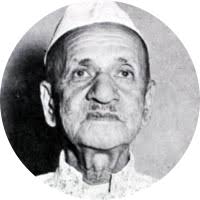
"name": "Nooh Narvi",
"bio": "Nooh Narvi or Muhammad Noah (1878- 1962 ) was born in district Rae Bareli (Uttar Pradesh). He learnt Arabic and Persian from Mir Najaf Ali and acquired a level of excellence in these languages. He also learnt English.\r\n\r\nNuh is well known for his spontaneity and for being a disciple of Dagh and his successor after his demise. He is one of those poets who used his pen name in a creative manner in his poetry. This is also reflected in the titles of his collections Safeena-i-Nuh, Toofan-e-Nuh, and Aijaz-e-Nuh. His poetry also draws upon the themes of disaster and its impact.\r\n\r\nNuh has maintained the dignity of language and magnanimity of subjects that are characteristic of his master, Dagh. His love poetry opens up fresh avenues and acquires its individual appeal among his readers.",
"raw_bio": "Nooh Narvi or Muhammad Noah (1878- 1962 ) was born in district Rae Bareli (Uttar Pradesh). He learnt Arabic and Persian from Mir Najaf Ali and acquired a level of excellence in these languages. He also learnt English.\r \r Nuh is well known for his spontaneity and for being a disciple of Dagh and his successor after his demise. He is one of those poets who used his pen name in a creative manner in his poetry. This is also reflected in the titles of his collections Safeena-i-Nuh, Toofan-e-Nuh, and Aijaz-e-Nuh. His poetry also draws upon the themes of disaster and its impact.\r \r Nuh has maintained the dignity of language and magnanimity of subjects that are characteristic of his master, Dagh. His love poetry opens up fresh avenues and acquires its individual appeal among his readers.",
"slug": "nooh-narvi",
"DOB": "1878-09-18",
"DateOfDemise": "1962-01-01",
"location": null,
"url": "/sootradhar/nooh-narvi",
"tags": null,
"created": "2023-09-22T12:40:19.046633",
"is_has_special_post": true,
"is_special_author": false,
"language": 4
},
{
"id": 281,
"image": "https://kavishalalab.s3.ap-south-1.amazonaws.com/sootradhar_author/sheikh-ibrahim-zauq.png",
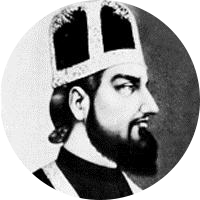
"name": "Muhammad Ibrahim Zauq",
"bio": "Sheikh Muhammad Ibrahim Zauq (1790–1854) (Urdu: شیخ محمد اِبراہِیم ذَوؔق) was an Urdu poet and scholar of literature, poetry and religion. He wrote poetry under nom de plume \"Zauq\", and was appointed poet laureate of the Mughal Court in Delhi just at the age of 19. Later he was given the title of Khaqani-e-Hind (The Khaqani of India) by the last Mughal emperor and his disciple Bahadur Shah Zafar.[2]\r\n\r\nHe was a poor youth, with only ordinary education, who went on to acquire learning in history, theology and poetics in his later years. Zauq was a prominent contemporary of Ghalib and in the history of Urdu poetry the rivalry of the two poets is quite well known. During his lifetime Zauq was more popular than Ghalib for the critical values in those days were mainly confined to judging a piece of poetry on the basis of usage of words, phrases and idioms. Content and style were not much taken into account while appreciating poetry.",
"raw_bio": "Sheikh Muhammad Ibrahim Zauq (1790–1854) (Urdu: شیخ محمد اِبراہِیم ذَوؔق) was an Urdu poet and scholar of literature, poetry and religion. He wrote poetry under nom de plume \"Zauq\", and was appointed poet laureate of the Mughal Court in Delhi just at the age of 19. Later he was given the title of Khaqani-e-Hind (The Khaqani of India) by the last Mughal emperor and his disciple Bahadur Shah Zafar.[2]\r \r He was a poor youth, with only ordinary education, who went on to acquire learning in history, theology and poetics in his later years. Zauq was a prominent contemporary of Ghalib and in the history of Urdu poetry the rivalry of the two poets is quite well known. During his lifetime Zauq was more popular than Ghalib for the critical values in those days were mainly confined to judging a piece of poetry on the basis of usage of words, phrases and idioms. Content and style were not much taken into account while appreciating poetry.",
"slug": "muhammad-ibrahim-zauq",
"DOB": "1790-01-01",
"DateOfDemise": "1854-01-01",
"location": null,
"url": "/sootradhar/muhammad-ibrahim-zauq",
"tags": null,
"created": "2023-09-22T12:40:20.548725",
"is_has_special_post": true,
"is_special_author": false,
"language": 4
},
{
"id": 283,
"image": "https://kavishala.blob.core.windows.net/kavishalalabs/kavishala_logo.png",
"name": "Mushtaq Ahmad Yusufi",
"bio": "Mushtaq Ahmad Yusufi D.Litt. (HC), SI, HI (Urdu: مُشتاق احمد يُوسُفی – Muštāq Ẹḥmad Yoūsufi, 4 September 1923 – 20 June 2018) born in Tonk, Rajasthan, India 1923, was a Pakistani satire and humour writer who wrote in Urdu. Yousufi also served as the head of several national and international governmental and financial institutions.He received the Sitara-i-Imtiaz Award in 1999 and the Hilal-i-Imtiaz Award in 2002, the highest literary honour given by the Government of Pakistan.\r\n\r\nHis Urdu novel Aab-e-Gum was translated in English as 'Mirages of the Mind' by Matt Reeck and Aftab Ahmad.\r\n\r\nOther famous Urdu books of him are Chiragh Talay (چراغ تلے), Khakam Badahan (خاکم بدہن), Zarguzasht (زرگزشت), Sham e Shair Yaran (شام شعر یاراں).\r\n\r\nConsidering the standard of previous works of Yousafi, Sham e Shair Yaran turned out to be a great disappointment for many Yousafi lovers., Mr Yusufi himself mentioned that he was not satisfied yet with the book but due to his frail health, everyone insisted on having it published on as is basis.",
"raw_bio": "Mushtaq Ahmad Yusufi D.Litt. (HC), SI, HI (Urdu: مُشتاق احمد يُوسُفی – Muštāq Ẹḥmad Yoūsufi, 4 September 1923 – 20 June 2018) born in Tonk, Rajasthan, India 1923, was a Pakistani satire and humour writer who wrote in Urdu. Yousufi also served as the head of several national and international governmental and financial institutions.He received the Sitara-i-Imtiaz Award in 1999 and the Hilal-i-Imtiaz Award in 2002, the highest literary honour given by the Government of Pakistan.\r \r His Urdu novel Aab-e-Gum was translated in English as 'Mirages of the Mind' by Matt Reeck and Aftab Ahmad.\r \r Other famous Urdu books of him are Chiragh Talay (چراغ تلے), Khakam Badahan (خاکم بدہن), Zarguzasht (زرگزشت), Sham e Shair Yaran (شام شعر یاراں).\r \r Considering the standard of previous works of Yousafi, Sham e Shair Yaran turned out to be a great disappointment for many Yousafi lovers., Mr Yusufi himself mentioned that he was not satisfied yet with the book but due to his frail health, everyone insisted on having it published on as is basis.",
"slug": "mushtaq-ahmad-yusufi",
"DOB": "1923-09-04",
"DateOfDemise": "2018-06-20",
"location": null,
"url": "/sootradhar/mushtaq-ahmad-yusufi",
"tags": null,
"created": "2023-09-22T12:18:39.082058",
"is_has_special_post": false,
"is_special_author": false,
"language": 4
},
{
"id": 284,
"image": "https://kavishalalab.s3.ap-south-1.amazonaws.com/sootradhar_author/Shail-Chaturvedi-horoscope.jpg",
"name": "Shail Chaturvedi",
"bio": "Shail Chaturvedi (29 June 1936 – 29 October 2007) was a Hindi poet, satirist, humorist, lyricist and actor from India, most known for his political satire in the 70s and the 80s.\r\nHe worked as a character actor in several Hindi films and TV series. He started his career as a lecturer at Allahabad University, soon started taking part in various Kavi sammelan (poetry gatherings), and with his tongue-in-cheek political commentary, made a place for himself amidst leading humorists, hasya kavi of the 1970s and 1980s, like Kaka Hathrasi, Pradeep Chaubey and Ashok Chakradhar.\r\nHe became a regular feature of the annual kavi sammelan one Doordarshan, state-run TV channel, around the Holi festival. He also acted in a number of Hindi films, like Uphaar (1971), Chitchor (1976), Chameli Ki Shaadi (1986) and Kareeb (1998). He played the role of \"Sharma ji\", the boss of Keshav and Gokhale in the famous sitcom Shrimaan Shrimati[citation needed]\r\n\r\nHe died on 29 October 2007, after suffering from chronic kidney failure for some time, and was survived by his wife Daya and three sons.",
"raw_bio": "Shail Chaturvedi (29 June 1936 – 29 October 2007) was a Hindi poet, satirist, humorist, lyricist and actor from India, most known for his political satire in the 70s and the 80s.\r He worked as a character actor in several Hindi films and TV series. He started his career as a lecturer at Allahabad University, soon started taking part in various Kavi sammelan (poetry gatherings), and with his tongue-in-cheek political commentary, made a place for himself amidst leading humorists, hasya kavi of the 1970s and 1980s, like Kaka Hathrasi, Pradeep Chaubey and Ashok Chakradhar.\r He became a regular feature of the annual kavi sammelan one Doordarshan, state-run TV channel, around the Holi festival. He also acted in a number of Hindi films, like Uphaar (1971), Chitchor (1976), Chameli Ki Shaadi (1986) and Kareeb (1998). He played the role of \"Sharma ji\", the boss of Keshav and Gokhale in the famous sitcom Shrimaan Shrimati[citation needed]\r \r He died on 29 October 2007, after suffering from chronic kidney failure for some time, and was survived by his wife Daya and three sons.",
"slug": "shail-chaturvedi",
"DOB": "1936-06-29",
"DateOfDemise": "2007-10-29",
"location": null,
"url": "/sootradhar/shail-chaturvedi",
"tags": null,
"created": "2023-09-22T12:40:22.199646",
"is_has_special_post": true,
"is_special_author": false,
"language": 4
},
{
"id": 285,
"image": "https://kavishalalab.s3.ap-south-1.amazonaws.com/sootradhar_author/ramchandra-shukla_1497098523.jpeg",
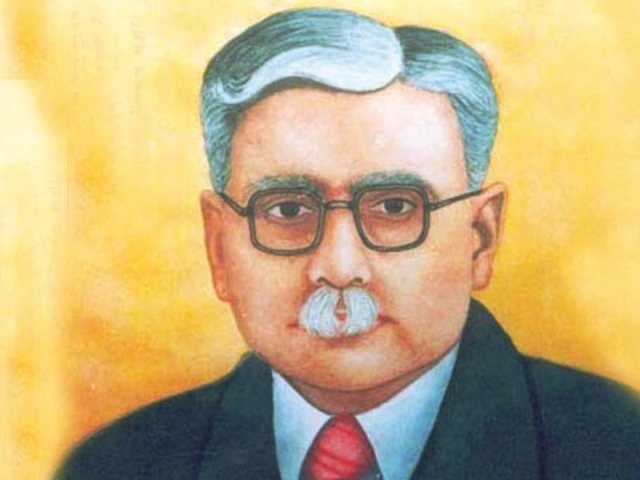
"name": "Ram Chandra Shukla",
"bio": "Ram Chandra Shukla (4 October 1884 – 2 February 1941), better known as Acharya Shukla, is regarded as the first codifier of the history of Hindi literature in a scientific system by using wide, empirical research with scant resources and published Hindi Sahitya Ka Itihaas (1928–29).\r\n\r\nAcharya Shukla Sansthan has published following under the editorship of Kusum Chaturvedi.\r\nNirala Aur Nazrul Ka Rashtriya Chintan\r\nNirvachit Prabandh Sankalan\r\nSadi Ke Ant Mein Hindi\r\nNaya Mandand (research journal in Hindi)",
"raw_bio": "Ram Chandra Shukla (4 October 1884 – 2 February 1941), better known as Acharya Shukla, is regarded as the first codifier of the history of Hindi literature in a scientific system by using wide, empirical research with scant resources and published Hindi Sahitya Ka Itihaas (1928–29).\r \r Acharya Shukla Sansthan has published following under the editorship of Kusum Chaturvedi.\r Nirala Aur Nazrul Ka Rashtriya Chintan\r Nirvachit Prabandh Sankalan\r Sadi Ke Ant Mein Hindi\r Naya Mandand (research journal in Hindi)",
"slug": "ram-chandra-shukla",
"DOB": "1884-10-04",
"DateOfDemise": "1941-02-02",
"location": null,
"url": "/sootradhar/ram-chandra-shukla",
"tags": null,
"created": "2023-09-22T12:40:24.273963",
"is_has_special_post": true,
"is_special_author": false,
"language": 4
},
{
"id": 289,
"image": "https://kavishalalab.s3.ap-south-1.amazonaws.com/sootradhar_author/Hullad-Muradabadi-2-527x527.jpg",
"name": "Hullad Moradabadi",
"bio": "Hullad Moradabadi (29 May 1942 – 12 July 2014) was an Indian poet, humorist and satirist of Hindi language. He had authored several Hindi books including Itni uchi mat chodo, kya karegi chandni, Ye ander ki bat hai, Triveni and Hullad ka Hullad. He was a poet of Hindi Kavi sammelan.\r\n<br>\r\nBorn in Gujranwala, now in Pakistan as Susheel Kumar Chadha on 29 May 1942. He settled in Moradabad, Uttar Pradesh after independence and later shifted to Mumbai. He completed his B.Sc. and later an MA in Hindi.\r\n<br>\r\n<b>Books</b>\r\n<ul>\r\n<li><em>Itni uchi mat chodo</em></li>\r\n<li><em>Kya Karegi Chandni</em></li>\r\n<li><em>Ye Ander Ki Bat Hai</em></li>\r\n<li><em>Triveni</em></li>\r\n<li><em>Tathakathit bhagwano ke naam (awarded)</em></li>\r\n<li><em>Main bhi soochu tu bhi sooch</em></li>\r\n<li><em>Hullad ka Hullad</em></li>\r\n<li><em>Hazam ki hazamat</em></li>\r\n<li><em>Hullad Hazara</em></li>\r\n<li><em>Damdar aur doomdar dohe</em></li>\r\n<li><em>Jigar Se Bidi Jala Le</em></li>\r\n<li><em>Hullad Ki Shrast Hasya Vyang Rachnae</em></li>\r\n<li><em>Aacha hai per kabhi kabhi</em></li>\r\n<li><em>Hullad ke Jokes</em></li>\r\n</ul>",
"raw_bio": "Hullad Moradabadi (29 May 1942 – 12 July 2014) was an Indian poet, humorist and satirist of Hindi language. He had authored several Hindi books including Itni uchi mat chodo, kya karegi chandni, Ye ander ki bat hai, Triveni and Hullad ka Hullad. He was a poet of Hindi Kavi sammelan.\r \r Born in Gujranwala, now in Pakistan as Susheel Kumar Chadha on 29 May 1942. He settled in Moradabad, Uttar Pradesh after independence and later shifted to Mumbai. He completed his B.Sc. and later an MA in Hindi.\r Books Itni uchi mat chodo Kya Karegi Chandni Ye Ander Ki Bat Hai Triveni Tathakathit bhagwano ke naam (awarded) Main bhi soochu tu bhi sooch Hullad ka Hullad Hazam ki hazamat Hullad Hazara Damdar aur doomdar dohe Jigar Se Bidi Jala Le Hullad Ki Shrast Hasya Vyang Rachnae Aacha hai per kabhi kabhi Hullad ke Jokes ",
"slug": "hullad-moradabadi",
"DOB": "1942-05-29",
"DateOfDemise": "2014-07-12",
"location": "Gujranwala, Pakistan",
"url": "/sootradhar/hullad-moradabadi",
"tags": "",
"created": "2025-07-12T13:54:56.506420",
"is_has_special_post": true,
"is_special_author": false,
"language": 4
},
{
"id": 290,
"image": "https://kavishalalab.s3.ap-south-1.amazonaws.com/sootradhar_author/Screenshot_2020-05-29_at_7.19.19_PM.png",
"name": "Yogesh Gaur",
"bio": "Yogesh Gaur, commonly credited as Yogesh, (March 19, 1943 – May 29, 2020) was an Indian writer and lyricist.[1] He wrote songs for Bollywood, and is best known for songs like, Kahin Door Jab Din Dal Jaaye and Zindagi Kaisi Hai Paheli in Anand (1971).[2] rajnigandha phool tumhare mahke youhi jivan me rajnigandha (1973)\r\n\r\n<br>\r\nYogesh was born on 19 March 1943 in Lucknow , Uttar Pradesh.\r\n\r\nHe moved in search of work, his cousin was a screenplay director. His first work was with Hrishikesh Mukherjee, and wrote Kahin Door Jab Din Dal Jaaye. He wrote songs like Zindagi Kaisi Hai Paheli and Rimjhim gire Saawan, Kai baar yunhi dekha hai from Rajnigandha and Na bole tum na maine kuch kaha from Baaton Baaton Mein.\r\n<br>\r\nYogesh also worked in television serials as a writer.\r\n\r\n<br><br>\r\n<h2><span id=\"Filmography\" class=\"mw-headline\">Filmography</span></h2>\r\n<ul>\r\n<li><a title=\"Ek Raat\" href=\"https://en.wikipedia.org/wiki/Ek_Raat\">Ek Raat</a></li>\r\n<li><a class=\"new\" title=\"Sakhi Robin (page does not exist)\" href=\"https://en.wikipedia.org/w/index.php?title=Sakhi_Robin&action=edit&redlink=1\">Sakhi Robin</a> (1962)</li>\r\n<li><a title=\"Mili (1975 film)\" href=\"https://en.wikipedia.org/wiki/Mili_(1975_film)\">Mili</a></li>\r\n<li><a title=\"Chhoti Si Baat\" href=\"https://en.wikipedia.org/wiki/Chhoti_Si_Baat\">Chhoti Si Baat</a></li>\r\n<li><a title=\"Anand (1971 film)\" href=\"https://en.wikipedia.org/wiki/Anand_(1971_film)\">Anand</a> (1971)</li>\r\n<li><a title=\"Aaja Meri Jaan\" href=\"https://en.wikipedia.org/wiki/Aaja_Meri_Jaan\">Aaja Meri Jaan</a></li>\r\n<li><em><a title=\"Manzilein Aur Bhi Hain\" href=\"https://en.wikipedia.org/wiki/Manzilein_Aur_Bhi_Hain\">Manzilein Aur Bhi Hain</a></em> (1974)</li>\r\n<li><a class=\"mw-redirect\" title=\"Baaton Baaton Mein\" href=\"https://en.wikipedia.org/wiki/Baaton_Baaton_Mein\">Baaton Baaton Mein</a></li>\r\n<li><a title=\"Rajnigandha\" href=\"https://en.wikipedia.org/wiki/Rajnigandha\">Rajnigandha</a></li>\r\n<li><a title=\"Manzil (1979 film)\" href=\"https://en.wikipedia.org/wiki/Manzil_(1979_film)\">Manzil</a> (1979)</li>\r\n<li>Annadaata</li>\r\n<li>Anokha Daan</li>\r\n<li>Anand Mahal</li>\r\n<li>Mazaaq</li>\r\n<li><a title=\"Priyatama\" href=\"https://en.wikipedia.org/wiki/Priyatama\">Priyatama</a></li>\r\n<li>Us Paar</li>\r\n<li>Hamaare Tumhaare</li>\r\n<li>Dillagi</li>\r\n<li>Apne Paraye</li>\r\n<li>Kirayedaar</li>\r\n<li>Pasand Apni Apni</li>\r\n<li>Shaukeen</li>\r\n<li><a title=\"Honeymoon (1992 film)\" href=\"https://en.wikipedia.org/wiki/Honeymoon_(1992_film)\">Honeymoon</a></li>\r\n<li><a title=\"Chor Aur Chaand\" href=\"https://en.wikipedia.org/wiki/Chor_Aur_Chaand\">Chor Aur Chaand</a></li>\r\n<li>Kuhaasa</li>\r\n<li>Jeena Yahan</li>\r\n<li>Mere Bhaiyya</li>\r\n<li>Lakhon Ki Baat</li>\r\n<li><a title=\"Bewafa Sanam\" href=\"https://en.wikipedia.org/wiki/Bewafa_Sanam\">Bewafa Sanam</a> (1995)</li>\r\n<li><a title=\"Sssshhh...\" href=\"https://en.wikipedia.org/wiki/Sssshhh...\">Sssshhh...</a> (2003)</li>\r\n</ul>",
"raw_bio": "Yogesh Gaur, commonly credited as Yogesh, (March 19, 1943 – May 29, 2020) was an Indian writer and lyricist.[1] He wrote songs for Bollywood, and is best known for songs like, Kahin Door Jab Din Dal Jaaye and Zindagi Kaisi Hai Paheli in Anand (1971).[2] rajnigandha phool tumhare mahke youhi jivan me rajnigandha (1973)\r \r \r Yogesh was born on 19 March 1943 in Lucknow , Uttar Pradesh.\r \r He moved in search of work, his cousin was a screenplay director. His first work was with Hrishikesh Mukherjee, and wrote Kahin Door Jab Din Dal Jaaye. He wrote songs like Zindagi Kaisi Hai Paheli and Rimjhim gire Saawan, Kai baar yunhi dekha hai from Rajnigandha and Na bole tum na maine kuch kaha from Baaton Baaton Mein.\r \r Yogesh also worked in television serials as a writer.\r \r Filmography Ek Raat Sakhi Robin (1962) Mili Chhoti Si Baat Anand (1971) Aaja Meri Jaan Manzilein Aur Bhi Hain (1974) Baaton Baaton Mein Rajnigandha Manzil (1979) Annadaata Anokha Daan Anand Mahal Mazaaq Priyatama Us Paar Hamaare Tumhaare Dillagi Apne Paraye Kirayedaar Pasand Apni Apni Shaukeen Honeymoon Chor Aur Chaand Kuhaasa Jeena Yahan Mere Bhaiyya Lakhon Ki Baat Bewafa Sanam (1995) Sssshhh... (2003) ",
"slug": "yogesh-gaur",
"DOB": "1943-01-01",
"DateOfDemise": "2020-05-29",
"location": null,
"url": "/sootradhar/yogesh-gaur",
"tags": null,
"created": "2023-09-22T12:18:39.123505",
"is_has_special_post": false,
"is_special_author": false,
"language": 4
},
{
"id": 292,
"image": "https://kavishalalab.s3.ap-south-1.amazonaws.com/sootradhar_author/Kalpna-Singh-Chitnis-1.jpg",
"name": "Kalpna Singh-Chitnis",
"bio": "Kalpna Singh-Chitnis (Hindi: कल्पना सिंह-चिटनिस) (born March 12, 1966)) is an Indian American poet, actress, film director, writer and producer. She was awarded Rajiv Gandhi Global Excellence Award in 2014.",
"raw_bio": "Kalpna Singh-Chitnis (Hindi: कल्पना सिंह-चिटनिस) (born March 12, 1966)) is an Indian American poet, actress, film director, writer and producer. She was awarded Rajiv Gandhi Global Excellence Award in 2014.",
"slug": "kalpna-singh-chitnis",
"DOB": "1966-03-12",
"DateOfDemise": null,
"location": null,
"url": "/sootradhar/kalpna-singh-chitnis",
"tags": null,
"created": "2023-09-22T12:40:28.416834",
"is_has_special_post": true,
"is_special_author": false,
"language": 4
},
{
"id": 294,
"image": "https://kavishalalab.s3.ap-south-1.amazonaws.com/sootradhar_author/leeladhar_jagudi_273.jpg",
"name": "Leeladhar Jagudi",
"bio": "Leeladhar Jagudi is an Indian teacher, journalist and poet of Hindi literature. He is the author of several poetry anthologies including Natak Jari Hai and Shankha Mukhi Shikharon Par and is a recipient of the Sahitya Akademi Award, for his 1997 anthology, Anubhav Ke Aakash Mein Chand. The Government of India awarded him the fourth highest civilian honour of the Padma Shri, in 2004, for his contributions to Hindi literature.",
"raw_bio": "Leeladhar Jagudi is an Indian teacher, journalist and poet of Hindi literature. He is the author of several poetry anthologies including Natak Jari Hai and Shankha Mukhi Shikharon Par and is a recipient of the Sahitya Akademi Award, for his 1997 anthology, Anubhav Ke Aakash Mein Chand. The Government of India awarded him the fourth highest civilian honour of the Padma Shri, in 2004, for his contributions to Hindi literature.",
"slug": "leeladhar-jagudi",
"DOB": "1944-06-01",
"DateOfDemise": null,
"location": "Tehri Garhwal",
"url": "/sootradhar/leeladhar-jagudi",
"tags": null,
"created": "2023-09-22T12:40:30.899193",
"is_has_special_post": true,
"is_special_author": false,
"language": 4
},
{
"id": 296,
"image": "https://kavishalalab.s3.ap-south-1.amazonaws.com/sootradhar_author/Hemant_Shesh.jpg",
"name": "Hemant Shesh",
"bio": "Hemant Shesh (born 28 December 1952 ) is a celebrated Indian Hindi writer, poet and civil servant.\r\nHe has published over twenty eight books including 15 of his own writings while the rest were ones he edited. and has been editor for Kala-Prayojan a quarterly literary magazine. Among his published work are thirteen poetry collections. His poetry has also been translated into other languages, including non-Indian languages.Shesh has received many awards and honors.\r\n\r\nMajor Books published\r\nJaari Itihaas Ke Viruddha, 1974 (long poem)\r\nBeswaad Hawayen, 1981 (monograph)\r\nKripal Singh Shekhawat, 1981 (monograph)\r\nGhar-Baahar, 1982 (poetry collection)\r\nNeend men Mohenjodaro, 1988 (poetry collection)\r\nVrikshon Ke Swapna, 1988 (poetry collection)\r\nAshuddha Saarang, 1991 (poetry collection)\r\nKasht Ke Liye Kshamaa, 1995 (Poetry collection)\r\nKripayaa anyathaa Na Len, 1999 (Long poem)\r\nAap Ko yah Jaan Kar Prasanntaa Hogee, 2001 (poetry collection)\r\nJagah Jaasee Jagah, 2006 (poetry collection)\r\nBahut Kuchh Jaisaa Kuchh Naheen (poetry collection) 2007\r\nPrapanch-Saar-Subodhnee (poetry collection) 2009\r\nKhed-Yog-Pradeep (poetry collection) 2012\r\nRaat Ka pahaad (short story collection) 2012\r\nPyashchitta Praveshika(poetry collection)2018\r\nAfsos Darpan(poetry collection) 2019\r\nBhulne Kaa Vipaksh( Memoirs)2019\r\nChaar Sharanaame( History)2019\r\nIti Jaisa Shabd (poetry collection) 2019\r\nNa Hone Jisaa Honaa (poetry collection) 2019\r\n\r\nApart from many honours and public felicitations, he was awarded the K. K. Birla Foundation's Bihari Puraskar, a national award for the year 2009 for his collection of poetry titled Jagah Jaisi Jagah. He has also been awarded by the Government of Rajasthan for 'original outstanding creative writing'. (1988)",
"raw_bio": "Hemant Shesh (born 28 December 1952 ) is a celebrated Indian Hindi writer, poet and civil servant.\r He has published over twenty eight books including 15 of his own writings while the rest were ones he edited. and has been editor for Kala-Prayojan a quarterly literary magazine. Among his published work are thirteen poetry collections. His poetry has also been translated into other languages, including non-Indian languages.Shesh has received many awards and honors.\r \r Major Books published\r Jaari Itihaas Ke Viruddha, 1974 (long poem)\r Beswaad Hawayen, 1981 (monograph)\r Kripal Singh Shekhawat, 1981 (monograph)\r Ghar-Baahar, 1982 (poetry collection)\r Neend men Mohenjodaro, 1988 (poetry collection)\r Vrikshon Ke Swapna, 1988 (poetry collection)\r Ashuddha Saarang, 1991 (poetry collection)\r Kasht Ke Liye Kshamaa, 1995 (Poetry collection)\r Kripayaa anyathaa Na Len, 1999 (Long poem)\r Aap Ko yah Jaan Kar Prasanntaa Hogee, 2001 (poetry collection)\r Jagah Jaasee Jagah, 2006 (poetry collection)\r Bahut Kuchh Jaisaa Kuchh Naheen (poetry collection) 2007\r Prapanch-Saar-Subodhnee (poetry collection) 2009\r Khed-Yog-Pradeep (poetry collection) 2012\r Raat Ka pahaad (short story collection) 2012\r Pyashchitta Praveshika(poetry collection)2018\r Afsos Darpan(poetry collection) 2019\r Bhulne Kaa Vipaksh( Memoirs)2019\r Chaar Sharanaame( History)2019\r Iti Jaisa Shabd (poetry collection) 2019\r Na Hone Jisaa Honaa (poetry collection) 2019\r \r Apart from many honours and public felicitations, he was awarded the K. K. Birla Foundation's Bihari Puraskar, a national award for the year 2009 for his collection of poetry titled Jagah Jaisi Jagah. He has also been awarded by the Government of Rajasthan for 'original outstanding creative writing'. (1988)",
"slug": "hemant-shesh",
"DOB": "1952-12-28",
"DateOfDemise": null,
"location": null,
"url": "/sootradhar/hemant-shesh",
"tags": null,
"created": "2023-09-22T12:40:32.184490",
"is_has_special_post": true,
"is_special_author": false,
"language": 4
},
{
"id": 297,
"image": "https://kavishalalab.s3.ap-south-1.amazonaws.com/sootradhar_author/26_12_2019-vimaldd_19878487.jpg",
"name": "Ganga Prasad Vimal",
"bio": "Ganga Prasad Vimal (also Gangaprasad Vimal, गंगा प्रसाद विमल) (June 3, 1939 – December 23, 2019) was an Indian writer. He was a poet, story writer, novelist[5] and translator.\r\n\r\nPoetry Collections: Vijjap (1967), Bodhi Vriksh (1983), Itna Kuchh (1990), Talisman, Poems & Stories, Duel Text (1990), Sannate Se Muthbhed (1994), Main Wahan Hoon (1996), Alikhit-Adikhat (2004), Kuchh To Hai (2006), Khabren aur Anya Kavitayen (2010), Pachaas Kavitayen (2015), Talisman (poem and stories, Dual Text, London (1990).\r\nStory Collections: Koi Shuruaat, (1972), Ateet Mein Kucch,(1973), Idhar Udhar,(1980), Baahar Na Bheetar (1981), Charchit Kahaaniyan (1983), Meri kahaniyaan (1983), Khoyi Hui Thaati (1994), Charchit Kahaaniyan (1994), Samagra Kahaaniyan (2004), Ikkis kahaniyaan (2010), Main Bhi Aaunga (2015).\r\nNovels: Apne Se Alag (1969), Kahin Kucch Aur (1971), Mareechika (1978), Mrigaantak (1978), Manushkhor (2013).\r\nEssays: Many essays published in famous magazines.\r\nEdited Books: Abhivyakti, Edited an anthology of Modern Hindi Poetry (1964), Ageya Ka Rachna Sansar, (The World of Ageya) (1966), Muktibodh Ka Rachna Sansar (The creative world of Gajanan Madhav Muktibodh - An Anthology of essys on Muktibodh (1966), Laava Edited an anthology of Modern english Poetry (1974), Adhunik Hindi Kahani An Anthology of Essays of Modern short fiction by Eminent Professors, critics and creative writers (1978), Kraantikari Sanuuhgaan A small Anthology of Revolutionary songs with S. Swami, (1979), Naagri Lipi Ki Vajnanikta (Naagri Lipi Parishad, New Delhi), Vaakya Vichar (2002).\r\nBooks in English Translations: Here and There and Other Stories, Collection of short stories in English (1978), Mirage, Talisman (1987), No Sooner, poetry collection in English translation (1987), Who Lives Where and Other Poems (2004), Unwritten and Unseen (2010), Tiger Tantra (2010).\r\nProse Books in Hindi: Samkalen Kahani Ka Rachna Vidhan (critical evaluation of contemporary short Fiction) (1968), Prem Chand (Revolution of Writer Prem Chand) (1968), Adhunk sahity ke sandarbh mein (1978), Adhunikata Uttar Adhunikata (2011), Ajit kumar sanchayan (2011), Chandrakunwar Baratwal Sanchayan (2012), Hindi ki Arambhik Kahaniyaan (2012), Sankalit kahaniyaan (2013),\r\nHindi Translations: Gadya Samkaaleen Kahaani Ka Rachna Vidhan (1968), Prem Chand (1968), Aadhunik Sahitya Ke Sandarbh Mein (1978).\r\nHindi Translations from other languages: Duurant Yatrayen (Elizabetha Bagrayana; 1978), Pitra Bhuumishch (Hristo Botev; 1978), Dav Ke Tale (Ivan Vazov; 1978), Prasantak (Visilisi Vistasit; 1979), Hara Tota (Miko Takeyama; 1979), Janm Bhumi and Other Poems (Nikola Vaptsarov; 1979), Poems of Ľubomír (1982), Poems of Lachezar Elenkov (1983), Udgam (Kamen Kalchev's Novel; 1981), Poems of Bozhilov Bozhidar (1984), Story of Yordan Yovkov (1984), Poems of Yodan Milev (1995), Tamamraat Aag (1996), Marg (Poems of German Dugan Broods; 2004).",
"raw_bio": "Ganga Prasad Vimal (also Gangaprasad Vimal, गंगा प्रसाद विमल) (June 3, 1939 – December 23, 2019) was an Indian writer. He was a poet, story writer, novelist[5] and translator.\r \r Poetry Collections: Vijjap (1967), Bodhi Vriksh (1983), Itna Kuchh (1990), Talisman, Poems & Stories, Duel Text (1990), Sannate Se Muthbhed (1994), Main Wahan Hoon (1996), Alikhit-Adikhat (2004), Kuchh To Hai (2006), Khabren aur Anya Kavitayen (2010), Pachaas Kavitayen (2015), Talisman (poem and stories, Dual Text, London (1990).\r Story Collections: Koi Shuruaat, (1972), Ateet Mein Kucch,(1973), Idhar Udhar,(1980), Baahar Na Bheetar (1981), Charchit Kahaaniyan (1983), Meri kahaniyaan (1983), Khoyi Hui Thaati (1994), Charchit Kahaaniyan (1994), Samagra Kahaaniyan (2004), Ikkis kahaniyaan (2010), Main Bhi Aaunga (2015).\r Novels: Apne Se Alag (1969), Kahin Kucch Aur (1971), Mareechika (1978), Mrigaantak (1978), Manushkhor (2013).\r Essays: Many essays published in famous magazines.\r Edited Books: Abhivyakti, Edited an anthology of Modern Hindi Poetry (1964), Ageya Ka Rachna Sansar, (The World of Ageya) (1966), Muktibodh Ka Rachna Sansar (The creative world of Gajanan Madhav Muktibodh - An Anthology of essys on Muktibodh (1966), Laava Edited an anthology of Modern english Poetry (1974), Adhunik Hindi Kahani An Anthology of Essays of Modern short fiction by Eminent Professors, critics and creative writers (1978), Kraantikari Sanuuhgaan A small Anthology of Revolutionary songs with S. Swami, (1979), Naagri Lipi Ki Vajnanikta (Naagri Lipi Parishad, New Delhi), Vaakya Vichar (2002).\r Books in English Translations: Here and There and Other Stories, Collection of short stories in English (1978), Mirage, Talisman (1987), No Sooner, poetry collection in English translation (1987), Who Lives Where and Other Poems (2004), Unwritten and Unseen (2010), Tiger Tantra (2010).\r Prose Books in Hindi: Samkalen Kahani Ka Rachna Vidhan (critical evaluation of contemporary short Fiction) (1968), Prem Chand (Revolution of Writer Prem Chand) (1968), Adhunk sahity ke sandarbh mein (1978), Adhunikata Uttar Adhunikata (2011), Ajit kumar sanchayan (2011), Chandrakunwar Baratwal Sanchayan (2012), Hindi ki Arambhik Kahaniyaan (2012), Sankalit kahaniyaan (2013),\r Hindi Translations: Gadya Samkaaleen Kahaani Ka Rachna Vidhan (1968), Prem Chand (1968), Aadhunik Sahitya Ke Sandarbh Mein (1978).\r Hindi Translations from other languages: Duurant Yatrayen (Elizabetha Bagrayana; 1978), Pitra Bhuumishch (Hristo Botev; 1978), Dav Ke Tale (Ivan Vazov; 1978), Prasantak (Visilisi Vistasit; 1979), Hara Tota (Miko Takeyama; 1979), Janm Bhumi and Other Poems (Nikola Vaptsarov; 1979), Poems of Ľubomír (1982), Poems of Lachezar Elenkov (1983), Udgam (Kamen Kalchev's Novel; 1981), Poems of Bozhilov Bozhidar (1984), Story of Yordan Yovkov (1984), Poems of Yodan Milev (1995), Tamamraat Aag (1996), Marg (Poems of German Dugan Broods; 2004).",
"slug": "ganga-prasad-vimal",
"DOB": "1939-06-03",
"DateOfDemise": "2019-12-23",
"location": null,
"url": "/sootradhar/ganga-prasad-vimal",
"tags": null,
"created": "2023-09-22T12:40:33.010666",
"is_has_special_post": true,
"is_special_author": false,
"language": 4
},
{
"id": 298,
"image": "https://kavishalalab.s3.ap-south-1.amazonaws.com/sootradhar_author/download_4.jpeg",
"name": "Abhimanyu Anat",
"bio": "अभिमन्यु अनत (अंग्रेज़ी: Abhimanyu Anat , जन्म- 9 अगस्त, 1937) मॉरीशस के हिन्दी कथा-साहित्य के सम्राट हैं। उनका जन्म ९ अगस्त १९३७ को मॉरीशस के उत्तर प्रान्त में स्थित त्रियोले गांव में हुआ। उन्होंने १८ वर्षों से हिन्दी का अध्यापन किया और वे ३ सालों तक युवा मंत्रालय में नाट्य कला विभाग में नाट्य प्रशिक्षक रहे। उन्होंने अपनी उच्च-स्तरीय हिन्दी उपन्यासों और कहानियों के द्वारा मॉरीशस को हिन्दी साहित्य में मंच पर प्रतिष्ठित किया। अभिमन्यु अनत का जन्म एक गरीब परिवार में हुआ। आर्थिक कठिनाइयों की वजह से वे सुचारु रूप से औपचारिक शिक्षा अधिक ग्रहण नहीं कर पाए लेकिन अपने श्रम से प्रसिद्ध लेखकों की रचनाओं पढकर उन्होंने अपनी लेखकीय कला का प्रमाण दिया। वे एक सजग, प्रतिबद्ध और कर्मठ रचनाकार हैं।",
"raw_bio": "अभिमन्यु अनत (अंग्रेज़ी: Abhimanyu Anat , जन्म- 9 अगस्त, 1937) मॉरीशस के हिन्दी कथा-साहित्य के सम्राट हैं। उनका जन्म ९ अगस्त १९३७ को मॉरीशस के उत्तर प्रान्त में स्थित त्रियोले गांव में हुआ। उन्होंने १८ वर्षों से हिन्दी का अध्यापन किया और वे ३ सालों तक युवा मंत्रालय में नाट्य कला विभाग में नाट्य प्रशिक्षक रहे। उन्होंने अपनी उच्च-स्तरीय हिन्दी उपन्यासों और कहानियों के द्वारा मॉरीशस को हिन्दी साहित्य में मंच पर प्रतिष्ठित किया। अभिमन्यु अनत का जन्म एक गरीब परिवार में हुआ। आर्थिक कठिनाइयों की वजह से वे सुचारु रूप से औपचारिक शिक्षा अधिक ग्रहण नहीं कर पाए लेकिन अपने श्रम से प्रसिद्ध लेखकों की रचनाओं पढकर उन्होंने अपनी लेखकीय कला का प्रमाण दिया। वे एक सजग, प्रतिबद्ध और कर्मठ रचनाकार हैं।",
"slug": "abhimanyu-anat",
"DOB": "1937-08-09",
"DateOfDemise": "2018-06-04",
"location": null,
"url": "/sootradhar/abhimanyu-anat",
"tags": null,
"created": "2023-09-22T12:18:39.173158",
"is_has_special_post": false,
"is_special_author": false,
"language": 4
}
],
"description": "<p style=\"text-align: center; font-size: 24px;\"> The Great Poets and Writers in Indian and World History! </p>",
"image": "https://kavishalalab.s3.ap-south-1.amazonaws.com/sootradhar_description/black.jpg"
}