HTTP 200 OK
Allow: GET, HEAD, OPTIONS
Content-Type: application/json
Vary: Accept

{
    "count": 17752,
    "next": "http://admin.kavishala.in/sootradhar/authors/?format=api&page=606",
    "previous": "http://admin.kavishala.in/sootradhar/authors/?format=api&page=604",
    "results": [
        {
            "id": 24,
            "image": "https://kavishalalab.s3.ap-south-1.amazonaws.com/sootradhar_author/download_8.jpeg",
            "name": "Sahir Ludhianvi",
            "bio": "Abdul Hayee (8 March 1921 – 25 October 1980), popularly known by his takhallus (pen name) Sahir Ludhianvi, was an Indian poet and film songs lyricist who wrote in the Hindi and Urdu languages.\r\n<br>\r\nHis work influenced Indian cinema, in particular Bollywood film. Sahir won a Filmfare Award for Best Lyricist for Taj Mahal (1963). He won a second Filmfare Award for Best Lyricist for his work on Kabhie Kabhie (1976). He was awarded the Padma Shri in 1971. On 8 March 2013, the ninety-second anniversary of Sahir's birth, a commemorative stamp was issued in his honour.\r\nSahir wrote,<br><br>\r\n\"मैं पल दो पल का शायर हूँ, पल दो पल मेरी कहानी है<br>\r\nपल दो पल मेरी हस्ती है, पल दो पल मेरी जवानी है<br>\r\nमुझसे पहले कितने शायर, आए और आकर चले गए,<br>\r\nकुछ आहें भरकर लौट गए, कुछ नग़मे गाकर चले गए<br>\r\nवो भी एक पल का किस्सा थे, मै भी एक पल का किस्सा हूँ<br>\r\nकल तुमसे जुदा हो जाऊँगा, जो आज तुम्हारा हिस्सा हूँ\"<br>\r\n<br>\r\nSahir was different from his contemporaries in that he did not praise Khuda (God), Husn (beauty) or Jaam (wine). Instead, he wrote bitter yet sensitive lyrics about the declining values of society; the senselessness of war and politics; and the domination of consumerism over love. His love songs, tinged with sorrow, expressed his realisation that there were other, starker concepts more important than love.\r\n\r\nSahir might be called the \"bard for the underdog\". Close to his heart were the farmer crushed by debt, the soldier gone to fight someone else's war, the woman forced to sell her body, the youth frustrated by unemployment and the family living on the street for instance. Jawaharlal Nehru, Prime Minister of India said he was moved by Sahir's lyrics in Pyaasa.[citation needed] Vijay, as he is passing through a red light area sings,\r\n<br>\r\n\"ये कूचे, ये नीलामघर दिलकशी के,<br>\r\nये लुटते हुए कारवां ज़िंदगी के,<br>\r\nकहाँ है कहाँ है मुहाफ़िज़ खुदी के?<br>\r\nजिन्हें नाज़ है हिंद पर,वो कहाँ हैं?\"<br>\r\n<br>\r\nSahir's poetry was influenced by noted Pakistani poet, Faiz Ahmed Faiz. Like Faiz, Sahir gave Urdu poetry an intellectual element that caught the imagination of the youth of the 1940s, 1950s and 1960s and reflected the feelings of the people of that period. He roused people from an independence-induced smugness. He would pick on the self-appointed custodian of religion, the self-serving politician, the exploitative capitalist, and the war-mongering super-powers. Sahir wrote with verve about the arrest of progressive writers in Pakistan; the launch of the satellite Sputnik and the discovery of Ghalib by a government lusting after minority votes. He wrote Kahat-e-Bangal (The Famine of Bengal) at 25 years of age. Subah-e-Navroz (Dawn of a New Day), mocks the way people celebrate while the poor exist in squalor. Of the Taj mahal, he wrote,\r\n<br>\r\n\"मेरे महबूब कहीं और मिला कर मुझसे,<br>\r\nबज़्म- ए-शाही में ग़रीबों का गुज़र क्या माने.<br>\r\nसबत जिन राहों पर है सतबते शाही के निशां<br>\r\nउसपे उल्फत भरी रूहों का गुज़र क्या माने?\"-<br>\r\n<br>\r\nSahir Ludhianvi asks his lover to meet him anywhere else but at the Taj Mahal: although the tomb has been a symbol of luxurious monarchy for years, there is no need for beautiful (but not famous) hearts to travel to meet there. <br>\r\nSahir Ludhianvi recited this poetry couplet at his college event, when he was barely 19 years old, and created an uproar in the literary circles:<br>\r\n<br>\r\nEk Shahensha Ne Daulat Ka Sahara Lekar, Hum Gharibon Ki Mohabbat Ka Udaya Hai Mazaq\r\n<br>\r\nOf his legacy, Sahir writes,\r\n<br>\r\n\"कल और आयेंगे नगमो की खिलती कलियाँ चुनने वाले,<br>\r\nमुझसे बेहतर कहनेवाले,<br>\r\nतुमसे बेहतर सुननेवाले;<br>\r\nकल कोई उनको याद करे,<br>\r\nक्यूँ कोई मुझको याद करे?<br>\r\nमसरूफ ज़माना मेरे लिए क्यूँ<br>\r\nवक़्त अपना बर्बाद करे?\"<br>\r\n\"Tomorrow there will be more who will narrate the love poems. May be someone narrating better than me.\r\nMay be someone listening better than you. Why should anyone remember me? Why should anyone remember me?<br><br>\r\nWhy should the busy age waste its time for me?\"<br>",
            "raw_bio": "Abdul Hayee (8 March 1921 – 25 October 1980), popularly known by his takhallus (pen name) Sahir Ludhianvi, was an Indian poet and film songs lyricist who wrote in the Hindi and Urdu languages.\r  \r His work influenced Indian cinema, in particular Bollywood film. Sahir won a Filmfare Award for Best Lyricist for Taj Mahal (1963). He won a second Filmfare Award for Best Lyricist for his work on Kabhie Kabhie (1976). He was awarded the Padma Shri in 1971. On 8 March 2013, the ninety-second anniversary of Sahir's birth, a commemorative stamp was issued in his honour.\r Sahir wrote, \r \"मैं पल दो पल का शायर हूँ, पल दो पल मेरी कहानी है \r पल दो पल मेरी हस्ती है, पल दो पल मेरी जवानी है \r मुझसे पहले कितने शायर, आए और आकर चले गए, \r कुछ आहें भरकर लौट गए, कुछ नग़मे गाकर चले गए \r वो भी एक पल का किस्सा थे, मै भी एक पल का किस्सा हूँ \r कल तुमसे जुदा हो जाऊँगा, जो आज तुम्हारा हिस्सा हूँ\"   \r Sahir was different from his contemporaries in that he did not praise Khuda (God), Husn (beauty) or Jaam (wine). Instead, he wrote bitter yet sensitive lyrics about the declining values of society; the senselessness of war and politics; and the domination of consumerism over love. His love songs, tinged with sorrow, expressed his realisation that there were other, starker concepts more important than love.\r \r Sahir might be called the \"bard for the underdog\". Close to his heart were the farmer crushed by debt, the soldier gone to fight someone else's war, the woman forced to sell her body, the youth frustrated by unemployment and the family living on the street for instance. Jawaharlal Nehru, Prime Minister of India said he was moved by Sahir's lyrics in Pyaasa.[citation needed] Vijay, as he is passing through a red light area sings,\r  \r \"ये कूचे, ये नीलामघर दिलकशी के, \r ये लुटते हुए कारवां ज़िंदगी के, \r कहाँ है कहाँ है मुहाफ़िज़ खुदी के? \r जिन्हें नाज़ है हिंद पर,वो कहाँ हैं?\"   \r Sahir's poetry was influenced by noted Pakistani poet, Faiz Ahmed Faiz. Like Faiz, Sahir gave Urdu poetry an intellectual element that caught the imagination of the youth of the 1940s, 1950s and 1960s and reflected the feelings of the people of that period. He roused people from an independence-induced smugness. He would pick on the self-appointed custodian of religion, the self-serving politician, the exploitative capitalist, and the war-mongering super-powers. Sahir wrote with verve about the arrest of progressive writers in Pakistan; the launch of the satellite Sputnik and the discovery of Ghalib by a government lusting after minority votes. He wrote Kahat-e-Bangal (The Famine of Bengal) at 25 years of age. Subah-e-Navroz (Dawn of a New Day), mocks the way people celebrate while the poor exist in squalor. Of the Taj mahal, he wrote,\r  \r \"मेरे महबूब कहीं और मिला कर मुझसे, \r बज़्म- ए-शाही में ग़रीबों का गुज़र क्या माने. \r सबत जिन राहों पर है सतबते शाही के निशां \r उसपे उल्फत भरी रूहों का गुज़र क्या माने?\"-   \r Sahir Ludhianvi asks his lover to meet him anywhere else but at the Taj Mahal: although the tomb has been a symbol of luxurious monarchy for years, there is no need for beautiful (but not famous) hearts to travel to meet there.  \r Sahir Ludhianvi recited this poetry couplet at his college event, when he was barely 19 years old, and created an uproar in the literary circles:   \r Ek Shahensha Ne Daulat Ka Sahara Lekar, Hum Gharibon Ki Mohabbat Ka Udaya Hai Mazaq\r  \r Of his legacy, Sahir writes,\r  \r \"कल और आयेंगे नगमो की खिलती कलियाँ चुनने वाले, \r मुझसे बेहतर कहनेवाले, \r तुमसे बेहतर सुननेवाले; \r कल कोई उनको याद करे, \r क्यूँ कोई मुझको याद करे? \r मसरूफ ज़माना मेरे लिए क्यूँ \r वक़्त अपना बर्बाद करे?\" \r \"Tomorrow there will be more who will narrate the love poems. May be someone narrating better than me.\r May be someone listening better than you. Why should anyone remember me? Why should anyone remember me? \r Why should the busy age waste its time for me?\"",
            "slug": "sahir-ludhianvi",
            "DOB": "1921-03-08",
            "DateOfDemise": null,
            "location": "Ludhiana, Punjab",
            "url": "/sootradhar/sahir-ludhianvi",
            "tags": null,
            "created": "2023-09-22T12:28:57.000187",
            "is_has_special_post": true,
            "is_special_author": false,
            "language": 4
        },
        {
            "id": 25,
            "image": "https://kavishalalab.s3.ap-south-1.amazonaws.com/sootradhar_author/kabirdas_quotes_in_hindi.jpg",
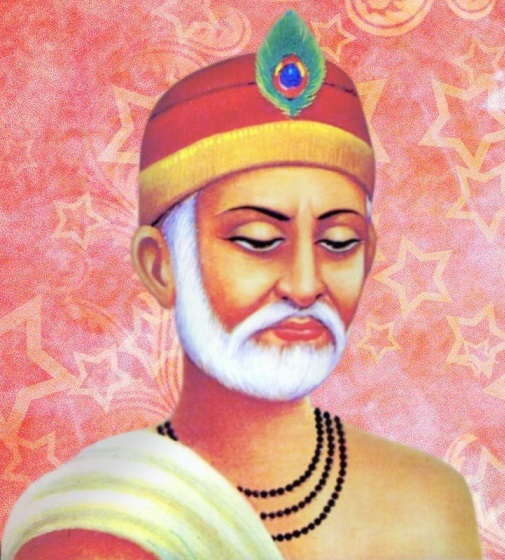
            "name": "Kabeer",
            "bio": "Kabeer",
            "raw_bio": "Kabeer",
            "slug": "kabeer",
            "DOB": null,
            "DateOfDemise": null,
            "location": "Varanshi",
            "url": "/sootradhar/kabeer",
            "tags": "a",
            "created": "2023-09-22T12:18:38.340531",
            "is_has_special_post": false,
            "is_special_author": false,
            "language": 4
        },
        {
            "id": 28,
            "image": "https://kavishalalab.s3.ap-south-1.amazonaws.com/sootradhar_author/Atal_Bihari_Bajpayee.png",
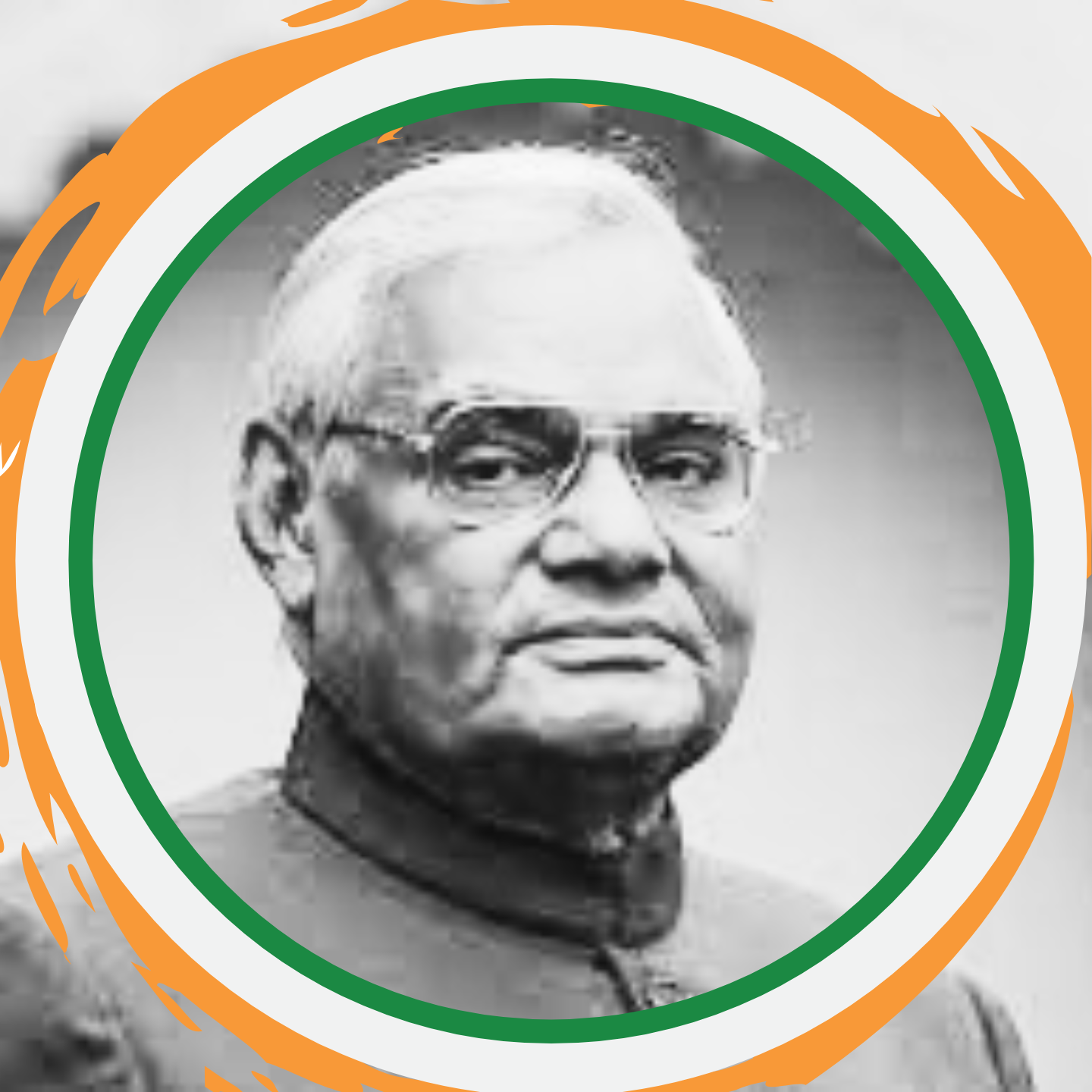
            "name": "Atal Bihari Vajpayee",
            "bio": "Atal Bihari Vajpayee was an Indian politician, statesman and a poet who served three terms as the Prime Minister of India, first for a term of 13 days in 1996, then for a period of 13 months from 1998 to 1999, and finally, for a full term from 1999 to 2004. A member of the Bharatiya Janata Party (BJP), he was the first Indian prime minister who was not a member of the Indian National Congress party to have served a full five-year term in office.\r\n<br>\r\nHe was a member of the Indian Parliament for over five decades, having been elected to the Lok Sabha, the lower house, ten times, and twice to the Rajya Sabha, the upper house. He served as the Member of Parliament for Lucknow until 2009 when he retired from active politics due to health concerns. Vajpayee was among the founding members of the Bharatiya Jana Sangh (BJS), of which he was the president from 1968 to 1972. The BJS merged with several other parties to form the Janata Party, which won the 1977 general election. Vajpayee became the Minister of External Affairs in the cabinet of Prime Minister Morarji Desai. He resigned in 1979, and the Janata alliance collapsed soon after. The erstwhile members of the BJS formed the BJP in 1980, with Vajpayee as its first president.\r\n\r\nDuring his tenure as prime minister, India carried out the Pokhran-II nuclear tests in 1998. Vajpayee sought to improve diplomatic relations with Pakistan, travelling to Lahore by bus to meet with Prime Minister Nawaz Sharif. After the 1999 Kargil War with Pakistan, he sought to restore relations through engaging with President Pervez Musharraf, inviting him to India for a summit at Agra.\r\n\r\nHe was conferred India's highest civilian honour, the Bharat Ratna, by the President of India, Pranab Mukherjee in 2015. The administration of Narendra Modi declared in 2014 that Vajpayee's birthday, 25 December, would be marked as Good Governance Day. He died on 16 August 2018 due to an age-related illness.",
            "raw_bio": "Atal Bihari Vajpayee was an Indian politician, statesman and a poet who served three terms as the Prime Minister of India, first for a term of 13 days in 1996, then for a period of 13 months from 1998 to 1999, and finally, for a full term from 1999 to 2004. A member of the Bharatiya Janata Party (BJP), he was the first Indian prime minister who was not a member of the Indian National Congress party to have served a full five-year term in office.\r  \r He was a member of the Indian Parliament for over five decades, having been elected to the Lok Sabha, the lower house, ten times, and twice to the Rajya Sabha, the upper house. He served as the Member of Parliament for Lucknow until 2009 when he retired from active politics due to health concerns. Vajpayee was among the founding members of the Bharatiya Jana Sangh (BJS), of which he was the president from 1968 to 1972. The BJS merged with several other parties to form the Janata Party, which won the 1977 general election. Vajpayee became the Minister of External Affairs in the cabinet of Prime Minister Morarji Desai. He resigned in 1979, and the Janata alliance collapsed soon after. The erstwhile members of the BJS formed the BJP in 1980, with Vajpayee as its first president.\r \r During his tenure as prime minister, India carried out the Pokhran-II nuclear tests in 1998. Vajpayee sought to improve diplomatic relations with Pakistan, travelling to Lahore by bus to meet with Prime Minister Nawaz Sharif. After the 1999 Kargil War with Pakistan, he sought to restore relations through engaging with President Pervez Musharraf, inviting him to India for a summit at Agra.\r \r He was conferred India's highest civilian honour, the Bharat Ratna, by the President of India, Pranab Mukherjee in 2015. The administration of Narendra Modi declared in 2014 that Vajpayee's birthday, 25 December, would be marked as Good Governance Day. He died on 16 August 2018 due to an age-related illness.",
            "slug": "atal-bihari-vajpayee",
            "DOB": "1924-12-25",
            "DateOfDemise": "2018-08-16",
            "location": "Gwalior, MP",
            "url": "/sootradhar/atal-bihari-vajpayee",
            "tags": "अटल बिहारी वाजपेयी, अटल बिहारी वाजपेयी Sootradhar, Rekhta, Kavitakosh",
            "created": "2023-09-22T12:29:36.557797",
            "is_has_special_post": true,
            "is_special_author": false,
            "language": 4
        },
        {
            "id": 29,
            "image": "https://kavishalalab.s3.ap-south-1.amazonaws.com/sootradhar_author/famous-hindi-port.jpg",
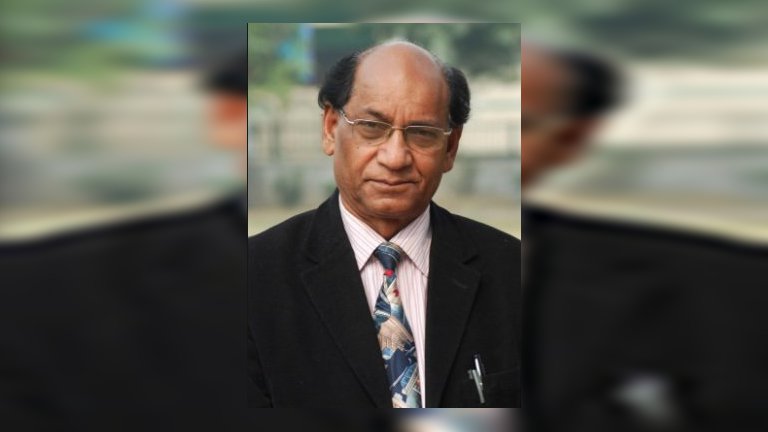
            "name": "Kunwar Bechain",
            "bio": "Dr. Kunwar Bechain is a Hindi poet of India. He is a resident of Ghaziabad, Uttar Pradesh. Dr. Bechain was born in village Umri, District Moradabad, Uttar Pradesh on 1 July 1942. His actual name is Dr. Kunwar Bahadur Saxena. He worked as head of the Hindi department in MMH College, Ghaziabad.",
            "raw_bio": "Dr. Kunwar Bechain is a Hindi poet of India. He is a resident of Ghaziabad, Uttar Pradesh. Dr. Bechain was born in village Umri, District Moradabad, Uttar Pradesh on 1 July 1942. His actual name is Dr. Kunwar Bahadur Saxena. He worked as head of the Hindi department in MMH College, Ghaziabad.",
            "slug": "kunwar-bechain",
            "DOB": "1942-07-01",
            "DateOfDemise": null,
            "location": "Ghaziabad, UP",
            "url": "/sootradhar/kunwar-bechain",
            "tags": null,
            "created": "2023-09-22T12:29:40.529535",
            "is_has_special_post": true,
            "is_special_author": false,
            "language": 4
        },
        {
            "id": 32,
            "image": "https://kavishalalab.s3.ap-south-1.amazonaws.com/sootradhar_author/Screenshot_2020-03-23_at_10.57.24_AM.png",
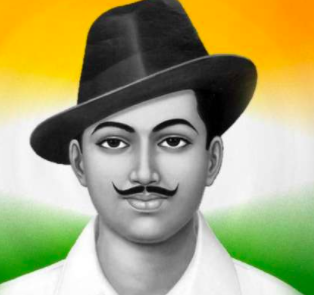
            "name": "Bhagat Singh",
            "bio": "भगत सिंह (28 सितम्बर या 19 अक्टूबर 1907-23 मार्च 1931) भारत के प्रमुख स्वतंत्रता सेनानी क्रांतिकारी थे। उनका जन्म पिता सरदार किशन सिंह और माता विद्यावती कौर के घर एक जाट सिक्ख परिवार में गाँव बंगा, तहसील जड़ाँवाला, जिला लायलपुर, पंजाब (अब पाकिस्तान में) हुआ । अमृतसर जलियाँवाला बाग हत्याकाण्ड का उन पर गहरा प्रभाव पड़ा। उन्होंने देश की आज़ादी के लिए ब्रिटिश सरकार का मुक़ाबला किया। लाहौर में साण्डर्स की हत्या और उसके बाद दिल्ली की सेण्ट्रल असेम्बली में बम-विस्फोट करके ब्रिटिश साम्राज्य के विरुद्ध खुला विद्रोह किया। जिसके फलस्वरूप उन्हें २३ मार्च १९३१ को उनके दो अन्य साथियों, राजगुरु तथा सुखदेव के साथ फाँसी दी गयी।",
            "raw_bio": "भगत सिंह (28 सितम्बर या 19 अक्टूबर 1907-23 मार्च 1931) भारत के प्रमुख स्वतंत्रता सेनानी क्रांतिकारी थे। उनका जन्म पिता सरदार किशन सिंह और माता विद्यावती कौर के घर एक जाट सिक्ख परिवार में गाँव बंगा, तहसील जड़ाँवाला, जिला लायलपुर, पंजाब (अब पाकिस्तान में) हुआ । अमृतसर जलियाँवाला बाग हत्याकाण्ड का उन पर गहरा प्रभाव पड़ा। उन्होंने देश की आज़ादी के लिए ब्रिटिश सरकार का मुक़ाबला किया। लाहौर में साण्डर्स की हत्या और उसके बाद दिल्ली की सेण्ट्रल असेम्बली में बम-विस्फोट करके ब्रिटिश साम्राज्य के विरुद्ध खुला विद्रोह किया। जिसके फलस्वरूप उन्हें २३ मार्च १९३१ को उनके दो अन्य साथियों, राजगुरु तथा सुखदेव के साथ फाँसी दी गयी।",
            "slug": "bhagat-singh",
            "DOB": null,
            "DateOfDemise": null,
            "location": null,
            "url": "/sootradhar/bhagat-singh",
            "tags": null,
            "created": "2023-09-22T12:18:38.367106",
            "is_has_special_post": false,
            "is_special_author": false,
            "language": 4
        },
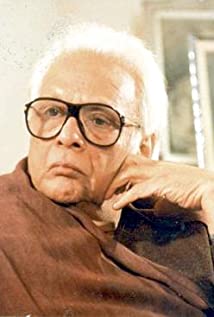
        {
            "id": 34,
            "image": "https://kavishalalab.s3.ap-south-1.amazonaws.com/sootradhar_author/raahi.jpg",
            "name": "Rahi Masoom Raza",
            "bio": "Rahi Masoom Raza, born in Ghazipur, Uttar Pradesh, India, was an Urdu poet. He won the Filmfare Best Dialogue Award for the hit film Main Tulsi Tere Aangan Ki in 1979, followed by Mili and Lamhe, which he won posthumously. He also wrote in Hindustani and Hindi language and was a lyricist of Bollywood",
            "raw_bio": "Rahi Masoom Raza, born in Ghazipur, Uttar Pradesh, India, was an Urdu poet. He won the Filmfare Best Dialogue Award for the hit film Main Tulsi Tere Aangan Ki in 1979, followed by Mili and Lamhe, which he won posthumously. He also wrote in Hindustani and Hindi language and was a lyricist of Bollywood",
            "slug": "rahi-masoom-raza",
            "DOB": "1927-01-09",
            "DateOfDemise": "1992-03-01",
            "location": "Ghazipur, Uttar Pradesh",
            "url": "/sootradhar/rahi-masoom-raza",
            "tags": "",
            "created": "2023-09-22T12:29:49.023406",
            "is_has_special_post": true,
            "is_special_author": false,
            "language": 4
        },
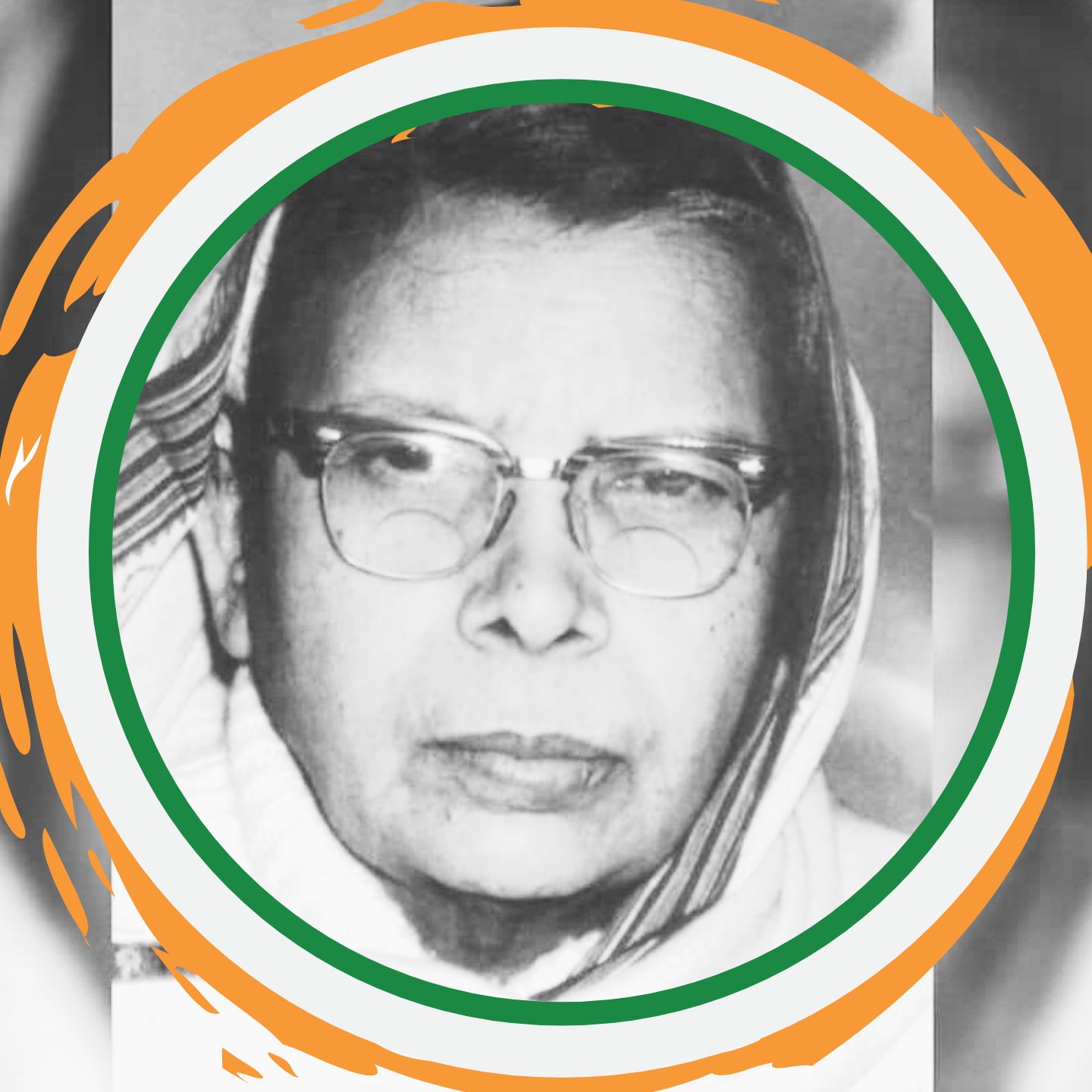
        {
            "id": 36,
            "image": "https://kavishalalab.s3.ap-south-1.amazonaws.com/sootradhar_author/Mahadevi_Verma_sootradhhar.jpg",
            "name": "Mahadevi Verma",
            "bio": "Mahadevi Verma was a Hindi poet, freedom fighter and educationist from India. She is widely regarded as the \"modern Meera\". She was a major poet of the \"Chhayavaad\", a literary movement of romanticism in modern Hindi poetry ranging from 1914–1938 and a prominent poet in Hindi Kavi sammelans.",
            "raw_bio": "Mahadevi Verma was a Hindi poet, freedom fighter and educationist from India. She is widely regarded as the \"modern Meera\". She was a major poet of the \"Chhayavaad\", a literary movement of romanticism in modern Hindi poetry ranging from 1914–1938 and a prominent poet in Hindi Kavi sammelans.",
            "slug": "mahadevi-verma",
            "DOB": "1907-03-26",
            "DateOfDemise": null,
            "location": "Farrukhabad, Uttar Pradesh, India",
            "url": "/sootradhar/mahadevi-verma",
            "tags": "Mahadevi Verma, Mahadevi Verma Sootradhhar, Hindvi, Kavitakosh, Rekhta",
            "created": "2023-09-22T12:30:06.132953",
            "is_has_special_post": true,
            "is_special_author": false,
            "language": 4
        },
        {
            "id": 37,
            "image": "https://kavishalalab.s3.ap-south-1.amazonaws.com/sootradhar_author/kedarnath-singh.jpg",
            "name": "Kedarnath Singh",
            "bio": "<br>\r\nKedarnath Singh was an Indian poet who wrote in Hindi. He was also an eminent critic and essayist. He was awarded the Jnanpith Award, Sahitya Akademi Award in Hindi for his poetry collection, Akaal Mein Saras.",
            "raw_bio": "\r Kedarnath Singh was an Indian poet who wrote in Hindi. He was also an eminent critic and essayist. He was awarded the Jnanpith Award, Sahitya Akademi Award in Hindi for his poetry collection, Akaal Mein Saras.",
            "slug": "kedarnath-singh",
            "DOB": "1934-07-07",
            "DateOfDemise": null,
            "location": "Chakia",
            "url": "/sootradhar/kedarnath-singh",
            "tags": "",
            "created": "2023-09-22T12:30:07.951036",
            "is_has_special_post": true,
            "is_special_author": false,
            "language": 4
        },
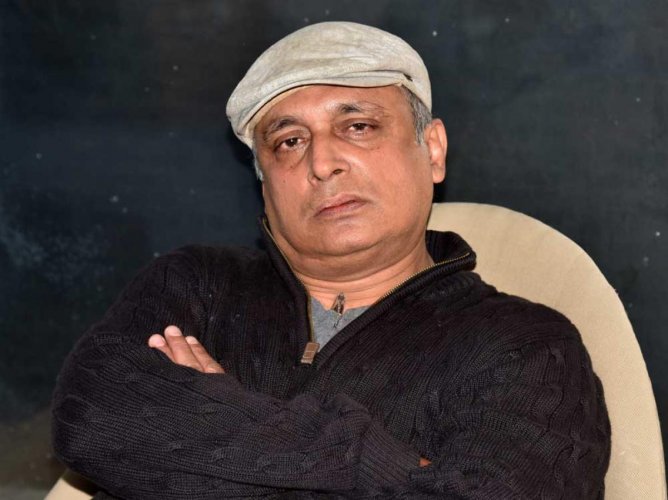
        {
            "id": 38,
            "image": "https://kavishalalab.s3.ap-south-1.amazonaws.com/sootradhar_author/file6xb6q26xm2pvtna78r1.jpg",
            "name": "Piyush Mishra",
            "bio": "Piyush Mishra is an Indian film and theatre actor, music director, lyricist, singer and scriptwriter. Mishra grew up in Gwalior, and went to graduate from National School of Drama, Delhi in 1986. Thereafter, he started his career in Hindi theatre in Delhi.",
            "raw_bio": "Piyush Mishra is an Indian film and theatre actor, music director, lyricist, singer and scriptwriter. Mishra grew up in Gwalior, and went to graduate from National School of Drama, Delhi in 1986. Thereafter, he started his career in Hindi theatre in Delhi.",
            "slug": "piyush-mishra",
            "DOB": "1963-01-13",
            "DateOfDemise": null,
            "location": "Gwalior",
            "url": "/sootradhar/piyush-mishra",
            "tags": null,
            "created": "2023-09-22T12:30:09.053039",
            "is_has_special_post": true,
            "is_special_author": false,
            "language": 4
        },
        {
            "id": 39,
            "image": "https://kavishalalab.s3.ap-south-1.amazonaws.com/sootradhar_author/download.jpeg",
            "name": "Bharat Bhushan Pant",
            "bio": "Bharat Bhushan Pant is an Indian film Lyricist and Poet, who has worked predominantly in Bollywood. Bharat Bhushan Pant's previous film to hit the theatres was Dhokha in the year 2007 .",
            "raw_bio": "Bharat Bhushan Pant is an Indian film Lyricist and Poet, who has worked predominantly in Bollywood. Bharat Bhushan Pant's previous film to hit the theatres was Dhokha in the year 2007 .",
            "slug": "bharat-bhushan-pant",
            "DOB": null,
            "DateOfDemise": null,
            "location": null,
            "url": "/sootradhar/bharat-bhushan-pant",
            "tags": null,
            "created": "2023-09-22T12:30:09.480873",
            "is_has_special_post": true,
            "is_special_author": false,
            "language": 4
        },
        {
            "id": 40,
            "image": "https://kavishalalab.s3.ap-south-1.amazonaws.com/sootradhar_author/makhanlan.jpg",
            "name": "Makhanlal Chaturvedi",
            "bio": "<br>\r\nPandit Makhanlal Chaturvedi (4 April 1889 – 30 January 1968), also called Pandit ji, was an Indian poet, writer, essayist, playwright and a journalist who is particularly remembered for his participation in India's national struggle for independence and his contribution to Chhayavaad, the Neo-romanticism movement of Hindi literature. He was awarded the first Sahitya Akademi Award in Hindi for his work Him Taringini in 1955. The Government of India awarded him the civilian honour of the Padma Bhushan in 1963.",
            "raw_bio": "\r Pandit Makhanlal Chaturvedi (4 April 1889 – 30 January 1968), also called Pandit ji, was an Indian poet, writer, essayist, playwright and a journalist who is particularly remembered for his participation in India's national struggle for independence and his contribution to Chhayavaad, the Neo-romanticism movement of Hindi literature. He was awarded the first Sahitya Akademi Award in Hindi for his work Him Taringini in 1955. The Government of India awarded him the civilian honour of the Padma Bhushan in 1963.",
            "slug": "makhanlal-chaturvedi",
            "DOB": "1889-04-04",
            "DateOfDemise": null,
            "location": "Bhopal",
            "url": "/sootradhar/makhanlal-chaturvedi",
            "tags": "माखनलाल चतुर्वेदी, Makhanlal Chaturvedi Sootradhar, kavitakosh, Rekhta, Hindwi",
            "created": "2023-09-22T12:30:11.328205",
            "is_has_special_post": true,
            "is_special_author": false,
            "language": 4
        },
        {
            "id": 54,
            "image": "https://kavishalalab.s3.ap-south-1.amazonaws.com/sootradhar_author/gopaldas-neeraj.jpg",
            "name": "Gopaldas Neeraj",
            "bio": "<br> Gopaldas Neeraj (popularly known as Niraj or Neeraj; 4 January 1925 – 19 July 2018)[2] was an Indian poet and author of Hindi literature. He was also a poet of Hindi Kavi sammelan. He was born in the village of Puravali, near Mahewa in Etawah district in Uttar Pradesh, India on 4 January 1925. He wrote under the pen name \"Neeraj\".\r\n<br>\r\nHe was awarded the Padma Shri in 1991 and Padma Bhushan in 2007.<br>\r\n<br>\r\nBesides writing, he earned his living teaching in a college and was a Professor of Hindi Literature in Dharma Samaj College, Aligarh. Around 2012, Neeraj was the chancellor of Mangalayatan University, Aligarh, Uttar Pradesh.<br>\r\n<br>\r\nSeveral poems and songs written by Neeraj have been used in Hindi movies. He wrote songs for several Hindi films and was proficient in both Hindi and Urdu. In a television interview, Neeraj called himself an unlucky poet who had to concentrate on the poetry form instead of writing songs for films.[citation needed] His career as a film lyricist ended when he became depressed by the deaths of some of the film music directors with whom he had worked. He noted in particular the deaths of Jaikishan of the music duo Shankar-Jaikishan, and S. D. Burman, for both of whom he had written highly popular film songs.\r\n<br><br>\r\nNeeraj died, aged 93, on 19 July 2018 in New Delhi. He had been admitted to hospital with a lung infection.<br>",
            "raw_bio": " Gopaldas Neeraj (popularly known as Niraj or Neeraj; 4 January 1925 – 19 July 2018)[2] was an Indian poet and author of Hindi literature. He was also a poet of Hindi Kavi sammelan. He was born in the village of Puravali, near Mahewa in Etawah district in Uttar Pradesh, India on 4 January 1925. He wrote under the pen name \"Neeraj\".\r  \r He was awarded the Padma Shri in 1991 and Padma Bhushan in 2007.   \r Besides writing, he earned his living teaching in a college and was a Professor of Hindi Literature in Dharma Samaj College, Aligarh. Around 2012, Neeraj was the chancellor of Mangalayatan University, Aligarh, Uttar Pradesh.   \r Several poems and songs written by Neeraj have been used in Hindi movies. He wrote songs for several Hindi films and was proficient in both Hindi and Urdu. In a television interview, Neeraj called himself an unlucky poet who had to concentrate on the poetry form instead of writing songs for films.[citation needed] His career as a film lyricist ended when he became depressed by the deaths of some of the film music directors with whom he had worked. He noted in particular the deaths of Jaikishan of the music duo Shankar-Jaikishan, and S. D. Burman, for both of whom he had written highly popular film songs.\r  \r Neeraj died, aged 93, on 19 July 2018 in New Delhi. He had been admitted to hospital with a lung infection.",
            "slug": "gopaldas-neeraj",
            "DOB": "1925-01-04",
            "DateOfDemise": null,
            "location": "Puravali",
            "url": "/sootradhar/gopaldas-neeraj",
            "tags": "",
            "created": "2024-02-03T10:08:21.797642",
            "is_has_special_post": true,
            "is_special_author": false,
            "language": 4
        }
    ],
    "description": "<p style=\"text-align: center; font-size: 24px;\"> The Great Poets and Writers in Indian and World History! </p>",
    "image": "https://kavishalalab.s3.ap-south-1.amazonaws.com/sootradhar_description/black.jpg"
}