HTTP 200 OK
Allow: GET, HEAD, OPTIONS
Content-Type: application/json
Vary: Accept
{
"count": 17752,
"next": "http://admin.kavishala.in/sootradhar/authors/?format=api&page=3",
"previous": "http://admin.kavishala.in/sootradhar/authors/?format=api",
"results": [
{
"id": 529,
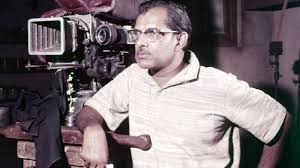
"image": "https://kavishalalab.s3.ap-south-1.amazonaws.com/sootradhar_author/Hrishikesh_Mukherjee_.jpeg",
"name": "Hrishikesh Mukherjee",
"bio": "Hrishikesh Mukherjee (30 September 1922 – 27 August 2006) was an Indian film director, editor and writer regarded as one of the greatest filmmakers of Indian cinema, known for a number of films, including Anari, Satyakam, Chupke Chupke, Anupama, Anand, Abhimaan, Guddi, Gol Maal, Majhli Didi, Chaitali, Aashirwad, Bawarchi,Khubsoorat, Kissi Se Na Kehna, and Namak Haraam.<br>\r\nPopularly known as Hrishi-da, he directed 42 films during his career spanning over four decades, and is named the pioneer of the 'middle cinema' of India. Renowned for his social films that reflected the changing middle-class ethos, Mukherjee \"carved a middle path between the extravagance of mainstream cinema and the stark realism of art cinema\".<br>\r\nHe also remained the chairman of the Central Board of Film Certification (CBFC) and of the National Film Development Corporation (NFDC). The Government of India honoured him with the Dada Saheb Phalke Award in 1999 and the Padma Vibhushan in 2001. He received the NTR National Award in 2001 and he also won eight Filmfare Awards.",
"raw_bio": "Hrishikesh Mukherjee (30 September 1922 – 27 August 2006) was an Indian film director, editor and writer regarded as one of the greatest filmmakers of Indian cinema, known for a number of films, including Anari, Satyakam, Chupke Chupke, Anupama, Anand, Abhimaan, Guddi, Gol Maal, Majhli Didi, Chaitali, Aashirwad, Bawarchi,Khubsoorat, Kissi Se Na Kehna, and Namak Haraam. \r Popularly known as Hrishi-da, he directed 42 films during his career spanning over four decades, and is named the pioneer of the 'middle cinema' of India. Renowned for his social films that reflected the changing middle-class ethos, Mukherjee \"carved a middle path between the extravagance of mainstream cinema and the stark realism of art cinema\". \r He also remained the chairman of the Central Board of Film Certification (CBFC) and of the National Film Development Corporation (NFDC). The Government of India honoured him with the Dada Saheb Phalke Award in 1999 and the Padma Vibhushan in 2001. He received the NTR National Award in 2001 and he also won eight Filmfare Awards.",
"slug": "hrishikesh-mukherjee",
"DOB": "1922-10-30",
"DateOfDemise": "2006-08-27",
"location": "Kolkata, West Bengal, India",
"url": "/sootradhar/hrishikesh-mukherjee",
"tags": "",
"created": "2023-09-22T12:17:03.659243",
"is_has_special_post": false,
"is_special_author": false,
"language": null
},
{
"id": 671,
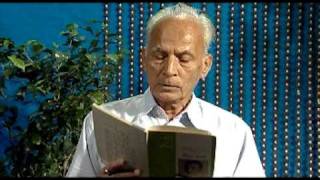
"image": "https://kavishalalab.s3.ap-south-1.amazonaws.com/sootradhar_author/Nalin_Raval_.jpeg",
"name": "Nalin Raval",
"bio": "Nalin Chandrakant Raval (born 17 March 1933) is a Gujarati poet and short story writer from India. Born in Ahmedabad and educated in languages, he taught in colleges. He published five poetry collections along with short stories. He received several awards including Ranjitram Suvarna Chandrak. Nalin Raval was born on 17 March 1933 at Ahmedabad. he was native of Wadhwan. He completed his primary education from Kalupur School No. 7 and secondary education from New Education High school. He completed his matriculation in 1954. He completed B.A. in Gujarati and English in 1956 and M. A. in 1959. In 1953, his first poem was published in Kumar magazine. He briefly taught in Bharuch and Nadiad before joining B. D. Arts College at Ahmedabad as a professor of English. He retired in 1993",
"raw_bio": "Nalin Chandrakant Raval (born 17 March 1933) is a Gujarati poet and short story writer from India. Born in Ahmedabad and educated in languages, he taught in colleges. He published five poetry collections along with short stories. He received several awards including Ranjitram Suvarna Chandrak. Nalin Raval was born on 17 March 1933 at Ahmedabad. he was native of Wadhwan. He completed his primary education from Kalupur School No. 7 and secondary education from New Education High school. He completed his matriculation in 1954. He completed B.A. in Gujarati and English in 1956 and M. A. in 1959. In 1953, his first poem was published in Kumar magazine. He briefly taught in Bharuch and Nadiad before joining B. D. Arts College at Ahmedabad as a professor of English. He retired in 1993",
"slug": "nalin-raval",
"DOB": "1933-03-17",
"DateOfDemise": null,
"location": "Ahmedabad, Gujarat, India",
"url": "/sootradhar/nalin-raval",
"tags": "",
"created": "2023-09-22T12:17:03.675856",
"is_has_special_post": false,
"is_special_author": false,
"language": null
},
{
"id": 691,
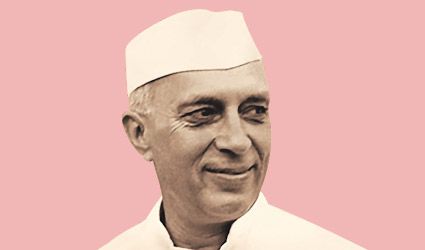
"image": "https://kavishalalab.s3.ap-south-1.amazonaws.com/sootradhar_author/jawahar_lal_nehru_843f597724.jpeg",
"name": "Jawaharlal Nehru",
"bio": "Jawaharlal Nehru (14 November 1889 – 27 May 1964) was an Indian independence activist and, subsequently, the first Prime Minister of India, as well as a central figure in Indian politics both before and after independence. He emerged as an eminent leader of the Indian independence movement, serving India as Prime Minister from its establishment in 1947 as an independent nation, until his death in 1964. He was also known as Pandit Nehru due to his roots with the Kashmiri Pandit community, while Indian children knew him better as Chacha Nehru (Hindi: Uncle Nehru).\r\n<br>\r\nThe son of Swarup Rani and Motilal Nehru, a prominent lawyer and nationalist statesman, Nehru was a graduate of Trinity College, Cambridge and the Inner Temple, where he trained to be a barrister. Upon his return to India, he enrolled at the Allahabad High Court and took an interest in national politics, which eventually replaced his legal practice. A committed nationalist since his teenage years, he became a rising figure in Indian politics during the upheavals of the 1910s. He became the prominent leader of the left-wing factions of the Indian National Congress during the 1920s, and eventually of the entire Congress, with the tacit approval of his mentor, Mahatma Gandhi. As Congress President in 1929, Nehru called for complete independence from the British Raj and instigated the Congress's decisive shift towards the left.\r\n<br>\r\nNehru and the Congress dominated Indian politics during the 1930s as the country moved towards independence. His idea of a secular nation-state was seemingly validated when the Congress swept the 1937 provincial elections and formed the government in several provinces; on the other hand, the separatist Muslim League fared much poorer. However, these achievements were severely compromised in the aftermath of the Quit India Movement in 1942, which saw the British effectively crush the Congress as a political organisation. Nehru, who had reluctantly heeded Gandhi's call for immediate independence, for he had desired to support the Allied war effort during World War II, came out of a lengthy prison term to a much altered political landscape. The Muslim League under his old Congress colleague and now opponent, Muhammad Ali Jinnah, had come to dominate Muslim politics in India. Negotiations between Congress and Muslim League for power sharing failed and gave way to the independence and bloody partition of India in 1947.\r\n<br>\r\nNehru was elected by the Congress to assume office as independent India's first Prime Minister, although the question of leadership had been settled as far back as 1941, when Gandhi acknowledged Nehru as his political heir and successor. As Prime Minister, he set out to realise his vision of India. The Constitution of India was enacted in 1950, after which he embarked on an ambitious program of economic, social and political reforms. Chiefly, he oversaw India's transition from a colony to a republic, while nurturing a plural, multi-party system. In foreign policy, he took a leading role in the Non-Aligned Movement while projecting India as a regional hegemon in South Asia.\r\n<br>\r\nUnder Nehru's leadership, the Congress emerged as a catch-all party, dominating national and state-level politics and winning consecutive elections in 1951, 1957, and 1962. He remained popular with the people of India in spite of political troubles in his final years and failure of leadership during the 1962 Sino-Indian War. In India, his birthday is celebrated as Children's Day.",
"raw_bio": "Jawaharlal Nehru (14 November 1889 – 27 May 1964) was an Indian independence activist and, subsequently, the first Prime Minister of India, as well as a central figure in Indian politics both before and after independence. He emerged as an eminent leader of the Indian independence movement, serving India as Prime Minister from its establishment in 1947 as an independent nation, until his death in 1964. He was also known as Pandit Nehru due to his roots with the Kashmiri Pandit community, while Indian children knew him better as Chacha Nehru (Hindi: Uncle Nehru).\r \r The son of Swarup Rani and Motilal Nehru, a prominent lawyer and nationalist statesman, Nehru was a graduate of Trinity College, Cambridge and the Inner Temple, where he trained to be a barrister. Upon his return to India, he enrolled at the Allahabad High Court and took an interest in national politics, which eventually replaced his legal practice. A committed nationalist since his teenage years, he became a rising figure in Indian politics during the upheavals of the 1910s. He became the prominent leader of the left-wing factions of the Indian National Congress during the 1920s, and eventually of the entire Congress, with the tacit approval of his mentor, Mahatma Gandhi. As Congress President in 1929, Nehru called for complete independence from the British Raj and instigated the Congress's decisive shift towards the left.\r \r Nehru and the Congress dominated Indian politics during the 1930s as the country moved towards independence. His idea of a secular nation-state was seemingly validated when the Congress swept the 1937 provincial elections and formed the government in several provinces; on the other hand, the separatist Muslim League fared much poorer. However, these achievements were severely compromised in the aftermath of the Quit India Movement in 1942, which saw the British effectively crush the Congress as a political organisation. Nehru, who had reluctantly heeded Gandhi's call for immediate independence, for he had desired to support the Allied war effort during World War II, came out of a lengthy prison term to a much altered political landscape. The Muslim League under his old Congress colleague and now opponent, Muhammad Ali Jinnah, had come to dominate Muslim politics in India. Negotiations between Congress and Muslim League for power sharing failed and gave way to the independence and bloody partition of India in 1947.\r \r Nehru was elected by the Congress to assume office as independent India's first Prime Minister, although the question of leadership had been settled as far back as 1941, when Gandhi acknowledged Nehru as his political heir and successor. As Prime Minister, he set out to realise his vision of India. The Constitution of India was enacted in 1950, after which he embarked on an ambitious program of economic, social and political reforms. Chiefly, he oversaw India's transition from a colony to a republic, while nurturing a plural, multi-party system. In foreign policy, he took a leading role in the Non-Aligned Movement while projecting India as a regional hegemon in South Asia.\r \r Under Nehru's leadership, the Congress emerged as a catch-all party, dominating national and state-level politics and winning consecutive elections in 1951, 1957, and 1962. He remained popular with the people of India in spite of political troubles in his final years and failure of leadership during the 1962 Sino-Indian War. In India, his birthday is celebrated as Children's Day.",
"slug": "jawaharlal-nehru",
"DOB": "1889-11-14",
"DateOfDemise": "1964-05-27",
"location": "Allahabad, North-Western Provinces, British India",
"url": "/sootradhar/jawaharlal-nehru",
"tags": "",
"created": "2023-09-22T12:17:03.696314",
"is_has_special_post": false,
"is_special_author": false,
"language": null
},
{
"id": 692,
"image": "https://kavishala.blob.core.windows.net/kavishalalabs/kavishala_logo.png",
"name": "Langston Hughes",
"bio": "James Mercer Langston Hughes was born February 1, 1902, in Joplin, Missouri. His parents divorced when he was a young child, and his father moved to Mexico. He was raised by his grandmother until he was thirteen, when he moved to Lincoln, Illinois, to live with his mother and her husband, before the family eventually settled in Cleveland, Ohio. It was in Lincoln that Hughes began writing poetry. After graduating from high school, he spent a year in Mexico followed by a year at Columbia University in New York City. During this time, he worked as an assistant cook, launderer, and busboy. He also travelled to Africa and Europe working as a seaman. In November 1924, he moved to Washington, D. C. Hughes's first book of poetry, The Weary Blues, (Knopf, 1926) was published by Alfred A. Knopf in 1926. He finished his college education at Lincoln University in Pennsylvania three years later. In 1930 his first novel, Not Without Laughter (Knopf, 1930), won the Harmon gold medal for literature.\r\n\r\nHughes, who claimed Paul Lawrence Dunbar, Carl Sandburg, and Walt Whitman as his primary influences, is particularly known for his insightful portrayals of black life in America from the twenties through the sixties. He wrote novels, short stories, plays, and poetry, and is also known for his engagement with the world of jazz and the influence it had on his writing, as in his book-length poem Montage of a Dream Deferred (Holt, 1951). His life and work were enormously important in shaping the artistic contributions of the Harlem Renaissance of the 1920s. Unlike other notable black poets of the period such as Claude McKay, Jean Toomer, and Countee Cullen, Hughes refused to differentiate between his personal experience and the common experience of black America. He wanted to tell the stories of his people in ways that reflected their actual culture, including their love of music, laughter, and language itself alongside their suffering.\r\n\r\nThe critic Donald B. Gibson noted in the introduction to Modern Black Poets: A Collection of Critical Essays (Prentice Hall, 1973) that Hughes “differed from most of his predecessors among black poets… in that he addressed his poetry to the people, specifically to black people. During the twenties when most American poets were turning inward, writing obscure and esoteric poetry to an ever decreasing audience of readers, Hughes was turning outward, using language and themes, attitudes and ideas familiar to anyone who had the ability simply to read... Until the time of his death, he spread his message humorously—though always seriously—to audiences throughout the country, having read his poetry to more people (possibly) than any other American poet.”\r\n\r\nIn addition to leaving us a large body of poetic work, Hughes wrote eleven plays and countless works of prose, including the well-known “Simple” books: Simple Speaks His Mind (Simon & Schuster, 1950); Simple Stakes a Claim (Rinehart, 1957); Simple Takes a Wife (Simon & Schuster, 1953); and Simple's Uncle Sam (Hill and Wang, 1965). He edited the anthologies The Poetry of the Negro and The Book of Negro Folklore, wrote an acclaimed autobiography, The Big Sea (Knopf, 1940), and cowrote the play Mule Bone (HarperCollins, 1991) with Zora Neale Hurston.\r\n\r\nLangston Hughes died of complications from prostate cancer on May 22, 1967, in New York City. In his memory, his residence at 20 East 127th Street in Harlem has been given landmark status by the New York City Preservation Commission, and East 127th Street has been renamed “Langston Hughes Place.”",
"raw_bio": "James Mercer Langston Hughes was born February 1, 1902, in Joplin, Missouri. His parents divorced when he was a young child, and his father moved to Mexico. He was raised by his grandmother until he was thirteen, when he moved to Lincoln, Illinois, to live with his mother and her husband, before the family eventually settled in Cleveland, Ohio. It was in Lincoln that Hughes began writing poetry. After graduating from high school, he spent a year in Mexico followed by a year at Columbia University in New York City. During this time, he worked as an assistant cook, launderer, and busboy. He also travelled to Africa and Europe working as a seaman. In November 1924, he moved to Washington, D. C. Hughes's first book of poetry, The Weary Blues, (Knopf, 1926) was published by Alfred A. Knopf in 1926. He finished his college education at Lincoln University in Pennsylvania three years later. In 1930 his first novel, Not Without Laughter (Knopf, 1930), won the Harmon gold medal for literature.\r \r Hughes, who claimed Paul Lawrence Dunbar, Carl Sandburg, and Walt Whitman as his primary influences, is particularly known for his insightful portrayals of black life in America from the twenties through the sixties. He wrote novels, short stories, plays, and poetry, and is also known for his engagement with the world of jazz and the influence it had on his writing, as in his book-length poem Montage of a Dream Deferred (Holt, 1951). His life and work were enormously important in shaping the artistic contributions of the Harlem Renaissance of the 1920s. Unlike other notable black poets of the period such as Claude McKay, Jean Toomer, and Countee Cullen, Hughes refused to differentiate between his personal experience and the common experience of black America. He wanted to tell the stories of his people in ways that reflected their actual culture, including their love of music, laughter, and language itself alongside their suffering.\r \r The critic Donald B. Gibson noted in the introduction to Modern Black Poets: A Collection of Critical Essays (Prentice Hall, 1973) that Hughes “differed from most of his predecessors among black poets… in that he addressed his poetry to the people, specifically to black people. During the twenties when most American poets were turning inward, writing obscure and esoteric poetry to an ever decreasing audience of readers, Hughes was turning outward, using language and themes, attitudes and ideas familiar to anyone who had the ability simply to read... Until the time of his death, he spread his message humorously—though always seriously—to audiences throughout the country, having read his poetry to more people (possibly) than any other American poet.”\r \r In addition to leaving us a large body of poetic work, Hughes wrote eleven plays and countless works of prose, including the well-known “Simple” books: Simple Speaks His Mind (Simon & Schuster, 1950); Simple Stakes a Claim (Rinehart, 1957); Simple Takes a Wife (Simon & Schuster, 1953); and Simple's Uncle Sam (Hill and Wang, 1965). He edited the anthologies The Poetry of the Negro and The Book of Negro Folklore, wrote an acclaimed autobiography, The Big Sea (Knopf, 1940), and cowrote the play Mule Bone (HarperCollins, 1991) with Zora Neale Hurston.\r \r Langston Hughes died of complications from prostate cancer on May 22, 1967, in New York City. In his memory, his residence at 20 East 127th Street in Harlem has been given landmark status by the New York City Preservation Commission, and East 127th Street has been renamed “Langston Hughes Place.”",
"slug": "langston-hughes",
"DOB": null,
"DateOfDemise": null,
"location": null,
"url": "/sootradhar/langston-hughes",
"tags": "",
"created": "2023-09-22T12:53:36.552200",
"is_has_special_post": true,
"is_special_author": false,
"language": null
},
{
"id": 693,
"image": "https://kavishala.blob.core.windows.net/kavishalalabs/kavishala_logo.png",
"name": "Emily Dickinson",
"bio": "Emily Dickinson",
"raw_bio": "Emily Dickinson",
"slug": "emily-dickinson",
"DOB": null,
"DateOfDemise": null,
"location": null,
"url": "/sootradhar/emily-dickinson",
"tags": "",
"created": "2023-09-22T12:54:21.912135",
"is_has_special_post": true,
"is_special_author": false,
"language": null
},
{
"id": 696,
"image": "https://kavishalalab.s3.ap-south-1.amazonaws.com/sootradhar_author/Naomi_Shihab_Nye.jpg",
"name": "Naomi Shihab Nye",
"bio": "Naomi Shihab Nye was born on March 12, 1952, in St. Louis, Missouri, to a Palestinian father and an American mother. \r\nNye is the author of numerous books of poems, most recently Cast Away: Poems for Our Time (Greenwillow Books, 2020). Her other books of poetry include The Tiny Journalist (BOA Editions, 2019); Voices in the Air: Poems for Listeners (Greenwillow Books, 2018); Transfer (BOA Editions, 2011); You and Yours (BOA Editions, 2005), which received the Isabella Gardner Poetry Award; and 19 Varieties of Gazelle: Poems of the Middle East (Greenwillow Books, 2002), a collection of new and selected poems about the Middle East.",
"raw_bio": "Naomi Shihab Nye was born on March 12, 1952, in St. Louis, Missouri, to a Palestinian father and an American mother. \r Nye is the author of numerous books of poems, most recently Cast Away: Poems for Our Time (Greenwillow Books, 2020). Her other books of poetry include The Tiny Journalist (BOA Editions, 2019); Voices in the Air: Poems for Listeners (Greenwillow Books, 2018); Transfer (BOA Editions, 2011); You and Yours (BOA Editions, 2005), which received the Isabella Gardner Poetry Award; and 19 Varieties of Gazelle: Poems of the Middle East (Greenwillow Books, 2002), a collection of new and selected poems about the Middle East.",
"slug": "naomi-shihab-nye",
"DOB": null,
"DateOfDemise": null,
"location": null,
"url": "/sootradhar/naomi-shihab-nye",
"tags": "",
"created": "2023-09-22T12:54:23.672241",
"is_has_special_post": true,
"is_special_author": false,
"language": null
},
{
"id": 697,
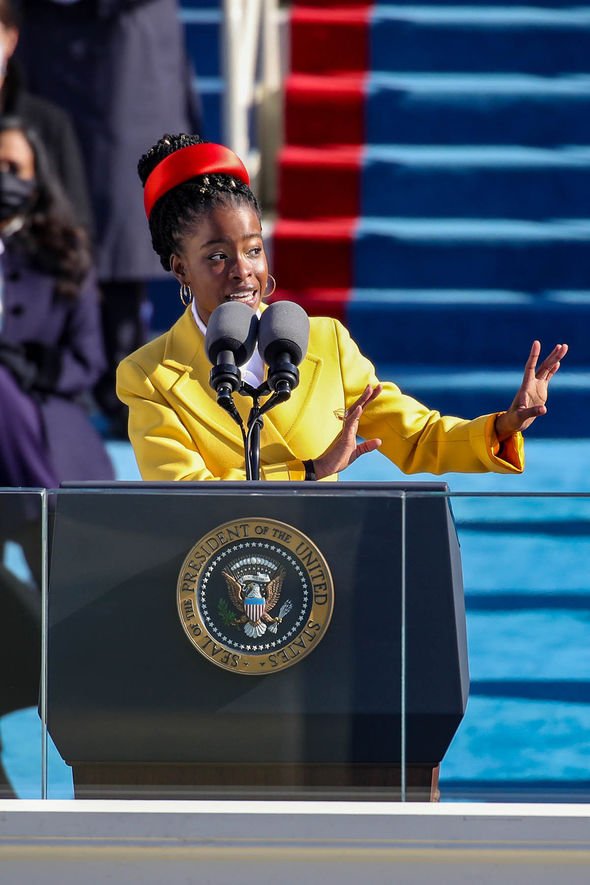
"image": "https://kavishalalab.s3.ap-south-1.amazonaws.com/sootradhar_author/Who-isAmanda-Gorman.jpg",
"name": "Amanda Gorman",
"bio": "<p>Amanda Gorman was born and raised in Los Angeles, California. She graduated from Harvard University in 2020.</p>\r\n<p>She is the author of the <em>The Hill We Climb: An Inaugural Poem for the Country </em>(Viking Books for Young Readers, March 2021), the poetry collection <em>The Hill We Climb </em>(Viking, September 2021) and <em>The One for Whom Food Is Not Enough</em> (Penmanship Books, 2015). In 2017, Gorman was named the first-ever National Youth Poet Laureate of the United States. She previously served as the youth poet laureate of Los Angeles, and she is the founder and executive director of One Pen One Page, an organization providing free creative writing programs for underserved youth.</p>\r\n<p>Gorman was selected by President Biden to read her original poem “The Hill We Climb” for his Inauguration on January 20, 2021, making her the youngest poet to have served in this role. She also is the first poet commissioned to write a poem to be read at the Super Bowl. Her poem honors three individuals for their essential work during the COVID-19 pandemic.</p>",
"raw_bio": "Amanda Gorman was born and raised in Los Angeles, California. She graduated from Harvard University in 2020. She is the author of the The Hill We Climb: An Inaugural Poem for the Country (Viking Books for Young Readers, March 2021), the poetry collection The Hill We Climb (Viking, September 2021) and The One for Whom Food Is Not Enough (Penmanship Books, 2015). In 2017, Gorman was named the first-ever National Youth Poet Laureate of the United States. She previously served as the youth poet laureate of Los Angeles, and she is the founder and executive director of One Pen One Page, an organization providing free creative writing programs for underserved youth. Gorman was selected by President Biden to read her original poem “The Hill We Climb” for his Inauguration on January 20, 2021, making her the youngest poet to have served in this role. She also is the first poet commissioned to write a poem to be read at the Super Bowl. Her poem honors three individuals for their essential work during the COVID-19 pandemic.",
"slug": "amanda-gorman",
"DOB": null,
"DateOfDemise": null,
"location": null,
"url": "/sootradhar/amanda-gorman",
"tags": "",
"created": "2023-09-22T12:17:03.789049",
"is_has_special_post": false,
"is_special_author": false,
"language": null
},
{
"id": 699,
"image": "https://kavishala.blob.core.windows.net/kavishalalabs/kavishala_logo.png",
"name": "Margarita Cruz",
"bio": "Margarita Cruz is the author of the chapbook Amerixana (Ignite Press, 2021). She currently writes for Flagstaff Live!, and serves as Vice President of the Northern Arizona Book Festival, and as Assistant Editor for Tolsun Books",
"raw_bio": "Margarita Cruz is the author of the chapbook Amerixana (Ignite Press, 2021). She currently writes for Flagstaff Live!, and serves as Vice President of the Northern Arizona Book Festival, and as Assistant Editor for Tolsun Books",
"slug": "margarita-cruz",
"DOB": null,
"DateOfDemise": null,
"location": null,
"url": "/sootradhar/margarita-cruz",
"tags": "",
"created": "2023-09-22T12:17:03.818296",
"is_has_special_post": false,
"is_special_author": false,
"language": null
},
{
"id": 707,
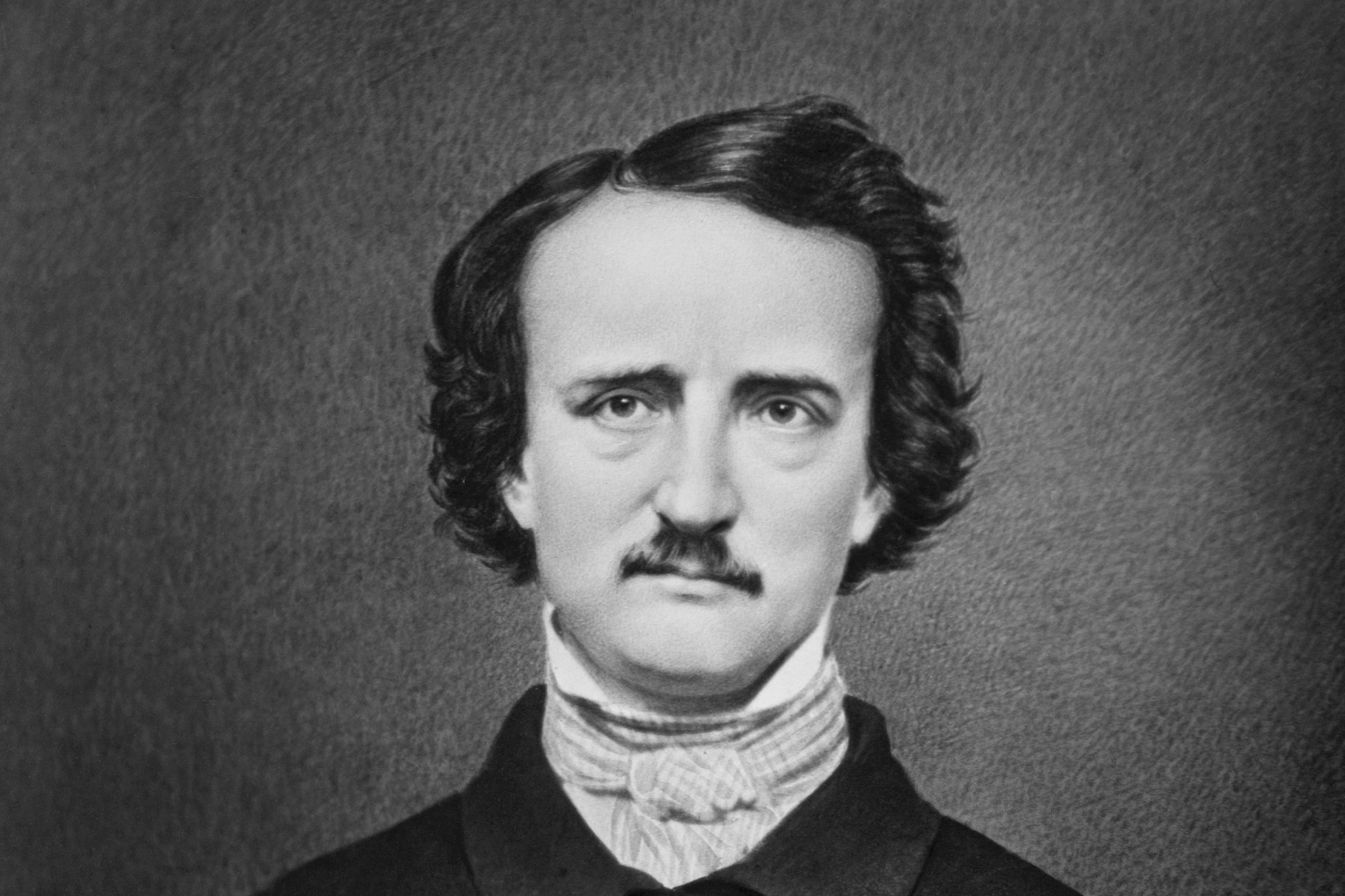
"image": "https://kavishalalab.s3.ap-south-1.amazonaws.com/sootradhar_author/edgar.jpg",
"name": "Edgar Allan Poe",
"bio": "<div class=\"col-md-8\" data-v-411a39f5=\"\">\r\n<div class=\"poet__body-content\" data-v-411a39f5=\"\">\r\n<p>On January 19, 1809, Edgar Allan Poe was born in Boston, Massachusetts. Poe's father and mother, both professional actors, died before the poet was three years old, and John and Frances Allan raised him as a foster child in Richmond, Virginia. John Allan, a prosperous tobacco exporter, sent Poe to the best boarding schools and later to the University of Virginia, where Poe excelled academically. After less than one year of school, however, he was forced to leave the university when Allan refused to pay Poe's gambling debts.</p>\r\n<p>Poe returned briefly to Richmond, but his relationship with Allan deteriorated. In 1827, he moved to Boston and enlisted in the United States Army. His first collection of poems, <em>Tamerlane, and Other Poems</em>, was published that year. In 1829, he published a second collection entitled <em>Al Aaraaf, Tamerlane, and Minor Poems</em>. Neither volume received significant critical or public attention. Following his Army service, Poe was admitted to the United States Military Academy, but he was again forced to leave for lack of financial support. He then moved into the home of his aunt Maria Clemm and her daughter Virginia in Baltimore, Maryland.</p>\r\n<p>Poe began to sell short stories to magazines at around this time, and, in 1835, he became the editor of the <em>Southern Literary Messenger</em> in Richmond, where he moved with his aunt and cousin Virginia. In 1836, he married Virginia, who was thirteen years old at the time. Over the next ten years, Poe would edit a number of literary journals including the Burton's <em>Gentleman's Magazine</em> and <em>Graham's Magazine</em> in Philadelphia and the <em>Broadway Journal</em> in New York City. It was during these years that he established himself as a poet, a short story writer, and an editor. He published some of his best-known stories and poems, including \"The Fall of the House of Usher,\" \"The Tell-Tale Heart,\" \"The Murders in the Rue Morgue,\" and \"The Raven.\" After Virginia's death from tuberculosis in 1847, Poe's lifelong struggle with depression and alcoholism worsened. He returned briefly to Richmond in 1849 and then set out for an editing job in Philadelphia. For unknown reasons, he stopped in Baltimore. On October 3, 1849, he was found in a state of semi-consciousness. Poe died four days later of \"acute congestion of the brain.\" Evidence by medical practitioners who reopened the case has shown that Poe may have been suffering from rabies.</p>\r\n<p>Poe's work as an editor, a poet, and a critic had a profound impact on American and international literature. His stories mark him as one of the originators of both horror and detective fiction. Many anthologies credit him as the \"architect\" of the modern short story. He was also one of the first critics to focus primarily on the effect of style and structure in a literary work; as such, he has been seen as a forerunner to the \"art for art's sake\" movement. French Symbolists such as Mallarmé and Rimbaud claimed him as a literary precursor. <a href=\"https://poets.org/poetsorg/poet/charles-baudelaire\">Baudelaire</a> spent nearly fourteen years translating Poe into French. Today, Poe is remembered as one of the first American writers to become a major figure in world literature.</p>\r\n</div>\r\n</div>\r\n<div class=\"poet__sidebar col-md-4\" data-v-411a39f5=\"\"> </div>",
"raw_bio": " On January 19, 1809, Edgar Allan Poe was born in Boston, Massachusetts. Poe's father and mother, both professional actors, died before the poet was three years old, and John and Frances Allan raised him as a foster child in Richmond, Virginia. John Allan, a prosperous tobacco exporter, sent Poe to the best boarding schools and later to the University of Virginia, where Poe excelled academically. After less than one year of school, however, he was forced to leave the university when Allan refused to pay Poe's gambling debts. Poe returned briefly to Richmond, but his relationship with Allan deteriorated. In 1827, he moved to Boston and enlisted in the United States Army. His first collection of poems, Tamerlane, and Other Poems , was published that year. In 1829, he published a second collection entitled Al Aaraaf, Tamerlane, and Minor Poems . Neither volume received significant critical or public attention. Following his Army service, Poe was admitted to the United States Military Academy, but he was again forced to leave for lack of financial support. He then moved into the home of his aunt Maria Clemm and her daughter Virginia in Baltimore, Maryland. Poe began to sell short stories to magazines at around this time, and, in 1835, he became the editor of the Southern Literary Messenger in Richmond, where he moved with his aunt and cousin Virginia. In 1836, he married Virginia, who was thirteen years old at the time. Over the next ten years, Poe would edit a number of literary journals including the Burton's Gentleman's Magazine and Graham's Magazine in Philadelphia and the Broadway Journal in New York City. It was during these years that he established himself as a poet, a short story writer, and an editor. He published some of his best-known stories and poems, including \"The Fall of the House of Usher,\" \"The Tell-Tale Heart,\" \"The Murders in the Rue Morgue,\" and \"The Raven.\" After Virginia's death from tuberculosis in 1847, Poe's lifelong struggle with depression and alcoholism worsened. He returned briefly to Richmond in 1849 and then set out for an editing job in Philadelphia. For unknown reasons, he stopped in Baltimore. On October 3, 1849, he was found in a state of semi-consciousness. Poe died four days later of \"acute congestion of the brain.\" Evidence by medical practitioners who reopened the case has shown that Poe may have been suffering from rabies. Poe's work as an editor, a poet, and a critic had a profound impact on American and international literature. His stories mark him as one of the originators of both horror and detective fiction. Many anthologies credit him as the \"architect\" of the modern short story. He was also one of the first critics to focus primarily on the effect of style and structure in a literary work; as such, he has been seen as a forerunner to the \"art for art's sake\" movement. French Symbolists such as Mallarmé and Rimbaud claimed him as a literary precursor. Baudelaire spent nearly fourteen years translating Poe into French. Today, Poe is remembered as one of the first American writers to become a major figure in world literature. ",
"slug": "edgar-allan-poe",
"DOB": null,
"DateOfDemise": null,
"location": null,
"url": "/sootradhar/edgar-allan-poe",
"tags": "",
"created": "2023-09-22T12:55:31.666980",
"is_has_special_post": true,
"is_special_author": false,
"language": null
},
{
"id": 708,
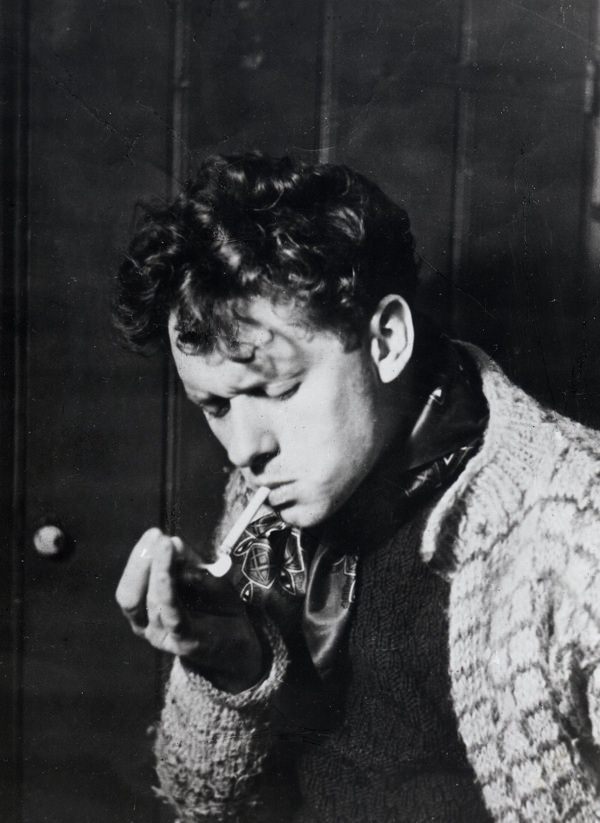
"image": "https://kavishalalab.s3.ap-south-1.amazonaws.com/sootradhar_author/_Dylan_Thomas.jpg",
"name": "Dylan Thomas",
"bio": "<p>Dylan Marlais Thomas was born on October 27, 1914, in Swansea, South Wales. His father was an English Literature professor at the local grammar school and would often recite Shakespeare, fortifying Thomas's love for the rhythmic ballads of <a href=\"https://poets.org/poetsorg/poet/gerard-manley-hopkins\">Gerard Manley Hopkins</a>, <a href=\"https://poets.org/poetsorg/poet/gerard-manley-hopkins\">W. B. </a><a href=\"https://poets.org/poetsorg/poet/w-b-yeats\">Yeats</a>, and <a href=\"https://poets.org/poetsorg/poet/gerard-manley-hopkins\">Edgar Allan </a><a href=\"https://poets.org/poetsorg/poet/edgar-allan-poe\">Poe</a>. </p>\r\n<p>Thomas dropped out of school at sixteen to become a junior reporter for the <em>South Wales Daily Post</em>. By December of 1932, he left his job at the <em>Post</em> and decided to concentrate on his poetry full-time. It was during this time, in his late teens, that Thomas wrote more than half of his collected poems.</p>\r\n<p>In 1934, when Thomas was twenty, he moved to London, won the Poet's Corner book prize, and published his first book, <em>18 Poems</em> (The Fortune press), to great acclaim. The book drew from a collection of poetry notebooks that Thomas had written years earlier, as would many of his most popular books. </p>\r\n<p>Unlike his contemporaries, <a href=\"https://poets.org/poetsorg/poet/t-s-eliot\">T. S. Eliot</a> and <a href=\"https://poets.org/poetsorg/poet/w-h-auden\">W. H. Auden</a>, Thomas was not concerned with exhibiting themes of social and intellectual issues, and his writing, with its intense lyricism and highly charged emotion, had more in common with the Romantic tradition.</p>\r\n<p>Thomas describes his technique in a letter: \"I make one image—though 'make' is not the right word; I let, perhaps, an image be 'made' emotionally in me and then apply to it what intellectual & critical forces I possess—let it breed another, let that image contradict the first, make, of the third image bred out of the other two together, a fourth contradictory image, and let them all, within my imposed formal limits, conflict.\"</p>\r\n<p>Two years after the publication of <em>18 Poems</em>, Thomas met the dancer Caitlin Macnamara at a pub in London. At the time, she was the mistress of painter Augustus John. Macnamara and Thomas engaged in an affair and married in 1937. </p>\r\n<p>About Thomas's work, Michael Schmidt writes: \"There is a kind of authority to the word magic of the early poems; in the famous and popular later poems, the magic is all show. If they have a secret it is the one we all share, partly erotic, partly elegiac. The later poems arise out of personality.\"</p>\r\n<p>In 1940, Thomas and his wife moved to London. He had served as an anti-aircraft gunner but was rejected for more active combat due to illness. To avoid the air raids, the couple left London in 1944. They eventually settled at Laugharne, in the Boat House where Thomas would write many of his later poems.</p>\r\n<p>Thomas recorded radio shows and worked as a scriptwriter for the BBC. Between 1945 and 1949, he wrote, narrated, or assisted with over a hundred radio broadcasts. In one show, \"Quite Early One Morning,\" he experimented with the characters and ideas that would later appear in his poetic radio play <em>Under Milk Wood</em> (1953).</p>\r\n<p>In 1947 Thomas was awarded a Traveling Scholarship from the Society of Authors. He took his family to Italy, and while in Florence, he wrote <em>In Country Sleep, And Other Poems</em> (Dent, 1952), which includes his most famous poem, \"<a href=\"https://poets.org/poetsorg/poem/do-not-go-gentle-good-night\">Do not go gentle into that good night.</a>\" When they returned to Oxfordshire, Thomas began work on three film scripts for Gainsborough Films. The company soon went bankrupt, but Thomas's scripts, \"Me and My Bike,\" \"Rebecca's Daughters,\" and \"The Beach at Falesa,\" were made into films. They were later collected in <em>Dylan Thomas: The Filmscripts</em> (JM Dent & Sons, 1995).</p>\r\n<p>In January 1950, at the age of thirty-five, Thomas visited America for the first time. His reading tours of the United States, which did much to popularize the poetry reading as a new medium for the art, are famous and notorious. Thomas was the archetypal Romantic poet of the popular American imagination—he was theatrical, engaged in roaring disputes in public, and read his work aloud with tremendous depth of feeling.</p>\r\n<p>Thomas toured America four times, with his last public engagement taking place at the City College of New York. A few days later, he collapsed in the Chelsea Hotel after a long drinking bout at the <a href=\"https://poets.org/poetsorg/listing/white-horse-tavern\">White Horse Tavern</a>. On November 9, 1953, he died at St. Vincent's Hospital in New York City at the age of thirty-nine. He had become a legendary figure, both for his work and the boisterousness of his life. He was buried in Laugharne, and almost thirty years later, a plaque to Dylan was unveiled in the Poet's Corner of Westminster Abbey.</p>",
"raw_bio": "Dylan Marlais Thomas was born on October 27, 1914, in Swansea, South Wales. His father was an English Literature professor at the local grammar school and would often recite Shakespeare, fortifying Thomas's love for the rhythmic ballads of Gerard Manley Hopkins , W. B. Yeats , and Edgar Allan Poe . Thomas dropped out of school at sixteen to become a junior reporter for the South Wales Daily Post . By December of 1932, he left his job at the Post and decided to concentrate on his poetry full-time. It was during this time, in his late teens, that Thomas wrote more than half of his collected poems. In 1934, when Thomas was twenty, he moved to London, won the Poet's Corner book prize, and published his first book, 18 Poems (The Fortune press), to great acclaim. The book drew from a collection of poetry notebooks that Thomas had written years earlier, as would many of his most popular books. Unlike his contemporaries, T. S. Eliot and W. H. Auden , Thomas was not concerned with exhibiting themes of social and intellectual issues, and his writing, with its intense lyricism and highly charged emotion, had more in common with the Romantic tradition. Thomas describes his technique in a letter: \"I make one image—though 'make' is not the right word; I let, perhaps, an image be 'made' emotionally in me and then apply to it what intellectual & critical forces I possess—let it breed another, let that image contradict the first, make, of the third image bred out of the other two together, a fourth contradictory image, and let them all, within my imposed formal limits, conflict.\" Two years after the publication of 18 Poems , Thomas met the dancer Caitlin Macnamara at a pub in London. At the time, she was the mistress of painter Augustus John. Macnamara and Thomas engaged in an affair and married in 1937. About Thomas's work, Michael Schmidt writes: \"There is a kind of authority to the word magic of the early poems; in the famous and popular later poems, the magic is all show. If they have a secret it is the one we all share, partly erotic, partly elegiac. The later poems arise out of personality.\" In 1940, Thomas and his wife moved to London. He had served as an anti-aircraft gunner but was rejected for more active combat due to illness. To avoid the air raids, the couple left London in 1944. They eventually settled at Laugharne, in the Boat House where Thomas would write many of his later poems. Thomas recorded radio shows and worked as a scriptwriter for the BBC. Between 1945 and 1949, he wrote, narrated, or assisted with over a hundred radio broadcasts. In one show, \"Quite Early One Morning,\" he experimented with the characters and ideas that would later appear in his poetic radio play Under Milk Wood (1953). In 1947 Thomas was awarded a Traveling Scholarship from the Society of Authors. He took his family to Italy, and while in Florence, he wrote In Country Sleep, And Other Poems (Dent, 1952), which includes his most famous poem, \" Do not go gentle into that good night. \" When they returned to Oxfordshire, Thomas began work on three film scripts for Gainsborough Films. The company soon went bankrupt, but Thomas's scripts, \"Me and My Bike,\" \"Rebecca's Daughters,\" and \"The Beach at Falesa,\" were made into films. They were later collected in Dylan Thomas: The Filmscripts (JM Dent & Sons, 1995). In January 1950, at the age of thirty-five, Thomas visited America for the first time. His reading tours of the United States, which did much to popularize the poetry reading as a new medium for the art, are famous and notorious. Thomas was the archetypal Romantic poet of the popular American imagination—he was theatrical, engaged in roaring disputes in public, and read his work aloud with tremendous depth of feeling. Thomas toured America four times, with his last public engagement taking place at the City College of New York. A few days later, he collapsed in the Chelsea Hotel after a long drinking bout at the White Horse Tavern . On November 9, 1953, he died at St. Vincent's Hospital in New York City at the age of thirty-nine. He had become a legendary figure, both for his work and the boisterousness of his life. He was buried in Laugharne, and almost thirty years later, a plaque to Dylan was unveiled in the Poet's Corner of Westminster Abbey.",
"slug": "dylan-thomas",
"DOB": null,
"DateOfDemise": null,
"location": null,
"url": "/sootradhar/dylan-thomas",
"tags": "",
"created": "2023-09-22T12:55:37.583801",
"is_has_special_post": true,
"is_special_author": false,
"language": null
},
{
"id": 709,
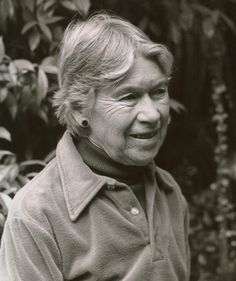
"image": "https://kavishalalab.s3.ap-south-1.amazonaws.com/sootradhar_author/Elsa_Gidlow.jpg",
"name": "Elsa Gidlow",
"bio": "<p>Elsa Gidlow, born on December 29, 1898, was a poet and philosopher. Her book, <em>On a Grey Thread</em> (Will Ransom, 1923), is believed by historians to be the first collection of openly lesbian love poetry published in North America. Her autobiography, <em>Elsa: I Come With My Songs</em> (Booklegger Press, 1986), was the first lesbian autobiography not published under a pseudonym. In 1954, she purchased a ranch, which she used as a retreat for artists and feminists. She died on June 8, 1986.</p>",
"raw_bio": "Elsa Gidlow, born on December 29, 1898, was a poet and philosopher. Her book, On a Grey Thread (Will Ransom, 1923), is believed by historians to be the first collection of openly lesbian love poetry published in North America. Her autobiography, Elsa: I Come With My Songs (Booklegger Press, 1986), was the first lesbian autobiography not published under a pseudonym. In 1954, she purchased a ranch, which she used as a retreat for artists and feminists. She died on June 8, 1986.",
"slug": "elsa-gidlow",
"DOB": null,
"DateOfDemise": null,
"location": null,
"url": "/sootradhar/elsa-gidlow",
"tags": "",
"created": "2023-09-22T12:17:03.884630",
"is_has_special_post": false,
"is_special_author": false,
"language": null
},
{
"id": 710,
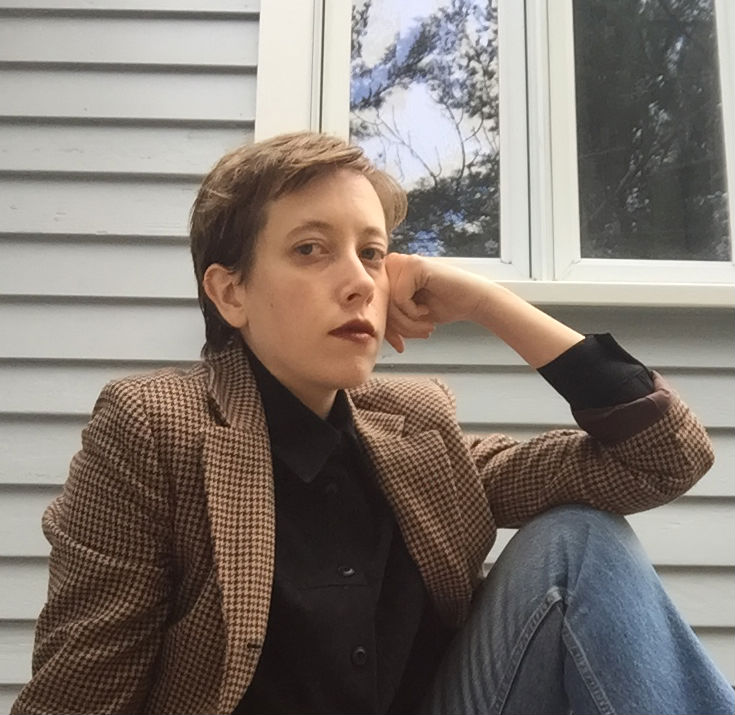
"image": "https://kavishalalab.s3.ap-south-1.amazonaws.com/sootradhar_author/LA-Warman.jpg",
"name": "LA Warman",
"bio": "LA Warman’s most recent book, Whore Foods (2019, Inpatient Press), was awarded the Lambda Literary Award in LGBTQ Erotica. A poet and teacher based in Brooklyn, New York, she founded the Warman School.",
"raw_bio": "LA Warman’s most recent book, Whore Foods (2019, Inpatient Press), was awarded the Lambda Literary Award in LGBTQ Erotica. A poet and teacher based in Brooklyn, New York, she founded the Warman School.",
"slug": "la-warman",
"DOB": null,
"DateOfDemise": null,
"location": null,
"url": "/sootradhar/la-warman",
"tags": "",
"created": "2023-09-22T12:17:03.896056",
"is_has_special_post": false,
"is_special_author": false,
"language": null
}
],
"description": "<p style=\"text-align: center; font-size: 24px;\"> The Great Poets and Writers in Indian and World History! </p>",
"image": "https://kavishalalab.s3.ap-south-1.amazonaws.com/sootradhar_description/black.jpg"
}