HTTP 200 OK
Allow: GET, HEAD, OPTIONS
Content-Type: application/json
Vary: Accept

{
    "count": 17752,
    "next": "http://admin.kavishala.in/sootradhar/authors/?format=api&page=190",
    "previous": "http://admin.kavishala.in/sootradhar/authors/?format=api&page=188",
    "results": [
        {
            "id": 46,
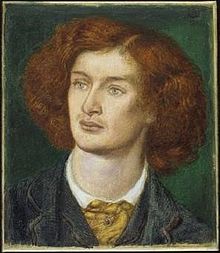
            "image": "https://kavishalalab.s3.ap-south-1.amazonaws.com/sootradhar_author/Algernon_Charles_Swinburne_1862.jpg",
            "name": "Algernon Charles Swinburne",
            "bio": "Algernon Charles Swinburne (5 April 1837 – 10 April 1909) was an English poet, playwright, novelist, and critic. He wrote several novels and collections of poetry such as Poems and Ballads, and contributed to the famous Eleventh Edition of the Encyclopædia Britannica.\r\n<br>\r\nSwinburne wrote about many taboo topics, such as lesbianism, cannibalism, sado-masochism, and anti-theism. His poems have many common motifs, such as the ocean, time, and death. Several historical people are featured in his poems, such as Sappho (\"Sapphics\"), Anactoria (\"Anactoria\"), Jesus (\"Hymn to Proserpine\": Galilaee, La. \"Galilean\") and Catullus (\"To Catullus\").",
            "raw_bio": "Algernon Charles Swinburne (5 April 1837 – 10 April 1909) was an English poet, playwright, novelist, and critic. He wrote several novels and collections of poetry such as Poems and Ballads, and contributed to the famous Eleventh Edition of the Encyclopædia Britannica.\r  \r Swinburne wrote about many taboo topics, such as lesbianism, cannibalism, sado-masochism, and anti-theism. His poems have many common motifs, such as the ocean, time, and death. Several historical people are featured in his poems, such as Sappho (\"Sapphics\"), Anactoria (\"Anactoria\"), Jesus (\"Hymn to Proserpine\": Galilaee, La. \"Galilean\") and Catullus (\"To Catullus\").",
            "slug": "algernon-charles-swinburne",
            "DOB": "1837-04-05",
            "DateOfDemise": null,
            "location": null,
            "url": "/sootradhar/algernon-charles-swinburne",
            "tags": null,
            "created": "2023-09-22T12:30:14.393649",
            "is_has_special_post": true,
            "is_special_author": false,
            "language": 2
        },
        {
            "id": 75,
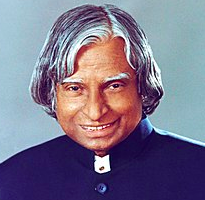
            "image": "https://kavishalalab.s3.ap-south-1.amazonaws.com/sootradhar_author/Screenshot_2020-04-08_at_2.22.33_PM.png",
            "name": "A.P.J. Abdul Kalam",
            "bio": "Avul Pakir Jainulabdeen Abdul Kalam (/ˈæbdəl kəˈlɑːm/ (About this soundlisten); 15 October 1931 – 27 July 2015) was an aerospace scientist who served as the 11th President of India from 2002 to 2007. He was born and raised in Rameswaram, Tamil Nadu and studied physics and aerospace engineering. He spent the next four decades as a scientist and science administrator, mainly at the Defence Research and Development Organisation (DRDO) and Indian Space Research Organisation (ISRO) and was intimately involved in India's civilian space programme and military missile development efforts. He thus came to be known as the Missile Man of India for his work on the development of ballistic missile and launch vehicle technology. He also played a pivotal organisational, technical, and political role in India's Pokhran-II nuclear tests in 1998, the first since the original nuclear test by India in 1974.\r\n<br><br>\r\nKalam was elected as the 11th President of India in 2002 with the support of both the ruling Bharatiya Janata Party and the then-opposition Indian National Congress. Widely referred to as the \"People's President\", he returned to his civilian life of education, writing and public service after a single term. He was a recipient of several prestigious awards, including the Bharat Ratna, India's highest civilian honour.\r\n<br><br>\r\nWhile delivering a lecture at the Indian Institute of Management Shillong, Kalam collapsed and died from an apparent cardiac arrest on 27 July 2015, aged 83. Thousands including national-level dignitaries attended the funeral ceremony held in his hometown of Rameshwaram, where he was buried with full state honours.<br><br>",
            "raw_bio": "Avul Pakir Jainulabdeen Abdul Kalam (/ˈæbdəl kəˈlɑːm/ (About this soundlisten); 15 October 1931 – 27 July 2015) was an aerospace scientist who served as the 11th President of India from 2002 to 2007. He was born and raised in Rameswaram, Tamil Nadu and studied physics and aerospace engineering. He spent the next four decades as a scientist and science administrator, mainly at the Defence Research and Development Organisation (DRDO) and Indian Space Research Organisation (ISRO) and was intimately involved in India's civilian space programme and military missile development efforts. He thus came to be known as the Missile Man of India for his work on the development of ballistic missile and launch vehicle technology. He also played a pivotal organisational, technical, and political role in India's Pokhran-II nuclear tests in 1998, the first since the original nuclear test by India in 1974.\r  \r Kalam was elected as the 11th President of India in 2002 with the support of both the ruling Bharatiya Janata Party and the then-opposition Indian National Congress. Widely referred to as the \"People's President\", he returned to his civilian life of education, writing and public service after a single term. He was a recipient of several prestigious awards, including the Bharat Ratna, India's highest civilian honour.\r  \r While delivering a lecture at the Indian Institute of Management Shillong, Kalam collapsed and died from an apparent cardiac arrest on 27 July 2015, aged 83. Thousands including national-level dignitaries attended the funeral ceremony held in his hometown of Rameshwaram, where he was buried with full state honours.",
            "slug": "apj-abdul-kalam",
            "DOB": "1931-10-15",
            "DateOfDemise": null,
            "location": null,
            "url": "/sootradhar/apj-abdul-kalam",
            "tags": null,
            "created": "2023-09-22T12:30:31.238719",
            "is_has_special_post": true,
            "is_special_author": false,
            "language": 2
        },
        {
            "id": 121,
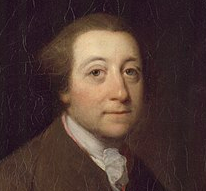
            "image": "https://kavishalalab.s3.ap-south-1.amazonaws.com/sootradhar_author/Screenshot_2020-04-14_at_11.54.57_AM.png",
            "name": "William Whitehead",
            "bio": "<br>\r\nWilliam Whitehead (baptized 12 February 1715 – 14 April 1785) was an English poet and playwright. He became Poet Laureate in 1757 after Thomas Gray declined the position.\r\n<br>\r\nThe son of a baker, Whitehead was born in Cambridge and through the patronage of Henry Bromley, afterwards Baron Montfort, was admitted to Winchester College.\r\n<br>\r\nMuch of Whitehead's work was well received: his tragedy The Roman Father was successfully produced by David Garrick in 1750, Creusa, Queen of Athens (1754) was also praised and his sentimental comedies The School for Lovers (1762) and The Trip to Scotland (1770) were successful.\r\n<br>\r\nAfter being appointed Poet Laureate, Whitehead defended the poetry of Laureates in a comic poem \"A Pathetic Apology for All Laureates, Past, Present, And To Come\". He was conscientious, and saw himself as a non-partisan representative for the whole country. Astonishingly for a political appointee, he appeared to see no requirement \"to defend the King or support the government\". Sadly, this reflects the idea that the Laureate's influence had weakened so much that the official poems were unlikely to influence opinions, even though the times were important politically, with rebellion in the American colonies and war in Europe.\r\n<br>\r\nFor some 28 years in this post, he contented himself in writing the obligatory verse, avoiding flattery and domestic politics, and bolstering Britain’s place in world affairs. Indeed, he was the first laureate to see past court and party divisions and speak of the ‘spirit of England’.[3] The odes Whitehead wrote in his capacity as Poet Laureate, however, were ridiculed. Charles Churchill attacked him in 1762, in the third book of The Ghost, as \"the heir of Dullness and Method\".\r\n<br>\r\nWhitehead's works were collected in two volumes in 1774. A third, including a memoir by William Mason, appeared posthumously in 1788. His plays are printed in Bell's British Theatre (vols. 3, 7, 20) and other collections, and his poems appear in Alexander Chalmers's Works of the English Poets (vol. 17) and similar compilations.",
            "raw_bio": "\r William Whitehead (baptized 12 February 1715 – 14 April 1785) was an English poet and playwright. He became Poet Laureate in 1757 after Thomas Gray declined the position.\r  \r The son of a baker, Whitehead was born in Cambridge and through the patronage of Henry Bromley, afterwards Baron Montfort, was admitted to Winchester College.\r  \r Much of Whitehead's work was well received: his tragedy The Roman Father was successfully produced by David Garrick in 1750, Creusa, Queen of Athens (1754) was also praised and his sentimental comedies The School for Lovers (1762) and The Trip to Scotland (1770) were successful.\r  \r After being appointed Poet Laureate, Whitehead defended the poetry of Laureates in a comic poem \"A Pathetic Apology for All Laureates, Past, Present, And To Come\". He was conscientious, and saw himself as a non-partisan representative for the whole country. Astonishingly for a political appointee, he appeared to see no requirement \"to defend the King or support the government\". Sadly, this reflects the idea that the Laureate's influence had weakened so much that the official poems were unlikely to influence opinions, even though the times were important politically, with rebellion in the American colonies and war in Europe.\r  \r For some 28 years in this post, he contented himself in writing the obligatory verse, avoiding flattery and domestic politics, and bolstering Britain’s place in world affairs. Indeed, he was the first laureate to see past court and party divisions and speak of the ‘spirit of England’.[3] The odes Whitehead wrote in his capacity as Poet Laureate, however, were ridiculed. Charles Churchill attacked him in 1762, in the third book of The Ghost, as \"the heir of Dullness and Method\".\r  \r Whitehead's works were collected in two volumes in 1774. A third, including a memoir by William Mason, appeared posthumously in 1788. His plays are printed in Bell's British Theatre (vols. 3, 7, 20) and other collections, and his poems appear in Alexander Chalmers's Works of the English Poets (vol. 17) and similar compilations.",
            "slug": "william-whitehead",
            "DOB": "1715-02-12",
            "DateOfDemise": null,
            "location": "London",
            "url": "/sootradhar/william-whitehead",
            "tags": null,
            "created": "2023-09-22T12:17:48.640968",
            "is_has_special_post": false,
            "is_special_author": false,
            "language": 2
        },
        {
            "id": 122,
            "image": "https://kavishalalab.s3.ap-south-1.amazonaws.com/sootradhar_author/Screenshot_2020-04-14_at_3.40.15_PM.png",
            "name": "William Wordsworth",
            "bio": "<br>William Wordsworth (7 April 1770 – 23 April 1850) was an English Romantic poet who, with Samuel Taylor Coleridge, helped to launch the Romantic Age in English literature with their joint publication Lyrical Ballads (1798).\r\n<br><br>\r\nWordsworth's magnum opus is generally considered to be The Prelude, a semi-autobiographical poem of his early years that he revised and expanded a number of times. It was posthumously titled and published by his wife in the year of his death, before which it was generally known as \"the poem to Coleridge\".\r\n<br>\r\nWordsworth was Britain's poet laureate from 1843 until his death from pleurisy on 23 April 1850.<br>",
            "raw_bio": "William Wordsworth (7 April 1770 – 23 April 1850) was an English Romantic poet who, with Samuel Taylor Coleridge, helped to launch the Romantic Age in English literature with their joint publication Lyrical Ballads (1798).\r  \r Wordsworth's magnum opus is generally considered to be The Prelude, a semi-autobiographical poem of his early years that he revised and expanded a number of times. It was posthumously titled and published by his wife in the year of his death, before which it was generally known as \"the poem to Coleridge\".\r  \r Wordsworth was Britain's poet laureate from 1843 until his death from pleurisy on 23 April 1850.",
            "slug": "william-wordsworth",
            "DOB": "1770-04-07",
            "DateOfDemise": null,
            "location": "Rydal, Westmorland",
            "url": "/sootradhar/william-wordsworth",
            "tags": null,
            "created": "2023-09-22T12:30:57.449652",
            "is_has_special_post": true,
            "is_special_author": false,
            "language": 2
        },
        {
            "id": 145,
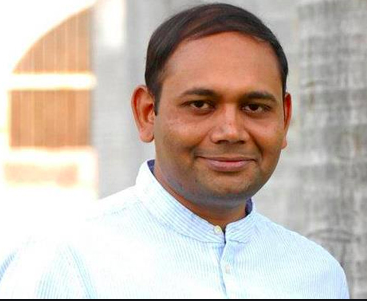
            "image": "https://kavishalalab.s3.ap-south-1.amazonaws.com/sootradhar_author/Screenshot_2020-04-16_at_6.51.57_PM.png",
            "name": "Abhay K",
            "bio": "<br>\r\nAbhay K. is an Indian poet-diplomat and the author of 8 poetry collections and the editor of The Bloomsbury Anthology of Great Indian Poems. He has translated Kalidasa’s Meghaduta into English. His forthcoming poetry collection is The Alphabets of Latin America. His Earth Anthem has been translated into over 50 languages.",
            "raw_bio": "\r Abhay K. is an Indian poet-diplomat and the author of 8 poetry collections and the editor of The Bloomsbury Anthology of Great Indian Poems. He has translated Kalidasa’s Meghaduta into English. His forthcoming poetry collection is The Alphabets of Latin America. His Earth Anthem has been translated into over 50 languages.",
            "slug": "abhay-k",
            "DOB": null,
            "DateOfDemise": null,
            "location": null,
            "url": "/sootradhar/abhay-k",
            "tags": null,
            "created": "2023-09-22T12:17:48.662858",
            "is_has_special_post": false,
            "is_special_author": false,
            "language": 2
        },
        {
            "id": 165,
            "image": "https://kavishalalab.s3.ap-south-1.amazonaws.com/sootradhar_author/Screenshot_2020-04-18_at_9.19.32_AM.png",
            "name": "John Leland",
            "bio": "John Leland or Leyland (13 September, c. 1503 – 18 April 1552) was an English poet and antiquary.\r\nLeland has been described as \"the father of English local history and bibliography\".[5] His Itinerary provided a unique source of observations and raw materials for many subsequent antiquaries, and introduced the county as the basic unit for studying the local history of England, an idea that has been influential ever since.",
            "raw_bio": "John Leland or Leyland (13 September, c. 1503 – 18 April 1552) was an English poet and antiquary.\r Leland has been described as \"the father of English local history and bibliography\".[5] His Itinerary provided a unique source of observations and raw materials for many subsequent antiquaries, and introduced the county as the basic unit for studying the local history of England, an idea that has been influential ever since.",
            "slug": "john-leland",
            "DOB": "1552-04-18",
            "DateOfDemise": null,
            "location": "London",
            "url": "/sootradhar/john-leland",
            "tags": null,
            "created": "2023-09-22T12:17:48.678825",
            "is_has_special_post": false,
            "is_special_author": false,
            "language": 2
        },
        {
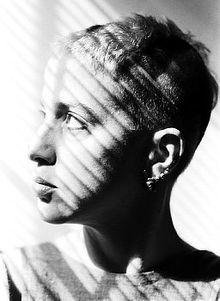
            "id": 166,
            "image": "https://kavishalalab.s3.ap-south-1.amazonaws.com/sootradhar_author/220px-Kathy_Acker.jpg",
            "name": "Kathy Acker",
            "bio": "Kathy Acker (April 18, 1947[1][3] – November 30, 1997) was an American experimental novelist, playwright, essayist, and postmodernist writer. She was influenced by the Black Mountain School poets, William S. Burroughs, David Antin, French critical theory, Carolee Schneeman, Eleanor Antin, and by philosophy, mysticism, and pornography, as well as classic literature that she artistically plagiarized from.",
            "raw_bio": "Kathy Acker (April 18, 1947[1][3] – November 30, 1997) was an American experimental novelist, playwright, essayist, and postmodernist writer. She was influenced by the Black Mountain School poets, William S. Burroughs, David Antin, French critical theory, Carolee Schneeman, Eleanor Antin, and by philosophy, mysticism, and pornography, as well as classic literature that she artistically plagiarized from.",
            "slug": "kathy-acker",
            "DOB": "1947-04-18",
            "DateOfDemise": null,
            "location": "New York City, USA",
            "url": "/sootradhar/kathy-acker",
            "tags": null,
            "created": "2023-09-22T12:17:48.692320",
            "is_has_special_post": false,
            "is_special_author": false,
            "language": 2
        },
        {
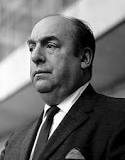
            "id": 167,
            "image": "https://kavishalalab.s3.ap-south-1.amazonaws.com/sootradhar_author/Pablo_Neruda.jpg",
            "name": "Pablo Neruda",
            "bio": "Ricardo Eliécer Neftalí Reyes Basoalto (12 July 1904 – 23 September 1973), better known by his pen name and, later, legal name Pablo Neruda, was a Nobel Prize winning Chilean poet-diplomat and politician. Neruda became known as a poet when he was 13 years old, and wrote in a variety of styles, including surrealist poems, historical epics, overtly political manifestos, a prose autobiography, and passionate love poems such as the ones in his collection Twenty Love Poems and a Song of Despair (1924). He won the Nobel Prize for Literature in 1971.",
            "raw_bio": "Ricardo Eliécer Neftalí Reyes Basoalto (12 July 1904 – 23 September 1973), better known by his pen name and, later, legal name Pablo Neruda, was a Nobel Prize winning Chilean poet-diplomat and politician. Neruda became known as a poet when he was 13 years old, and wrote in a variety of styles, including surrealist poems, historical epics, overtly political manifestos, a prose autobiography, and passionate love poems such as the ones in his collection Twenty Love Poems and a Song of Despair (1924). He won the Nobel Prize for Literature in 1971.",
            "slug": "pablo-neruda",
            "DOB": "1904-09-23",
            "DateOfDemise": null,
            "location": null,
            "url": "/sootradhar/pablo-neruda",
            "tags": null,
            "created": "2023-09-22T12:33:26.390461",
            "is_has_special_post": true,
            "is_special_author": false,
            "language": 2
        },
        {
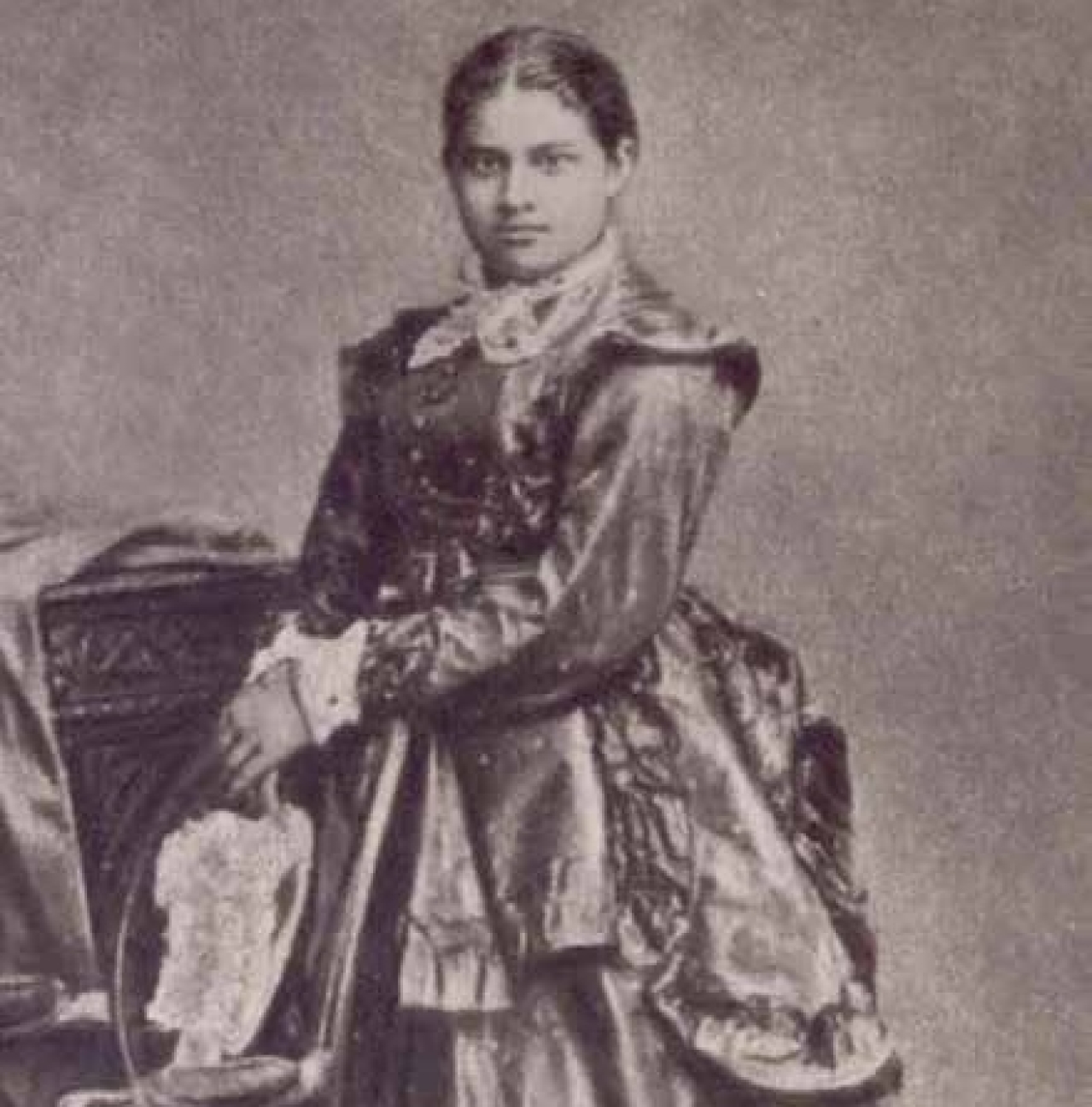
            "id": 168,
            "image": "https://kavishalalab.s3.ap-south-1.amazonaws.com/sootradhar_author/Toru_Dutt.jpg",
            "name": "Toru Dutt",
            "bio": "Toru Dutt was a Bengali translator and poet from the Indian subcontinent, who wrote in English and French, in what was then British India. She is seen as one of the founding figures of Anglo-Indian literature, alongside Henry Louis Vivian Derozio, Manmohan Ghose, and Sarojini Naidu. She died at just 21.",
            "raw_bio": "Toru Dutt was a Bengali translator and poet from the Indian subcontinent, who wrote in English and French, in what was then British India. She is seen as one of the founding figures of Anglo-Indian literature, alongside Henry Louis Vivian Derozio, Manmohan Ghose, and Sarojini Naidu. She died at just 21.",
            "slug": "toru-dutt",
            "DOB": "1856-03-04",
            "DateOfDemise": null,
            "location": null,
            "url": "/sootradhar/toru-dutt",
            "tags": null,
            "created": "2023-09-22T12:33:29.973588",
            "is_has_special_post": true,
            "is_special_author": false,
            "language": 2
        },
        {
            "id": 169,
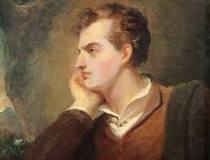
            "image": "https://kavishalalab.s3.ap-south-1.amazonaws.com/sootradhar_author/loard_byron.jpg",
            "name": "Lord Byron",
            "bio": "George Gordon Byron, 6th Baron Byron, FRS, known simply as Lord Byron, was an English poet, peer and politician who became a revolutionary in the Greek War of Independence, and is considered one of the leading figures of the Romantic movement.",
            "raw_bio": "George Gordon Byron, 6th Baron Byron, FRS, known simply as Lord Byron, was an English poet, peer and politician who became a revolutionary in the Greek War of Independence, and is considered one of the leading figures of the Romantic movement.",
            "slug": "lord-byron",
            "DOB": "1788-01-22",
            "DateOfDemise": null,
            "location": null,
            "url": "/sootradhar/lord-byron",
            "tags": null,
            "created": "2023-09-22T12:33:48.953744",
            "is_has_special_post": true,
            "is_special_author": false,
            "language": 2
        },
        {
            "id": 173,
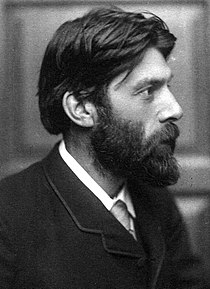
            "image": "https://kavishalalab.s3.ap-south-1.amazonaws.com/sootradhar_author/Robert_Bridges.jpg",
            "name": "Robert Bridges",
            "bio": "Robert Seymour Bridges OM (23 October 1844 – 21 April 1930) was Britain's poet laureate from 1913 to 1930. A doctor by training, he achieved literary fame only late in life. His poems reflect a deep Christian faith, and he is the author of many well-known hymns. It was through Bridges’ efforts that Gerard Manley Hopkins achieved posthumous fame.",
            "raw_bio": "Robert Seymour Bridges OM (23 October 1844 – 21 April 1930) was Britain's poet laureate from 1913 to 1930. A doctor by training, he achieved literary fame only late in life. His poems reflect a deep Christian faith, and he is the author of many well-known hymns. It was through Bridges’ efforts that Gerard Manley Hopkins achieved posthumous fame.",
            "slug": "robert-bridges",
            "DOB": "1844-10-23",
            "DateOfDemise": null,
            "location": null,
            "url": "/sootradhar/robert-bridges",
            "tags": null,
            "created": "2023-09-22T12:35:10.757425",
            "is_has_special_post": true,
            "is_special_author": false,
            "language": 2
        },
        {
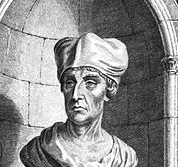
            "id": 174,
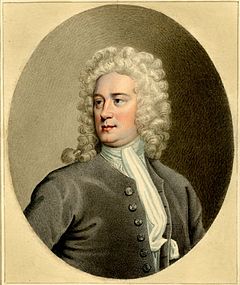
            "image": "https://kavishalalab.s3.ap-south-1.amazonaws.com/sootradhar_author/Thomas_Tickell.jpg",
            "name": "Thomas Tickell",
            "bio": "Thomas Tickell (17 December 1685 – 23 April 1740) was a minor English poet and man of letters.",
            "raw_bio": "Thomas Tickell (17 December 1685 – 23 April 1740) was a minor English poet and man of letters.",
            "slug": "thomas-tickell",
            "DOB": "1685-12-17",
            "DateOfDemise": null,
            "location": null,
            "url": "/sootradhar/thomas-tickell",
            "tags": null,
            "created": "2023-09-22T12:35:11.214288",
            "is_has_special_post": true,
            "is_special_author": false,
            "language": 2
        }
    ],
    "description": "<p style=\"text-align: center; font-size: 24px;\"> The Great Poets and Writers in Indian and World History! </p>",
    "image": "https://kavishalalab.s3.ap-south-1.amazonaws.com/sootradhar_description/black.jpg"
}