HTTP 200 OK
Allow: GET, HEAD, OPTIONS
Content-Type: application/json
Vary: Accept
{
"count": 17752,
"next": "http://admin.kavishala.in/sootradhar/authors/?format=api&page=1463",
"previous": "http://admin.kavishala.in/sootradhar/authors/?format=api&page=1461",
"results": [
{
"id": 16648,
"image": "https://kavishala.blob.core.windows.net/kavishalalabs/kavishala_logo.png",
"name": "Annada Shankar Ray",
"bio": "\nAnnada Shankar Ray (15 March 1904 – 28 October 2002) was an Indian poet and essayist in Bengali. He also wrote some Odia poetry.\nHe wrote several Bengali poems criticising the Partition of India. Most notable is \"Teler shishi bhaanglo bole khukur pare raag karo. Among his many essays, the book Banglar Reneissance has an analytical history of the cultural and social revolution in Bengal. Ray's best known work is Pathe Prabaase, a diary of his trip in Europe in 1931. He died in Kolkata on 28 October 2002.\nThis Bengali icon's ancestral place is Kotrung (present-day Uttarpara Kotrung) in the Hooghly district of West Bengal. His ancestors migrated from Kotrung to Balasore district of Odisha. His grandmother , Durgamoni , was the daughter of an aristocrat Bengali Sen family of Jajpur . Annada Shankar Ray's father was Nimaicharan Ray and his mother was the daughter of an aristocrat Bengali Palit family of Cuttack. Nimaicharan Ray shifted his base to Dhenkanal following a family feud.",
"raw_bio": "Annada Shankar Ray (15 March 1904 – 28 October 2002) was an Indian poet and essayist in Bengali. He also wrote some Odia poetry. He wrote several Bengali poems criticising the Partition of India. Most notable is \"Teler shishi bhaanglo bole khukur pare raag karo. Among his many essays, the book Banglar Reneissance has an analytical history of the cultural and social revolution in Bengal. Ray's best known work is Pathe Prabaase, a diary of his trip in Europe in 1931. He died in Kolkata on 28 October 2002. This Bengali icon's ancestral place is Kotrung (present-day Uttarpara Kotrung) in the Hooghly district of West Bengal. His ancestors migrated from Kotrung to Balasore district of Odisha. His grandmother , Durgamoni , was the daughter of an aristocrat Bengali Sen family of Jajpur . Annada Shankar Ray's father was Nimaicharan Ray and his mother was the daughter of an aristocrat Bengali Palit family of Cuttack. Nimaicharan Ray shifted his base to Dhenkanal following a family feud.",
"slug": "annada-shankar-ray",
"DOB": "1905-05-15",
"DateOfDemise": null,
"location": "British India",
"url": "/sootradhar/annada-shankar-ray",
"tags": null,
"created": "2023-09-22T12:18:23.415269",
"is_has_special_post": false,
"is_special_author": false,
"language": 22
},
{
"id": 16650,
"image": "https://kavishala.blob.core.windows.net/kavishalalabs/kavishala_logo.png",
"name": "Marzuk Russell",
"bio": "Marzuk Russell (born 15 August 1973) is a Bangladeshi poet, model, and actor. He made his television debut by TV play Ayna Mohol was directed by Mostofa Sarwar Farooki. He got mainstream acclaim after the self-titled role in the film Bachelor in 2004. Since then he acted in many television drama and worked for numerous television commercials. Marzuk also appeared on several music videos, such as Ghuri Tumi Kar Akashe Oro (2012), Smrity Katha (2017) etc.\nMarzuk Russell was born on 15 August 1973 in his mother's village Gopalganj District, Bangladesh. He grew up in Daulatpur, Khulna. His father worked on a Jute Mill in Gopalganj. He started going to school in Govt. Krishnamohan Primary School, but then he was sent to class six on a madrasa by his father. At the madrasa he was suffering from class discrimination.\nIn 1993 he moved to Dhaka.\nIn the early 2000s, Marzuk started acting through video-fiction Aynamohol directed by Mostofa Sarwar Farooki. Later years he has continued his work collaboration with Farooki.",
"raw_bio": "Marzuk Russell (born 15 August 1973) is a Bangladeshi poet, model, and actor. He made his television debut by TV play Ayna Mohol was directed by Mostofa Sarwar Farooki. He got mainstream acclaim after the self-titled role in the film Bachelor in 2004. Since then he acted in many television drama and worked for numerous television commercials. Marzuk also appeared on several music videos, such as Ghuri Tumi Kar Akashe Oro (2012), Smrity Katha (2017) etc. Marzuk Russell was born on 15 August 1973 in his mother's village Gopalganj District, Bangladesh. He grew up in Daulatpur, Khulna. His father worked on a Jute Mill in Gopalganj. He started going to school in Govt. Krishnamohan Primary School, but then he was sent to class six on a madrasa by his father. At the madrasa he was suffering from class discrimination. In 1993 he moved to Dhaka. In the early 2000s, Marzuk started acting through video-fiction Aynamohol directed by Mostofa Sarwar Farooki. Later years he has continued his work collaboration with Farooki.",
"slug": "marzuk-russell",
"DOB": "1973-08-15",
"DateOfDemise": null,
"location": "Gopalganj, Bangladesh",
"url": "/sootradhar/marzuk-russell",
"tags": null,
"created": "2023-09-22T12:18:23.442105",
"is_has_special_post": false,
"is_special_author": false,
"language": 22
},
{
"id": 16651,
"image": "https://kavishala.blob.core.windows.net/kavishalalabs/kavishala_logo.png",
"name": "Hayat Saif",
"bio": "\nSaiful Islam Khan (known as Hayat Saif; 16 December 1942 – 13 May 2019) was a twentieth century modern Bengali poet and literary critic from Bangladesh. A career bureaucrat, he retired in 2000 and since then was engaged in the corporate private sector and divided his time in World Scouting and literary and artistic pursuits. He has been translated in English and Spanish and, in Bangladesh, is generally acclaimed as an intellectual interpreter of contemporary life and culture.\nSaif assumed this pen name in 1961 when contributing to literary journals. In 2005, he was awarded the 305th Bronze Wolf. He was awarded Ekushey Padak in 2018 for his contribution in language and literature.\nSaif was born on 16 December 1942 in Dhaka to Moslem Uddin Khan and Begum Sufia Khan. After high school, he studied English literature and obtained his M. A. degree in 1965. After graduation, he taught in colleges for about three years and then joined the Pakistan Superior Service in the Finance cadre in 1968. He was involved in the revenue administration and tax policy making for more than three decades. He acted as Chairman of the National Board of Revenue and retired in 1999. In early 1960s, still a student, he worked as a casual announcer and newscaster in the Dhaka centre of the then Radio Pakistan and later in Pakistan Television at Lahore Center. He later continued his interests in broadcasting and telecasting and anchors literary programmers and talk shows.",
"raw_bio": "Saiful Islam Khan (known as Hayat Saif; 16 December 1942 – 13 May 2019) was a twentieth century modern Bengali poet and literary critic from Bangladesh. A career bureaucrat, he retired in 2000 and since then was engaged in the corporate private sector and divided his time in World Scouting and literary and artistic pursuits. He has been translated in English and Spanish and, in Bangladesh, is generally acclaimed as an intellectual interpreter of contemporary life and culture. Saif assumed this pen name in 1961 when contributing to literary journals. In 2005, he was awarded the 305th Bronze Wolf. He was awarded Ekushey Padak in 2018 for his contribution in language and literature. Saif was born on 16 December 1942 in Dhaka to Moslem Uddin Khan and Begum Sufia Khan. After high school, he studied English literature and obtained his M. A. degree in 1965. After graduation, he taught in colleges for about three years and then joined the Pakistan Superior Service in the Finance cadre in 1968. He was involved in the revenue administration and tax policy making for more than three decades. He acted as Chairman of the National Board of Revenue and retired in 1999. In early 1960s, still a student, he worked as a casual announcer and newscaster in the Dhaka centre of the then Radio Pakistan and later in Pakistan Television at Lahore Center. He later continued his interests in broadcasting and telecasting and anchors literary programmers and talk shows.",
"slug": "hayat-saif",
"DOB": "1942-12-16",
"DateOfDemise": null,
"location": "British India",
"url": "/sootradhar/hayat-saif",
"tags": null,
"created": "2023-09-22T12:18:23.454298",
"is_has_special_post": false,
"is_special_author": false,
"language": 22
},
{
"id": 16654,
"image": "https://kavishala.blob.core.windows.net/kavishalalabs/kavishala_logo.png",
"name": "Achintya Kumar Sengupta",
"bio": "\nAchintya Kumar Sengupta (born 19 September 1903 – 29 January 1976) was an Indian Bengali-language poet, story writer, novelist, biographer and editor.\nHe was born in Noakhali, now in Bangladesh. At the age of 13, after his father's death, Sengupta moved to Calcutta, where he completed his schooling. He got a B. A. Honours degree from South Suburban College in English, followed by an M. A. degree from the University of Calcutta. Subsequently, he obtained a degree in Law and entered the judicial service in 1928 as a Civil Judge (Junior Division) and Assistant Magistrate Second Class. He served as a Judge in Magistrate Courts of Kolkata and District Courts of Midnapore, Dinajpore, and Kushtia. He retired as a Principal District Judge of the Alipore Court in 1961.\nHe started writing under a pen name, ‘Niharika Debi’. He contributed to almost all genres of Bengali literature, but is best remembered for his novels and short stories. In all, he wrote more than 100 books. Sengupta was closely associated with the famous magazine Kallol, and was its editor for some time.",
"raw_bio": "Achintya Kumar Sengupta (born 19 September 1903 – 29 January 1976) was an Indian Bengali-language poet, story writer, novelist, biographer and editor. He was born in Noakhali, now in Bangladesh. At the age of 13, after his father's death, Sengupta moved to Calcutta, where he completed his schooling. He got a B. A. Honours degree from South Suburban College in English, followed by an M. A. degree from the University of Calcutta. Subsequently, he obtained a degree in Law and entered the judicial service in 1928 as a Civil Judge (Junior Division) and Assistant Magistrate Second Class. He served as a Judge in Magistrate Courts of Kolkata and District Courts of Midnapore, Dinajpore, and Kushtia. He retired as a Principal District Judge of the Alipore Court in 1961. He started writing under a pen name, ‘Niharika Debi’. He contributed to almost all genres of Bengali literature, but is best remembered for his novels and short stories. In all, he wrote more than 100 books. Sengupta was closely associated with the famous magazine Kallol, and was its editor for some time.",
"slug": "achintya-kumar-sengupta",
"DOB": "1903-09-19",
"DateOfDemise": null,
"location": "Kolkata, West Bengal, India[1]",
"url": "/sootradhar/achintya-kumar-sengupta",
"tags": null,
"created": "2023-09-22T12:18:23.486204",
"is_has_special_post": false,
"is_special_author": false,
"language": 22
},
{
"id": 16659,
"image": "https://kavishala.blob.core.windows.net/kavishalalabs/kavishala_logo.png",
"name": "Raushan Yazdani",
"bio": "\nMohammad Raushan Yazdani (Bengali: মোহাম্মদ রওশন ইজদানী) was a Bengali author and researcher of folk literature. As a folklorist, his work was crucial due to his discoveries of tales and poems from the remotest villages of eastern Bengal (now Bangladesh). His most celebrated work is Momenshahir Loka-Sahitya dedicated to folk literature in Momenshahi (Mymensingh) Yazdani was one of the most popular Bengali poets in the Pakistan period.\nYazdani was born in the village of Bidyaballabh, Kendua in the District of Mymensingh (now in Netrokona District) on 27 February 1918. His father, Shaykh Ali Kabir, was a practitioner of alternative medicine. After completing primary education at a local Old Scheme madrasa, Yazdani studied in Ashujia High School until class 10. Around this time at the age of 18, his mother died and Yazdani became negligent of his education and started accompanying syncretic mystics. Yazdani eventually left these mystics, returning to orthodox Sunni Islam after marrying Zubaydah Akhtar Khatun, a Bengali Muslim woman with whom he started a family.\nসন্ধ্যা ঘনিয়ে এলো বেলা গেল ঐ\nShondha ghoniye elo bela gelo oi\nকোথায় গেল হাঁসগুলো তৈ তৈ তৈ\nKothay gelo haashgulo toi toi toi",
"raw_bio": "Mohammad Raushan Yazdani (Bengali: মোহাম্মদ রওশন ইজদানী) was a Bengali author and researcher of folk literature. As a folklorist, his work was crucial due to his discoveries of tales and poems from the remotest villages of eastern Bengal (now Bangladesh). His most celebrated work is Momenshahir Loka-Sahitya dedicated to folk literature in Momenshahi (Mymensingh) Yazdani was one of the most popular Bengali poets in the Pakistan period. Yazdani was born in the village of Bidyaballabh, Kendua in the District of Mymensingh (now in Netrokona District) on 27 February 1918. His father, Shaykh Ali Kabir, was a practitioner of alternative medicine. After completing primary education at a local Old Scheme madrasa, Yazdani studied in Ashujia High School until class 10. Around this time at the age of 18, his mother died and Yazdani became negligent of his education and started accompanying syncretic mystics. Yazdani eventually left these mystics, returning to orthodox Sunni Islam after marrying Zubaydah Akhtar Khatun, a Bengali Muslim woman with whom he started a family. সন্ধ্যা ঘনিয়ে এলো বেলা গেল ঐ Shondha ghoniye elo bela gelo oi কোথায় গেল হাঁসগুলো তৈ তৈ তৈ Kothay gelo haashgulo toi toi toi",
"slug": "raushan-yazdani",
"DOB": "1917-02-27",
"DateOfDemise": null,
"location": "Bidyaballabh, Mymensingh District, Dacca Division, East Pakistan",
"url": "/sootradhar/raushan-yazdani",
"tags": null,
"created": "2023-09-22T12:18:23.542463",
"is_has_special_post": false,
"is_special_author": false,
"language": 22
},
{
"id": 365,
"image": "https://kavishalalab.s3.ap-south-1.amazonaws.com/sootradhar_author/Kalidas-in-Hindi.jpg",
"name": "Kalidas",
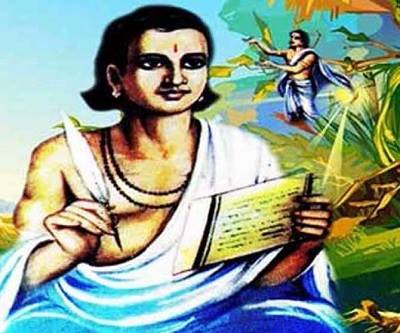
"bio": "कालिदास संस्कृत भाषा के महान कवि और नाटककार थे। उन्होंने भारत की पौराणिक कथाओं और दर्शन को आधार बनाकर रचनाएं की और उनकी रचनाओं में भारतीय जीवन और दर्शन के विविध रूप और मूल तत्त्व निरूपित हैं। कालिदास अपनी इन्हीं विशेषताओं के कारण राष्ट्र की समग्र राष्ट्रीय चेतना को स्वर देने वाले कवि माने जाते हैं और कुछ विद्वान उन्हें राष्ट्रीय कवि का स्थान तक देते हैं।\r\n\r\nअभिज्ञानशाकुंतलम् कालिदास की सबसे प्रसिद्ध रचना है। यह नाटक कुछ उन भारतीय साहित्यिक कृतियों में से है जिनका सबसे पहले यूरोपीय भाषाओं में अनुवाद हुआ था। यह पूरे विश्व साहित्य में अग्रगण्य रचना मानी जाती है। मेघदूतम् कालिदास की सर्वश्रेष्ठ रचना है जिसमें कवि की कल्पनाशक्ति और अभिव्यंजनावादभावाभिव्यन्जना शक्ति अपने सर्वोत्कृष्ट स्तर पर है और प्रकृति के मानवीकरण का अद्भुत रखंडकाव्ये से खंडकाव्य में दिखता है।\r\n\r\nकालिदास वैदर्भी रीति के कवि हैं और तदनुरूप वे अपनी अलंकार युक्त किन्तु सरल और मधुर भाषा के लिये विशेष रूप से जाने जाते हैं।\r\n\r\nउनके प्रकृति वर्णन अद्वितीय हैं और विशेष रूप से अपनी उपमाओं के लिये जाने जाते हैं। साहित्य में औदार्य गुण के प्रति कालिदास का विशेष प्रेम है और उन्होंने अपने शृंगार रस प्रधान साहित्य में भी आदर्शवादी परंपरा और नैतिक मूल्यों का समुचित ध्यान रखा है।\r\n\r\nकालिदास के परवर्ती कवि बाणभट्ट ने उनकी सूक्तियों की विशेष रूप से प्रशंसा की है.\r\n\r\nरचनाएं\r\nछोटी-बड़ी कुल लगभग चालीस रचनाएँ हैं जिन्हें अलग-अलग विद्वानों ने कालिदास द्वारा रचित सिद्ध करने का प्रयास किया है।इनमें से मात्र सात ही ऐसी हैं जो निर्विवाद रूप से कालिदासकृत मानि जाती हैं: तीन नाटक(रूपक): अभिज्ञान शाकुन्तलम्, विक्रमोर्वशीयम् और मालविकाग्निमित्रम्; दो महाकाव्य: रघुवंशम् और कुमारसंभवम्; और दो खण्डकाव्य: मेघदूतम् और ऋतुसंहार। इनमें भी ऋतुसंहार को प्रो॰ कीथ संदेह के साथ कालिदास की रचना स्वीकार करते हैं।\r\n\r\nनाटक\r\nमालविकाग्निमित्रम् कालिदास की पहली रचना है, जिसमें राजा अग्निमित्र की कहानी है। अग्निमित्र एक निर्वासित नौकर की बेटी मालविका के चित्र से प्रेम करने लगता है। जब अग्निमित्र की पत्नी को इस बात का पता चलता है तो वह मालविका को जेल में डलवा देती है। मगर संयोग से मालविका राजकुमारी साबित होती है और उसके प्रेम-संबंध को स्वीकार कर लिया जाता है।\r\n\r\nअभिज्ञान शाकुन्तलम् कालिदास की दूसरी रचना है जो उनकी जगतप्रसिद्धि का कारण बना। इस नाटक का अनुवाद अंग्रेजी और जर्मन के अलावा दुनिया के अनेक भाषाओं में हुआ है। इसमें राजा दुष्यंत की कहानी है जो वन में एक परित्यक्त ऋषि पुत्री शकुन्तला (विश्वामित्र और मेनका की बेटी) से प्रेम करने लगता है। दोनों जंगल में गंधर्व विवाह कर लेते हैं। राजा दुष्यंत अपनी राजधानी लौट आते हैं। इसी बीच ऋषि दुर्वासा शकुंतला को शाप दे देते हैं कि जिसके वियोग में उसने ऋषि का अपमान किया वही उसे भूल जाएगा। काफी क्षमाप्रार्थना के बाद ऋषि ने शाप को थोड़ा नरम करते हुए कहा कि राजा की अंगूठी उन्हें दिखाते ही सब कुछ याद आ जाएगा। लेकिन राजधानी जाते हुए रास्ते में वह अंगूठी खो जाती है। स्थिति तब और गंभीर हो गई जब शकुंतला को पता चला कि वह गर्भवती है। शकुंतला लाख गिड़गिड़ाई लेकिन राजा ने उसे पहचानने से इनकार कर दिया। जब एक मछुआरे ने वह अंगूठी दिखायी तो राजा को सब कुछ याद आया और राजा ने शकुंतला को अपना लिया। शकुंतला शृंगार रस से भरे सुंदर काव्यों का एक अनुपम नाटक है। कहा जाता है काव्येषु नाटकं रम्यं तत्र रम्या शकुन्तला (कविता के अनेक रूपों में अगर सबसे सुन्दर नाटक है तो नाटकों में सबसे अनुपम शकुन्तला है।)\r\n\r\nविक्रमोर्वशीयम् एक रहस्यों भरा नाटक है। इसमें पुरूरवा इंद्रलोक की अप्सरा उर्वशी से प्रेम करने लगते हैं। पुरूरवा के प्रेम को देखकर उर्वशी भी उनसे प्रेम करने लगती है। इंद्र की सभा में जब उर्वशी नृत्य करने जाती है तो पुरूरवा से प्रेम के कारण वह वहां अच्छा प्रदर्शन नहीं कर पाती है। इससे इंद्र गुस्से में उसे शापित कर धरती पर भेज देते हैं। हालांकि, उसका प्रेमी अगर उससे होने वाले पुत्र को देख ले तो वह फिर स्वर्ग लौट सकेगी। विक्रमोर्वशीयम् काव्यगत सौंदर्य और शिल्प से भरपूर है।\r\n\r\nमहाकाव्य\r\nकुमारसंभवम् उनके महाकाव्यों के नाम है। रघुवंशम् में सम्पूर्ण रघुवंश के राजाओं की गाथाएँ हैं, तो कुमारसंभवम् में शिव-पार्वती की प्रेमकथा और कार्तिकेय के जन्म की कहानी है।\r\n\r\nरघुवंशम् में कालिदास ने रघुकुल के राजाओं का वर्णन किया है।\r\n\r\nखण्डकाव्य\r\nमेघदूतम् एक गीतिकाव्य है जिसमें यक्ष द्वारा मेघ से सन्देश ले जाने की प्रार्थना और उसे दूत बना कर अपनी प्रिय के पास भेजने का वर्णन है। मेघदूत के दो भाग हैं - पूर्वमेघ एवं उत्तरमेघ।\r\n\r\nऋतुसंहारम् में सभी ऋतुओं में प्रकृति के विभिन्न रूपों का विस्तार से वर्णन किया गया है।\r\n\r\nअन्य रचनाएँ\r\nइनके अलावा कई छिटपुट रचनाओं का श्रेय कालिदास को दिया जाता है, लेकिन विद्वानों का मत है कि ये रचनाएं अन्य कवियों ने कालिदास के नाम से की। नाटककार और कवि के अलावा कालिदास ज्योतिष के भी विशेषज्ञ माने जाते हैं। उत्तर कालामृतम् नामक ज्योतिष पुस्तिका की रचना का श्रेय कालिदास को दिया जाता है। ऐसा माना जाता है कि काली देवी की पूजा से उन्हें ज्योतिष का ज्ञान मिला। इस पुस्तिका में की गई भविष्यवाणी सत्य साबित हुईं।\r\n\r\nश्रुतबोधम्\r\nशृंगार तिलकम्\r\nशृंगार रसाशतम्\r\nसेतुकाव्यम्\r\nपुष्पबाण विलासम्\r\nश्यामा दंडकम्\r\nज्योतिर्विद्याभरणम्\r\nकाव्य सौन्दर्य\r\nमुख्य लेख: कालिदास का काव्य सौन्दर्य\r\nकालिदास को कविकुलगुरु, कनिष्ठिकाधिष्ठित और कविताकामिनीविलास जैसी प्रशंसात्मक उपाधियाँ प्रदान की गयी हैं जो उनके काव्यगत विशिष्टताओं से अभिभूत होकर ही दी गयी हैं। कालिदास के काव्य की विशिष्टताओं का वर्णन निम्नवत किया जा सकता है:\r\n\r\nभाषागत विशिष्टताएँ\r\nकालिदास वैदर्भी रीति के कवि हैं और उन्होंने प्रसाद गुण से पूर्ण ललित शब्दयोजना का प्रयोग किया है। प्रसाद गुण का लक्षण है - \"जो गुण मन में वैसे ही व्याप्त हो जाय जैसे सूखी ईंधन की लकड़ी में अग्नि सहसा प्रज्वलित हो उठती है\"\r\n\r\nऔर कालिदास की भाषा की यही विशेषता है।\r\n\r\nकालिदास की भाषा मधुर नाद सुन्दरी से युक्त है और समासों का अल्पप्रयोग, पदों का समुचित स्थान पर निवेश, शब्दालंकारों का स्वाभाविक प्रयोग इत्यादि गुणों के कारण उसमें प्रवाह और प्रांजलता विद्यमान है।\r\n\r\nअलंकार योजना\r\nकालिदास ने शब्दालंकारों का स्वाभाविक प्रयोग किया है और उन्हें उपमा अलंकार के प्रयोग में सिद्धहस्त और उनकी उपमाओं को श्रेष्ठ माना जाता है। उदहारण के लिये:\r\n\r\nसंचारिणी दीपशिखेव रात्रौ यं यं व्यतीयाय पतिंवरा सा।\r\nनरेन्द्रमार्गाट्ट इव प्रपेदे विवर्णभावं स स भूमिपालः।।\r\n\r\nअर्थात् स्वयंवर में बारी-बारी से प्रत्येक राजा के सामने गमन करती हुई इन्दुमती राजाओं के सामने से चलती हुई दीपशिखा की तरह लग रही थी जिसके आगे बढ़ जाने पर राजाओं का मुख विवर्ण (अस्वीकृत कर दिए जाने से अंधकारमय, मलिन) हो जाता था।\r\n\r\nअभिव्यंजना\r\nकालिदास की कविता की प्रमुख विशेषता है कि वह चित्रों के निर्माण में सबकुछ न कहकर भी अभिव्यंजना द्वारा पूरा चित्र खींच देते हैं। जैसे:\r\n\r\nएवं वादिनि देवर्शौ पार्श्वे पितुरधोमुखी।\r\nलीला कमल पत्राणि गणयामास पार्वती।।\r\n\r\nअर्थात् देवर्षि के द्वारा ऐसी (पार्वती के विवाह प्रस्ताव की) बात करने पर, पिता के समीप बैठी पार्वती ने सिर झुका कर हाथ में लिये कमल की पंखुड़ियों को गिनना शुरू कर दिया।\r\n\r\n\r\nकालिदास जी की रचनाओं की खास बातें\r\nकालिदास जी अपनी रचनाओं में अलंकार युक्त, सरल और मधुर भाषा का इस्तेमाल करते थे। अपनी रचनाओं में श्रंगार रस का भी बखूबी वर्णन किया है। कालिदास जी ने अपनी रचनाओं में ऋतुओं की भी व्याख्या की है जो कि सराहनीय है। कालिदास जी के साहित्य में संगीत प्रमुख अंग रहा। संगीत के माध्यम से कवि कालिदास ने अपनी रचनाओं में प्रकाश डाला। कालिदास जी अपनी रचनाओं में आदर्शवादी परंपरा औऱ नैतिक मूल्यों का भी ध्यान रखते थे।",
"raw_bio": "कालिदास संस्कृत भाषा के महान कवि और नाटककार थे। उन्होंने भारत की पौराणिक कथाओं और दर्शन को आधार बनाकर रचनाएं की और उनकी रचनाओं में भारतीय जीवन और दर्शन के विविध रूप और मूल तत्त्व निरूपित हैं। कालिदास अपनी इन्हीं विशेषताओं के कारण राष्ट्र की समग्र राष्ट्रीय चेतना को स्वर देने वाले कवि माने जाते हैं और कुछ विद्वान उन्हें राष्ट्रीय कवि का स्थान तक देते हैं।\r \r अभिज्ञानशाकुंतलम् कालिदास की सबसे प्रसिद्ध रचना है। यह नाटक कुछ उन भारतीय साहित्यिक कृतियों में से है जिनका सबसे पहले यूरोपीय भाषाओं में अनुवाद हुआ था। यह पूरे विश्व साहित्य में अग्रगण्य रचना मानी जाती है। मेघदूतम् कालिदास की सर्वश्रेष्ठ रचना है जिसमें कवि की कल्पनाशक्ति और अभिव्यंजनावादभावाभिव्यन्जना शक्ति अपने सर्वोत्कृष्ट स्तर पर है और प्रकृति के मानवीकरण का अद्भुत रखंडकाव्ये से खंडकाव्य में दिखता है।\r \r कालिदास वैदर्भी रीति के कवि हैं और तदनुरूप वे अपनी अलंकार युक्त किन्तु सरल और मधुर भाषा के लिये विशेष रूप से जाने जाते हैं।\r \r उनके प्रकृति वर्णन अद्वितीय हैं और विशेष रूप से अपनी उपमाओं के लिये जाने जाते हैं। साहित्य में औदार्य गुण के प्रति कालिदास का विशेष प्रेम है और उन्होंने अपने शृंगार रस प्रधान साहित्य में भी आदर्शवादी परंपरा और नैतिक मूल्यों का समुचित ध्यान रखा है।\r \r कालिदास के परवर्ती कवि बाणभट्ट ने उनकी सूक्तियों की विशेष रूप से प्रशंसा की है.\r \r रचनाएं\r छोटी-बड़ी कुल लगभग चालीस रचनाएँ हैं जिन्हें अलग-अलग विद्वानों ने कालिदास द्वारा रचित सिद्ध करने का प्रयास किया है।इनमें से मात्र सात ही ऐसी हैं जो निर्विवाद रूप से कालिदासकृत मानि जाती हैं: तीन नाटक(रूपक): अभिज्ञान शाकुन्तलम्, विक्रमोर्वशीयम् और मालविकाग्निमित्रम्; दो महाकाव्य: रघुवंशम् और कुमारसंभवम्; और दो खण्डकाव्य: मेघदूतम् और ऋतुसंहार। इनमें भी ऋतुसंहार को प्रो॰ कीथ संदेह के साथ कालिदास की रचना स्वीकार करते हैं।\r \r नाटक\r मालविकाग्निमित्रम् कालिदास की पहली रचना है, जिसमें राजा अग्निमित्र की कहानी है। अग्निमित्र एक निर्वासित नौकर की बेटी मालविका के चित्र से प्रेम करने लगता है। जब अग्निमित्र की पत्नी को इस बात का पता चलता है तो वह मालविका को जेल में डलवा देती है। मगर संयोग से मालविका राजकुमारी साबित होती है और उसके प्रेम-संबंध को स्वीकार कर लिया जाता है।\r \r अभिज्ञान शाकुन्तलम् कालिदास की दूसरी रचना है जो उनकी जगतप्रसिद्धि का कारण बना। इस नाटक का अनुवाद अंग्रेजी और जर्मन के अलावा दुनिया के अनेक भाषाओं में हुआ है। इसमें राजा दुष्यंत की कहानी है जो वन में एक परित्यक्त ऋषि पुत्री शकुन्तला (विश्वामित्र और मेनका की बेटी) से प्रेम करने लगता है। दोनों जंगल में गंधर्व विवाह कर लेते हैं। राजा दुष्यंत अपनी राजधानी लौट आते हैं। इसी बीच ऋषि दुर्वासा शकुंतला को शाप दे देते हैं कि जिसके वियोग में उसने ऋषि का अपमान किया वही उसे भूल जाएगा। काफी क्षमाप्रार्थना के बाद ऋषि ने शाप को थोड़ा नरम करते हुए कहा कि राजा की अंगूठी उन्हें दिखाते ही सब कुछ याद आ जाएगा। लेकिन राजधानी जाते हुए रास्ते में वह अंगूठी खो जाती है। स्थिति तब और गंभीर हो गई जब शकुंतला को पता चला कि वह गर्भवती है। शकुंतला लाख गिड़गिड़ाई लेकिन राजा ने उसे पहचानने से इनकार कर दिया। जब एक मछुआरे ने वह अंगूठी दिखायी तो राजा को सब कुछ याद आया और राजा ने शकुंतला को अपना लिया। शकुंतला शृंगार रस से भरे सुंदर काव्यों का एक अनुपम नाटक है। कहा जाता है काव्येषु नाटकं रम्यं तत्र रम्या शकुन्तला (कविता के अनेक रूपों में अगर सबसे सुन्दर नाटक है तो नाटकों में सबसे अनुपम शकुन्तला है।)\r \r विक्रमोर्वशीयम् एक रहस्यों भरा नाटक है। इसमें पुरूरवा इंद्रलोक की अप्सरा उर्वशी से प्रेम करने लगते हैं। पुरूरवा के प्रेम को देखकर उर्वशी भी उनसे प्रेम करने लगती है। इंद्र की सभा में जब उर्वशी नृत्य करने जाती है तो पुरूरवा से प्रेम के कारण वह वहां अच्छा प्रदर्शन नहीं कर पाती है। इससे इंद्र गुस्से में उसे शापित कर धरती पर भेज देते हैं। हालांकि, उसका प्रेमी अगर उससे होने वाले पुत्र को देख ले तो वह फिर स्वर्ग लौट सकेगी। विक्रमोर्वशीयम् काव्यगत सौंदर्य और शिल्प से भरपूर है।\r \r महाकाव्य\r कुमारसंभवम् उनके महाकाव्यों के नाम है। रघुवंशम् में सम्पूर्ण रघुवंश के राजाओं की गाथाएँ हैं, तो कुमारसंभवम् में शिव-पार्वती की प्रेमकथा और कार्तिकेय के जन्म की कहानी है।\r \r रघुवंशम् में कालिदास ने रघुकुल के राजाओं का वर्णन किया है।\r \r खण्डकाव्य\r मेघदूतम् एक गीतिकाव्य है जिसमें यक्ष द्वारा मेघ से सन्देश ले जाने की प्रार्थना और उसे दूत बना कर अपनी प्रिय के पास भेजने का वर्णन है। मेघदूत के दो भाग हैं - पूर्वमेघ एवं उत्तरमेघ।\r \r ऋतुसंहारम् में सभी ऋतुओं में प्रकृति के विभिन्न रूपों का विस्तार से वर्णन किया गया है।\r \r अन्य रचनाएँ\r इनके अलावा कई छिटपुट रचनाओं का श्रेय कालिदास को दिया जाता है, लेकिन विद्वानों का मत है कि ये रचनाएं अन्य कवियों ने कालिदास के नाम से की। नाटककार और कवि के अलावा कालिदास ज्योतिष के भी विशेषज्ञ माने जाते हैं। उत्तर कालामृतम् नामक ज्योतिष पुस्तिका की रचना का श्रेय कालिदास को दिया जाता है। ऐसा माना जाता है कि काली देवी की पूजा से उन्हें ज्योतिष का ज्ञान मिला। इस पुस्तिका में की गई भविष्यवाणी सत्य साबित हुईं।\r \r श्रुतबोधम्\r शृंगार तिलकम्\r शृंगार रसाशतम्\r सेतुकाव्यम्\r पुष्पबाण विलासम्\r श्यामा दंडकम्\r ज्योतिर्विद्याभरणम्\r काव्य सौन्दर्य\r मुख्य लेख: कालिदास का काव्य सौन्दर्य\r कालिदास को कविकुलगुरु, कनिष्ठिकाधिष्ठित और कविताकामिनीविलास जैसी प्रशंसात्मक उपाधियाँ प्रदान की गयी हैं जो उनके काव्यगत विशिष्टताओं से अभिभूत होकर ही दी गयी हैं। कालिदास के काव्य की विशिष्टताओं का वर्णन निम्नवत किया जा सकता है:\r \r भाषागत विशिष्टताएँ\r कालिदास वैदर्भी रीति के कवि हैं और उन्होंने प्रसाद गुण से पूर्ण ललित शब्दयोजना का प्रयोग किया है। प्रसाद गुण का लक्षण है - \"जो गुण मन में वैसे ही व्याप्त हो जाय जैसे सूखी ईंधन की लकड़ी में अग्नि सहसा प्रज्वलित हो उठती है\"\r \r और कालिदास की भाषा की यही विशेषता है।\r \r कालिदास की भाषा मधुर नाद सुन्दरी से युक्त है और समासों का अल्पप्रयोग, पदों का समुचित स्थान पर निवेश, शब्दालंकारों का स्वाभाविक प्रयोग इत्यादि गुणों के कारण उसमें प्रवाह और प्रांजलता विद्यमान है।\r \r अलंकार योजना\r कालिदास ने शब्दालंकारों का स्वाभाविक प्रयोग किया है और उन्हें उपमा अलंकार के प्रयोग में सिद्धहस्त और उनकी उपमाओं को श्रेष्ठ माना जाता है। उदहारण के लिये:\r \r संचारिणी दीपशिखेव रात्रौ यं यं व्यतीयाय पतिंवरा सा।\r नरेन्द्रमार्गाट्ट इव प्रपेदे विवर्णभावं स स भूमिपालः।।\r \r अर्थात् स्वयंवर में बारी-बारी से प्रत्येक राजा के सामने गमन करती हुई इन्दुमती राजाओं के सामने से चलती हुई दीपशिखा की तरह लग रही थी जिसके आगे बढ़ जाने पर राजाओं का मुख विवर्ण (अस्वीकृत कर दिए जाने से अंधकारमय, मलिन) हो जाता था।\r \r अभिव्यंजना\r कालिदास की कविता की प्रमुख विशेषता है कि वह चित्रों के निर्माण में सबकुछ न कहकर भी अभिव्यंजना द्वारा पूरा चित्र खींच देते हैं। जैसे:\r \r एवं वादिनि देवर्शौ पार्श्वे पितुरधोमुखी।\r लीला कमल पत्राणि गणयामास पार्वती।।\r \r अर्थात् देवर्षि के द्वारा ऐसी (पार्वती के विवाह प्रस्ताव की) बात करने पर, पिता के समीप बैठी पार्वती ने सिर झुका कर हाथ में लिये कमल की पंखुड़ियों को गिनना शुरू कर दिया।\r \r \r कालिदास जी की रचनाओं की खास बातें\r कालिदास जी अपनी रचनाओं में अलंकार युक्त, सरल और मधुर भाषा का इस्तेमाल करते थे। अपनी रचनाओं में श्रंगार रस का भी बखूबी वर्णन किया है। कालिदास जी ने अपनी रचनाओं में ऋतुओं की भी व्याख्या की है जो कि सराहनीय है। कालिदास जी के साहित्य में संगीत प्रमुख अंग रहा। संगीत के माध्यम से कवि कालिदास ने अपनी रचनाओं में प्रकाश डाला। कालिदास जी अपनी रचनाओं में आदर्शवादी परंपरा औऱ नैतिक मूल्यों का भी ध्यान रखते थे।",
"slug": "kalidas",
"DOB": null,
"DateOfDemise": null,
"location": null,
"url": "/sootradhar/kalidas",
"tags": null,
"created": "2023-09-22T12:42:03.690048",
"is_has_special_post": true,
"is_special_author": false,
"language": 23
},
{
"id": 377,
"image": "https://kavishalalab.s3.ap-south-1.amazonaws.com/sootradhar_author/adi-shankaracharya-cover_1587985407.webp",
"name": "Aadi Sankaracharya",
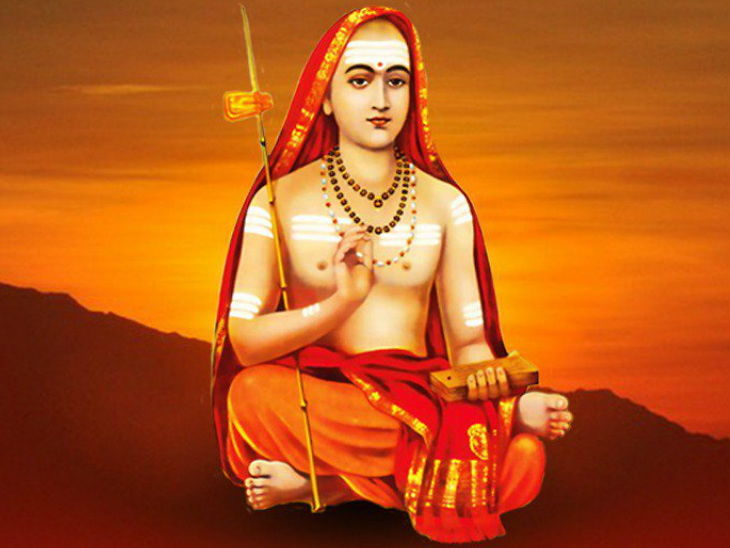
"bio": "आदि शंकराचार्य (५०८ ईसा पूर्व) भारत के एक महान दार्शनिक एवं धर्मप्रवर्तक थे। उन्होने अद्वैत वेदान्त को ठोस आधार प्रदान किया। उन्होने सनातन धर्म की विविध विचारधाराओं का एकीकरण किया। उपनिषदों और वेदांतसूत्रों पर लिखी हुई इनकी टीकाएँ बहुत प्रसिद्ध हैं। इन्होंने भारतवर्ष में चार मठों की स्थापना की थी जो अभी तक बहुत प्रसिद्ध और पवित्र माने जाते हैं और जिन पर आसीन संन्यासी 'शंकराचार्य' कहे जाते हैं। वे चारों स्थान ये हैं- (१) ज्योतिष्पीठ बदरिकाश्रम, (२) श्रृंगेरी पीठ, (३) द्वारिका शारदा पीठ और (४) पुरी गोवर्धन पीठ। इन्होंने अनेक विधर्मियों को भी अपने धर्म में दीक्षित किया था। ये शंकर के अवतार माने जाते हैं। इन्होंने ब्रह्मसूत्रों की बड़ी ही विशद और रोचक व्याख्या की है।",
"raw_bio": "आदि शंकराचार्य (५०८ ईसा पूर्व) भारत के एक महान दार्शनिक एवं धर्मप्रवर्तक थे। उन्होने अद्वैत वेदान्त को ठोस आधार प्रदान किया। उन्होने सनातन धर्म की विविध विचारधाराओं का एकीकरण किया। उपनिषदों और वेदांतसूत्रों पर लिखी हुई इनकी टीकाएँ बहुत प्रसिद्ध हैं। इन्होंने भारतवर्ष में चार मठों की स्थापना की थी जो अभी तक बहुत प्रसिद्ध और पवित्र माने जाते हैं और जिन पर आसीन संन्यासी 'शंकराचार्य' कहे जाते हैं। वे चारों स्थान ये हैं- (१) ज्योतिष्पीठ बदरिकाश्रम, (२) श्रृंगेरी पीठ, (३) द्वारिका शारदा पीठ और (४) पुरी गोवर्धन पीठ। इन्होंने अनेक विधर्मियों को भी अपने धर्म में दीक्षित किया था। ये शंकर के अवतार माने जाते हैं। इन्होंने ब्रह्मसूत्रों की बड़ी ही विशद और रोचक व्याख्या की है।",
"slug": "aadi-sankaracharya",
"DOB": null,
"DateOfDemise": null,
"location": null,
"url": "/sootradhar/aadi-sankaracharya",
"tags": null,
"created": "2023-09-22T12:42:37.932820",
"is_has_special_post": true,
"is_special_author": false,
"language": 23
},
{
"id": 444,
"image": "https://kavishalalab.s3.ap-south-1.amazonaws.com/sootradhar_author/220px-Idol_of_Jayadeba_at_Jayadeba_Pitha_Kendubilwa_Odisha.jpg",
"name": "Jayadeva",
"bio": "Jayadeva (pronounced [dʑɐjɐˈdeːʋɐ], born c. 1170 CE), also known as Jaidev, was a Sanskrit poet during the 12th century. He is most known for his epic poem Gita Govinda. which concentrates on Krishna's love with the cowherdess, Radha in a rite of spring. This poem, which presents the view that Radha is greater than Krishna, is considered an important text in the Bhakti movement of Hinduism.\r\n\r\nLittle is known of his life, except that he was a loner poet and a Hindu mendicant celebrated for his poetic genius in eastern India. Jayadeva is the earliest dated author of hymns that are included the Guru Granth Sahib, the primary scripture of Sikhism – a religion founded in the Indian subcontinent centuries after his death.\r\n<p>Literary contributions<br />Main article: Works of Jayadeva</p>\r\n<p>Jayadeva Pitha, Kenduli Village (Kendu Bilwa)</p>\r\n<p>Basohli painting (c. 1730) depicting a scene from Jayadeva's Gita Govinda.<br />A few poems of Jayadeva written in archaic Odia have been published by the Directorate of Culture, Odisha. They describe the romance of Radha-Krishna and contain ideas very similar to those used in the Gita Govinda.</p>\r\n<p>Two hymns of Jayadeva, have been incorporated in the Guru Granth Sahib, the holy book of the Sikh religion.</p>\r\n<p>The hymns are written in a mixture of Sanskrit and eastern Apabhramsha. There are records narrating how Jayadeva's work had a profound influence on Guru Nanak during his visit to Puri.</p>",
"raw_bio": "Jayadeva (pronounced [dʑɐjɐˈdeːʋɐ], born c. 1170 CE), also known as Jaidev, was a Sanskrit poet during the 12th century. He is most known for his epic poem Gita Govinda. which concentrates on Krishna's love with the cowherdess, Radha in a rite of spring. This poem, which presents the view that Radha is greater than Krishna, is considered an important text in the Bhakti movement of Hinduism.\r \r Little is known of his life, except that he was a loner poet and a Hindu mendicant celebrated for his poetic genius in eastern India. Jayadeva is the earliest dated author of hymns that are included the Guru Granth Sahib, the primary scripture of Sikhism – a religion founded in the Indian subcontinent centuries after his death.\r Literary contributions Main article: Works of Jayadeva Jayadeva Pitha, Kenduli Village (Kendu Bilwa) Basohli painting (c. 1730) depicting a scene from Jayadeva's Gita Govinda. A few poems of Jayadeva written in archaic Odia have been published by the Directorate of Culture, Odisha. They describe the romance of Radha-Krishna and contain ideas very similar to those used in the Gita Govinda. Two hymns of Jayadeva, have been incorporated in the Guru Granth Sahib, the holy book of the Sikh religion. The hymns are written in a mixture of Sanskrit and eastern Apabhramsha. There are records narrating how Jayadeva's work had a profound influence on Guru Nanak during his visit to Puri.",
"slug": "jayadeva",
"DOB": "1170-01-01",
"DateOfDemise": null,
"location": null,
"url": "/sootradhar/jayadeva",
"tags": "",
"created": "2023-09-22T12:18:23.609263",
"is_has_special_post": false,
"is_special_author": false,
"language": 23
},
{
"id": 14955,
"image": "https://kavishalalab.s3.ap-south-1.amazonaws.com/kavishala_logo.png",
"name": "Manmohan Acharya",
"bio": "\nManmohan Acharya was a poet and lyricist from India. His Sanskrit poems and lyrics have been put to music and danced to in the Odissi classical Indian dance form. A devotional song from his Gitamohanam was featured in the 2009 Bollywood movie, The Desire. He was also a researcher and published author.\nManmohan Acharya was born in 1967 in Lathanga, a village in the Jagatsinghpur district of Orissa, India to Pandit Mayadhar Acharya and Parvati Devi.",
"raw_bio": "Manmohan Acharya was a poet and lyricist from India. His Sanskrit poems and lyrics have been put to music and danced to in the Odissi classical Indian dance form. A devotional song from his Gitamohanam was featured in the 2009 Bollywood movie, The Desire. He was also a researcher and published author. Manmohan Acharya was born in 1967 in Lathanga, a village in the Jagatsinghpur district of Orissa, India to Pandit Mayadhar Acharya and Parvati Devi.",
"slug": "manmohan-acharya",
"DOB": null,
"DateOfDemise": null,
"location": "nan",
"url": "/sootradhar/manmohan-acharya",
"tags": null,
"created": "2023-09-22T12:18:23.623719",
"is_has_special_post": false,
"is_special_author": false,
"language": 23
},
{
"id": 14956,
"image": "https://kavishalalab.s3.ap-south-1.amazonaws.com/kavishala_logo.png",
"name": "Agasthya Kavi",
"bio": "Agasthya Kavi composed 74 works of poetry in Sanskrit in the 14th century. He was from Warangal.\n\nThis article about a poet from India is a stub. You can help Wikipedia by expanding it.",
"raw_bio": "Agasthya Kavi composed 74 works of poetry in Sanskrit in the 14th century. He was from Warangal. This article about a poet from India is a stub. You can help Wikipedia by expanding it.",
"slug": "agasthya-kavi",
"DOB": null,
"DateOfDemise": null,
"location": "nan",
"url": "/sootradhar/agasthya-kavi",
"tags": null,
"created": "2023-09-22T12:18:23.653454",
"is_has_special_post": false,
"is_special_author": false,
"language": 23
},
{
"id": 14957,
"image": "https://kavishalalab.s3.ap-south-1.amazonaws.com/kavishala_logo.png",
"name": "Amaru",
"bio": "The Amaruśataka or Amarukaśataka (अमरुशतक, \"the hundred stanzas of Amaru\"), authored by Amaru (also Amaruka), is a collection of poems dated to about the 7th or 8th century.\nThe Amaruśataka ranks as one of the finest lyrical poetry in the annals of Sanskrit literature, ranking with Kalidasa and Bhartṛhari's Śṛngâraśataka. The ninth-century literary critic Anandavardhana declared in his Dhvanyaloka that \"a single stanza of the poet Amaru ... may provide the taste of love equal to what's found in whole volumes.\" Its verses have been used by poets and critics as examples and standards to judge other poems by. Andrew Schelling describes it as \"love poetry original and vivid as that produced anywhere on the planet\".\nIts subject is mostly Sringara (erotic love, romantic love) including aspects such as love, passion, estrangement, longing, rapprochement, joy and sorrow, etc. Greg Bailey notes that it is \"as much about the social aspects of courting, betrayal, feminine indignance and masculine self-pity as it is about sensuality\". Similarly, Schelling notes: \"All the flavours or nuances of love are said to lie within the book, though you'll notice that the emphasis falls more on the bitter taste of separation or betrayal than on the sweetness of consummation.\"",
"raw_bio": "The Amaruśataka or Amarukaśataka (अमरुशतक, \"the hundred stanzas of Amaru\"), authored by Amaru (also Amaruka), is a collection of poems dated to about the 7th or 8th century. The Amaruśataka ranks as one of the finest lyrical poetry in the annals of Sanskrit literature, ranking with Kalidasa and Bhartṛhari's Śṛngâraśataka. The ninth-century literary critic Anandavardhana declared in his Dhvanyaloka that \"a single stanza of the poet Amaru ... may provide the taste of love equal to what's found in whole volumes.\" Its verses have been used by poets and critics as examples and standards to judge other poems by. Andrew Schelling describes it as \"love poetry original and vivid as that produced anywhere on the planet\". Its subject is mostly Sringara (erotic love, romantic love) including aspects such as love, passion, estrangement, longing, rapprochement, joy and sorrow, etc. Greg Bailey notes that it is \"as much about the social aspects of courting, betrayal, feminine indignance and masculine self-pity as it is about sensuality\". Similarly, Schelling notes: \"All the flavours or nuances of love are said to lie within the book, though you'll notice that the emphasis falls more on the bitter taste of separation or betrayal than on the sweetness of consummation.\"",
"slug": "amaru",
"DOB": null,
"DateOfDemise": null,
"location": "nan",
"url": "/sootradhar/amaru",
"tags": null,
"created": "2023-09-22T12:18:23.673537",
"is_has_special_post": false,
"is_special_author": false,
"language": 23
},
{
"id": 14958,
"image": "https://kavishalalab.s3.ap-south-1.amazonaws.com/kavishala_logo.png",
"name": "Bharavi",
"bio": "\nBharavi (Bhāravi) was a 6th-century Indian poet known for his epic poem Kirātārjunīya, one of the six mahakavyas in classical Sanskrit.\nAs with most Sanskrit poets, very few concrete details are available about Bharavi's life, and inferences must be made from references to him. His name, along with great poet and dramatist in the Sanskrit language Kālidāsa's name, is mentioned in a Chalukya stone inscription dated 634 C.E. found at Aihole, located in present day Karnataka. In another inscription, the king Durvinita of the Western Ganga Dynasty mentions having written a commentary on the fifteenth canto of Bharavi's Kirātārjunīya. The Western Ganga Dynasty ruled from about the middle of the fourth century, and Durvinita is usually believed to have lived in the later half of the sixth century.",
"raw_bio": "Bharavi (Bhāravi) was a 6th-century Indian poet known for his epic poem Kirātārjunīya, one of the six mahakavyas in classical Sanskrit. As with most Sanskrit poets, very few concrete details are available about Bharavi's life, and inferences must be made from references to him. His name, along with great poet and dramatist in the Sanskrit language Kālidāsa's name, is mentioned in a Chalukya stone inscription dated 634 C.E. found at Aihole, located in present day Karnataka. In another inscription, the king Durvinita of the Western Ganga Dynasty mentions having written a commentary on the fifteenth canto of Bharavi's Kirātārjunīya. The Western Ganga Dynasty ruled from about the middle of the fourth century, and Durvinita is usually believed to have lived in the later half of the sixth century.",
"slug": "bharavi",
"DOB": null,
"DateOfDemise": null,
"location": "nan",
"url": "/sootradhar/bharavi",
"tags": null,
"created": "2023-09-22T12:18:23.681478",
"is_has_special_post": false,
"is_special_author": false,
"language": 23
}
],
"description": "<p style=\"text-align: center; font-size: 24px;\"> The Great Poets and Writers in Indian and World History! </p>",
"image": "https://kavishalalab.s3.ap-south-1.amazonaws.com/sootradhar_description/black.jpg"
}