HTTP 200 OK
Allow: GET, HEAD, OPTIONS
Content-Type: application/json
Vary: Accept

{
    "count": 17752,
    "next": "http://admin.kavishala.in/sootradhar/authors/?format=api&page=1441",
    "previous": "http://admin.kavishala.in/sootradhar/authors/?format=api&page=1439",
    "results": [
        {
            "id": 515,
            "image": "https://kavishalalab.s3.ap-south-1.amazonaws.com/sootradhar_author/samar-sen.jpg",
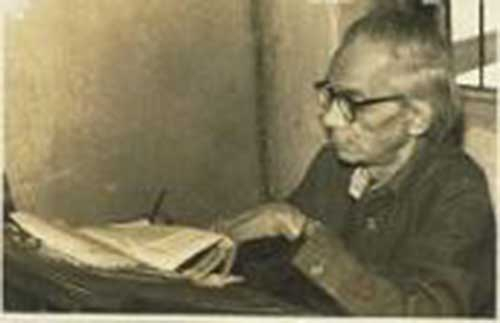
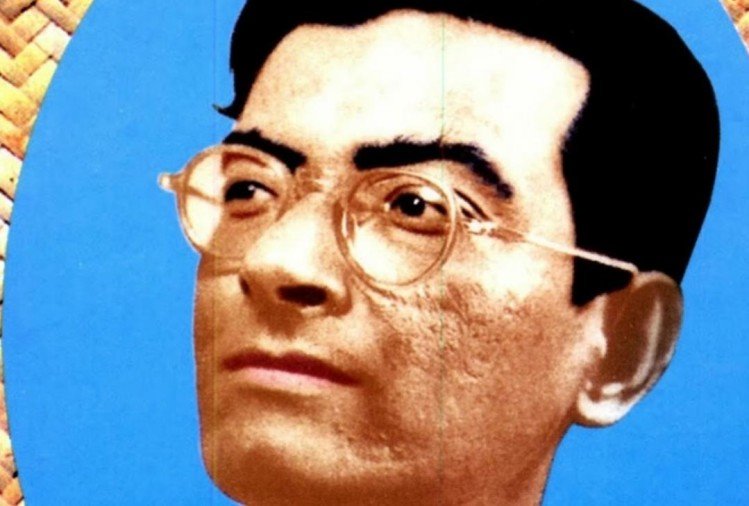
            "name": "Samar Sen",
            "bio": "Samar Sen (Bengali: সমর সেন;)(10 October 1916 – 23 August 1987) was a prominent Bengali-speaking Indian poet and journalist in the post-Independence era.<br>\r\nSamar Sen, like his poetic contemporaries, grew up under the gigantic impact of Rabindranath Tagore. Yet Sen was perhaps the first to 'break' with the lyrical romanticism of Tagore and introduce \"modern\" concerns (disenchantment, decadence, avant-garde urban perspectives) into Bengali verse. Through his work, the influence of French and English modernism was first translated into Bengali verse; at the same time, the convergence of modernism and Marxism was evident early on in his poetic thought and style. His poetry was somewhat over-shadowed by his very original journalism, produced while he served as editor of the legendary Frontier. He was also known for his translations of Soviet literature; he spent nearly five years in Moscow working as a translator, although later in life he became doubtful about bureaucratic Communism.[3] Samar Sen also edited the radical journal Now, publishing a galaxy of prominent scholars and writers, including Joan Robinson and Satyajit Ray; his deputy editor was the playwright and actor Utpal Dutt. In his private life Sen was a man with a wry sense of humour, sometimes acerbic but often lethally accurate. He never regretted the sacrifice of what could have been a comfortable material life, supported by conventional measures of bourgeois success. His loyalty was always to the downtrodden. Some critics mourn his abandonment of poetry as a loss to Indian literature, reasoning that his acute perception and extraordinary command of languages would have continued to produce memorable verse of lasting significance. Sen decided, however, that poetry was a luxury in a world of gross deprivation and injustice and decided he would instead dedicate himself to agitating on behalf of the poor, regardless of the cost to himself. He remained committed to this cause for the rest of his life, despite experiencing significant poverty himself.",
            "raw_bio": "Samar Sen (Bengali: সমর সেন;)(10 October 1916 – 23 August 1987) was a prominent Bengali-speaking Indian poet and journalist in the post-Independence era. \r Samar Sen, like his poetic contemporaries, grew up under the gigantic impact of Rabindranath Tagore. Yet Sen was perhaps the first to 'break' with the lyrical romanticism of Tagore and introduce \"modern\" concerns (disenchantment, decadence, avant-garde urban perspectives) into Bengali verse. Through his work, the influence of French and English modernism was first translated into Bengali verse; at the same time, the convergence of modernism and Marxism was evident early on in his poetic thought and style. His poetry was somewhat over-shadowed by his very original journalism, produced while he served as editor of the legendary Frontier. He was also known for his translations of Soviet literature; he spent nearly five years in Moscow working as a translator, although later in life he became doubtful about bureaucratic Communism.[3] Samar Sen also edited the radical journal Now, publishing a galaxy of prominent scholars and writers, including Joan Robinson and Satyajit Ray; his deputy editor was the playwright and actor Utpal Dutt. In his private life Sen was a man with a wry sense of humour, sometimes acerbic but often lethally accurate. He never regretted the sacrifice of what could have been a comfortable material life, supported by conventional measures of bourgeois success. His loyalty was always to the downtrodden. Some critics mourn his abandonment of poetry as a loss to Indian literature, reasoning that his acute perception and extraordinary command of languages would have continued to produce memorable verse of lasting significance. Sen decided, however, that poetry was a luxury in a world of gross deprivation and injustice and decided he would instead dedicate himself to agitating on behalf of the poor, regardless of the cost to himself. He remained committed to this cause for the rest of his life, despite experiencing significant poverty himself.",
            "slug": "samar-sen",
            "DOB": "1916-10-10",
            "DateOfDemise": "1987-08-23",
            "location": "India",
            "url": "/sootradhar/samar-sen",
            "tags": "",
            "created": "2023-09-22T12:18:17.360670",
            "is_has_special_post": false,
            "is_special_author": false,
            "language": 22
        },
        {
            "id": 542,
            "image": "https://kavishalalab.s3.ap-south-1.amazonaws.com/sootradhar_author/220px-MaitreyiDeviPic.jpg",
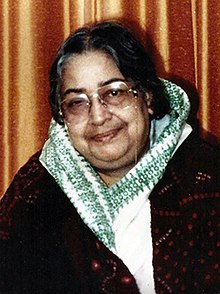
            "name": "Maitreyi Devi",
            "bio": "Maitreyi Devi (or Maitreyī Devī) (1 September 1914 – 4 February 1990) was an Indian poet and novelist. She is best known for her Sahitya Akademi Award-winning novel, Na Hanyate (It Does Not Die). <br>\r\nShe studied in St. John's Diocesan Girls' Higher Secondary School, Calcutta (now Kolkata) and graduated from the Jogamaya Devi College, an affiliated undergraduate women's college of the historic University of Calcutta, in Kolkata.<br>She received Sahitya Akademi Award in the year 1976 for her novel Na Hanyate.",
            "raw_bio": "Maitreyi Devi (or Maitreyī Devī) (1 September 1914 – 4 February 1990) was an Indian poet and novelist. She is best known for her Sahitya Akademi Award-winning novel, Na Hanyate (It Does Not Die).  \r She studied in St. John's Diocesan Girls' Higher Secondary School, Calcutta (now Kolkata) and graduated from the Jogamaya Devi College, an affiliated undergraduate women's college of the historic University of Calcutta, in Kolkata. She received Sahitya Akademi Award in the year 1976 for her novel Na Hanyate.",
            "slug": "maitreyi-devi",
            "DOB": "1914-09-01",
            "DateOfDemise": "1990-02-04",
            "location": "Chittagong, Bengal Province, British India",
            "url": "/sootradhar/maitreyi-devi",
            "tags": "",
            "created": "2023-09-22T12:18:17.397148",
            "is_has_special_post": false,
            "is_special_author": false,
            "language": 22
        },
        {
            "id": 592,
            "image": "https://kavishalalab.s3.ap-south-1.amazonaws.com/sootradhar_author/220px-Kamini_Roy.jpg",
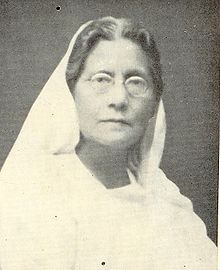
            "name": "Kamini Roy",
            "bio": "Kamini Roy (12 October 1864 – 27 September 1933) was a Bengali poet, social worker and feminist in British India. She was the first woman honours graduate in British India. <br>\r\nBorn on 12 October 1864 in the village of Basunda, then in Bakerganj District of Bengal Presidency and now in Jhalokati District of Bangladesh, Roy joined Bethune School in 1883. One of the first girls to attend school in British India, she earned a Bachelor of Arts degree with Sanskrit honours from Bethune College of the University of Calcutta in 1886 and started teaching there in the same year. Kadambini Ganguly, one of the first two women honours graduates ever in the country, was three years senior to her in the same institution.<br><br>\r\nNisith Chandra Sen, her brother, was a renowned barrister in the Calcutta High Court, and later the Mayor of Calcutta while her sister Jamini was the house physician of the then Nepal Royal family. In 1894 she married Kedarnath Roy.<br>\r\nAmong her notable literary contributions were:<br>\r\n<br>\r\nMahasweta, Pundorik<br>\r\nPouraniki<br>\r\nDwip O Dhup<br>\r\nJibon Pathey<br>\r\nNirmalya<br>\r\nMalya O Nirmalya<br>\r\nAshok Sangeet<br>\r\nGunjan (Children's book)<br>\r\nBalika Sikkhar Adarsha (Essays)<br>",
            "raw_bio": "Kamini Roy (12 October 1864 – 27 September 1933) was a Bengali poet, social worker and feminist in British India. She was the first woman honours graduate in British India.  \r Born on 12 October 1864 in the village of Basunda, then in Bakerganj District of Bengal Presidency and now in Jhalokati District of Bangladesh, Roy joined Bethune School in 1883. One of the first girls to attend school in British India, she earned a Bachelor of Arts degree with Sanskrit honours from Bethune College of the University of Calcutta in 1886 and started teaching there in the same year. Kadambini Ganguly, one of the first two women honours graduates ever in the country, was three years senior to her in the same institution. \r Nisith Chandra Sen, her brother, was a renowned barrister in the Calcutta High Court, and later the Mayor of Calcutta while her sister Jamini was the house physician of the then Nepal Royal family. In 1894 she married Kedarnath Roy. \r Among her notable literary contributions were:   \r Mahasweta, Pundorik \r Pouraniki \r Dwip O Dhup \r Jibon Pathey \r Nirmalya \r Malya O Nirmalya \r Ashok Sangeet \r Gunjan (Children's book) \r Balika Sikkhar Adarsha (Essays)",
            "slug": "kamini-roy",
            "DOB": "1864-10-12",
            "DateOfDemise": "1933-09-27",
            "location": "Basanda, Bengal Presidency, British India",
            "url": "/sootradhar/kamini-roy",
            "tags": "",
            "created": "2023-09-22T12:18:17.423707",
            "is_has_special_post": false,
            "is_special_author": false,
            "language": 22
        },
        {
            "id": 617,
            "image": "https://kavishalalab.s3.ap-south-1.amazonaws.com/sootradhar_author/Jibanananda_Das_.jpg",
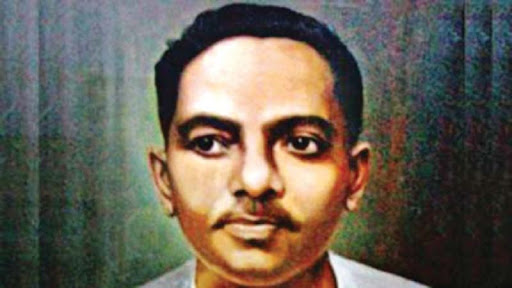
            "name": "Jibanananda Das",
            "bio": "Jībanānanda Dāś (/dʒɪbɒnʌnɒndɔː dʌʃ/) (17 February 1899 – 22 October 1954) was an Indian poet, writer, novelist and essayist in the Bengali language. Popularly called \"Rupashi Banglar Kabi'' (Poet of Beautiful Bengal), Das is the most read poet after Rabindranath Tagore and Kazi Nazrul Islam in Bangladesh and West Bengal. While not particularly recognised initially, today Das is acknowledged as one of the greatest poets in the Bengali language.<br>\r\nBorn in Barishal to a Vaidya-Brahmo family, Das studied English literature at Presidency College, Kolkata and earned his MA from Calcutta University. He had a troubling career and suffered financial hardship throughout his life. He taught at many colleges but was never granted tenure. He settled in Kolkata after the partition of India. Das died on 22 October 1954, eight days after being hit by a tramcar. The witnesses said that though the tramcar whistled, he did not stop, and got struck. Some deem the accident as an attempt at suicide.<br>\r\nJibanananda Das was very underrated poet in his time; he wrote profusely, but as he was a recluse and introvert, he did not publish most of his writings during his lifetime. Most of his work were hidden, and only seven volumes of his poems were published. After his death, it was discovered that apart from poems, Das wrote 21 novels and 108 short stories. His notable works include Ruposhi Bangla, Banalata Sen, Mahaprithibi, Shreshtha Kavita. Das's early poems exhibit the influence of Kazi Nazrul Islam, but in the latter half of the 20th century, Das's influence became one of the major catalysts in the making of Bengali poetry.<br>\r\nDas received Rabindra-Memorial Award for Banalata Sen in 1953 at All Bengal Rabindra Literature Convention. Das's Shrestha Kavita won the Sahitya Academy Award in 1955.",
            "raw_bio": "Jībanānanda Dāś (/dʒɪbɒnʌnɒndɔː dʌʃ/) (17 February 1899 – 22 October 1954) was an Indian poet, writer, novelist and essayist in the Bengali language. Popularly called \"Rupashi Banglar Kabi'' (Poet of Beautiful Bengal), Das is the most read poet after Rabindranath Tagore and Kazi Nazrul Islam in Bangladesh and West Bengal. While not particularly recognised initially, today Das is acknowledged as one of the greatest poets in the Bengali language. \r Born in Barishal to a Vaidya-Brahmo family, Das studied English literature at Presidency College, Kolkata and earned his MA from Calcutta University. He had a troubling career and suffered financial hardship throughout his life. He taught at many colleges but was never granted tenure. He settled in Kolkata after the partition of India. Das died on 22 October 1954, eight days after being hit by a tramcar. The witnesses said that though the tramcar whistled, he did not stop, and got struck. Some deem the accident as an attempt at suicide. \r Jibanananda Das was very underrated poet in his time; he wrote profusely, but as he was a recluse and introvert, he did not publish most of his writings during his lifetime. Most of his work were hidden, and only seven volumes of his poems were published. After his death, it was discovered that apart from poems, Das wrote 21 novels and 108 short stories. His notable works include Ruposhi Bangla, Banalata Sen, Mahaprithibi, Shreshtha Kavita. Das's early poems exhibit the influence of Kazi Nazrul Islam, but in the latter half of the 20th century, Das's influence became one of the major catalysts in the making of Bengali poetry. \r Das received Rabindra-Memorial Award for Banalata Sen in 1953 at All Bengal Rabindra Literature Convention. Das's Shrestha Kavita won the Sahitya Academy Award in 1955.",
            "slug": "jibanananda-das",
            "DOB": "1899-02-17",
            "DateOfDemise": "1854-10-22",
            "location": "Barisal, Bengal Presidency, British India",
            "url": "/sootradhar/jibanananda-das",
            "tags": "",
            "created": "2023-09-22T12:18:17.438975",
            "is_has_special_post": false,
            "is_special_author": false,
            "language": 22
        },
        {
            "id": 626,
            "image": "https://kavishalalab.s3.ap-south-1.amazonaws.com/sootradhar_author/Bappaditya_Bandopadhyay.jpeg",
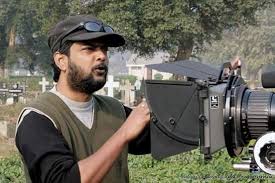
            "name": "Bappaditya Bandopadhyay",
            "bio": "Bappaditya Bandopadhyay or Bappaditya Banerjee (Bengali: বাপ্পাদিত্য ব্যানার্জী; 28 August 1970 – 7 November 2015) was an Indian director and poet.<br>\r\nBandopadhyay was the recipient of the Most Promising Director award for the year 2003, by the BFJA (Bengal Film Journalists' Association). His second feature film Silpantar (Colours of Hunger) was premiered at the Sofia International Film Festival, Bulgaria. The film was selected in the competitive section of the International Film Festival Bratislava in 2003. It was the only Indian film other than Devdas selected at the 2003 Helsinki International Film Festival. Debashree Roy won the Kalakar Award for Best Actress for her performance in the film.\r\n<br>\r\nBappaditya Bandopadhyay’s first feature film Sampradan (The Offering of the Daughter) was selected in the competitive section of the 6th Dhaka International Film Festival, 2000. The film won three major awards in the categories of Best Supporting Actress, Best Supporting Actor and Best Female Playback Singer in the BFJA Awards that year. It also won the Dishari Award in the category of Best Music Director.\r\n\r\nHis third feature film Devaki, starring Perizaad Zorabian and Suman Ranganathan, two Bollywood actresses, in English and Hindi was released in 2006. The film was selected and screened at the Indian Osean section of the 7th Osian’s Cinefan Film Festival. The film was in the competition section in the Temecula Valley International Film Festival and the Idaho International Film Festival. It also won the Best Feature Film Award at the Asheville Film Festival.<br>\r\nKantatar, the fourth feature film directed by Bandopadhyay was selected in the Asian competition of the 7th Osian’s Cinefan Film Festival. The film was also screened at the Raindance Film Festival in London.\r\n<br>\r\nBandopadhyay also directed a television serial, Anandanagarir kathakata, on the architectural history of Kolkata for the Bengali television channel Alpha Bangla. His documentary on the tribal masks was broadcast by Doordarshan.\r\n<br>\r\nHis film, Kagojer Bou, based on the novel of the same name by Shirshendu Mukhopadhyay, released in 2010.\r\n<br>\r\nHe was a long time associate of the editor Dipak Mandal with whom he worked 2009 to 2015.\r\n<br>\r\nBandopadhyay was also a poet. His published works include Pokader Atmiyasajan (Friends and Relatives of the Insects). He wrote regularly on the various aspects of modern cinema.",
            "raw_bio": "Bappaditya Bandopadhyay or Bappaditya Banerjee (Bengali: বাপ্পাদিত্য ব্যানার্জী; 28 August 1970 – 7 November 2015) was an Indian director and poet. \r Bandopadhyay was the recipient of the Most Promising Director award for the year 2003, by the BFJA (Bengal Film Journalists' Association). His second feature film Silpantar (Colours of Hunger) was premiered at the Sofia International Film Festival, Bulgaria. The film was selected in the competitive section of the International Film Festival Bratislava in 2003. It was the only Indian film other than Devdas selected at the 2003 Helsinki International Film Festival. Debashree Roy won the Kalakar Award for Best Actress for her performance in the film.\r  \r Bappaditya Bandopadhyay’s first feature film Sampradan (The Offering of the Daughter) was selected in the competitive section of the 6th Dhaka International Film Festival, 2000. The film won three major awards in the categories of Best Supporting Actress, Best Supporting Actor and Best Female Playback Singer in the BFJA Awards that year. It also won the Dishari Award in the category of Best Music Director.\r \r His third feature film Devaki, starring Perizaad Zorabian and Suman Ranganathan, two Bollywood actresses, in English and Hindi was released in 2006. The film was selected and screened at the Indian Osean section of the 7th Osian’s Cinefan Film Festival. The film was in the competition section in the Temecula Valley International Film Festival and the Idaho International Film Festival. It also won the Best Feature Film Award at the Asheville Film Festival. \r Kantatar, the fourth feature film directed by Bandopadhyay was selected in the Asian competition of the 7th Osian’s Cinefan Film Festival. The film was also screened at the Raindance Film Festival in London.\r  \r Bandopadhyay also directed a television serial, Anandanagarir kathakata, on the architectural history of Kolkata for the Bengali television channel Alpha Bangla. His documentary on the tribal masks was broadcast by Doordarshan.\r  \r His film, Kagojer Bou, based on the novel of the same name by Shirshendu Mukhopadhyay, released in 2010.\r  \r He was a long time associate of the editor Dipak Mandal with whom he worked 2009 to 2015.\r  \r Bandopadhyay was also a poet. His published works include Pokader Atmiyasajan (Friends and Relatives of the Insects). He wrote regularly on the various aspects of modern cinema.",
            "slug": "bappaditya-bandopadhyay",
            "DOB": "1970-08-28",
            "DateOfDemise": "2015-11-07",
            "location": "Kolkata, India",
            "url": "/sootradhar/bappaditya-bandopadhyay",
            "tags": "",
            "created": "2023-09-22T12:18:17.458820",
            "is_has_special_post": false,
            "is_special_author": false,
            "language": 22
        },
        {
            "id": 628,
            "image": "https://kavishalalab.s3.ap-south-1.amazonaws.com/sootradhar_author/Nabaneeta_Dev_Sen.jpg",
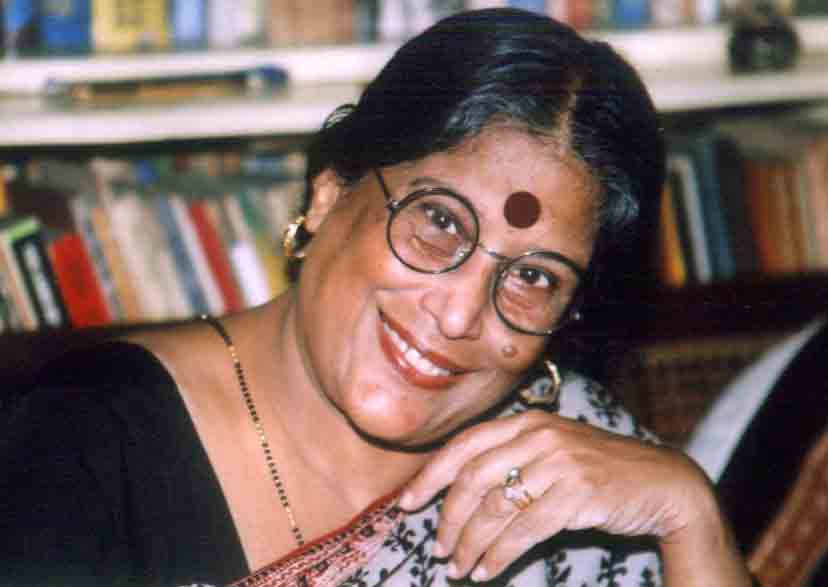
            "name": "Nabaneeta Dev Sen",
            "bio": "Nabaneeta Dev Sen (Nôbonita Deb Sen) (13 January 1938 – 7 November 2019) was an Indian writer and academic. After studying arts and comparative literature, she moved to US where she studied further. She returned to India and taught at several universities and institutes as well as served on various positions in literary institutes. She published more than 80 books in Bengali: poetry, novels, short stories, plays, literary criticism, personal essays, travelogues, humour writing, translations and children's literature. She was awarded the Padma Shri in 2000 and the Sahitya Akademi Award in 1999.",
            "raw_bio": "Nabaneeta Dev Sen (Nôbonita Deb Sen) (13 January 1938 – 7 November 2019) was an Indian writer and academic. After studying arts and comparative literature, she moved to US where she studied further. She returned to India and taught at several universities and institutes as well as served on various positions in literary institutes. She published more than 80 books in Bengali: poetry, novels, short stories, plays, literary criticism, personal essays, travelogues, humour writing, translations and children's literature. She was awarded the Padma Shri in 2000 and the Sahitya Akademi Award in 1999.",
            "slug": "nabaneeta-dev-sen",
            "DOB": "1938-01-13",
            "DateOfDemise": "2019-11-07",
            "location": "Kolkata, Bengal Presidency, British India",
            "url": "/sootradhar/nabaneeta-dev-sen",
            "tags": "",
            "created": "2023-09-22T12:18:17.470242",
            "is_has_special_post": false,
            "is_special_author": false,
            "language": 22
        },
        {
            "id": 682,
            "image": "https://kavishalalab.s3.ap-south-1.amazonaws.com/sootradhar_author/Manik_Bandopadhyay.jpeg",
            "name": "Manik Bandopadhyay",
            "bio": "Manik Bandopadhyay (19 May 1908 – 3 December 1956) was an Indian writer and novelist, regarded as one of the major figures of 20th century Bengali literature. During a lifespan of 48 years, plagued simultaneously by illness and financial crisis, he produced 36 novels and nearly 250 short stories. His notable works include Padma Nadir Majhi (The Boatman on The River Padma, 1936) and Putul Nacher Itikatha (The Puppet's Tale, 1936), Shahartali (Suburbia, 1941) and Chatushkone (The Quadrilateral, 1948). Bandopadhyay was born on 19 May 1908 in Dumka, a small town in Santal Parganas district in the state of Bihar in British India in a Bengali Kulin Brahmin family. His real name was Prabodh Kumar Bandhopaddhay. Owing to his dark complexion, he was known to his family members as Kala Manik (black diamond), or simply Manik. His ancestral home was in Malapadiya village of Bikrampur, in Dhaka district (present-day Bangladesh) His father Sri Harihar Bandopadhyay was a sub-register (magistrate) officer who had been working in different parts of the then Bengal like Calcutta, Bihar, Tangail, Brammanbaria etc. due to government rules.  He was the fifth of the fourteen children of his parents, Harihar Bandopadhyay and Niroda Devi. Harihar was a sub-registrar who was posted in different parts of Bengal. This gave Manik to experience life and living of people in different parts of Bengal in his early life. Once while he was with his friends in their college canteen, one of them asked him if he could publish a story in the magazine Bichitra. The would-be novelist replied that his first story would be good enough for the purpose. At that time, Bichitra was a leading periodical which carried stories only by eminent authors. Manik walked into the office of the periodical and dropped the story Atashi Mami (Aunt Atashi) in their letter box. At the end of the story he signed off as Manik Bandhopadhay. After four months, publication of the story (in 1928) created sensation in the literary circles of Bengal and, from then on, the pen name stuck.",
            "raw_bio": "Manik Bandopadhyay (19 May 1908 – 3 December 1956) was an Indian writer and novelist, regarded as one of the major figures of 20th century Bengali literature. During a lifespan of 48 years, plagued simultaneously by illness and financial crisis, he produced 36 novels and nearly 250 short stories. His notable works include Padma Nadir Majhi (The Boatman on The River Padma, 1936) and Putul Nacher Itikatha (The Puppet's Tale, 1936), Shahartali (Suburbia, 1941) and Chatushkone (The Quadrilateral, 1948). Bandopadhyay was born on 19 May 1908 in Dumka, a small town in Santal Parganas district in the state of Bihar in British India in a Bengali Kulin Brahmin family. His real name was Prabodh Kumar Bandhopaddhay. Owing to his dark complexion, he was known to his family members as Kala Manik (black diamond), or simply Manik. His ancestral home was in Malapadiya village of Bikrampur, in Dhaka district (present-day Bangladesh) His father Sri Harihar Bandopadhyay was a sub-register (magistrate) officer who had been working in different parts of the then Bengal like Calcutta, Bihar, Tangail, Brammanbaria etc. due to government rules.  He was the fifth of the fourteen children of his parents, Harihar Bandopadhyay and Niroda Devi. Harihar was a sub-registrar who was posted in different parts of Bengal. This gave Manik to experience life and living of people in different parts of Bengal in his early life. Once while he was with his friends in their college canteen, one of them asked him if he could publish a story in the magazine Bichitra. The would-be novelist replied that his first story would be good enough for the purpose. At that time, Bichitra was a leading periodical which carried stories only by eminent authors. Manik walked into the office of the periodical and dropped the story Atashi Mami (Aunt Atashi) in their letter box. At the end of the story he signed off as Manik Bandhopadhay. After four months, publication of the story (in 1928) created sensation in the literary circles of Bengal and, from then on, the pen name stuck.",
            "slug": "manik-bandopadhyay",
            "DOB": "1908-05-19",
            "DateOfDemise": "1956-12-03",
            "location": "Dumka, Bengal Presidency, British India",
            "url": "/sootradhar/manik-bandopadhyay",
            "tags": "Dumka, Bengal Presidency, British India",
            "created": "2023-09-22T12:18:17.486506",
            "is_has_special_post": false,
            "is_special_author": false,
            "language": 22
        },
        {
            "id": 16323,
            "image": "https://kavishala.blob.core.windows.net/kavishalalabs/kavishala_logo.png",
            "name": "Abdul Hakim",
            "bio": "Abdul Hakim (c. 1620 – c. 1690) was a Bengali poet and translator who wrote several Bengali epics and also translated some Persian manuscripts.\nHakim was born in Babupur village in 1620. Babupur is generally said to be the modern-day village of Sudharam in the island of Sandwip. In addition to his fluency in the Bengali language, he also studied Arabic, Persian and Sanskrit.\nHakim is well known for his patriotism and specially his love for Bengali. In his day, elite Bengali Muslims looked down upon it, favoured the Persian court language instead. Hakim criticized their disdainful attitude towards the local tongue.\nযেসব বঙ্গেত জন্মি হিংসে বঙ্গবাণী\nসেসব কাহার জন্ম নির্ণয় না জানি\nদেশী ভাষা বিদ্যা যার মনে ন জুয়ায়",
            "raw_bio": "Abdul Hakim (c. 1620 – c. 1690) was a Bengali poet and translator who wrote several Bengali epics and also translated some Persian manuscripts. Hakim was born in Babupur village in 1620. Babupur is generally said to be the modern-day village of Sudharam in the island of Sandwip. In addition to his fluency in the Bengali language, he also studied Arabic, Persian and Sanskrit. Hakim is well known for his patriotism and specially his love for Bengali. In his day, elite Bengali Muslims looked down upon it, favoured the Persian court language instead. Hakim criticized their disdainful attitude towards the local tongue. যেসব বঙ্গেত জন্মি হিংসে বঙ্গবাণী সেসব কাহার জন্ম নির্ণয় না জানি দেশী ভাষা বিদ্যা যার মনে ন জুয়ায়",
            "slug": "abdul-hakim-1620-1690",
            "DOB": null,
            "DateOfDemise": null,
            "location": "Bengal Subah, Mughal Empire",
            "url": "/sootradhar/abdul-hakim-1620-1690",
            "tags": null,
            "created": "2024-03-06T12:33:32.278980",
            "is_has_special_post": false,
            "is_special_author": false,
            "language": 22
        },
        {
            "id": 16324,
            "image": "https://kavishala.blob.core.windows.net/kavishalalabs/kavishala_logo.png",
            "name": "Afzal Ali",
            "bio": "Afzal Ali (Bengali: আফজল আলী, romanized: Afzol Ali) was a medieval Bengali poet. He is best known for his magnum opus, Nasihatnama. Abdul Karim Sahitya Bisharad claims that he belongs to the 16th-century, although Banglapedia places him in the 17th century.\nAfzal Ali was born into a Bengali Muslim family from the village of Milua in present-day Satkania, Chittagong District. His father was known as Bhangu Faqir.\nAfzal Ali was known to have written Nasihatnama (নসীহতনামা) around 1662 C.E., as well as Padabali, which were a few verses written in Vaishnava style. The former is a notable Muslim literary work of Bengal as only few Islamic have been found in Bengali during that period. The book contains references to sermons in simple language, and Ali had a good reputation as a writer. Many Bengali authors wrote books titled \"Nasihatnama\", with the next-known poet being Sheikh Paran (1550-1615).",
            "raw_bio": "Afzal Ali (Bengali: আফজল আলী, romanized: Afzol Ali) was a medieval Bengali poet. He is best known for his magnum opus, Nasihatnama. Abdul Karim Sahitya Bisharad claims that he belongs to the 16th-century, although Banglapedia places him in the 17th century. Afzal Ali was born into a Bengali Muslim family from the village of Milua in present-day Satkania, Chittagong District. His father was known as Bhangu Faqir. Afzal Ali was known to have written Nasihatnama (নসীহতনামা) around 1662 C.E., as well as Padabali, which were a few verses written in Vaishnava style. The former is a notable Muslim literary work of Bengal as only few Islamic have been found in Bengali during that period. The book contains references to sermons in simple language, and Ali had a good reputation as a writer. Many Bengali authors wrote books titled \"Nasihatnama\", with the next-known poet being Sheikh Paran (1550-1615).",
            "slug": "afzal-ali-16th-century",
            "DOB": null,
            "DateOfDemise": null,
            "location": "romanized",
            "url": "/sootradhar/afzal-ali-16th-century",
            "tags": null,
            "created": "2024-03-06T12:33:32.286313",
            "is_has_special_post": false,
            "is_special_author": false,
            "language": 22
        },
        {
            "id": 16325,
            "image": "https://kavishala.blob.core.windows.net/kavishalalabs/kavishala_logo.png",
            "name": "Alaol",
            "bio": "Syed Alaol (Bengali: সৈয়দ আলাওল; 1607 – 1680) was a 17th century poet of Bengal. His most well known work is Padmavati, which depicts the story of Padmavati, the Sinhalese princess. He is considered to be one of the most prolific medieval Bengali poets. Since most of his poems combine emotion with intellect, he is called the Pandit Kabi (Pandit of Poets) of medieval Bengali literature. An important Bangladeshi literary prize, the Alaol Sahitya Puroshkar, is named after him.\nHe was probably born in 1607 in the village of Jalalpur in Fatwabad Pargana, Fatehabad, to a minister in the court of Majlis Qutb, the ruler of Fatehabad. He learnt Bengali, Arabic, Persian and Sanskrit languages. Alaol was kidnapped by Portuguese pirates while travelling on a boat with his father, and was subsequently taken to Arakan.\nAlaol worked as a bodyguard for a while, but slowly his reputation as a poet spread. His talent was first recognised by Magan Thakur, prime minister of King Sanda Thudhamma of the Mrauk-U dynasty of Arakan. He was also patronised by other elders of the court such as chief minister Sulayman, royal minister Syed Musa, army commander Muhammad Khan and tax minister Majlis Nabaraj.\nIn 1659, he completed Sati Mayna O Lorchandrani, the first part of which was completed earlier by another Bengali court poet of Arakan, Daulat Qazi. He translated Tohfa at the request of Shrichandra Sudharma or Sanda Thudhamma. Later, Prince Magan Thakur, the foster-son of the sister of King Shrichandra Sudharma and co-regent and the prime minister of Arakan, secured him a place in the court of Arakan.",
            "raw_bio": "Syed Alaol (Bengali: সৈয়দ আলাওল; 1607 – 1680) was a 17th century poet of Bengal. His most well known work is Padmavati, which depicts the story of Padmavati, the Sinhalese princess. He is considered to be one of the most prolific medieval Bengali poets. Since most of his poems combine emotion with intellect, he is called the Pandit Kabi (Pandit of Poets) of medieval Bengali literature. An important Bangladeshi literary prize, the Alaol Sahitya Puroshkar, is named after him. He was probably born in 1607 in the village of Jalalpur in Fatwabad Pargana, Fatehabad, to a minister in the court of Majlis Qutb, the ruler of Fatehabad. He learnt Bengali, Arabic, Persian and Sanskrit languages. Alaol was kidnapped by Portuguese pirates while travelling on a boat with his father, and was subsequently taken to Arakan. Alaol worked as a bodyguard for a while, but slowly his reputation as a poet spread. His talent was first recognised by Magan Thakur, prime minister of King Sanda Thudhamma of the Mrauk-U dynasty of Arakan. He was also patronised by other elders of the court such as chief minister Sulayman, royal minister Syed Musa, army commander Muhammad Khan and tax minister Majlis Nabaraj. In 1659, he completed Sati Mayna O Lorchandrani, the first part of which was completed earlier by another Bengali court poet of Arakan, Daulat Qazi. He translated Tohfa at the request of Shrichandra Sudharma or Sanda Thudhamma. Later, Prince Magan Thakur, the foster-son of the sister of King Shrichandra Sudharma and co-regent and the prime minister of Arakan, secured him a place in the court of Arakan.",
            "slug": "alaol-1606-1680",
            "DOB": null,
            "DateOfDemise": null,
            "location": "Jalalpur, Madaripur, Fatehabad, Bengal",
            "url": "/sootradhar/alaol-1606-1680",
            "tags": null,
            "created": "2024-03-06T12:33:32.293919",
            "is_has_special_post": false,
            "is_special_author": false,
            "language": 22
        },
        {
            "id": 16326,
            "image": "https://kavishala.blob.core.windows.net/kavishalalabs/kavishala_logo.png",
            "name": "Akkhoykumar Boral",
            "bio": "\nAkshay Kumar Baral (1860–1919) (Bengali: অক্ষয় কুমার বড়াল) was a Bengali poet and writer. He was born in Kolkata. The family originally hailed from Chandannagar, Hooghly District.\nBaral was born in 1860 in Chorbagan, Calcutta, Bengal Presidency, British India. He studied at Hare School for some time. He worked as an accounts clerk in the Delhi and London Bank. He worked as a secretary at the North-British Life Insurance Company.\nBoral was a fan of the poets, Biharilal Chakraborty and Rabindranath Tagore. His poetry is meditative and thoughtful. However, he wrote with a unique style and he was not influenced by either one.",
            "raw_bio": "Akshay Kumar Baral (1860–1919) (Bengali: অক্ষয় কুমার বড়াল) was a Bengali poet and writer. He was born in Kolkata. The family originally hailed from Chandannagar, Hooghly District. Baral was born in 1860 in Chorbagan, Calcutta, Bengal Presidency, British India. He studied at Hare School for some time. He worked as an accounts clerk in the Delhi and London Bank. He worked as a secretary at the North-British Life Insurance Company. Boral was a fan of the poets, Biharilal Chakraborty and Rabindranath Tagore. His poetry is meditative and thoughtful. However, he wrote with a unique style and he was not influenced by either one.",
            "slug": "akkhoykumar-boral-1860-1919",
            "DOB": null,
            "DateOfDemise": null,
            "location": "Calcutta, Bengal Presidency, British India",
            "url": "/sootradhar/akkhoykumar-boral-1860-1919",
            "tags": null,
            "created": "2024-03-06T12:33:32.304072",
            "is_has_special_post": false,
            "is_special_author": false,
            "language": 22
        },
        {
            "id": 16328,
            "image": "https://kavishala.blob.core.windows.net/kavishalalabs/kavishala_logo.png",
            "name": "Bharatchandra Ray",
            "bio": "Bharatchandra Ray Gunakor (Bengali: ভারতচন্দ্র রায় গুণাকর; 1712–1760) was an 18th-century Bengali and Sanskrit Sakta court poet and song composer. He is mostly known for his poetic work, Annadamangal or Annapurnamangal.  He is often referred to simply as Bharatchandra. Maharaja Krishnachandra of Nadia conferred him with the title Gunakor, after which he became famous as Ray Gunakor Bharatchandra.\nBharatchandra was born to Narendranarayan Ray and Bhavani Devi in Penro-Bhurshut village (in the present-day Howrah district) which is currently near Amta, Howrah area. He was youngest of the four children. His father entered a property dispute with the Raja of Bardhaman, and in the process disrespected Raja Kirti Chandra Ray's mother Rani Bishnukumari. As a result, they took away all his lands. A penniless Narendranarayan fled away, while Bharatchandra was taken to his maternal uncle's home in Naoapara. While staying there he learned Sanskrit at the nearby village of Tajpur. When he was 14 he mastered the language and married the daughter of Narottam Acharya of nearby Sarada village.\nOn returning home his elder brothers mocked him for learning Sanskrit as they thought the language would be of no use for them. Bharatchandra felt bad and left home for West Debanandpur, a village in Bashberia area of Hooghly district. There, while living in Ramchandra Munshi's house, he mastered Persian. After his education, he worked as a Mokhtar to facilitate his paternal household's property management. He had to leave his ancestral home because of property disputes and marriage of his own choice. He roamed from place to place. He passed some time in Cuttack, Orissa in the domain of the Maratha power. Later he went back to Bengal.\nWhen Bharatchandra was residing in the house of Indranarayan Chaudhury, the Diwan of the French government at Chandernagore, his talent was noticed by Maharaja Krishnachandra of Krishnanagar and Bharatchandra became his court poet. He was bestowed with the title Raygunakar and received huge amount of land in Mulajore from Krishnachandra. He was the first poet in the Bengali language to be identified as a people's poet, and lent a new grace and beauty to the language.",
            "raw_bio": "Bharatchandra Ray Gunakor (Bengali: ভারতচন্দ্র রায় গুণাকর; 1712–1760) was an 18th-century Bengali and Sanskrit Sakta court poet and song composer. He is mostly known for his poetic work, Annadamangal or Annapurnamangal.  He is often referred to simply as Bharatchandra. Maharaja Krishnachandra of Nadia conferred him with the title Gunakor, after which he became famous as Ray Gunakor Bharatchandra. Bharatchandra was born to Narendranarayan Ray and Bhavani Devi in Penro-Bhurshut village (in the present-day Howrah district) which is currently near Amta, Howrah area. He was youngest of the four children. His father entered a property dispute with the Raja of Bardhaman, and in the process disrespected Raja Kirti Chandra Ray's mother Rani Bishnukumari. As a result, they took away all his lands. A penniless Narendranarayan fled away, while Bharatchandra was taken to his maternal uncle's home in Naoapara. While staying there he learned Sanskrit at the nearby village of Tajpur. When he was 14 he mastered the language and married the daughter of Narottam Acharya of nearby Sarada village. On returning home his elder brothers mocked him for learning Sanskrit as they thought the language would be of no use for them. Bharatchandra felt bad and left home for West Debanandpur, a village in Bashberia area of Hooghly district. There, while living in Ramchandra Munshi's house, he mastered Persian. After his education, he worked as a Mokhtar to facilitate his paternal household's property management. He had to leave his ancestral home because of property disputes and marriage of his own choice. He roamed from place to place. He passed some time in Cuttack, Orissa in the domain of the Maratha power. Later he went back to Bengal. When Bharatchandra was residing in the house of Indranarayan Chaudhury, the Diwan of the French government at Chandernagore, his talent was noticed by Maharaja Krishnachandra of Krishnanagar and Bharatchandra became his court poet. He was bestowed with the title Raygunakar and received huge amount of land in Mulajore from Krishnachandra. He was the first poet in the Bengali language to be identified as a people's poet, and lent a new grace and beauty to the language.",
            "slug": "bharatchandra-ray-1712-60",
            "DOB": null,
            "DateOfDemise": null,
            "location": "Mulajore, (present-day Shyamnagar, North 24 Parganas district, West Bengal, India)",
            "url": "/sootradhar/bharatchandra-ray-1712-60",
            "tags": null,
            "created": "2024-03-06T12:33:32.324052",
            "is_has_special_post": false,
            "is_special_author": false,
            "language": 22
        }
    ],
    "description": "<p style=\"text-align: center; font-size: 24px;\"> The Great Poets and Writers in Indian and World History! </p>",
    "image": "https://kavishalalab.s3.ap-south-1.amazonaws.com/sootradhar_description/black.jpg"
}