HTTP 200 OK
Allow: GET, HEAD, OPTIONS
Content-Type: application/json
Vary: Accept
{
"count": 17752,
"next": "http://admin.kavishala.in/sootradhar/authors/?format=api&page=1437",
"previous": "http://admin.kavishala.in/sootradhar/authors/?format=api&page=1435",
"results": [
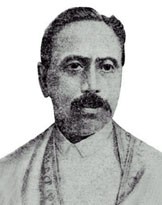
{
"id": 116,
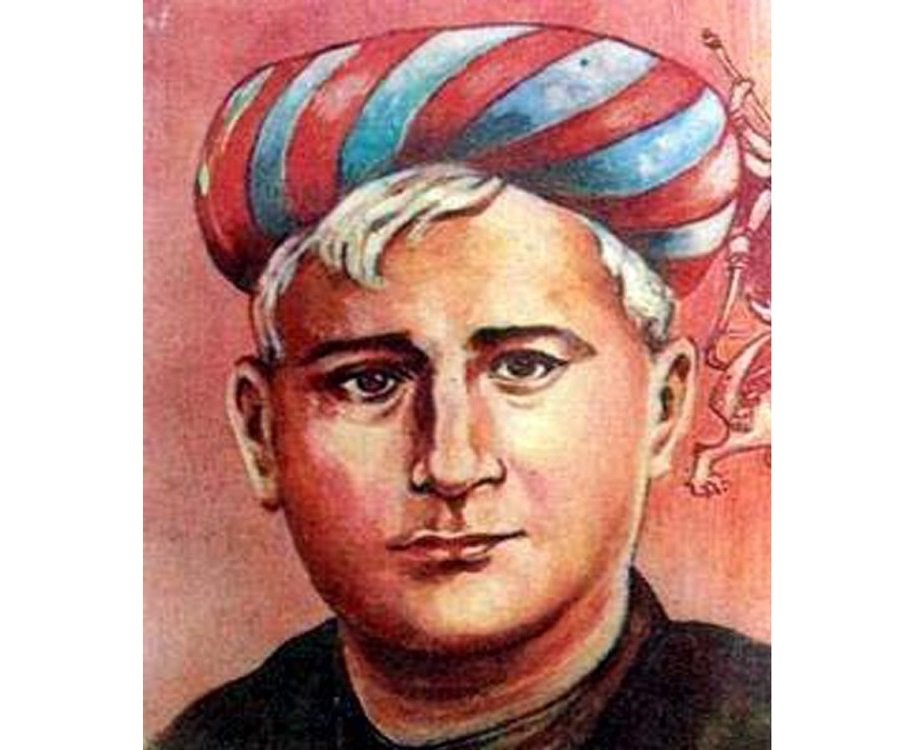
"image": "https://kavishalalab.s3.ap-south-1.amazonaws.com/sootradhar_author/Bankim-Chandra-Chatterjee.jpg",
"name": "Bankimchandra Chatterjee",
"bio": "Bankimchandra Chatterjee or Bankimchandra Chattopadhyay, was an Indian novelist, poet and journalist. He was the composer of Vande Mataram, originally in Sanskrit stotra personifying India as a mother goddess and inspiring activists during the Indian Independence Movement. Chattopadhyay wrote thirteen novels and many serious, serio-comic, satirical, scientific and critical treatises in Bengali. His works were widely translated into other regional languages of India as well as in English. He was born on 13th Ashard 1245, as per Bengali calendar.",
"raw_bio": "Bankimchandra Chatterjee or Bankimchandra Chattopadhyay, was an Indian novelist, poet and journalist. He was the composer of Vande Mataram, originally in Sanskrit stotra personifying India as a mother goddess and inspiring activists during the Indian Independence Movement. Chattopadhyay wrote thirteen novels and many serious, serio-comic, satirical, scientific and critical treatises in Bengali. His works were widely translated into other regional languages of India as well as in English. He was born on 13th Ashard 1245, as per Bengali calendar.",
"slug": "bankimchandra-chatterjee",
"DOB": "1838-06-27",
"DateOfDemise": "2024-04-08",
"location": "Naihati, Bengal",
"url": "/sootradhar/bankimchandra-chatterjee",
"tags": "",
"created": "2024-03-20T12:19:58.101564",
"is_has_special_post": true,
"is_special_author": false,
"language": 22
},
{
"id": 118,
"image": "https://kavishalalab.s3.ap-south-1.amazonaws.com/sootradhar_author/bangladesh_national_poet_kazi_nazrul_islam.jpg",
"name": "Kazi Nazrul Islam",
"bio": "<p>Kazi Nazrul Islam (Bengali: কাজী নজরুল ইসলাম, Bengali pronunciation: [kazi nozrul islam] (About this soundlisten); 24 May 1899 – 29 August 1976) was a Bengali poet, writer and musician and the national poet of Bangladesh. Popularly known as Nazrul, he produced a large body of poetry and music with themes that included religious devotion and rebellion against oppression. Nazrul's activism for political and social justice earned him the title of \"Rebel Poet\".[failed verification] His compositions form the avant-garde genre of Nazrul Geeti (Music of Nazrul).</p>\r\n<p>Born in a Bengali Muslim Kazi family, Nazrul Islam received religious education and as a young man worked as a muezzin at a local mosque. He learned about poetry, drama, and literature while working with the rural theatrical group Letor Dal. He joined the British Indian Army in 1917. After serving in the British Indian Army in the Middle East (Mesopotamian campaign) during World War I, Nazrul established himself as a journalist in Calcutta. He criticised the British Raj and called for revolution through his poetic works, such as \"Bidrohi\" (\"বিদ্রোহী\", 'The Rebel') and \"Bhangar Gaan\" (\"ভাঙার গান\", 'The Song of Destruction'), as well as in his publication Dhumketu ('The Comet'). His nationalist activism in Indian independence movement led to his frequent imprisonment by the colonial British authorities. While in prison, Nazrul wrote the \"Rajbandir Jabanbandi\" (\"রাজবন্দীর জবানবন্দী\", 'Deposition of a Political Prisoner'). His writings greatly inspired Bengalis of East Pakistan during the Bangladesh Liberation War.</p>\r\n<p>Nazrul's writings explored themes such as freedom, humanity, love, and revolution. He opposed all forms of bigotry and fundamentalism, including religious, caste-based and gender-based.[13] Nazrul wrote short stories, novels, and essays but is best known for his songs and poems. He profusely enriched ghazals in the Bengali language. He is also known to have experimented with Arabic, Persian, and Sanskrit words in his works to produce rhythmic effects.[original research?]</p>\r\n<p>Nazrul wrote and composed music for nearly 4,000 songs (many recorded on HMV and gramophone records), collectively known as Nazrul Geeti. In 1942 at the age of 43, he began to suffer from an unknown disease, losing his voice and memory. A medical team in Vienna diagnosed the disease as Pick's disease, a rare incurable neurodegenerative disease. It caused Nazrul's health to decline steadily and forced him to live in isolation in India. He was also admitted in Ranchi (Jharkhand) psychiatric hospital for many years. At the invitation of the Government of Bangladesh, Nazrul and his family moved to Dhaka in 1972. He died four years later on 29 August 1976 in Bangladesh.</p>",
"raw_bio": "Kazi Nazrul Islam (Bengali: কাজী নজরুল ইসলাম, Bengali pronunciation: [kazi nozrul islam] (About this soundlisten); 24 May 1899 – 29 August 1976) was a Bengali poet, writer and musician and the national poet of Bangladesh. Popularly known as Nazrul, he produced a large body of poetry and music with themes that included religious devotion and rebellion against oppression. Nazrul's activism for political and social justice earned him the title of \"Rebel Poet\".[failed verification] His compositions form the avant-garde genre of Nazrul Geeti (Music of Nazrul). Born in a Bengali Muslim Kazi family, Nazrul Islam received religious education and as a young man worked as a muezzin at a local mosque. He learned about poetry, drama, and literature while working with the rural theatrical group Letor Dal. He joined the British Indian Army in 1917. After serving in the British Indian Army in the Middle East (Mesopotamian campaign) during World War I, Nazrul established himself as a journalist in Calcutta. He criticised the British Raj and called for revolution through his poetic works, such as \"Bidrohi\" (\"বিদ্রোহী\", 'The Rebel') and \"Bhangar Gaan\" (\"ভাঙার গান\", 'The Song of Destruction'), as well as in his publication Dhumketu ('The Comet'). His nationalist activism in Indian independence movement led to his frequent imprisonment by the colonial British authorities. While in prison, Nazrul wrote the \"Rajbandir Jabanbandi\" (\"রাজবন্দীর জবানবন্দী\", 'Deposition of a Political Prisoner'). His writings greatly inspired Bengalis of East Pakistan during the Bangladesh Liberation War. Nazrul's writings explored themes such as freedom, humanity, love, and revolution. He opposed all forms of bigotry and fundamentalism, including religious, caste-based and gender-based.[13] Nazrul wrote short stories, novels, and essays but is best known for his songs and poems. He profusely enriched ghazals in the Bengali language. He is also known to have experimented with Arabic, Persian, and Sanskrit words in his works to produce rhythmic effects.[original research?] Nazrul wrote and composed music for nearly 4,000 songs (many recorded on HMV and gramophone records), collectively known as Nazrul Geeti. In 1942 at the age of 43, he began to suffer from an unknown disease, losing his voice and memory. A medical team in Vienna diagnosed the disease as Pick's disease, a rare incurable neurodegenerative disease. It caused Nazrul's health to decline steadily and forced him to live in isolation in India. He was also admitted in Ranchi (Jharkhand) psychiatric hospital for many years. At the invitation of the Government of Bangladesh, Nazrul and his family moved to Dhaka in 1972. He died four years later on 29 August 1976 in Bangladesh.",
"slug": "kazi-nazrul-islam",
"DOB": "1899-05-25",
"DateOfDemise": null,
"location": null,
"url": "/sootradhar/kazi-nazrul-islam",
"tags": null,
"created": "2024-05-06T05:54:23.070237",
"is_has_special_post": true,
"is_special_author": false,
"language": 22
},
{
"id": 119,
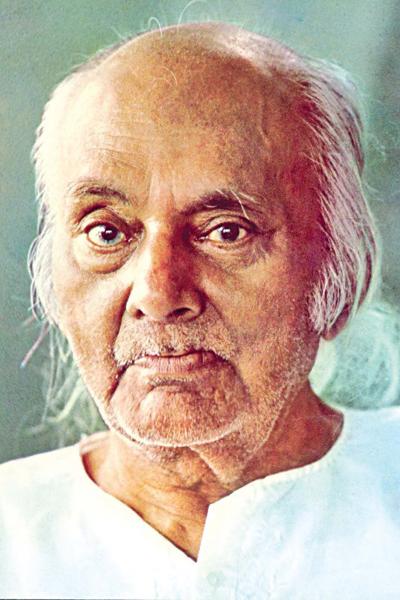
"image": "https://kavishalalab.s3.ap-south-1.amazonaws.com/sootradhar_author/Jibananda_Das.jpg",
"name": "Jibananda Das",
"bio": "Jibananda Das was an Indian poet, writer, novelist and essayist in the Bengali language. Popularly called \"Rupashi Banglar Kabi'', Das is probably the most read poet after Rabindranath Tagore and Nazrul Islam in Bangladesh and West Bengal.",
"raw_bio": "Jibananda Das was an Indian poet, writer, novelist and essayist in the Bengali language. Popularly called \"Rupashi Banglar Kabi'', Das is probably the most read poet after Rabindranath Tagore and Nazrul Islam in Bangladesh and West Bengal.",
"slug": "jibananda-das",
"DOB": "1899-02-17",
"DateOfDemise": null,
"location": "West Bengal",
"url": "/sootradhar/jibananda-das",
"tags": null,
"created": "2023-09-22T12:30:50.762497",
"is_has_special_post": true,
"is_special_author": false,
"language": 22
},
{
"id": 120,
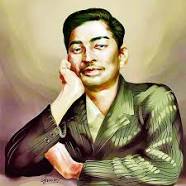
"image": "https://kavishalalab.s3.ap-south-1.amazonaws.com/sootradhar_author/Sukanta_Bhattacharya.jpg",
"name": "Sukanta Bhattacharya",
"bio": "Sukanta Bhattacharya was a Bengali poet and playwright. Along with Rabindranath Tagore and Kazi Nazrul Islam, he was one of the key figures of modern Bengali poetry, despite the fact that most of his works had been in publication posthumously.",
"raw_bio": "Sukanta Bhattacharya was a Bengali poet and playwright. Along with Rabindranath Tagore and Kazi Nazrul Islam, he was one of the key figures of modern Bengali poetry, despite the fact that most of his works had been in publication posthumously.",
"slug": "sukanta-bhattacharya",
"DOB": "1926-08-15",
"DateOfDemise": null,
"location": "Kolkata",
"url": "/sootradhar/sukanta-bhattacharya",
"tags": null,
"created": "2023-09-22T12:30:52.550135",
"is_has_special_post": true,
"is_special_author": false,
"language": 22
},
{
"id": 126,
"image": "https://kavishalalab.s3.ap-south-1.amazonaws.com/sootradhar_author/Mallika_Sengupta.jpg",
"name": "Mallika Sengupta",
"bio": "Mallika Sengupta was a Bengali poet, feminist, and reader of Sociology from Kolkata, known for her \"unapologetically political poetry\".",
"raw_bio": "Mallika Sengupta was a Bengali poet, feminist, and reader of Sociology from Kolkata, known for her \"unapologetically political poetry\".",
"slug": "mallika-sengupta",
"DOB": "1960-03-27",
"DateOfDemise": null,
"location": "Nadia",
"url": "/sootradhar/mallika-sengupta",
"tags": null,
"created": "2023-09-22T12:18:16.276286",
"is_has_special_post": false,
"is_special_author": false,
"language": 22
},
{
"id": 127,
"image": "https://kavishalalab.s3.ap-south-1.amazonaws.com/sootradhar_author/Bishnu_Dey_was_a_prominent_Bengali_poet_pro.jpg",
"name": "Bishnu Dey",
"bio": "Bishnu Dey was a prominent Bengali poet, prose writer, translator, academic and art critic in the era of modernism, post-modernism.",
"raw_bio": "Bishnu Dey was a prominent Bengali poet, prose writer, translator, academic and art critic in the era of modernism, post-modernism.",
"slug": "bishnu-dey",
"DOB": "1909-07-18",
"DateOfDemise": null,
"location": null,
"url": "/sootradhar/bishnu-dey",
"tags": null,
"created": "2023-09-22T12:18:16.289546",
"is_has_special_post": false,
"is_special_author": false,
"language": 22
},
{
"id": 129,
"image": "https://kavishalalab.s3.ap-south-1.amazonaws.com/sootradhar_author/ShaktiChattopadhyay.jpg",
"name": "Shakti Chattopadhyay",
"bio": "Shakti Chattopadhyaycwas a Famous Bengali poet and writer.",
"raw_bio": "Shakti Chattopadhyaycwas a Famous Bengali poet and writer.",
"slug": "shakti-chattopadhyay",
"DOB": "1933-11-25",
"DateOfDemise": null,
"location": "Jaynagar Mazilpur",
"url": "/sootradhar/shakti-chattopadhyay",
"tags": null,
"created": "2023-09-22T12:31:09.554965",
"is_has_special_post": true,
"is_special_author": false,
"language": 22
},
{
"id": 130,
"image": "https://kavishalalab.s3.ap-south-1.amazonaws.com/sootradhar_author/Sukumar_Ray.jpg",
"name": "Sukumar Ray",
"bio": "Sukumar Ray was a Bengali poet, story writer, playwright and editor from Moshua, Kishoreganj, which was part of India/ the Indian Subcontinent and is now in Bangladesh. He is remembered mainly for his writings for the children. He was the son of children's story writer Upendrakishore Ray, the father of Indian filmmaker Satyajit Ray and grandfather of Indian filmmaker Sandip Ray. His creations such as the collection of poems Abol Tabol (Gibberish), novella HaJaBaRaLa, short story collection Pagla Dashu (Crazy Dashu) and play Chalachittachanchari are considered equal in stature to Alice in Wonderland. More than 80 years after his death, Ray remains one of the most popular of children's writers in Bengali literature.",
"raw_bio": "Sukumar Ray was a Bengali poet, story writer, playwright and editor from Moshua, Kishoreganj, which was part of India/ the Indian Subcontinent and is now in Bangladesh. He is remembered mainly for his writings for the children. He was the son of children's story writer Upendrakishore Ray, the father of Indian filmmaker Satyajit Ray and grandfather of Indian filmmaker Sandip Ray. His creations such as the collection of poems Abol Tabol (Gibberish), novella HaJaBaRaLa, short story collection Pagla Dashu (Crazy Dashu) and play Chalachittachanchari are considered equal in stature to Alice in Wonderland. More than 80 years after his death, Ray remains one of the most popular of children's writers in Bengali literature.",
"slug": "sukumar-ray",
"DOB": "1987-10-30",
"DateOfDemise": null,
"location": null,
"url": "/sootradhar/sukumar-ray",
"tags": null,
"created": "2024-05-06T05:55:28.994858",
"is_has_special_post": true,
"is_special_author": false,
"language": 22
},
{
"id": 131,
"image": "https://kavishalalab.s3.ap-south-1.amazonaws.com/sootradhar_author/Krittibas_Ojha.jpg",
"name": "Mahakavi Krittibas Ojha",
"bio": "Mahakavi Krittibas Ojha was a medieval Bengali poet. His major contribution to Bengali literature and culture was Indian epic Ramayana in Bengali. His work, the Sri Ram Panchali, is popularly known as the Krittivasi Ramayan. His work, edited by Jaygopal Tarkalamkar, was published by the Serampore Mission Press.",
"raw_bio": "Mahakavi Krittibas Ojha was a medieval Bengali poet. His major contribution to Bengali literature and culture was Indian epic Ramayana in Bengali. His work, the Sri Ram Panchali, is popularly known as the Krittivasi Ramayan. His work, edited by Jaygopal Tarkalamkar, was published by the Serampore Mission Press.",
"slug": "mahakavi-krittibas-ojha",
"DOB": "1831-01-01",
"DateOfDemise": null,
"location": "Santipur",
"url": "/sootradhar/mahakavi-krittibas-ojha",
"tags": null,
"created": "2023-09-22T12:18:16.337882",
"is_has_special_post": false,
"is_special_author": false,
"language": 22
},
{
"id": 132,
"image": "https://kavishalalab.s3.ap-south-1.amazonaws.com/sootradhar_author/NabinchanrdaSen.jpg",
"name": "Nabinchandra Sen",
"bio": "Nabinchandra Sen 10 February 1847 – 23 January 1909) was a Bengali poet and writer, often considered as one of the greatest poets prior to the arrival of Rabindranath Tagore. He commented on the battle of Plassey and the arrival of British Rule in India as \" A night of Eternal Gloom\".",
"raw_bio": "Nabinchandra Sen 10 February 1847 – 23 January 1909) was a Bengali poet and writer, often considered as one of the greatest poets prior to the arrival of Rabindranath Tagore. He commented on the battle of Plassey and the arrival of British Rule in India as \" A night of Eternal Gloom\".",
"slug": "nabinchandra-sen",
"DOB": "1847-02-10",
"DateOfDemise": null,
"location": null,
"url": "/sootradhar/nabinchandra-sen",
"tags": null,
"created": "2023-09-22T12:18:16.349567",
"is_has_special_post": false,
"is_special_author": false,
"language": 22
},
{
"id": 134,
"image": "https://kavishalalab.s3.ap-south-1.amazonaws.com/sootradhar_author/Jatindramohan_Bagchi.jpg",
"name": "Jatindramohan Bagchi",
"bio": "Jatindramohan Bagchi was a Bengali poet and editor.",
"raw_bio": "Jatindramohan Bagchi was a Bengali poet and editor.",
"slug": "jatindramohan-bagchi",
"DOB": "1878-11-27",
"DateOfDemise": null,
"location": null,
"url": "/sootradhar/jatindramohan-bagchi",
"tags": null,
"created": "2023-09-22T12:18:16.365821",
"is_has_special_post": false,
"is_special_author": false,
"language": 22
},
{
"id": 135,
"image": "https://kavishalalab.s3.ap-south-1.amazonaws.com/sootradhar_author/Hason_Raja.jpg",
"name": "Hason Raja",
"bio": "Hason Raja was a Bengali mystic poet and songwriter from Sylhet, Bengal Presidency (now Bangladesh). His unique style of music made him one of the most prominent figures in Bengali culture.",
"raw_bio": "Hason Raja was a Bengali mystic poet and songwriter from Sylhet, Bengal Presidency (now Bangladesh). His unique style of music made him one of the most prominent figures in Bengali culture.",
"slug": "hason-raja",
"DOB": "1854-12-21",
"DateOfDemise": null,
"location": null,
"url": "/sootradhar/hason-raja",
"tags": null,
"created": "2023-09-22T12:18:16.382127",
"is_has_special_post": false,
"is_special_author": false,
"language": 22
}
],
"description": "<p style=\"text-align: center; font-size: 24px;\"> The Great Poets and Writers in Indian and World History! </p>",
"image": "https://kavishalalab.s3.ap-south-1.amazonaws.com/sootradhar_description/black.jpg"
}